
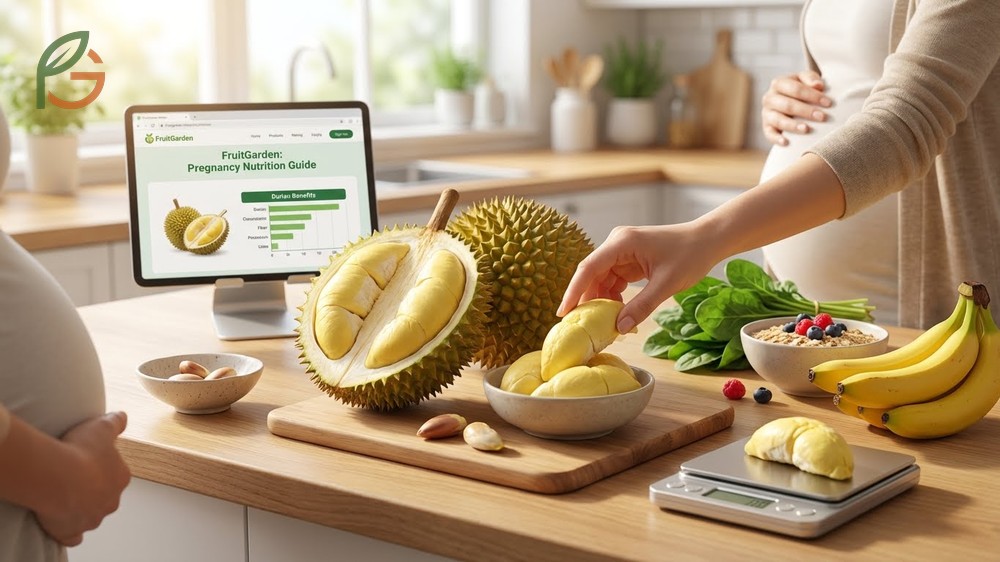
Durian fruit for pregnancy is safe when eaten in moderation. Studies demonstrate that durian provides essential nutrients like folate for fetal brain development, fiber for digestive health, and potassium for blood pressure control[1]. However, its high sugar and calorie content requires careful portion control to prevent gestational diabetes[2]. FruitGarden synthesizes current nutritional research to help expecting mothers make informed fruit choices.
Quick Answer
- Durian is safe during pregnancy in small portions: 2-3 small pieces per serving[2]
- Contains 19.7mg vitamin C and 3.8g fiber per 100g[3]
- Provides natural folate crucial for baby’s neural tube development[1]
- High calorie content: 147 calories per 100g requires moderation to avoid excessive weight gain[4]
Durian Fruit for Pregnancy

Research shows durian is safe for pregnant women when consumed occasionally and in controlled portions. The fruit delivers folate, which supports neural tube formation during early fetal development[1]. Obstetricians recommend limiting intake to 2-3 small pieces per serving to balance nutritional benefits with sugar management[2].
The soft, easily digestible flesh provides an instant energy boost through natural carbohydrates. Current guidance emphasizes that durian contains no harmful cholesterol or lipids[5]. Most pregnant women find the fruit helps combat fatigue during the second and third trimesters.
Evidence indicates that durian’s potassium content aids blood pressure regulation, which becomes increasingly important as pregnancy progresses. The fiber supports healthy digestion and prevents constipation, a common pregnancy complaint[1]. Women with gestational diabetes or pre-existing high blood pressure should consult their healthcare provider before adding durian to their diet.
Safety Guidelines for Expecting Mothers
Pregnant women should follow specific consumption guidelines to maximize benefits while minimizing risks. The high calorie density of 147 calories per 100g can contribute to excessive weight gain if eaten frequently[4]. Timing matters—most obstetricians suggest eating durian as a snack rather than after large meals.
Women should monitor their blood sugar response after consuming durian. The fruit contains 27.1g of carbohydrates per 100g, including 19g of natural sugars[6]. Pairing durian with protein sources like Greek yogurt can slow glucose absorption and prevent spikes.
Important Safety Note: Women diagnosed with gestational diabetes should avoid durian entirely or eat only under direct medical supervision. The moderate glycemic index of 49-65 can still trigger significant blood sugar elevations in insulin-resistant individuals[7].
Folate Benefits for Fetal Development
Folate in durian plays a crucial role in preventing neural tube defects during the first trimester. Research demonstrates that adequate folate intake reduces the risk of spina bifida and anencephaly by up to 70%[1]. While prenatal vitamins provide synthetic folic acid, natural folate from fruits offers better bioavailability.
The folate in durian supports rapid cell division and DNA synthesis in the developing fetus. Mothers who consume folate-rich foods throughout pregnancy also experience improved red blood cell production. However, durian shouldn’t replace prescribed prenatal supplements—it works best as a complementary source.
Nutritional Value of Durian Fruit
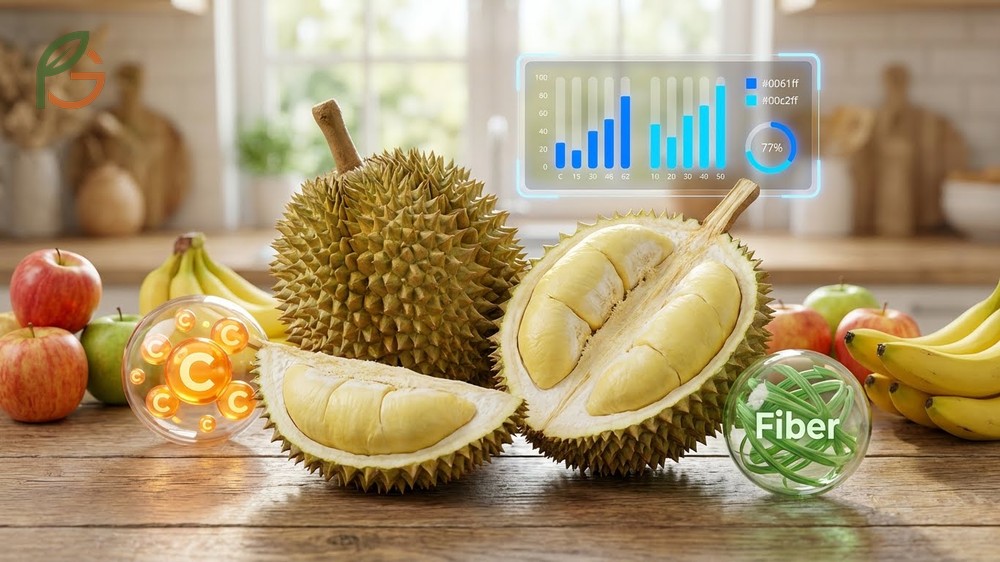
Durian ranks among the most nutrient-dense tropical fruits available to American consumers. A 100g serving delivers 19.7mg of vitamin C—about 22% of the daily value[3]. This concentration exceeds common fruits like apples and bananas, making durian an efficient immune system booster.
The fruit contains 3.8g of fiber per 100g, contributing nearly 13% of recommended daily intake[4]. Current data indicates durian provides significant amounts of thiamine (61% DV), manganese (39% DV), and vitamin B6 (38% DV) per cup serving. These B vitamins support energy metabolism and nervous system function.
Unlike most fruits, durian offers substantial fat content at 5.33g per 100g—primarily heart-healthy monounsaturated fats. The protein content of 1.47g per 100g is modest but notable for a fruit[7]. This unique macronutrient profile makes durian more satiating than typical fruit snacks.
Vitamin and Mineral Content
Durian’s vitamin C content acts as a powerful antioxidant that neutralizes free radicals and supports collagen synthesis. The 19.7mg per 100g helps pregnant women maintain skin elasticity and supports immune defenses against infections[3]. Vitamin C also enhances iron absorption from plant-based foods when consumed together.
The mineral profile includes 436mg of potassium per 100g, essential for maintaining electrolyte balance and heart rhythm. Copper content reaches 56% of daily value in a cup serving, supporting red blood cell formation. Magnesium contributes 18% DV, aiding muscle function and bone development.
- Vitamin C: 19.7mg (22% DV) for immune support and collagen production
- Potassium: 436mg (13% DV) for blood pressure regulation and heart health
- Folate: Natural amounts supporting fetal neural tube development
- Vitamin B6: Supports brain development and neurotransmitter synthesis
- Thiamine (B1): Essential for converting carbohydrates into usable energy
Macronutrient Breakdown
The carbohydrate content of 27.08g per 100g provides quick energy but requires portion awareness. Natural sugars account for approximately 19g of total carbs, giving durian its distinctive sweetness[6]. The remaining carbohydrates come from starches and fiber, which slow digestion.
Fat content distinguishes durian from water-based fruits like melons and berries. The 5.35g of fat per 100g includes minimal saturated fat, with most as monounsaturated oleic acid—the same beneficial fat found in avocados. This fat content aids absorption of fat-soluble vitamins A, D, E, and K.
This table compares macronutrients, calories, and fiber content between durian and common pregnancy-safe fruits per 100 gram serving
| Fruit | Calories | Carbs (g) | Fiber (g) | Protein (g) | Fat (g) |
|---|---|---|---|---|---|
| Durian | 147[4] | 27.08 | 3.8 | 1.47 | 5.33 |
| Banana | 89 | 22.8 | 2.6 | 1.1 | 0.3 |
| Mango | 60 | 15.0 | 1.6 | 0.8 | 0.4 |
| Apple | 52 | 13.8 | 2.4 | 0.3 | 0.2 |
Health Benefits of Durian
Studies demonstrate durian’s antioxidants help neutralize free radicals that contribute to cellular aging and disease. The fruit contains anthocyanins, carotenoids, and polyphenols—compounds associated with reduced cancer risk and cardiovascular protection[8]. These plant compounds work synergistically to combat oxidative stress throughout the body.
Research shows durian strengthens immune function through multiple mechanisms beyond vitamin C content. The combination of vitamins, minerals, and phytochemicals supports white blood cell production and antibody response. Most people find regular durian consumption during tropical fruit season helps maintain energy levels and reduce fatigue.
Evidence indicates durian may support bone health through its balanced mineral content. Iron helps prevent anemia by maintaining healthy red blood cell counts, while copper aids in iron absorption and collagen formation[9]. The fruit’s potassium content contributes to bone density by reducing calcium loss through urine.
Digestive Support and Fiber
The 3.8g of dietary fiber per 100g promotes regular bowel movements and prevents pregnancy-related constipation. Fiber adds bulk to stool and speeds transit time through the digestive tract[4]. Current guidance emphasizes that adequate fiber intake reduces hemorrhoid risk during pregnancy.
Durian’s soft texture makes it easier to digest compared to fibrous vegetables. However, excessive consumption can cause bloating, gas, and abdominal discomfort. The high fiber content requires adequate water intake—aim for 8-10 glasses daily when eating durian regularly.
Digestive Health Tip: Start with small portions (50-75g) to assess your tolerance if you’re new to durian. The fiber and fat content can overwhelm sensitive digestive systems, especially during pregnancy when digestion naturally slows.
Blood Pressure Regulation
Potassium in durian helps counteract sodium’s blood pressure-raising effects by promoting vasodilation. The 436mg per 100g contributes meaningfully to the recommended 2,600-2,900mg daily intake for pregnant women[3]. This mechanism reduces strain on the cardiovascular system and decreases preeclampsia risk.
Research demonstrates adequate potassium intake lowers stroke risk and supports kidney function. Pregnant women benefit from potassium’s role in fluid balance and preventing edema. The mineral also supports proper muscle contraction, including uterine muscles during labor.
- Immune system boost: Vitamin C and antioxidants strengthen defenses against infections
- Digestive regularity: High fiber prevents constipation and supports gut health
- Blood pressure control: Potassium reduces hypertension risk and supports heart function
- Energy production: B vitamins convert food into usable cellular energy
- Bone strength: Minerals like copper, iron, and potassium maintain skeletal health
- Anemia prevention: Iron and copper support red blood cell production
Durian Sugar Content
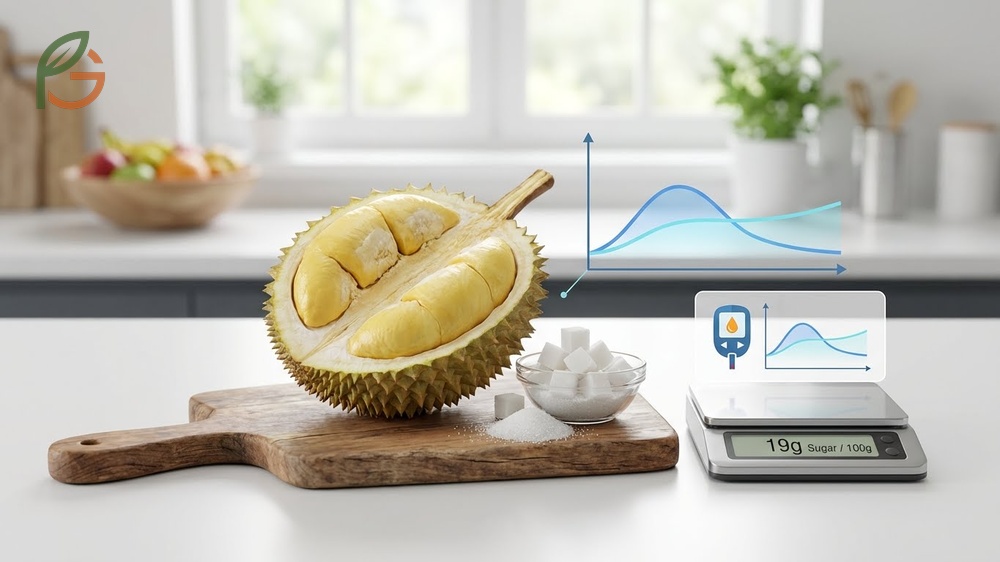
Durian contains approximately 19g of natural sugars per 100g—significantly higher than most common fruits. The glycemic index ranges from 49 to 65 depending on ripeness and variety, placing it in the moderate GI category[6]. However, the glycemic load of 24 per 100g serving indicates durian can still raise blood sugar substantially.
Research shows blood sugar begins rising 30-60 minutes after durian consumption, with the fiber content helping slow glucose release. The combination of natural sugars and starches triggers insulin response more gradually than refined carbohydrates[7]. Blood sugar typically stabilizes 2-3 hours post-consumption in healthy individuals.
Women monitoring blood sugar should limit portions to 50-75g and pair durian with protein or healthy fats. This strategy minimizes insulin spikes and extends satiety. The high sugar content makes durian unsuitable for low-carb or ketogenic diets during pregnancy.
Current data indicates overconsumption of high-sugar fruits like durian can contribute to excessive gestational weight gain. The 147 calories per 100g add up quickly when eating multiple pieces. Most obstetricians recommend treating durian as an occasional indulgence rather than a daily staple.
- Portion control: Limit intake to 2-3 small pieces (50-75g total) per serving
- Timing strategy: Eat durian as a snack between meals, not after large dinners
- Protein pairing: Combine with Greek yogurt, nuts, or cheese to slow sugar absorption
- Ripeness matters: Less ripe durian has lower sugar content and glycemic impact
- Frequency limits: Restrict consumption to 1-2 times per week maximum
Durian Side Effects Alcohol
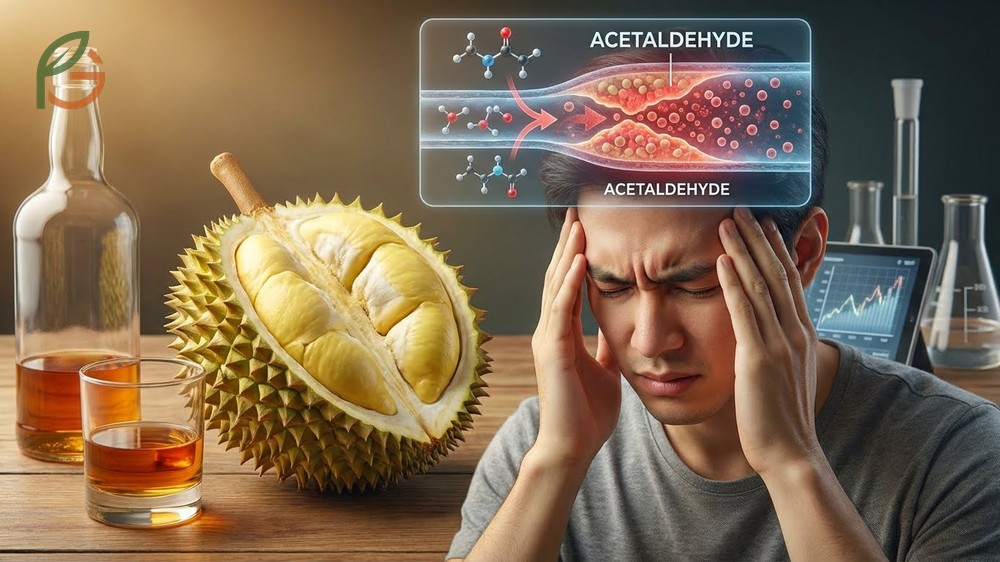
Studies show durian’s high sulfur content inhibits the enzyme aldehyde dehydrogenase, which breaks down alcohol in the liver. When this enzyme’s activity decreases by 70%, toxic acetaldehyde accumulates in the bloodstream instead of being metabolized[10]. This phenomenon intensifies alcohol intoxication symptoms and prolongs their duration.
Research demonstrates the durian-alcohol combination triggers heightened side effects including severe headaches, nausea, vomiting, and facial flushing. Some individuals experience heart palpitations and dangerous drops in blood pressure[11]. While documented cases of death exist, they’re rare and typically involve excessive alcohol consumption paired with large durian quantities.
Pregnant women should avoid alcohol entirely regardless of durian consumption. However, understanding this interaction remains important for postpartum periods and general health awareness. The sulfur compounds responsible for durian’s distinctive odor are the same molecules that interfere with alcohol metabolism.
Current guidance recommends waiting at least 8-12 hours after drinking alcohol before eating durian. Similarly, avoid alcohol for 6-8 hours after durian consumption. The delayed alcohol breakdown can lead to prolonged intoxication and unpredictable reactions even with moderate drinking.
Critical Safety Warning: Never combine durian with alcoholic beverages. The interaction can cause symptoms ranging from severe nausea to cardiac issues. This precaution applies to all individuals, not just pregnant women.
- Digestive distress: High fiber can cause diarrhea, bloating, and abdominal cramping
- Weight gain: Calorie density leads to rapid weight increase with regular consumption
- Blood sugar spikes: High carb content raises glucose levels, especially problematic for diabetics
- Allergic reactions: Some people develop hives, vomiting, or respiratory symptoms
- Heaty symptoms: Traditional medicine associates durian with body heat, causing sore throat and dry mouth
- Alcohol interaction: Sulfur compounds inhibit liver enzymes, intensifying intoxication effects
Conclusion
The evidence is clear: durian fruit for pregnancy offers valuable nutritional benefits when consumed responsibly. Research confirms its folate, fiber, and potassium support fetal development and maternal health[1]. However, the high sugar and calorie content demands strict portion control to prevent gestational diabetes and excessive weight gain.
Current guidance emphasizes treating durian as an occasional nutritional supplement rather than a dietary staple during pregnancy. Limit intake to 2-3 small pieces once or twice weekly, paired with protein to minimize blood sugar spikes[2]. Women with gestational diabetes or hypertension should consult healthcare providers before adding durian to their diet. FruitGarden provides evidence-based fruit nutrition information to help families make informed choices throughout pregnancy and beyond.
Medical Disclaimer
Important Medical Disclaimer: This content is for informational and educational purposes only. It’s not intended as a substitute for professional medical advice, diagnosis, or treatment. Always consult a qualified healthcare professional before making any changes to your diet, medication, or health routine, especially if you’re pregnant or have diabetes, hypertension, or other medical conditions. Individual nutritional needs vary based on health status, pregnancy stage, and existing complications.
Frequently Asked Questions
Is Durian Good for You During Early Pregnancy?
Yes, durian is good for you during early pregnancy in small amounts. The folate content supports neural tube development during the critical first 12 weeks, while fiber helps combat early pregnancy constipation. However, limit portions to 2-3 small pieces to avoid excessive calorie intake and morning sickness aggravation from the strong odor.
How Many Calories in a Durian Seed?
A single durian seed contains approximately 60-70 calories when roasted or boiled. The seeds are edible and provide carbohydrates and small amounts of protein, but they’re less nutrient-dense than the flesh. Pregnant women can safely eat cooked durian seeds in moderation, though the flesh offers more vitamins and minerals per calorie.
What Are the 10 Health Benefits of Durian Fruit?
The 10 health benefits include: immune system support from vitamin C, digestive health through fiber, blood pressure regulation via potassium, energy boost from B vitamins, bone strength from minerals, anemia prevention through iron, antioxidant protection against free radicals, heart health from healthy fats, improved skin health through collagen support, and potential mood enhancement from tryptophan. Research confirms these benefits when durian is part of a balanced diet.
Does Durian Make You Sleep Better?
Durian may promote better sleep through its tryptophan content, an amino acid that converts to serotonin and melatonin. However, scientific evidence for durian’s sleep benefits remains limited compared to established sleep-promoting foods like tart cherries. The fruit’s high calorie and sugar content might disrupt sleep if eaten close to bedtime, so consume it earlier in the day.
Is Durian an Energy Booster?
Yes, durian is an effective energy booster due to its high carbohydrate content and B vitamin complex. The 27g of carbs per 100g provide quick glucose for immediate energy, while B vitamins help convert food into cellular energy. Pregnant women experiencing fatigue often find 50-75g of durian delivers sustained energy for 2-3 hours without the crash associated with processed snacks.
Can Durian Improve Skin Health?
Durian benefits skin through vitamin C’s role in collagen synthesis and antioxidant protection. The 19.7mg of vitamin C per 100g supports skin elasticity and wound healing, while healthy fats aid absorption of fat-soluble vitamins important for skin health. Pregnant women may notice improved skin hydration and reduced stretch mark severity with adequate vitamin C intake from sources like durian.
Why Is Durian Considered a Heaty Fruit?
Durian is considered heaty in traditional Asian medicine because of its warming properties and high energy content. Symptoms of excess “heat” include sore throat, dry mouth, and facial flushing—often attributed to durian’s sulfur compounds and calorie density. While Western medicine doesn’t recognize the “heaty” concept, the high sugar and fat content can cause mild inflammation and dehydration if consumed in large quantities.





