
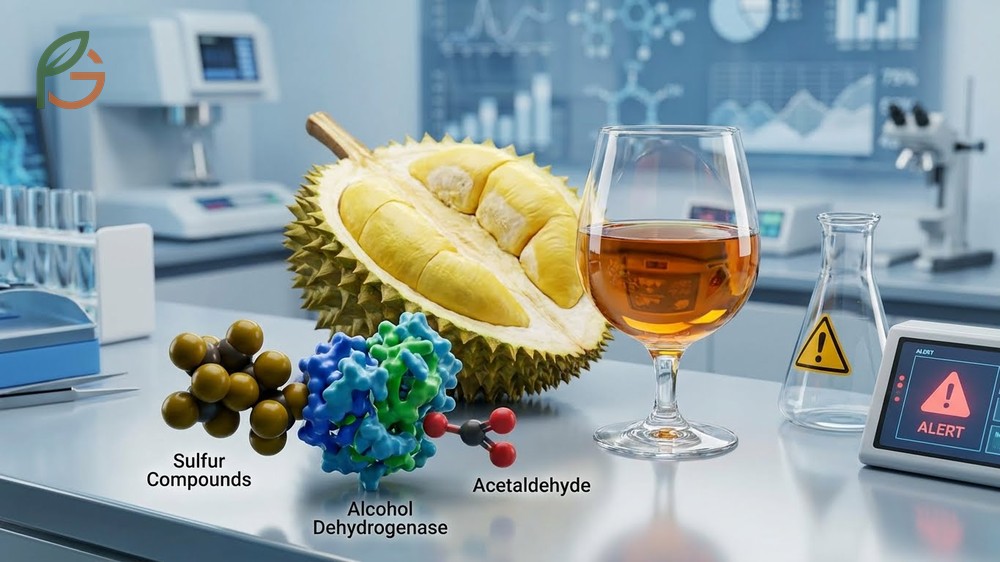
Durian and alcohol create a risky combination that can trigger unpleasant symptoms like nausea, facial flushing, and rapid heartbeat. Research demonstrates that sulfur compounds in durian inhibit the enzyme responsible for breaking down alcohol, causing acetaldehyde to accumulate in your bloodstream[1]. FruitGarden synthesizes current research on tropical fruit safety to help you make informed decisions about combining durian with alcoholic beverages.
Quick Answer
- Durian contains diethyl disulfide at concentrations of 10-40 µg/g that can inhibit alcohol metabolism by up to 70%[1]
- Symptoms include facial flushing, heart palpitations, nausea, and vomiting—similar to disulfiram-ethanol reactions[2]
- No confirmed deaths documented in medical literature, but effects can be particularly risky for people with heart conditions[3]
- Wait at least 6-8 hours after eating durian before consuming alcohol to minimize risks
Durian and Alcohol
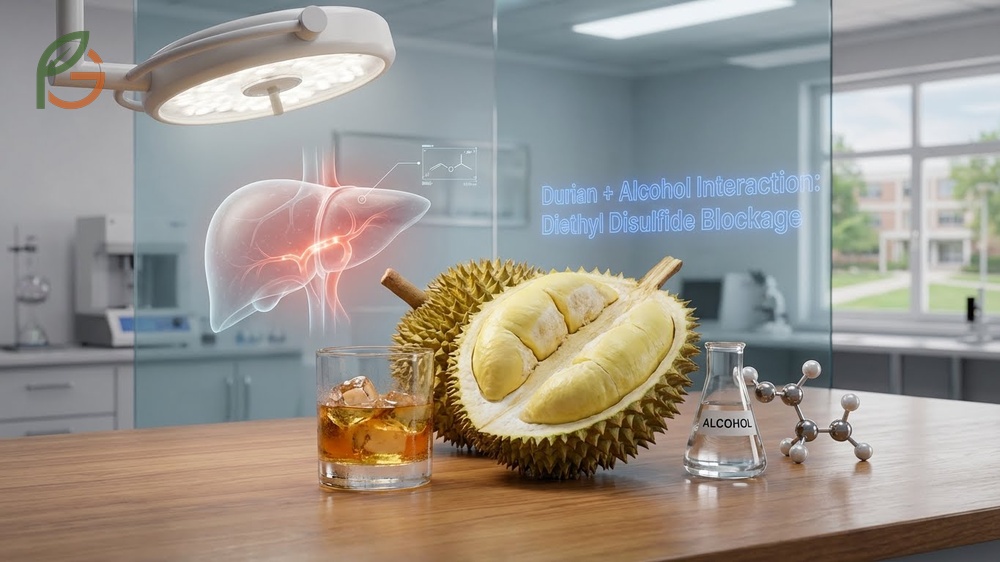
Studies demonstrate that consuming durian with alcohol triggers biochemical reactions similar to pharmaceutical treatments for alcohol dependence. The fruit’s sulfur-based compounds interfere with your liver’s normal detoxification process, creating a cascade of uncomfortable symptoms that can last several hours[1].
Research from the University of Tsukuba identified diethyl disulfide as the primary culprit. This compound exists naturally in durian pulp at concentrations ranging from 10 to 40 micrograms per gram[4]. When you eat durian, these sulfur molecules enter your bloodstream and compete with your liver’s aldehyde dehydrogenase (ALDH) enzyme—the same enzyme responsible for breaking down acetaldehyde, alcohol’s toxic byproduct.
Current data indicates that the inhibition occurs rapidly after consumption. In laboratory tests, durian extracts reduced yeast ALDH activity by up to 70% at concentrations equivalent to eating just two to three durian pods[1]. This means your body’s ability to clear acetaldehyde drops significantly, causing the toxic compound to accumulate faster than it can be eliminated.
The Science Behind Enzyme Inhibition
Your liver processes alcohol through a two-step pathway. First, alcohol dehydrogenase (ADH) converts ethanol into acetaldehyde—a highly toxic substance that causes most hangover symptoms. Second, ALDH converts acetaldehyde into harmless acetate[5].
When durian’s sulfur compounds block ALDH, acetaldehyde builds up in your bloodstream. Evidence suggests this accumulation triggers the same physiological response as disulfiram (Antabuse), a medication used to treat chronic alcoholism by making drinking extremely unpleasant[1].
How Sulfur Compounds Affect Metabolism
Diethyl disulfide isn’t the only sulfur compound in durian, but it’s the most potent ALDH inhibitor. The compound’s molecular structure allows it to bind strongly to the enzyme’s active site, preventing acetaldehyde from accessing the site where oxidation normally occurs.
Research shows the inhibition is dose-dependent—meaning more durian equals stronger effects. People who consume larger portions (more than 100 grams of pulp) face higher concentrations of circulating sulfur compounds, which translates to more severe symptoms if they drink alcohol within several hours[4].
Important Note: Individual responses vary based on body weight, liver function, and genetic factors. People of East Asian descent with ALDH2 deficiency face amplified risks, as they already process acetaldehyde slowly.
Durian Alcohol Interaction
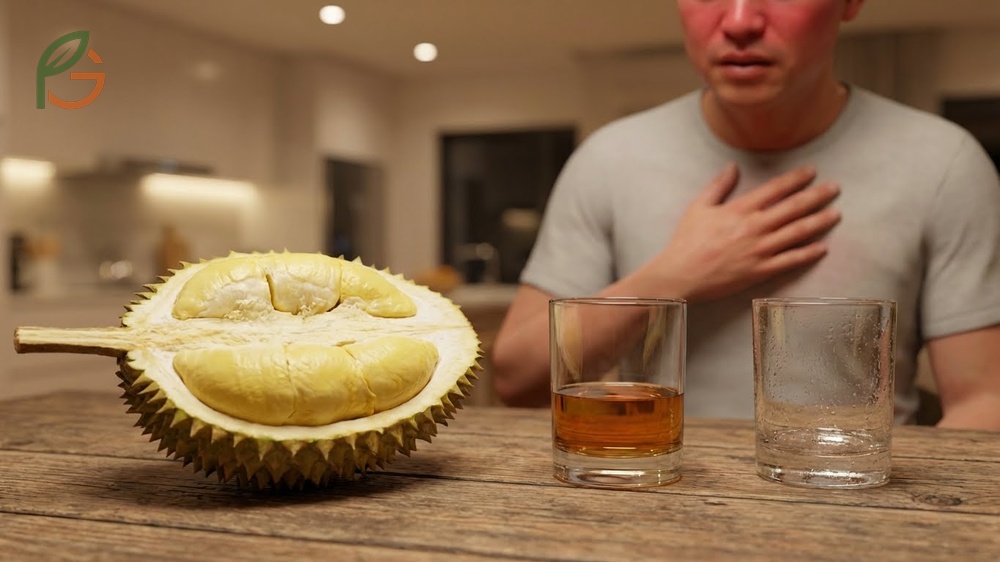
The symptoms from combining durian and alcohol mirror classic acetaldehyde toxicity. Most people report feeling effects within 20 to 45 minutes of drinking alcohol after eating durian, with peak symptoms occurring around 60 to 90 minutes[2].
Studies document a consistent pattern of reactions across different populations. Facial flushing appears first, caused by blood vessel dilation from acetaldehyde exposure. This is followed by cardiovascular symptoms including rapid heartbeat and palpitations, which can be particularly concerning for individuals with underlying heart conditions.
Immediate Symptoms
The following symptoms typically develop when you mix durian with alcohol. Research from medical centers in Southeast Asia has documented these reactions in clinical settings[3].
- Facial flushing and redness spreading from cheeks to neck and chest
- Rapid heartbeat (tachycardia) exceeding 100 beats per minute
- Nausea and stomach discomfort progressing to vomiting in severe cases
- Dizziness and lightheadedness from blood pressure fluctuations
- Headache ranging from mild pressure to intense throbbing pain
- Excessive sweating and feelings of warmth or overheating
- Difficulty breathing or sensation of chest tightness
Timeline of Effects
Understanding when symptoms appear and how long they last helps you gauge the interaction’s severity. Most reactions resolve within 2 to 4 hours as your body slowly metabolizes the accumulated acetaldehyde, though some people report lingering effects for up to 6 hours.
The intensity depends on several factors including the amount of durian consumed, type and quantity of alcohol, and individual metabolic rates. Current guidance from medical professionals emphasizes waiting at least 6 to 8 hours after eating durian before drinking alcohol[3].
This table shows the progression of durian-alcohol interaction symptoms across four time periods, from initial consumption through resolution phase
| Time Period | Symptom Intensity | Common Effects | Medical Concern |
|---|---|---|---|
| 0-30 minutes | Mild to Moderate | Facial flushing begins, warmth sensation | Low risk |
| 30-90 minutes | Moderate to Severe | Peak nausea, rapid heartbeat, dizziness | Monitor closely |
| 90-180 minutes | Moderate | Symptoms plateau then gradually decrease | Moderate concern |
| 180-360 minutes | Mild | Residual headache, mild nausea | Low risk |
Warning: If you experience severe chest pain, difficulty breathing, or heart palpitations that don’t resolve within 30 minutes, seek immediate medical attention. These symptoms may indicate cardiovascular stress requiring professional evaluation.
Durian Alcohol Myth
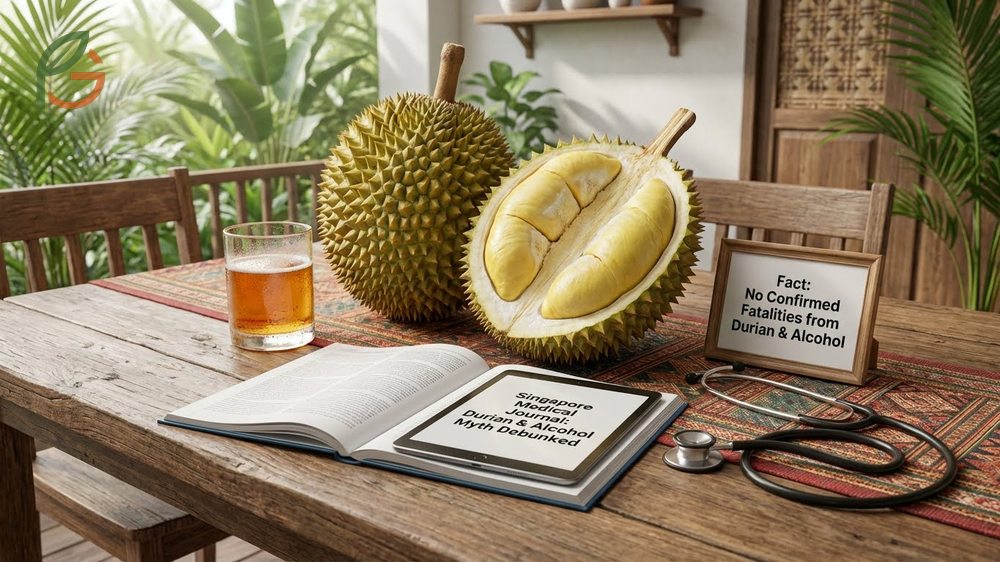
The belief that eating durian with alcohol causes instant death persists throughout Southeast Asia, but medical literature contains no confirmed fatalities directly attributable to this combination. Research from Singapore Medical Journal examined multiple case reports and found no scientific evidence supporting lethal outcomes[2].
What often gets overlooked is that most documented cases involve individuals with pre-existing health conditions. Studies indicate that people with cardiovascular disease, hypertension, or liver dysfunction face higher risks from acetaldehyde accumulation, which can trigger serious complications even if the durian-alcohol interaction itself isn’t directly fatal[3].
The myth likely gained traction because the symptoms are genuinely frightening and uncomfortable. When you’re experiencing severe nausea, rapid heartbeat, and difficulty breathing simultaneously, it’s easy to imagine the worst. However, for healthy adults without underlying conditions, the interaction causes temporary distress rather than life-threatening consequences.
Animal studies provide additional perspective. Researchers fed mice various combinations of durian and alcohol at different intervals and monitored for adverse outcomes. While the mice showed behavioral changes and physical discomfort, none died from the combination alone[2].
- Myth: Durian and alcohol create a toxic chemical reaction that kills instantly. Fact: The interaction slows alcohol metabolism but isn’t directly lethal to healthy individuals
- Myth: Even a small amount of alcohol after durian will cause severe illness. Fact: Symptom severity depends on quantities consumed and individual metabolism
- Myth: You must avoid alcohol for 24 hours after eating durian. Fact: Research suggests 6-8 hours is sufficient for most people
- Myth: All durian varieties produce the same reaction. Fact: Sulfur compound levels vary by cultivar and ripeness
- Myth: Drinking water eliminates the interaction risk. Fact: Only time allows your body to metabolize sulfur compounds
Dangerous Combination Durian
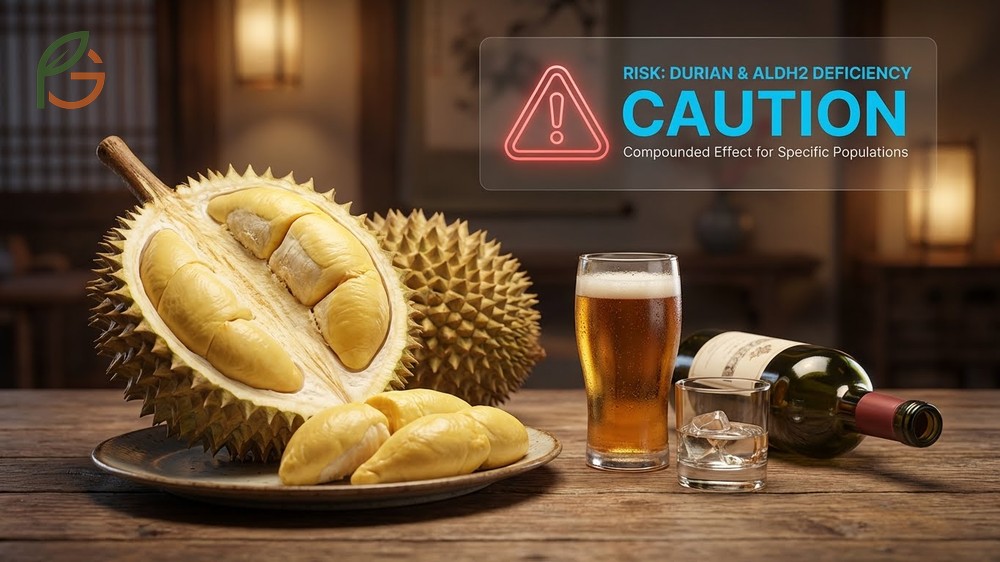
While the durian-alcohol combination isn’t universally fatal, certain populations face amplified risks that warrant serious caution. Evidence indicates that approximately 8% of the global population—primarily people of East Asian descent—carry a genetic variant that impairs ALDH2 function[5]. For these individuals, adding durian’s enzyme inhibition on top of existing deficiency creates a compounded effect.
People with cardiovascular conditions represent another high-risk group. The rapid heartbeat and blood pressure fluctuations triggered by acetaldehyde accumulation place extra stress on weakened hearts. Medical professionals report that patients with arrhythmias, coronary artery disease, or heart failure should avoid this combination entirely[3].
Medication interactions add another layer of complexity. Anyone taking medications that affect liver enzymes—including many antibiotics, antifungals, and cholesterol drugs—may experience altered responses. The durian-alcohol combination can intensify side effects or reduce medication effectiveness by competing for the same metabolic pathways.
Quantity matters significantly. Research suggests that consuming more than 100 grams of durian pulp (roughly 2-3 large pods) before drinking alcohol increases symptom severity proportionally. The concentration of diethyl disulfide rises with intake, creating stronger enzyme inhibition that takes longer to clear from your system[4].
- Individuals with ALDH2 genetic deficiency common in East Asian populations
- People diagnosed with cardiovascular disease including arrhythmias or heart failure
- Those with liver dysfunction or chronic liver disease reducing metabolic capacity
- Individuals taking medications that interact with liver enzyme systems
- Pregnant women due to increased cardiovascular demands and fetal considerations
- Elderly adults with reduced metabolic efficiency and multiple health conditions
- Anyone with diabetes, as durian’s high sugar content compounds alcohol’s effects
| Population Group | Risk Level | Primary Concern |
|---|---|---|
| Healthy adults (no ALDH2 deficiency) | Low to Moderate | Temporary discomfort, resolves naturally |
| East Asian descent with ALDH2 variant | High | Severe symptoms, prolonged acetaldehyde exposure |
| Cardiovascular disease patients | Very High | Cardiac stress, potential arrhythmias |
| Liver disease patients | Very High | Impaired metabolism, toxin accumulation |
Durian Fermentation Process
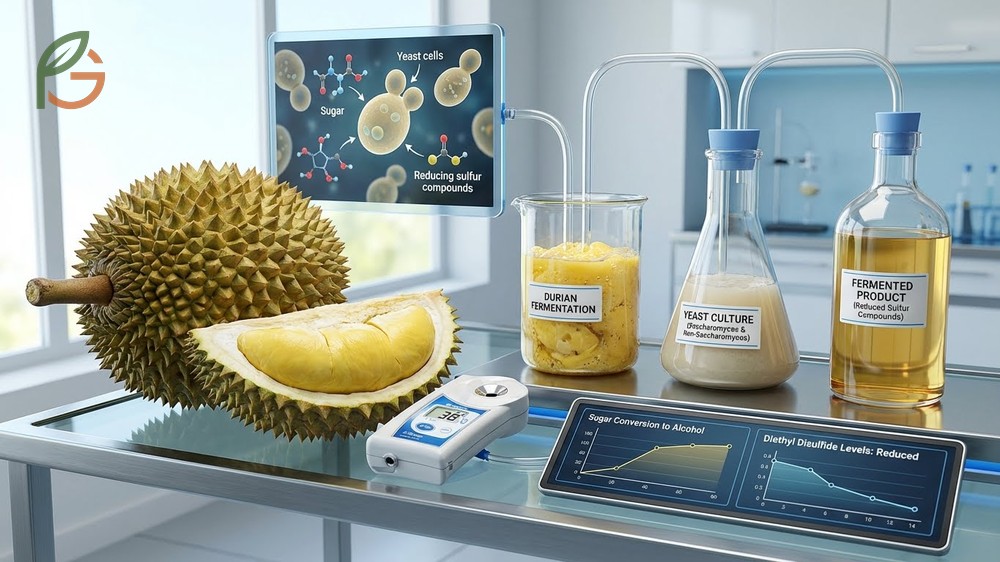
Fermented durian products present a unique scenario where yeast naturally processes the fruit’s sugars into alcohol. Research demonstrates that durian’s high sugar content—reaching up to 38 degrees Brix in ripe fruit—provides excellent conditions for fermentation, though the sulfur compounds complicate the process[4].
Studies show that both Saccharomyces and non-Saccharomyces yeasts can reduce volatile sulfur compounds during fermentation. The diethyl disulfide levels drop to undetectable or trace amounts as yeasts metabolize these compounds through oxidative pathways. This means fermented durian wine contains significantly lower concentrations of the problematic sulfur compounds compared to fresh durian.
However, the fermentation process creates its own alcohol content. Durian wines typically reach 6-10% alcohol by volume, which presents a different concern. You’re not mixing external alcohol with sulfur compounds—instead, you’re consuming alcohol that developed alongside diminishing sulfur levels. The timing of when you drink the fermented product matters less than the total alcohol content you ingest.
Current data indicates that well-fermented durian products pose minimal enzyme inhibition risks. The extended fermentation period (typically 14-21 days) allows yeasts to break down sulfur compounds that would otherwise interfere with ALDH. Commercial durian wines undergo quality testing to ensure sulfur compound levels meet safety standards.
Conclusion
The evidence is clear: durian and alcohol create a biochemically significant interaction that healthy adults should approach with caution, though it’s not the instant death sentence folklore suggests. Research confirms that durian’s sulfur compounds inhibit the enzyme that breaks down alcohol’s toxic byproducts, leading to uncomfortable but typically non-fatal symptoms for people without underlying health conditions.
Current guidance emphasizes waiting 6-8 hours after eating durian before consuming alcohol, avoiding the combination entirely if you have cardiovascular disease or liver dysfunction, and staying alert to symptom severity. FruitGarden encourages informed decision-making based on scientific evidence rather than myth—understanding the real risks lets you enjoy tropical fruits safely while respecting your body’s metabolic limitations.
Medical Disclaimer
Important Medical Disclaimer: This content is for informational and educational purposes only. It’s not intended as a substitute for professional medical advice, diagnosis, or treatment. Always consult a qualified healthcare professional before making any changes to your diet or alcohol consumption, especially if you have cardiovascular disease, liver conditions, genetic enzyme deficiencies, or take medications that affect liver function. If you experience severe symptoms after combining durian with alcohol, seek immediate medical attention.
Frequently Asked Questions
Can You Die From Eating Durian and Drinking Alcohol?
No confirmed deaths from this combination exist in medical literature. Research shows the interaction causes uncomfortable symptoms like nausea and rapid heartbeat, but isn’t directly lethal to healthy individuals. People with pre-existing heart or liver conditions face higher risks and should avoid mixing durian with alcohol entirely.
How Long Should You Wait to Drink Alcohol After Eating Durian?
Medical professionals recommend waiting at least 6 to 8 hours after eating durian before consuming alcohol. This timeframe allows your body to metabolize and clear most sulfur compounds that inhibit alcohol breakdown. Individual metabolism varies, so people with slower liver function may need to wait longer.
What Symptoms Occur When Mixing Durian With Alcohol?
Common symptoms include facial flushing, rapid heartbeat exceeding 100 beats per minute, nausea progressing to vomiting, dizziness, intense headaches, and excessive sweating. These effects typically peak 60 to 90 minutes after alcohol consumption and gradually resolve over 2 to 4 hours as acetaldehyde clears from your bloodstream.
Does Fermented Durian Wine Cause the Same Reaction?
No, properly fermented durian wine contains significantly lower sulfur compound levels. Studies show that yeast breaks down diethyl disulfide during the 14 to 21 day fermentation process, reducing it to trace or undetectable amounts. The alcohol in durian wine develops as sulfur compounds diminish, making it safer than mixing fresh durian with external alcohol sources.
Which Medical Conditions Increase Risk From Durian-Alcohol Interaction?
Cardiovascular disease including arrhythmias and heart failure presents the highest risk, as acetaldehyde accumulation stresses the heart. Liver dysfunction reduces your ability to metabolize both alcohol and sulfur compounds. People with ALDH2 genetic deficiency (common in 8% of global population, particularly East Asians) experience amplified symptoms. Diabetes, hypertension, and pregnancy also increase vulnerability to adverse effects.
How Much Durian Is Too Much Before Drinking Alcohol?
Research indicates that consuming more than 100 grams of durian pulp (approximately 2 to 3 large pods) significantly increases symptom severity. The concentration of diethyl disulfide rises proportionally with intake, creating stronger enzyme inhibition. If you plan to drink alcohol within 8 hours, limit durian consumption to one small pod or about 50 grams of pulp.
What Should You Do If You Experience Severe Symptoms?
Seek immediate medical attention if you experience severe chest pain, difficulty breathing that worsens, heart palpitations lasting more than 30 minutes, or confusion and disorientation. For mild to moderate symptoms, stay hydrated with water, rest in a cool environment, and avoid consuming additional alcohol. Most symptoms resolve naturally within 2 to 4 hours without intervention.





