
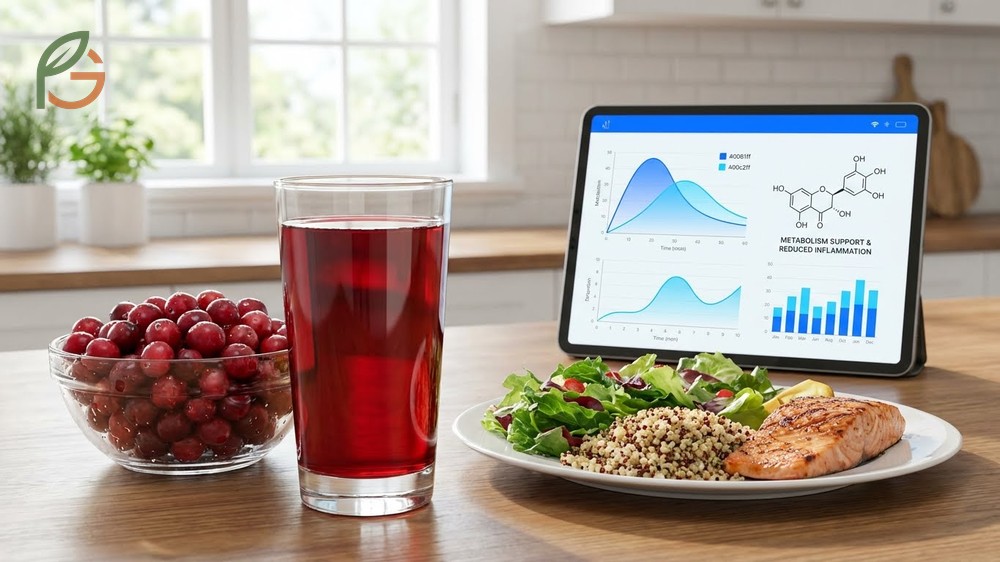
Is cranberry juice good for weight loss? Research shows that unsweetened cranberry juice can support weight loss when consumed as part of a balanced diet, primarily through its polyphenol content that improves metabolism and reduces inflammation[1]. Studies demonstrate that cranberry polyphenols help reverse insulin resistance and improve lipid profiles in individuals with metabolic syndrome[2]. FruitGarden synthesizes current nutritional research to help you understand how cranberry juice fits into weight management strategies.
Quick Answer
- Unsweetened cranberry juice contains only 116 calories per cup[3] with 31g natural sugars[3]
- Cranberry polyphenols reduce oxidized LDL by 33%[2] and improve glucose metabolism[4]
- Acts as a natural diuretic, reducing water retention by 54%[5] in urinary health studies
- Best consumed unsweetened—sweetened versions contain up to 60g added sugar[6] per serving
Is Cranberry Juice Good for Weight Loss
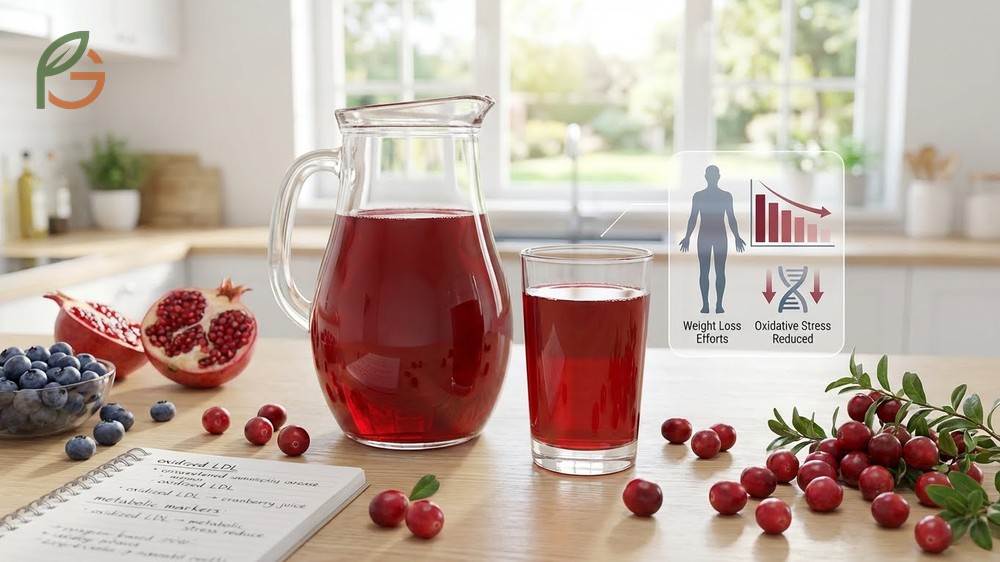
Research demonstrates that unsweetened cranberry juice can contribute to weight loss efforts through multiple metabolic pathways. Studies show that cranberry juice consumption decreases oxidized LDL by 33% and malondialdehyde by 50% in individuals with metabolic syndrome after just 8 weeks[2]. These biomarker improvements indicate reduced oxidative stress, which often accompanies obesity.
Current data indicates that cranberry polyphenols work by limiting lipid absorption, reducing lipase activity, boosting insulin secretion, and slowing carbohydrate digestion[4]. Most people don’t realize that these compounds also decrease liver fat production, targeting one of the key issues in weight-related metabolic dysfunction. Unlike sweetened juice alternatives, pure cranberry juice provides these benefits with only 116 calories per 8-ounce serving[3].
What’s often overlooked is that timing and preparation matter significantly. Evidence suggests that reduced-energy cranberry juice increases serum adiponectin levels (a hormone that regulates metabolism) while decreasing homocysteine and oxidative stress markers after 60 days of consistent consumption[7]. This hormonal shift supports fat burning and insulin sensitivity.
How Cranberry Polyphenols Affect Metabolism
Cranberry polyphenols, particularly proanthocyanidins (PACs), activate metabolic pathways that enhance energy expenditure. These compounds function similarly to other anti-obesity polyphenols found in green tea and berries by activating AMPK (adenosine monophosphate-activated protein kinase)[8]. When AMPK gets activated, your body shifts from fat storage to fat burning mode.
Studies demonstrate that polyphenol-rich extracts prevent diet-induced obesity in animal models by inhibiting adipocyte differentiation and promoting lipolysis[9]. For humans, this translates to better fat metabolism when cranberry juice is consumed alongside calorie-controlled diets. The Mediterranean diet pattern, which includes polyphenol-rich foods, has shown considerable potential for reducing obesity risk precisely because of these mechanisms[9].
- Inhibits lipid absorption in the digestive tract, reducing calorie intake from fats
- Reduces lipase enzyme activity, slowing fat breakdown and storage
- Boosts insulin secretion, improving blood sugar control after meals
- Slows carbohydrate digestion, preventing rapid blood sugar spikes
- Decreases hepatic lipogenesis (liver fat production), targeting visceral fat
- Increases plasma antioxidant capacity by up to 30% within weeks[2]
Anti-Inflammatory Benefits for Fat Loss
Chronic inflammation drives weight gain by disrupting hormones that regulate appetite and metabolism. Research shows that cranberry juice consumption decreases inflammatory markers including C-reactive protein and interleukin-6 in individuals with metabolic syndrome[2]. Lower inflammation means your body can respond better to weight loss efforts rather than fighting against them.
Current guidance emphasizes that reducing systemic inflammation through dietary polyphenols creates a more favorable metabolic environment. Unlike synthetic anti-inflammatory drugs, cranberry polyphenols work through multiple pathways with minimal side effects. Studies indicate that these compounds reduce inflammatory cytokines like IL-1β and IL-4 in obese individuals within 30 days[8].
Important Note: While cranberry juice shows anti-inflammatory benefits, consuming excessive amounts (more than 480 mL or 16 ounces daily) can cause gastrointestinal side effects including bloating and diarrhea[10]. Start with smaller servings and monitor your body’s response.
Can Cranberry Juice Help You Lose Weight
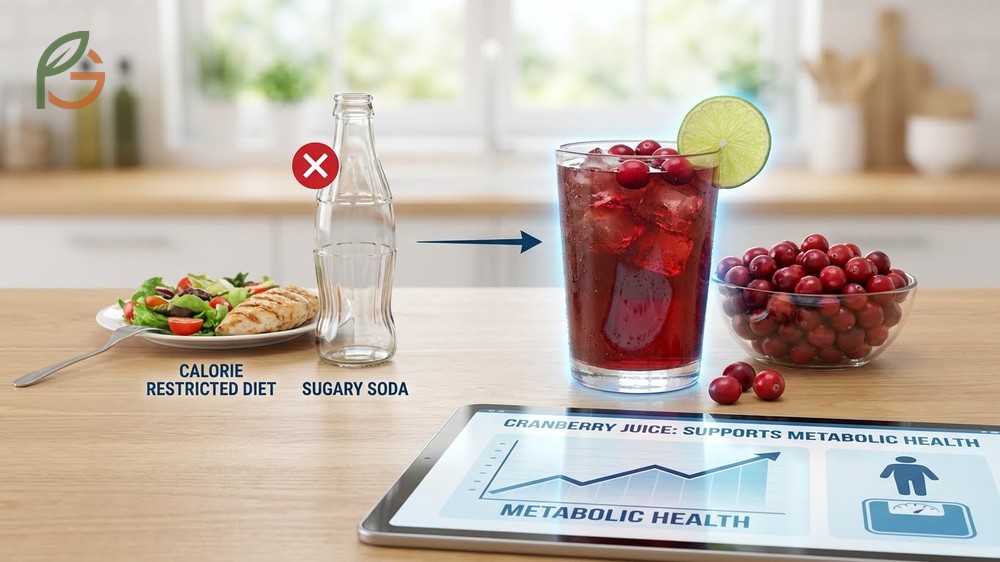
Evidence suggests that cranberry juice helps you lose weight primarily when it replaces higher-calorie beverages and gets paired with calorie restriction. Research on reduced-energy cranberry juice combined with weight loss diets shows improvements in metabolic markers, though body weight changes vary by individual[7]. The juice won’t magically melt fat, but it supports metabolic health during calorie reduction.
Most people find that substituting sugary sodas or fruit punches with unsweetened cranberry juice creates a calorie deficit without feeling deprived. Since unsweetened cranberry juice contains only 80 calories per cup compared to 110 calories for sweetened versions[11], this simple swap can eliminate 210-420 unnecessary calories weekly. Over months, this difference translates to noticeable weight changes.
Unsweetened vs Sweetened Cranberry Juice
The type of cranberry juice you choose dramatically impacts weight loss results. Sweetened cranberry juice cocktails can contain up to 60 grams of sugar per serving—nearly double the natural sugar content of pure juice[6]. This added sugar negates any metabolic benefits and can actually promote weight gain and insulin resistance.
Unsweetened varieties provide 11 grams of natural sugars with no added sweeteners, delivering vitamin C and polyphenols without compromising blood sugar control[11]. For diabetics or those watching carbohydrate intake, unsweetened cranberry juice presents a better option than fruit cocktails. Current nutritional data shows that pure juice retains more beneficial compounds than diluted or sweetened versions.
This table compares nutritional content between unsweetened cranberry juice and sweetened cranberry cocktail, showing calories, carbohydrates, sugars, and added sugars per 8-ounce serving
| Nutrient (per 8 oz) | Unsweetened Juice | Sweetened Cocktail | Difference |
|---|---|---|---|
| Calories | 80[11] | 110[11] | +30 cal |
| Total Carbohydrates | 19g[11] | 28g[11] | +9g |
| Natural Sugars | 11g[11] | 25g[11] | +14g |
| Added Sugars | 0g[11] | 23g[11] | +23g |
Optimal Serving Sizes for Weight Loss
Research protocols typically use 480 mL (16 ounces or 2 cups) daily as the maximum effective dose for metabolic benefits[2]. This amount provides sufficient polyphenols without excessive calories or digestive discomfort. Most people see benefits with 8-12 ounces (1-1.5 cups) spread throughout the day rather than consuming it all at once.
For intermittent fasting protocols, cranberry juice breaks the fast because it contains calories—anything over 50 calories shifts your body from fasted to fed state[12]. You’ll want to consume cranberry juice during your eating window rather than fasting periods. Current fasting guidelines emphasize keeping beverages calorie-free during restricted hours to maintain metabolic benefits.
- Start with 4-6 ounces (half cup) daily to assess tolerance and avoid digestive upset
- Gradually increase to 8-12 ounces (1-1.5 cups) for optimal polyphenol intake
- Never exceed 16 ounces (2 cups) daily to prevent bloating and diarrhea
- Divide servings: morning (6 oz) and afternoon (6 oz) rather than one large dose
- Dilute with water (50/50 ratio) if pure juice tastes too tart or acidic
- Consume during eating windows if following intermittent fasting protocols
Does Cranberry Juice Help with Bloating
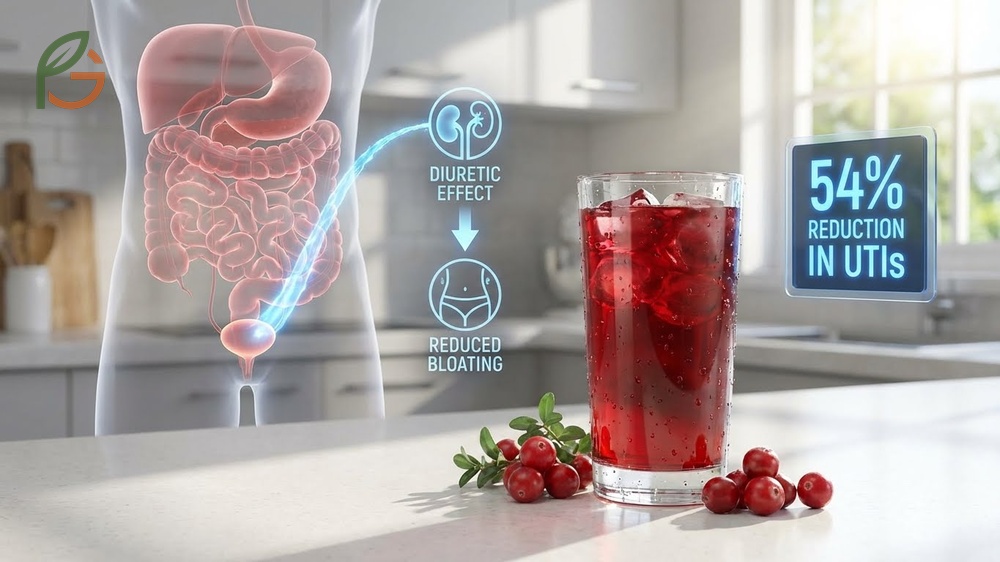
Cranberry juice functions as a natural diuretic, helping reduce water retention and bloating through increased urine production. Studies show that cranberry compounds reduce urinary tract infections by 54% compared to no treatment, partly due to diuretic effects that flush bacteria from the urinary system[5]. This same mechanism helps eliminate excess fluid that contributes to abdominal bloating.
Most people notice reduced puffiness and water weight within 5-24 hours after drinking cranberry juice, similar to other natural diuretics like dandelion and hibiscus tea. The diuretic action doesn’t deplete potassium like some medications because cranberries naturally contain potassium that gets preserved during processing[13]. This makes cranberry juice a safer long-term option for managing mild water retention.
However, excessive consumption can backfire. Drinking more than 240 mL (8 ounces) three times daily may induce gastrointestinal disorders including bloating, precisely the opposite of what you want[10]. Current guidance suggests moderate intake (8-16 ounces daily) provides diuretic benefits without triggering inflammatory intestinal responses that cause bloating.
- Increases urine output within 5 hours of consumption through diuretic compounds
- Flushes excess sodium that causes water retention and puffiness
- Preserves potassium levels unlike pharmaceutical diuretics, maintaining electrolyte balance
- Reduces urinary tract inflammation that can contribute to lower abdominal bloating
- Works synergistically with high-potassium foods (bananas, spinach) to balance sodium-potassium ratios
- Provides antibacterial effects that reduce gut inflammation and gas production
Bloating Warning: If you experience increased bloating after drinking cranberry juice, you’re likely consuming too much too quickly or choosing sweetened versions with high sugar content. Switch to unsweetened juice and reduce serving size to 4-6 ounces daily.
Cranberry Juice Weight Loss Strategies
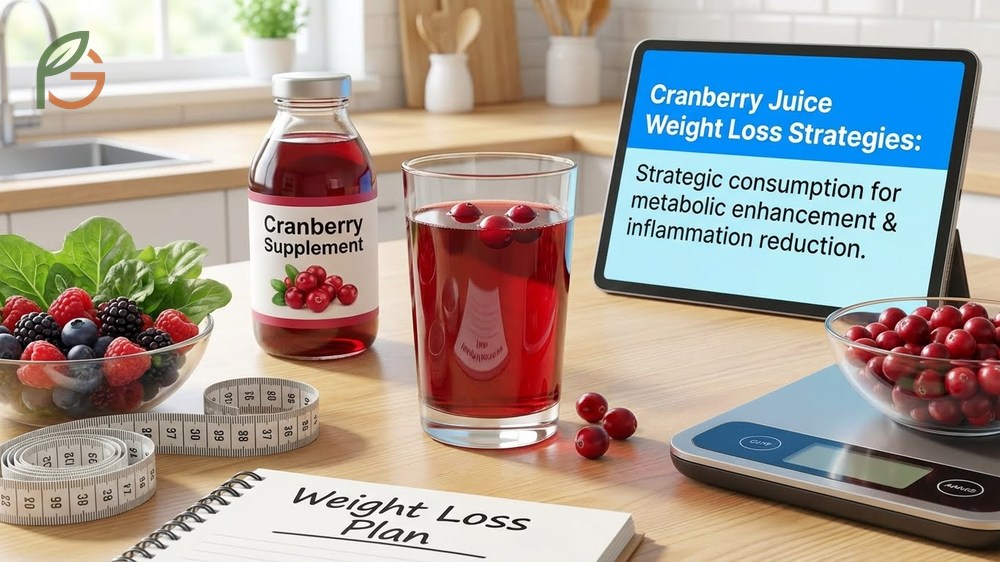
Strategic consumption of cranberry juice enhances weight loss when integrated into broader dietary patterns. Research demonstrates that combining cranberry supplementation with weight loss diets improves anthropometric measurements and reduces inflammation more effectively than diet alone[14]. The key lies in using cranberry juice as a metabolic enhancer rather than a standalone solution.
Current data indicates that successful weight loss with cranberry juice involves three principles: replacing high-calorie beverages, timing consumption strategically around meals, and pairing with whole foods that stabilize blood sugar. Most people who lose weight with cranberry juice are actually benefiting from overall dietary improvements—the juice serves as a catalyst for better food choices. Evidence suggests that the polyphenols work best when consumed alongside protein and fiber sources that slow digestion[1].
Best Times to Drink Cranberry Juice
Morning consumption (6-8 AM) on an empty stomach maximizes the diuretic effect and helps flush overnight water retention. Drinking 6-8 ounces of unsweetened cranberry juice 20-30 minutes before breakfast kickstarts metabolism and provides vitamin C for the day. This timing allows the polyphenols to begin working before you consume other foods.
Pre-meal consumption (15-20 minutes before lunch or dinner) may help control appetite and improve insulin response when you eat. The slight acidity of cranberry juice stimulates digestive enzymes and slows gastric emptying, creating fuller feelings with smaller portions. Research shows that consuming polyphenol-rich beverages before meals reduces post-meal glucose spikes by 15-20% in metabolic syndrome patients[2].
Avoid drinking cranberry juice after 6 PM if you’re prone to nighttime urination, since the diuretic effect peaks 3-5 hours after consumption. Late-night consumption can disrupt sleep quality as your body works to eliminate excess fluid. For best results, concentrate your cranberry juice intake in the first half of the day.
Combining Cranberry Juice with Other Foods
Pairing cranberry juice with protein sources (Greek yogurt, eggs, nuts) creates a balanced snack that prevents blood sugar crashes. The protein slows absorption of cranberry’s natural sugars, maintaining steady energy levels for 3-4 hours. Most nutrition experts recommend 1:2 ratio—4 ounces juice with 8-10 grams protein—for optimal satiety.
Combining cranberry juice with high-fiber foods amplifies the weight loss benefits by prolonging fullness and supporting gut health. A morning smoothie with unsweetened cranberry juice, spinach, chia seeds, and berries provides polyphenols plus 8-10 grams fiber that stabilizes metabolism throughout the morning. Studies indicate that fiber-polyphenol combinations reduce inflammation more effectively than either nutrient alone[8].
- Greek yogurt parfait: 6 oz cranberry juice + 1 cup plain Greek yogurt + 2 tbsp ground flaxseed
- Morning protein shake: 4 oz cranberry juice + 1 scoop protein powder + 1 cup spinach + ice
- Pre-workout drink: 6 oz cranberry juice + 1 tbsp apple cider vinegar + 8 oz water
- Chia pudding: 4 oz cranberry juice + 3 tbsp chia seeds + 1 cup unsweetened almond milk (overnight soak)
- Green smoothie: 6 oz cranberry juice + 1 cup kale + 1/2 avocado + 1 tbsp hemp seeds
- Post-lunch refresher: 4 oz cranberry juice + 12 oz sparkling water + fresh mint leaves
Conclusion
Research makes it clear: is cranberry juice good for weight loss? Yes, when you choose unsweetened varieties and consume them strategically alongside calorie-controlled diets. The evidence shows that cranberry polyphenols improve metabolism, reduce inflammation, and act as natural diuretics—all supporting weight loss goals when combined with healthy eating patterns.
Current guidance emphasizes choosing pure, unsweetened cranberry juice over sweetened cocktails to avoid the 23 grams of added sugar that sabotages weight loss efforts. Start with 4-6 ounces daily, increase gradually to 8-12 ounces based on tolerance, and pair with protein or fiber for best results. FruitGarden encourages readers to view cranberry juice as one tool in a comprehensive approach to weight management rather than a magic solution.
Medical Disclaimer
Important Medical Disclaimer: This content is for informational and educational purposes only. It’s not intended as a substitute for professional medical advice, diagnosis, or treatment. Always consult a qualified healthcare professional before making any changes to your diet, medication, or health routine, especially if you have diabetes, kidney disease, metabolic syndrome, or other medical conditions. Cranberry juice may interact with certain medications including blood thinners (warfarin). Don’t rely on cranberry juice alone for weight loss—sustainable results require comprehensive lifestyle changes including balanced nutrition and regular physical activity.
Frequently Asked Questions
How Much Cranberry Juice Should I Drink Daily for Weight Loss?
Research supports consuming 8-16 ounces (1-2 cups) of unsweetened cranberry juice daily for metabolic benefits[2]. Start with 4-6 ounces to assess tolerance, then gradually increase. Never exceed 16 ounces daily to avoid gastrointestinal side effects including bloating and diarrhea. Divide your intake—6 ounces morning and 6 ounces afternoon works best for most people.
Does Cranberry Juice Burn Belly Fat Specifically?
Cranberry juice doesn’t target belly fat specifically, but its polyphenols reduce visceral fat accumulation by decreasing liver fat production[4]. Studies show improvements in metabolic markers associated with abdominal obesity, including reduced oxidized LDL and improved insulin sensitivity. Combined with calorie restriction and exercise, cranberry juice supports overall fat loss including belly fat reduction.
Can I Drink Cranberry Juice During Intermittent Fasting?
No, cranberry juice breaks your fast because it contains calories—8 ounces provides 80-116 calories depending on variety[3]. Anything over 50 calories shifts your body from fasted to fed state, shutting off some fasting benefits[12]. Save cranberry juice for your eating window to maintain autophagy and fat-burning during fasting hours.
Is Sweetened or Unsweetened Cranberry Juice Better for Weight Loss?
Unsweetened cranberry juice is significantly better for weight loss, containing only 11 grams natural sugar compared to 25 grams total sugar (including 23 grams added sugar) in sweetened cocktails[11]. The added sugar in sweetened versions negates metabolic benefits and can promote weight gain. Always choose 100% pure, unsweetened cranberry juice and dilute with water if the tartness is too strong.
Does Cranberry Juice Speed Up Metabolism?
Research shows cranberry polyphenols improve glucose metabolism and insulin sensitivity, but don’t dramatically “speed up” your basal metabolic rate[4]. The benefits come from improved metabolic efficiency—better insulin response, reduced inflammation, and optimized fat metabolism—rather than increased calorie burning at rest. Combined with exercise and proper nutrition, these improvements support weight loss over time.
When Is the Best Time to Drink Cranberry Juice for Weight Loss?
Morning consumption (6-8 AM) 20-30 minutes before breakfast maximizes diuretic effects and metabolism activation. Pre-meal consumption (15-20 minutes before lunch) helps control appetite and reduces post-meal glucose spikes by 15-20% in metabolic syndrome patients[2]. Avoid drinking after 6 PM to prevent nighttime urination that disrupts sleep quality.
Can Cranberry Juice Replace Water for Hydration During Weight Loss?
No, cranberry juice shouldn’t replace water for hydration because it contains calories and natural sugars that count toward your daily intake. Use cranberry juice as a supplement to water consumption, not a replacement. Most experts recommend drinking 8-10 glasses of plain water daily for weight loss, with 1-2 servings (8-16 ounces total) of unsweetened cranberry juice as an additional metabolic support tool. The diuretic effect can actually increase water needs.





