
How much cranberry juice should I drink? Research shows that 8 ounces (1 cup) daily is the standard serving for adults, providing urinary tract benefits without excess sugar. Current dietary guidelines recognize 1 cup of 100% cranberry juice as a full fruit serving toward your daily intake[2]. FruitGarden synthesizes current nutritional research and agricultural data to help you understand optimal cranberry juice consumption for health benefits.
Quick Answer
How Much Cranberry Juice Should I Drink
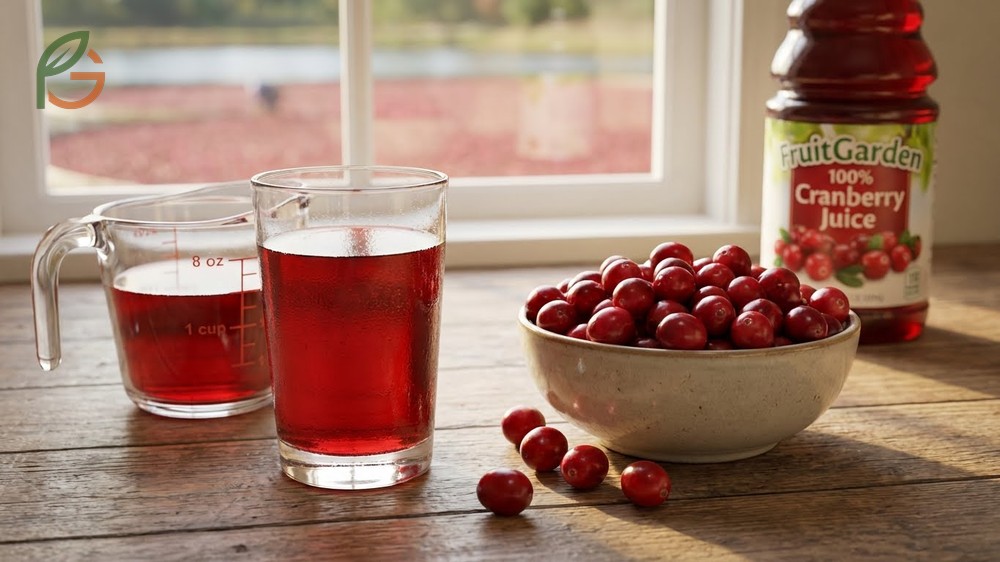
The FDA recognizes 8 ounces (240ml) as the standard daily serving of cranberry juice beverage that may help reduce recurrent UTI risk[1]. This qualified health claim came after reviewing clinical evidence showing consistent benefits at this dosage level. Most commercial brands like Ocean Spray label 8 oz as their recommended serving size[7].
Current dietary guidance from USDA MyPlate counts 1 cup (8 oz) of 100% cranberry juice as one complete fruit serving[2]. Adults should aim for 2 cups of fruit daily, with no more than half coming from juice rather than whole fruit. This means your entire daily juice allowance can come from a single 8 oz glass of cranberry juice.
Studies demonstrate that consuming 240-300ml (8-10 oz) of cranberry juice delivers 36-40mg of proanthocyanidins (PACs), the active compounds responsible for urinary tract health benefits[8]. Evidence suggests this concentration provides optimal therapeutic effects without requiring excessive consumption.
Standard Serving Size for Cranberry Juice
Pure unsweetened cranberry juice contains 60 calories per 8 oz serving with no added sugar[9]. Cranberry juice cocktail typically has 100 calories per 8 oz due to added sweeteners[4]. Both versions deliver 90-100mg of vitamin C per serving, meeting your entire daily requirement.
Each 8 oz serving equals approximately 900 fresh cranberries pressed into juice form. The concentrated nature means you’re getting substantial nutritional benefits in a small volume.
Daily Recommendations by Age Group
The American Academy of Pediatrics sets specific limits for children’s fruit juice consumption based on developmental needs[5]. These guidelines help prevent excessive sugar intake while allowing nutritional benefits. Age-appropriate portions ensure children don’t displace whole fruits from their diets.
This table shows recommended maximum daily cranberry juice servings by age group from toddlers through adults with corresponding ounce amounts
| Age Group | Maximum Daily Amount | Notes |
|---|---|---|
| 1-3 years | 4 ounces[5] | Dilute with water to reduce sugar |
| 4-6 years | 4-6 ounces[5] | Serve with meals, not as snacks |
| 7-18 years | 8 ounces[5] | Same as adult serving size |
| Adults 19+ | 8-16 ounces[3] | Don’t exceed 1 liter (33.8 oz) |
Important Note: Children under 1 year shouldn’t consume any fruit juice. Their digestive systems can’t handle the sugar concentration, and juice offers no nutritional advantages over breast milk or formula.
How Much Cranberry Juice Should You Drink a Day
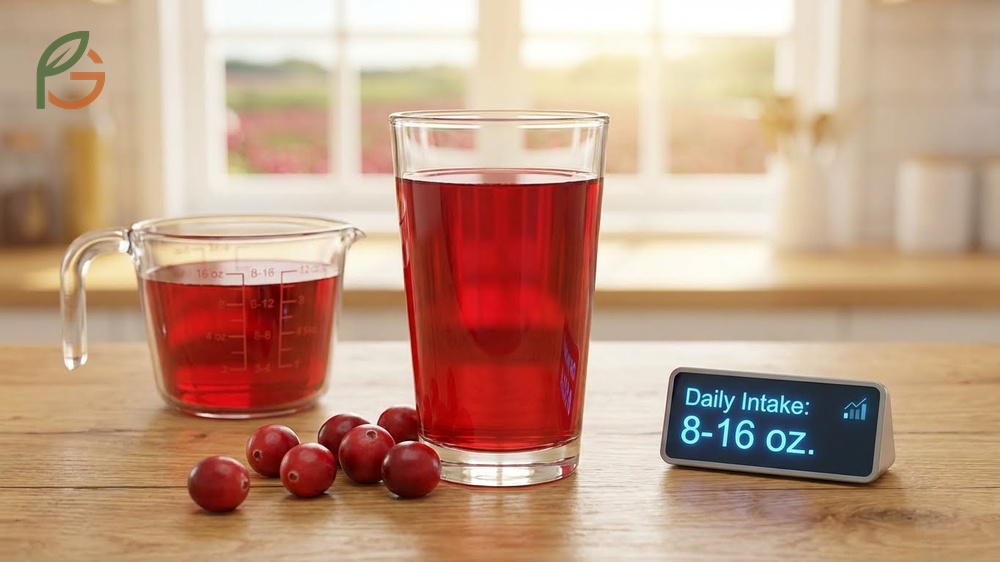
Your optimal daily cranberry juice intake depends on your specific health goals. Research shows different amounts work better for different conditions. What works for UTI prevention differs from what’s needed for cardiovascular benefits.
Most adults find that 8-16 ounces daily strikes the right balance between health benefits and practical consumption. This range provides therapeutic compounds without excessive calories or sugar intake.
For Urinary Tract Infection Prevention
Clinical trials demonstrate that 8 ounces (240ml) daily reduces UTI recurrence in high-risk individuals[10]. The study showed a treatment effect of 0.74, meaning cranberry users had 26% fewer clinically defined UTIs compared to placebo. Evidence suggests five high-risk people need treatment for one year to prevent one person from experiencing UTI.
The protective effect starts appearing after two months of consistent daily consumption. Skipping days reduces effectiveness, so maintaining a regular schedule matters more than increasing the amount.
Research shows one 8 oz serving prevents E. coli bacteria from adhering to urinary tract walls[11]. This modest serving size provides sufficient PACs to create an anti-adhesion effect lasting several hours.
For Heart Health Benefits
USDA Agricultural Research Service studies found that 16 ounces (2 glasses) daily significantly improved cardiovascular markers[3]. This higher dosage reduced arterial stiffness and improved blood vessel function in clinical trials. Participants showed measurable improvements after eight weeks of consistent consumption.
The cardiovascular benefits come from cranberry’s high polyphenol content. These antioxidant compounds reduce inflammation and protect blood vessel walls from oxidative damage.
Important Consideration: If you’re taking blood thinners like warfarin, consult your doctor before drinking cranberry juice regularly. Cranberries may interact with anticoagulant medications and affect blood clotting.
- Urinary tract protection: Prevents bacterial adhesion in the bladder and urethra through PAC compounds
- Antioxidant supply: Delivers vitamin C and polyphenols that neutralize free radicals
- Cardiovascular support: Improves blood vessel flexibility and reduces arterial stiffness
- Immune function: Vitamin C content supports white blood cell production and activity
- Digestive health: May help prevent H. pylori bacterial colonization in the stomach lining
Best Time to Drink Cranberry Juice
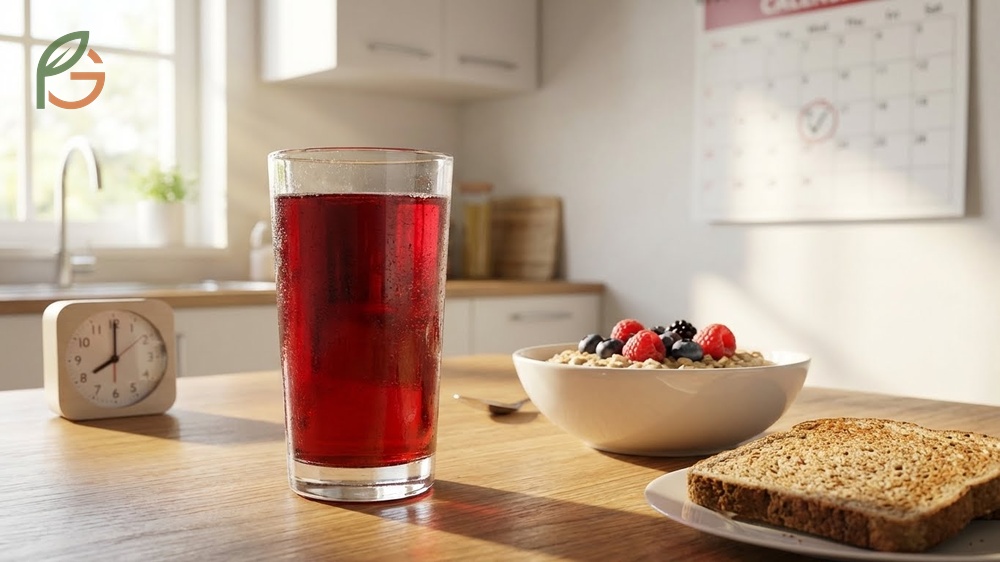
Studies show both morning and evening consumption deliver benefits, with timing mattering less than consistency. Your personal schedule and health goals should guide when you drink cranberry juice. What’s most important is establishing a daily routine you’ll stick with long-term.
Morning consumption with breakfast offers several advantages. Taking cranberry juice on an empty stomach allows faster absorption of vitamin C and PACs into your bloodstream. Pairing it with a protein-rich breakfast helps stabilize blood sugar and prevents the mild energy dip some people experience from fruit juice alone.
Evening consumption before bed works well for urinary tract benefits. The active compounds work their way through your system during sleep, providing overnight protection. Research suggests the anti-adhesion effects last 6-8 hours, meaning evening intake covers you through the night when urine concentrates.
Some people split their daily serving into two smaller portions—4 oz in the morning and 4 oz in the evening. This approach maintains more consistent PAC levels throughout the day and reduces sugar load at any single time.
- With meals: Drinking juice alongside food slows sugar absorption and reduces potential stomach upset
- Avoid bedtime if prone to reflux: Acidic juices can trigger heartburn when lying down within 2 hours
- Before exercise: The natural sugars provide quick energy for workouts lasting under 60 minutes
- With iron supplements: Vitamin C in cranberry juice enhances iron absorption by up to 3x
- Set a daily alarm: Consistency matters more than timing—choose one time and stick with it
Pro Tip: If you experience digestive sensitivity, always consume cranberry juice with food rather than on an empty stomach. The natural acidity can irritate sensitive stomach linings when concentrated.
Diluting Cranberry Juice for Better Taste
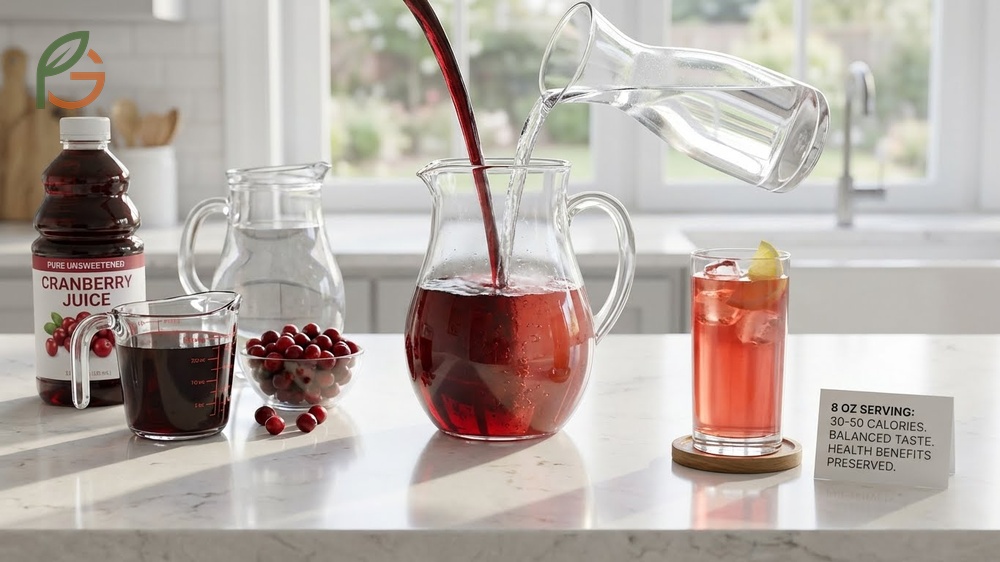
Pure unsweetened cranberry juice tastes extremely tart due to its low natural sugar content and high organic acid levels. Most people find it unpalatable at full strength. Diluting makes it more enjoyable while maintaining health benefits and reducing calorie intake.
A 1:1 dilution ratio (equal parts cranberry juice and water) cuts calories in half while preserving therapeutic PAC compounds. This creates an 8 oz serving with only 30-50 calories instead of 60-100. The PAC molecules aren’t affected by dilution—you’re simply spreading them through more liquid volume.
For extremely tart pure cranberry juice, try a 1:2 ratio (1 part juice to 2 parts water). This creates a milder flavor while still delivering meaningful amounts of beneficial compounds. Some people prefer sparkling water for dilution, adding pleasant carbonation without extra sugar.
Diluting cranberry juice cocktail (which already contains added sweeteners) helps reduce sugar intake. Current data indicates the average cranberry cocktail contains 23g sugar per 8 oz serving[4]. A 1:1 dilution drops this to approximately 11.5g—closer to recommended daily limits.
- Sparkling water: Creates a refreshing, fizzy cranberry spritzer with no added calories
- Green tea: Combines cranberry PACs with tea catechins for amplified antioxidant effects
- Coconut water: Adds electrolytes and natural sweetness while diluting tartness
- Fresh lime juice: Enhances flavor complexity and provides additional vitamin C
- Herbal infusions: Steep mint or hibiscus in hot water, cool, then mix with cranberry juice
Cranberry Pills vs Juice Dosage
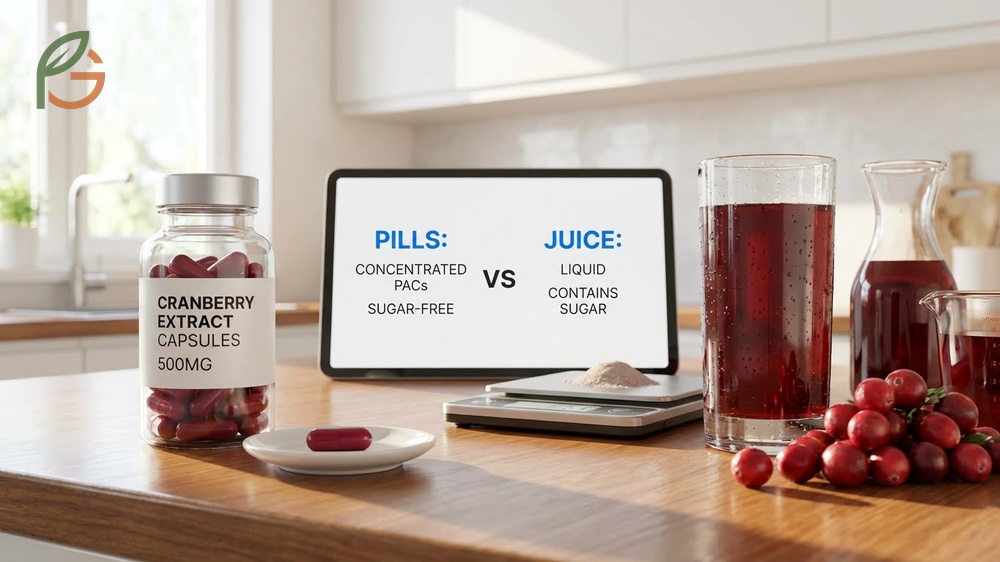
Cranberry supplements deliver concentrated PACs without the sugar and calories found in juice. A typical cranberry capsule contains 400-500mg of cranberry extract, equivalent to 8-10 oz of juice in terms of PAC content. This makes pills attractive for people watching sugar intake or those who dislike the tart flavor.
Research shows 240-300ml of juice yields 36-40mg of PACs, while standardized capsules deliver the same amount in a single pill[8]. The bioavailability appears similar between forms—your body absorbs the active compounds equally well. Clinical trials using capsules show effectiveness rates comparable to juice studies.
Pills offer practical advantages for consistent dosing. You don’t need refrigeration, measuring, or daily preparation. One capsule taken at the same time daily provides standardized amounts of active ingredients.
| Factor | Cranberry Juice | Cranberry Pills |
|---|---|---|
| PAC Content | 36-40mg per 8-10 oz[8] | 36-40mg per capsule |
| Calories | 60-100 per serving[9] | 0-5 per capsule |
| Sugar Content | 9-23g per serving | 0g |
| Vitamin C | 90-100mg (100% DV)[4] | 0mg (unless added) |
However, juice provides benefits pills don’t. The vitamin C content in 8 oz of cranberry juice meets your entire daily requirement[4]. Juice also counts toward daily fluid intake and contributes to hydration. The liquid form may work faster since your body doesn’t need to break down a capsule first.
Drinking Too Much Cranberry Juice Risks

Consuming more than 1 liter (33.8 oz) daily increases your risk of kidney stones due to high oxalate content[6]. Medical reports document this side effect in people drinking excessive amounts long-term. The oxalate compounds in cranberries can crystallize in urine when concentrations get too high.
Excessive sugar intake from cranberry juice cocktails causes digestive problems. Common symptoms include stomach upset, diarrhea, and blood sugar spikes. Drinking more than 16 oz of sweetened cranberry juice adds 46g+ of sugar—exceeding the recommended daily limit of 36g for men and 25g for women.
Rare but serious interactions occur with blood-thinning medications. Evidence suggests cranberry juice may enhance warfarin’s effects, potentially causing dangerous bleeding[12]. One case report documented immune-mediated thrombocytopenia (low platelet count) after consuming large amounts of cranberry juice.
- Persistent diarrhea: High sugar content draws water into intestines, causing loose stools
- Stomach cramping: Excess organic acids irritate stomach lining in sensitive individuals
- Unusual bruising: May indicate platelet problems if taking blood thinners concurrently
- Kidney stone symptoms: Sharp back pain, bloody urine, or painful urination warrant immediate medical attention
- Blood sugar swings: Energy crashes 1-2 hours after drinking suggest excessive sugar intake
- Tooth sensitivity: Acid erosion from overconsumption damages tooth enamel over time
- Frequent headaches: Reported side effect in some people consuming large amounts daily
Medical Warning: Contact your doctor immediately if you experience unusual bleeding, severe stomach pain, or blood in your urine while drinking cranberry juice regularly. These symptoms may indicate serious complications requiring evaluation.
Conclusion
The evidence is clear: how much cranberry juice should I drink depends on your age and health goals, but 8 ounces daily works for most adults seeking urinary tract protection and antioxidant benefits. Research demonstrates this amount delivers therapeutic PAC compounds without excessive sugar or calories. Children need smaller portions based on age, while those targeting cardiovascular benefits may benefit from 16 ounces split between morning and evening.
Current guidance emphasizes consistency over quantity—daily consumption at a moderate level outperforms sporadic high doses. Whether you choose pure cranberry juice diluted with water or standardized supplements, maintaining a regular schedule maximizes health benefits while minimizing risks. FruitGarden provides evidence-based nutritional information to help you make informed decisions about cranberry consumption and fruit intake.
Medical Disclaimer
Important Medical Disclaimer: This content is for informational and educational purposes only. It isn’t intended as a substitute for professional medical advice, diagnosis, or treatment. Always consult a qualified healthcare professional before making changes to your diet, medication, or health routine, especially if you have diabetes, kidney problems, take blood thinners, or have other medical conditions. Individual needs vary based on age, health status, and medications.
Frequently Asked Questions
Can you drink cranberry juice everyday?
Yes, drinking 8 ounces of cranberry juice daily is safe for most adults and provides consistent health benefits. Research shows daily consumption reduces UTI recurrence and delivers antioxidants without significant risks when kept under 33.8 ounces (1 liter) per day.
How long does it take for cranberry juice to work?
Cranberry juice’s anti-adhesion effects begin within 2-4 hours of consumption and last approximately 6-8 hours. For UTI prevention benefits, clinical studies show measurable protection appears after 2 months of consistent daily intake, with peak effectiveness around 3-6 months of regular consumption.
How many dried cranberries should I eat a day?
A quarter cup (40g) of dried cranberries provides similar PAC content to 8 ounces of juice, making it an effective alternative. However, dried cranberries contain concentrated sugars—typically 29g per quarter cup—so they’re not ideal for people monitoring sugar intake or managing diabetes.
Is cranberry juice better than cranberry pills?
Both forms deliver equivalent PAC compounds, but juice provides vitamin C and hydration while pills eliminate sugar and calories. Choose juice if you want vitamin C benefits and don’t mind the sugar, or select standardized pills (36-40mg PACs) if you’re managing weight or blood sugar.
Should I dilute pure cranberry juice?
Yes, diluting pure cranberry juice at a 1:1 or 1:2 ratio with water improves palatability without reducing health benefits. The PAC compounds remain fully active when diluted, while you cut calories in half and make the extremely tart taste more enjoyable for daily consumption.
What happens if I drink too much cranberry juice?
Consuming over 1 liter (33.8 oz) daily may increase kidney stone risk due to high oxalate levels. Excessive amounts also cause digestive upset, diarrhea, blood sugar spikes, and potential interactions with blood-thinning medications that can lead to dangerous bleeding complications.
Does Ocean Spray cranberry juice count as a fruit serving?
Yes, 8 ounces of 100% cranberry juice from Ocean Spray or any brand counts as one full cup of fruit according to USDA MyPlate guidelines. However, dietary recommendations suggest limiting juice to half your daily fruit intake, with the remainder coming from whole fruits that provide fiber.





