
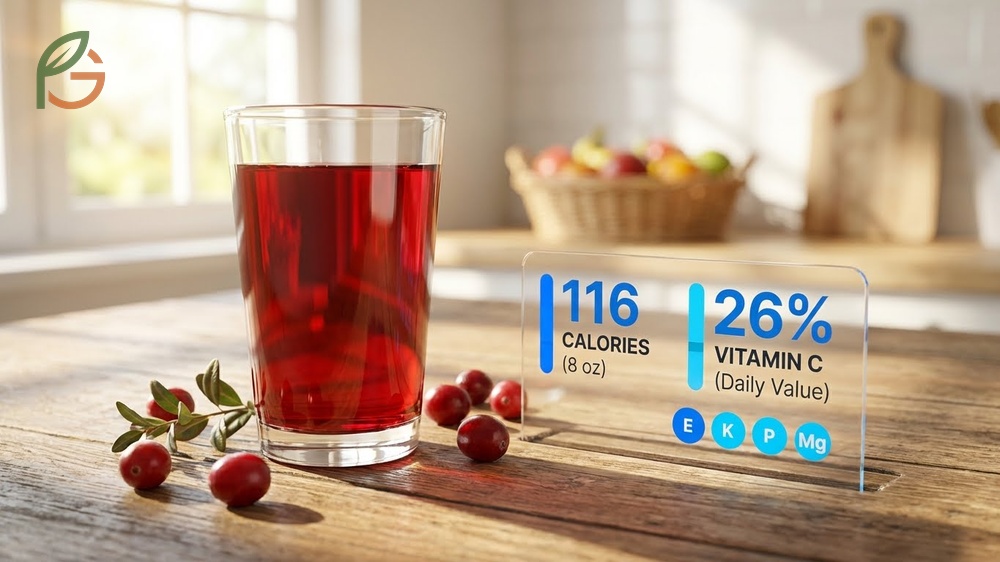
Cranberry juice nutrition facts show one cup (8 oz) of unsweetened juice contains 116 calories[1] and delivers 26% of your daily vitamin C[2]. Research shows this ruby-red beverage provides essential vitamins like E and K, plus minerals including potassium and magnesium, though it’s naturally low in fiber. FruitGarden synthesizes current nutritional research and USDA data to help you understand what’s really in your glass—from calorie content to vitamin profiles and how sweetened varieties differ dramatically from pure juice.
Quick Answer
Cranberry Juice Nutrition Facts
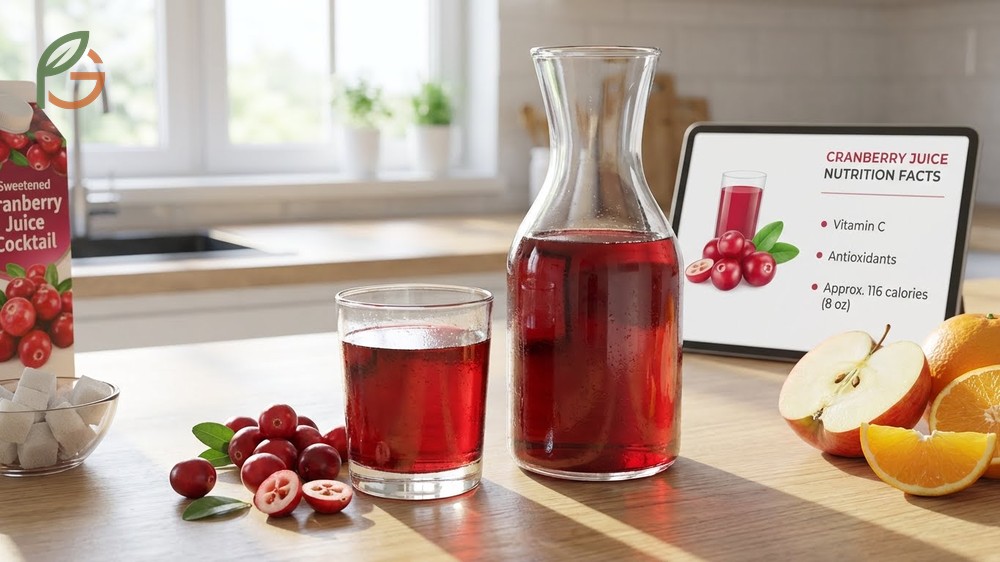
Current USDA data shows unsweetened cranberry juice delivers a concentrated source of vitamins and minerals with moderate calorie density. An 8-ounce serving provides approximately 116 calories[1], making it comparable to apple or orange juice. What sets cranberry juice apart is its unique combination of antioxidant compounds and vitamin C content, though you’ll want to choose carefully between sweetened and unsweetened varieties.
Studies demonstrate that 100% pure cranberry juice contains only naturally occurring sugars from the fruit itself. The nutritional profile changes dramatically when manufacturers add sweeteners—a critical distinction that affects both calorie count and health benefits. Most grocery store “cranberry cocktails” contain just 27% actual cranberry juice[4], with the remainder consisting of water and added sugars.
The juice is classified as 86% water by weight[1], which contributes to hydration while delivering nutrients. Unlike whole cranberries, the juice contains minimal fiber—approximately 0.3g per cup[2]—since the juicing process removes most insoluble fiber from the fruit.
Calories in Cranberry Juice
A standard 8-ounce glass of unsweetened cranberry juice provides 116 calories[1], derived primarily from natural fruit sugars. This calorie count represents about 6% of a 2,000-calorie daily diet, making it a moderate-calorie beverage choice.
The calorie distribution breaks down to 95% from carbohydrates, 3% from protein, and 2% from minimal fat content[2]. Sweetened cranberry cocktails jump to approximately 110-140 calories[4] per 8 ounces due to added sugars, representing a 30% calorie increase over pure juice.
Important Note: If you’re counting calories for weight management, always check labels carefully. “Cranberry juice cocktail” and “cranberry juice drink” contain significantly more calories and sugar than 100% cranberry juice.
Macronutrient Breakdown
The macronutrient profile of unsweetened cranberry juice consists primarily of carbohydrates with negligible fat and protein. One cup contains 31g total carbohydrates[2], representing 11% of the daily recommended intake based on a 2,000-calorie diet.
Protein content remains minimal at 1g per serving[2], while fat content is equally low at 0.3g[2]. This makes cranberry juice essentially a carbohydrate-based beverage with virtually no contribution to daily protein or fat requirements.
Vitamins in Cranberry Juice
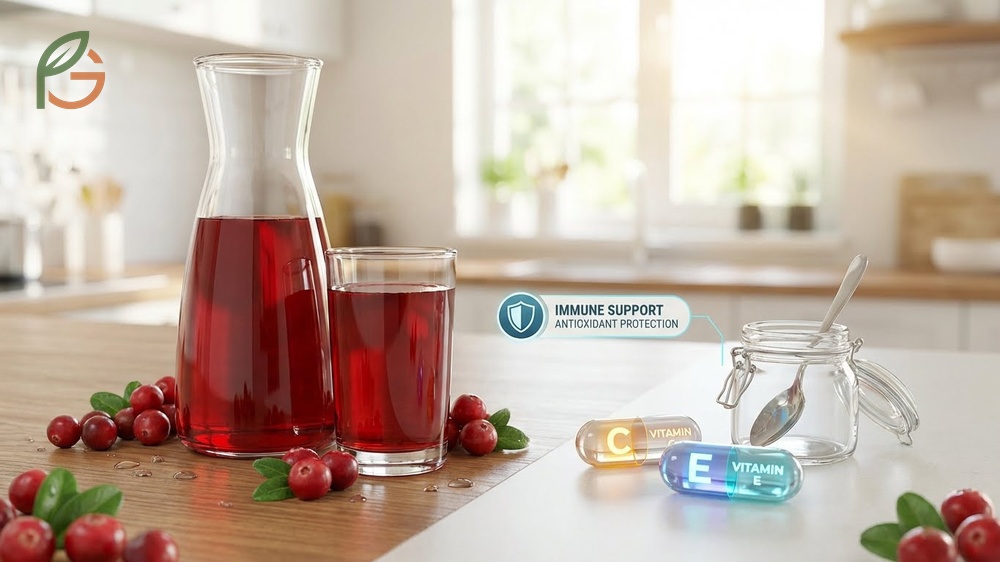
Cranberry juice stands out as an excellent source of specific vitamins, particularly C and E. The vitamin profile makes this beverage valuable for immune support and antioxidant protection. Research shows that vitamin fortification during processing can enhance certain nutrients, though 100% juice naturally contains substantial amounts.
Beyond the headline vitamins, cranberry juice provides smaller amounts of B-complex vitamins and fat-soluble vitamins. One serving delivers 13mcg of vitamin K[2] (11% DV), which supports blood clotting and bone health. You’ll also get modest amounts of vitamin B6, riboflavin, and thiamin.
Cranberry Juice Vitamin C
A single cup of cranberry juice provides 24mg of vitamin C[2], which represents 26% of the daily value for adults. This makes it comparable to orange juice in vitamin C content, supporting immune function and collagen production.
Current data indicates women need 75mg of vitamin C daily while men require 90mg, meaning one glass covers roughly one-quarter to one-third of daily needs. Many commercial cranberry juices add extra vitamin C as a preservative, potentially increasing this percentage even further.
- Immune system support – Helps white blood cells function effectively against infections
- Antioxidant protection – Neutralizes free radicals that damage cells and accelerate aging
- Collagen synthesis – Essential for skin elasticity, wound healing, and joint health
- Iron absorption enhancement – Increases bioavailability of iron from plant-based foods when consumed together
- Brain health – Supports neurotransmitter function and may reduce cognitive decline risk
Other Essential Vitamins
Cranberry juice contains 3mg of vitamin E[3] per cup, delivering 20% of the daily value. This fat-soluble vitamin acts as a powerful antioxidant, protecting cell membranes from oxidative damage.
The juice also provides vitamin B6 at approximately 0.1mg per serving[2] (10% DV), supporting metabolism and brain development. Smaller amounts of folate, riboflavin, and thiamin contribute to overall B-complex intake, though none individually exceed 5% of daily needs.
Minerals and Potassium Content
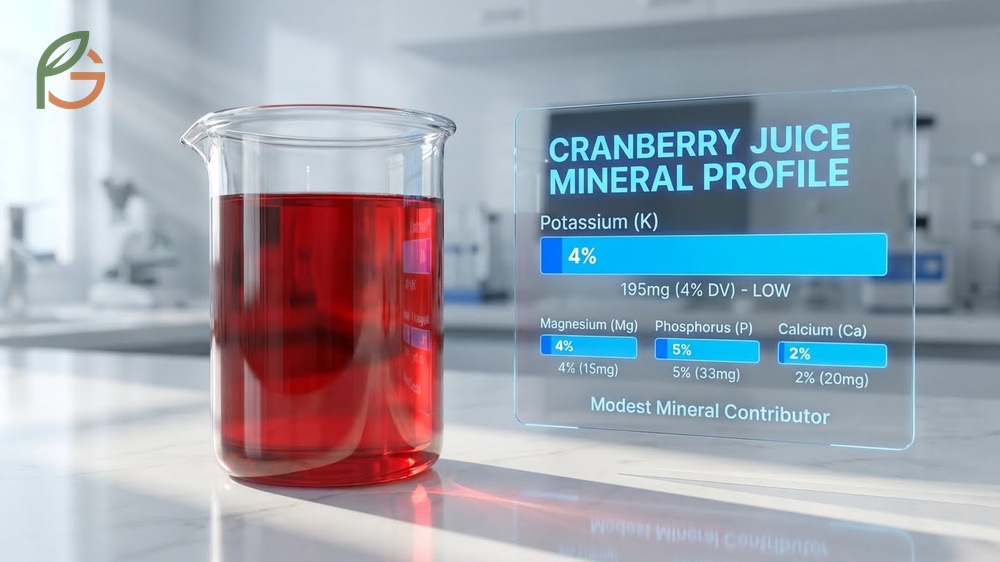
Evidence shows cranberry juice provides a modest mineral profile, with potassium being the most significant contributor. One cup contains 195mg of potassium[3], representing just 4% of the daily value. This makes it a low-potassium beverage, contrary to common misconceptions.
The mineral content includes 15mg magnesium[3] (4% DV), 33mg phosphorus[2] (5% DV), and 20mg calcium[3] (2% DV). These amounts contribute minimally to daily mineral requirements but add to overall dietary diversity.
Iron content sits at approximately 1mg per cup[2], providing 8% of daily needs. The vitamin C content actually enhances iron absorption, making cranberry juice a strategic choice when consuming iron-rich plant foods.
For Kidney Patients: While cranberry juice isn’t high in potassium compared to orange or tomato juice, those on potassium-restricted diets should still track intake. Always consult your healthcare provider about appropriate serving sizes for your specific condition.
- Potassium (195mg) – Supports heart rhythm, muscle contractions, and blood pressure regulation
- Magnesium (15mg) – Essential for energy production, nerve function, and bone health
- Phosphorus (33mg) – Works with calcium for strong bones and teeth formation
- Calcium (20mg) – Necessary for bone density, muscle function, and nerve signaling
- Iron (1mg) – Critical for oxygen transport in blood and cellular energy production
Sugar Content in Cranberry Juice
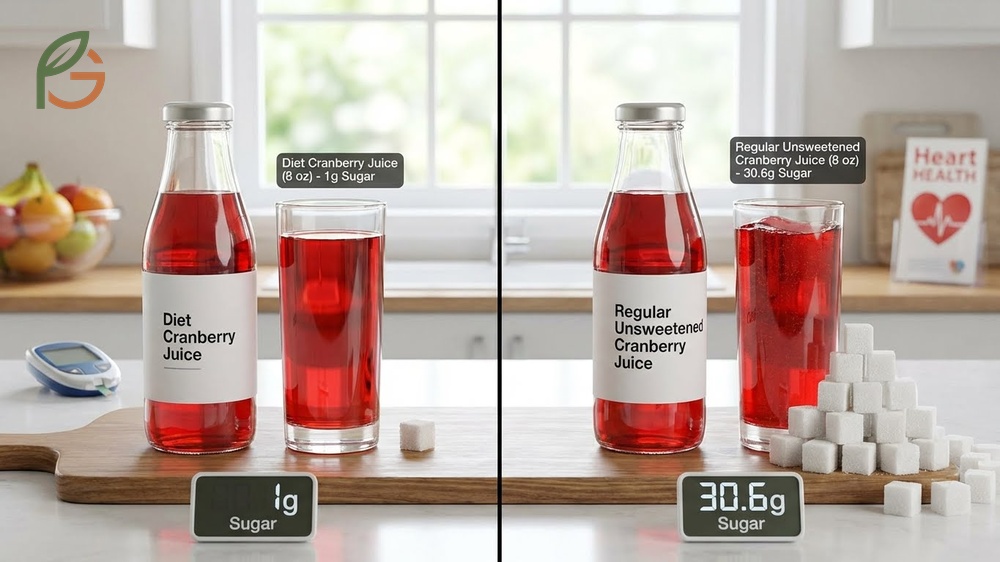
Understanding sugar content is critical when choosing cranberry juice products. Unsweetened 100% cranberry juice contains approximately 31g of natural sugar[2] per cup—all occurring naturally in the cranberries themselves with zero added sugars.
Sweetened cranberry cocktails tell a different story. Research shows these products contain 28g total sugar with 23g added[4] from high-fructose corn syrup or cane sugar. This represents nearly 50% of the 50g daily added sugar limit recommended by the American Heart Association.
Most people don’t realize that “cranberry juice cocktail” contains significantly more sugar than pure juice. The cocktail version typically dilutes cranberry juice to 27% concentration, then adds sweeteners to mask the fruit’s natural tartness.
This table compares sugar content, calories, and percentage of cranberry juice across three common product types available in US grocery stores
| Product Type | Total Sugar | Added Sugar | Calories (8 oz) | Cranberry % |
|---|---|---|---|---|
| 100% Cranberry Juice | 31g[2] | 0g | 116[1] | 100% |
| Cranberry Juice Cocktail | 28g[4] | 23g[4] | 110[4] | 27% |
| Cranberry Juice Drink | 25-30g | 20-25g | 100-120 | 10-15% |
Cranberry Juice Glycemic Index
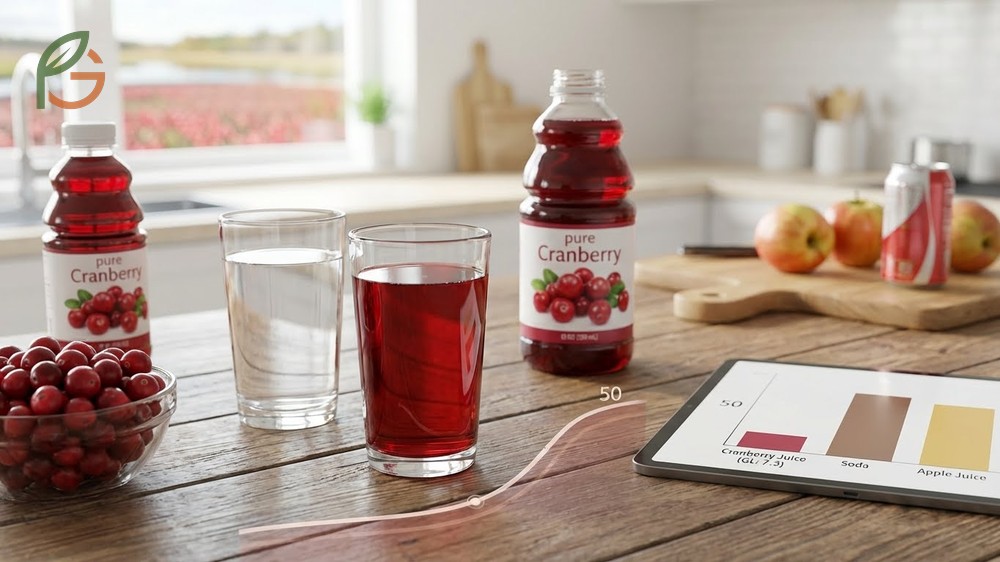
Agricultural data shows unsweetened cranberry juice has a glycemic index (GI) of 50[5], classifying it as a low-GI food. This means it causes a slower, more gradual rise in blood sugar compared to high-GI beverages like soda or apple juice.
The glycemic load (GL) measures both quality and quantity of carbohydrates in a serving. Cranberry juice scores 7.3[5], which falls into the low GL category (under 10). This suggests moderate consumption won’t cause dramatic blood sugar spikes in most people.
However, sweetened cranberry cocktails can have a GI closer to 59-64 due to added refined sugars. This pushes them into medium-GI territory, potentially causing faster blood sugar elevation. Most people find that diluting cranberry juice with water or combining it with protein-rich foods helps moderate glucose response.
- Serving size – Larger portions increase total carbohydrate load regardless of GI rating
- Added sugars – Sweetened versions have higher GI and faster glucose absorption
- Meal timing – Consuming with meals slows sugar absorption compared to drinking on empty stomach
- Protein pairing – Adding protein (like Greek yogurt) reduces glycemic response by 30-40%
- Individual metabolism – People with insulin resistance experience different glucose curves than healthy individuals
- Dilution ratio – Mixing with water reduces carbohydrate concentration per fluid ounce
Nutritional Benefits of Cranberry Juice
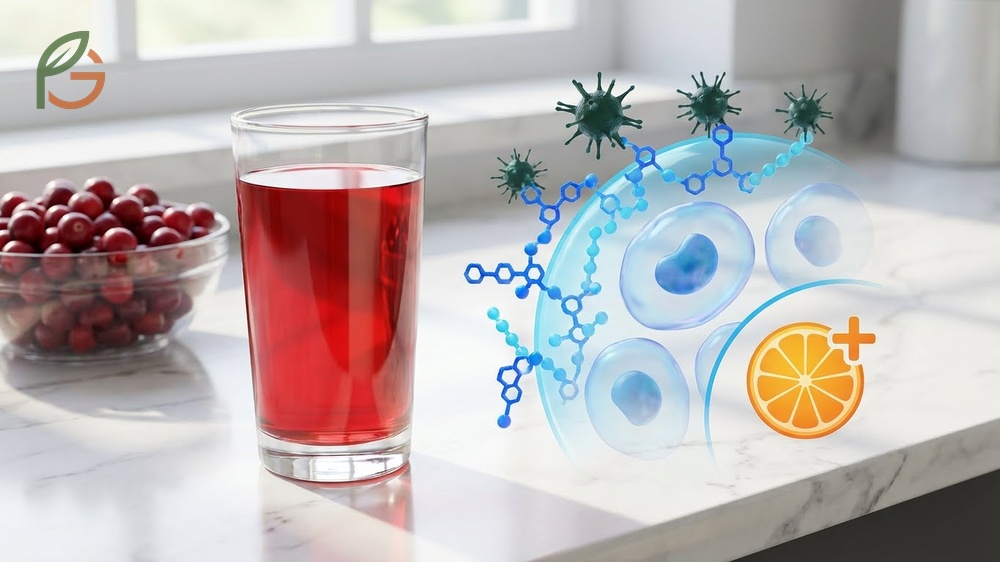
Current research demonstrates that cranberry juice’s nutritional value extends beyond basic vitamins and minerals. The beverage contains unique plant compounds called proanthocyanidins (PACs) that prevent bacteria from adhering to urinary tract walls. While these compounds don’t appear on standard nutrition labels, they represent one of cranberry’s most studied health benefits.
Studies show regular consumption may support immune function through vitamin C content, provide antioxidant protection via vitamin E and polyphenols, and contribute to cardiovascular health. The antioxidant capacity of cranberry juice ranks among the highest of commonly consumed fruit juices.
What often gets overlooked is that cranberry juice’s low potassium content (4% DV) makes it suitable for people on kidney-friendly diets, unlike orange juice or tomato juice which contain 10-15% DV per serving. This positions cranberry juice as a strategic choice for specific dietary restrictions.
Timing Tip: Research suggests consuming cranberry juice in the morning with breakfast may enhance antioxidant absorption. The vitamin C content also helps your body absorb iron from cereals or whole grains eaten at the same meal.
| Vitamin | Amount | % Daily Value |
|---|---|---|
| Vitamin C | 24mg[2] | 26% |
| Vitamin E | 3mg[3] | 20% |
| Vitamin K | 13mcg[2] | 11% |
| Vitamin B6 | 0.1mg[2] | 10% |
Conclusion
The evidence is clear: cranberry juice nutrition facts reveal a beverage rich in vitamin C and antioxidants but low in protein, fiber, and potassium. Choosing 100% unsweetened juice over cocktail versions gives you 116 calories[1] with zero added sugars, while sweetened alternatives pack 23g of unnecessary sweeteners[4] that diminish health benefits.
Current guidance emphasizes reading labels carefully and understanding the dramatic nutritional differences between product types. For those growing cranberries in home gardens or seeking to incorporate this fruit into balanced diets, pure juice provides concentrated nutrition without excessive sugars. FruitGarden continues tracking emerging research on cranberry cultivation and nutritional optimization to help readers make evidence-based choices about this remarkable North American fruit.
Medical Disclaimer
Important Medical Disclaimer: This content is for informational and educational purposes only. It isn’t intended as a substitute for professional medical advice, diagnosis, or treatment. Always consult a qualified healthcare professional or registered dietitian before making significant changes to your diet, especially if you have diabetes, kidney disease, are taking blood-thinning medications, or have other medical conditions. The nutritional information provided represents general data and may vary by brand and product formulation.
Frequently Asked Questions
How Many Calories Are in 8 Ounces of Cranberry Juice?
An 8-ounce glass of unsweetened 100% cranberry juice contains 116 calories[1]. Sweetened cranberry cocktails contain approximately 110-140 calories[4] per serving due to added sugars, making unsweetened varieties the better choice for calorie control.
Is Cranberry Juice High in Potassium?
No, cranberry juice isn’t high in potassium. It contains just 195mg per cup[3], which represents only 4% of the 4,700mg daily requirement. This makes it suitable for people on potassium-restricted diets, unlike orange juice which contains 10-12% of daily potassium needs.
Does Cranberry Juice Have Vitamin C?
Yes, cranberry juice is an excellent source of vitamin C. One cup provides 24mg[2], delivering 26% of your daily value. This amount supports immune function, collagen production, and helps your body absorb iron from plant-based foods when consumed together.
How Much Sugar Is in Cranberry Juice?
Unsweetened 100% cranberry juice contains 31g of natural sugar[2] per cup with zero added sugars. Sweetened cranberry cocktails contain 28g total sugar with 23g added[4], making them significantly less healthy despite similar total sugar numbers.
Do Cranberries Have Fiber When Juiced?
No, cranberry juice contains minimal fiber. One cup provides only 0.3g of fiber[2], representing just 1% of daily needs. The juicing process removes most insoluble fiber that whole cranberries contain. If you’re seeking fiber benefits, eating whole cranberries provides approximately 4-5g per cup instead.
What’s the Glycemic Index of Cranberry Juice?
Unsweetened cranberry juice has a glycemic index of 50[5], classifying it as a low-GI food. The glycemic load is 7.3[5], also in the low category. This means it causes gradual blood sugar rises rather than sharp spikes, though sweetened versions have higher GI values around 59-64.





