
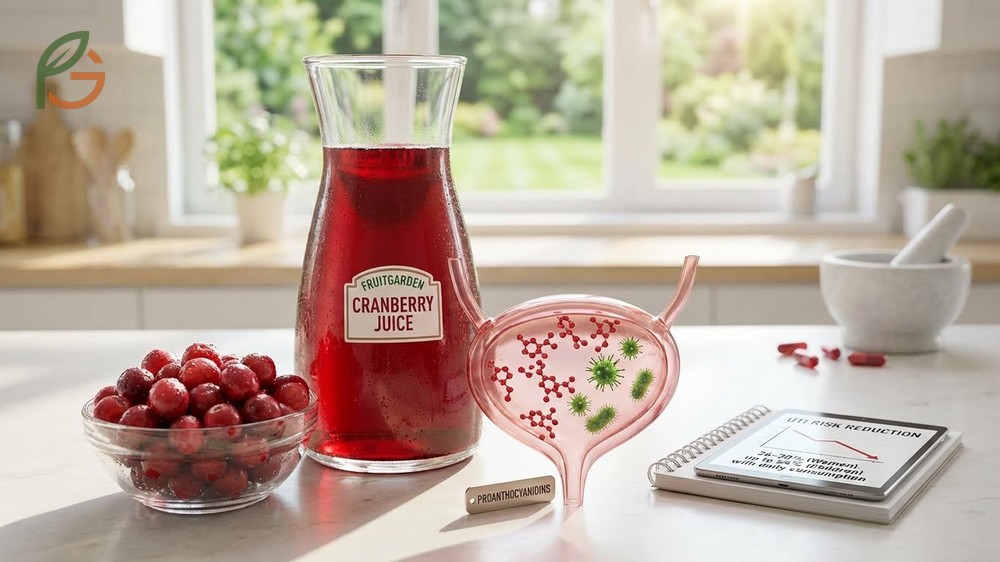
Does cranberry juice help with UTI? Yes, research demonstrates that cranberry products reduce the risk of recurrent urinary tract infections by 26-30% in women and up to 54% in children when consumed daily.[1] The active compounds called proanthocyanidins prevent bacteria from adhering to bladder walls, making cranberry juice a scientifically-backed option for UTI prevention. FruitGarden synthesizes current clinical research to help you understand how cranberries work and when they’re most effective.
Quick Answer
- Cranberry products reduce UTI risk by 26-30% in women with recurrent infections[1]
- Daily dosage: 240-300ml cranberry juice or 36-72mg proanthocyanidins (PACs)[2]
- Cranberry works best for prevention, not treating active infections—antibiotics remain necessary for treatment[3]
- Choose unsweetened varieties with high PAC content for maximum effectiveness without excess sugar
Cranberry Juice for UTI: How It Works
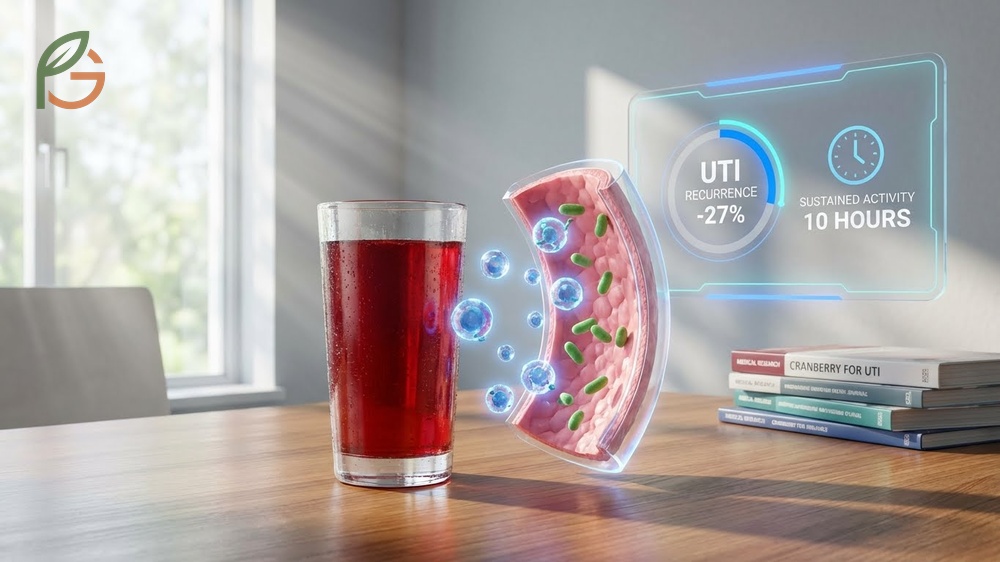
Research shows cranberry juice contains specialized compounds that prevent bacterial adhesion to urinary tract walls. Studies demonstrate cranberry products reduce UTI recurrence by 27% compared to placebo treatments in randomized controlled trials.[3]
The protective effect occurs through multiple mechanisms beyond simple hydration. Cranberry metabolites circulate in urine for up to 10 hours after consumption, providing sustained anti-bacterial activity throughout the day.[4] This explains why drinking cranberry juice twice daily—morning and evening—maximizes therapeutic benefits.
Current data indicates cranberry’s primary strength lies in prevention rather than treatment. Evidence suggests people with recurrent UTIs benefit most, while those with active infections still require antibiotic therapy.[5]
The Science Behind Proanthocyanidins
Proanthocyanidins (PACs) are the active polyphenolic compounds responsible for cranberry’s protective effects. Cranberries contain unique A-type PACs, which differ structurally from B-type PACs found in other fruits.[6]
These A-type PACs block P-fimbriated Escherichia coli from binding to urothelial cells. Studies demonstrate that gut microbiota transforms PACs into bioactive metabolites like valerolactones, which concentrate in urine and provide antimicrobial activity.[6] Without these specialized compounds, bacteria colonize the bladder lining and trigger infection.
Cranberry oligosaccharides also disrupt biofilm formation, which helps bacteria resist antibiotic treatment. This dual action—preventing adhesion and breaking down protective biofilms—makes cranberry particularly effective for people prone to recurrent infections.
Clinical Evidence and Success Rates
A comprehensive Cochrane review analyzing 50 randomized controlled trials with 8,857 participants found moderate-certainty evidence supporting cranberry’s effectiveness. The analysis revealed cranberry products reduced symptomatic, culture-verified UTIs with a relative risk of 0.70 (95% CI 0.58 to 0.84).[1]
Clinical trials demonstrate cranberry juice consumption leads to a 54% lower rate of UTIs compared to no treatment.[7] Network meta-analyses show cranberry also reduces antibiotic use by 49% compared to placebo and 59% compared to no treatment.
Important Note: Cranberry products prevent UTI recurrence but don’t replace antibiotics for active infections. Research shows one UTI event can be prevented for every 3.2 woman-years of cranberry intervention.[8]
Does Cranberry Juice Help with UTI Prevention?
Studies demonstrate cranberry juice’s effectiveness varies by population and infection history. Research across multiple clinical trials shows significant protective benefits for specific groups, particularly women with recurrent infections. The strength of evidence has improved substantially since early reviews in 1998, with 26 new studies added in the most recent 2023 update.[1]
Current guidance emphasizes consistent daily consumption rather than occasional use. Evidence indicates the anti-adhesion effect requires regular intake to maintain therapeutic urine concentrations of cranberry metabolites.
Effectiveness in Women with Recurrent UTIs
Women with recurrent UTIs—defined as two or more infections within six months or three within one year—experience the strongest benefits from cranberry supplementation. Clinical data shows cranberry reduces UTI risk by approximately 26% in this population.[9]
Studies reveal over 50% of women experience at least one UTI in their lifetime, with one-third developing recurrent infections.[10] For these women, daily cranberry consumption provides a non-antibiotic prevention strategy that addresses growing concerns about antibiotic resistance.
Research comparing cranberry juice to no treatment shows a 240-300ml daily dosage prevents 50% of UTI recurrences.[2] Women who consumed cranberry products also used antibiotics significantly less frequently than control groups.
Benefits for Children and At-Risk Groups
Children with recurrent UTIs show even more dramatic responses to cranberry supplementation. Studies report a 54% reduction in UTI incidence among pediatric populations using cranberry products.[9]
People susceptible to UTIs following medical interventions—such as bladder radiotherapy—experience a 53% reduction in infection rates with cranberry consumption.[9] This makes cranberry particularly valuable for patients undergoing cancer treatment or urological procedures.
Key Limitation: Evidence remains unclear whether cranberry helps pregnant women, elderly adults, or people with neurogenic bladder conditions. These populations require more targeted research before cranberry can be recommended universally.
How Much Cranberry Juice for UTI Prevention
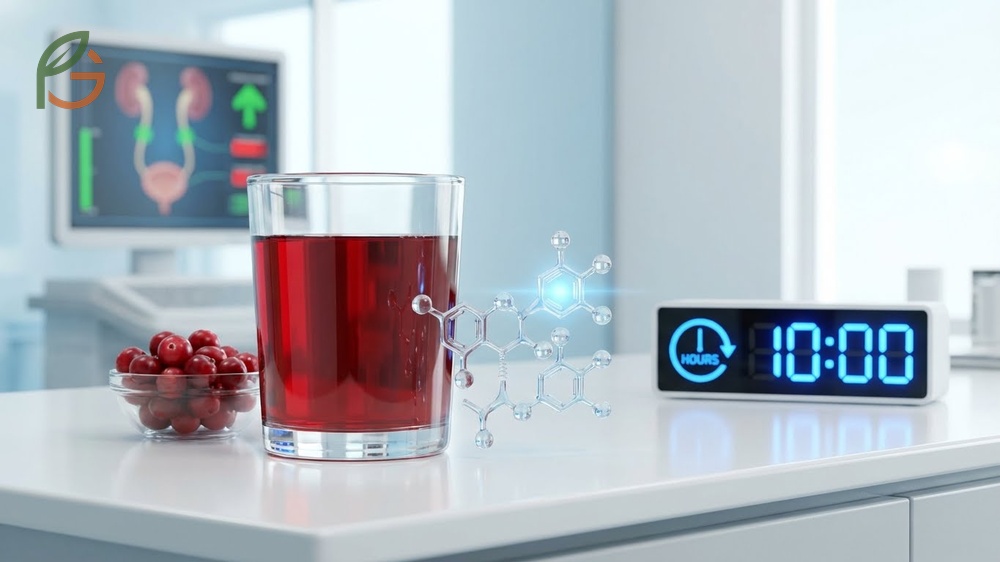
Current evidence supports a daily intake of 240-300ml of cranberry juice or 36-72mg of proanthocyanidins (PACs) for UTI prevention. Clinical trials demonstrate this dosage provides sufficient PAC concentration in urine to inhibit bacterial adhesion.[2]
Research shows maximum therapeutic benefits occur within hours of cranberry consumption. The anti-adhesion effect appears in urine samples and persists for approximately 10 hours.[4] This explains why splitting the daily dose—consuming cranberry juice in the morning and again in the evening—provides more consistent protection than a single dose.
Studies indicate cranberry supplements standardized for PAC content offer more reliable dosing than juice. Supplements eliminate concerns about sugar intake while delivering precise amounts of active compounds. Products containing 36-72mg of A-type PACs per day represent the most evidence-based recommendation for UTI prevention.[8]
- Drink 120-150ml twice daily (morning and evening) rather than 300ml once daily for sustained protection
- Choose products standardized for PAC content—look for labels specifying A-type proanthocyanidins
- Maintain consistent daily use for at least 4-6 weeks before evaluating effectiveness
- Avoid sugary cranberry cocktails that contain less than 25% actual cranberry juice
- Consider cranberry supplements if you’re managing diabetes or prefer to avoid liquid calories
Timing Matters: Studies show anti-adhesion activity peaks 2-3 hours after consumption and declines after 10 hours. Split doses maintain therapeutic urine concentrations throughout the day and night when bacteria are most likely to colonize the bladder.
Best Cranberry Juice Types for UTI
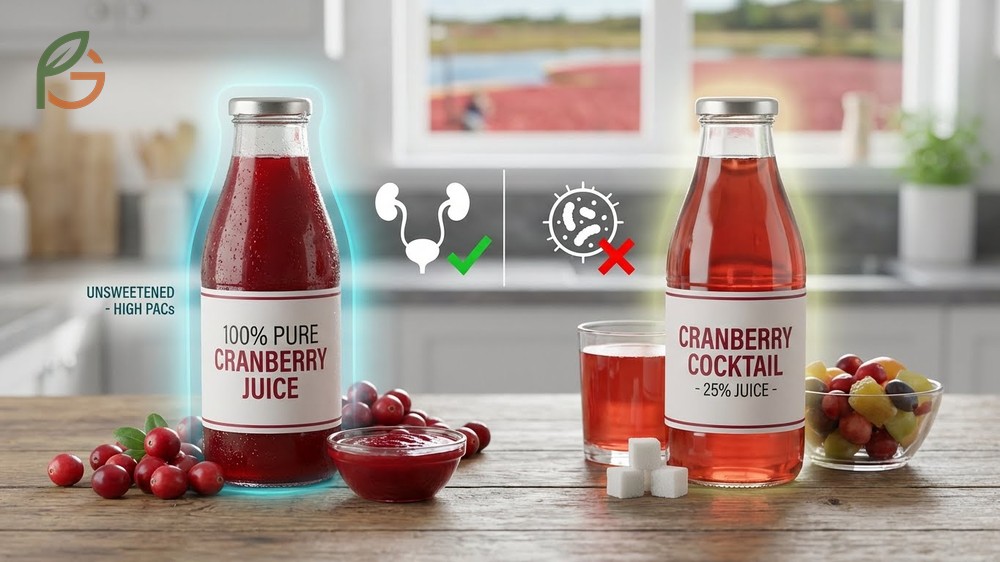
Unsweetened cranberry juice provides maximum therapeutic benefits without excess sugar that can feed harmful bacteria. Research suggests pure cranberry juice delivers higher concentrations of proanthocyanidins compared to sweetened cocktails, which typically contain only 25-30% actual cranberry juice.
Studies demonstrate products labeled “100% cranberry juice” or “pure cranberry” contain the highest PAC levels. Consumer testing identifies several top-performing brands that meet clinical standards for UTI prevention.
Ocean Spray Pure Unsweetened Cranberry Juice contains concentrated cranberry from over 850 cranberries per 32-ounce bottle, providing approximately 60 calories and 9g natural sugar per serving without added sweeteners.[11] Each 8-ounce serving delivers the nutritional equivalent of 1 cup of fruit.
Lakewood Organic Fresh Pressed Pure Cranberry uses non-GMO cranberries that are freshly pressed to extract tangy, tart flavor without concentrates. R.W. Knudsen Organic Just Cranberry contains only filtered water and cranberry juice concentrate with USDA Organic certification.[11] Both brands eliminate preservatives, artificial flavors, and added sugars.
- Ocean Spray Pure Unsweetened—widely available, sustainably grown North American cranberries
- Lakewood Organic Fresh Pressed—non-GMO, family-owned producer with century-long history
- R.W. Knudsen Organic Just Cranberry—USDA Organic certified, two-ingredient formula
- Trader Joe’s 100% Cranberry Juice—budget-friendly option without compromising quality
- Open Nature 100% Pure—recyclable glass bottle, not-from-concentrate formula
Independent testing by ConsumerLab evaluated cranberry products for PAC content and purity. Their analysis confirms brands like Lakewood Organic Cranberry Juice Concentrate and Ocean Spray Pure Unsweetened meet label claims for proanthocyanidin levels.[12]
Avoid Cranberry Cocktails: Products labeled “cranberry cocktail” or “cranberry drink” typically contain 10-25% cranberry juice diluted with water and sweetened with high-fructose corn syrup. These provide minimal therapeutic benefit while adding 120-140 calories of sugar per serving.
D-Mannose vs Cranberry Juice
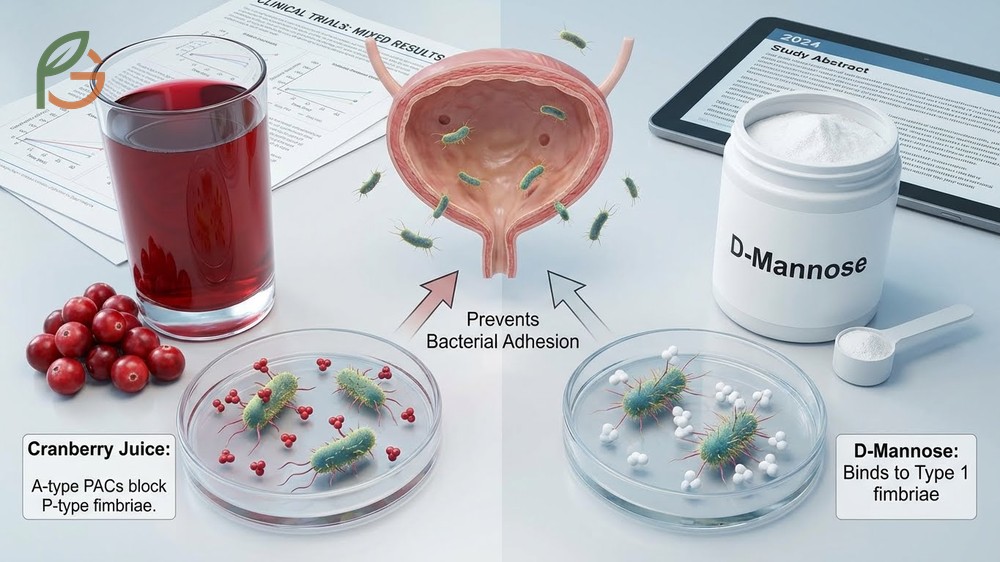
D-mannose and cranberry juice both prevent bacterial adhesion to bladder walls, but they target different bacterial attachment mechanisms. Studies suggest D-mannose binds to Type 1 fimbriae while cranberry’s A-type PACs block P-type fimbriae on Escherichia coli.[13]
Clinical trials comparing both supplements show mixed results. A 2024 randomized trial found cranberry juice extract with 36mg PAC provided significantly greater urinary bacterial anti-adhesion activity than D-mannose against both P-type and Type 1 E. coli strains over 24-hour periods.[14]
Research published in The BMJ Medicine in April 2024 examined 598 women taking daily D-mannose for six months. Results showed D-mannose did not significantly reduce UTI recurrence compared to placebo.[14] This contrasts sharply with cranberry’s well-documented 26-30% risk reduction in similar populations.
This table compares mechanism, prevention evidence, active infection treatment, and dosing between cranberry juice and D-mannose supplements for UTI management
| Factor | Cranberry Juice | D-Mannose |
|---|---|---|
| Mechanism | A-type PACs block P-fimbriated E. coli adhesion[6] | Sugar molecule binds Type 1 fimbriae[13] |
| Prevention Evidence | 26-30% risk reduction in women (50 trials, 8,857 participants)[1] | No significant difference vs placebo in recent large trial[14] |
| Active Infection Treatment | Limited effectiveness; antibiotics required[5] | Some evidence for symptom reduction during active UTI[5] |
| Typical Dosing | 240-300ml juice daily or 36-72mg PACs[2] | 1-2g powder, 2-3 times daily |
| Sugar Content | 9g natural sugar per serving (unsweetened) | Minimal (pure supplement form) |
Evidence suggests cranberry’s multi-mechanism approach—combining anti-adhesion, anti-biofilm, and antioxidant properties—provides more comprehensive protection than D-mannose’s single-target action. Studies show cranberry metabolites persist in urine longer and affect multiple bacterial virulence factors.[6]
Recognizing UTI Symptoms

Early recognition of UTI symptoms allows for prompt treatment and prevents progression to kidney infections. Studies show untreated UTIs can advance to pyelonephritis and potentially life-threatening sepsis.[10]
Research documents common UTI symptoms that appear within 1-2 days of bacterial colonization. Most women experience multiple symptoms simultaneously rather than isolated signs.
- Burning or stinging sensation during urination (dysuria)—the most frequently reported symptom[15]
- Strong, persistent urge to urinate even when the bladder contains little urine
- Frequent urination with small volumes—often 8-10+ bathroom trips within a few hours
- Cloudy, dark, or pinkish-tinged urine indicating blood or pus presence
- Strong, unpleasant urine odor different from normal ammonia smell
- Pelvic pain or pressure centered around the pubic bone area
- Lower abdominal cramping that worsens with bladder filling
Studies identify subtle early warning signs that often get overlooked. Unexplained fatigue without clear cause can signal an emerging UTI before classic symptoms appear.[16] Mild lower abdominal pressure that feels similar to menstrual cramps may indicate bladder inflammation in the infection’s earliest stages.
Seek Immediate Care If: You develop fever above 101°F (38.3°C), severe back or side pain below the ribs, nausea, vomiting, or visible blood in urine. These symptoms suggest the infection has reached your kidneys and requires urgent antibiotic treatment.
Current guidance emphasizes consulting healthcare providers within 24-48 hours of symptom onset. Research shows antibiotics like trimethoprim-sulfamethoxazole, nitrofurantoin, or fosfomycin effectively treat UTIs when started early, typically clearing symptoms within 3-7 days.[17]
Conclusion
The evidence is clear: cranberry juice for UTI prevention works through scientifically-validated mechanisms that reduce infection risk by 26-30% in susceptible populations. Research across 50 clinical trials demonstrates consistent benefits for women with recurrent infections, children, and people at risk following medical interventions. Daily consumption of 240-300ml unsweetened cranberry juice or 36-72mg standardized proanthocyanidins provides optimal protection.
Current guidance emphasizes cranberry’s role in prevention rather than treatment—antibiotics remain essential for active infections. Choose pure, unsweetened varieties from trusted brands like Ocean Spray Pure, Lakewood Organic, or R.W. Knudsen to maximize therapeutic benefits while minimizing sugar intake. FruitGarden synthesizes ongoing clinical research to help you make evidence-based decisions about cranberry supplementation for urinary tract health.
Medical Disclaimer
Important Medical Disclaimer: This content is for informational and educational purposes only. It’s not intended as a substitute for professional medical advice, diagnosis, or treatment. Always consult a qualified healthcare professional before making any changes to your diet, medication, or health routine, especially if you have recurrent UTIs, diabetes, kidney conditions, or other medical concerns. Cranberry products may interact with blood-thinning medications like warfarin. Don’t delay seeking medical care for UTI symptoms—untreated infections can progress to serious kidney complications.
Frequently Asked Questions
Does Cranberry Juice Help UTI Infections That Are Already Active?
Cranberry juice doesn’t effectively treat active UTI infections—antibiotics remain necessary for eliminating bacterial infections already established in the bladder. Research shows cranberry’s anti-adhesion compounds prevent bacteria from attaching to bladder walls, but they can’t kill bacteria that have already colonized and formed biofilms. Studies demonstrate cranberry works best as a prevention strategy rather than treatment, reducing recurrence risk by 26-30% when consumed daily before infections develop.
Can Cranberry Juice Help with UTI Symptoms Like Burning?
Cranberry juice won’t relieve burning or painful urination caused by an active UTI. While staying hydrated helps flush bacteria from the urinary tract, cranberry’s proanthocyanidins don’t reduce inflammation or pain during active infections. Research indicates antibiotics prescribed by healthcare providers remain the only effective treatment for eliminating UTI-related symptoms like burning, urgency, and pelvic pain within 24-48 hours.
How Long Does It Take for Cranberry Juice to Prevent UTIs?
Studies show cranberry’s anti-adhesion effects appear in urine within 2-3 hours of consumption and last approximately 10 hours. However, clinical trials demonstrating UTI prevention benefits typically require 4-6 weeks of consistent daily intake before measurable risk reduction occurs. Research suggests maintaining regular cranberry consumption—240-300ml juice daily or 36-72mg PAC supplements—provides cumulative protective effects over months rather than immediate prevention.
Is Cranberry Juice or Cranberry Pills Better for UTI Prevention?
Cranberry supplements standardized for proanthocyanidin content provide more consistent dosing than juice and eliminate sugar intake concerns. Studies demonstrate both forms reduce UTI risk when taken daily, but pills offer precise PAC amounts (36-72mg) without the 9g natural sugar per serving found in unsweetened juice. Research shows capsules work especially well for people managing diabetes or preferring to avoid liquid calories while maintaining the same 26-30% risk reduction seen with juice.
Does Cranberry Juice Work for Men with UTI?
Evidence supporting cranberry for UTI prevention in men remains limited because most clinical trials focus on women and children. UTIs occur far less frequently in men under 50 due to anatomical differences—men’s longer urethras provide better protection against bacterial ascension to the bladder. Studies suggest men who do develop UTIs typically have underlying prostate problems, catheter use, or urinary tract abnormalities that may not respond to cranberry’s anti-adhesion mechanisms the same way women’s infections do.
Can You Drink Too Much Cranberry Juice for UTI Prevention?
Consuming more than 1 liter (about 34 ounces) of cranberry juice daily can cause gastrointestinal upset including diarrhea and stomach cramping. Research establishes 240-300ml daily as the optimal dose—exceeding this amount doesn’t increase protection and adds unnecessary sugar calories. Studies also show excessive cranberry intake may increase kidney stone risk in people predisposed to calcium oxalate stones, since cranberries contain moderate oxalate levels.
Does Cranberry Juice Interact with Blood Thinners?
Cranberry products can potentially interact with warfarin (Coumadin) and increase bleeding risk. Studies document cases where regular cranberry consumption enhanced warfarin’s anticoagulant effects, leading to elevated INR levels and bleeding complications. Research suggests people taking blood-thinning medications should consult their healthcare provider before starting cranberry supplementation and may require more frequent INR monitoring if they choose to use cranberry for UTI prevention.





