
Does cranberry juice lower blood pressure? Yes, but the effect is modest. Research shows that drinking 16 ounces of cranberry juice daily can reduce diastolic blood pressure by approximately 2 mmHg[1], which may contribute to overall cardiovascular health when combined with other lifestyle changes. However, if you’re taking blood thinners like warfarin, you’ll need to exercise caution—the FDA has issued warnings about potential interactions that could affect bleeding risk. FruitGarden synthesizes current clinical research to help you understand how this tart berry juice impacts your heart health and medication safety.
Quick Answer
- Cranberry juice reduces diastolic blood pressure by ~2 mmHg[1] with daily consumption of 16 oz
- An 8-week study showed reductions from 121/73 to 118/70 mmHg[2] in adults with elevated blood pressure
- Cranberry juice may interact with warfarin—the FDA recommends caution despite mixed clinical evidence[3]
- Potential concerns exist for people with thrombocytopenia (low platelet count)[4]
Does Cranberry Juice Lower Blood Pressure
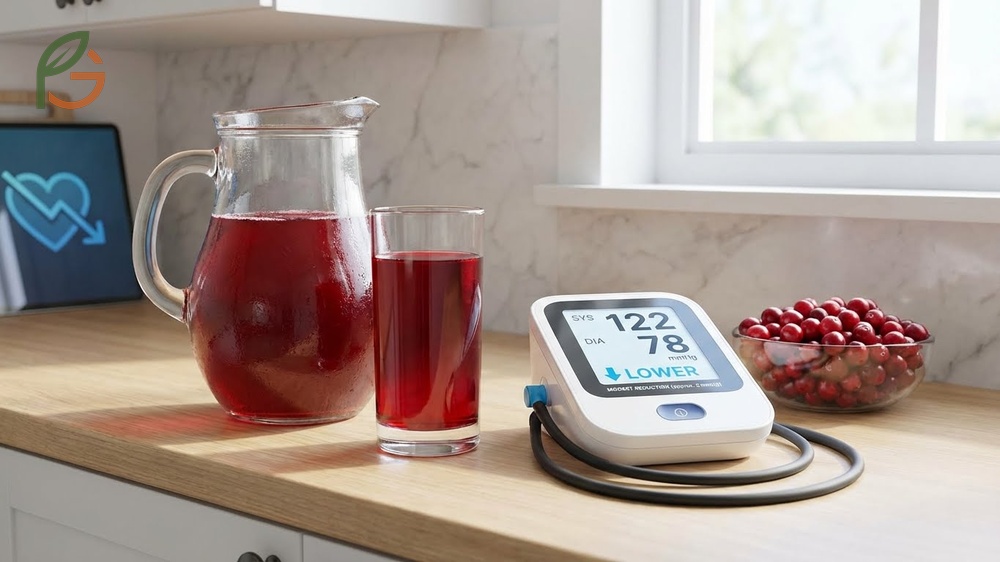
Clinical studies demonstrate that cranberry juice does lower blood pressure, though the effect is modest rather than dramatic. A controlled trial published by the National Institutes of Health found that consuming 500 mL (approximately 16 fl oz) of cranberry juice daily for 8 weeks reduced 24-hour diastolic ambulatory blood pressure by around 2 mmHg compared to placebo[1]. The reduction was most pronounced during daytime hours.
Research presented at the American Heart Association’s 2012 conference showed more significant results. Participants drinking low-calorie cranberry juice experienced decreases from 121 mmHg to 118 mmHg (systolic) and from 73 mmHg to 70 mmHg (diastolic)[2]. Most people don’t realize that these modest reductions can still matter—especially when you’re working to bring borderline high readings into the normal range.
The cardiovascular benefits extend beyond blood pressure numbers. Studies show cranberry juice improves arterial stiffness markers, which predict long-term heart disease risk better than single blood pressure readings[5].
How Much Reduction Can You Expect
Current evidence indicates you can expect a 2-3 mmHg reduction in diastolic pressure and potentially a 3 mmHg reduction in systolic pressure with consistent daily consumption. This isn’t comparable to prescription blood pressure medications, which typically reduce readings by 10-20 mmHg. What often gets overlooked is that small dietary changes like this work best when combined with other heart-healthy habits.
The dosage matters significantly. Studies showing blood pressure benefits used 16 ounces daily—that’s double the standard serving size many people drink. You’ll also need to maintain consistency for at least 4-8 weeks before seeing measurable changes.
Important Note: If you have stage 2 hypertension (readings of 140/90 mmHg or higher), don’t rely on cranberry juice alone. Research shows lifestyle interventions work best alongside prescribed medications, not as replacements.
Polyphenols and Vascular Function
Cranberry juice contains polyphenolic compounds—particularly anthocyanins and flavonols—that improve endothelial function. Studies demonstrate these compounds enhance flow-mediated vasodilation, which is your blood vessels’ ability to relax and widen[5]. Better vascular flexibility translates to lower blood pressure and reduced cardiovascular disease risk.
The antioxidant activity in cranberry juice also reduces oxidative stress in blood vessel walls. This mechanism explains why some studies show improvements in arterial stiffness even when blood pressure changes are minimal.
Cranberry Juice and Warfarin
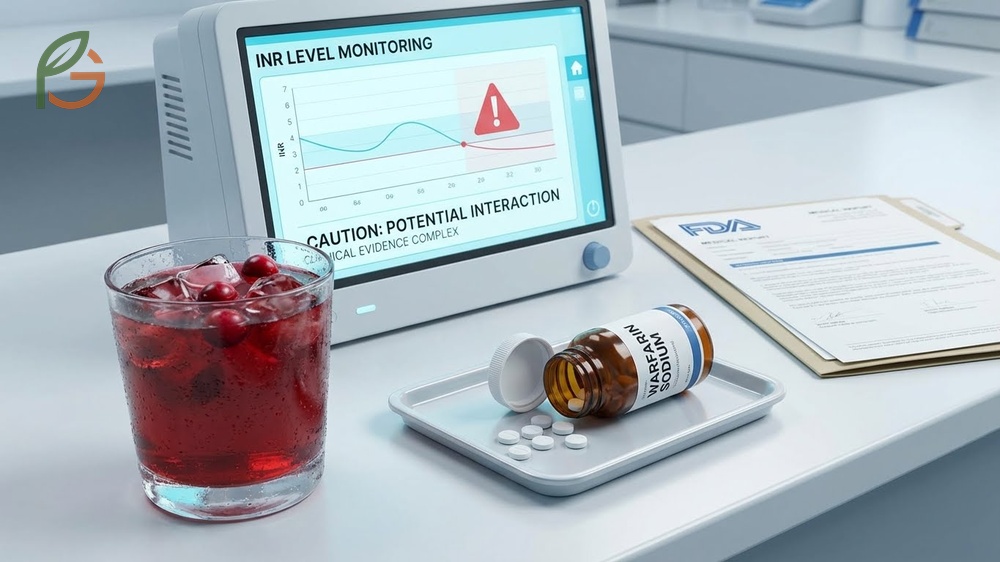
The warfarin-cranberry interaction has generated significant medical attention, though clinical evidence presents a complex picture. The FDA approved labeling changes in 2005 cautioning patients about consuming cranberry products while taking warfarin[3]. This warning emerged from case reports where patients experienced elevated INR (International Normalized Ratio) levels and increased bleeding risk.
However, controlled clinical trials tell a different story. A systematic study published in PMC found that cranberry juice which inhibited warfarin metabolism in laboratory tests had no effect on warfarin clearance in healthy human participants[3]. Researchers attribute this disconnect to the fact that warfarin metabolism occurs in the liver, which is remote from where cranberry components are absorbed in the intestine.
The situation isn’t black and white. Some cranberry products showed INR increases while others didn’t—suggesting that cranberry juice composition varies significantly between brands and batches.
Understanding the Interaction Risk
Evidence suggests the interaction risk depends on several factors. Case reports typically involved patients consuming large volumes of cranberry juice—often exceeding 32 ounces daily—or using concentrated cranberry supplements. Most people drinking moderate amounts (8-16 oz daily) showed no significant INR changes in controlled trials.
Research indicates cranberry components may inhibit CYP2C9, the liver enzyme responsible for metabolizing warfarin’s active S-enantiomer. This inhibition could theoretically increase warfarin’s blood-thinning effects. Studies have shown inconsistent results, with some juices demonstrating strong enzyme inhibition in lab tests but no clinical effect in humans.
Critical Warning: If you’re taking warfarin (Coumadin), don’t start or stop cranberry juice without consulting your healthcare provider. You’ll need more frequent INR monitoring if you choose to consume cranberry products regularly.
Other Blood Thinners and Cranberry
The interaction profile differs for newer anticoagulants. Eliquis (apixaban) and cranberry juice haven’t shown the same interaction concerns as warfarin[6]. Many doctors still recommend caution as a precautionary measure, but clinical evidence doesn’t support the same level of concern.
Current guidance emphasizes moderation and consistency. If you’re on any anticoagulant therapy and want to include cranberry juice in your diet, maintain a stable intake rather than varying dramatically from week to week.
What Medications Does Cranberry Juice Interfere With
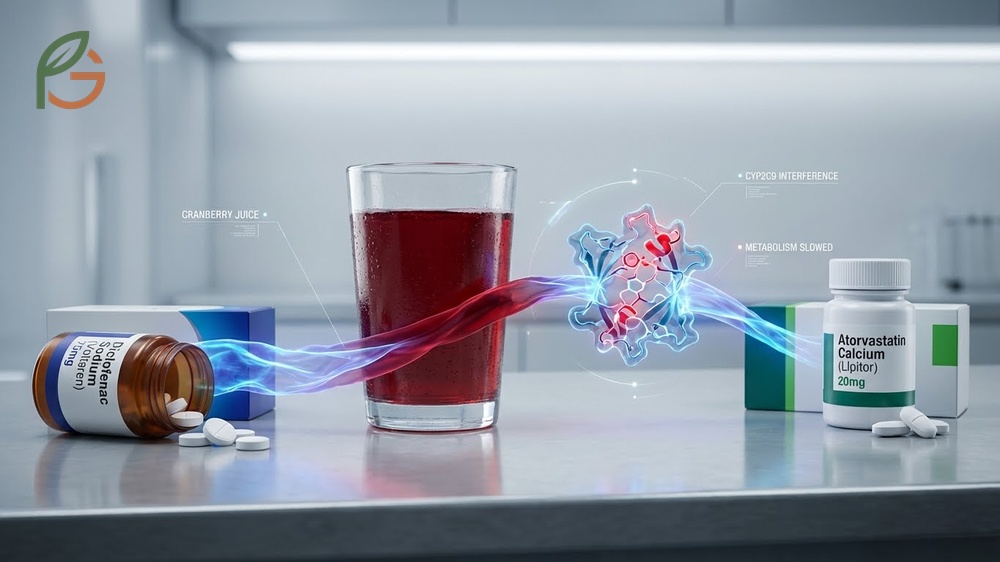
Beyond warfarin, cranberry juice potentially interacts with medications metabolized by cytochrome P450 enzymes—particularly CYP2C9 substrates. This includes several drug classes that many Americans take regularly.
Documented interactions include diclofenac (Voltaren), where cranberry juice may decrease how quickly your body breaks down this pain medication, potentially increasing side effects. Similar concerns exist for atorvastatin (Lipitor)—drinking large amounts of cranberry juice while taking this cholesterol medication could amplify its effects.
- Blood pressure medications: Nifedipine (Procardia) may have enhanced effects when combined with cranberry juice
- Cholesterol drugs: Statins like atorvastatin could have altered metabolism
- Pain relievers: NSAIDs including diclofenac may accumulate to higher levels
- Anticoagulants: Warfarin shows the most documented interaction risk
- Immunosuppressants: Some drugs in this class metabolized by similar pathways may be affected
The clinical significance varies considerably. Most interactions occur at high cranberry juice intake levels—typically exceeding 16-24 ounces daily. What often gets overlooked is that occasional consumption rarely causes problems; it’s the daily, high-volume intake that raises concerns.
Medication Safety Tip: If you take any prescription medications regularly, discuss cranberry juice consumption with your pharmacist. They can check for specific interactions based on your complete medication list.
Is Cranberry Juice Good for High Blood Pressure
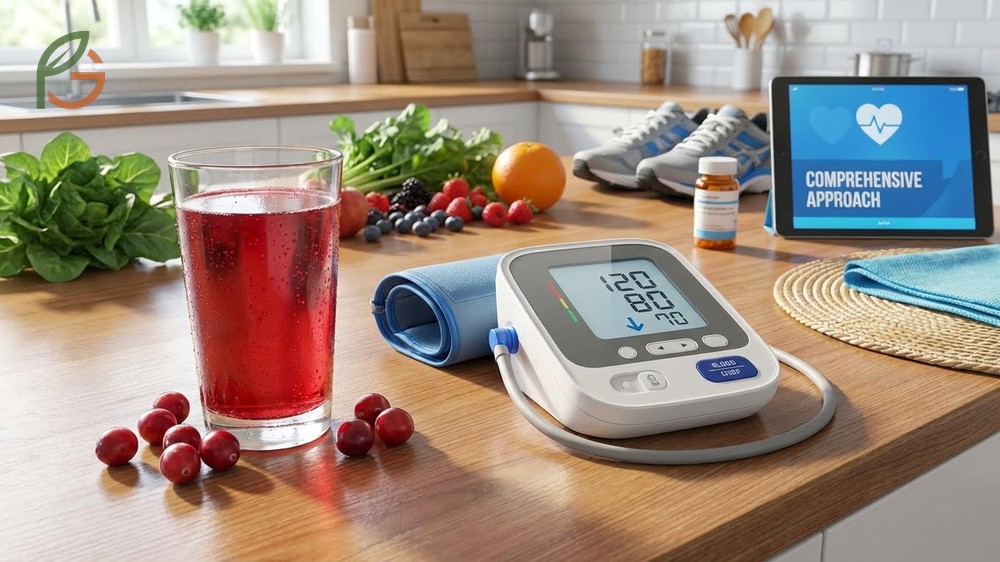
Cranberry juice offers modest benefits for people with elevated blood pressure, but it’s not a standalone solution. Studies demonstrate it works best as part of a comprehensive approach that includes dietary changes, physical activity, and medical management when needed.
The cardiovascular benefits extend beyond blood pressure numbers. Research shows cranberry juice consumption reduces carotid-femoral pulse wave velocity—a measure of aortic stiffness that predicts cardiovascular events[5]. This improvement in arterial flexibility matters because stiff arteries increase heart disease risk regardless of blood pressure readings.
However, you’ll need to watch the sugar content. Many commercial cranberry juice cocktails contain added sugars that can undermine cardiovascular benefits. Studies showing positive results used low-calorie versions or juice with 25-27% cranberry concentration[2].
This table compares blood pressure effects, optimal dosage, and duration needed across different cranberry juice interventions based on clinical research
| Study Type | Daily Amount | Systolic Reduction | Diastolic Reduction | Duration |
|---|---|---|---|---|
| NIH controlled trial[1] | 16 oz (500 mL) | No significant change | ~2 mmHg | 8 weeks |
| AHA conference study[2] | Low-calorie version | 3 mmHg (121→118) | 3 mmHg (73→70) | 8 weeks |
| Vascular function trial[5] | Double-strength (54% cranberry) | No direct BP change | No direct BP change | 4 weeks |
- Choose low-sugar options: Look for cranberry juice with no added sugars or minimal sweetening
- Maintain consistency: Daily consumption for 8+ weeks shows better results than sporadic intake
- Monitor your response: Track blood pressure at home to see if you’re among the responders
- Combine with DASH diet: Cranberry juice works best alongside proven dietary approaches
- Stay hydrated: Count cranberry juice toward your daily fluid intake, not in addition to it
The reason cranberry juice isn’t a first-line treatment is simple—medications provide more reliable and substantial blood pressure reductions. Think of cranberry juice as a supportive addition rather than primary therapy.
Cranberry Juice and Thrombocytopenia
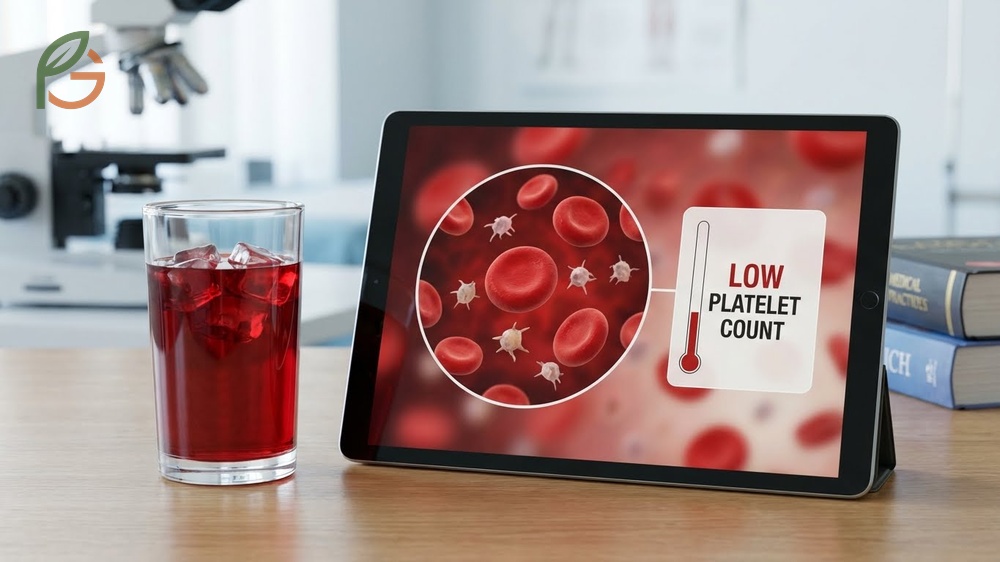
Medical literature documents rare cases where cranberry juice consumption has been associated with decreased platelet counts. People with thrombocytopenia (low platelet count) should exercise caution with cranberry products[4], as the juice may potentially lower platelet levels further in susceptible individuals.
Case reports describe immune-mediated thrombocytopenia triggered by cranberry juice, though such reactions appear extremely uncommon. The mechanism likely involves platelet-reactive antibodies that form in response to compounds in cranberries. Most people can consume cranberry juice without any effect on platelet counts.
If you have a bleeding disorder, low platelet count, or are scheduled for surgery, discuss cranberry juice intake with your healthcare provider. The precautionary principle suggests avoiding large amounts in these situations, even though the risk is small.
Conclusion
The evidence is clear: does cranberry juice lower blood pressure? Yes, but expect modest reductions of 2-3 mmHg rather than dramatic changes. Research demonstrates that 16 ounces of cranberry juice daily can contribute to cardiovascular health, particularly when you’re working to optimize borderline readings. However, the warfarin interaction concerns remain real enough that the FDA maintains its cautionary guidance—so if you’re on blood thinners, you’ll need medical oversight before making cranberry juice a regular habit.
Current guidance emphasizes using cranberry juice as one component of a heart-healthy lifestyle, not a replacement for proven therapies. For readers interested in growing their own cranberries or exploring other beneficial fruits, FruitGarden offers evidence-based resources that connect agricultural practices with nutritional science.
Medical Disclaimer
Important Medical Disclaimer: This content is for informational and educational purposes only. It is not intended as a substitute for professional medical advice, diagnosis, or treatment. Always consult a qualified healthcare professional before making any changes to your diet, medication, or health routine, especially if you have cardiovascular disease, take blood thinners, or have other medical conditions. Do not stop, start, or change any prescribed medications without direct guidance from your physician. Individual responses to dietary interventions vary, and what works for others may not be appropriate for your specific health situation.
Frequently Asked Questions
How Long Does It Take for Cranberry Juice to Lower Blood Pressure?
Clinical studies show blood pressure reductions typically occur after 4-8 weeks of consistent daily consumption. Research demonstrates you won’t see immediate effects—the cardiovascular benefits develop gradually as polyphenols improve vascular function over time. Most trials used 8-week intervention periods before measuring significant changes.
Can I Drink Cranberry Juice While Taking Blood Pressure Medication?
Generally yes, but you should inform your doctor before adding cranberry juice to your routine. Some blood pressure medications like nifedipine may have enhanced effects when combined with cranberry juice. Your healthcare provider can monitor your response and adjust medication dosages if needed. Don’t use cranberry juice to replace prescribed blood pressure medications.
What’s the Best Time of Day to Drink Cranberry Juice for Blood Pressure?
Studies haven’t identified an optimal time of day for blood pressure benefits. What matters most is consistent daily consumption rather than timing. Many people split the recommended 16-ounce serving into 8 ounces at breakfast and 8 ounces at dinner to avoid blood sugar spikes and maintain steady polyphenol levels throughout the day.
Does Pure Cranberry Juice Work Better Than Cranberry Cocktail?
Not necessarily—studies showing blood pressure benefits used cranberry juice cocktails with 25-27% cranberry concentration, not pure cranberry juice. The key is choosing low-sugar or no-sugar-added versions. Pure cranberry juice is extremely tart and usually requires dilution anyway. Focus on minimizing added sugars rather than maximizing cranberry concentration.
Are Cranberry Supplements as Effective as Cranberry Juice for Blood Pressure?
Research on cranberry supplements for blood pressure is limited compared to cranberry juice studies. Most cardiovascular research used liquid cranberry juice, making it unclear whether concentrated supplements provide the same benefits. Additionally, cranberry supplements carry higher interaction risks with warfarin than the juice does. Stick with the form that’s been clinically tested if blood pressure is your primary concern.
Will Cranberry Juice Affect My INR If I’m on Warfarin?
It might, though clinical evidence is mixed. Some patients experience INR increases while others show no changes. The FDA recommends caution, and you’ll need more frequent INR monitoring if you consume cranberry products regularly while on warfarin. The safest approach is discussing this with your anticoagulation clinic before starting cranberry juice—they can establish a monitoring schedule if you choose to proceed.
Can Cranberry Juice Replace Blood Pressure Medication?
Absolutely not. Cranberry juice’s 2-3 mmHg reduction is far less than what prescription medications achieve (typically 10-20 mmHg). Never stop or reduce blood pressure medication without explicit guidance from your physician. Cranberry juice works best as a complementary approach alongside prescribed treatments, healthy diet, exercise, and stress management—not as a replacement.





