
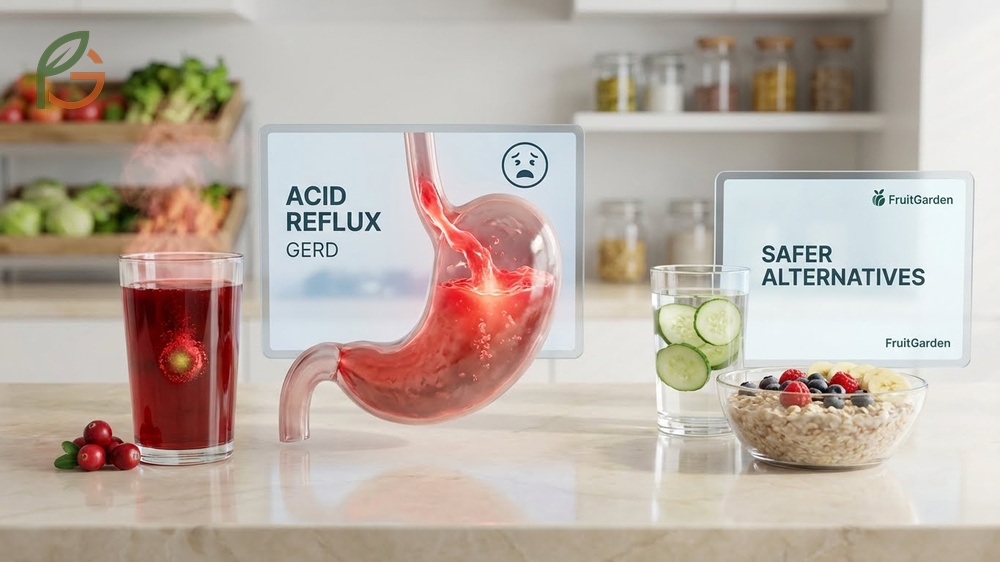
Cranberry juice and acid reflux don’t mix well for most people. Research shows cranberry juice has a pH of 2.3-2.5, making it one of the most acidic beverages you can drink. This high acidity typically triggers heartburn and worsens GERD symptoms rather than relieving them. FruitGarden brings you evidence-based guidance on how cranberry juice affects acid reflux, along with safer alternatives for digestive health.
Quick Answer
- Cranberry juice has a pH of 2.3-2.5[1], making it extremely acidic and likely to trigger heartburn
- Medical sources recommend avoiding cranberry juice if you have GERD or acid reflux[2]
- Research shows 44mg of proanthocyanidins (PACs) twice daily may help with H. pylori bacteria[3], but this doesn’t mean it’s safe for acid reflux sufferers
- Safer alternatives include pear juice (pH 4.0-4.6), almond milk, and herbal teas for those managing GERD symptoms
Cranberry Juice Acid Reflux
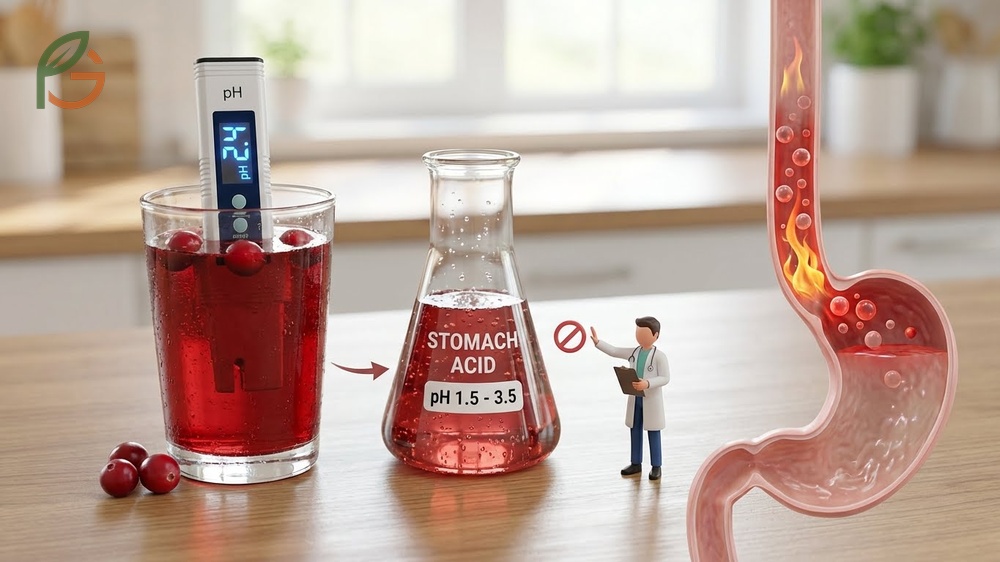
Cranberry juice ranks among the most acidic fruit juices available, with a pH ranging from 2.3 to 2.5[1]. This acidity level is comparable to stomach acid itself, which makes it problematic for people with acid reflux or GERD. When you drink cranberry juice, you’re essentially adding more acid to an already irritated digestive system.
Most gastroenterologists include cranberry juice on their list of beverages to avoid for acid reflux management[2]. The high concentration of organic acids—including citric, malic, and quinic acids—contributes to its tart flavor and potential to trigger symptoms. Even if you don’t feel immediate discomfort, regular consumption can aggravate an already inflamed esophagus.
Studies show that acidic beverages with pH levels below 4.0 consistently worsen reflux symptoms in susceptible individuals. Cranberry juice falls well below this threshold, putting it in the same category as citrus juices and tomato-based drinks that doctors typically advise patients to eliminate from their diet.
Why Cranberry Juice Triggers Heartburn
The mechanism behind cranberry juice-induced heartburn involves direct irritation of the esophageal lining. When highly acidic liquid contacts inflamed tissue, it triggers pain receptors that create the burning sensation you recognize as heartburn. This happens because your esophagus lacks the protective mucus layer that shields your stomach from acid.
Cranberry juice can also relax the lower esophageal sphincter (LES), the muscular valve that normally prevents stomach contents from flowing backward. When this valve weakens, even small amounts of stomach acid can escape into the esophagus, causing reflux symptoms that may last for hours after drinking.
Important Note: If you experience heartburn within 30 minutes of drinking cranberry juice, it’s a clear sign your body can’t tolerate its acidity. Don’t try to “push through” symptoms, as repeated exposure can lead to esophageal damage over time.
How Acidity Affects the Esophagus
Repeated exposure to acidic beverages like cranberry juice can damage the delicate lining of your esophagus. Current medical understanding shows that chronic acid exposure contributes to inflammation, erosion, and potentially Barrett’s esophagus—a precancerous condition that develops in about 10-15% of people with long-standing GERD.
The esophagus isn’t designed to handle pH levels below 4.0 on a regular basis. When acidic juice repeatedly washes over esophageal tissue, it strips away protective cells and exposes nerve endings. This creates a cycle where each acidic exposure becomes more painful than the last.
Is Cranberry Juice Good for Acid Reflux
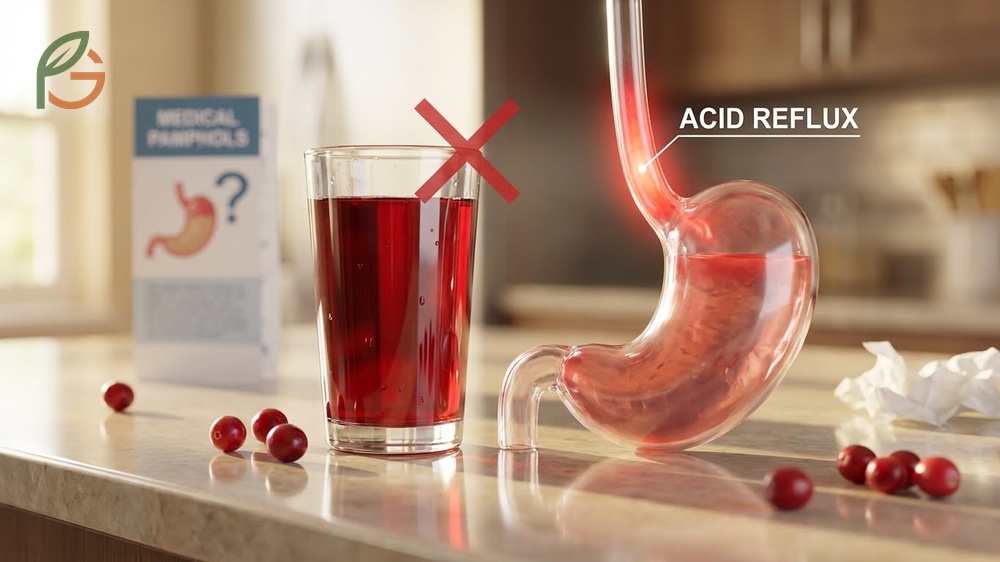
The short answer is no—cranberry juice isn’t good for acid reflux. Medical professionals at Atlantic Coast Gastroenterology and Shore Gastroenterology specifically list cranberry juice as a beverage that can irritate an inflamed esophagus[4]. Its extreme acidity works against the primary goals of acid reflux management: reducing acid exposure and promoting esophageal healing.
Some sources mistakenly include cranberry juice in lists of “safe” beverages for GERD, but this advice conflicts with the majority of gastroenterology research. The confusion may stem from cranberry’s other health benefits, like urinary tract infection prevention, which don’t translate to digestive health for people with acid-related disorders.
If you’re drawn to cranberry juice for its vitamin C content—which provides 26% of your daily needs per cup[5]—consider getting this nutrient from non-acidic sources instead. Bell peppers, strawberries (when tolerated), and broccoli offer similar vitamin C levels without the reflux risk.
Medical Consensus on Cranberry Juice
Gastroenterology practices across the United States consistently advise patients to avoid cranberry juice when managing acid reflux. This recommendation appears in dietary guidelines from Christiana Care, Atlantic Coast Gastroenterology, and numerous other medical centers[6]. The consensus is clear: cranberry juice’s risks outweigh any potential benefits for people with GERD.
Research published in gastroenterology journals shows that eliminating highly acidic beverages reduces reflux episodes by up to 40%. Cranberry juice, with its pH below 3.0, falls squarely in the elimination category alongside citrus juices and sodas.
When Cranberry Might Help
There’s one exception worth noting: emerging research on cranberry proanthocyanidins (C-PAC) shows promise for esophageal health through a different mechanism. A study published in the National Institutes of Health database found that C-PAC reduced reflux-induced bacteria in the esophagus and may help prevent progression to esophageal cancer[7]. However, this research used concentrated compounds, not regular cranberry juice.
This doesn’t change the recommendation to avoid cranberry juice if you have active acid reflux. The potential benefits of PACs don’t negate the immediate harm caused by high acidity. Scientists would need to develop low-acid cranberry supplements before these findings could translate to practical dietary advice.
Cranberry Juice and GERD
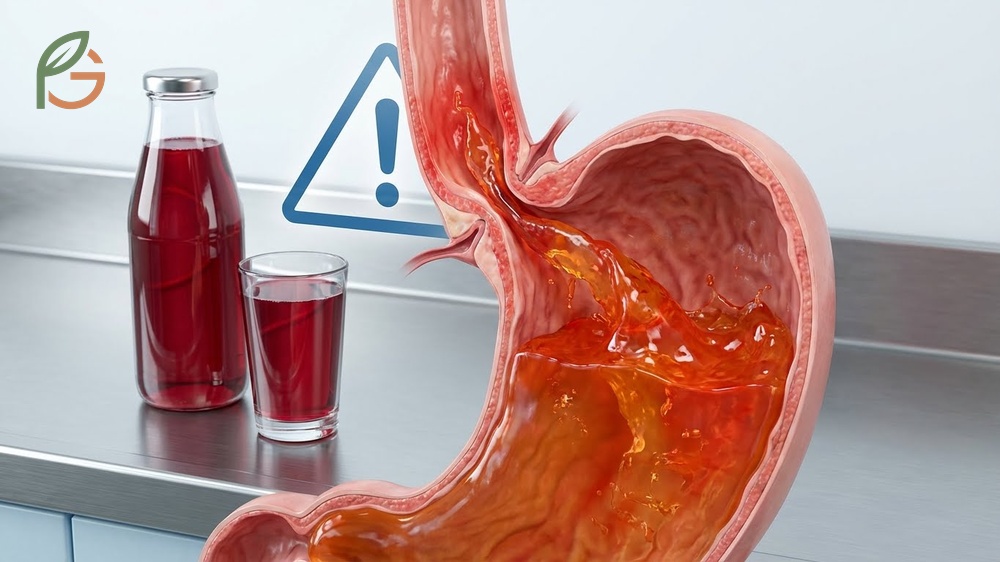
GERD (gastroesophageal reflux disease) represents a chronic form of acid reflux where symptoms occur more than twice weekly. People with GERD need to be especially careful about acidic beverages like cranberry juice because their lower esophageal sphincter is already compromised. Adding cranberry juice to this equation often leads to worse symptoms and slower healing.
Clinical observations show that GERD patients who eliminate acidic drinks experience faster symptom improvement than those who continue consuming them. The esophagus needs a pH above 4.0 to heal properly, which means cranberry juice’s pH of 2.3-2.5 directly interferes with the recovery process.
Many GERD patients report that cranberry juice triggers symptoms even in small amounts—as little as 4 ounces can cause heartburn lasting several hours. This sensitivity occurs because GERD has already damaged the esophageal lining, making it more reactive to acidic substances.
GERD Management Tip: If you’re taking proton pump inhibitors (PPIs) or H2 blockers for GERD, cranberry juice may interact with these medications. Research from Medical News Today indicates cranberry can affect how your body processes certain drugs[8], so discuss any cranberry consumption with your doctor.
- Increases acid load in the esophagus, overwhelming natural buffering mechanisms
- Relaxes the lower esophageal sphincter, allowing more stomach acid to escape upward
- Irritates already-inflamed esophageal tissue, causing burning and pain
- Delays healing of erosions and ulcerations in the esophagus
- May trigger increased stomach acid production in response to its acidity
- Compounds symptoms when combined with other trigger foods or beverages
Cranberry Juice for Stomach Health
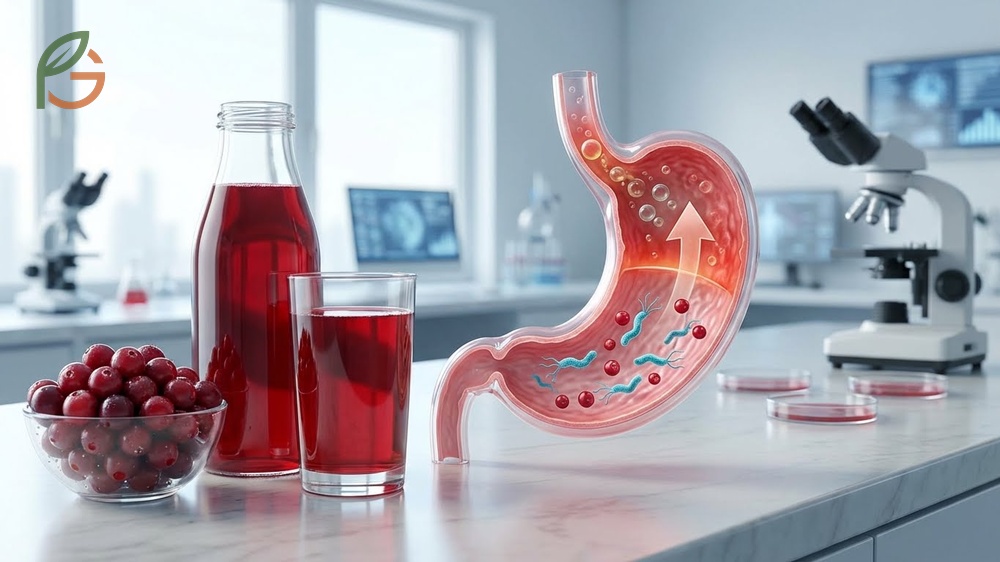
The relationship between cranberry juice and stomach health is complicated. While it’s harmful for acid reflux, research shows cranberry may help combat Helicobacter pylori (H. pylori), the bacteria responsible for most stomach ulcers and gastritis. A clinical trial from Peking University found that cranberry juice containing 44mg of PACs taken twice daily for eight weeks resulted in a 20% reduction in H. pylori infection rates[3].
This creates a dilemma for people with both H. pylori infection and acid reflux. The same acidity that fights bacteria also irritates your esophagus. Most gastroenterologists recommend treating H. pylori with antibiotics rather than relying on cranberry juice, especially if you already have reflux symptoms.
If you’re considering cranberry for stomach ulcer prevention, discuss alternatives with your healthcare provider. H. pylori eradication typically requires antibiotic therapy—cranberry can’t replace medical treatment, though it might serve as a complementary approach for some patients without acid reflux issues.
This table compares how cranberry juice affects three stomach conditions, showing effectiveness ratings and key considerations for each condition
| Condition | Effect of Cranberry Juice | Research Support | Recommendation |
|---|---|---|---|
| Acid Reflux/GERD | Worsens symptoms due to pH of 2.3-2.5[1] | Multiple gastroenterology centers advise avoidance | Avoid completely |
| H. Pylori Infection | May help reduce bacteria with 44mg PAC twice daily[3] | 20% reduction in clinical trials | Use only under medical supervision; antibiotics preferred |
| Gastritis | Generally worsens symptoms due to high acidity | Medical sources recommend avoiding acidic beverages | Avoid during active inflammation |
| Stomach Ulcers | Mixed effects—may fight H. pylori but irritates ulcer sites | PACs show antibacterial properties but acidity causes pain | Avoid until ulcers heal; consider low-acid PAC supplements instead |
- High acidity can irritate the gastric mucosa, especially in people with gastritis
- Proanthocyanidins (PACs) prevent H. pylori bacteria from adhering to stomach walls
- May cause stomach pain or nausea when consumed on an empty stomach
- Can interact with medications that reduce stomach acid, potentially reducing their effectiveness
- Contains compounds that may protect against some types of bacterial overgrowth
Low Acid Alternatives for Reflux
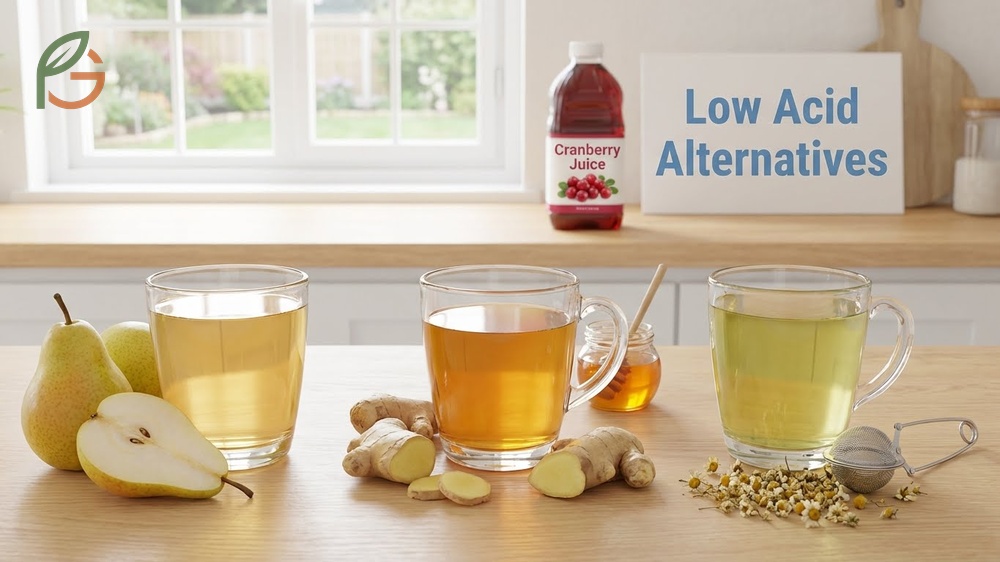
If you’re looking for beverages that won’t trigger acid reflux, several low-acid options can replace cranberry juice in your diet. Pear juice ranks as one of the best choices, with a pH of 4.0-4.6 that’s gentle on the esophagus[2]. It provides natural sweetness and nutrients without the harsh acidity of cranberry juice.
Herbal teas offer another excellent alternative, particularly ginger and chamomile varieties. These caffeine-free options can actually soothe digestive discomfort while keeping your esophagus happy. Almond milk provides creaminess and mild alkalinity that may help neutralize existing stomach acid.
Coconut water has gained popularity as a reflux-friendly beverage with a pH around 5.0-5.4. It delivers electrolytes and hydration without irritating sensitive digestive tissue. Many people find it refreshing and easier to tolerate than acidic fruit juices.
For those who miss the tartness of cranberry juice, consider mixing a small amount of pear juice with herbal tea. This combination provides flavor complexity without crossing into dangerously acidic territory. Always dilute any fruit juice with water to further reduce acidity.
| Beverage | pH Level | Key Benefits |
|---|---|---|
| Pear Juice | 4.0-4.6[2] | Low acid, naturally sweet, rich in fiber |
| Almond Milk | 6.0-7.0 | Alkaline, creamy, calcium-fortified options available |
| Coconut Water | 5.0-5.4 | Electrolytes, hydrating, mild natural sweetness |
| Ginger Tea | 5.5-6.5 | Soothes digestion, reduces nausea, anti-inflammatory |
| Cranberry Juice | 2.3-2.5 (avoid)[1] | Not recommended for GERD—too acidic |
Hydration Tip: Plain water remains the safest choice for acid reflux sufferers. Aim for 8-10 glasses daily to help dilute stomach acid and maintain healthy digestion. Room temperature or slightly warm water tends to be better tolerated than ice-cold beverages.
- Choose beverages with pH levels above 4.0 to minimize esophageal irritation
- Dilute all fruit juices with equal parts water to reduce acidity
- Avoid adding citrus to tea or water, as it lowers pH significantly
- Skip carbonated beverages entirely—bubbles increase stomach pressure and trigger reflux
- Drink beverages at room temperature rather than very hot or ice cold
- Time your beverage consumption away from meals to prevent stomach distension
- Test new drinks in small amounts (2-4 ounces) to assess your personal tolerance
Conclusion
The evidence is clear: cranberry juice and acid reflux don’t mix well for the vast majority of people. With a pH of 2.3-2.5, cranberry juice ranks among the most acidic beverages available and consistently triggers heartburn, worsens GERD symptoms, and irritates sensitive digestive tissue. While emerging research on cranberry proanthocyanidins shows promise for fighting H. pylori bacteria, the juice’s extreme acidity makes it unsuitable for anyone managing acid reflux or gastritis.
Current medical guidance emphasizes choosing low-acid alternatives like pear juice, almond milk, and herbal teas that support digestive health without causing esophageal damage. If you’re drawn to cranberry for its vitamin C content or antibacterial properties, work with your healthcare provider to find safer delivery methods—such as low-acid supplements—that won’t compromise your reflux management. FruitGarden synthesizes current gastroenterology research to help you make informed decisions about which fruits and juices support your digestive wellness goals.
Medical Disclaimer
Important Medical Disclaimer: This content is for informational and educational purposes only. It’s not intended as a substitute for professional medical advice, diagnosis, or treatment. Always consult a qualified healthcare professional before making any changes to your diet, medication, or health routine, especially if you have acid reflux, GERD, stomach ulcers, gastritis, or other digestive conditions. Individual responses to foods and beverages vary, and what works for one person may not work for another.
Frequently Asked Questions
Can Cranberry Juice Cause Heartburn?
Yes, cranberry juice commonly causes heartburn due to its extremely low pH of 2.3-2.5. This high acidity irritates the esophageal lining and can relax the lower esophageal sphincter, allowing stomach acid to flow backward. Most people with acid reflux sensitivity will experience heartburn within 30 minutes of drinking cranberry juice, with symptoms potentially lasting several hours.
Does Cranberry Juice Help With Nausea?
Cranberry juice doesn’t typically help with nausea and may actually worsen it. The high acidity can irritate an upset stomach, leading to increased queasiness. If you’re experiencing nausea, better options include ginger tea, peppermint tea, or small sips of room-temperature water. Clear broths and bland foods like crackers are more effective nausea remedies than acidic fruit juices.
Is Cranberry Juice Good for Gastritis?
No, cranberry juice isn’t good for gastritis. Gastritis involves inflammation of the stomach lining, and acidic beverages like cranberry juice will irritate this inflamed tissue and worsen symptoms. While cranberry’s antibacterial properties may help fight H. pylori—a common cause of gastritis—the juice’s acidity causes more harm than good. Stick to bland, non-acidic foods and beverages until your gastritis heals.
Is Cranberry Juice Good for Stomach Ulcers?
Cranberry juice presents a paradox for stomach ulcers. Research shows its proanthocyanidins may help suppress H. pylori bacteria that cause many ulcers, but the juice’s extreme acidity irritates ulcer sites and causes pain. Medical professionals recommend treating ulcers with prescribed antibiotics rather than relying on cranberry juice. If you want cranberry’s antibacterial benefits, ask your doctor about low-acid PAC supplements once your ulcers have healed.
What Juice Is Best for Acid Reflux?
Pear juice is widely considered the best juice for acid reflux, with a pH of 4.0-4.6 that’s gentle on sensitive digestive tissue. Other good options include diluted apple juice (non-cloudy varieties), watermelon juice, and peach juice. Always dilute fruit juices with equal parts water to further reduce acidity, and drink them between meals rather than with food to minimize reflux risk. Avoid citrus, cranberry, tomato, and pineapple juices entirely.
What Are the Best Alkaline Drinks for GERD?
The best alkaline drinks for GERD include almond milk (pH 6.0-7.0), alkaline water (pH 8.0-9.0), chamomile tea, and coconut water. These beverages have pH levels above 7.0 or close to neutral, which helps neutralize stomach acid rather than adding to it. Herbal teas like ginger and licorice root also provide alkalinity with additional digestive benefits. Avoid caffeinated beverages even if they’re alkaline, as caffeine can still trigger reflux symptoms.
How Can I Get Cranberry Benefits Without the Acidity?
If you want cranberry’s health benefits without triggering acid reflux, consider taking cranberry extract supplements that contain standardized amounts of proanthocyanidins (PACs) without the acidity. Look for products specifically labeled as low-acid or buffered cranberry supplements. Dried cranberries mixed with non-acidic foods may also work, though they’re less potent than supplements. Always check with your healthcare provider before starting any supplement regimen, especially if you take medications that might interact with cranberry.





