

Can dogs eat cranberries? Yes, fresh and plain cranberries are safe for dogs when fed in moderation, but dried versions often contain added sugar or xylitol, which can be dangerous.[1] Research shows cranberries aren’t toxic and may even support urinary tract health in dogs with recurrent infections.[2] At FruitGarden, we synthesize current veterinary research to help you make informed decisions about what fruits your dog can safely enjoy.
Quick Answer
- Fresh cranberries are safe in 1-2 tablespoons per day for most dogs[3]
- Dried cranberries often contain added sugars that aren’t healthy for dogs[4]
- Cranberry juice typically has too much sugar and isn’t recommended for dogs
- Always check labels for xylitol, an artificial sweetener that’s toxic to dogs[5]
Can Dogs Eat Cranberries

Fresh and cooked cranberries aren’t inherently toxic for dogs and are generally safe when fed in moderation.[1] These tart berries can be offered as an occasional treat, though not all dogs will enjoy their naturally bitter taste. The key is keeping portions small—typically no more than a few berries for small dogs or up to a tablespoon for larger breeds.
Studies demonstrate that cranberries can be incorporated into a dog’s diet without causing harm when proper guidelines are followed. However, you’ll want to avoid prepared cranberry dishes, sauces, or products mixed with other ingredients. What matters most is offering plain, fresh cranberries without added sugars, sweeteners, or other potentially harmful additives.
Current veterinary guidance emphasizes moderation because too many cranberries can lead to digestive upset. Dogs have different nutritional needs than humans, so what’s healthy for you in larger quantities may need to be limited for your pet. Always introduce new foods gradually and watch for any adverse reactions.
Nutritional Benefits for Dogs
Cranberries are packed with vitamins C, E, and K, along with fiber and manganese that support various aspects of canine health.[4] Vitamin C helps boost immune function and aids in maintaining healthy skin, muscles, and bones. Vitamin E acts as a potent antioxidant that protects cells from damage.
The fiber content in cranberries supports digestive health by promoting regular bowel movements. Manganese contributes to proper growth, metabolism, and bone development in dogs. These nutrients work together to provide antioxidant benefits that may help reduce inflammation and support overall wellness.
Important Note: While cranberries offer nutritional benefits, they shouldn’t replace your dog’s regular balanced diet. Treats like cranberries should make up no more than 10% of your dog’s daily caloric intake.
Urinary Tract Health Support
Research shows cranberry extract prevented urinary tract infections in dogs with a history of recurrent UTIs over a six-month period.[2] In a 2016 study, 12 dogs with at least three UTIs in the previous year received either antibiotics or cranberry extract—none developed infections during the study period. Urine samples showed cranberry extract significantly reduced E. coli adhesion to canine kidney cells.
The mechanism behind this benefit involves compounds in cranberries that prevent bacteria from adhering to the urinary tract walls. This makes it harder for infections to take hold and develop. Evidence suggests cranberry supplementation may be particularly beneficial for female dogs prone to urinary tract issues.
Veterinarians note that while cranberries show promise for UTI prevention, they’re not a replacement for proper veterinary care. Dogs with active infections still need professional treatment. If you’re considering cranberry supplements for urinary health, consult your vet about appropriate dosing and whether it’s right for your dog’s specific situation.
Can Dogs Eat Dried Cranberries
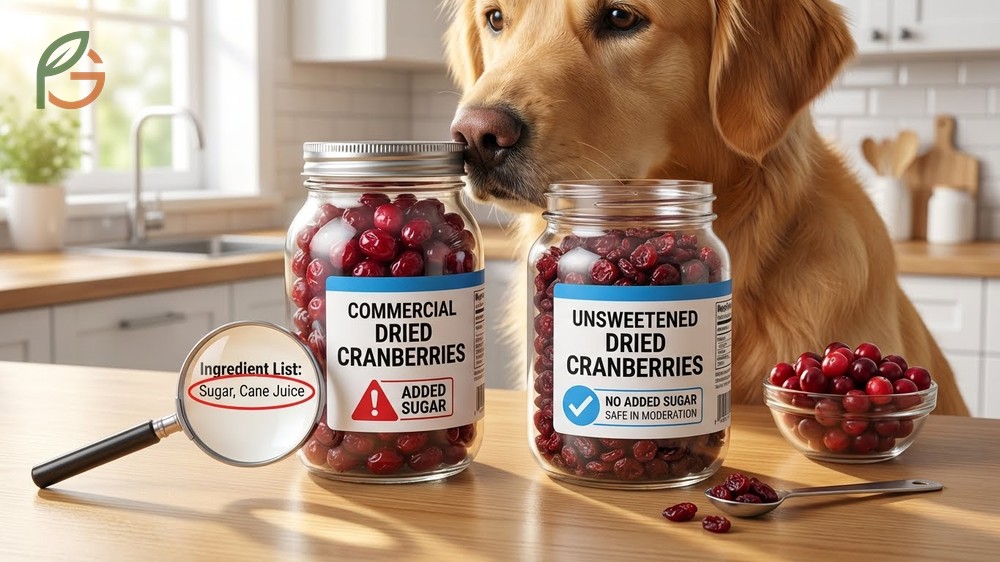
Dried cranberries are safe for dogs only if they contain no added sugars or sweeteners. Most commercially available dried cranberries are sweetened to balance their natural tartness, making them unsuitable for canine consumption. The drying process concentrates the natural sugars already present in cranberries, and manufacturers often add even more sugar or juice during processing.
You’ll need to carefully read ingredient labels before offering dried cranberries to your dog. Look for products labeled as “unsweetened” or “no sugar added” and verify the ingredient list contains only cranberries. Even then, dried cranberries should be given sparingly because they’re more calorie-dense than fresh berries.
Another concern with dried cranberry products is that they’re often sold in mixed fruit or trail mix packages. These mixes frequently contain raisins, which are highly toxic to dogs and can cause kidney failure even in small amounts.[1] Never give your dog dried fruit mixes without checking every ingredient first.
Sugar Content Risks
Added sugars in dried cranberries can lead to weight gain, dental problems, and increased risk of diabetes in dogs. Dogs don’t process sugar the same way humans do, and excessive sugar intake can cause blood sugar spikes and energy crashes. Over time, a diet high in sugar contributes to obesity, which puts strain on your dog’s joints and organs.
Sweetened dried cranberries can also trigger digestive upset including diarrhea, vomiting, and stomach discomfort. The concentrated nature of dried fruit means your dog gets more sugar per berry compared to fresh cranberries. What seems like a small handful can actually represent a significant amount of sugar for a dog’s system.
Xylitol Danger in Dried Products
Xylitol is an artificial sweetener that’s extremely toxic to dogs, causing profound hypoglycemia that can result in vomiting, weakness, lethargy, seizures, and coma.[5] Some dogs develop severe liver injury after xylitol ingestion through an unknown mechanism. Even trace amounts can be life-threatening, making it critical to check every ingredient label.
Xylitol is sometimes used in “sugar-free” or “reduced sugar” dried cranberry products as a low-calorie sweetener. If your dog ingests xylitol, it’s a medical emergency requiring immediate veterinary attention. Treatment involves monitoring blood glucose levels, administering intravenous dextrose, and managing potential liver complications.
Emergency Warning: If you suspect your dog ate xylitol-containing products, contact your veterinarian or emergency animal hospital immediately. Don’t wait for symptoms to appear—rapid treatment is essential for survival.
Can Dogs Drink Cranberry Juice

Cranberry juice isn’t recommended for dogs due to high sugar content and potential additives. Commercial cranberry juice products typically contain added sugars, preservatives, and sometimes grape juice, which is toxic to dogs. Even 100% cranberry juice is very acidic and tart, prompting most manufacturers to blend it with sweeter juices or add significant amounts of sugar.
The sugar concentration in cranberry juice far exceeds what’s safe for regular canine consumption. A single cup of cranberry juice cocktail can contain 25-30 grams of sugar—more than a small dog should consume in an entire week. This excessive sugar intake can cause immediate digestive problems and contribute to long-term health issues like obesity and diabetes.
Current data indicates that if you want to provide cranberry benefits for urinary tract health, veterinarian-approved cranberry supplements formulated specifically for dogs are a much better choice than juice. These supplements contain concentrated cranberry extract without the sugar, calories, and potential toxic additives found in juice products. Always consult your vet before giving your dog any cranberry supplement.
Some cranberry juice products may also contain xylitol or other artificial sweeteners, making label reading absolutely essential. When in doubt, skip the juice entirely and stick with small amounts of fresh cranberries or veterinary-approved supplements instead.
- Contains excessive sugar that can cause weight gain and blood sugar issues
- May be blended with grape juice, which is toxic to dogs
- Often includes preservatives and additives not suitable for canine consumption
- High acidity can upset sensitive dog stomachs
- Potential presence of xylitol in sugar-free varieties
Safe Cranberry Forms for Dogs

Fresh, raw cranberries represent the safest option for dogs, offering nutrients without added sugars or harmful ingredients. Wash fresh cranberries thoroughly and offer them whole or chopped, depending on your dog’s size. Start with just one or two berries to see how your dog reacts both to the taste and digestively.
Frozen cranberries can also work well, but thaw them first to prevent choking hazards. Some dogs actually prefer frozen berries as a cool treat, especially during warmer months. Cooked plain cranberries without any sugar, spices, or other additions are another safe alternative, though cooking does reduce some of the vitamin C content.
Veterinary-approved cranberry supplements designed specifically for dogs provide concentrated benefits without the risks of homemade preparations. These products come in chewable tablets, powders, or capsules with dosing instructions based on your dog’s weight. They’re particularly useful if your vet recommends cranberry for urinary tract support but your dog won’t eat the fresh berries.
This table compares safety levels, benefits, and precautions for different cranberry forms dogs might consume
| Form | Safety Level | Key Benefits | Precautions |
|---|---|---|---|
| Fresh Raw | Safest | Full nutrients, no additives | Limit to 1-2 tablespoons/day[3] |
| Cooked Plain | Safe | Easier digestion, no additives | Some vitamin C loss from heat |
| Frozen | Safe | Long storage, refreshing treat | Thaw first to prevent choking |
| Dried Unsweetened | Moderate | Convenient storage | More calorie-dense, verify no sugar added |
| Dried Sweetened | Not Recommended | None for dogs | High sugar, may contain xylitol |
| Juice | Not Recommended | None for dogs | Excessive sugar, potential toxins |
| Sauce/Jelly | Unsafe | None for dogs | Sugar, spices, potential xylitol |
- Introduce cranberries gradually to monitor for digestive reactions or allergies
- Chop large berries into smaller pieces for small dogs to prevent choking
- Mix fresh cranberries with your dog’s regular food rather than offering as standalone snacks
- Store fresh cranberries in the refrigerator and use within 2-3 weeks
- Consult your veterinarian before giving cranberries to puppies under six months old
Potential Health Risks

Feeding large amounts of cranberries to dogs can lead to calcium oxalate stone formation in their bladders.[1] Veterinarians warn that overconsumption of cranberries increases oxalate levels in urine, which can crystallize and form painful urinary stones. This risk is why moderation is critical when offering cranberries to dogs.
Digestive upset is the most common immediate reaction to too many cranberries. Dogs may experience diarrhea, vomiting, stomach pain, or loss of appetite if they consume excessive amounts. The high fiber and acidity in cranberries can irritate sensitive digestive systems, particularly in dogs not accustomed to eating fruits.
Cranberry allergies in dogs are rare but not impossible. Watch for symptoms like excessive itching, hives, swelling of the face or paws, difficulty breathing, or excessive thirst after introducing cranberries. If you notice any allergic reaction signs, discontinue cranberries immediately and contact your veterinarian.
Watch for These Warning Signs: If your dog shows vomiting, diarrhea lasting more than 24 hours, lethargy, loss of appetite, or difficulty urinating after eating cranberries, seek veterinary care promptly.
- Calcium oxalate bladder stones from excessive consumption
- Digestive upset including diarrhea and vomiting
- Potential allergic reactions in sensitive dogs
- Blood sugar spikes if sweetened versions are consumed
- Weight gain from high-calorie dried cranberry products
- Choking hazard for small dogs if berries aren’t chopped
Safe Fruit Alternatives

Blueberries are one of the safest and most beneficial fruits for dogs, offering antioxidants and fiber without the acidity concerns of cranberries.[6] Most dogs find blueberries more palatable than cranberries due to their sweeter taste. Fresh or frozen blueberries can be served plain and unsweetened as healthy training treats or snacks.
Apples (without seeds or core) provide vitamins A and C along with fiber that supports digestive health. Watermelon offers hydration and vitamins while being low in calories, making it perfect for overweight dogs. Bananas deliver potassium and natural sweetness in moderation, though they’re higher in sugar than berries.
Strawberries and raspberries are additional berry options that provide antioxidants and fiber with less acidity than cranberries. These berries should still be fed in moderation, as treats shouldn’t exceed 10% of your dog’s daily caloric intake. Always introduce new fruits gradually and watch for any adverse reactions.
- Blueberries: Rich in antioxidants, low in calories, easy to feed as training treats
- Apples: Good source of fiber and vitamins (remove seeds and core first)
- Watermelon: Hydrating and low-calorie (remove seeds and rind)
- Strawberries: Vitamin C and fiber with natural sweetness dogs enjoy
- Raspberries: High in antioxidants and anti-inflammatory compounds
- Bananas: Potassium-rich but higher in sugar (limit portions)
Conclusion
The evidence is clear: dogs can eat cranberries safely when you follow three key principles—offer only fresh or plain cooked berries, limit portions to 1-2 tablespoons daily, and always check labels on any dried or processed cranberry products for added sugars and xylitol. Research demonstrates that cranberries can provide nutritional benefits and may support urinary tract health when used appropriately under veterinary guidance.
Current veterinary guidance emphasizes that while cranberries aren’t toxic to dogs, they work best as an occasional treat rather than a dietary staple. FruitGarden recommends consulting your veterinarian before adding cranberries to your dog’s diet, especially if your pet has existing health conditions or takes medications. When offered responsibly, fresh cranberries can be a safe and potentially beneficial addition to your dog’s treat rotation.
Medical Disclaimer
Important Veterinary Disclaimer: This content is for informational and educational purposes only. It is not intended as a substitute for professional veterinary advice, diagnosis, or treatment. Always consult a qualified veterinarian before making any changes to your dog’s diet, supplements, or health routine, especially if your dog has existing medical conditions, takes medications, or shows signs of illness. Pet health decisions should be made in partnership with a licensed veterinary professional who knows your dog’s individual health history.
Frequently Asked Questions
How many cranberries can I safely give my dog?
You can safely give your dog 1-2 tablespoons of fresh cranberries per day, depending on their size. Small dogs should receive just a few berries, while larger breeds can handle up to a tablespoon. Always introduce cranberries gradually and monitor for digestive upset or allergic reactions.
Can puppies eat cranberries?
Yes, puppies can eat cranberries in very small amounts once they’re eating solid food, but you should consult your veterinarian first. Puppies have more sensitive digestive systems than adult dogs, so introduce any new food slowly. Start with just one small piece and watch for any adverse reactions before offering more.
Are Craisins safe for dogs to eat?
Craisins (Ocean Spray’s brand of dried cranberries) are not recommended for dogs because they contain added sugar. Most commercial dried cranberry products are sweetened to make them more palatable for humans, but this added sugar isn’t healthy for dogs and can cause digestive upset, weight gain, and blood sugar issues.
Can cranberries help prevent UTIs in dogs?
Research shows that cranberry extract can help prevent urinary tract infections in dogs by preventing bacteria from adhering to bladder walls. However, cranberries aren’t a replacement for veterinary treatment if your dog has an active UTI. Consult your vet about appropriate cranberry supplementation if your dog has recurrent urinary tract issues.
What should I do if my dog ate cranberry sauce?
Monitor your dog closely for signs of digestive upset like vomiting, diarrhea, or lethargy. Cranberry sauce typically contains high amounts of sugar and may include xylitol or other harmful ingredients. If your dog consumed a large amount or shows any symptoms, contact your veterinarian immediately. Check the sauce label for xylitol—if present, seek emergency veterinary care right away.
Are fresh cranberries better than cranberry supplements for dogs?
Fresh cranberries and veterinary-approved supplements each have advantages. Fresh cranberries provide whole-food nutrition and fiber, while supplements offer concentrated active compounds without the acidity and potential for digestive upset. For general health, fresh cranberries work well; for targeted urinary tract support, veterinary supplements may be more effective. Your vet can recommend the best option for your dog’s specific needs.
Can dogs eat cranberry jelly or cranberry relish?
No, dogs should not eat cranberry jelly or relish. These products contain high amounts of sugar, and many include additional ingredients like orange peel, spices, or artificial sweeteners that can be harmful to dogs. Cranberry jelly often has more sugar than actual cranberries, making it unsuitable for canine consumption. Stick with plain fresh cranberries instead.





