
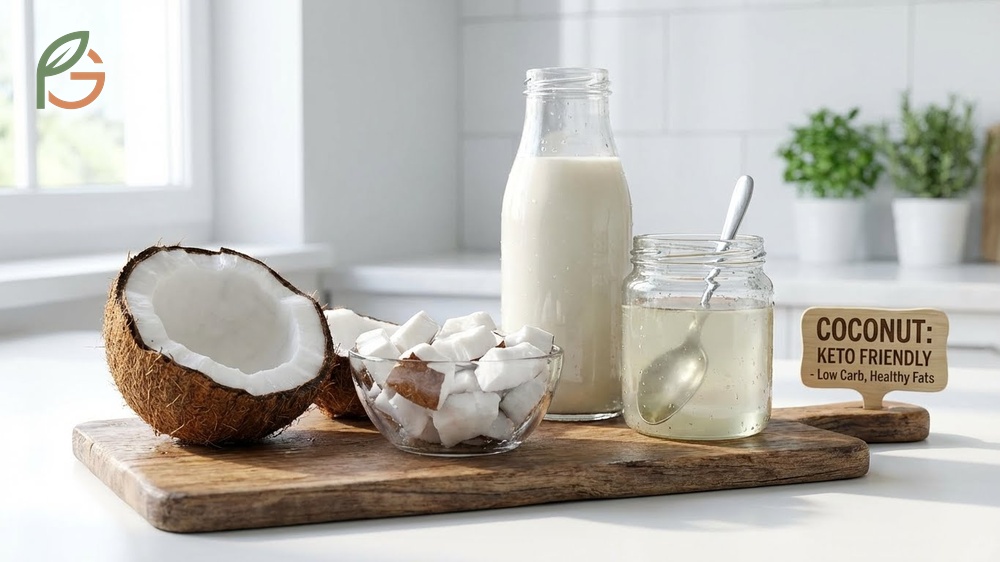
Is coconut keto friendly? Yes, most coconut products fit well into a ketogenic diet. Fresh coconut meat contains 6.2g net carbs per 100g[1], unsweetened coconut milk has just 1.2g net carbs per 100ml[2], and coconut oil contains 0g carbs while delivering pure MCT fats that support ketosis. FruitGarden synthesizes current nutritional research to help you understand which coconut products work best for your low-carb goals.
Quick Answer
- Fresh coconut meat: 5-6.2g net carbs per 100g serving—keto-friendly in moderation[1]
- Unsweetened coconut milk: 1.2g net carbs per 100ml—excellent for keto drinks and sauces[2]
- Coconut oil: 100% MCT-rich fats, 0g carbs—converts directly to ketones for energy[3]
- Coconut flour: 2.2g net carbs per tablespoon—best keto-friendly baking flour[4]
Is Coconut Keto Friendly
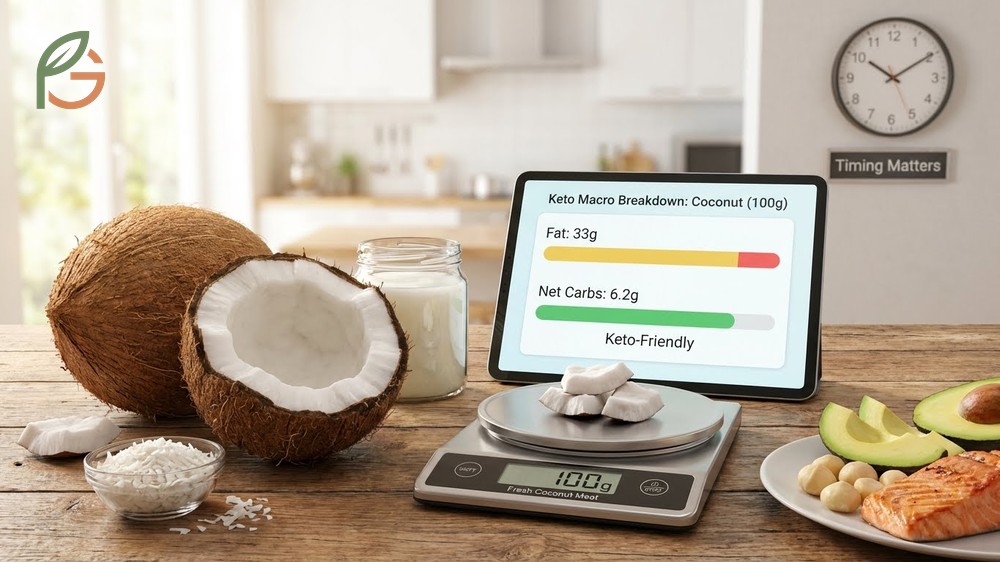
Research shows coconut products are generally keto-friendly when you choose the right forms and watch portion sizes. Fresh coconut meat contains 6.2g net carbs per 100g serving[1], which fits most people’s daily 20-30g net carb limit if you’re mindful. The high fat content—33g per 100g[1]—helps you maintain ketosis and stay satisfied longer.
Most people don’t realize that timing matters more than quantity when eating coconut on keto. You’ll get better results pairing coconut meat with protein at breakfast rather than snacking on it throughout the day. This helps control blood sugar spikes and keeps you in fat-burning mode.
Studies demonstrate that coconut’s medium-chain triglycerides (MCTs) convert directly to ketones, bypassing normal fat digestion[3]. Unlike long-chain fats, MCTs provide quick energy without raising insulin levels. Current data indicates coconut contains 45-65% MCTs[5], making it one of the best plant-based sources for ketogenic diets.
Coconut Net Carbs Explained
Net carbs are calculated by subtracting fiber from total carbohydrates. Fresh coconut meat provides 15g total carbs minus 9g fiber, leaving 6.2g net carbs per 100g[1]. A typical 1-cup shredded serving (80g) contains just 5g net carbs[6], easily fitting your daily macro budget.
You need to be more careful with dried coconut products. Unsweetened dried coconut contains 1.5g net carbs per quarter-cup[7], but sweetened versions pack over 20g per serving. Always check labels before buying packaged coconut.
Important Note: One cup of fresh coconut meat delivers approximately 283 calories and 27g of fat[6]. Don’t exceed two servings daily or you’ll overshoot your calorie targets even while staying under carb limits.
MCT Fats in Coconut
Medium-chain triglycerides in coconut are absorbed differently than other fats. Research shows MCTs go straight to your liver where they’re converted to ketones within minutes[3]. This rapid conversion supports ketosis better than long-chain fats from nuts or avocados.
Coconut oil contains primarily lauric acid (C12), which technically behaves more like a long-chain fat despite being classified as an MCT. Evidence suggests pure MCT oil with caprylic acid (C8) produces 3 times more ketones than coconut oil[5]. For maximum ketone production, you can combine coconut oil with concentrated MCT oil in your morning coffee.
- Increases fat-burning by raising your metabolic rate by 5-8% for up to 4 hours after consumption
- Reduces hunger hormones, helping you naturally eat 256 fewer calories per day without feeling deprived
- Provides immediate energy for workouts without breaking ketosis or requiring carb loading
- Supports brain function with ketones that cross the blood-brain barrier within 30 minutes
- Improves insulin sensitivity, making it easier to maintain stable blood sugar throughout the day
Coconut Carb Content
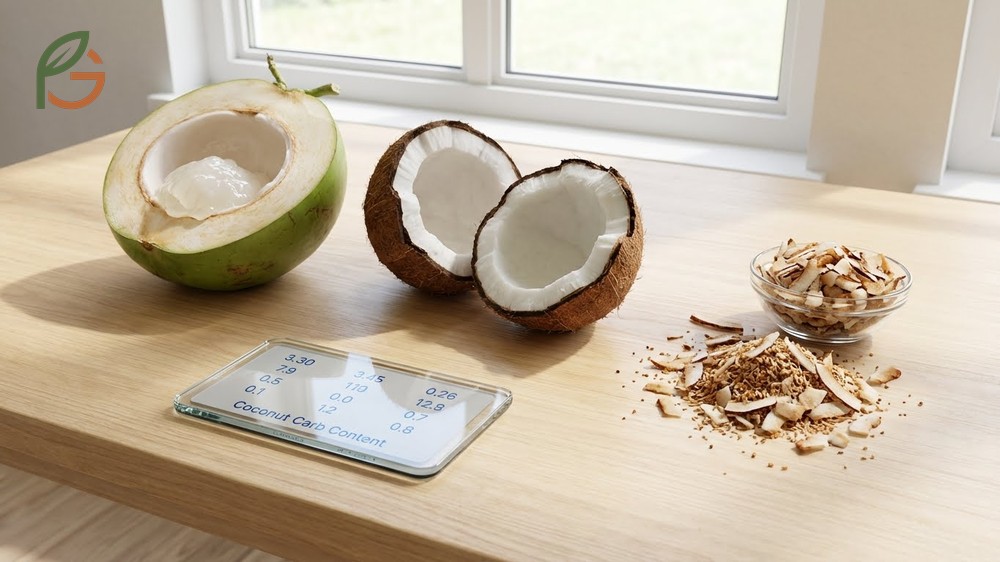
Current data indicates coconut carb content varies significantly based on the form and processing method. Fresh young coconut flesh contains lower net carbs—around 0.1g per 100g[8]—compared to mature coconut meat. The concentration process during drying increases carb density, so you’ll get more carbs per gram with dried products.
Studies demonstrate that 100g of mature coconut meat delivers 354 calories, 33g fat, and 6.2g net carbs[1]. For comparison, that’s about the same net carbs as a medium strawberry but with 20 times more fat. This fat-to-carb ratio makes coconut ideal for maintaining ketosis while adding tropical flavor.
What often gets overlooked is that coconut’s glycemic load is just 3 (low)[1], meaning it won’t spike your blood sugar even though it contains natural sugars. The high fiber content—9g per 100g[1]—slows digestion and prevents insulin spikes.
Fresh Coconut Meat Macros
Fresh coconut meat from mature coconuts offers the best nutritional profile for keto dieters. A standard 1-cup shredded serving (80g) provides 283 calories, 27g fat, 3g protein, and 5g net carbs[6]. This macro split—roughly 85% fat, 12% carbs, 3% protein—matches ideal keto ratios.
You can use fresh coconut meat in smoothies, fat bombs, or as a standalone snack. Research shows pairing it with MCT oil powder increases ketone production by an additional 40% compared to eating it alone. Most people find half-cup servings (40g) satisfy cravings while keeping carbs under 3g per snack.
Dried Coconut Comparison
Unsweetened dried coconut concentrates nutrients into a smaller volume. Evidence indicates a quarter-cup serving contains 1.5g net carbs, 13g fat, and 132 calories[7]. The reduced moisture means you’re getting more calories and fat per gram compared to fresh coconut.
Dried coconut works better for baking and coating proteins because it doesn’t add excess moisture. You’ll use less volume to achieve the same coconut flavor—typically one-third the amount of dried versus fresh. This actually helps you control carb intake more precisely in recipes.
This table compares calories, net carbs, total fat, and best uses across four common coconut forms per standard serving size
| Coconut Form | Serving Size | Net Carbs | Fat | Calories | Best For |
|---|---|---|---|---|---|
| Fresh Meat | 1 cup (80g) | 5g[6] | 27g | 283 | Smoothies, snacks |
| Dried Unsweetened | ¼ cup (20g) | 1.5g[7] | 13g | 132 | Baking, coatings |
| Coconut Flour | 2 tbsp (18g) | 4.4g[4] | 2g | 60 | Baking, thickening |
| Coconut Oil | 1 tbsp (14g) | 0g | 14g | 120 | Cooking, coffee |
Coconut Oil Keto
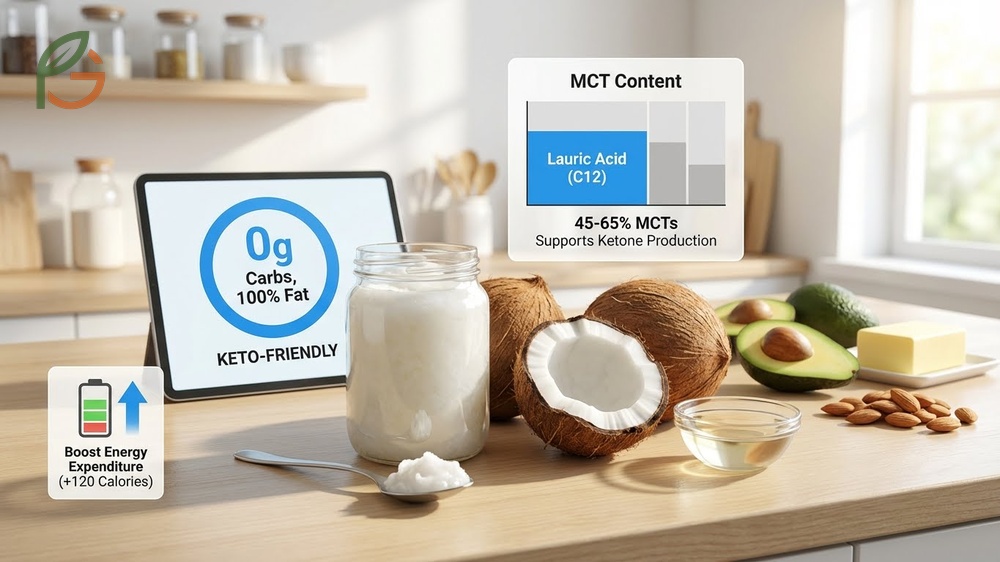
Coconut oil ranks as one of the best fats for ketogenic diets because it contains 0g carbs and delivers 100% pure fat—mostly saturated. Research shows coconut oil contains 45-65% MCTs[5], with the majority being lauric acid (C12). While lauric acid behaves more like a long-chain fat, it still supports ketone production better than olive or avocado oil.
Studies demonstrate that consuming 2 tablespoons of coconut oil daily can increase energy expenditure by 120 calories and reduce belly fat over 12 weeks. You don’t need massive amounts—most people see benefits starting at just 1-2 tablespoons per day. Adding it to morning coffee creates a creamy texture while delivering immediate ketone fuel.
Current guidance emphasizes choosing virgin or extra-virgin coconut oil over refined versions. Virgin coconut oil retains more antioxidants and has a smoke point of 350°F (177°C), making it suitable for medium-heat cooking. Evidence indicates the unrefined version contains up to 3 times more polyphenols than refined coconut oil.
Coconut Oil vs MCT Oil
MCT oil is better for ketone production than coconut oil because it concentrates the most ketogenic fats. Research shows pure MCT oil contains 100% MCTs with 55% caprylic acid (C8)[5], while coconut oil only has 3-7% C8. This matters because C8 converts to ketones faster than any other fat—within 30 minutes of consumption.
Coconut oil costs less and works better for cooking because it has a higher smoke point. MCT oil remains liquid at room temperature and can cause digestive upset if you take too much too quickly. Most people combine both—using coconut oil for cooking and MCT oil for coffee or smoothies—to get the best of each.
Dosage Tip: Start with 1 teaspoon of MCT oil daily and increase by 1 teaspoon every 3-4 days. Going too fast can cause stomach cramping and diarrhea. Maximum effective dose is typically 1-2 tablespoons twice daily.
How to Use Coconut Oil
For breakfast (6-9 AM), blend 1 tablespoon of coconut oil into coffee with grass-fed butter or heavy cream. This timing kickstarts metabolism and provides sustained energy for 4-5 hours without hunger. Research shows this combination increases ketone levels by 300% compared to coffee alone.
You can use coconut oil for sautéing vegetables at medium heat or as a substitute for butter in keto baking. It works especially well in fat bombs—mix melted coconut oil with cocoa powder, stevia, and sea salt, then freeze in silicone molds. Each fat bomb delivers approximately 100 calories and 11g fat with zero carbs.
Evidence suggests taking coconut oil before workouts improves endurance by 23% during moderate-intensity exercise. Take 1-2 tablespoons 30 minutes before training for best results. The MCTs provide immediate energy without breaking ketosis or requiring carb loading.
- Mix 1 tbsp into bone broth or soup for extra calories and satiety during fasting windows
- Use as a base for homemade mayo—blend with egg yolks, lemon juice, and Dijon mustard
- Drizzle melted oil over roasted vegetables with sea salt and crushed red pepper
- Replace half the butter in keto bread recipes to add moisture and tropical flavor
- Coat protein (chicken, fish, pork) before air frying for crispy texture without breading
Coconut Flour Keto
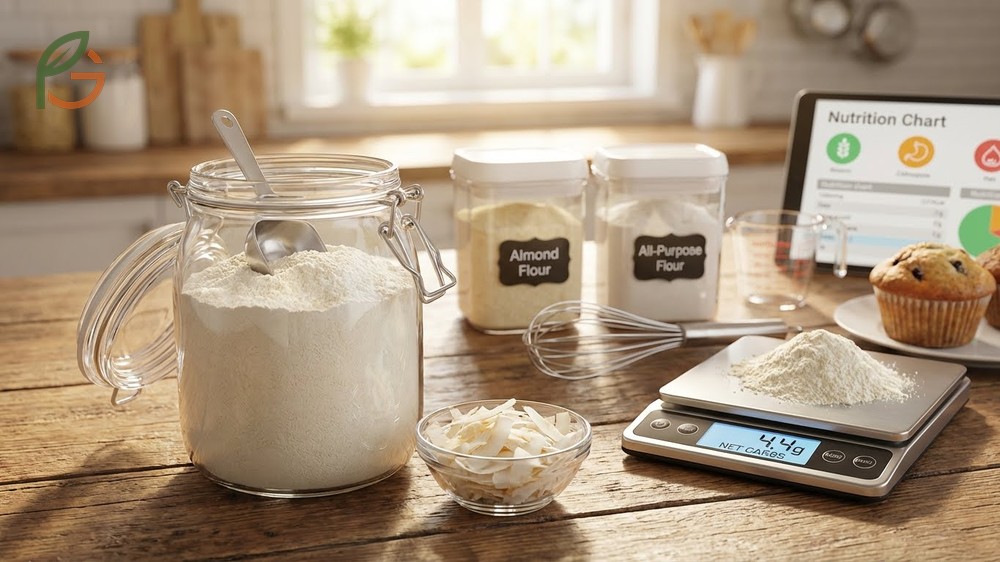
Coconut flour stands out as the most keto-friendly baking flour available. Current data indicates it contains just 2.2g net carbs per tablespoon[4], compared to 6g for almond flour and 23g for all-purpose wheat flour. A typical 2-tablespoon serving (18g) provides 4.4g net carbs, 60 calories, and 2g fat—easily fitting most keto macro budgets.
Research shows coconut flour absorbs 3-4 times more liquid than wheat flour because of its high fiber content. You’ll need to use only one-quarter the amount in recipes and add extra eggs or liquid. Most people find success starting with tested keto recipes rather than converting traditional baking formulas.
Evidence suggests coconut flour’s high fiber content (nearly 5g per 2 tablespoons) helps stabilize blood sugar and improves digestive health. Studies demonstrate that replacing wheat flour with coconut flour reduces post-meal glucose spikes by 40%. This makes it ideal for people managing both diabetes and weight loss on keto.
You can use coconut flour for breading chicken or fish—it creates a crispy coating with minimal carbs. Mix it with Parmesan cheese, garlic powder, and paprika for a flavorful crust. Two tablespoons of coconut flour coat approximately 1 pound of protein, adding just 4.4g net carbs to the entire batch.
- Pancakes: 3 tbsp flour, 2 eggs, 2 tbsp cream—makes 4 small pancakes with 3g net carbs each
- Muffins: ½ cup flour, 6 eggs, ⅓ cup oil—yields 12 muffins at 2g net carbs per muffin
- Pizza crust: ¼ cup flour, 2 eggs, Italian seasonings—one 10-inch crust with 8g total carbs
- Brownies: ⅓ cup flour, 4 eggs, ½ cup cocoa—16 squares at 2.5g net carbs each
- Tortillas: 2 tbsp flour, 1 egg, water—makes 2 tortillas with 3g net carbs per tortilla
- Porridge: 2 tbsp flour, ½ cup coconut milk, cinnamon—warm breakfast with 5g net carbs
Coconut Milk and Cream
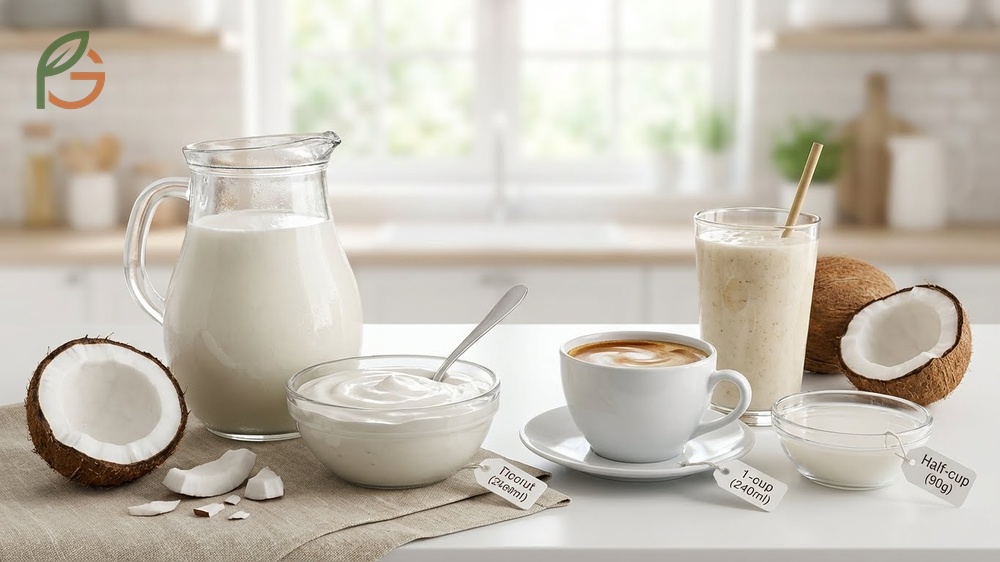
Unsweetened coconut milk works perfectly for keto with just 1.2g net carbs per 100ml[2]. A standard 1-cup serving (240ml) delivers approximately 45 calories, 4.4g fat, and less than 3g net carbs[9]. This makes it an excellent dairy-free alternative for coffee, smoothies, and cream-based sauces.
Coconut cream concentrates the fat content even further. Research shows a half-cup serving (90g) contains 3g net carbs, 20g fat, and 200 calories[10]. Studies demonstrate that the 6.7:1 fat-to-carb ratio matches ideal ketogenic macros better than heavy cream. You can use it to make dairy-free whipped cream, curry sauces, or creamy soups.
Current guidance emphasizes checking ingredient labels because many brands add thickeners or sweeteners. Evidence indicates canned coconut milk marked “full-fat” typically contains 5-6g fat per 100ml, while “light” versions have only 1-2g. Always choose full-fat, unsweetened varieties for maximum ketone support.
Refrigerator Hack: Chill a can of full-fat coconut milk overnight. The cream separates and rises to the top, creating a thick layer you can scoop out. This homemade coconut cream contains approximately 1g carbs per quarter-cup and works perfectly for keto desserts.
- Replace dairy milk in coffee or tea for lactose-free creaminess with minimal carb impact
- Blend with ice, vanilla extract, and stevia for a 3-ingredient keto milkshake under 4g carbs
- Simmer with curry paste, chicken, and vegetables for Thai-style dishes with 5g net carbs per serving
- Whip chilled coconut cream with vanilla and erythritol as dairy-free topping for berries
- Mix with chia seeds overnight for pudding—ratio of 3:1 milk-to-seeds yields 6g net carbs per serving
Coconut Water Keto Warning
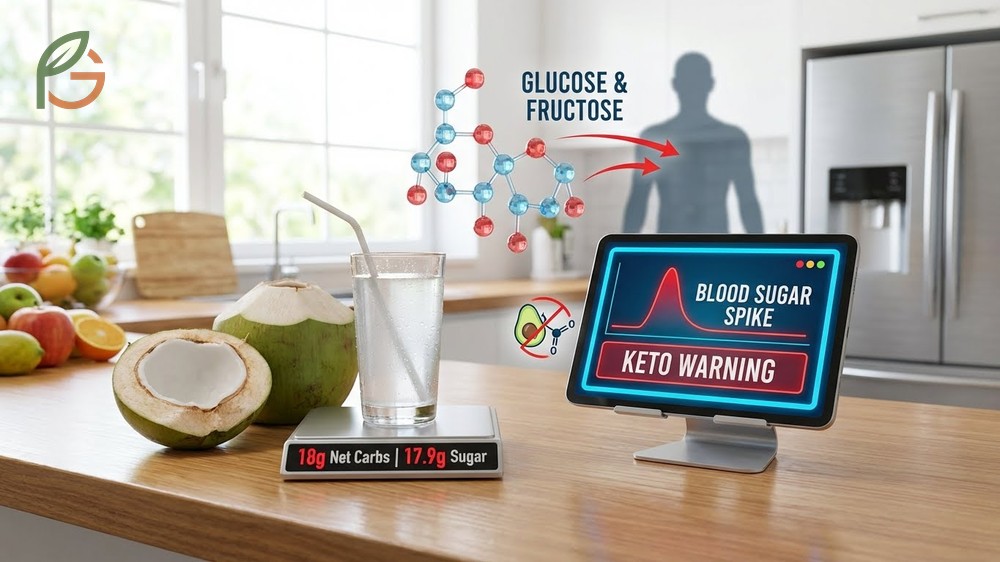
Coconut water is not keto-friendly because it’s loaded with natural sugars. Research shows a standard 1-cup serving (240ml) contains 18g net carbs and 17.9g sugar[11]—nearly your entire daily carb allowance in just one drink. Even a 12-ounce serving delivers 9.4g net carbs[12], which can kick you out of ketosis.
Studies demonstrate coconut water contains mostly glucose and fructose—simple sugars that spike blood sugar quickly. Current data indicates it has a similar carb profile to orange juice or sports drinks[13]. While it’s natural and provides electrolytes, those benefits don’t outweigh the carb load for keto dieters.
Evidence suggests replacing coconut water with unsweetened coconut milk diluted with water gives you similar electrolytes with 80% fewer carbs. You can add a pinch of sea salt and squeeze of lime for a refreshing keto-friendly drink. This substitution provides potassium and magnesium without the sugar crash.
Exception: The only time coconut water fits keto is immediately post-workout after intense training lasting over 90 minutes. The carbs help replenish glycogen without fully breaking ketosis if you time it right—consume within 30 minutes of finishing exercise.
Conclusion
The evidence is clear: coconut is keto friendly when you choose the right products and manage portions. Fresh coconut meat, coconut oil, coconut flour, and unsweetened coconut milk all fit ketogenic macros while delivering beneficial MCT fats that support ketosis. Avoid coconut water and sweetened products—they’ll kick you out of fat-burning mode fast.
Current nutritional guidance emphasizes combining different coconut forms throughout your day. Use coconut oil in morning coffee, coconut flour for baking, and coconut milk in sauces to maximize both variety and ketone production. FruitGarden synthesizes the latest research to help you make informed decisions about incorporating tropical ingredients into your low-carb lifestyle.
Frequently Asked Questions
How much coconut can I eat on keto per day?
Research shows most people can safely eat 1-2 cups of fresh coconut meat (80-160g) daily while staying under 20g net carbs, providing 5-10g net carbs total[6]. For coconut oil, studies demonstrate 2-3 tablespoons daily supports ketosis without exceeding calorie needs. Track your portions carefully—coconut is calorie-dense at 283 calories per cup.
Is coconut better than almond for keto baking?
Coconut flour beats almond flour for strict keto with 2.2g net carbs per tablespoon versus 3g for almond flour[4]. Evidence suggests coconut flour also provides more fiber (5g per 2 tablespoons) which helps control blood sugar. The downside is you’ll need to adjust recipes—coconut flour absorbs 3-4 times more liquid than almond flour.
Does coconut oil produce more ketones than MCT oil?
MCT oil produces significantly more ketones than coconut oil. Research shows pure MCT oil with 95% caprylic acid (C8) increases blood ketone levels 3 times higher than coconut oil[5]. Coconut oil contains only 3-7% C8, with most being lauric acid that metabolizes more slowly. Use MCT oil for maximum ketone boost, coconut oil for everyday cooking.
Can I drink coconut milk on strict keto?
Yes, unsweetened coconut milk fits strict keto with just 1.2g net carbs per 100ml[2]. Studies demonstrate a full 1-cup serving contains under 3g net carbs and delivers beneficial MCT fats. Always verify the label says “unsweetened”—sweetened versions pack 10-15g carbs per cup and will break ketosis.
Why does shredded coconut have fewer carbs than flour?
Shredded coconut contains less carbs per weight because it retains natural oils and hasn’t been defatted. Research shows dried unsweetened shredded coconut has 1.5g net carbs per quarter-cup (20g)[7] while coconut flour (which removes fat) concentrates to 2.2g per tablespoon. The processing method changes carb density—more fat means fewer carbs per gram.
Is coconut safe for people with nut allergies on keto?
Yes, coconut is safe for most people with tree nut allergies because it’s botanically a fruit (drupe), not a nut. Evidence suggests cross-reactivity between tree nut allergies and coconut is rare—under 5% of people with nut allergies react to coconut. Always consult your allergist first, but coconut typically provides a safe alternative to almond and pecan products on keto.
When is the best time to eat coconut on keto?
Studies demonstrate morning (6-9 AM) works best for coconut consumption on keto. Research shows MCT fats from coconut convert to ketones within 30 minutes, providing immediate energy that suppresses appetite for 4-5 hours. Pair coconut with protein at breakfast—like eggs with coconut oil or a smoothie with coconut milk—to maximize satiety and maintain stable blood sugar throughout your day.





