
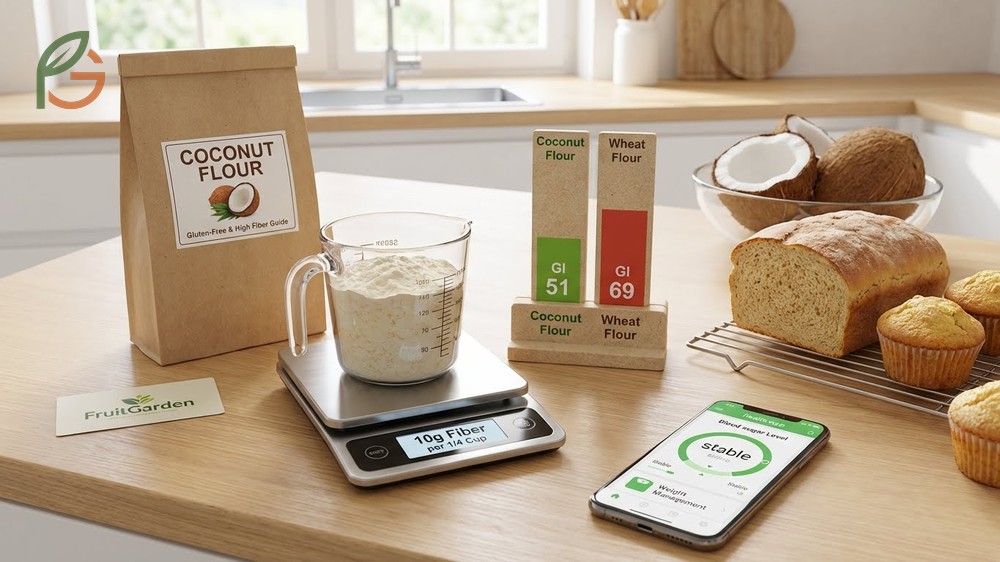
Coconut flour benefits include exceptional nutrition with 10g fiber per 1/4 cup serving—that’s 4 times more than wheat flour[1]. Research shows this gluten-free alternative helps regulate blood sugar with a glycemic index of 51 compared to wheat’s 69, making it valuable for diabetics and weight management[2]. FruitGarden synthesizes current nutritional research to help you understand how this tropical-derived flour fits into healthy baking and dietary choices.
Quick Answer
- Coconut flour delivers 10g fiber (40% Daily Value) in just 1/4 cup with only 120 calories[1]
- It’s naturally gluten-free and contains 6g protein per serving—double what you’ll find in wheat flour[1]
- The low glycemic index of 51 helps control blood sugar spikes better than wheat flour at 69[2]
- For baking, substitute at a 1:4 ratio (1/4 cup coconut flour replaces 1 cup wheat flour) and add one extra egg per 1/4 cup[3]
Coconut Flour Benefits
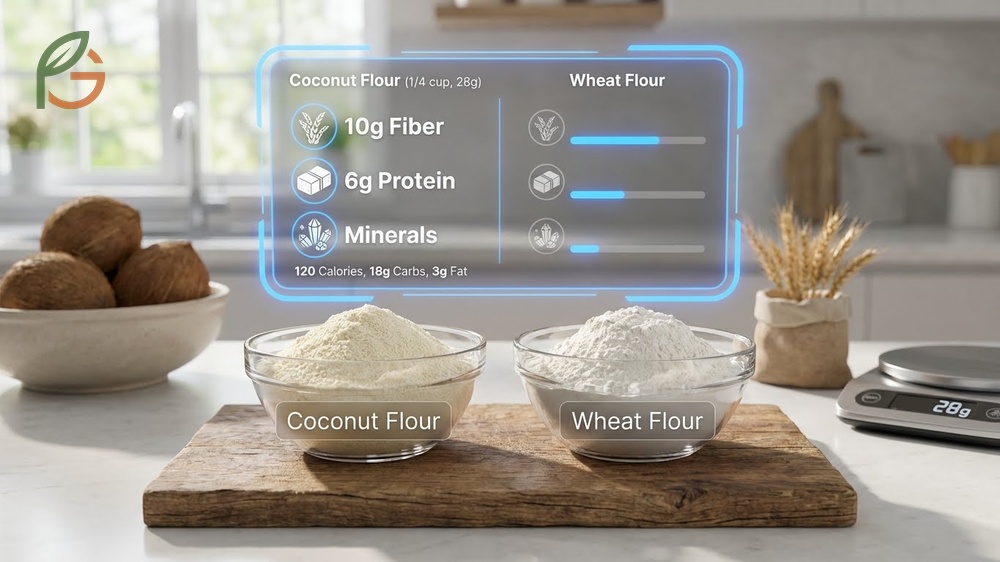
Studies demonstrate that coconut flour’s nutritional profile surpasses wheat flour across multiple health markers. You get a dense concentration of fiber, protein, and minerals in every serving. This makes it particularly valuable for people seeking nutrient-rich alternatives to conventional grain flours.
Current nutritional data shows that a 1/4 cup (28g) serving provides 120 calories, 18g carbohydrates, 10g fiber, 6g protein, and 3g fat[1]. The fiber content alone delivers 40% of your daily needs. What’s more impressive is that the same amount of wheat flour contains only 2g fiber—that’s five times less[1].
Research indicates that coconut flour provides 11% of daily iron needs and 13% of potassium requirements per serving[1]. These minerals are commonly underconsumed in modern diets, which can lead to fatigue and cardiovascular issues.
Exceptional Fiber Content
The 10g fiber per serving consists mainly of insoluble fiber, which adds bulk to stools and supports regular bowel movements[1]. This type of fiber moves through your digestive tract without being broken down. Evidence suggests that high-fiber diets reduce the risk of colon cancer and other digestive disorders.
Most Americans consume only 15g fiber daily when they need 25-38g depending on age and gender. Just one serving of coconut flour provides nearly half the daily requirement for some individuals.
Complete Protein Profile
Coconut flour contains 6g protein per 1/4 cup serving, which equals almond flour and doubles the protein in brown rice flour[1]. This protein content is unusual for a plant-based flour. The amino acids support muscle maintenance and satiety between meals.
Unlike wheat flour that relies on gluten proteins, coconut flour’s protein structure comes from the coconut meat itself. This makes it suitable for people who can’t tolerate gluten but still need adequate protein intake.
Essential Minerals
Beyond fiber and protein, coconut flour delivers iron for oxygen transport and potassium for heart function[1]. Per 100g serving, you’ll also find 48mg calcium for bone health. These minerals work synergistically to support multiple body systems simultaneously.
Important Note: While coconut flour is nutritionally dense, it’s not a complete replacement for all nutrients. You’ll still need varied whole foods including vegetables, fruits, and proteins to meet comprehensive nutritional needs.
High Fiber Content
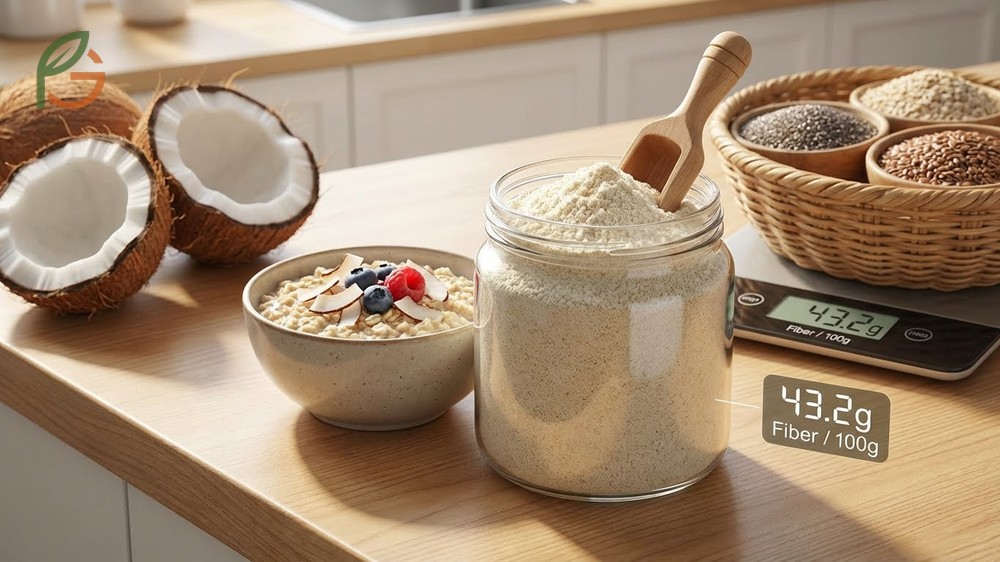
Agricultural data shows coconut flour contains 43.2g dietary fiber per 100g—that’s 154% of the Daily Value[4]. This concentration makes it one of the highest-fiber flours available. The fiber composition includes both soluble and insoluble types, though insoluble predominates.
Research demonstrates that dietary fiber promotes fullness and reduces overall calorie intake throughout the day[5]. When you eat high-fiber foods like coconut flour, your stomach empties more slowly. This creates sustained energy levels and decreases cravings for 4-6 hours after eating.
Studies indicate that people who increase fiber intake by 14g daily lose an average of 4.2 pounds over four months without other dietary changes. Since 1/4 cup coconut flour provides 10g fiber, incorporating it into two meals could deliver this benefit.
Digestive System Support
Current evidence suggests that coconut flour’s insoluble fiber moves through your gut undigested, adding bulk and promoting regular elimination[1]. This mechanical action helps prevent constipation and maintains bowel regularity. The fiber also feeds beneficial gut bacteria, supporting a healthy microbiome.
Research shows that high-fiber diets reduce inflammation in the digestive tract and lower the risk of diverticulitis by 40%[1]. The protective effect extends to colon cancer prevention through multiple mechanisms.
- Promotes regular bowel movements by adding bulk to stools
- Feeds beneficial bacteria in your gut microbiome
- Reduces inflammation throughout the digestive tract
- Lowers risk of constipation, hemorrhoids, and diverticulitis
- May decrease colon cancer risk by up to 40% with consistent intake
- Helps maintain optimal pH balance in the intestines
Satiety and Weight Management
Evidence indicates that the high fiber content in coconut flour helps you feel fuller for longer periods, which naturally reduces appetite[5]. When you consume fiber-rich foods, they expand in your stomach and slow digestion. This creates a sustained feeling of fullness that can last 4-6 hours.
Studies demonstrate that people who eat high-fiber breakfasts consume 10-15% fewer calories at lunch without consciously restricting intake[5]. The weight management benefits are even more pronounced in people with obesity. They can experience 30% greater hunger reduction compared to those at healthy weights.
Weight Loss Tip: Start with small amounts if you’re new to high-fiber foods. Suddenly increasing fiber intake can cause bloating and gas. Gradually work up to full servings over 2-3 weeks while drinking plenty of water.
Gluten Free Baking
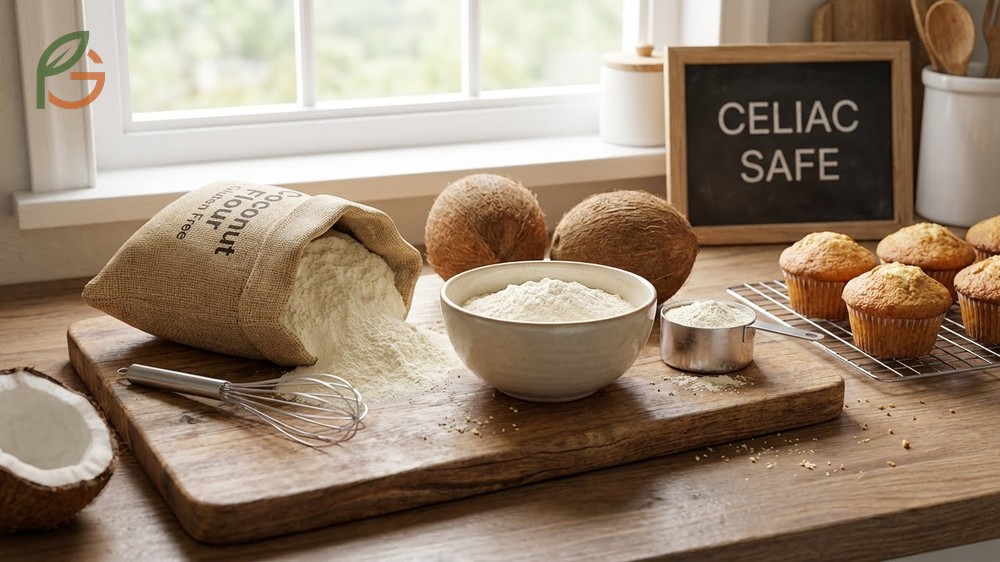
Coconut flour provides a naturally gluten-free alternative for people with celiac disease, gluten sensitivity, or those choosing to avoid gluten. Unlike wheat flour that contains proteins triggering autoimmune responses in celiacs, coconut flour is made purely from dried, ground coconut meat. This makes it safe for anyone avoiding gluten for medical or personal reasons.
Research shows that approximately 1% of the global population has celiac disease, while 6% experience non-celiac gluten sensitivity[5]. For these individuals, coconut flour opens up baking possibilities that were previously unavailable. Evidence suggests going gluten-free may also benefit people with autoimmune conditions like rheumatoid arthritis and Crohn’s disease.
The texture and baking properties differ significantly from wheat flour, but you can achieve excellent results with proper technique. Coconut flour absorbs 4 times more liquid than conventional flour due to its high fiber content. This unique characteristic requires recipe adjustments but produces moist, tender baked goods when done correctly.
Substitution Ratios
Current baking guidance recommends substituting coconut flour at a 1:4 ratio—meaning you’ll use 1/4 cup coconut flour for every 1 cup of all-purpose flour[3]. This dramatic reduction reflects the flour’s absorbent nature. You’ll also need to add one extra egg for every 1/4 cup coconut flour used to provide structure and moisture.
Professional bakers suggest pairing coconut flour with other alternative flours like almond flour or tapioca starch for optimal texture[3]. This combination balances the density of coconut flour. For example, using 3/4 cup almond flour plus 1/4 cup coconut flour creates a lighter texture than coconut flour alone.
- Use 1/4 cup coconut flour to replace 1 cup all-purpose wheat flour
- Add one extra egg for every 1/4 cup coconut flour in the recipe
- Increase liquid ingredients by 15-20% beyond standard recipes
- Combine with almond flour or cassava flour for better texture
- Let batter rest 5 minutes before baking to allow full absorption
- Expect denser results than wheat flour—this is normal and desirable
Texture and Moisture Tips
Since coconut flour absorbs liquid so efficiently, baked goods can become dry if you don’t adjust recipes properly. Agricultural research shows the flour can absorb up to 4 times its weight in liquid. The solution is increasing wet ingredients—eggs, milk, or oil—by 15-25% compared to wheat flour recipes.
Evidence from professional bakers indicates that letting the batter rest for 5-10 minutes before baking improves final texture significantly. This resting period allows the fiber to fully hydrate. The result is moister, more evenly textured baked goods that don’t crumble.
Coconut flour works best in recipes with naturally moist ingredients like bananas, pumpkin, or applesauce. It’s ideal for pancakes, muffins, brownies, and quick breads. For cookies and cakes requiring lighter texture, blend it with almond flour at a 1:3 ratio (1 part coconut to 3 parts almond).
Blood Sugar Regulation
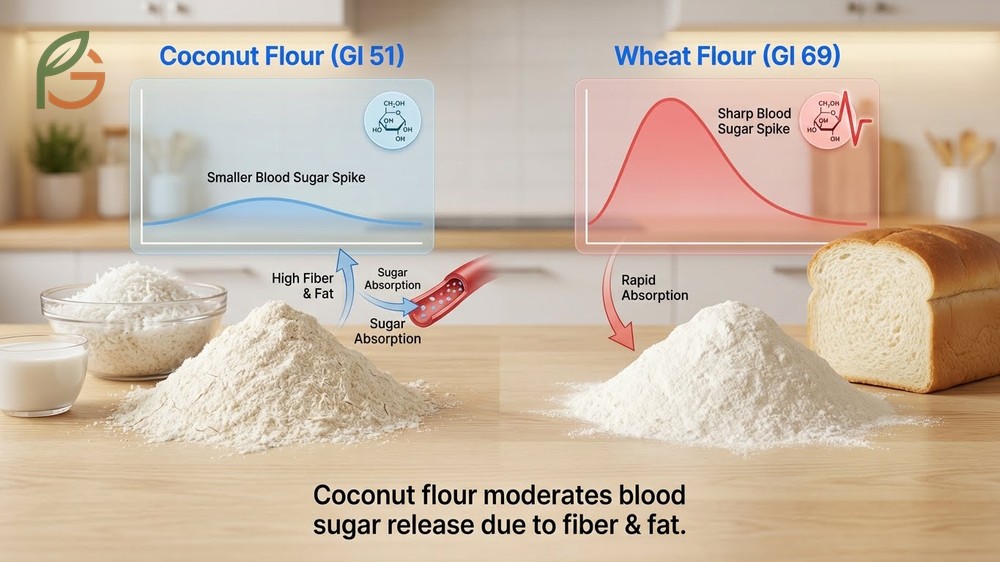
Research demonstrates that coconut flour has a glycemic index of 51, which is significantly lower than wheat flour’s glycemic index of 69[2]. This difference means coconut flour causes smaller blood sugar spikes after eating. The lower glycemic response comes from the combination of high fiber content and fat, which slow sugar absorption into your bloodstream.
Studies show that adding coconut to high-carbohydrate foods moderates blood sugar release and prevents the sharp spikes typical of refined flours[6]. Diabetic subjects who consumed foods made with coconut flour experienced more stable glucose levels throughout the day. As coconut content decreased, blood sugar levels rose proportionally.
This blood sugar control matters because repeated glucose spikes lead to insulin resistance, weight gain, and increased diabetes risk. By choosing low-glycemic flours like coconut, you’re supporting metabolic health with every meal. The benefits accumulate over time with consistent use.
Glycemic Index Advantage
Current data indicates that foods with glycemic index values below 55 are considered low-glycemic, while values above 70 are high-glycemic. Coconut flour at 51 sits comfortably in the low-glycemic category[2]. This classification means it won’t cause the rapid blood sugar increases that lead to energy crashes 2-3 hours after eating.
The fiber and fat content work together to slow carbohydrate digestion and absorption[2]. When you eat coconut flour baked goods, the fiber forms a gel-like substance in your stomach. This physical barrier prevents quick sugar absorption, creating steady energy release over 3-4 hours instead of a quick spike.
- Glycemic index of 51 compared to wheat flour’s 69 creates smaller blood sugar spikes
- High fiber content slows carbohydrate digestion and sugar absorption
- Prevents the energy crashes that occur 2-3 hours after high-glycemic foods
- Supports insulin sensitivity and reduces diabetes risk over time
- Helps maintain stable energy levels throughout the day
- Reduces hunger and cravings caused by blood sugar fluctuations
Diabetic-Friendly Baking
Evidence shows that sweet foods like cookies and cakes made with coconut flour don’t affect blood sugar the same way as wheat flour versions[6]. This allows diabetics to enjoy occasional treats without compromising glucose control. The key is that coconut flour’s fiber effectively lowers the overall glycemic load of recipes.
For diabetics, fiber-rich foods like coconut flour provide double benefits—they slow sugar absorption and improve insulin sensitivity over time. Studies demonstrate that consuming 25-30g fiber daily improves hemoglobin A1C levels by 0.5-1.0%, which is clinically significant. Since two servings of coconut flour-based foods can provide 20g fiber, it’s a practical way to reach this target.
Diabetic Caution: While coconut flour is lower-glycemic than wheat flour, it still contains carbohydrates. People with diabetes should monitor blood sugar responses individually and work with healthcare providers to adjust medication if needed when changing flour types.
Low Carb Flour
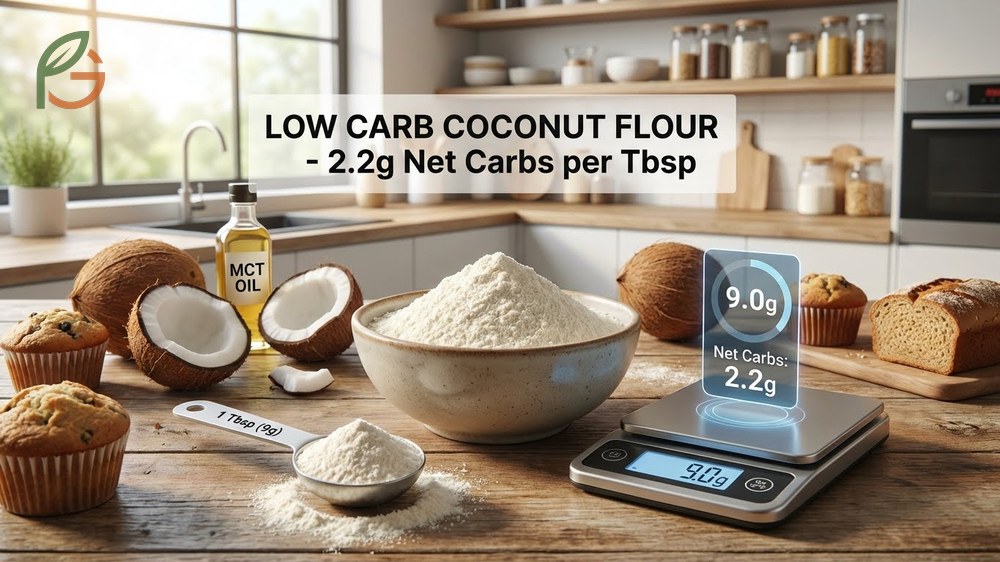
Coconut flour contains approximately 2.2g net carbs per tablespoon (9g), making it compatible with low-carb and ketogenic diets in moderation[7]. Net carbs are calculated by subtracting fiber from total carbohydrates since fiber doesn’t raise blood sugar. With 43.2g fiber per 100g, coconut flour’s net carb content is significantly lower than its total carb count.
Research indicates that coconut flour provides medium-chain triglycerides (MCTs) that convert directly into ketones, supporting ketosis[7]. These MCTs serve as immediate energy sources for your brain and muscles. Studies show MCT consumption increases ketone production by 25-30% within 2-3 hours, which helps maintain the metabolic state needed for keto diets.
For strict keto dieters limiting net carbs to 20-30g daily, you’ll need to use coconut flour sparingly. A typical serving in baking (2-3 tablespoons) provides 4-7g net carbs, which is manageable within daily limits. However, nutritionists recommend balancing it with higher-fat, lower-carb flours like almond flour for optimal macronutrient ratios.
Evidence suggests that almond flour is more keto-friendly overall, with half the net carbs and double the fat of coconut flour[8]. For this reason, many keto bakers use a blend—typically 1 part coconut flour to 3 parts almond flour. This combination provides coconut flour’s fiber benefits while maintaining keto-friendly macros.
- Contains 2.2g net carbs per tablespoon, suitable for low-carb eating
- Provides MCTs that boost ketone production by 25-30% within hours
- Use 2-3 tablespoons per recipe to stay within keto carb limits
- Blend with almond flour at 1:3 ratio for optimal keto macros
- Higher in net carbs than almond flour but offers superior fiber content
- Best used in moderation on strict ketogenic diets under 30g daily carbs
Conclusion
The evidence is clear: coconut flour benefits span multiple health dimensions from digestive support to blood sugar control. With 10g fiber per serving, naturally gluten-free composition, and a low glycemic index of 51, it’s a powerful alternative to conventional wheat flour. Whether you’re managing diabetes, avoiding gluten, or simply seeking nutrient-dense baking options, coconut flour delivers measurable advantages.
Current nutritional guidance emphasizes whole food ingredients that provide multiple benefits simultaneously—and coconut flour fits this perfectly. FruitGarden encourages you to experiment with proper substitution ratios and moisture adjustments to achieve the best baking results while supporting your health goals.
Medical Disclaimer
Important Medical Disclaimer: This content is for informational and educational purposes only. It’s not intended as a substitute for professional medical advice, diagnosis, or treatment. Always consult a qualified healthcare professional before making any changes to your diet, especially if you have diabetes, celiac disease, food allergies, or other medical conditions. Individual nutritional needs vary, and what works for one person may not be appropriate for another.
Frequently Asked Questions
Is Coconut Flour Healthier Than Regular Flour?
Yes, coconut flour is healthier than wheat flour in several key ways. It contains 5 times more fiber, double the protein, and significantly more iron and potassium per serving. The lower glycemic index of 51 compared to wheat’s 69 means better blood sugar control. However, “healthier” depends on your specific dietary needs—those without gluten issues can include both flours in a balanced diet.
How Much Coconut Flour Equals One Cup of Regular Flour?
You’ll need only 1/4 cup coconut flour to replace 1 cup of all-purpose wheat flour due to its exceptional absorbency. You must also add one extra egg per 1/4 cup coconut flour and increase liquid ingredients by 15-20%. This 1:4 ratio is critical—using equal amounts will produce dry, crumbly results that won’t hold together.
Can I Eat Coconut Flour on a Keto Diet?
Yes, you can eat coconut flour on keto in moderation. It contains 2.2g net carbs per tablespoon, which fits within most keto plans limiting 20-30g daily carbs. However, almond flour is more keto-friendly with half the net carbs. Many keto bakers blend the two at a 1:3 ratio (coconut to almond) to get fiber benefits while maintaining optimal fat-to-carb ratios.
Does Coconut Flour Raise Blood Sugar?
Coconut flour raises blood sugar less than wheat flour due to its low glycemic index of 51 and high fiber content. Research shows it moderates blood sugar release and prevents the sharp spikes typical of refined flours. Diabetics can use it for occasional treats, but should still monitor individual responses since it contains carbohydrates that affect glucose levels.
What Are the Side Effects of Eating Too Much Coconut Flour?
Eating too much coconut flour can cause digestive discomfort including bloating, gas, and constipation due to its extremely high fiber content (43.2g per 100g). Start with small amounts and gradually increase over 2-3 weeks to allow your digestive system to adapt. Drink plenty of water—at least 8-10 glasses daily—since fiber requires adequate hydration to move through your system effectively.
Is Coconut Flour Good for Weight Loss?
Yes, coconut flour supports weight loss through multiple mechanisms. The 10g fiber per serving increases satiety and reduces calorie intake throughout the day. Studies show people who eat high-fiber breakfasts consume 10-15% fewer calories at lunch without trying. The low glycemic index prevents blood sugar crashes that trigger cravings. However, it’s not a magic solution—weight loss still requires overall calorie control.
Can People With Celiac Disease Eat Coconut Flour?
Yes, people with celiac disease can safely eat coconut flour because it’s naturally gluten-free. It’s made purely from dried, ground coconut meat with no gluten-containing grains. Research shows going gluten-free with alternatives like coconut flour may also benefit other autoimmune conditions including Crohn’s disease and rheumatoid arthritis. Always verify products are certified gluten-free to avoid cross-contamination during processing.





