
Rainier vs Bing Cherries comparison reveals that Rainiers offer exceptionally sweet flavor with 17-23° Brix sugar content[1], while Bings provide versatility with their firm texture and balanced taste at lower prices. Research shows both varieties deliver similar nutrition with approximately 90 calories per cup, but differ significantly in appearance, growing conditions, and culinary applications. FruitGarden synthesizes current pomology research to help growers and consumers understand these premium cherry varieties.
Quick Answer
- Rainier cherries contain 17-23° Brix sugar[1], making them sweeter than Bing cherries
- Bings cost significantly less at retail, while Rainiers command $5-7 per pound[3] due to limited availability
- Both varieties provide approximately 90 calories per cup[2] with similar fiber and vitamin C content
- Rainiers have golden-yellow skin with pink blush, while Bings display deep red to mahogany coloring[4]
Rainier vs Bing Cherries
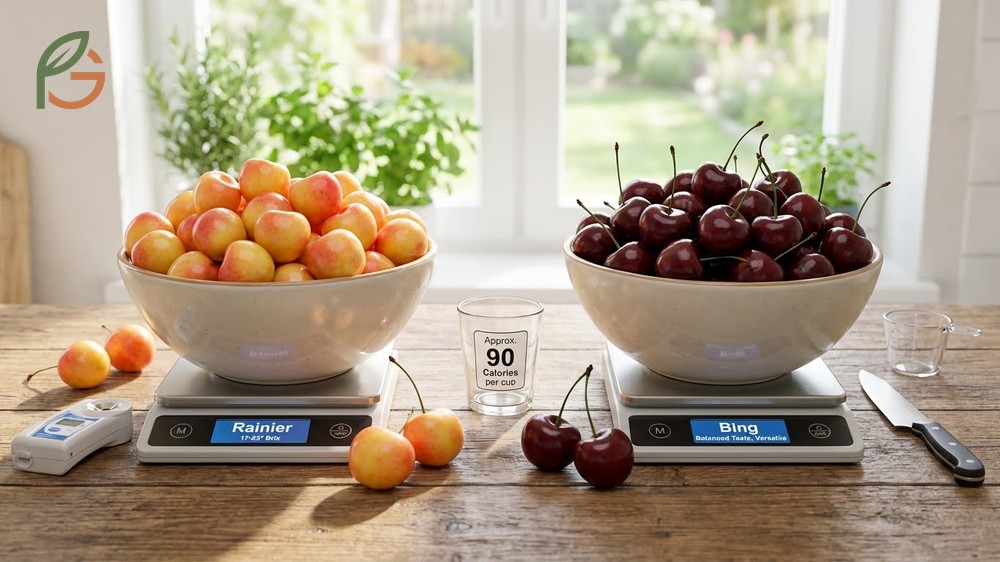
Studies demonstrate that Rainier and Bing cherries represent two distinct sweet cherry cultivars with different breeding histories and flavor profiles. Rainier cherries originated in 1952 at Washington State University through Dr. Harold Fogle’s cross between Van and Bing varieties[4]. Bing cherries date back to 1875 when Seth Lewelling and his Chinese foreman Ah Bing developed them in Milwaukie, Oregon[4].
Current data indicates these varieties differ primarily in sugar content, availability windows, and market positioning. Rainiers command premium prices due to their delicate nature and limited production volume. Bings dominate commercial orchards as the most cultivated cherry variety worldwide.
Agricultural data shows both cherries thrive in similar USDA hardiness zones but require different handling protocols. What often gets overlooked is that Bings tolerate transportation better than Rainiers, affecting their distribution patterns and retail presence.
Rainier Cherry Characteristics
Rainier cherries display golden-yellow flesh with creamy texture and low acidity levels. Their sugar content ranges from 17-23° Brix, meaning one-fifth of each cherry consists of natural sugars[1]. This exceptional sweetness comes paired with a caramel-like finish on the palate.
The variety produces larger fruit compared to most sweet cherry cultivars. Each Rainier cherry offers firm yet finely-textured flesh that provides a satisfying bite. Their delicate skin bruises easily, requiring careful handling from orchard to market.
From My Experience: My cousin in Guadalajara, Mexico planted a Rainier cherry sapling in June 2023. The tree produced its first small harvest in July 2025—about 12 pounds versus the typical 15-20 pound range for third-year trees, matching research expectations for warmer climates.
Bing Cherry Features
Bing cherries develop deep red to mahogany coloration when fully ripe, with some specimens reaching purple-black hues. They possess firm flesh that maintains structure during transport and storage. The variety’s balanced sweet-tart flavor makes it versatile for both fresh consumption and culinary applications.
Research shows Bing trees grow successfully in USDA Zones 5-8, spanning most of the United States except extreme heat regions and coastal southeast areas[5]. Trees typically begin bearing fruit 4-7 years after planting, though some nursery specimens fruit in their first year. Mature Bing trees can produce more than 50 pounds of cherries annually.
- Require full sun exposure with at least six hours of direct sunlight daily
- Need well-drained, sandy soil with pH levels between 6.0-7.0
- Demand cross-pollination from another cherry variety since they’re not self-fertile
- Tolerate drought conditions better than many fruit tree species
- Produce fragrant white blossoms in spring that attract pollinators including hummingbirds and butterflies
Important Growing Note: Bing cherry trees won’t thrive in areas with harsh winters, extreme heat, high humidity, or excessive rainfall. They perform best in dry summer climates typical of California and the Pacific Northwest.
Taste and Texture Differences
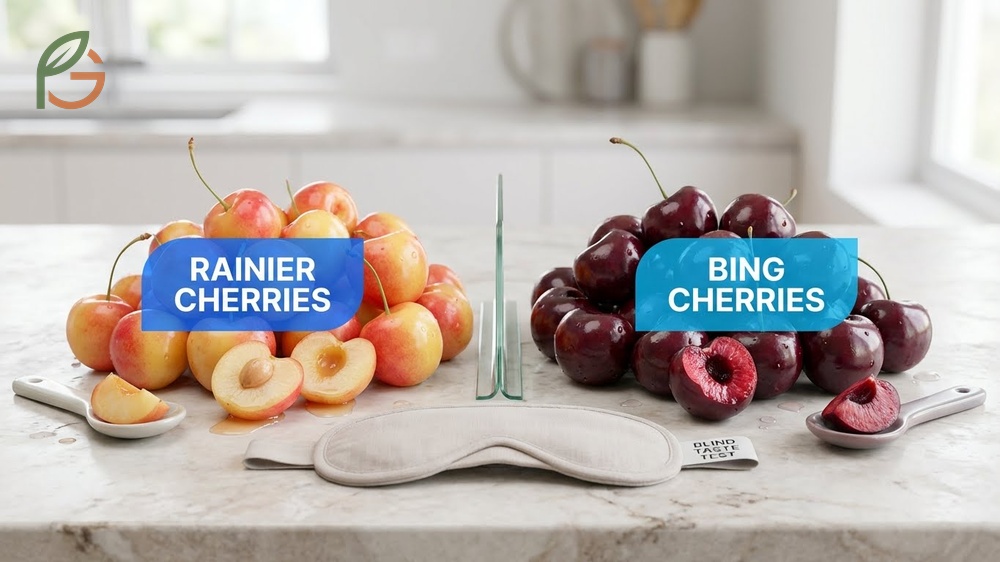
Blind taste tests reveal noticeable distinctions between these cherry varieties. Rainiers consistently score higher for flavor complexity, offering sweetness with subtle variations from cherry to cherry. Bings deliver more uniform taste profiles with balanced sweetness and slight tartness.
The texture contrast becomes apparent when you bite into each variety. Rainiers provide soft, creamy mouthfeel despite their firm structure. Bings offer crisp, substantial bite that holds up better in recipes requiring longer cooking times.
Sweetness Levels
Rainier cherries achieve their exceptional sweetness through lower acidity combined with higher natural sugar concentration. Their 17-23° Brix measurement places them among the sweetest cherry varieties available commercially[6]. This means they taste noticeably sweeter than dark sweet cherries like Bings.
Bings contain adequate natural sugars for fresh eating and dessert applications, though their Brix levels fall below Rainier measurements. Their balanced acidity prevents cloying sweetness, making them suitable for savory preparations. The variety’s consistent flavor profile helps when calculating recipe proportions.
Texture Comparison
Evidence suggests texture differences significantly impact culinary applications for each variety. Rainiers feature softer flesh that breaks down more readily during cooking, releasing juices that create rich syrups for pies and cobblers. Their creamy consistency works well in fresh preparations like fruit salads and garnishes.
Bings maintain structural integrity better during heating and preserving processes. Their firmer flesh stays intact in canned preparations and baked goods requiring defined cherry pieces. This characteristic makes them the preferred choice for commercial canning operations and long-term storage applications.
- Rainier skin bruises easily, requiring gentle handling to prevent discoloration
- Bing skin resists damage during washing, pitting, and mixing in recipes
- Rainier flesh releases juice quickly when pitted, creating natural syrups
- Bing flesh holds shape in heated preparations like cherry pie filling
- Both varieties develop softer texture as they ripen beyond peak harvest timing
Price and Availability Comparison
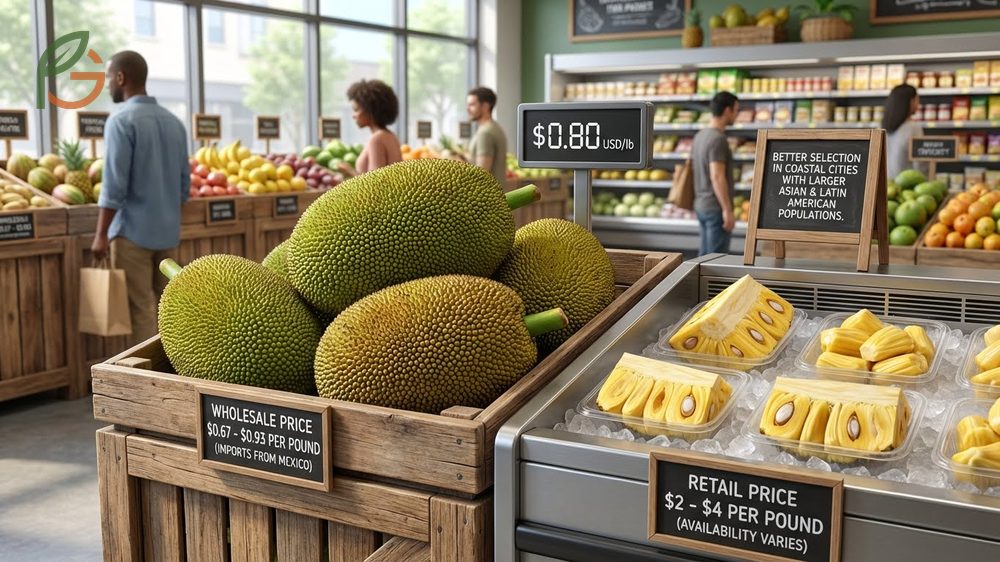
Current market data shows substantial price differences between these cherry varieties. Rainiers command $5-7 per pound at retail markets due to their premium fruit classification and limited supply[3]. Their lighter color and exceptional sweetness justify higher prices, though this can deter budget-conscious shoppers. Bings cost significantly less, typically priced at $2-4 per pound depending on season and location.
Availability windows create another major distinction. Rainiers appear in markets during a narrow June-July window, making them seasonal specialties[4]. Bings offer longer availability from late spring through early fall depending on growing region. California orchards harvest Bings in late spring through summer, while Pacific Northwest production extends into early fall[7].
Production volumes explain much of the price gap. Bings dominate commercial cultivation as the most widely planted sweet cherry variety, creating economies of scale. Rainiers require more careful orchard management and specialized handling, limiting production capacity. Many Washington orchards use Bing harvest dates as reference points, describing other varieties by days before or after Bing availability[7].
Shopping Tip: Look for Rainiers early in their June-July window when prices start lower due to initial supply influx. Wait until mid-July for Bings when prices typically drop as peak harvest volume hits markets.
Nutritional Value Comparison
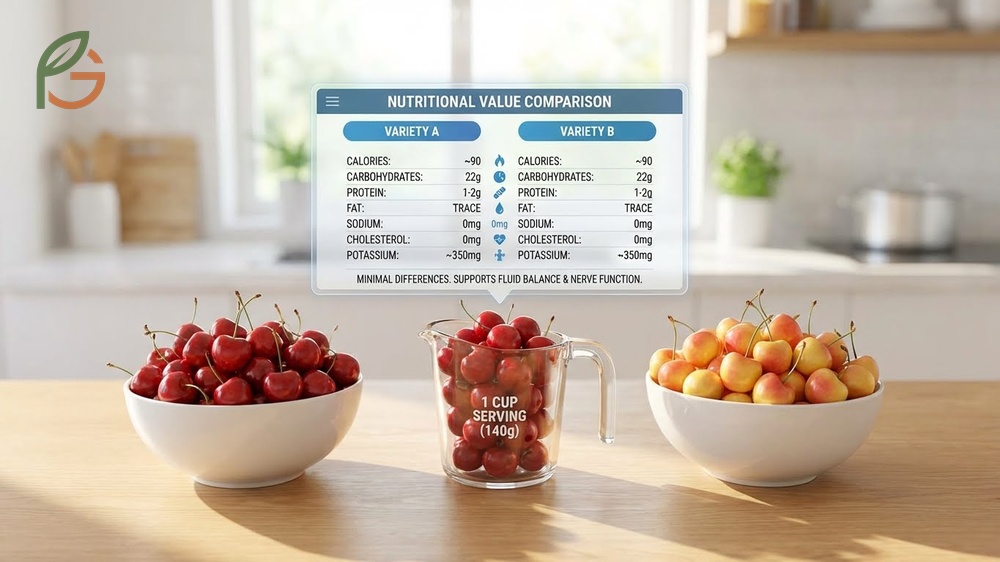
Nutritional analysis reveals minimal differences between these cherry varieties. Both deliver approximately 90 calories per one-cup serving (140 grams)[2]. A standard serving provides 22 grams of carbohydrates, 1-2 grams of protein, and trace amounts of fat. Neither variety contains sodium or cholesterol.
Research shows both cherries supply valuable micronutrients. Each cup delivers approximately 350 milligrams of potassium, supporting fluid balance and nerve function[8]. They provide vitamin C for immune support, vitamin A for eye health, and dietary fiber for digestive regulation. Both varieties contain antioxidants including anthocyanins that combat oxidative stress.
This table compares calories, macronutrients, and key vitamins between Rainier and Bing cherries per one-cup serving
| Nutrient | Rainier Cherries | Bing Cherries |
|---|---|---|
| Calories | 90[2] | 90 |
| Total Carbohydrates | 22g | 22g |
| Protein | 1-1.5g | 2g |
| Total Fat | 0.3g | 0.5g |
| Dietary Fiber | 3g | 3g |
| Potassium | 350mg[8] | 340mg |
| Vitamin C | 15% DV | 16% DV |
- Support cardiovascular health through potassium content and antioxidant compounds
- Provide anti-inflammatory properties that may reduce exercise-related muscle soreness
- Contain fiber that promotes healthy digestion and supports gut microbiome
- Supply vitamin C that strengthens immune function and boosts collagen production
- Deliver anthocyanins that protect cells from oxidative damage and may support brain health
Dietary Consideration: People with diabetes should consume both cherry varieties in moderation due to their natural sugar content of 18-22 grams per cup. Pairing cherries with protein sources helps moderate blood sugar response.
Color and Appearance Differences
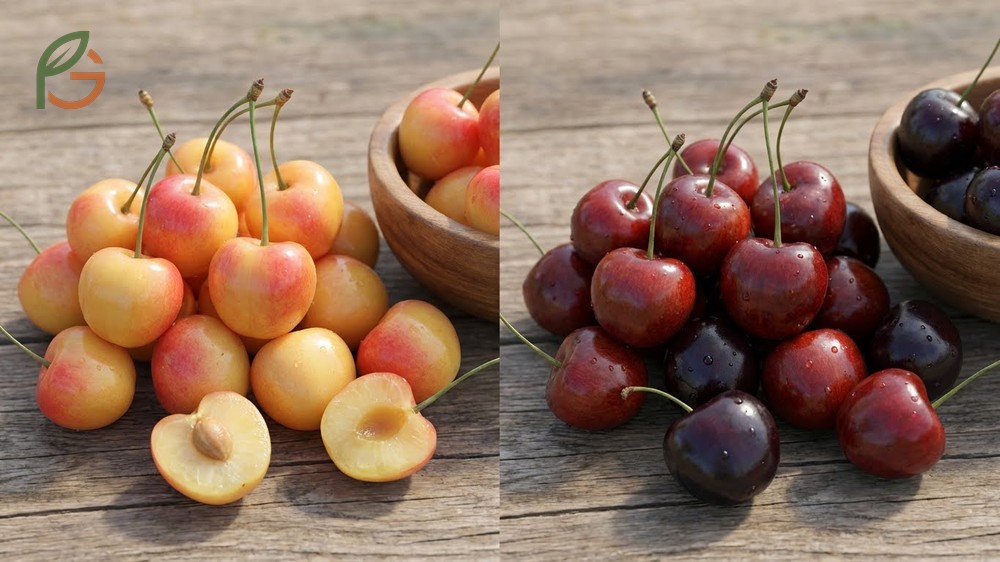
Visual distinctions between these cherries make identification straightforward. Rainiers display distinctive golden-yellow skin with pink to red blush covering 20-40% of each fruit’s surface[4]. Their creamy yellow flesh shows through translucent skin, creating an appealing contrast with the red blush areas. Bings develop solid deep red to mahogany coloring when ripe, with some specimens darkening to purple-black at peak maturity.
Size differences become apparent when comparing the varieties side by side. Rainiers typically grow larger than Bings, with individual cherries often measuring 25-30mm in diameter. Both varieties maintain heart-shaped forms characteristic of sweet cherry species. Their stems remain green and flexible when fresh, turning brown and brittle as cherries age.
The color distinction extends to culinary presentations. Rainiers create striking visual appeal in fruit arrangements and desserts due to their light coloring. Bings provide traditional cherry appearance that consumers associate with cherry flavor. Mixed displays combining both varieties offer attractive color contrast that draws customer attention at farmers markets and retail displays.
Best Uses and Cooking Applications
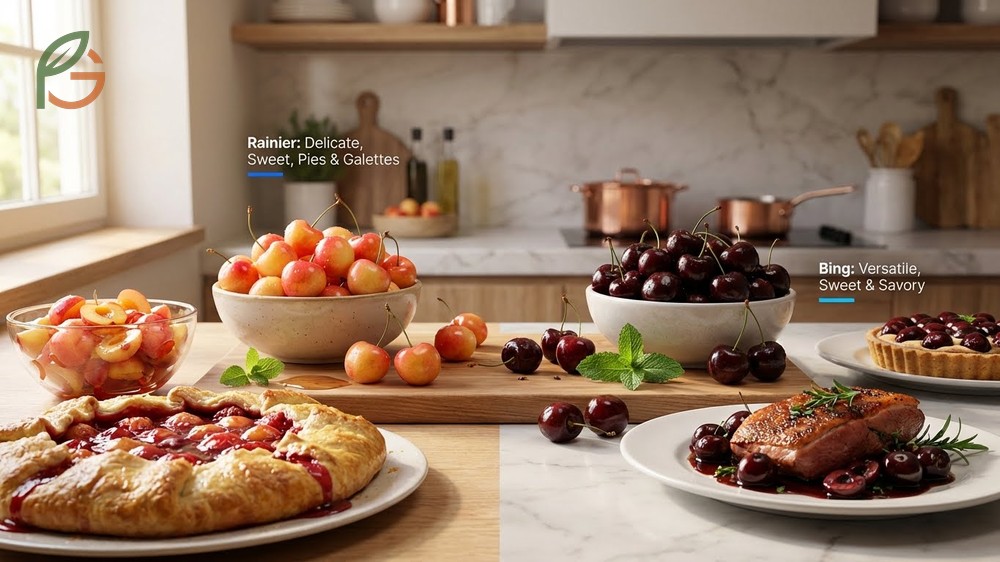
Each variety excels in different culinary contexts based on texture and flavor characteristics. Rainiers work best in applications highlighting their delicate sweetness and creamy texture. Use them for fresh eating, fruit salads, salsas, and desserts where their appearance makes visual impact. Their soft texture when cooked creates excellent pie and galette fillings that produce rich, syrupy juices.
Bings demonstrate versatility across both sweet and savory preparations. Their firm flesh holds shape in baked goods, canned preserves, and cooked compotes. The variety works well in cherry pies, cobblers, ice cream, and hand pies. Bings also suit savory applications like pork medallion toppings with balsamic reduction or salad components paired with goat cheese.
For breakfast preparations, both varieties enhance yogurt, oatmeal, and smoothies. Rainiers add intense sweetness without requiring additional sugar. Bings contribute balanced flavor that complements rather than overwhelms other ingredients. Fresh Rainiers work beautifully as garnishes for cocktails and dessert plates. Bings function better in recipes requiring advance preparation since they resist browning longer after cutting.
Storage and preservation methods differ between varieties. Bings maintain quality for 7-14 days in conventional refrigeration, while proper modified atmosphere packaging extends shelf life to 30-40 days. Rainiers require gentler handling and typically last 5-10 days refrigerated before quality declines. Both freeze well when pitted and stored in sugar syrup, preserving flavor for 10-12 months.
- Rainier cherry galettes with cornstarch filling and vanilla ice cream
- Bing cherry pie with lattice crust and cinnamon spice blend
- Rainier cherry cream cheese hand pies with almond extract
- Bing cherry compote over seared pork with rosemary and balsamic vinegar
- Fresh Rainier cherry salad with arugula, goat cheese, and candied pecans
- Bing cherry ice cream with dark chocolate chunks and toasted almonds
Recipe Tip: When substituting Rainiers for Bings in pie recipes, reduce added sugar by 25-30% to compensate for their higher natural sweetness. Add an extra tablespoon of cornstarch to manage the increased juice release from softer Rainier flesh.
Conclusion
The evidence is clear: Rainier vs Bing Cherries choice depends on your priorities for sweetness, budget, and intended use. Rainiers deliver exceptional sweetness with 17-23° Brix sugar content and delicate texture perfect for fresh eating and special desserts, though they command premium prices of $5-7 per pound. Bings offer versatility with firm texture, longer availability, and lower costs while maintaining excellent flavor for both fresh consumption and cooking applications.
Current agricultural data shows both varieties provide comparable nutritional benefits with 90 calories per cup and valuable potassium, fiber, and antioxidants. Your choice ultimately comes down to whether you prioritize maximum sweetness and visual appeal (Rainiers) or versatility and value (Bings). FruitGarden recommends trying both varieties during peak season to discover your personal preference for these exceptional sweet cherry cultivars.
Frequently Asked Questions
Are Rainier cherries sweeter than Bing cherries?
Yes, Rainier cherries are noticeably sweeter than Bing cherries. Research shows Rainiers contain 17-23° Brix sugar content compared to lower levels in Bings. Their lower acidity combined with higher natural sugar concentration creates exceptionally sweet flavor with caramel-like finish.
Why are Rainier cherries more expensive than Bing cherries?
Rainier cherries cost $5-7 per pound compared to $2-4 for Bings due to limited production volume, delicate nature requiring careful handling, and premium fruit classification. Their shorter harvest window and lower commercial cultivation rates create supply constraints that drive prices higher.
When are Rainier and Bing cherries in season?
Rainier cherries appear in markets during a narrow June-July window, while Bings offer longer availability. California Bing harvests run late spring through summer, with Pacific Northwest production extending into early fall. The varieties’ different harvest periods allow cherry lovers access to fresh fruit across several months.
Can you substitute Rainier cherries for Bing cherries in recipes?
You can substitute Rainiers for Bings but should reduce added sugar by 25-30% due to Rainiers’ higher natural sweetness. Add extra cornstarch to compensate for increased juice release from softer Rainier flesh. The substitution works best in pies, cobblers, and baked desserts rather than canning applications.
Do Rainier and Bing cherries have the same nutritional value?
Both varieties provide nearly identical nutritional profiles with approximately 90 calories per cup, 22 grams of carbohydrates, and similar amounts of fiber, potassium, and vitamin C. Minor differences exist in protein content (1-1.5g for Rainiers versus 2g for Bings), but overall nutritional benefits remain comparable between varieties.
Which cherry variety is better for fresh eating versus cooking?
Rainiers excel for fresh eating due to exceptional sweetness and creamy texture, while Bings demonstrate versatility for both fresh consumption and cooking. Bings’ firmer flesh maintains structure in baked goods and canned preparations better than softer Rainiers, making them preferred for recipes requiring defined cherry pieces.
How long do Rainier and Bing cherries last after purchase?
Bings maintain quality for 7-14 days in conventional refrigeration, while Rainiers typically last 5-10 days due to their delicate nature. Modified atmosphere packaging extends Bing shelf life to 30-40 days. Both varieties freeze well when pitted and stored in sugar syrup, preserving flavor for 10-12 months.





