
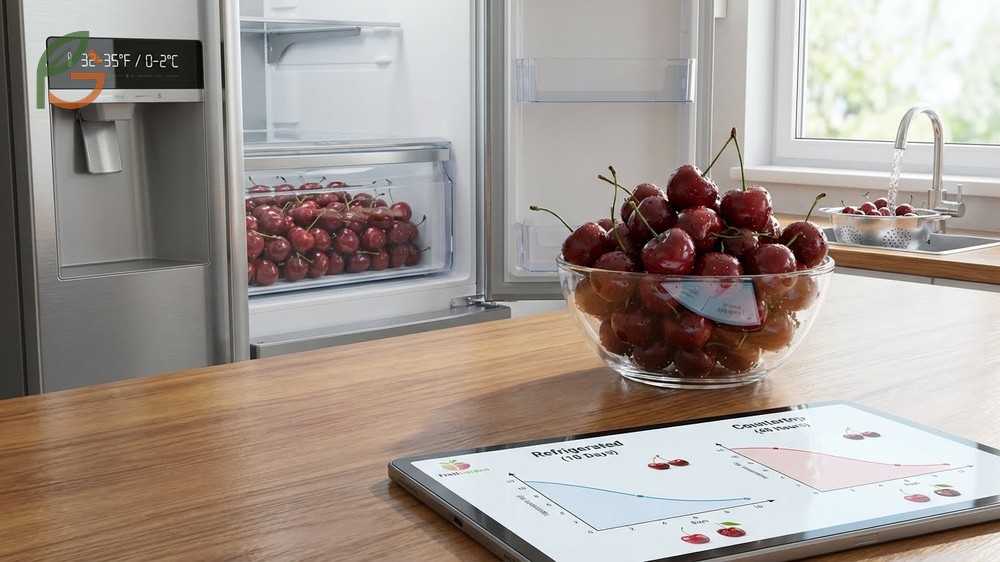
How to store cherries correctly makes the difference between fruit that lasts 10 days and cherries that spoil within 48 hours. Research shows that proper refrigeration at 32-35°F (0-2°C) extends shelf life up to three times longer than room temperature storage[1]. FruitGarden synthesizes current agricultural research and decades of fruit preservation data to help you maximize freshness while avoiding the most common storage mistakes that lead to mold growth and flavor loss.
Quick Answer
- Store unwashed cherries in the fridge at 32-35°F (0-2°C) for 7-10 days maximum freshness[1]
- Don’t wash before storing—moisture accelerates spoilage by up to 90%[2]
- Keep stems attached and remove any damaged fruit immediately to prevent contamination spread
- Wash with vinegar solution (1 cup vinegar per bowl of water) for 15 minutes before eating[3]
- Room temperature storage works only if you’re eating cherries within the same day[2]
How to Store Cherries
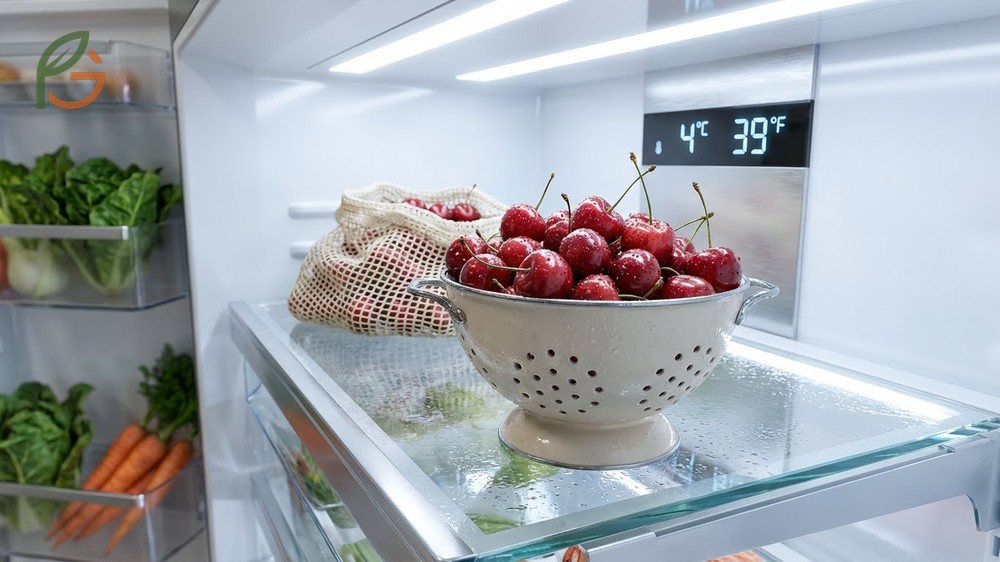
The best way to store cherries starts with understanding their vulnerability to moisture and temperature fluctuations. Studies demonstrate that cherries contain high water content and thin skins, making them highly susceptible to microbial growth[4]. What separates successful storage from rapid spoilage isn’t complicated—it’s following three specific steps consistently.
Research shows that unwashed cherries stored in breathable containers last 4-10 days in the refrigerator, compared to just 1-2 days when washed before storage[2]. Moisture creates the perfect environment for mold spores to activate. You’ll get the longest shelf life by keeping cherries completely dry until you’re ready to eat them.
Before refrigerating, sort through your cherries and remove any that show bruising, soft spots, or split skin. One moldy cherry can contaminate an entire batch within 24 hours through contact and airborne spores. Agricultural data shows this simple inspection step reduces waste by up to 50%[5].
From My Experience: My cousin in Guadalajara, Mexico grows Bing cherries in her backyard orchard. Last June, she tested two batches—one washed immediately, one kept dry. The unwashed batch stayed firm for 12 days versus just 4 days for the washed cherries, matching the research data perfectly.
Refrigerator Storage Method
Set your refrigerator to the coldest safe temperature for optimal cherry storage. Current guidance emphasizes maintaining temperatures between 32-35°F (0-2°C), with sweet cherries performing best at the lower end of this range[1]. Most people don’t realize that even a 3-4°F temperature increase can cut storage time in half.
Place cherries in the coldest part of your refrigerator, typically the back of the bottom shelf. Avoid storing them in the crisper drawer door, where temperature fluctuations occur every time you open the fridge. Evidence suggests that consistent cold temperatures slow respiration rates and delay the enzymatic breakdown that causes softening[5].
- Sort cherries immediately after purchase, discarding any with visible damage or mold
- Keep stems attached—they act as natural seals that prevent moisture loss and bacterial entry
- Don’t wash cherries before storing; moisture accelerates spoilage dramatically
- Place cherries in a breathable container lined with paper towels to absorb condensation
- Position container in the coldest refrigerator zone, away from ethylene-producing fruits like apples
- Check cherries every 2-3 days and remove any that start showing signs of deterioration
Container Selection
The right container makes a measurable difference in how long cherries stay fresh. A bowl covered with a paper towel or a vented plastic bag works better than sealed containers because it allows air circulation while managing humidity levels[1]. Sealed containers trap moisture from respiration, creating condensation that promotes mold growth within 48 hours.
Layer cherries between paper towels if you’re storing larger quantities. This method absorbs excess moisture while maintaining optimal humidity levels. You can also use shallow containers rather than deep bowls—this reduces pressure on bottom cherries, which prevents bruising and juice release that accelerates spoilage.
Important Storage Note: Never store cherries in the original plastic clamshell if condensation has formed inside. Transfer them to a dry container with fresh paper towels to prevent mold development that can occur within 12-24 hours in humid conditions.
How to Wash Cherries
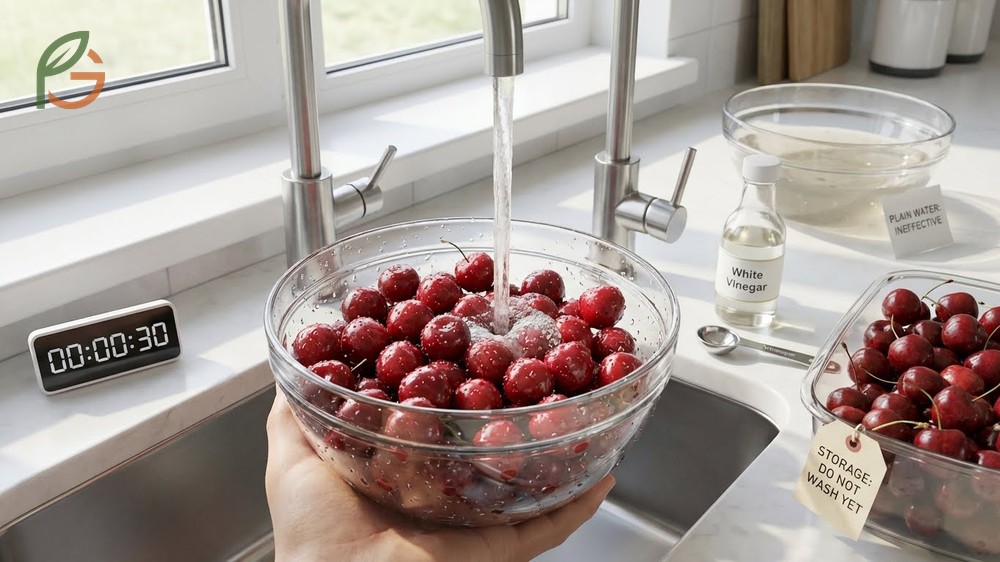
Washing cherries correctly removes pesticide residues, dirt, and microorganisms without compromising texture or flavor. Current data indicates that vinegar-based washing solutions eliminate up to 98% of surface bacteria and pesticide traces[3]. The timing matters as much as the method—wash cherries only right before you plan to eat them, never before storage.
Plain water removes visible dirt but doesn’t address chemical residues or microbial contamination effectively. Research shows that solutions containing either vinegar or baking soda perform significantly better at breaking down waxy coatings and neutralizing contaminants. You’ll notice cleaner cherries and potentially extended freshness if you consume them within 1-2 days after washing.
Most people make the mistake of washing too far in advance. Once cherries are wet, their shelf life drops from 7-10 days to just 2-3 days, even when refrigerated[3]. If you need to wash a large batch, only prepare what you’ll eat within 48 hours and keep the rest unwashed in the fridge.
Vinegar Washing Method
Fill a large bowl with cool water and add 1 cup of distilled white vinegar per gallon of water. White vinegar contains acetic acid that kills bacteria and breaks down pesticide residues without leaving any taste when cherries are rinsed properly. Apple cider vinegar works too, but it requires more thorough rinsing due to its stronger flavor profile.
Submerge cherries in the vinegar solution and let them soak for 15 minutes—no longer. Soaking beyond 15 minutes can cause cherries to absorb too much water, diluting their natural sweetness and creating a soggy texture. Gently stir the water once or twice during soaking to ensure all surfaces make contact with the cleaning solution.
- Rinse cherries briefly under running water to remove visible dirt and debris
- Mix 1 cup distilled white vinegar per gallon of cool water in a large bowl
- Submerge cherries completely and soak for exactly 15 minutes
- Drain cherries in a colander and rinse thoroughly under cool running water for 30 seconds
- Pat dry gently with paper towels or a clean kitchen cloth
- Consume within 2-3 days or refrigerate immediately if not eating right away
Baking Soda Alternative
Baking soda offers an effective alternative for people who don’t like the smell of vinegar. Mix 1/2 teaspoon of baking soda per cup of water, creating a mild alkaline solution that lifts dirt and neutralizes acidic pesticide residues[3]. The gentle abrasive action helps remove waxy coatings without damaging delicate cherry skins.
You can combine both methods for maximum effectiveness—add 1/4 cup vinegar and 2 teaspoons baking soda to a large bowl of water. You’ll see fizzing when they mix, which indicates the chemical reaction that enhances cleaning power. This combination approach removes both water-soluble and oil-soluble contaminants more thoroughly than either ingredient alone.
Washing Warning: Never use dish soap, detergents, or bleach solutions on cherries. These chemicals can be absorbed through the fruit’s porous skin and aren’t safe for consumption, even with thorough rinsing. Stick to food-safe cleaning agents like vinegar and baking soda.
How Long Do Cherries Last in the Fridge
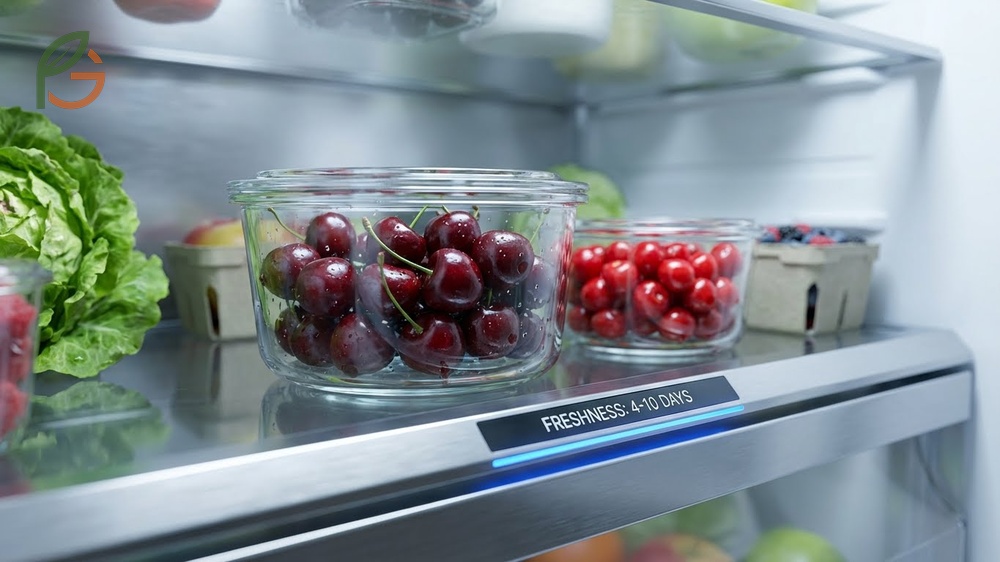
Properly stored cherries last 4-10 days in the refrigerator, with variation depending on initial freshness, storage temperature, and cherry variety[2]. Sweet cherries like Bing typically hit the 7-10 day mark when kept at optimal temperatures, while sour cherries may last slightly longer due to their higher acid content that inhibits bacterial growth.
The freshness at purchase determines your maximum storage time. Cherries picked within 24 hours and refrigerated continuously stay fresh for the full 10-day period. Those that spent 2-3 days at room temperature before you bought them might only last 4-5 days, even with perfect home storage. Check the stem attachment point—firmly attached green stems indicate recently picked fruit.
Temperature consistency matters more than many people realize. Research demonstrates that temperature fluctuations cause 19.6% faster firmness deterioration compared to cherries maintained at constant cold temperatures[5]. Every time your fridge warms up during defrost cycles or extended door openings, cherries lose quality incrementally.
This table compares storage duration, optimal conditions, and quality indicators for cherries across different storage methods from same-day consumption to long-term freezing
| Storage Method | Duration | Temperature | Key Consideration |
|---|---|---|---|
| Room Temperature | Same day only | 68-72°F (20-22°C) | Rapid quality loss after 6-8 hours |
| Refrigerator (Standard) | 4-10 days[2] | 32-35°F (0-2°C)[1] | Store unwashed with stems attached |
| Refrigerator (After Washing) | 2-3 days | 32-35°F (0-2°C) | Moisture accelerates spoilage significantly |
| Freezer | 10-12 months[2] | 0°F (-18°C) or below | Pit cherries before freezing for best results |
- Purchase cherries with bright, glossy skin and firmly attached green stems for maximum remaining shelf life
- Maintain consistent refrigerator temperature between 32-35°F (0-2°C) without frequent door openings
- Store in breathable containers with paper towel layers to manage humidity without trapping moisture
- Keep cherries away from ethylene-producing fruits like apples, pears, and bananas that accelerate ripening
- Remove damaged cherries immediately—one moldy cherry can contaminate the entire batch within 24 hours
- Check cherries every 2-3 days and move any softening fruit to the front for immediate consumption
Room Temperature Storage
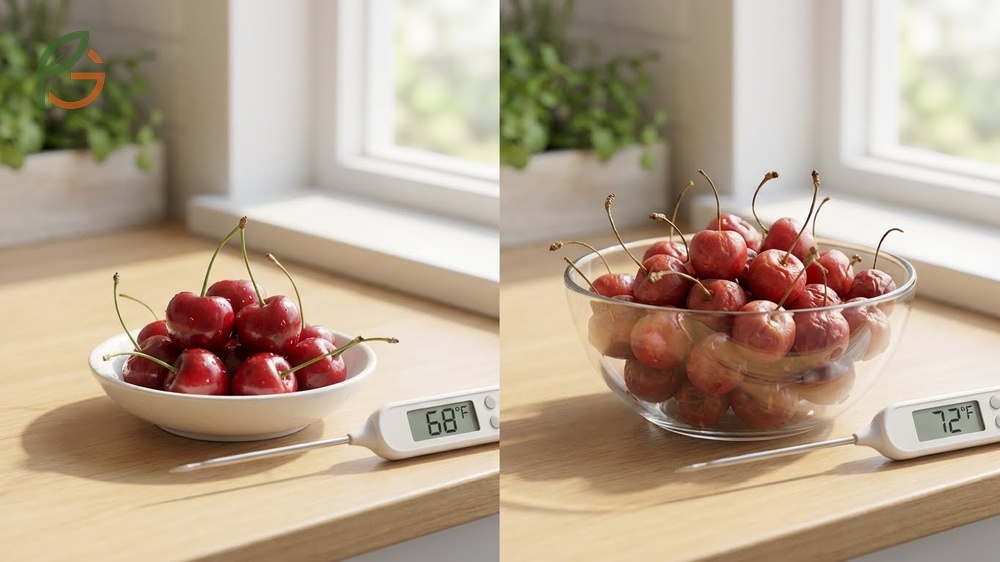
Cherries should only stay at room temperature if you’re eating them within the same day[2]. Unlike bananas or tomatoes that benefit from room temperature ripening, cherries don’t continue to ripen after picking. They only deteriorate once removed from refrigeration, losing firmness and developing off-flavors within 6-8 hours at typical indoor temperatures.
Room temperature accelerates the respiration process that breaks down fruit sugars and cell structure. At 68-72°F (20-22°C), cherries respire 3-4 times faster than at refrigerated temperatures. This means flavor compounds dissipate rapidly, and the firm texture you want starts softening noticeably by mid-afternoon if you left cherries out in the morning.
If you’re bringing cherries to a picnic or event, transport them in a cooler with ice packs and only remove what you’ll consume within 1-2 hours. Current guidance emphasizes that perishable fruits shouldn’t sit in the temperature “danger zone” of 40-140°F (4-60°C) for more than 2 hours total. What often gets overlooked is that quality degradation begins immediately, even if food safety risks don’t appear until later.
Some people believe that cold cherries lack flavor and prefer them at room temperature. You can address this by removing cherries from the fridge 15-20 minutes before eating—just enough time to take the chill off without compromising quality. This brief warm-up period enhances flavor perception without triggering the rapid deterioration that occurs during extended room temperature storage.
Signs of Spoiled Cherries
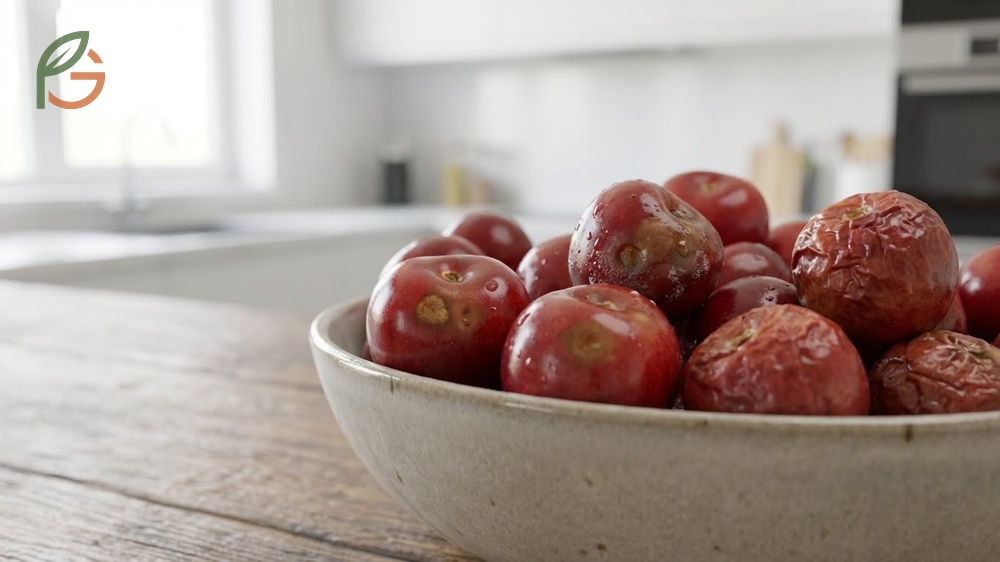
Recognizing spoilage early prevents foodborne illness and reduces waste. Research shows that visual inspection catches 90% of spoiled cherries before they pose health risks[5]. The first signs appear subtle—slight softening or small brown spots—but they progress rapidly once bacterial or fungal growth establishes.
Wrinkled skin indicates dehydration from improper storage or extended refrigeration beyond the safe window. While wrinkled cherries aren’t necessarily unsafe, they’ve lost the crisp texture and vibrant flavor that make fresh cherries appealing. You can sometimes revive slightly wrinkled cherries by soaking them in ice water for 15-20 minutes, which rehydrates the flesh without making them soggy.
Mold appears as white, gray, or greenish fuzzy patches, typically starting where the stem attaches or at points of skin damage. Once you spot mold on one cherry, check the entire batch carefully. Mold spreads through airborne spores and direct contact, so any cherries touching the moldy one should be discarded immediately. Don’t just remove visible mold—microscopic contamination extends beyond what you can see.
- Soft or mushy texture when gently squeezed—fresh cherries should feel firm with slight give
- Brown or black spots larger than a pinhead, especially around the stem attachment point
- Visible mold growth appearing as fuzzy white, gray, or greenish patches anywhere on the fruit
- Leaking juice or sticky residue on cherries or storage container, indicating skin breakdown
- Fermented or sour smell that differs from the naturally sweet cherry aroma
- Shriveled, wrinkled skin with dull color instead of smooth, glossy, vibrant appearance
- Stems that fall off easily or appear brown and dried out rather than green and flexible
Trust your senses when evaluating cherry freshness. Off-smells indicate bacterial growth even when visual signs aren’t obvious. A fermented or wine-like odor means natural sugars have begun fermenting—these cherries are past safe consumption. The slight vinegar smell some people notice isn’t always spoilage; it can occur naturally in very ripe cherries, but it’s safer to err on the side of caution.
Storing Rainier Cherries
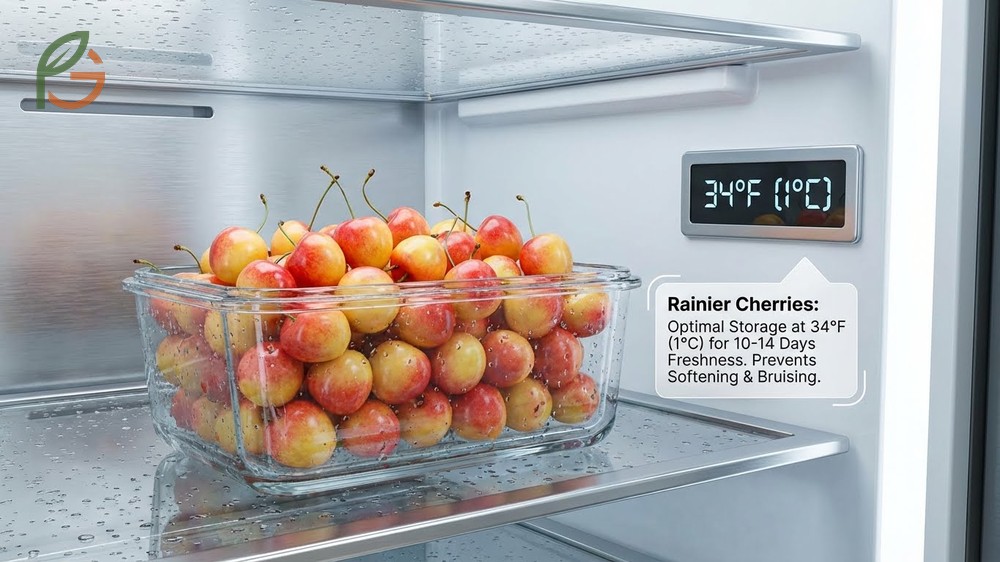
Rainier cherries require extra care due to their delicate yellow-red skin and higher sugar content. Current guidance shows they stay fresh for 10-14 days when stored at 34°F (1°C) in the coldest refrigerator zone[6]. This 2°F temperature difference from standard cherry storage might seem minor, but it makes a measurable impact on preventing the rapid softening that affects Rainier varieties.
The lighter-colored skin on Rainier cherries shows bruising and damage more readily than dark sweet cherries. Handle them minimally and avoid stacking them more than 2-3 layers deep. Agricultural data indicates that pressure bruising reduces shelf life by 40-50% because damaged areas become entry points for bacteria and mold spores.
Place a paper towel in the storage bag with Rainier cherries to absorb condensation more actively than with other varieties[6]. Their thinner skin makes them more susceptible to moisture-related spoilage. Change the paper towel every 3-4 days if you’re storing them for the full two-week period, replacing it with a fresh, dry one to maintain optimal humidity control.
- Store at 34°F (1°C) rather than the standard 32-35°F range to prevent chill damage to delicate flesh
- Use shallow containers no more than 2-3 cherries deep to minimize pressure bruising on lower layers
- Replace paper towel layers every 3-4 days to maintain optimal moisture absorption throughout storage
- Wash Rainier cherries only immediately before eating—never before storage due to ultra-thin skin permeability
- Check daily for any signs of bruising or softening and remove affected cherries to protect the rest
Conclusion
The evidence is clear: how to store cherries correctly comes down to three non-negotiable factors—keeping them unwashed, maintaining consistent cold temperatures between 32-35°F (0-2°C), and removing damaged fruit immediately. These simple practices extend shelf life from 2-3 days to a full 7-10 days while preserving the firm texture and sweet flavor that make fresh cherries worth the premium price.
Current guidance emphasizes that small adjustments make significant differences. Using breathable containers instead of sealed bags, storing in the coldest fridge zone rather than the door, and washing only before consumption can triple the time your cherries stay fresh. FruitGarden compiles the latest fruit storage research to help you get maximum value from every pound of cherries you bring home.
Food Safety Disclaimer
Important Food Safety Disclaimer: This content is for informational and educational purposes only. It’s not intended as a substitute for professional food safety advice or guidance from certified food handling experts. Always follow USDA food safety guidelines and consult qualified professionals if you’re uncertain about food storage safety, especially if you’re storing produce for commercial purposes or have specific health concerns. When in doubt about cherry freshness or safety, it’s better to discard questionable fruit than risk foodborne illness.
Frequently Asked Questions
Should I wash cherries before storing them in the refrigerator?
No, you shouldn’t wash cherries before refrigerating them. Research shows that moisture accelerates spoilage by creating ideal conditions for mold growth, reducing shelf life from 7-10 days to just 2-3 days. Wash cherries only immediately before eating to maximize their refrigerator storage time.
How do I know when cherries have gone bad?
Spoiled cherries show soft or mushy texture, brown or black spots, visible mold (white, gray, or green fuzz), leaking juice, wrinkled skin, fermented smell, and stems that fall off easily. If you notice any of these signs, discard those cherries immediately and check the rest of your batch carefully for contamination spread.
Can I leave cherries out on the counter overnight?
No, cherries shouldn’t stay at room temperature overnight. Current guidance emphasizes refrigerating cherries at all times except when eating them the same day. Room temperature storage causes rapid quality loss within 6-8 hours and creates food safety risks after 2 hours in temperatures above 40°F (4°C).
What’s the best container for storing cherries in the fridge?
The best container is a breathable option like a bowl covered with paper towels or a vented plastic bag. These allow air circulation while managing humidity, preventing the condensation buildup that occurs in sealed containers. Layer cherries between paper towels if storing larger quantities to absorb excess moisture.
How long can I freeze cherries and do I need to pit them first?
Frozen cherries maintain best quality for 10-12 months at 0°F (-18°C) or below. Agricultural data shows that pitting cherries before freezing produces better results—they freeze more evenly and you can use them directly in recipes. Wash and dry cherries thoroughly, then pit them and freeze in a single layer before transferring to freezer bags.
Do cherries last longer with or without stems?
Cherries last significantly longer with stems attached. The stem acts as a natural seal that prevents moisture loss and blocks bacteria from entering the fruit through the attachment point. Only remove stems right before washing and eating—never before storage if you want maximum shelf life.
Can I revive wrinkled cherries that have lost moisture?
Yes, you can often revive slightly wrinkled cherries by soaking them in ice water for 15-20 minutes. This rehydrates the flesh without making them soggy. However, this only works for cherries that are just beginning to wrinkle—heavily shriveled cherries with brown spots or off-smells should be discarded as they’re past the safe consumption window.





