
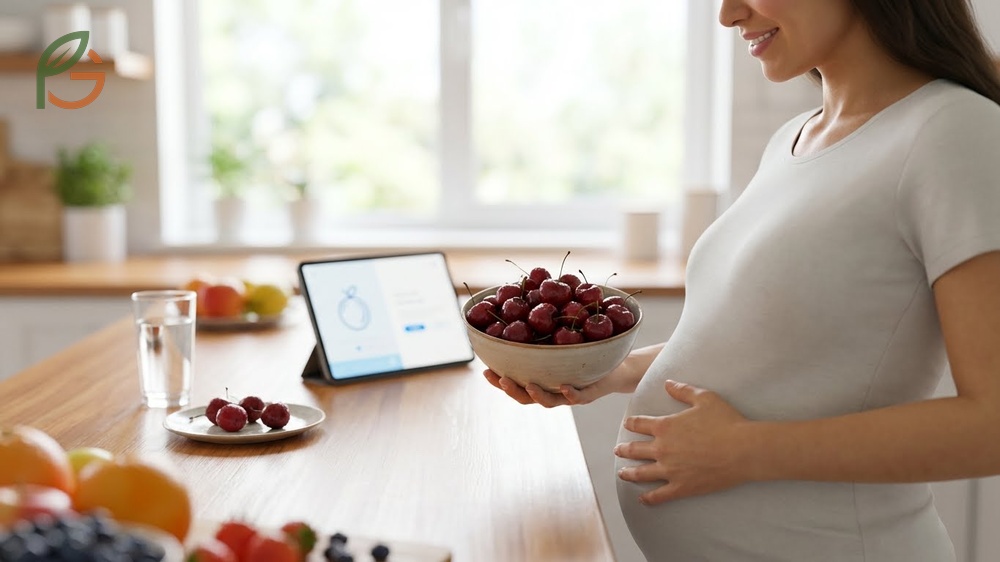
Cherries during pregnancy are safe to consume in moderation and provide essential nutrients including vitamin C, folate, potassium, and anthocyanins that support both maternal and fetal health[1]. Research shows that one cup of fresh cherries (154g) delivers approximately 10mg of vitamin C and important antioxidants[2]. FruitGarden synthesizes current nutritional research and pregnancy dietary guidelines to help expectant mothers make informed fruit choices.
Quick Answer
- Cherries contain 10mg vitamin C per 100g[3] supporting immune function and iron absorption
- Provide 8mcg folate per 100g[3], essential for fetal neural development
- Anthocyanin-rich fruits like cherries show 27% lower gestational diabetes risk[1] in research studies
- Low glycemic index of 22 makes them suitable for blood sugar management
Cherries During Pregnancy
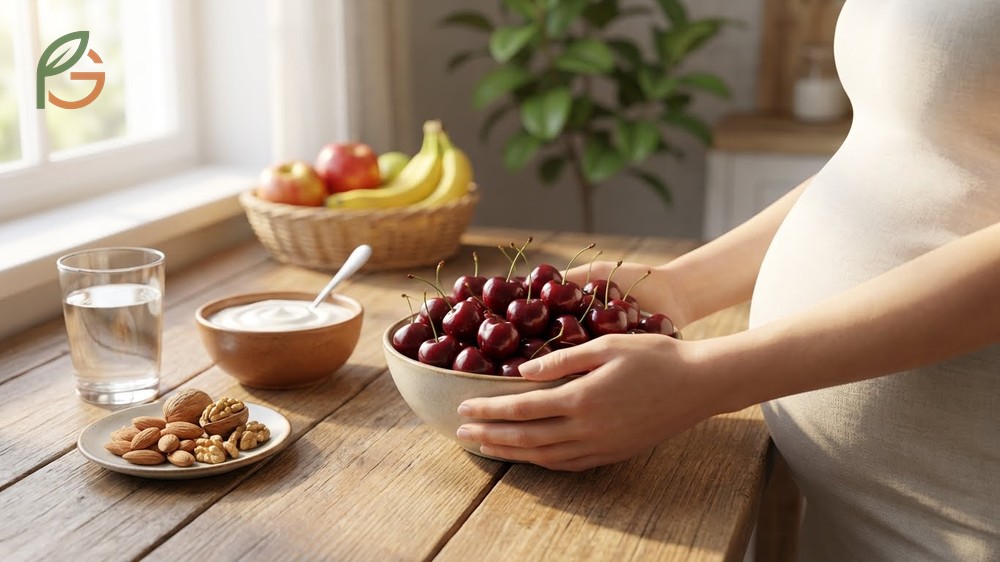
Pregnant women can safely enjoy cherries as part of a balanced diet. Studies demonstrate that cherries belong to the anthocyanin-rich fruit category, which research associates with beneficial pregnancy outcomes[1]. These stone fruits deliver concentrated nutrition with minimal digestive burden.
Current dietary guidelines emphasize fruit variety during pregnancy, with cherries offering a unique nutrient profile. The natural compounds in cherries work synergistically to support maternal physiological changes. Most pregnant women tolerate cherries well when consumed fresh and properly washed.
Why Cherries Are Safe
Cherries pose no inherent risks during pregnancy when consumed without the pit. The flesh contains no substances contraindicated for expectant mothers. Research confirms that pregnant women metabolize cherry nutrients efficiently[2].
Healthcare providers typically recommend cherries for pregnant clients seeking natural sources of antioxidants. The fruit’s safety profile spans all three trimesters. You’ll find cherries easier to digest than many other fruits, especially when eaten fresh rather than processed.
Important Safety Note: Always remove cherry pits before eating, as they contain trace amounts of cyanogenic compounds. Wash cherries thoroughly under running water to remove potential pesticide residues, or choose organic varieties when available.
Nutritional Profile
One hundred grams of fresh cherries provides approximately 50 calories, 12g carbohydrates, and 1.6g fiber[3]. This nutrient density makes cherries an efficient way to meet increased pregnancy requirements. The calorie-to-nutrient ratio favors healthy gestational weight gain patterns.
Cherries contain measurable amounts of potassium (173mg per 100g), which supports cardiovascular function during pregnancy’s increased blood volume[3]. The fruit also provides small amounts of calcium and iron. You’ll get more nutritional value from fresh cherries compared to dried or preserved versions.
- Vitamin C: 10mg (11% daily value)
- Folate: 8mcg (2% daily value)
- Potassium: 173mg (5% daily value)
- Fiber: 1.6g (6% daily value)
- Anthocyanins: Varies by variety, highest in tart cherries
- Vitamin A: 64mcg (7% daily value)
Nutritional Benefits for Pregnant Women
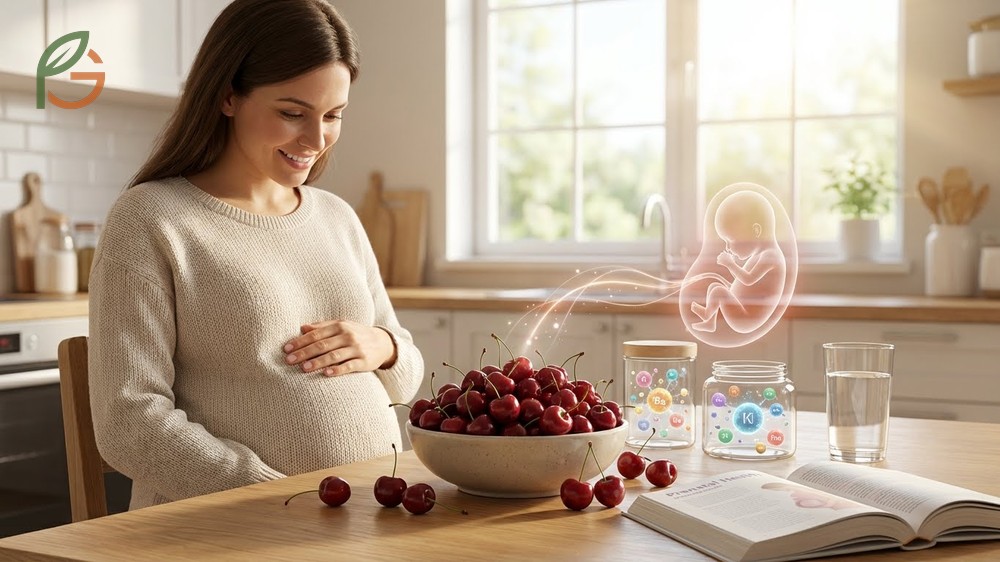
Current evidence indicates that cherries contribute meaningfully to prenatal nutrition goals. The combination of vitamins, minerals, and phytochemicals addresses multiple pregnancy-related needs simultaneously. Research shows that diverse fruit intake correlates with better maternal health markers[1].
Pregnant women experience heightened nutritional demands, particularly for micronutrients supporting fetal development. Cherries help bridge common dietary gaps without excessive calorie intake. The bioavailability of cherry nutrients appears comparable to other stone fruits.
Immune System Support
Pregnancy naturally suppresses certain immune functions to prevent fetal rejection. Vitamin C from cherries supports the remaining immune defenses, helping prevent common infections. The flavonoids in cherries demonstrate antimicrobial properties in laboratory studies[2].
Studies demonstrate that adequate vitamin C intake during pregnancy correlates with reduced respiratory infection rates. One cup of cherries contributes approximately 15-20% of the recommended daily vitamin C for pregnant women. You’ll absorb cherry vitamin C more efficiently when consuming the whole fruit rather than supplements.
Supporting Fetal Development
Folate plays a critical role in neural tube formation during the first trimester. While cherries provide modest folate amounts compared to fortified foods, every dietary source contributes to meeting the 600mcg daily recommendation for pregnant women. The natural folate in cherries exists in bioavailable forms.
Cherry anthocyanins may support fetal brain development by protecting neural cells from oxidative stress. Research on anthocyanin-rich foods shows potential neuroprotective effects across populations. Most pregnant women benefit from multiple anthocyanin sources rather than relying on a single fruit.
Folate Synergy: Combine cherries with folate-rich foods like leafy greens, fortified cereals, and legumes to meet pregnancy requirements. Cherries’ vitamin C content enhances folate absorption from other foods eaten in the same meal.
Digestive Health Benefits
Constipation affects up to 40% of pregnant women, particularly in later trimesters. The fiber in cherries promotes regular bowel movements and supports beneficial gut bacteria. You’ll notice the most digestive benefit when eating cherries with their skins intact.
Cherries contain sorbitol, a natural sugar alcohol with mild laxative properties at higher doses. Most pregnant women tolerate reasonable cherry portions (1-2 cups daily) without digestive discomfort. The fruit’s high water content also contributes to overall hydration status.
- Soluble fiber slows digestion, promoting satiety between meals
- Insoluble fiber adds bulk to stool, preventing constipation
- Polyphenols support healthy gut microbiome diversity
- Natural fruit sugars provide quick energy without refined sugar spikes
- High water content (approximately 82%) aids hydration efforts
Cherries and Pregnancy Health Outcomes
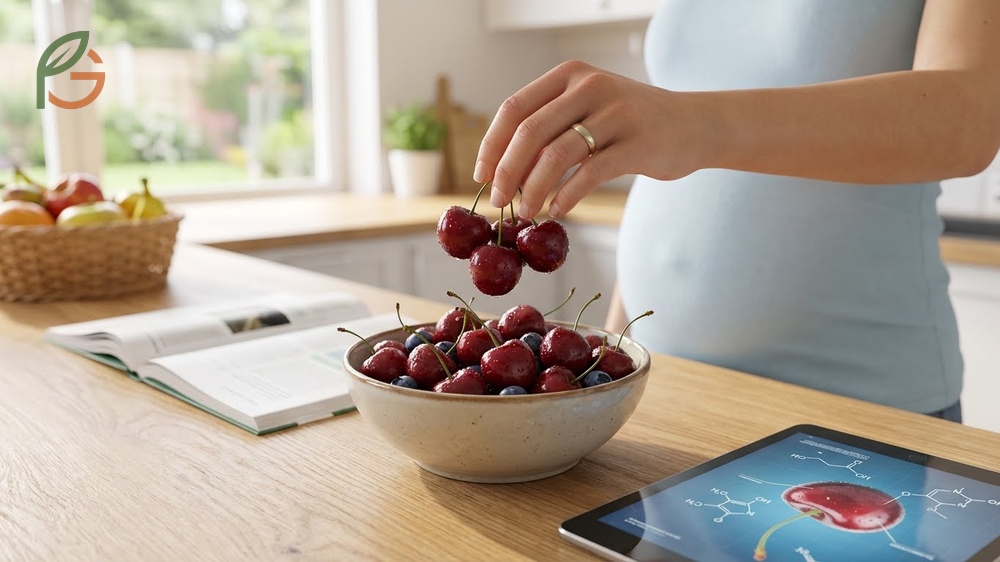
Recent research explores connections between specific fruit choices and pregnancy complications. Evidence suggests that fruit selection matters as much as total fruit quantity. Cherries offer particular advantages for certain pregnancy-related conditions.
Studies examining anthocyanin-rich fruits during pregnancy show promising results for metabolic health. The compounds in cherries may influence inflammatory pathways relevant to pregnancy outcomes. You’ll want to consider cherries as part of an overall dietary pattern rather than a standalone intervention.
Gestational Diabetes Management
Research involving 1,453 pregnant women found that those consuming the highest amounts of anthocyanin-rich fruits had a 27% lower risk of developing gestational diabetes compared to those eating the least[1]. Cherries fall into this protective category due to their anthocyanin content. The study controlled for multiple dietary and lifestyle factors.
Cherries have a low glycemic index of approximately 22, meaning they cause minimal blood sugar spikes[4]. This makes them suitable for women monitoring blood glucose levels during pregnancy. Pairing cherries with protein sources like Greek yogurt further moderates their glycemic impact.
This table compares glycemic properties and serving recommendations for cherries during pregnancy, showing fresh versus dried varieties and their impact on blood sugar management
| Cherry Type | Glycemic Index | Serving Size | Recommended for GDM |
|---|---|---|---|
| Fresh Sweet Cherries | 22[4] | 1 cup (154g) | Yes, in moderation |
| Fresh Tart Cherries | 20-22[4] | 1 cup (154g) | Yes, preferred choice |
| Dried Cherries (unsweetened) | Higher (concentrated sugars) | 1/4 cup (40g) | Limit portions |
| Maraschino Cherries | High (added sugars) | Avoid or rare treat | Not recommended |
Improving Sleep Quality
Tart cherries naturally contain melatonin, the hormone regulating sleep-wake cycles. Studies in non-pregnant populations show that tart cherry juice consumption improves sleep duration and quality. Pregnant women often struggle with insomnia, particularly in the third trimester.
Research indicates that tart cherry juice provides approximately 85mcg melatonin per serving, though amounts vary by variety and growing conditions. This represents a safe, natural approach to sleep support during pregnancy. You’ll find the most melatonin in Montmorency tart cherries rather than sweet cherry varieties.
Most sleep specialists consider food-based melatonin sources safer than supplements during pregnancy. The melatonin dose from cherries remains well below levels that might affect pregnancy hormones. Consuming cherries 1-2 hours before bedtime may optimize their sleep-promoting effects.
Safe Cherry Consumption Guidelines
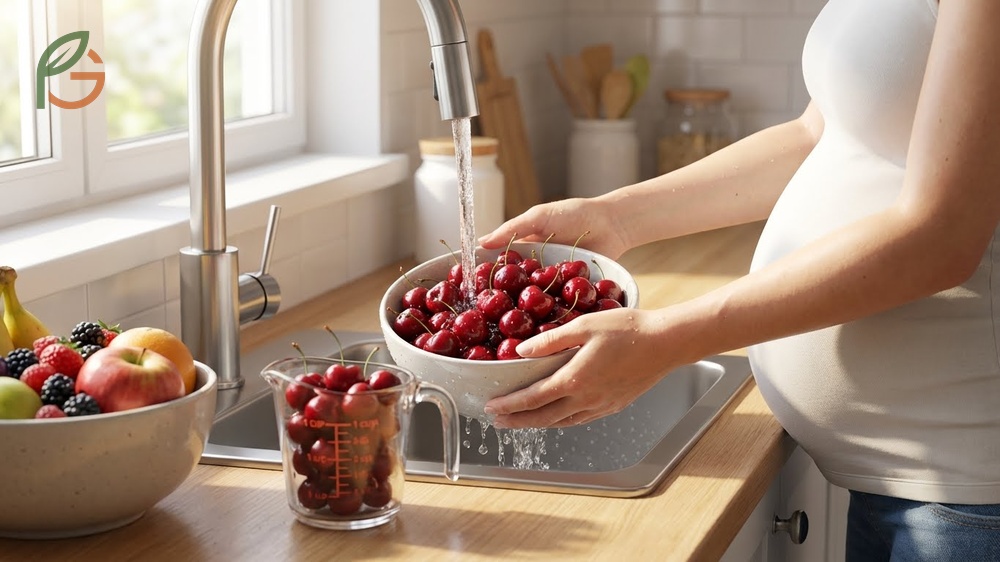
Healthcare providers generally recommend 1-2 cups of cherries daily as part of the 2-4 cups total fruit intake suggested for pregnant women. This amount provides nutritional benefits without excessive sugar or calorie intake. You should distribute fruit servings throughout the day rather than consuming them all at once.
Fresh, whole cherries offer superior nutrition compared to processed cherry products. Wash cherries thoroughly under running water to remove dirt, bacteria, and pesticide residues. Organic cherries may contain lower pesticide levels if budget allows.
Remove all cherry pits before eating, as they contain amygdalin, which converts to cyanide when digested. Most people accidentally swallow an occasional pit without harm, but intentional pit consumption poses risks. Store unwashed cherries in the refrigerator and use within 5-7 days for optimal freshness.
- Choose firm cherries with intact stems and glossy skin
- Avoid cherries with soft spots, mold, or bruising
- Rinse cherries just before eating to prevent premature spoilage
- Pair cherries with protein or fat to stabilize blood sugar
- Limit dried cherries to 1/4 cup servings due to concentrated sugars
- Choose 100% cherry juice without added sugars if drinking juice
- Avoid cherry supplements unless approved by your healthcare provider
Allergy Awareness: Stop eating cherries immediately if you experience itching, swelling, hives, or difficulty breathing. Cherry allergies can develop at any time, though they’re relatively uncommon. Women with birch pollen allergies may experience oral allergy syndrome with cherries.
Monitor your body’s response when first introducing cherries during pregnancy. Some women experience mild digestive upset (gas, bloating) from eating large cherry quantities. This typically resolves by reducing portion sizes or eating cherries with other foods.
Pregnant women with gestational diabetes should monitor blood glucose levels after eating cherries to assess individual glycemic response. Work with a registered dietitian to determine appropriate portion sizes within your carbohydrate budget. Most women with GDM tolerate 1/2 to 1 cup of fresh cherries per serving.
Conclusion
The evidence is clear: cherries during pregnancy offer meaningful nutritional benefits when consumed as part of a varied diet. Their unique combination of vitamin C, folate, anthocyanins, and fiber supports maternal health while contributing to fetal development. Research connecting anthocyanin-rich fruits with reduced gestational diabetes risk makes cherries particularly valuable for pregnancy nutrition.
Current dietary guidance emphasizes fruit variety and quality during pregnancy. Choose fresh, properly washed cherries over processed alternatives whenever possible. FruitGarden synthesizes ongoing nutrition research to help families make evidence-based food choices throughout pregnancy and beyond.
Medical Disclaimer
Important Medical Disclaimer: This content is for informational and educational purposes only. It is not intended as a substitute for professional medical advice, diagnosis, or treatment. Always consult a qualified healthcare professional before making any changes to your diet, medication, or health routine, especially if you have gestational diabetes, food allergies, or other medical conditions during pregnancy. Individual nutritional needs vary significantly based on health status, pregnancy stage, and other factors that only your healthcare provider can assess.
Frequently Asked Questions
Can I eat cherries every day during pregnancy?
Yes, you can safely eat cherries daily during pregnancy in moderate amounts (1-2 cups). Studies show that regular consumption of anthocyanin-rich fruits like cherries may reduce gestational diabetes risk by up to 27%. Include cherries as part of your total daily fruit intake of 2-4 cups, varying your fruit choices for optimal nutrition.
Are tart cherries or sweet cherries better during pregnancy?
Both tart and sweet cherries offer pregnancy benefits, though tart cherries contain higher anthocyanin and melatonin levels. Tart cherries may better support sleep quality and provide more antioxidants, while sweet cherries taste more pleasant for most women. Choose based on your preferences and specific health goals, as both varieties provide vitamin C, folate, and fiber.
Do cherries help with pregnancy constipation?
Yes, cherries can help relieve pregnancy constipation due to their fiber content (1.6g per 100g) and natural sorbitol content. The combination of soluble and insoluble fiber promotes regular bowel movements. For best results, eat cherries with their skins intact, stay well-hydrated, and combine them with other high-fiber foods like whole grains and vegetables.
Can cherries cause gestational diabetes?
No, cherries don’t cause gestational diabetes and may actually reduce risk. Research shows that cherries have a low glycemic index of 22, causing minimal blood sugar spikes. Studies found that women consuming the most anthocyanin-rich fruits (including cherries) had 27% lower gestational diabetes risk compared to those eating the least. Consume in reasonable portions (1-2 cups daily) as part of a balanced diet.
Should I avoid cherry pits during pregnancy?
Yes, always remove cherry pits before eating. Cherry pits contain amygdalin, which breaks down into cyanide when digested. While accidentally swallowing one pit rarely causes problems due to the small amount and protective pit coating, you should never intentionally chew or consume cherry pits. The flesh of the cherry is completely safe and nutritious during pregnancy.
Are frozen cherries as nutritious as fresh during pregnancy?
Yes, frozen cherries retain most of their nutritional value and are a convenient alternative when fresh cherries aren’t in season. Freezing preserves vitamin C, anthocyanins, and fiber content effectively. Choose frozen cherries without added sugars or syrups. Thaw frozen cherries in the refrigerator or use them directly in smoothies for optimal nutrient retention.
When is the best time to eat cherries during pregnancy?
You can eat cherries at any time during pregnancy, though timing may optimize certain benefits. Consuming tart cherries 1-2 hours before bedtime may improve sleep quality due to natural melatonin content. Eating cherries with breakfast or as a snack with protein helps stabilize blood sugar throughout the day. Cherries are safe and beneficial in all three trimesters when consumed in appropriate portions.





