
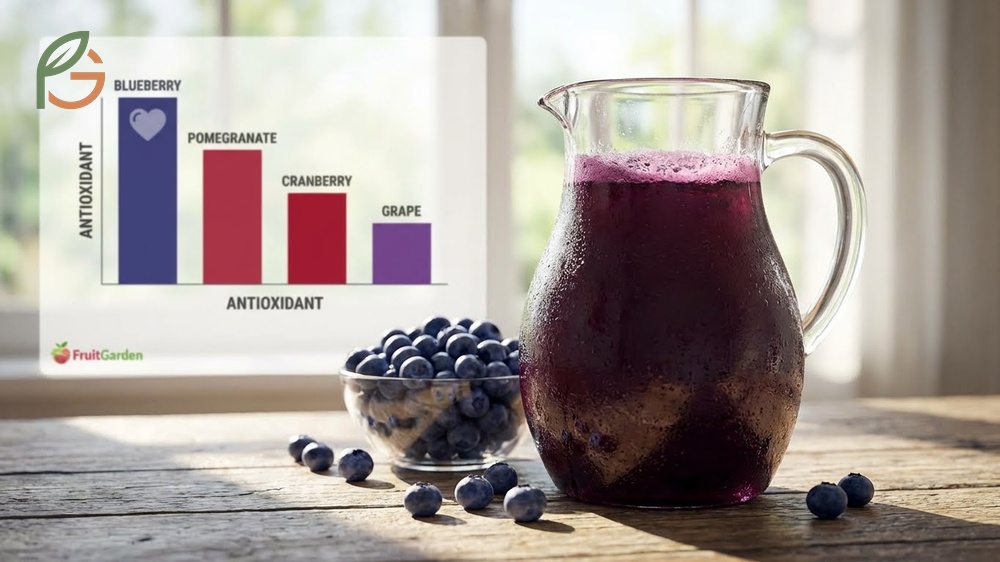
Benefits of blueberry juice include powerful antioxidant support, improved heart health, and better blood sugar management. Research shows blueberry juice ranks highest among fruit juices for antioxidant capacity, with an ORAC score of 2,906 compared to pomegranate, cranberry, and grape juices[1]. FruitGarden synthesizes current nutritional research and agricultural data to help you make informed decisions about incorporating blueberry products into your daily routine.
Quick Answer
- Blueberry juice contains the highest antioxidant levels among fruit juices with an ORAC score of 2,906[1]
- Studies show blueberry consumption reduces systolic blood pressure by 6% and diastolic by 4% in adults with metabolic syndrome[2]
- In diabetic individuals, blueberry intake significantly lowers fasting blood glucose by 17.72 mg/dl[3]
- Blueberry leaf tea exhibits considerable antioxidant activity, particularly green tea preparations with 301.67 µmol TEAC/g[4]
Benefits of Blueberry Juice
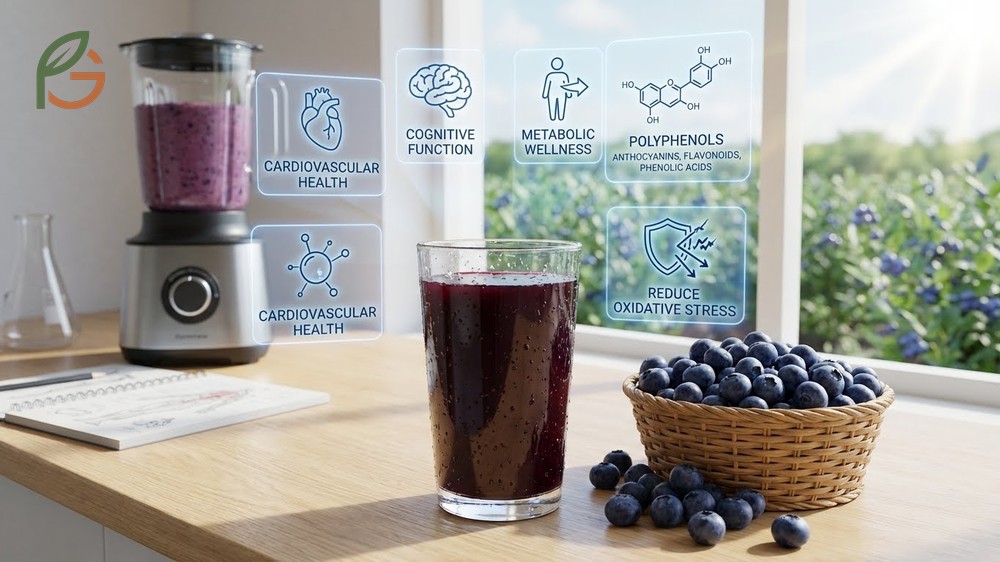
Research shows blueberries deliver exceptional health benefits through their unique polyphenol profile. The fruit’s anthocyanins, flavonoids, and phenolic acids work together to protect against chronic diseases. Studies demonstrate that regular consumption supports cardiovascular health, cognitive function, and metabolic wellness.
Evidence from multiple clinical trials indicates blueberry products reduce oxidative stress markers in the body. A six-week smoothie intervention with blueberry supplementation increased insulin sensitivity in obese and insulin-resistant adults compared to placebo[5]. The bioactive compounds in blueberries reach peak blood concentrations 1-2 hours after consumption.
Current data indicates that 100% blueberry juice provides concentrated nutrients without fiber dilution. A standard 8-ounce serving delivers approximately 114 calories with 27 grams of carbohydrates. The juice format allows for rapid absorption of water-soluble antioxidants and polyphenols.
Antioxidant Power
Studies demonstrate blueberry juice tops all tested fruit juices for free-radical scavenging ability. The USDA Agricultural Research Service database places blueberry juice at 2,906 µmol TE/100g using the gold-standard ORAC testing method[1]. This exceeds pomegranate, prune, and cranberry juices by significant margins.
Research published in the Journal of Cancer Prevention found blueberry juice demonstrates anti-oxidative and anti-cancerous effects comparable to 1,000 mg of vitamin C supplementation[6]. The mechanisms differ, with vitamin C reducing cell damage while blueberry juice positively affects DNA integrity. This dual-action protection makes blueberries particularly valuable for disease prevention.
- Anthocyanins providing the blue-purple pigmentation and primary antioxidant activity
- Chlorogenic acid supporting glucose metabolism and reducing oxidative stress
- Quercetin flavonoids protecting against inflammation and cellular damage
- Proanthocyanidins offering cardiovascular and cognitive benefits
- Resveratrol compounds contributing to longevity and metabolic health
Cardiovascular Protection
Clinical trials show blueberry supplementation significantly reduces blood pressure in at-risk populations. An 8-week study of adults with metabolic syndrome reported 6% systolic and 4% diastolic pressure reductions in the blueberry group versus 1.5% and 1.2% in controls[2]. Blood pressure improvements occurred without changes to glucose levels or lipid profiles.
Evidence suggests plasma oxidized LDL cholesterol and lipid peroxidation markers decrease significantly with blueberry consumption. The same 8-week trial documented greater reductions in oxidized LDL and serum MDA levels compared to controls[2]. These biomarkers strongly correlate with coronary artery disease risk in populations with abdominal adiposity.
Important Note: While research shows promising cardiovascular benefits, effects appear most pronounced in individuals with existing metabolic syndrome or elevated baseline risk factors. Healthy adults may experience minimal measurable changes in short-term studies.
Blueberry Juice Health Benefits
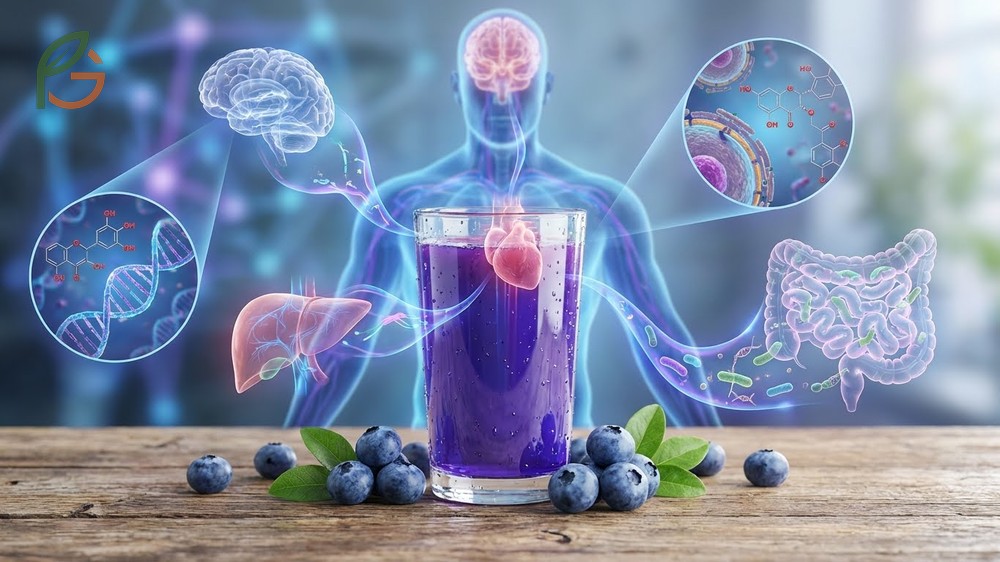
Research demonstrates blueberry consumption affects multiple body systems simultaneously. The polyphenols in blueberries modulate gene expression, reduce inflammation, and protect cellular structures. Current guidance emphasizes these effects accumulate over time rather than appearing after single doses.
Studies show bioactive compounds from blueberries reach various tissues including the brain, heart, and liver. The gut microbiome metabolizes blueberry polyphenols into smaller phenolic acids that circulate systemically. A systematic review of 16 animal studies confirmed blueberry intake improved intestinal morphology and suppressed gut inflammation[7].
Blood Sugar Management
Evidence indicates blueberry products benefit individuals with type 2 diabetes more than healthy populations. A meta-analysis of 22 clinical trials found diabetic subjects consuming blueberry or cranberry experienced fasting blood glucose reductions of 17.72 mg/dl[3]. Glycated hemoglobin decreased by 0.32% over intervention periods ranging from 8 to 12 weeks.
Research shows blueberry anthocyanins slow carbohydrate digestion and glucose absorption in the intestines. This effect doesn’t eliminate dietary glucose but moderates the post-meal blood sugar spike. The polyphenols also appear to enhance insulin signaling pathways at the cellular level.
- Consume blueberry products with meals containing carbohydrates to moderate glucose response
- Pair blueberry juice with protein sources like Greek yogurt or nuts for sustained energy
- Limit juice portions to 4-6 ounces to avoid excessive simple sugar intake
- Consider whole blueberries for additional fiber that further slows glucose absorption
- Monitor individual blood sugar responses as effects vary by diabetes status and medication use
Important for Diabetics: While blueberries show benefits in research, they still contain natural sugars. Work with your healthcare provider to incorporate blueberry products appropriately into your meal plan and medication schedule.
Anti-Inflammatory Effects
Studies demonstrate blueberry intake reduces blood inflammatory biomarkers, particularly after metabolically demanding activities. A randomized controlled trial showed 150g fresh blueberry equivalent daily for 2 weeks increased gut-derived phenolics and countered post-exercise increases in 10 proinflammatory lipid mediators[7]. The intervention provided 345 mg anthocyanins daily.
Research indicates chronic low-grade inflammation contributes to cardiovascular disease, diabetes, and neurodegenerative conditions. Blueberry polyphenols modulate inflammatory signaling pathways including NF-κB and various cytokines. These effects appear dose-dependent, with higher intakes showing stronger anti-inflammatory responses.
Benefits of Blueberry Tea
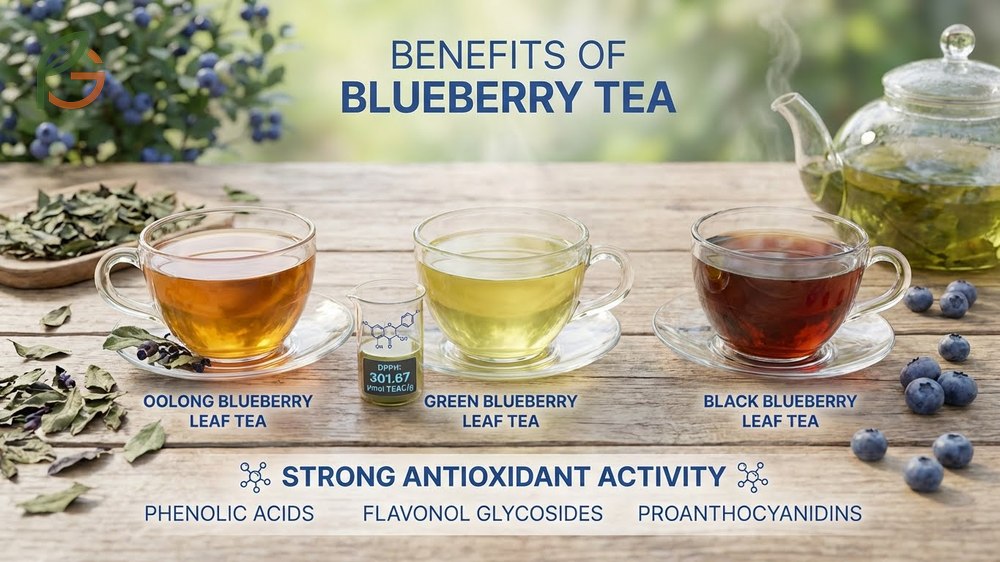
Research shows blueberry leaf tea provides substantial antioxidant activity distinct from fruit juice benefits. Studies comparing green, oolong, and black blueberry leaf teas found all three types exhibit strong free-radical scavenging abilities. The green tea preparation demonstrated the highest DPPH radical scavenging activity at 301.67 µmol TEAC/g dry weight[4].
Evidence indicates blueberry leaves contain phenolic acids, flavonol glycosides, and proanthocyanidins that survive the tea-making process. The oolong preparation showed proanthocyanidin levels of 97.13 mg CTE/g compared to 61.77 mg in green tea and 30.09 mg in black tea[4]. These compounds contribute to cardiovascular and metabolic health through multiple pathways.
Fermentation and Antioxidants
Studies demonstrate fermentation degree significantly affects blueberry tea’s antioxidant profile. Green blueberry leaf tea maintains the highest levels of representative phenolics including chlorogenic acid and quercetin derivatives. The FRAP value reached 929.88 µmol Fe(II)/g dry weight in green tea, decreasing 34.2% in oolong and 70.1% in black tea[4].
Research indicates the oxidation process during fermentation converts some beneficial phenolic compounds into oxidized forms with reduced antioxidant capacity. However, partially fermented oolong tea retains considerable activity while offering different flavor profiles. The choice between green, oolong, and black preparations depends on taste preferences and desired antioxidant levels.
- Harvest young blueberry leaves in spring or early summer for optimal compound concentrations
- Rinse leaves thoroughly and air-dry in a shaded, well-ventilated area for 2-3 days
- For green tea, steam leaves briefly then dry immediately to prevent oxidation
- Steep 1-2 teaspoons dried leaves in 8 ounces water at 185-195°F (85-91°C) for 3-5 minutes
- Store dried leaves in airtight containers away from light and moisture for up to 6 months
Caffeine-Free Option
Evidence shows blueberry leaf tea contains no caffeine, making it suitable for evening consumption or caffeine-sensitive individuals. This distinguishes it from traditional tea plants which naturally contain caffeine. The absence of stimulants allows for hydration benefits without sleep disruption concerns.
Studies indicate herbal teas from fruit plants provide polyphenol benefits similar to true teas without caffeine-related effects. Blueberry leaf tea can replace caffeinated beverages throughout the day while maintaining antioxidant intake. Commercial blueberry tea blends may contain added ingredients, so check labels if avoiding caffeine completely.
Blueberry Benefits for Male Health

Research demonstrates blueberries support several aspects of male physiological health through their polyphenol and micronutrient content. Studies show the cardiovascular benefits particularly matter for men, who face higher heart disease risk at younger ages compared to premenopausal women. The blood pressure reductions documented in clinical trials apply to both sexes with metabolic syndrome[2].
Evidence indicates oxidative stress and inflammation contribute to various male health concerns including prostate health, fertility, and testosterone metabolism. Blueberry anthocyanins reduce oxidized LDL cholesterol and lipid peroxidation markers that accelerate vascular aging. While specific male-focused blueberry studies remain limited, the anti-inflammatory mechanisms apply across populations.
Current data shows vitamin C, manganese, and vitamin K in blueberries support immune function, bone density, and blood clotting. These micronutrients work synergistically with polyphenols to protect cellular health. Men typically require higher absolute amounts of most nutrients due to larger body mass and muscle tissue.
- Add fresh or frozen blueberries to post-workout smoothies for antioxidant recovery support
- Include blueberry products in breakfast routines to boost morning antioxidant levels
- Combine blueberries with other berries to maximize polyphenol diversity and health effects
- Aim for 1-2 cups fresh blueberries daily or 4-8 ounces juice to match research intervention doses
- Consider timing blueberry intake around high-oxidative-stress activities like intense exercise
Blueberry Juice for Kidney Health
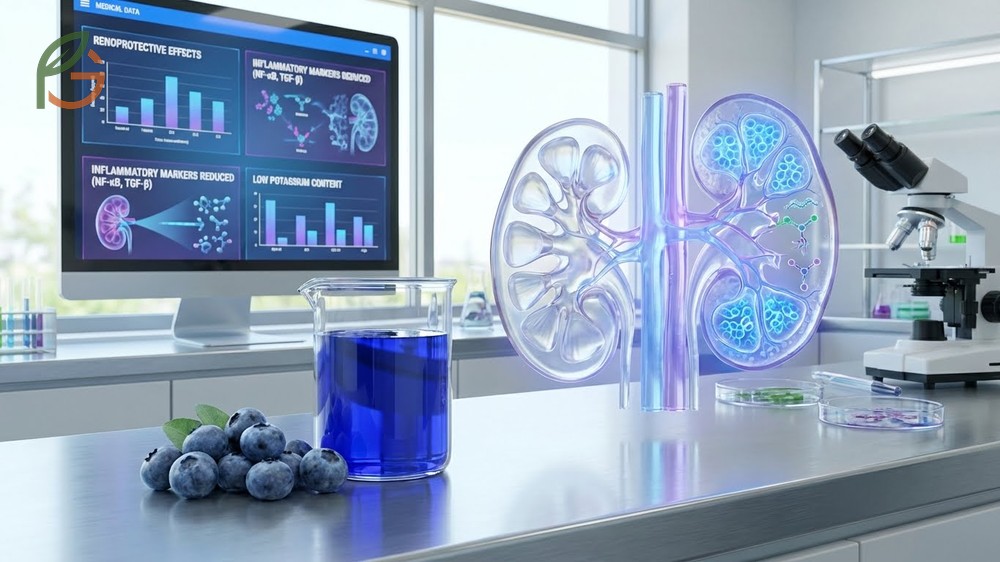
Studies show blueberry extract demonstrates renoprotective effects through multiple mechanisms. Research on mice with ureteral obstruction found blueberry supplementation reduced glomerular injury, lowered inflammatory markers, and improved kidney morphology compared to controls[8]. The extract decreased NF-κB and TGF-β expression, key pathways in kidney inflammation and fibrosis.
Evidence indicates blueberries rank among the lowest fruits for potassium content, making them kidney-friendly for individuals managing chronic kidney disease. High potassium levels strain compromised kidneys, so the 77 mg potassium per 100g in blueberries compares favorably to bananas at 358 mg. Blueberry juice also remains low in phosphorus and sodium.
Research demonstrates the anthocyanins in blueberries possess antidiabetic and anti-inflammatory properties that protect kidney function indirectly. Since diabetes causes approximately 38% of kidney disease cases, blood sugar management through blueberry consumption may reduce long-term kidney damage risk. The antioxidants also combat oxidative stress that accelerates nephropathy progression.
Important for Kidney Patients: While blueberries show protective effects in research, individuals with advanced kidney disease should consult their nephrologist before changing fruit intake. Fluid restrictions and individualized potassium limits may apply to your specific situation.
- Choose fresh or frozen blueberries over dried versions which concentrate minerals
- Limit juice portions to avoid excessive fluid intake if on restriction protocols
- Pair blueberries with low-potassium foods to balance daily mineral intake
- Monitor phosphorus additives in commercial blueberry juice products by reading labels
- Track total daily potassium from all sources including medications and supplements
Best Time to Drink Blueberry Juice
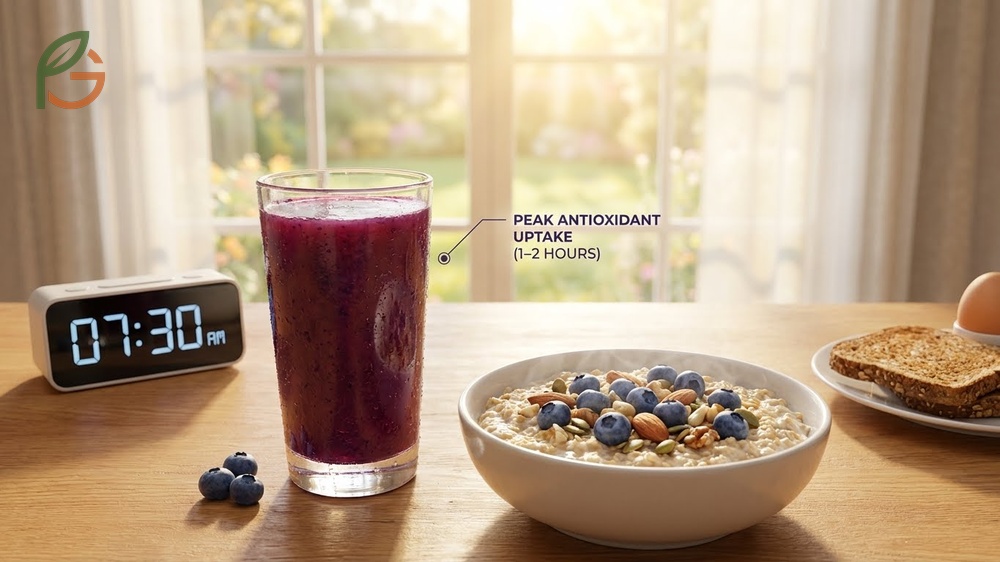
Research indicates blueberry polyphenols reach peak blood concentrations 1-2 hours after consumption, suggesting strategic timing optimizes benefits. Morning intake provides antioxidant protection during the day’s oxidative stress from metabolism, sun exposure, and activity. Studies show breakfast represents an ideal opportunity to incorporate blueberry products alongside protein and whole grains.
Evidence suggests consuming blueberry juice with meals containing carbohydrates helps moderate post-meal glucose spikes. The anthocyanins slow carbohydrate digestion and glucose absorption when present simultaneously in the digestive tract. This makes meal-time consumption particularly valuable for individuals managing blood sugar levels.
Current data indicates post-exercise represents another strategic timing window for blueberry intake. The 2-week intervention study showing reduced inflammatory markers used daily blueberry consumption including around exercise sessions[7]. The antioxidants help counter exercise-induced oxidative stress and support recovery processes.
Studies demonstrate splitting blueberry intake across multiple occasions throughout the day maintains more consistent blood polyphenol levels. Rather than consuming 8 ounces juice in one sitting, 4 ounces at breakfast and 4 ounces at lunch provides sustained antioxidant presence. This approach also moderates sugar intake per serving.
- Morning (6-9 AM): Pair 4-6 ounces juice with protein-rich breakfast to kickstart metabolism and provide sustained energy for 4-5 hours
- Pre-workout (30-60 minutes before): Consume 4 ounces for readily available antioxidants that protect against exercise-induced oxidative stress
- Post-workout (within 30 minutes): Add blueberry juice to recovery smoothies with protein powder to support muscle repair and reduce inflammation
- With lunch (12-2 PM): Include 4 ounces alongside balanced meals to moderate afternoon blood sugar and maintain antioxidant levels
- Avoid evening: The natural sugars may interfere with blood sugar stability overnight, particularly for diabetics or prediabetics
Timing Tip: If you’re taking medications, check with your pharmacist about potential interactions. Blueberry compounds may affect drug metabolism, particularly for blood thinners due to vitamin K content.
Conclusion
The evidence is clear: benefits of blueberry juice span cardiovascular health, blood sugar management, and antioxidant protection that outperforms other fruit juices. Research demonstrates measurable improvements in blood pressure, inflammatory markers, and glucose control, particularly in individuals with existing metabolic concerns. Current guidance emphasizes incorporating 4-8 ounces of 100% blueberry juice daily or 1-2 cups fresh blueberries to match clinical trial doses.
Agricultural data shows blueberries remain accessible year-round through frozen options that preserve polyphenol content effectively. FruitGarden synthesizes peer-reviewed research to help you understand how timing, preparation methods, and pairing strategies maximize these health benefits for your specific wellness goals.
Medical Disclaimer
Important Medical Disclaimer: This content is for informational and educational purposes only. It is not intended as a substitute for professional medical advice, diagnosis, or treatment. Always consult a qualified healthcare professional before making any changes to your diet, medication, or health routine, especially if you have diabetes, kidney disease, cardiovascular conditions, or other medical concerns. Individual responses to blueberry products vary based on health status, medications, and genetic factors.
Frequently Asked Questions
Is Blueberry Juice Good for You?
Yes, research shows blueberry juice provides significant health benefits through its exceptional antioxidant content and polyphenol compounds. Studies demonstrate it reduces blood pressure, improves blood sugar management in diabetics, and delivers the highest ORAC antioxidant score among fruit juices at 2,906 µmol TE/100g. However, consume in moderation as it contains natural sugars without the fiber of whole blueberries.
Can Diabetics Drink Blueberry Juice at Night?
Current evidence suggests diabetics should avoid blueberry juice at night due to its natural sugar content affecting overnight blood glucose stability. Research shows optimal timing pairs blueberry products with daytime meals to moderate post-meal glucose spikes. If consuming blueberries in the evening, choose whole berries in small portions with protein or fat to slow sugar absorption, and always monitor your individual blood sugar response.
What Are Blueberry Leaf Tea Side Effects?
Studies on blueberry leaf tea report minimal side effects when consumed in moderate amounts. Research indicates the tea’s high antioxidant content is generally well-tolerated. However, excessive consumption may cause digestive upset due to tannin content. Individuals taking blood thinners should consult healthcare providers, as blueberry leaves contain vitamin K that affects clotting. Start with 1-2 cups daily and monitor your body’s response.
How Much Blueberry Juice Should I Drink Daily?
Research interventions showing health benefits typically used 4-8 ounces of 100% blueberry juice daily or equivalent to 1-2 cups fresh blueberries. Studies demonstrating blood pressure reductions used approximately 150g fresh blueberry equivalent providing 345 mg anthocyanins. Start with 4 ounces daily and increase gradually while monitoring effects. Split intake across multiple servings to maintain steady polyphenol levels and moderate sugar impact.
Are Blueberries Good During Pregnancy?
Yes, blueberries are safe and beneficial during pregnancy when consumed as part of a balanced diet. Evidence shows their vitamin C, folate, and antioxidants support fetal development and maternal health. The fiber helps manage pregnancy-related constipation while anthocyanins reduce inflammation. However, wash thoroughly to remove potential contaminants and consume in normal food amounts rather than concentrated supplements without consulting your obstetrician.
What Makes Celestial Seasonings Blueberry Tea Different?
Celestial Seasonings blueberry tea is an herbal blend containing hibiscus, rosehips, and blueberry flavoring rather than actual blueberry leaves with research-documented antioxidant levels. While it provides a caffeine-free beverage option with pleasant taste, it doesn’t deliver the same polyphenol profile as blueberry leaf tea prepared from real leaves. Check ingredient labels to understand what you’re actually consuming—many commercial blueberry teas use flavoring rather than fruit or leaf extracts.
Does Fermented Blueberry Juice Offer Additional Benefits?
Research on fermented blueberry juice remains limited compared to fresh juice studies. Fermentation produces beneficial probiotics and may enhance bioavailability of certain polyphenols through microbial metabolism. However, the fermentation process also reduces some antioxidant compounds, similar to how fermentation affects blueberry leaf tea. Current evidence doesn’t conclusively show fermented versions outperform fresh juice for health benefits, though they may support gut health through probiotic content.





