
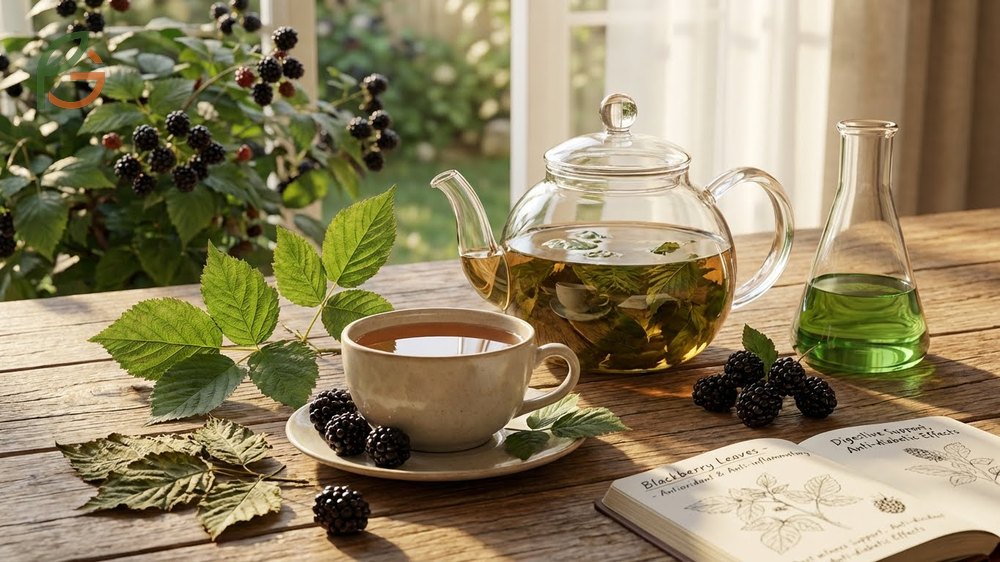
Blackberry leaves tea benefits extend far beyond the fruit itself. Research shows blackberry leaves contain up to 101.31 mg GAE/g of total phenolic compounds[1], providing powerful antioxidant, anti-inflammatory, and digestive support properties. Studies demonstrate these leaves offer anti-diabetic effects and immune system enhancement comparable to many pharmaceutical alternatives[2]. FruitGarden synthesizes current botanical research and traditional herbal medicine practices to help you understand how this often-overlooked plant part can support your health naturally.
Quick Answer
- Contains 101.31 mg GAE/g total phenolic compounds with superior antioxidant activity[1]
- Provides 51.59-251.01 mg/g ellagitannins that support digestive health[3]
- Demonstrates hypoglycemic effects in clinical studies for blood sugar regulation[2]
- Best harvested in May-June before fruit formation and steeped for 10 minutes in boiling water[4]
Blackberry Leaves Tea Benefits
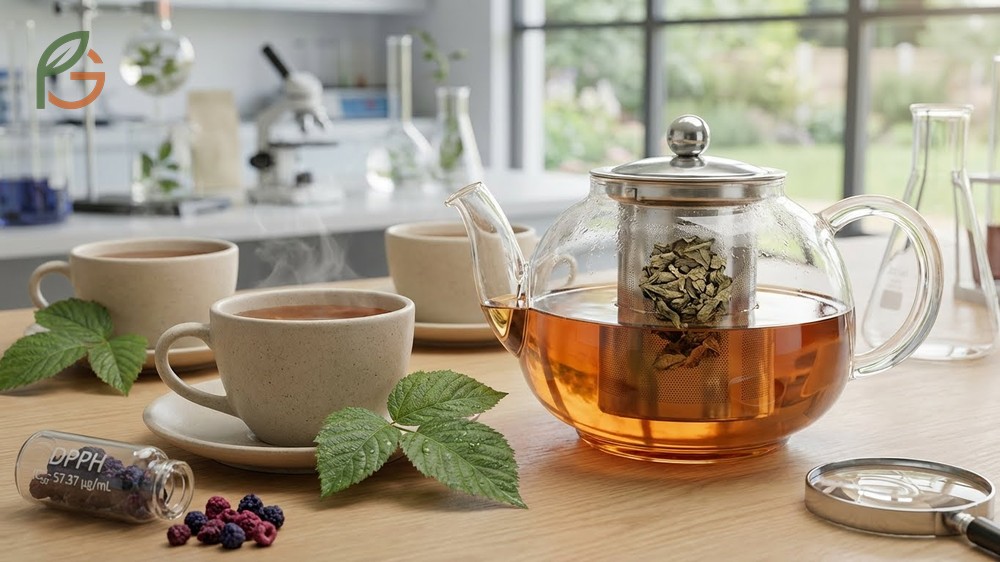
Research demonstrates that blackberry leaves contain significantly higher concentrations of bioactive compounds than many recognize. The Loch Tay variety shows the highest antioxidant activity with DPPH IC₅₀ values of 57.37 μg/mL[1]. This concentration surpasses many commercial antioxidant supplements.
Studies indicate these leaves function as functional foods beyond traditional berry classification. The phenolic compounds protect cells from oxidative stress through multiple mechanisms[2]. Most people don’t realize that leaf compounds remain stable during the drying and fermentation process.
Current agricultural data shows blackberry cultivation byproducts offer therapeutic potential equal to the fruit itself. Evidence suggests regular consumption supports multiple body systems simultaneously through synergistic phytochemical interactions[3].
Powerful Antioxidant Properties
Blackberry leaves contain polyphenols and flavonoids that neutralize free radicals in your body. Research shows these antioxidants protect organs from oxidative damage that accelerates aging[1].
The CUPRAC IC₅₀ value of 62.73 μg/mL and FRAP IC₅₀ of 39.99 μg/mL demonstrate exceptional antioxidant capacity[1]. These measurements indicate the leaves can protect brain cells from neurodegenerative diseases like Alzheimer’s and Parkinson’s.
Digestive System Support
Clinical findings show blackberry leaves contain high concentrations of tannins and flavonoids that soothe digestive discomfort. Studies document effectiveness against diarrhea, bloating, and indigestion[4].
The astringent properties work by tightening intestinal tissues and reducing inflammation in your digestive tract. This mechanism explains why traditional medicine has used blackberry leaf tea for gastrointestinal issues for centuries.
Important Note: Excessive consumption (more than 4 cups daily) can cause nausea or stomach upset due to high tannin content. Limit intake to 1-2 cups per day for optimal benefits without side effects[5].
Blood Sugar Regulation
Water and butanol extracts demonstrate significant hypoglycemic effects in non-insulin dependent diabetes cases. Animal studies show decreased diabetic symptoms when subjects consumed blackberry leaf infusions[2].
The chromium and zinc content in blackberry leaves contributes to improved glucose metabolism. Evidence indicates ellagitannins may inhibit enzymes that break down carbohydrates, resulting in more gradual blood sugar rises after meals[3].
Blackberry Leaf Tea
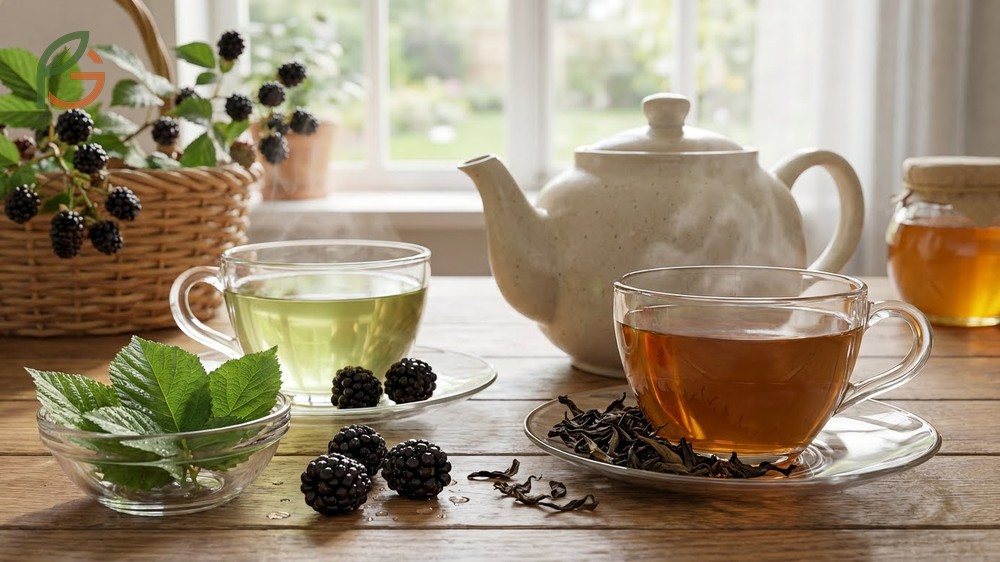
Blackberry leaf tea delivers a subtle herbal flavor with earthy undertones and mild bitterness. The taste profile makes it more palatable than many medicinal teas[4]. Most people find they can drink it without sweeteners once accustomed to the natural taste.
Commercial preparations typically use fermented leaves that develop deeper flavors similar to traditional black tea. Fresh leaves produce lighter, more delicate infusions[2]. Both forms retain therapeutic compounds effectively.
- Fresh leaf infusion: Use 1 heaped teaspoon per cup of boiling water
- Dried leaf preparation: Steep 10 minutes for maximum compound extraction
- Fermented leaf tea: Offers darker color and richer flavor profile
- Cold brewing method: Reduces bitterness while preserving antioxidants
- Blended herbal tea: Combines with mint or chamomile for enhanced taste
Phytochemical Composition
HPLC analysis reveals blackberry leaves contain diverse compounds including alkaloids, flavonoids, tannins, saponins, and terpenoids. Total flavonoid content reaches 7.89 mg/g when expressed as quercetin equivalents[3].
The ellagitannin group dominates phenolic compounds, with lambertianin C ranging from 16.75-123.41 mg/g dry matter. Sanguiin H-6 contributes up to 73.92 mg/g in wild blackberry varieties[3].
Immune System Enhancement
Research shows blackberry leaves provide high vitamin C content that strengthens immune defenses against infections. The antimicrobial properties combat harmful bacteria and viruses through multiple pathways[2].
Studies demonstrate inhibition of myeloperoxidase activity and reactive oxygen species production in activated neutrophils. This cellular-level protection substantiates traditional uses for inflammatory conditions[2].
Medicinal Leaf Tea
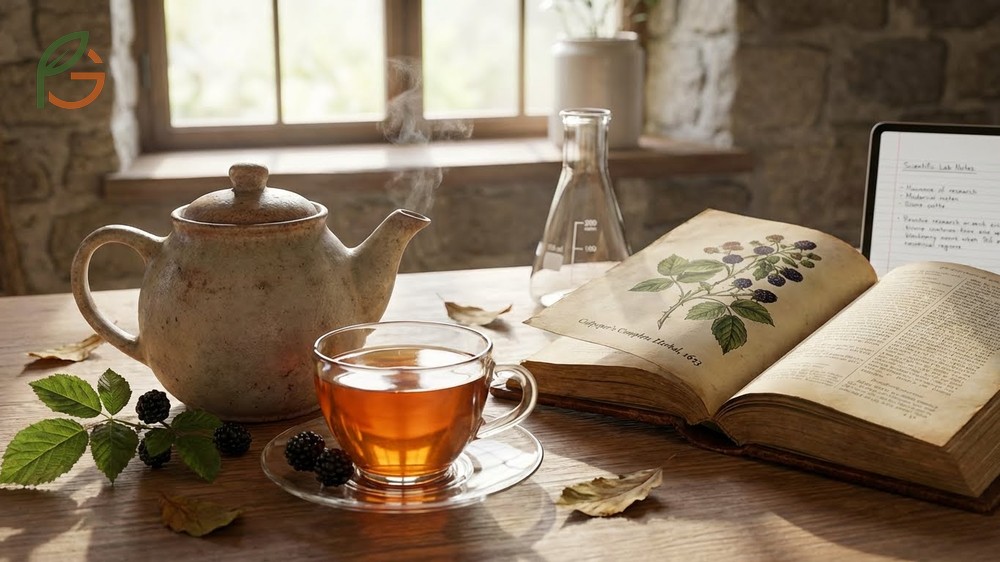
Folk medicine traditions across Europe have documented blackberry leaf applications for centuries. Current evidence validates many of these traditional therapeutic uses through modern scientific methods[4].
Nicholas Culpeper’s 1653 Complete Herbal described blackberry as a useful remedy for general health issues. Modern research confirms the plant materials contain compounds that support multiple organ systems[4].
The diuretic effects promote healthy kidney function by assisting toxin elimination and fluid balance. Studies suggest regular consumption may reduce water retention without electrolyte depletion[2].
Anti-Inflammatory Effects
Blackberry leaf compounds reduce inflammation throughout your body by inhibiting inflammatory pathways. Evidence shows benefits for arthritis, sore muscles, and other inflammatory disorders[2].
When applied topically, the astringent and anti-inflammatory properties treat skin conditions including eczema, psoriasis, and acne. The compounds reduce redness, swelling, and irritation through direct contact[4].
- Sore throat relief: Gargle warm tea to reduce throat inflammation
- Mouth health: Use as mouthwash for gum inflammation and oral hygiene
- Wound care: Apply cooled tea to minor cuts for antimicrobial protection
- Stress reduction: Anti-inflammatory compounds promote mental relaxation
- Cognitive function: Antioxidants protect brain cells from oxidative damage
- Skin treatment: Cool compresses soothe irritated or inflamed skin
Cardiovascular Support
Observational data suggests people who regularly drink blackberry leaf tea show higher cardiovascular health markers. The antioxidant compounds protect blood vessels from oxidative damage[2].
Flavonoids in the leaves may improve endothelial function and reduce arterial stiffness. This mechanism explains potential blood pressure regulation benefits observed in preliminary studies.
Safety Consideration: Pregnant women should consult healthcare providers before consuming blackberry leaf tea. Studies show it may ease labor pain and induce contractions, which could cause complications during early pregnancy[5].
Blackberry Tea Recipe
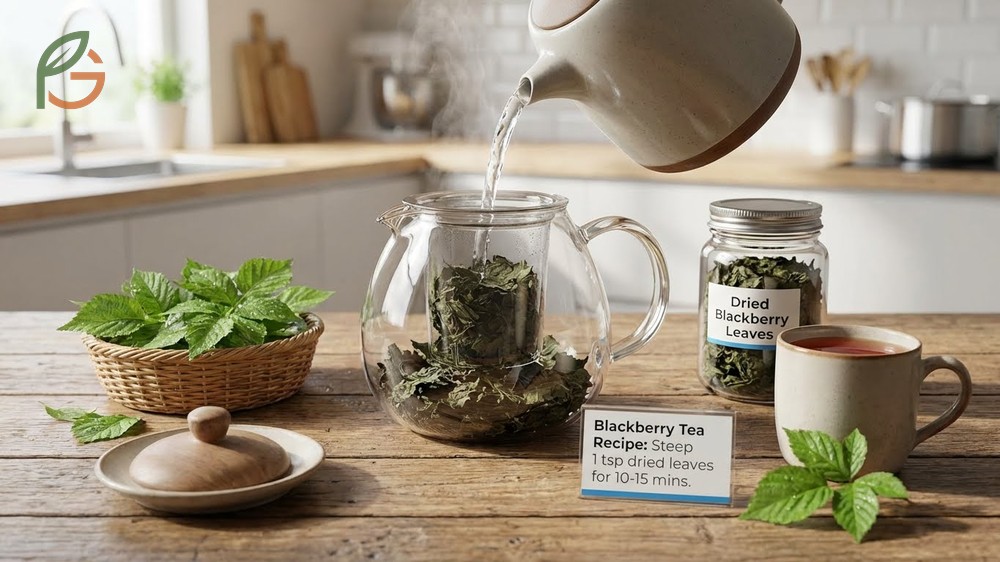
Optimal harvesting occurs in May-June when young leaves contain peak phytochemical concentrations before the plant directs energy toward fruit production[4]. Select bright green leaves without spots or damage for best quality.
The basic preparation method requires minimal equipment and takes 10-15 minutes total. You can use fresh or dried leaves with equal effectiveness[2].
This table compares three brewing methods for blackberry leaf tea showing water temperature, steeping time, and optimal use cases
| Method | Water Temperature | Steeping Time | Best For |
|---|---|---|---|
| Hot Infusion | 212°F (100°C) | 10 minutes | Maximum compound extraction |
| Gentle Steep | 185°F (85°C) | 5-7 minutes | Reduced bitterness, delicate flavor |
| Cold Brew | Room temperature | 8-12 hours | Smooth taste, preserved antioxidants |
For a standard cup, measure 1 heaped teaspoon of dried blackberry leaves into a tea infuser or bag. Pour freshly boiled water over the leaves and steep for 10 minutes. Remove the infuser and drink warm between meals for digestive benefits[4].
You can enhance the flavor by blending blackberry leaves with complementary herbs. Mint adds refreshing notes while chamomile creates a calming evening blend. Honey or lemon balances any bitterness without diminishing therapeutic properties.
- Rinse fresh leaves thoroughly under cool water to remove debris
- Pat leaves dry with clean towels or air dry for 30 minutes
- Spread leaves in single layer on drying racks in well-ventilated area
- Dry for 7-10 days until leaves crumble easily when touched
- Store in airtight glass containers away from light for up to 1 year
Traditional Herbal Remedy
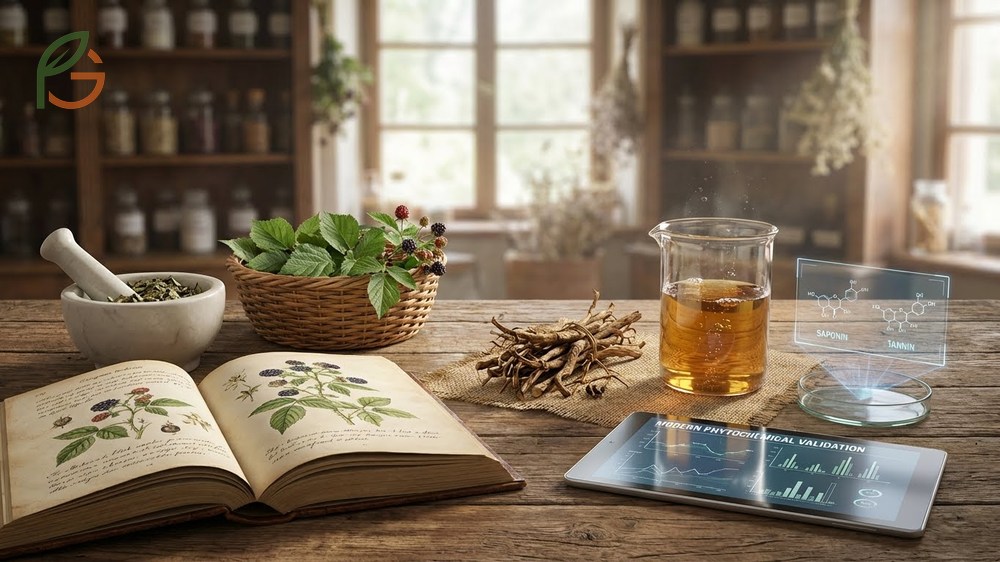
European folk medicine practitioners have prescribed blackberry leaf preparations for purifying, diuretic, and mucolytic effects spanning centuries. Modern phytochemical analysis validates these traditional applications through documented mechanisms[4].
The root contains saponins and tannins that complement leaf flavonoids for comprehensive therapeutic effects. Historical texts describe using different plant parts for specific conditions[4].
Commercial blackberry leaf products predominantly come from wild harvests rather than cultivation. This sourcing method ensures higher phytochemical concentrations found in plants growing under natural stress conditions[3].
- Respiratory support: Mucolytic properties help clear lung congestion
- Urinary health: Diuretic effects support kidney and bladder function
- Female reproductive system: Traditional tonic for menstrual regulation
- General tonic: Daily consumption for overall vitality and wellness
- Detoxification: Purifying properties support liver and lymphatic system
- Oral health: Gargling solution for mouth sores and gum inflammation
- Postpartum recovery: Traditional use for uterine toning after childbirth
Research continues to explore additional therapeutic applications beyond traditional uses. Current studies investigate angiogenic activities that may support tissue healing and regeneration[2].
Conclusion
The evidence is clear: blackberry leaves tea benefits rival those of the fruit itself, offering concentrated antioxidants, anti-inflammatory compounds, and therapeutic effects supported by rigorous scientific research. Current data demonstrates these leaves contain 101.31 mg GAE/g phenolic compounds[1] with proven applications for digestive health, blood sugar regulation, and immune support.
Current guidance emphasizes sustainable harvesting methods and proper preparation techniques to maximize therapeutic potential while minimizing side effects. FruitGarden encourages readers to explore this accessible herbal remedy as part of a holistic approach to health and wellness grounded in both traditional wisdom and modern scientific validation.
Medical Disclaimer
Important Medical Disclaimer: This content is for informational and educational purposes only. It is not intended as a substitute for professional medical advice, diagnosis, or treatment. Always consult a qualified healthcare professional before making any changes to your diet, medication, or health routine, especially if you have diabetes, digestive disorders, or other medical conditions. Pregnant or nursing women should seek medical guidance before consuming blackberry leaf tea. Individual responses to herbal remedies vary, and what works for one person may not be appropriate for another.
Frequently Asked Questions
What Are the Main Health Benefits of Blackberry Leaf Tea?
Blackberry leaf tea provides powerful antioxidants with 101.31 mg GAE/g total phenolic compounds[1], supports digestive health through high tannin content, regulates blood sugar levels in diabetic studies[2], and enhances immune function. The tea also offers anti-inflammatory effects beneficial for arthritis and cardiovascular support through flavonoid compounds.
How Do You Prepare Blackberry Leaf Tea Properly?
Use 1 heaped teaspoon of dried blackberry leaves per cup of boiling water at 212°F (100°C). Steep for 10 minutes to extract maximum compounds[4], then remove leaves and drink warm between meals. You can also cold brew by steeping leaves in room temperature water for 8-12 hours for smoother taste.
Are There Any Side Effects of Drinking Blackberry Leaf Tea?
Excessive consumption exceeding 4 cups daily can cause nausea, vomiting, diarrhea, or abdominal cramps due to high tannin content[5]. Limit intake to 1-2 cups per day for optimal benefits. Pregnant women should avoid this tea as it may induce contractions. People with plant allergies should test small amounts first.
When Is the Best Time to Harvest Blackberry Leaves?
Harvest young blackberry leaves in May-June before the plant forms berries for peak phytochemical concentrations[4]. Select bright green leaves without damage or spots. This timing ensures the highest levels of therapeutic compounds before the plant redirects energy to fruit production.
Can Blackberry Leaf Tea Help With Diabetes?
Research shows blackberry leaf extracts demonstrate significant hypoglycemic effects in animal studies with non-insulin dependent diabetes[2]. The chromium and zinc content plus ellagitannins may help regulate blood sugar levels. However, diabetics should consult healthcare providers before using as supplement and continue prescribed medications.
How Does Blackberry Leaf Tea Compare to Green Tea?
Blackberry leaf tea contains different antioxidant compounds than green tea, with higher ellagitannin content (51.59-251.01 mg/g)[3] versus green tea’s catechins. Both offer powerful antioxidant protection but through different mechanisms. Blackberry leaf tea provides superior digestive support while green tea excels in metabolism boosting.
What Does Blackberry Leaf Tea Taste Like?
Blackberry leaf tea has a subtle herbal flavor with earthy undertones and mild bitterness[4]. The taste is less bitter than many medicinal teas. Fermented leaves develop deeper flavors similar to black tea while fresh leaves produce lighter, more delicate infusions. You can blend with mint or honey to enhance palatability.





