
Are blackberries good for you? Yes, research shows these dark berries deliver exceptional nutritional value with just 62 calories and 7.6 grams of fiber per cup[1]. Studies demonstrate that blackberries provide powerful antioxidants called anthocyanins that support heart health, brain function, and blood sugar control[2]. FruitGarden synthesizes current nutritional research and agricultural data to help you understand which fruits deliver the most health benefits for your garden and diet.
Quick Answer
- Blackberries contain 62 calories and 7.6g fiber per cup, making them excellent for weight management[1]
- With a glycemic index of 25 and glycemic load of 4, they’re ideal for diabetics[3]
- One cup provides 30.2mg vitamin C (33% daily value) for immune support and collagen production[4]
- Research shows blackberry anthocyanins improve memory, cognitive function, and cardiovascular health[5]
Are Blackberries Good for You
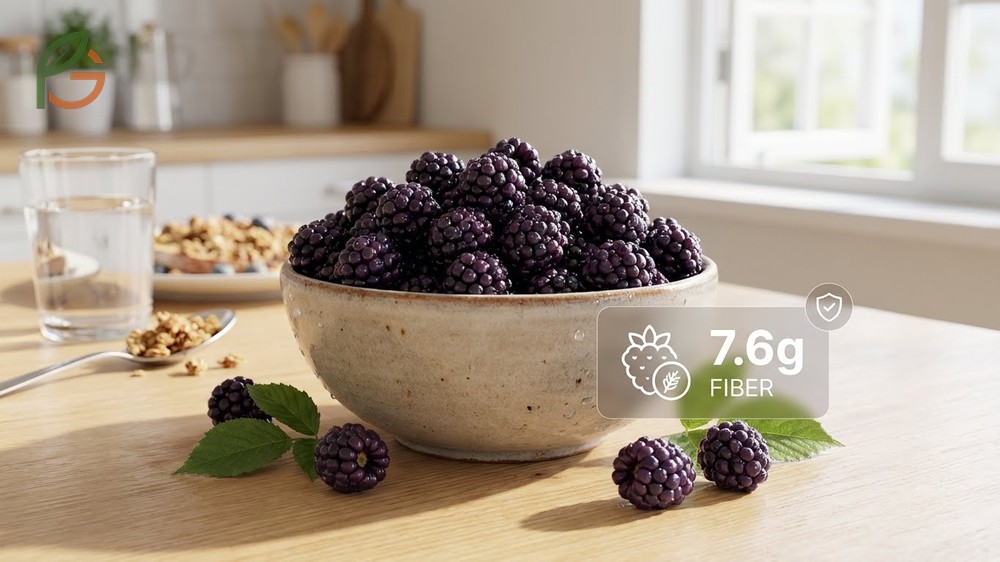
Research demonstrates that blackberries rank among the most nutrient-dense fruits available. One cup delivers only 62 calories while providing 7.6 grams of fiber, which represents 29% of your daily fiber needs[1].
The deep purple color signals high concentrations of anthocyanins, powerful antioxidants that protect cells from oxidative damage. Studies show these compounds fight free radicals more effectively than many other fruits[2].
Most people don’t realize that blackberries provide more fiber per serving than most other berries. This high fiber content slows sugar absorption, promotes digestive health, and increases satiety to support weight management goals.
Nutritional Profile of Blackberries
One cup of fresh blackberries (144g) contains 13.8 grams of carbohydrates, 2 grams of protein, and less than 1 gram of fat[1]. The berry provides 233mg potassium, 29mg calcium, and 29mg magnesium.
Vitamin content stands out particularly for vitamin C at 30.2mg per cup, which equals 33% of daily requirements[4]. Blackberries also deliver vitamin K for bone health and folate for cell function.
This table compares key nutrients in one cup of blackberries against daily value percentages, showing calories, macronutrients, fiber, and essential vitamins
| Nutrient | Amount | Daily Value % | Health Impact |
|---|---|---|---|
| Calories | 62 kcal[1] | 3% | Low-calorie weight management |
| Fiber | 7.6g[1] | 29% | Digestive health, blood sugar control |
| Vitamin C | 30.2mg[4] | 33% | Immune function, collagen synthesis |
| Carbohydrates | 13.8g[1] | 5% | Energy with low glycemic impact |
| Potassium | 233mg[1] | 5% | Blood pressure regulation |
Antioxidant Power of Anthocyanins
Anthocyanins give blackberries their dark purple hue and exceptional antioxidant capacity. Research shows anthocyanin content in ripe blackberries significantly exceeds levels found in raspberries[2].
These compounds neutralize free radicals that damage cells and accelerate aging. The antioxidant fractions in blackberry fruit demonstrate powerful protective effects at the cellular level.
Important Note: What often gets overlooked is that anthocyanin content increases as blackberries ripen. Choose fully ripe, deep purple berries for maximum antioxidant benefits.
Health Benefits of Blackberries
Studies demonstrate that regular blackberry consumption supports multiple body systems simultaneously. Current data indicates the combination of fiber, vitamins, and polyphenols creates synergistic effects that amplify individual nutrient benefits.
Evidence suggests that eating berries with high anthocyanin content reduces chronic disease risk. Research links berry consumption to improved metabolic markers, reduced inflammation, and enhanced cellular protection across age groups.
- Reduces oxidative stress and cellular damage from free radicals
- Supports healthy blood pressure through potassium and polyphenol content
- Improves insulin sensitivity and glucose metabolism
- Enhances immune system function via vitamin C and antioxidants
- Promotes digestive health and regularity through high fiber content
- Protects against age-related cognitive decline
Blackberries for Heart Health
Research demonstrates that blackberry anthocyanins improve cardiovascular function through multiple mechanisms. Studies show these compounds enhance endothelial function, reduce arterial stiffness, and lower blood pressure in adults with elevated readings.
The anti-inflammatory properties of blackberry polyphenols protect blood vessels from chronic inflammation. This matters because vascular inflammation contributes significantly to atherosclerosis development and cardiovascular disease progression.
Most people find that adding one cup of blackberries daily provides measurable cardiovascular benefits within 4-8 weeks. The combination of fiber, potassium, and anthocyanins works together to support healthy cholesterol levels and blood pressure.
Blackberries and Brain Health
Studies on aged rats showed that a 2% blackberry-supplemented diet improved motor performance on balance and coordination tasks[5]. Research found significantly greater working memory performance in blackberry-fed subjects compared to control groups.
The antioxidants in berry fruits alter how brain neurons communicate while fighting free radicals. This reduces brain inflammation that leads to cognitive and motor issues common with aging.
Evidence indicates that anthocyanins don’t just protect neurons—they actively enhance neuroplasticity. The reason is simple: these compounds influence signaling pathways involved in cell survival, neurotransmission, and memory formation.
Are Blackberries Good for Diabetics
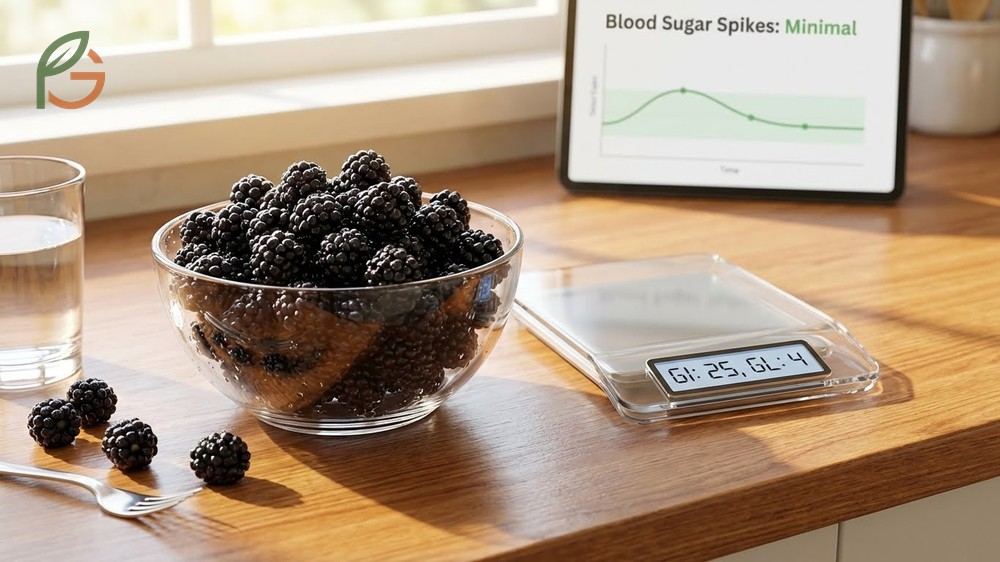
Blackberries rank as one of the best fruit choices for diabetics due to their low glycemic index of 25 and glycemic load of just 4[3]. These low values mean blackberries cause minimal blood sugar spikes compared to higher-GI fruits.
Research shows that dietary berries improve insulin resistance in overweight and obese adults, especially those with documented insulin resistance[6]. The high fiber content in blackberries slows sugar digestion and absorption, preventing rapid glucose elevation.
For instance, eating blackberries at breakfast instead of high-GI fruits like watermelon or pineapple leads to better glycemic control throughout the morning. The fiber and anthocyanins work together to moderate blood sugar response for 2-3 hours after consumption.
- Pair blackberries with Greek yogurt for protein that further stabilizes blood sugar
- Add chia seeds to blackberry smoothies for extra fiber and omega-3 fatty acids
- Consume 1 cup (150g) daily as part of balanced meals rather than isolated snacks
- Choose fresh or frozen blackberries over dried versions with concentrated sugars
- Monitor blood sugar 30-60 minutes after consumption to track individual response
Diabetic Tip: Studies found that consuming around 150 grams of blackberries per day under normal conditions shows beneficial effects on blood sugar management. Always monitor your individual glucose response and consult your healthcare provider before making dietary changes.
Blackberry Benefits for Female
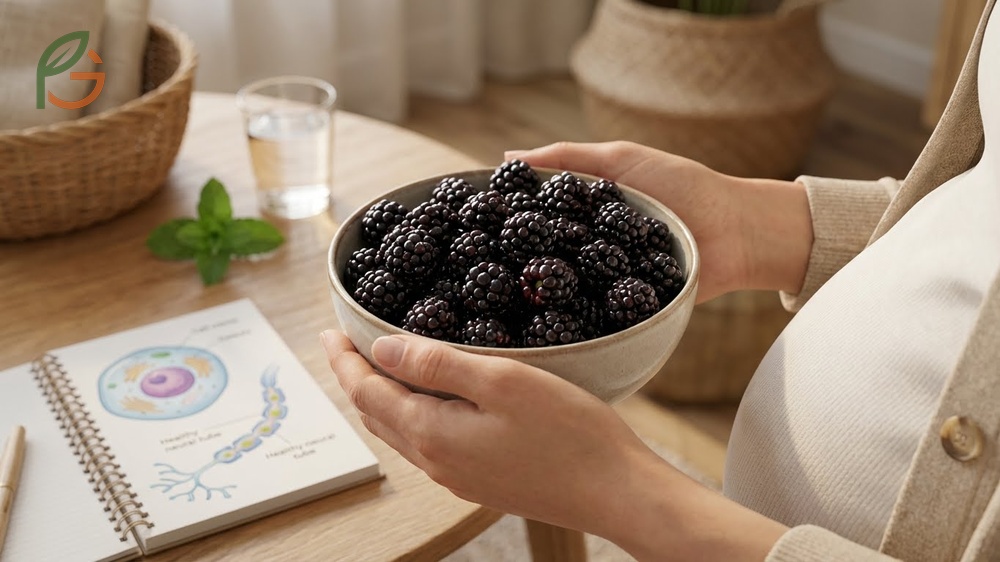
Research demonstrates that blackberries provide specific benefits for women’s health across different life stages. The folate content supports cellular function and becomes particularly important during reproductive years.
Evidence shows that blackberries during pregnancy deliver essential nutrients for both mother and developing baby. One cup provides 25 micrograms of folate, which supports fetal neural tube development and reduces birth defect risk[7].
The vitamin C content in blackberries enhances iron absorption, helping prevent pregnancy-related anemia. The fiber relieves constipation, which affects up to 40% of pregnant women, while anthocyanins support maternal cardiovascular health during increased circulatory demands.
- Folate supports fetal brain and spine development during pregnancy
- Calcium, iron, and magnesium promote bone formation in developing babies
- Vitamin C boosts collagen production for skin elasticity during pregnancy changes
- Antioxidants combat oxidative stress from hormonal fluctuations
- Low calorie content satisfies sweet cravings without excess weight gain
- Natural fiber prevents pregnancy-related digestive issues
Pregnancy Guidance: One cup of blackberries daily is safe and beneficial throughout pregnancy. Wash berries thoroughly to remove pesticide residue—organic options are ideal for expectant mothers.
Blackberry Benefits for Male
Studies reveal that blackberry polyphenol consumption increases sperm quality and production in males[8]. Research found that blackberry extract improved fertility rates and increased plasma antioxidant capacity without causing reproductive toxicity.
The antioxidants in blackberries protect sperm from oxidative damage that impairs motility and DNA integrity. Unlike high oxidative stress environments that lead to subfertility, moderate antioxidant intake from berries supports normal sperm physiology including capacitation and fertilizing ability.
While there’s no direct evidence that blackberries boost testosterone levels, their vitamin C and manganese content supports overall hormonal health. The anti-inflammatory properties help reduce prostate inflammation, potentially aiding conditions like benign prostatic hyperplasia.
- Enhances sperm production and quality through antioxidant protection
- Supports testosterone production indirectly by reducing oxidative stress
- Reduces prostate inflammation through ellagic acid and polyphenols
- Improves vascular function for better blood flow throughout the body
- Provides manganese for testosterone synthesis and hormonal balance
Current guidance suggests ½ to 1 cup (50-100 grams) of blackberries daily provides optimal male health benefits. Research showed no alterations in testosterone levels, testicular structure, or sperm morphology from berry polyphenol supplementation, confirming safety for regular consumption.
Blackberry Benefits for Skin
Research demonstrates that blackberries deliver multiple skin benefits through their vitamin and antioxidant content. The 30.2mg of vitamin C per cup supports collagen synthesis, which maintains skin structure and elasticity.
Studies show that blackberry extract protects skin from UVB damage through antioxidant activity. The anthocyanins specifically protect keratinocytes—the epidermal cells in your skin barrier—from UV-induced cellular damage.
Vitamin A in blackberries helps slow visible signs of aging like wrinkles, fine lines, and age spots. The vitamin K content may fade scars, stretch marks, and sun spots by supporting skin repair processes at the cellular level.
- Vitamin C promotes collagen production for firm, youthful skin texture
- Anthocyanins protect against UV radiation and environmental stressors
- Vitamin A reduces appearance of wrinkles and improves skin elasticity
- Antioxidants neutralize free radicals that accelerate skin aging
- Vitamin K helps fade hyperpigmentation and visible skin irregularities
What often gets overlooked is that consuming blackberries provides more skin benefits than topical applications alone. The nutrients work systemically to support skin health from the inside out, complementing external skincare routines.
Conclusion
The evidence is clear: blackberries are good for you, delivering exceptional nutrition with only 62 calories per cup while providing nearly 30% of your daily fiber needs. Research demonstrates specific benefits for diabetics through low glycemic impact, for women through pregnancy-supporting folate, and for men through fertility-enhancing antioxidants.
Current nutritional guidance emphasizes that the anthocyanins in blackberries actively improve cardiovascular health, brain function, and cellular protection—not just prevent decline. Adding one cup of fresh blackberries to your daily diet provides measurable health benefits across multiple body systems. FruitGarden continues to synthesize emerging research on fruit nutrition to help you make informed choices about growing and consuming nutrient-dense berries.
Medical Disclaimer
Important Medical Disclaimer: This content is for informational and educational purposes only. It is not intended as a substitute for professional medical advice, diagnosis, or treatment. Always consult a qualified healthcare professional before making any changes to your diet, medication, or health routine, especially if you have diabetes, are pregnant, or have other medical conditions. Individual nutritional needs and responses vary—what works for one person may not be appropriate for another.
Frequently Asked Questions
How many blackberries should I eat per day?
Research suggests 1 cup (144g or about 150g) of blackberries daily provides optimal health benefits for most adults. Studies show this amount delivers sufficient fiber, antioxidants, and vitamins without excessive sugar intake. For diabetics, start with ½ cup and monitor blood sugar response before increasing portions.
Are blackberries better than blueberries for health?
Both berries offer exceptional nutrition, but blackberries provide more fiber (7.6g versus 3.6g per cup) while blueberries contain slightly higher anthocyanin concentrations. Blackberries deliver better digestive health and blood sugar control, while blueberries show stronger brain health effects. Include both varieties for comprehensive benefits.
Can blackberries help you lose weight?
Yes, studies found that blackberry consumption inhibited body weight gain by 40.5% in research subjects. The combination of only 62 calories per cup with 7.6g fiber increases satiety and reduces overall calorie intake. The fiber also slows digestion, keeping you fuller longer between meals.
Are blackberry seeds good for you?
Yes, blackberry seeds contribute significantly to the fruit’s fiber content and provide omega-3 and omega-6 fatty acids. The seeds contain additional antioxidants and are completely safe to eat. Don’t strain them out—they enhance the nutritional value and digestive benefits of blackberries.
What is the best time to eat blackberries?
Eating blackberries at breakfast provides sustained energy and blood sugar control for 3-4 hours due to their fiber content. Consuming them 30-60 minutes before exercise supplies antioxidants that reduce exercise-induced oxidative stress. Avoid eating them on an empty stomach if you have sensitive digestion—pair with protein or yogurt.
Do frozen blackberries have the same benefits as fresh?
Yes, frozen blackberries retain nearly identical nutritional value as fresh berries. Freezing preserves anthocyanins, vitamins, and fiber content effectively. Studies show minimal nutrient loss during proper freezing. Choose unsweetened frozen blackberries to avoid added sugars—they’re an economical, year-round alternative to fresh berries.
Can eating too many blackberries be harmful?
Excessive blackberry consumption (more than 2-3 cups daily) may cause digestive discomfort due to high fiber content, including bloating or diarrhea. The natural salicylates in blackberries might trigger reactions in sensitive individuals. For most people, 1-2 cups daily is safe and provides maximum benefits without side effects.





