
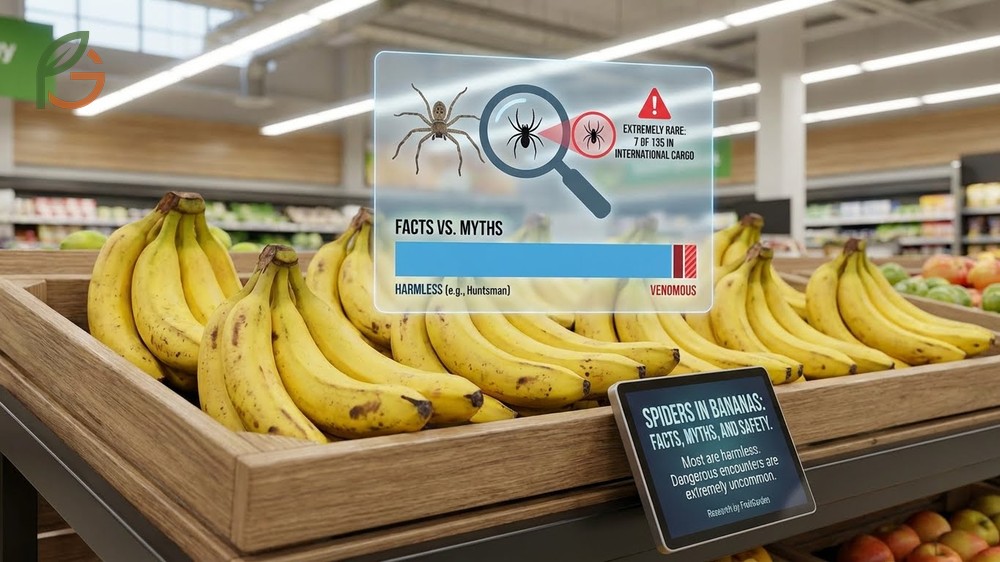
Spiders in bananas are rare, and most are harmless species like the pantropical huntsman spider. Research shows only 7 of 135 spiders found in international cargo shipments were venomous Brazilian wandering spiders[1], making dangerous encounters extremely uncommon. FruitGarden synthesizes current arachnology research and safety data to help you understand what’s real and what’s myth when it comes to grocery store spider risks.
Quick Answer
- Only 5.2% of spiders in banana shipments are venomous Phoneutria species[1]
- The pantropical huntsman spider (Heteropoda venatoria) is the most common hitchhiker—it’s harmless to humans[2]
- Brazilian wandering spider bites required antivenom in just 2.3% of 422 cases studied[3]
- Most reported “deadly spider” incidents turn out to be misidentifications of harmless Cupiennius species[2]
Spiders in Bananas
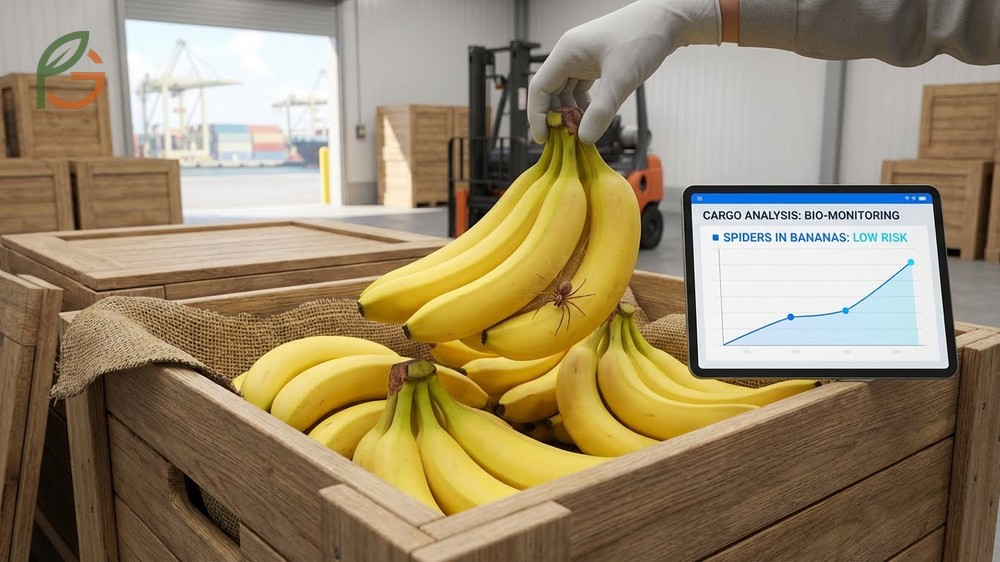
Studies show that banana shipments do occasionally contain spiders, but the risk is far lower than sensational headlines suggest. Research tracking international cargo revealed that 67% of spider discoveries occurred in banana shipments when cargo type was identified[2]. Most of these eight-legged stowaways are harmless species that pose no threat to humans.
The confusion around dangerous spiders stems from legitimate but rare cases. Between incidents documented in the UK, Germany, and the United States, actual Brazilian wandering spiders (Phoneutria species) account for less than 6% of all spiders found[1]. The majority are species like huntsman spiders that look intimidating but can’t cause serious harm.
Geography matters when assessing risk. Brazilian wandering spiders live in South American rainforests, not commercial banana plantations[3]. This means your chances of encountering one shrink dramatically unless bananas originate from wild-harvested areas rather than managed farms.
How Common Are Spiders in Banana Shipments
Documented cases suggest spider encounters happen infrequently. One arachnologist handling international shipments reported finding a maximum of 15 spiders per year, and documented only about half of the incidents reported to fruit importers[4]. This data comes from someone specifically monitoring shipments, not typical grocery store conditions.
Most spiders don’t survive the journey from tropical farms to American stores. Temperature-controlled shipping, handling processes, and the time elapsed between harvest and shelf placement create hostile conditions for tropical arachnids. The spiders that do make it through are usually dead or severely weakened by the time consumers see them.
Species Most Often Found
The pantropical huntsman spider dominates spider discoveries in banana cargo. This species, scientifically known as Heteropoda venatoria, can grow large with distinctive white markings and long legs[2]. Despite its imposing appearance, its bite causes minimal harm—comparable to a minor bee sting.
The red-faced banana spider (Cupiennius chiapanensis) ranks as the second most common species. These spiders come from Ecuador and Central America, where many commercial bananas originate[4]. They’re often misidentified as Brazilian wandering spiders due to similar appearance, but they lack dangerous venom.
- Pantropical huntsman spider (Heteropoda venatoria) – large size, white markings, harmless bite
- Red-faced banana spider (Cupiennius chiapanensis) – brown coloring, frequently misidentified
- Spotlegged banana spider (Cupiennius getazi) – similar appearance to dangerous species, but safe
- Golden silk orb-weaver (Nephila clavipes) – creates golden webs, rarely in shipments
- Various small jumping spiders – pose zero threat to humans
Important Note: Even experienced American arachnologists have misidentified harmless Cupiennius spiders as highly toxic Phoneutria species[2]. If you find a spider, don’t rely on appearance alone—contact pest control or capture it safely for professional identification.
Banana Spiders Dangerous
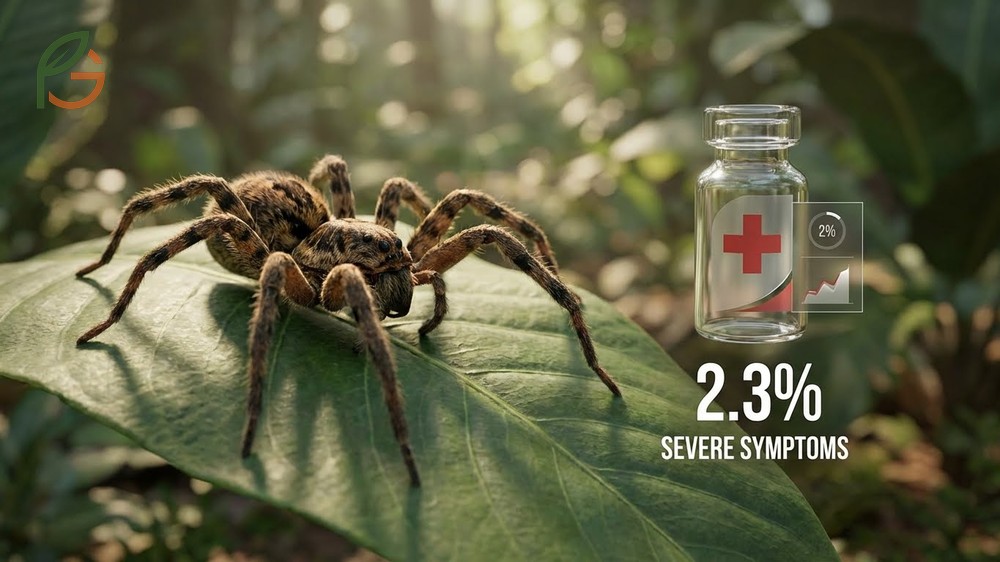
The term “banana spider” creates confusion because it refers to multiple species with vastly different risk levels. Only the Brazilian wandering spider (Phoneutria genus) poses serious medical danger. Research tracking 422 bite cases in coastal Brazil found that severe symptoms requiring antivenom occurred in just 2.3% of incidents, with a single fatality—a small child[3]. This demonstrates that even confirmed bites rarely become life-threatening.
The majority of spiders labeled “banana spiders” in the United States are harmless orb-weavers. These include the golden silk spider (Trichonephila clavipes), which creates impressive webs in southeastern gardens but delivers bites no worse than bee stings. What looks scary—large body size, bright coloring, prominent webs—doesn’t correlate with actual danger in most cases.
Risk assessment should focus on probability, not just possibility. You’re statistically more likely to experience an allergic reaction to the banana itself than encounter a medically significant spider bite from produce[4]. Modern supply chains, inspection protocols, and the rarity of truly venomous species all reduce real-world danger.
Brazilian Wandering Spider Venom
Phoneutria venom affects the nervous system through neurotoxins. The most potent species, Phoneutria fera, carries venom that can cause severe pain, profuse sweating, elevated blood pressure, and irregular heartbeat[5]. Symptoms typically begin within minutes of a bite and can progress rapidly in untreated cases.
One unusual symptom sets Phoneutria bites apart: priapism, a painful and prolonged erection in male victims. Case reports document this occurring alongside other neurological symptoms like tremors, blurred vision, and excessive salivation[6]. This distinctive reaction helps medical professionals distinguish Brazilian wandering spider bites from other spider envenomations.
Antivenom development in 1996 dramatically improved outcomes. Modern treatment combines antivenom with pain management, antihypertensive medications for blood pressure control, and supportive care. Most patients recover fully within 24-48 hours when treated promptly.
Harmless Look-Alikes
Cupiennius spiders cause the most false alarms in grocery stores. These Central American species share the Brazilian wandering spider’s brown coloring, large size, and defensive posture, but their venom poses minimal risk. Studies show that even experienced arachnologists confuse these species, leading to unnecessary store evacuations and costly eradication measures[2].
The pantropical huntsman spider also triggers panic despite being harmless. Its leg span can reach 4-5 inches, and it moves quickly when disturbed. These traits make it appear threatening, but its bite causes only temporary localized pain—no systemic effects or medical complications.
This table compares identifying features and danger levels of venomous Brazilian wandering spiders versus harmless look-alike species commonly found in banana shipments
| Feature | Brazilian Wandering Spider | Cupiennius Species | Pantropical Huntsman |
|---|---|---|---|
| Body Length | 1.7-2 inches[5] | 1-1.5 inches | 0.9-1.1 inches |
| Leg Span | Up to 5 inches | 3-4 inches | 4-5 inches |
| Identifying Marks | Dark spots on ventral abdomen | Distinct banding on legs | White mustache-like markings[2] |
| Defensive Posture | Raises front legs high, displays red chelicerae | Raises front legs moderately | Flattens body, runs away |
| Danger Level | High – medical attention required | Low – minor pain only | Minimal – comparable to bee sting |
Brazilian Wandering Spider
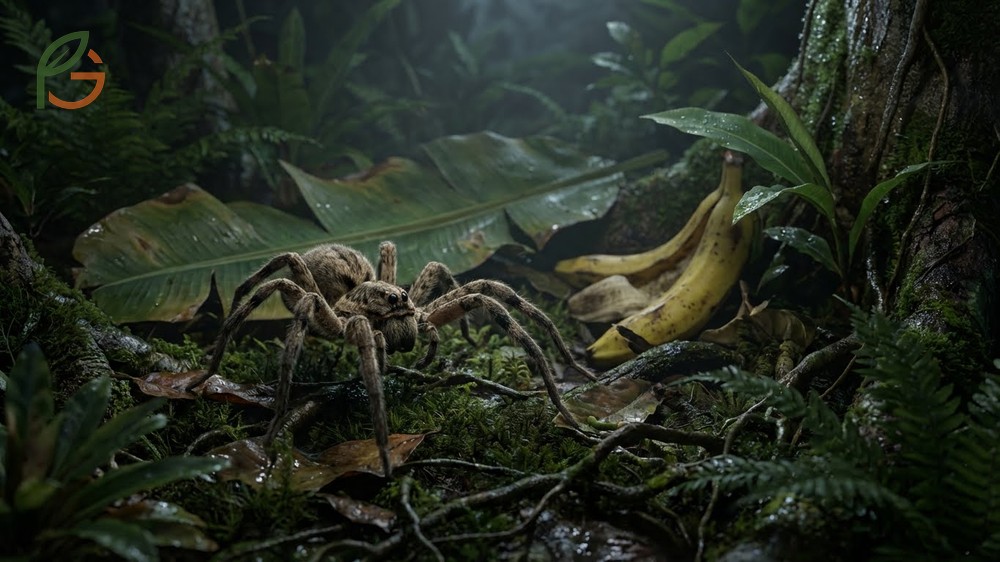
Eight species comprise the Phoneutria genus, all native to South America. The name “wandering spider” comes from their nocturnal hunting behavior—they don’t build webs, but actively roam forest floors searching for prey. This behavior occasionally brings them into contact with banana workers during nighttime harvesting operations.
Phoneutria fera represents the most venomous species within the genus. It’s a true rainforest specialist living deep in the Amazon basin, making encounters with commercial agriculture extremely rare[3]. Phoneutria nigriventer and Phoneutria boliviensis appear more frequently in agricultural areas, though they carry less potent venom than P. fera.
These spiders display aggressive defensive behavior when threatened. Unlike many spiders that flee, Brazilian wandering spiders stand their ground, raise their front legs in a distinctive threat display, and readily bite if provocation continues. This defensive strategy evolved to deter predators but puts humans at risk during accidental encounters.
Bite Symptoms
Immediate intense pain marks the onset of a Brazilian wandering spider bite. Victims describe a burning sensation that spreads from the bite site within seconds. Unlike many spider bites that cause delayed symptoms, Phoneutria envenomation produces rapid effects due to fast-acting neurotoxins.
Systemic symptoms emerge within 10-30 minutes of severe bites. These include profuse sweating, rapid heartbeat (tachycardia reaching 150+ beats per minute in documented cases), blurred vision, and uncontrollable tremors[6]. Blood pressure fluctuations can occur, with hypertension being most common but hypotension possible in severe cases.
Respiratory complications develop in the most serious envenomations. Victims may experience difficulty breathing (dyspnea), increased respiratory rate (tachypnea), and in extreme cases, respiratory paralysis. Children face higher risk of severe symptoms due to smaller body mass relative to venom dose.
- Mild symptoms: Intense localized pain, redness, swelling at bite site
- Moderate symptoms: Profuse sweating, nausea, vomiting, muscle spasms
- Severe symptoms: Rapid heartbeat (>150 bpm), blurred vision, tremors, agitation
- Critical symptoms: Respiratory distress, blood pressure instability, cardiac arrhythmias
- Distinctive symptoms: Priapism in males, salivation, cold extremities
Treatment Protocols
First aid begins with keeping the victim calm and immobilizing the affected limb. Movement accelerates venom spread through lymphatic circulation. Clean the bite area with soap and water, then apply a cloth-covered ice pack for 10-minute intervals to reduce pain and slow venom absorption.
Medical professionals assess bite severity using symptom progression. Mild cases receive pain management and observation only. Moderate to severe cases require antivenom administration—Brazil produces a specific Phoneutria antivenom that neutralizes the venom’s neurotoxic effects when given promptly.
Supportive care addresses individual symptoms. Doctors prescribe antihypertensive medications for elevated blood pressure, benzodiazepines for muscle spasms and anxiety, and antihistamines for allergic reactions. Most treated patients show significant improvement within 24 hours, with complete recovery expected in 2-3 days.
Emergency Action Required: If you suspect a Brazilian wandering spider bite, seek immediate medical attention. Don’t attempt to catch or kill the spider—prioritize getting to a hospital. Antivenom works best when administered within 2-4 hours of envenomation.
Spiders in Shipments
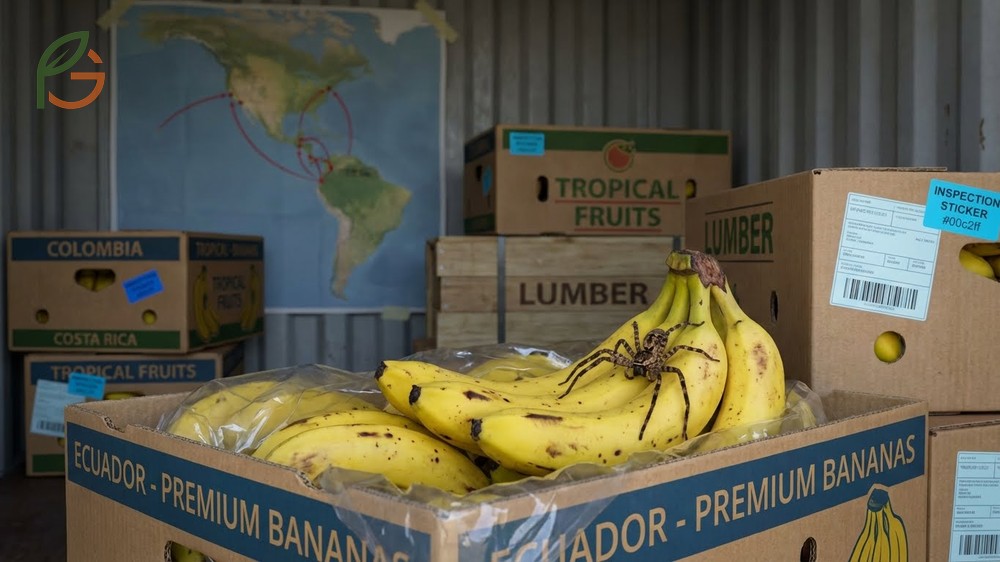
International cargo creates pathways for spider dispersal beyond their natural ranges. Bananas accounted for 79 of 118 identified cargo types containing spiders in comprehensive surveys[2]. Other tropical fruits, lumber, and plant materials also harbor hitchhiking arachnids, though at lower frequencies than banana shipments.
Ecuador, Colombia, and Central American countries source the majority of bananas entering North American markets. These regions overlap with the natural ranges of both harmless huntsman spiders and occasional Phoneutria species. Temperature and handling during the 7-14 day shipping process eliminate many spiders before arrival.
Inspection protocols at ports and distribution centers catch some spiders but can’t guarantee complete screening. The sheer volume of produce imports—millions of boxes weekly—makes individual inspection impractical. Industry relies on temperature control, fumigation when appropriate, and rapid detection systems rather than exhaustive searching.
- Shipping duration: 7-14 days from harvest to store, most spiders don’t survive
- Temperature control: Refrigerated containers (54-57°F/12-14°C) hostile to tropical species
- Handling process: Multiple transfers and jostling reduce spider viability
- Fumigation: Some shipments receive treatment that kills arthropod pests
- Seasonal variation: Spider encounters peak during warmer months when spiders are more active
Grocery Store Spiders
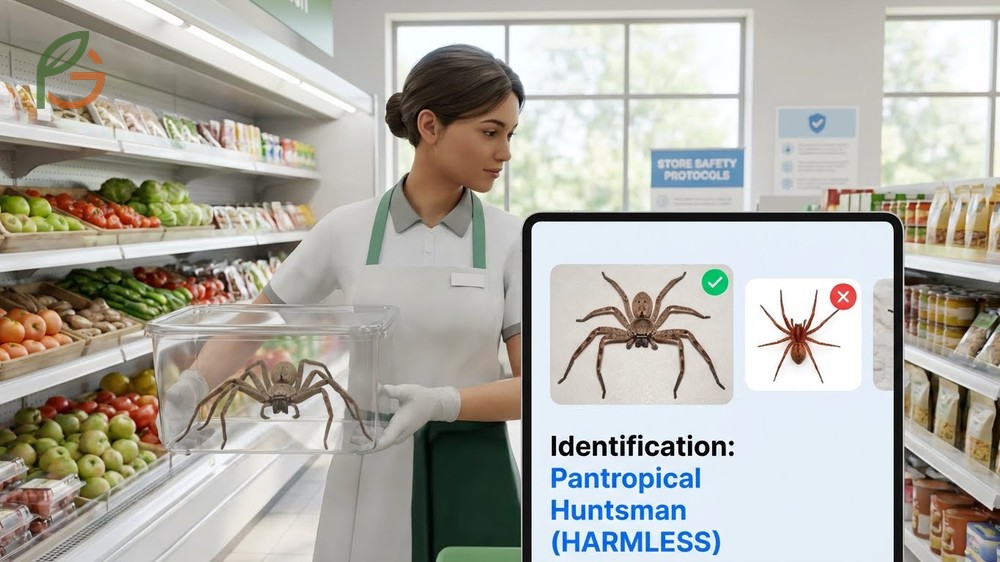
Documented incidents at grocery stores make headlines but remain statistically rare. Reports from the UK, Germany, and United States show that most “deadly spider” discoveries turn out to be harmless species upon professional identification. A 2022 case in Bavaria, Germany initially identified as a Brazilian wandering spider proved to be a pantropical huntsman after expert examination[7].
Store employees should follow standard protocols when discovering spiders. Don’t attempt to handle the spider directly—use a container to trap it against a solid surface, then slide a piece of cardboard underneath to seal it. Contact store management, who can then reach out to local pest control or animal control for proper identification.
Consumers who find spiders at home after purchase should remain calm. Most spiders discovered in kitchens crawled in through normal entry points, not from produce. If you genuinely suspect a banana-related spider, isolate it in a sealed container and contact local animal control or a university entomology department for identification assistance.
Banana Spider Myths
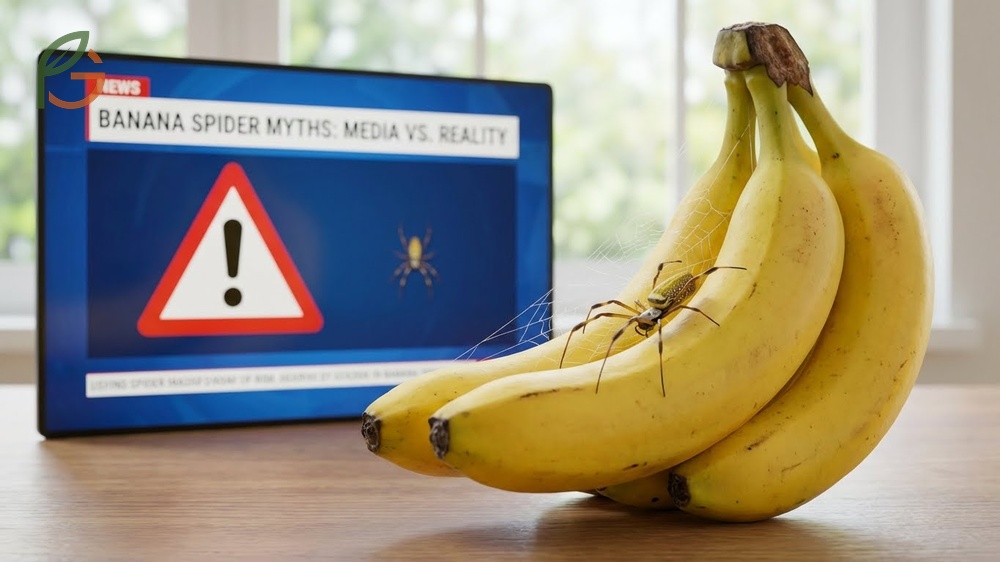
The myth that deadly spiders hide in every banana bunch stems from media amplification of rare events. News outlets worldwide reported on a handful of incidents, creating the false impression of widespread danger. Studies tracking actual occurrence rates show the risk is magnitudes lower than public perception suggests.
Another persistent myth claims Brazilian wandering spiders actively seek out banana bunches for transport. These spiders are ambush predators that hunt ground-dwelling prey, not fruit specialists. When they end up in shipments, it’s accidental—they happened to be near harvesting areas, not deliberately hiding in produce.
The “most venomous spider” designation creates confusion. While Phoneutria species do carry potent venom, the title depends on measurement criteria. Measured by LD50 (lethal dose for 50% of test subjects), other spiders like the Sydney funnel-web spider rank higher. More importantly, venom potency doesn’t equal human danger—delivery method, antivenom availability, and spider behavior all affect real-world risk.
Conclusion
The evidence is clear: spiders in bananas pose minimal risk to consumers when you understand the facts. With only 5.2% of banana shipment spiders being potentially dangerous species, and effective treatments available for the rare genuine encounters, fear shouldn’t stop you from enjoying this nutritious fruit. Current guidance from pest control experts emphasizes proper identification over panic, and medical protocols ensure good outcomes even in worst-case scenarios.
FruitGarden continues monitoring agricultural safety research to bring you accurate information about produce risks. Simple precautions—inspecting produce before purchase, washing fruit thoroughly, and knowing how to respond to unexpected spiders—provide adequate protection for the average consumer.
Medical Disclaimer
Important Medical Disclaimer: This content is for informational and educational purposes only. It is not intended as a substitute for professional medical advice, diagnosis, or treatment. Always consult a qualified healthcare professional or poison control center immediately if you suspect a spider bite, especially if symptoms develop. If you encounter a potentially dangerous spider, contact local animal control or pest management professionals rather than attempting to handle it yourself.
Frequently Asked Questions
How common are spiders in bananas from grocery stores?
Spiders in grocery store bananas are extremely rare. Research shows even arachnologists monitoring international shipments found a maximum of 15 spiders per year across millions of boxes. Most reported incidents involve harmless species that get misidentified as dangerous ones, and the majority of spiders don’t survive the shipping process from tropical farms to American stores.
Are Brazilian wandering spiders really in banana shipments?
Yes, but very rarely. Studies found only 7 out of 135 spiders in international cargo were actually Phoneutria (Brazilian wandering spider) species. Most are harmless pantropical huntsman spiders or Cupiennius species that look similar. Brazilian wandering spiders prefer rainforest habitats, not commercial banana plantations, which further reduces encounter likelihood.
What should I do if I find a spider in my bananas?
Stay calm and don’t touch the spider directly. Use a container to trap it against a solid surface, slide cardboard underneath to seal it, and contact local animal control or pest management for identification. Don’t attempt to kill or handle it with bare hands. If you’re bitten, wash the area immediately and seek medical attention if any symptoms beyond minor pain develop.
How dangerous is a Brazilian wandering spider bite?
Brazilian wandering spider bites can be serious but are rarely fatal with modern treatment. Research on 422 bite cases showed only 2.3% required antivenom, with one death—a small child. Symptoms include intense pain, sweating, rapid heartbeat, and in severe cases, respiratory distress. Antivenom developed in 1996 provides effective treatment when administered within 2-4 hours.
Can you identify a dangerous spider by appearance alone?
No, even experienced arachnologists frequently misidentify harmless Cupiennius spiders as dangerous Phoneutria species based on appearance. Both have similar brown coloring, large size, and defensive postures. Professional identification requires examining specific anatomical features like chelicerae structure and ventral markings. If you find a suspect spider, capture it safely for expert examination rather than relying on visual identification.
What’s the most common spider found in banana shipments?
The pantropical huntsman spider (Heteropoda venatoria) is the most frequently discovered species in banana cargo. These large spiders have distinctive white markings and long legs but are harmless to humans—their bite causes pain similar to a bee sting. The red-faced banana spider (Cupiennius chiapanensis) ranks second, also harmless despite its intimidating appearance.
Do I need to worry about spider eggs in bananas?
Spider egg sacs occasionally appear in banana shipments but pose no danger. The eggs won’t hatch into dangerous spiders in your home—the species involved are typically harmless, and environmental conditions in North American homes don’t support tropical spider development. If you find a suspicious sac, dispose of it sealed in a plastic bag or contact pest control for peace of mind.





