
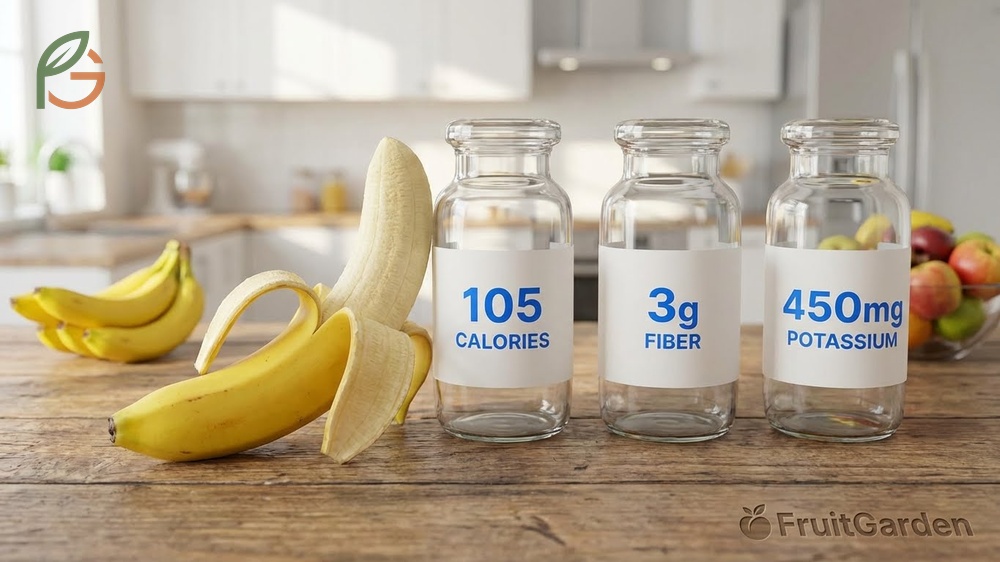
The nutritional value of bananas delivers impressive benefits for your health. Research shows a medium banana provides 105 calories, 3 grams of fiber, and 450mg of potassium[1]. FruitGarden synthesizes current nutrition science and agricultural data to help you understand what makes bananas such a valuable addition to your diet.
Quick Answer
Nutritional Value of Bananas
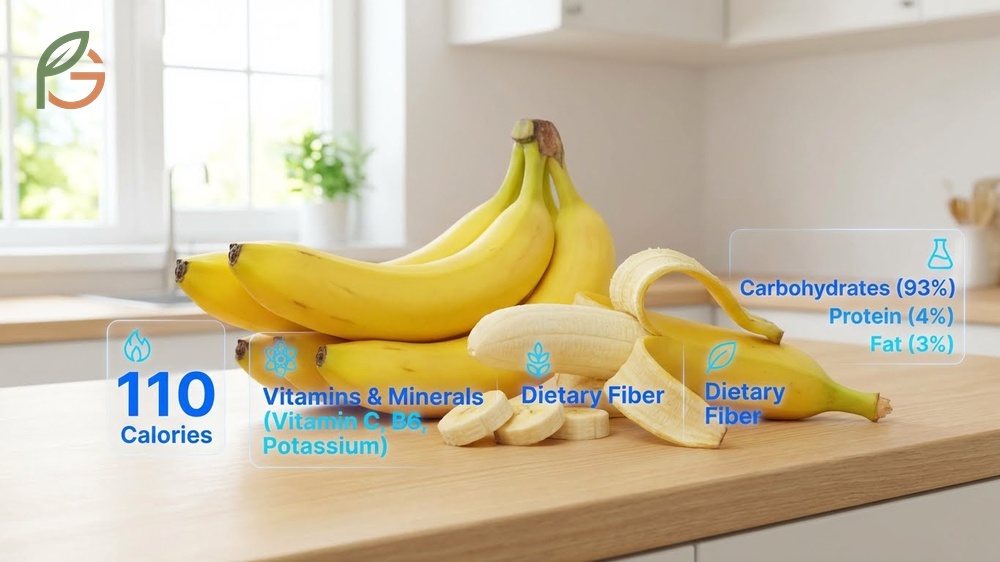
Bananas pack substantial nutrition into a portable, affordable package that’s available year-round. A single medium banana delivers about 110 calories along with essential vitamins, minerals, and dietary fiber[1]. The fruit’s macronutrient profile consists primarily of carbohydrates (93%), with minimal protein (4%) and virtually no fat (3%)[3].
What makes bananas nutritionally valuable isn’t just calories—it’s the quality of nutrients they provide. Studies demonstrate that bananas offer high bioavailability of potassium, magnesium, and vitamin B6, meaning your body can readily absorb and use these nutrients. The natural sugars in bananas (about 15 grams per medium fruit) come packaged with fiber, which moderates their impact on blood sugar.
The moisture content of bananas reaches approximately 75% by weight, contributing to their hydrating properties. This water content, combined with electrolytes like potassium, makes bananas particularly effective for post-exercise recovery and maintaining proper fluid balance throughout the day.
Banana Nutrition per 100g
Per 100 grams, raw bananas contain 89 calories, making them a moderate-energy food choice[3]. This serving size provides 23 grams of total carbohydrates, with 3 grams coming from dietary fiber and 12 grams from natural sugars. The fiber content represents about 9% of your daily recommended intake.
The mineral profile per 100 grams includes 358mg potassium, 27mg magnesium, and 22mg phosphorus[3]. Vitamin content features 9mg vitamin C (10% daily value) and 0.4mg vitamin B6 (28% daily value). These standardized measurements help you compare bananas to other fruits and calculate your daily nutrient intake accurately.
Medium Banana Nutrition Facts
A medium-sized banana weighs approximately 118 grams and provides more practical serving information for daily consumption. Current data from nutrition databases shows this standard serving contains 105 calories, 26.9 grams carbohydrates, and 3.07 grams fiber[2]. The protein content reaches 1.29 grams, while fat remains negligible at just 0.39 grams.
Water makes up 88.4 grams of a medium banana’s weight, supporting hydration alongside its electrolyte content. The sugar content totals 14.4 grams—all naturally occurring fructose, glucose, and sucrose without any added sweeteners. This makes bananas an ideal whole-food alternative to processed snacks that contain refined sugars.
This table compares nutritional values across five banana sizes from extra small to extra large, showing calories, carbohydrates, fiber, and potassium content for each serving size
| Banana Size | Weight | Calories | Carbohydrates | Fiber | Potassium |
|---|---|---|---|---|---|
| Extra Small | 81g | 72 | 18.5g | 2.1g | 290mg |
| Small | 101g | 90 | 23.1g | 2.6g | 362mg |
| Medium | 118g | 105[2] | 26.9g | 3.1g | 450mg[1] |
| Large | 136g | 121 | 31g | 3.5g | 487mg |
| Extra Large | 152g | 135 | 34.7g | 3.9g | 544mg |
What Vitamins Are in Bananas
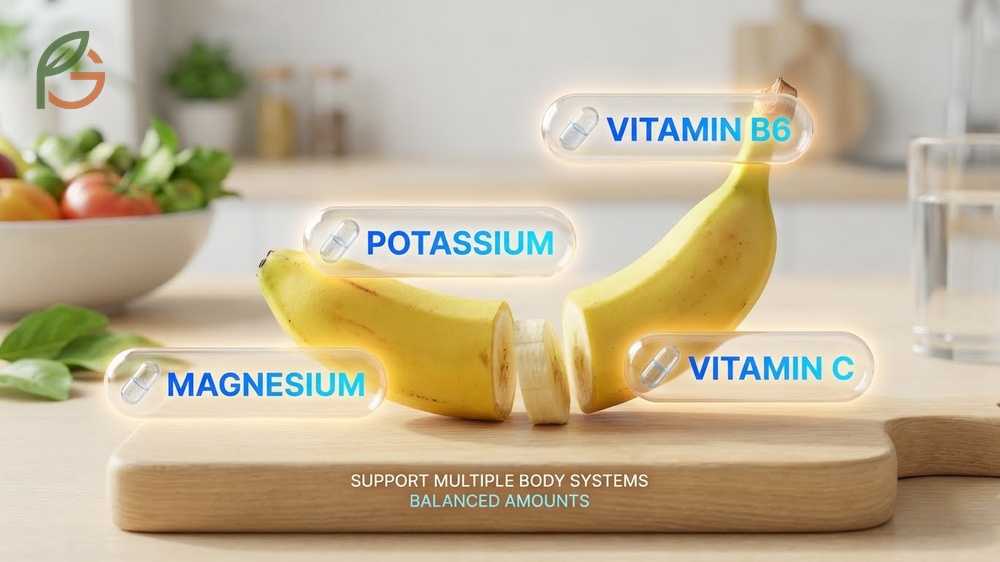
Bananas contain a concentrated mix of essential vitamins and minerals that support multiple body systems. The standout nutrients include vitamin B6, potassium, magnesium, and vitamin C—each playing distinct roles in maintaining health. Evidence suggests that the combination of these nutrients, rather than any single element, contributes to bananas’ health-promoting effects.
Unlike many fruits that excel in one or two nutrients, bananas provide balanced amounts across several categories. This nutrient diversity means eating bananas regularly can help fill common dietary gaps, particularly for potassium and vitamin B6 where many Americans fall short of recommended intakes.
Potassium in Banana
Each medium banana delivers approximately 450mg of potassium, representing about 10% of the daily recommended intake of 4,700mg for adults[1]. This essential mineral regulates fluid balance, nerve signals, and muscle contractions throughout your body. Research indicates that adequate potassium intake helps maintain healthy blood pressure levels and supports cardiovascular function.
What’s particularly valuable about banana potassium is its bioavailability—your body can absorb and utilize it efficiently. Diets higher in potassium-rich foods like bananas are associated with reduced risks of stroke and kidney stones. For comparison, you’d need to eat about 10 medium bananas to meet your full daily potassium requirement, which is why bananas work best as part of a varied diet including leafy greens, sweet potatoes, and legumes.
Magnesium in Banana
A 100-gram serving of banana provides 27mg of magnesium, contributing 6-7% toward daily requirements[3]. This mineral supports over 300 enzymatic reactions in your body, including energy production, protein synthesis, and muscle function. Current data shows that combining magnesium-rich foods with adequate hydration optimizes the mineral’s effectiveness.
Magnesium works synergistically with potassium to regulate electrolyte balance and nerve function. Studies demonstrate that the magnesium in bananas helps reduce muscle cramps and supports recovery after physical activity. While bananas alone won’t meet your full magnesium needs (adult requirements range from 310-420mg daily), they provide a convenient, portable source that complements other magnesium-rich foods like nuts, seeds, and whole grains.
Vitamin C in Banana
Bananas contain approximately 10.3mg of vitamin C per medium fruit, delivering about 10-12% of your daily requirement[2]. While this amount is modest compared to citrus fruits or strawberries, it still contributes meaningfully to your antioxidant intake. Vitamin C in bananas supports immune function, collagen synthesis, and iron absorption from plant-based foods.
The vitamin C content decreases slightly as bananas ripen, with greener bananas retaining higher levels. This water-soluble vitamin acts as a powerful antioxidant, protecting cells from oxidative stress and supporting skin health. For maximum vitamin C intake, pair bananas with other vitamin C-rich foods like bell peppers, broccoli, or kiwi throughout your day rather than relying on bananas as your primary source.
Important Note: Banana vitamin content varies based on ripeness, storage conditions, and growing environment. Green bananas offer higher resistant starch but lower sugar, while fully ripe bananas provide more antioxidants but higher natural sugar content.
Banana Health Benefits for Digestion
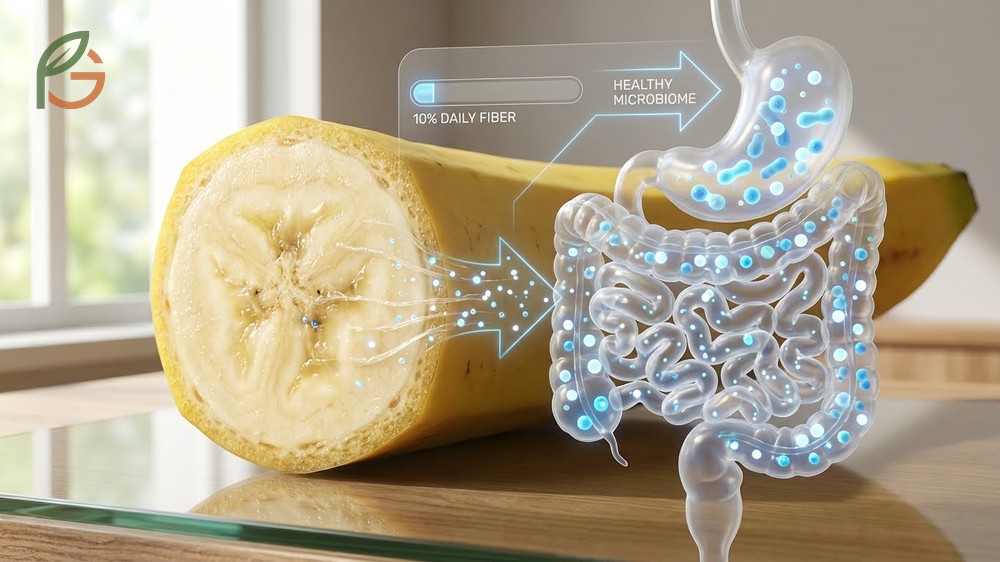
Bananas support digestive health through multiple mechanisms, primarily via their fiber and resistant starch content. Research shows that bananas contain pectin, a type of fiber that helps regulate the speed of carbohydrate digestion and promotes feelings of fullness[4]. The 3 grams of fiber per medium banana represents about 10% of daily fiber needs for most adults.
The prebiotic fibers in bananas feed beneficial gut bacteria, supporting a healthy microbiome. Studies demonstrate that these fibers ferment in your large intestine, producing short-chain fatty acids that nourish colon cells and reduce inflammation. This fermentation process contributes to improved bowel regularity and may reduce the risk of colon-related health issues over time.
Despite containing 14-15 grams of natural sugar, bananas have a low to medium glycemic index (GI around 51), meaning they don’t cause rapid blood sugar spikes[4]. The fiber content slows sugar absorption, making bananas a better choice than processed sweets for sustained energy without the subsequent crash.
Unripe Banana Nutrition
Green, unripe bananas contain significantly higher amounts of resistant starch—a type of carbohydrate that resists digestion in your small intestine. Research indicates that green banana flour can contain 40-60 grams of resistant starch per 100 grams, compared to just 1-2 grams in fully ripe bananas[5]. This resistant starch behaves like soluble fiber, feeding beneficial gut bacteria and producing beneficial compounds during fermentation.
The resistant starch in green bananas can help improve insulin sensitivity and lower blood sugar responses to meals. Current evidence suggests this makes unripe bananas particularly valuable for people managing blood sugar levels. The starch content gradually converts to simple sugars as the banana ripens, which is why green bananas taste less sweet and have a firmer, starchier texture.
Green bananas also promote satiety more effectively than ripe ones due to their higher fiber and resistant starch content. Studies show this appetite-reducing effect can support weight management efforts when green bananas are included as part of balanced meals. However, some people find green bananas harder to digest and may experience bloating—in these cases, slightly underripe (yellow with green tips) bananas offer a middle ground.
- Feeds beneficial gut bacteria and supports microbiome diversity
- Improves insulin sensitivity and helps moderate blood sugar responses
- Increases satiety and may support weight management goals
- Produces short-chain fatty acids that nourish colon cells
- May reduce cholesterol levels and lower colon cancer risk over time
Banana for Energy
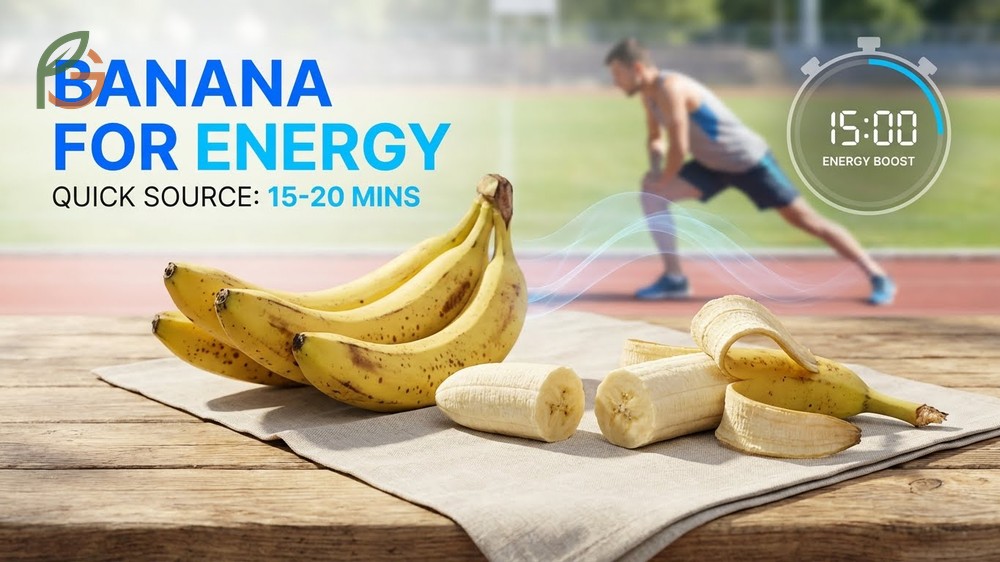
Bananas earn their reputation as a quick energy source due to their easily digestible carbohydrates and natural sugar content. The 27 grams of carbohydrates in a medium banana provide readily available fuel that your body can convert to energy within 15-20 minutes of eating. Athletes commonly eat bananas before or during exercise because they deliver sustained energy without causing stomach discomfort.
The combination of simple sugars (glucose, fructose, sucrose) with complex carbohydrates creates a dual-phase energy release. Research shows the simple sugars provide immediate energy, while the starches and fiber ensure that energy continues flowing for 60-90 minutes after consumption. This makes bananas superior to candy or energy drinks that cause rapid spikes followed by energy crashes.
Bananas also provide B-vitamins that play crucial roles in energy metabolism. The vitamin B6 content (28% daily value per 100g) helps your body convert food into usable energy at the cellular level[3]. Combined with potassium and magnesium that prevent muscle fatigue, bananas deliver more than just calories—they optimize how your body uses that energy during physical and mental activities.
- Deliver 105 calories from easily digestible carbohydrates and natural sugars
- Provide dual-phase energy release lasting 60-90 minutes
- Supply vitamin B6 for efficient energy metabolism at cellular level
- Offer potassium and magnesium to prevent muscle fatigue during activity
- Contain no added sugars or artificial ingredients that cause energy crashes
- Easy to digest even during exercise without causing stomach upset
Antioxidants in Bananas
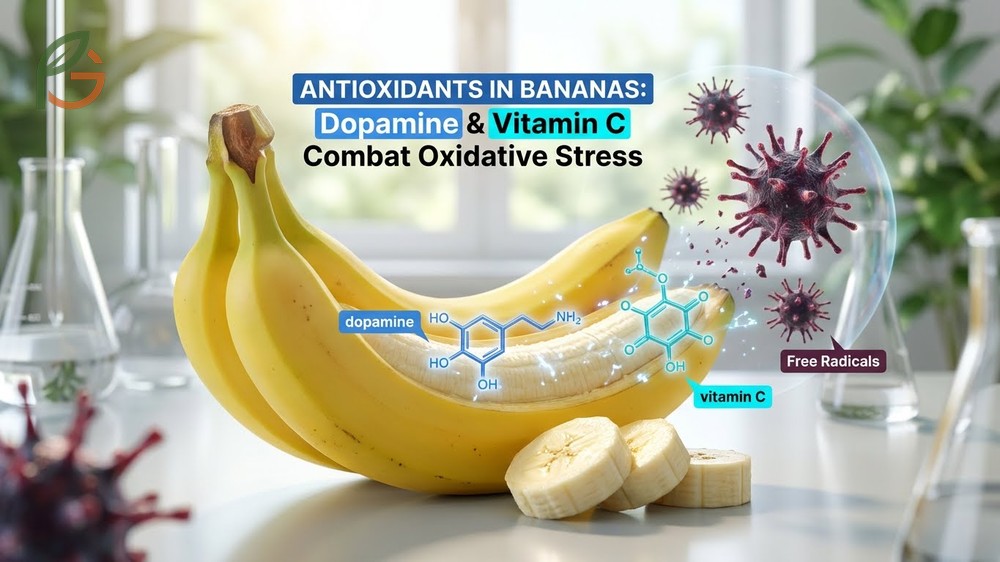
Bananas contain several powerful antioxidant compounds beyond their vitamin C content. Studies have identified dopamine as a major antioxidant in bananas, with levels ranging from 2.5-10mg per 100g in the edible pulp[6]. This dopamine exhibits greater antioxidative potency than common food additives and rivals the effectiveness of vitamin C in neutralizing harmful free radicals.
Research demonstrates that banana antioxidants help combat oxidative stress, which contributes to aging and chronic disease development. The dopamine, along with flavonoids and catechins present in bananas, works by scavenging free radicals and preventing cellular damage. These compounds don’t cross the blood-brain barrier (so they won’t affect your mood), but they do provide systemic antioxidant protection throughout your body.
The antioxidant content increases as bananas ripen, with fully ripe bananas showing higher levels of certain beneficial compounds. This happens because enzymes break down cell walls during ripening, releasing more antioxidants. However, green bananas offer different benefits through their resistant starch, so both ripe and unripe bananas have their place in a health-conscious diet.
Antioxidant Tip: The brown spots on very ripe bananas indicate increased antioxidant activity, not spoilage. Bananas with more brown spotting contain higher levels of tumor necrosis factor (TNF), which may help boost immune function—though more research is needed to confirm clinical benefits.
Benefits of Eating 2 Bananas a Day
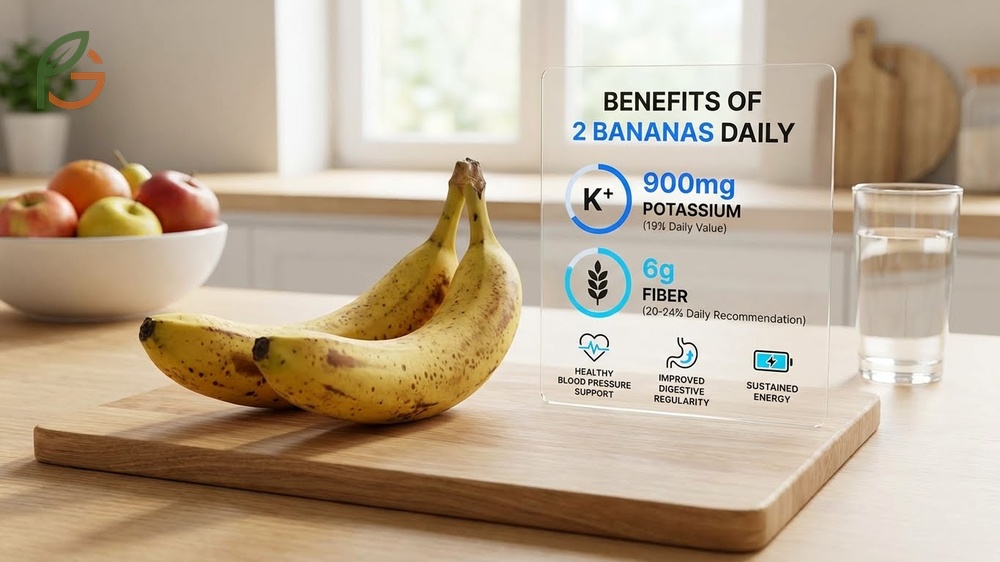
Eating two medium bananas daily provides approximately 900mg potassium (19% of daily needs), 6 grams of fiber, and 210 calories from nutrient-dense whole food. Current data indicates this level of consumption can support healthy blood pressure, improve digestive regularity, and provide sustained energy throughout the day. The fiber content from two bananas represents about 20-24% of the minimum daily recommendation for adults.
Research shows that consistent banana intake may help maintain electrolyte balance and support muscle function, particularly for physically active individuals. Two bananas provide enough potassium to partially offset sodium from processed foods, which helps regulate blood pressure. The combined fiber and resistant starch content can also promote feelings of fullness, potentially reducing overall calorie intake from less nutritious snacks.
However, moderation matters—two bananas daily fits well within a balanced diet, but eating significantly more could displace other important food groups. Agricultural data shows bananas lack certain nutrients found in vegetables, nuts, and proteins, so variety remains essential. For most healthy adults, two bananas a day offers benefits without risks, though people with kidney issues should consult healthcare providers about potassium intake limits.
- Delivers 900mg potassium to support healthy blood pressure and heart function
- Provides 6g fiber for improved digestive regularity and gut health
- Supplies 210 calories from whole food without added sugars or processing
- Offers sustained energy for 3-4 hours when eaten at breakfast or before activity
- Contributes to daily fruit intake recommendations (2-4 servings per day)
- Supports muscle function and recovery through potassium and magnesium content
Conclusion
The evidence is clear: the nutritional value of bananas extends far beyond simple convenience. With 105 calories, 450mg potassium, 3g fiber, and impressive vitamin B6 content per medium fruit, bananas deliver essential nutrients that support digestion, energy metabolism, and overall health. Current nutrition science emphasizes that bananas work best as part of a varied diet rich in fruits, vegetables, whole grains, and lean proteins.
Whether you prefer them green for resistant starch benefits or fully ripe for maximum antioxidants, bananas offer versatile nutrition that adapts to different health goals. FruitGarden encourages you to explore how bananas fit into your garden planning and dietary patterns—their year-round availability and nutritional consistency make them a reliable foundation for healthy eating habits.
Medical Disclaimer
Important Medical Disclaimer: This content is for informational and educational purposes only. It is not intended as a substitute for professional medical advice, diagnosis, or treatment. Always consult a qualified healthcare professional before making any changes to your diet, medication, or health routine, especially if you have diabetes, kidney disease, or other medical conditions that may be affected by potassium or carbohydrate intake.
Frequently Asked Questions
How many calories are in one large banana?
One large banana (approximately 136 grams) contains about 121 calories, along with 31 grams of carbohydrates and 3.5 grams of fiber. This size provides roughly 487mg of potassium and makes an excellent post-workout snack or breakfast addition for those with higher calorie needs.
What is the nutritional content of half a banana?
Half a medium banana (about 59 grams) provides approximately 53 calories, 13.5 grams of carbohydrates, 1.5 grams of fiber, and 225mg of potassium. This portion size works well for children, people managing calorie intake, or when you want a smaller serving to pair with other foods like yogurt or oatmeal.
Are green bananas healthier than ripe bananas?
Green bananas aren’t necessarily “healthier,” but they offer different benefits. They contain significantly more resistant starch (40-60% of dry weight) which supports gut health and blood sugar control, while ripe bananas provide more antioxidants and are easier to digest. Choose based on your health goals—green for blood sugar management, ripe for quick energy and antioxidants.
How much potassium is in one banana compared to daily needs?
A medium banana contains about 450mg of potassium, representing approximately 10% of the 4,700mg daily recommendation for adults. While bananas are a good potassium source, you’d need to eat roughly 10 medium bananas to meet your full daily requirement—which is why varied diet including leafy greens, potatoes, and legumes is essential.
Do bananas help with digestive problems?
Research shows bananas can support digestive health through their fiber and resistant starch content. The 3 grams of fiber per medium banana helps regulate bowel movements, while prebiotic fibers feed beneficial gut bacteria. Green bananas may be particularly effective for constipation due to higher resistant starch levels, though some people find them harder to digest initially.
What vitamins and minerals are highest in bananas?
Bananas excel in vitamin B6 (providing 28% of daily value per 100g), potassium (450mg per medium fruit), and magnesium (27mg per 100g). They also contain meaningful amounts of vitamin C (10.3mg), manganese (12% daily value), and smaller amounts of folate, copper, and vitamin A—making them a nutrient-dense choice for meeting multiple daily requirements.
Can eating bananas daily cause weight gain?
Eating 1-2 bananas daily won’t cause weight gain if they fit within your total calorie needs. At 105 calories per medium banana, they’re a moderate-energy food that provides fiber and nutrients to support satiety. Weight gain occurs when total daily calories exceed what your body burns—bananas can actually help prevent overeating by providing filling, nutrient-dense calories instead of empty calories from processed snacks.





