
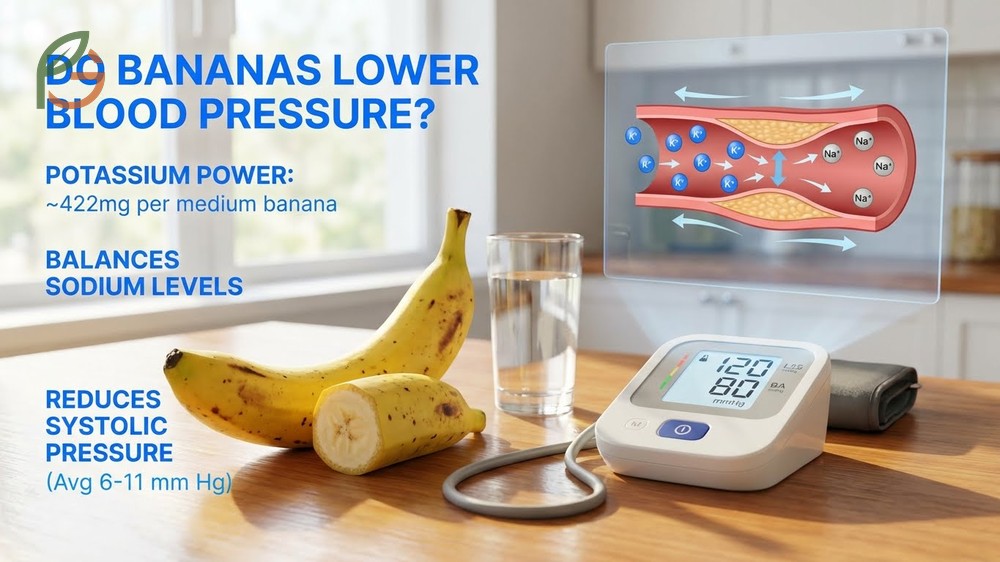
Do bananas lower blood pressure? Yes, they can help. Research shows that bananas provide 422mg of potassium per medium fruit, which supports healthy blood pressure by balancing sodium levels and relaxing blood vessel walls[1]. Studies demonstrate that increased potassium intake reduces systolic blood pressure by an average of 6-11 mm Hg in people with hypertension[2]. FruitGarden combines current nutrition science with practical guidance to help you understand how fruits like bananas support cardiovascular health.
Quick Answer
- One medium banana contains 422mg potassium (9% daily value), which actively helps lower blood pressure[1]
- The DASH diet, which includes bananas, reduces blood pressure by 11 mm Hg systolic in hypertensive patients[2]
- Experts recommend one banana daily for consistent heart benefits without overloading potassium[3]
- Bananas also provide 32mg magnesium and 3g fiber, both supporting cardiovascular function[4]
Do Bananas Lower Blood Pressure
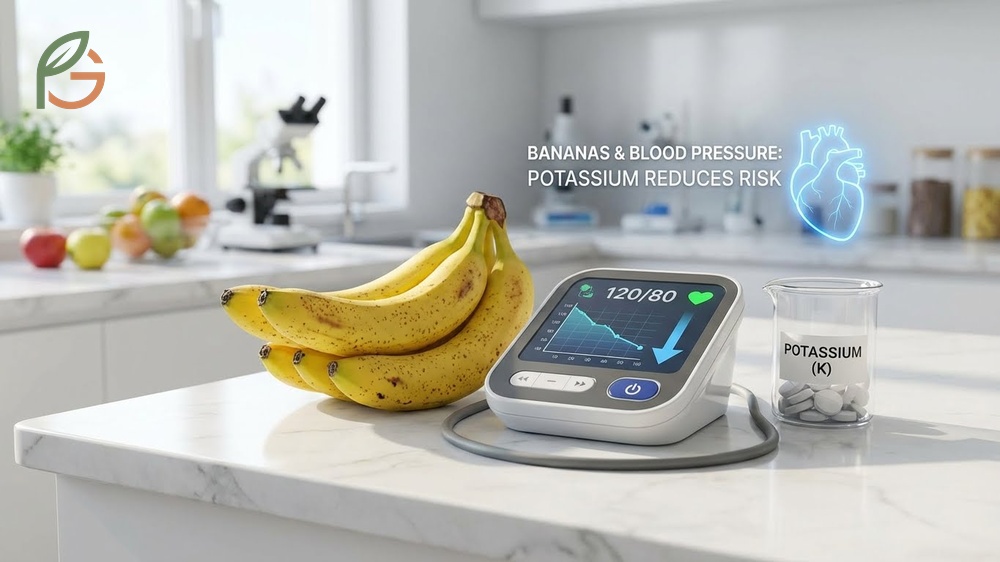
Research shows that bananas effectively lower blood pressure through their high potassium content. Current data from the NIH indicates that consuming adequate potassium—around 3,500-4,700mg daily—reduces systolic blood pressure by 1.24 mm Hg per 1,000mg increase[1]. Since one medium banana delivers 422mg, eating 2-3 bananas contributes meaningfully to this goal.
Studies demonstrate that the effect is particularly strong in people with hypertension. The American Heart Association reports that potassium-rich diets like DASH reduce blood pressure by 11.4 mm Hg systolic and 5.5 mm Hg diastolic in hypertensive individuals[5]. Even people with normal blood pressure benefit, seeing reductions of 2-3 mm Hg.
What often gets overlooked is that banana ripeness doesn’t significantly affect potassium content. Whether you prefer slightly green or fully ripe bananas, you’ll get nearly the same cardiovascular benefits.
The Sodium-Potassium Connection
Evidence from CDC studies indicates that the sodium-to-potassium ratio matters more than either nutrient alone. Research tracking over 2,600 adults found that people with the highest sodium-to-potassium ratios had 1.40 times higher odds of developing hypertension compared to those with balanced ratios[6]. Modern Western diets typically create ratios around 1.4:1, while optimal health occurs at ratios below 1:1.
Bananas help correct this imbalance naturally. With 422mg potassium and only 1mg sodium, they provide a 422:1 ratio that actively shifts your daily balance toward healthier levels. This mechanism explains why adding just one banana daily can produce measurable blood pressure improvements within 2-3 weeks.
Important Note: People taking beta-blockers or those with kidney disease should consult their healthcare provider before increasing banana intake, as these conditions affect potassium metabolism and can lead to dangerous accumulation.
How Potassium Affects Blood Vessels
Potassium lowers blood pressure through multiple biological pathways. Current research published in the American Heart Association journal shows that elevated serum potassium triggers endothelium-dependent vasodilation by stimulating the sodium pump and opening potassium channels in blood vessel walls[7]. This process reduces calcium in smooth muscle cells, causing vessels to relax and widen.
The kidneys respond to higher potassium by increasing sodium excretion through a mechanism called the “potassium switch.” This downregulates the sodium chloride cotransporter, leading to natriuresis and decreased blood volume. Together, these effects produce the clinically significant blood pressure reductions seen in studies.
Potassium in Banana
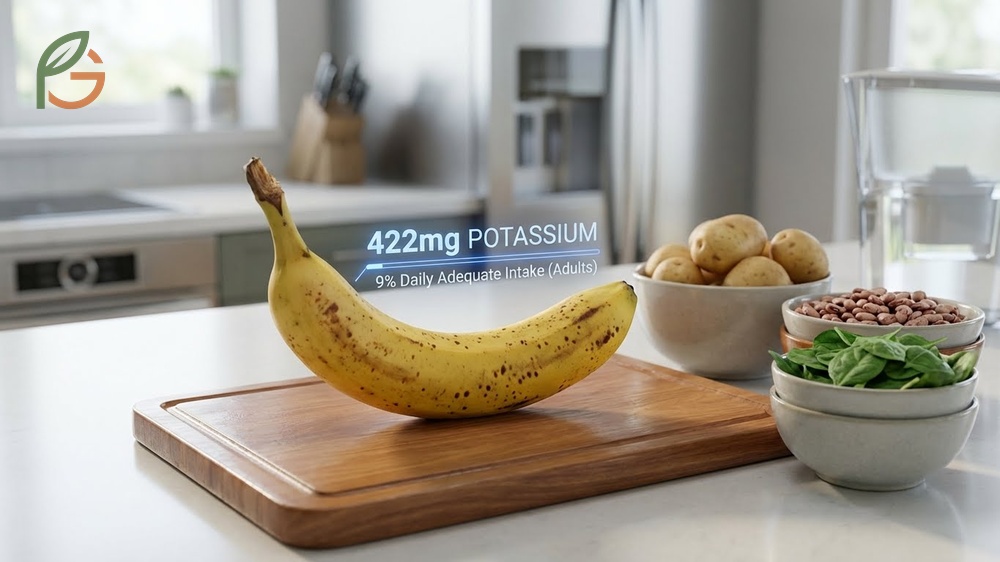
A medium banana (7-8 inches long, about 118g) contains 422mg potassium, which represents approximately 9% of the 4,700mg daily adequate intake for adults[1]. This makes bananas one of the most convenient potassium sources, though they’re not the absolute highest—foods like potatoes, beans, and spinach actually contain more per serving.
The potassium in bananas is highly bioavailable, meaning your body absorbs and uses it efficiently. Unlike supplements, food-based potassium doesn’t carry the same risks of sudden spikes that can strain the kidneys or heart.
Complete Nutritional Profile
Beyond potassium, bananas deliver a complete package of heart-supportive nutrients. One medium banana provides 32mg magnesium (8% daily value), which works synergistically with potassium to regulate blood pressure[4]. The fruit also contains 3g fiber, 10.3mg vitamin C, and 0.43mg vitamin B6—nutrients that support vascular health and reduce inflammation.
Research from Harvard’s Nutrition Source confirms that this nutrient combination makes bananas particularly effective for cardiovascular support[8]. The fiber content helps regulate cholesterol, while vitamin B6 supports proper homocysteine metabolism, preventing arterial damage.
- 422mg potassium (9% DV) – relaxes blood vessels, promotes sodium excretion
- 32mg magnesium (8% DV) – supports heart rhythm, reduces vascular resistance
- 3g fiber (11% DV) – lowers LDL cholesterol, improves arterial function
- 10.3mg vitamin C (11% DV) – protects endothelial cells, reduces oxidative stress
- 0.43mg vitamin B6 (25% DV) – prevents homocysteine buildup, supports neurotransmitters
Comparing Banana Sizes
This table compares potassium content, calories, and recommended daily intake percentage across four common banana sizes from small to extra large
| Size | Weight | Potassium | Calories | % Daily Value |
|---|---|---|---|---|
| Small (6-7 inches) | 90g | 320mg | 80 cal | 7% |
| Medium (7-8 inches) | 118g | 422mg[1] | 105 cal | 9% |
| Large (8-9 inches) | 136g | 487mg | 121 cal | 10% |
| Extra Large (9+ inches) | 152g | 544mg | 135 cal | 12% |
Bananas and Blood Pressure
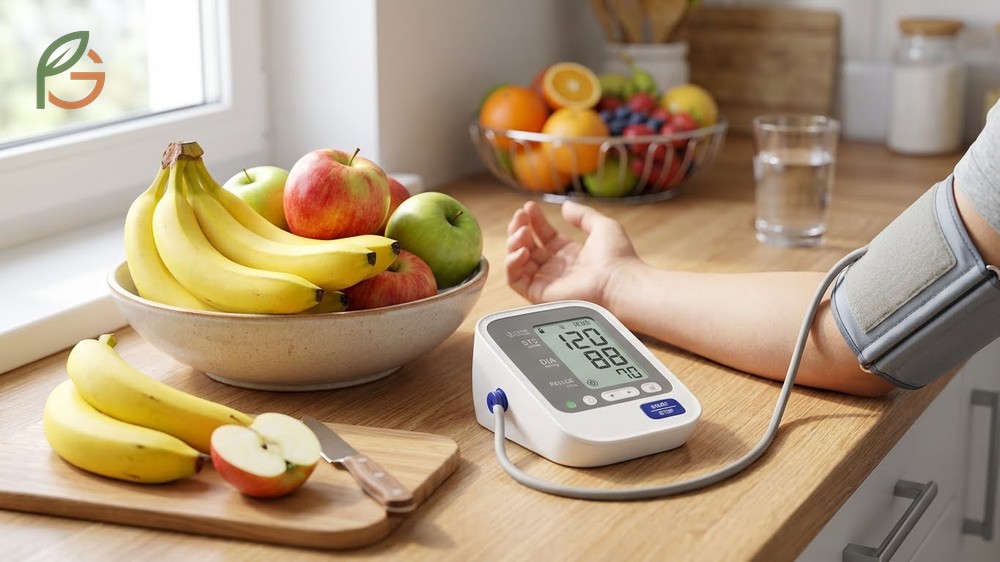
The relationship between bananas and blood pressure extends beyond simple potassium content. Studies tracking dietary patterns show that people who regularly consume bananas as part of fruit-rich diets experience 20-30% lower cardiovascular mortality compared to those who rarely eat fruit. A 2024 study specifically found that higher intake of apples and bananas correlated with decreased mortality risk in hypertensive patients.
Timing matters for maximizing benefits. When you eat bananas alongside high-sodium meals, the potassium actively counters sodium’s blood pressure-raising effects within 1-2 hours. This makes bananas an excellent strategic food choice rather than just a general health recommendation.
DASH Diet Evidence
The DASH (Dietary Approaches to Stop Hypertension) diet provides the strongest evidence for banana effectiveness. Research published in peer-reviewed journals shows that the DASH pattern, which includes 4-5 fruit servings daily (often bananas), reduces blood pressure by 11.5 mm Hg systolic when combined with sodium restriction[2]. For context, this reduction equals or exceeds the effect of some blood pressure medications.
The DASH-Sodium trial tested three sodium levels while maintaining the DASH eating pattern. Results showed that even at moderate sodium intake (2,400mg daily), participants eating DASH foods including bananas achieved significant reductions. When sodium dropped to 1,500mg daily with DASH foods, blood pressure fell by an additional 7.1 mm Hg compared to typical American diets[5].
Key Insight: The DASH diet works best when you combine potassium-rich fruits like bananas with reduced sodium intake, increased vegetable consumption, and whole grains. Eating bananas alone without addressing overall dietary patterns produces smaller benefits.
Best Times to Eat Bananas
For blood pressure management, breakfast is the optimal time to eat your daily banana. Research indicates that morning potassium intake helps regulate blood pressure throughout the day’s most active hours. Pairing a banana with protein sources like Greek yogurt or eggs creates a balanced meal that prevents blood sugar spikes while delivering cardiovascular benefits.
Post-exercise is another strategic timing. After workouts, your body absorbs nutrients more efficiently, and the potassium helps restore electrolyte balance that exercise depletes. This timing supports both muscle recovery and blood vessel function.
Evening bananas can help if you experience nocturnal hypertension (nighttime blood pressure elevation). The magnesium and potassium promote relaxation and may improve sleep quality, though you should avoid eating within 2 hours of bedtime if you’re prone to reflux.
How Many Bananas to Lower Blood Pressure
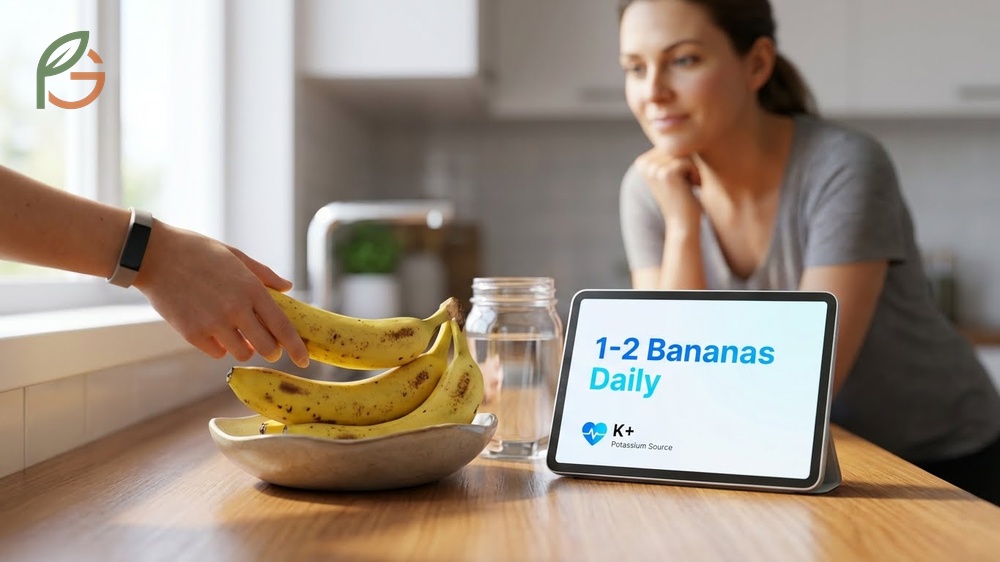
Evidence-based recommendations suggest 1-2 bananas daily for most adults seeking blood pressure benefits. This provides 422-844mg potassium (9-18% of daily needs) without excessive calorie or sugar intake[3]. One banana is sufficient for maintenance, while two may benefit people with diagnosed hypertension who are under medical supervision.
Don’t exceed three bananas daily. Consuming more than this amount can lead to hyperkalemia, a dangerous condition where potassium levels become too high. This risk increases significantly if you have kidney disease, diabetes, or take ACE inhibitors, ARBs, or potassium-sparing diuretics.
Most people notice blood pressure improvements within 2-4 weeks of consistent banana consumption as part of a balanced diet. The effect is gradual rather than immediate—your body needs time to adjust its sodium-potassium balance and vascular function.
- Healthy adults: 1-2 bananas daily provides 9-18% of potassium needs with minimal risk
- Pre-hypertension (120-139/80-89 mm Hg): 2 bananas daily as part of DASH diet may prevent progression
- Diagnosed hypertension: 1-2 bananas under medical guidance, combined with medication adherence
- Kidney disease (any stage): Consult nephrologist before increasing banana intake—potassium restrictions may apply
- Diabetes: Limit to 1 banana daily, preferably with protein to minimize blood sugar impact
- Beta-blocker medications: Maximum 1 banana daily due to drug-potassium interactions
Track your response by monitoring blood pressure at the same time each day. If you see no improvement after 4 weeks, the issue likely requires medical intervention beyond dietary changes. Never use bananas as a substitute for prescribed blood pressure medication.
Heart Healthy Foods List
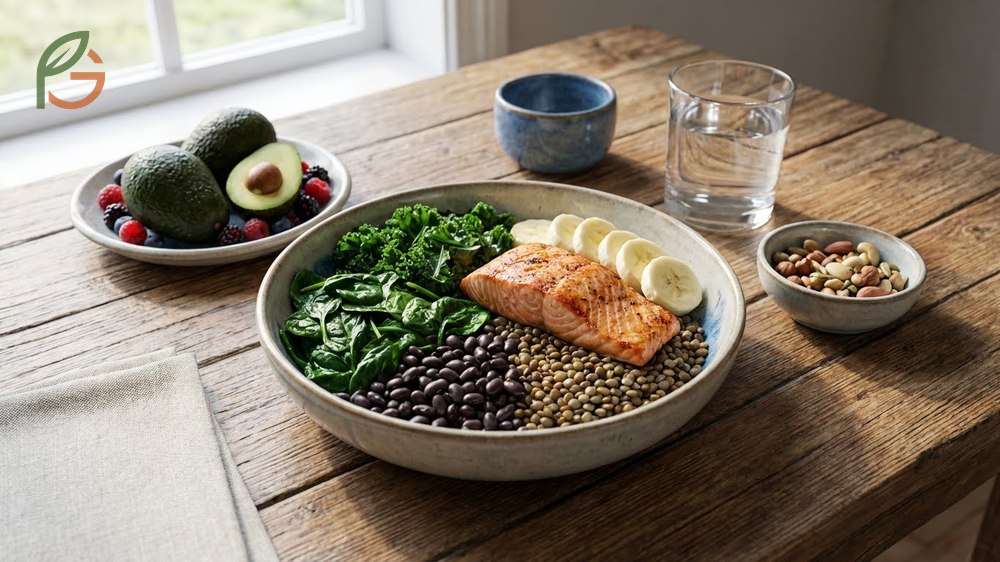
Bananas work best as part of a comprehensive heart-healthy eating pattern. The American Heart Association and NIH identify several food categories that synergistically support cardiovascular health when combined with bananas’ potassium benefits.
Leafy greens like spinach and kale actually contain more potassium per serving than bananas—spinach provides 540mg per cooked cup. Beans and legumes offer both potassium and soluble fiber that binds cholesterol. Fatty fish delivers omega-3s that reduce inflammation and improve arterial flexibility.
- Leafy greens (spinach, kale, Swiss chard): 540-840mg potassium per cup cooked, plus nitrates that lower blood pressure
- White beans and lentils: 600-700mg potassium per cup, high fiber reduces cholesterol by 5-10%
- Sweet potatoes: 542mg potassium per medium potato, beta-carotene protects arteries
- Avocados: 708mg potassium per avocado, monounsaturated fats improve HDL cholesterol
- Salmon and mackerel: 600-800mg potassium per 4oz serving, omega-3s reduce triglycerides by 15-30%
- Plain Greek yogurt: 240mg potassium per 6oz, probiotics may modestly lower blood pressure
- Tomatoes: 425mg potassium per cup, lycopene reduces arterial stiffness
- Oranges and orange juice: 496mg potassium per cup juice, flavonoids improve endothelial function
The DASH diet recommends 8-10 servings of fruits and vegetables daily, 2-3 servings of low-fat dairy, and limited sodium (under 2,300mg). Research confirms this pattern produces greater blood pressure reductions than focusing on any single food, including bananas.
Conclusion
The evidence is clear: bananas lower blood pressure effectively when consumed as part of a balanced diet. With 422mg potassium per medium fruit, bananas deliver clinically meaningful benefits—particularly for people with hypertension who can achieve 11mm Hg systolic reductions through potassium-rich eating patterns. Current nutrition guidance emphasizes combining bananas with reduced sodium intake, increased vegetables, and whole grains for maximum cardiovascular protection.
Start with one banana daily and track your blood pressure over 3-4 weeks. FruitGarden helps you understand how simple dietary choices like adding a daily banana translate into real health improvements backed by decades of cardiovascular research.
Medical Disclaimer
Important Medical Disclaimer: This content is for informational and educational purposes only. It is not intended as a substitute for professional medical advice, diagnosis, or treatment. Always consult a qualified healthcare professional before making any changes to your diet, medication, or health routine, especially if you have hypertension, kidney disease, diabetes, or take blood pressure medications. Never discontinue prescribed medications without your doctor’s supervision. Potassium intake recommendations vary based on individual health conditions—what’s beneficial for most people may be dangerous for those with kidney dysfunction or taking certain medications.
Frequently Asked Questions
Can Bananas Lower Blood Pressure Immediately?
No, bananas don’t lower blood pressure immediately. Research shows that consistent daily consumption over 2-4 weeks produces measurable reductions. Potassium from bananas works gradually by shifting sodium-potassium balance and improving vascular function. For acute blood pressure elevation, follow your doctor’s emergency protocols rather than relying on dietary interventions.
Are Bananas Good for High Blood Pressure and Cholesterol?
Yes, bananas support both blood pressure and cholesterol management. The 3g fiber per banana helps reduce LDL cholesterol by binding bile acids. Studies show that combining potassium-rich foods with soluble fiber produces 5-10% cholesterol reductions while also lowering blood pressure. However, bananas have modest effects on cholesterol compared to oats, beans, or nuts which contain higher fiber levels.
Do Bananas Lower Your Blood Pressure if You Have Diabetes?
Bananas can lower blood pressure in diabetics, but timing and portion control matter critically. One medium banana contains 27g carbohydrates, which can spike blood sugar if eaten alone. Pair bananas with protein sources like Greek yogurt or nuts to slow glucose absorption. Monitor your blood sugar response and consult your endocrinologist about appropriate serving sizes—many diabetics do better with half a banana at a time.
What’s Better for Blood Pressure: Bananas or Medication?
Medications are significantly more effective than bananas for treating hypertension. Blood pressure drugs reduce systolic pressure by 10-25 mm Hg, while dietary potassium from bananas produces 2-6 mm Hg reductions in most people. Bananas complement medication but cannot replace it. Never discontinue prescribed blood pressure medication without your physician’s approval—doing so can cause dangerous rebound hypertension.
Can Eating Too Many Bananas Raise Blood Pressure?
Excessive banana consumption doesn’t raise blood pressure directly, but can cause hyperkalemia (dangerously high potassium levels) in people with kidney disease or those taking certain medications. Consuming more than 3 bananas daily increases risk. Symptoms of hyperkalemia include irregular heartbeat, muscle weakness, and nausea. If you have kidney issues or take ACE inhibitors, ARBs, or potassium-sparing diuretics, limit banana intake and monitor potassium levels regularly.
Does Banana Reduce Blood Pressure Better Than Other Fruits?
Bananas aren’t superior to all other fruits for blood pressure reduction. Dried apricots provide 1,101mg potassium per half-cup serving—more than twice a banana’s content. Oranges offer similar potassium (496mg per cup of juice) plus hesperidin, a flavonoid with additional blood pressure benefits. Bananas excel in convenience and year-round availability rather than absolute potassium content. The best approach is eating diverse fruits to get varied beneficial compounds.
How Long Does It Take for Bananas to Lower Blood Pressure?
Most people see measurable blood pressure reductions within 2-4 weeks of adding daily bananas to a DASH-style diet. The timeline varies based on baseline potassium intake, sodium consumption, and overall diet quality. Studies tracking dietary interventions show peak benefits appear after 6-8 weeks of consistent intake. Track your blood pressure at the same time daily to identify patterns—morning readings are typically most reliable for monitoring trends.





