
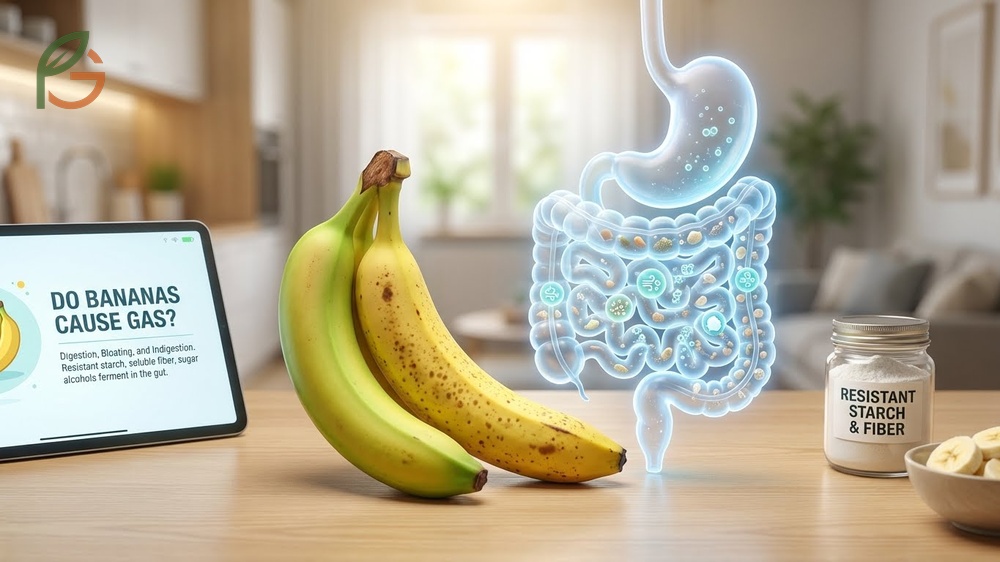
Do bananas cause gas? Yes, they can for some people. Research shows bananas contain resistant starch, soluble fiber, and sugar alcohols like sorbitol that ferment in your gut, producing gas as a byproduct[1]. Most people don’t realize that banana ripeness matters more than quantity when it comes to digestive comfort. FruitGarden synthesizes current digestive health research to help you understand how bananas affect your gut and what you can do to minimize bloating.
Quick Answer
- A medium banana contains 3 grams of fiber[2] and resistant starch that can produce gas when fermented by gut bacteria
- Unripe bananas have the highest gas potential with ~18g fiber per 100g[3], decreasing to 4-5g in ripe fruit
- About 83.7% of resistant starch[4] reaches your colon where it’s fermented, creating gas
- Ripe, yellow bananas with brown spots are easier to digest and produce less gas than green bananas
Do Bananas Cause Gas
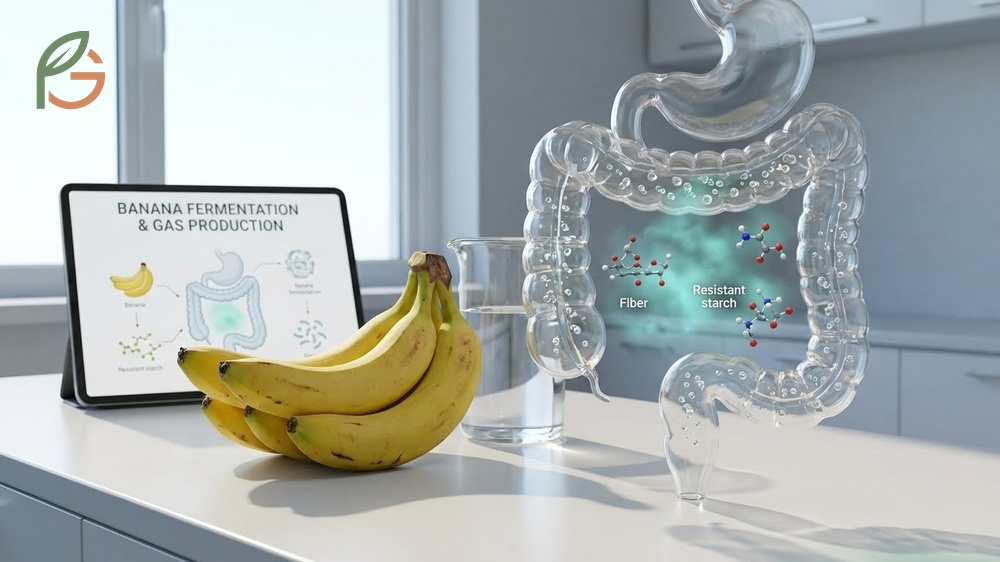
Research shows that bananas can cause gas in certain people, primarily due to their resistant starch and soluble fiber content[1]. When these compounds reach your large intestine undigested, gut bacteria ferment them and produce gas as a natural byproduct. The amount of gas you experience depends on your individual gut bacteria composition and how adapted your system is to fiber-rich foods.
A medium banana provides 105 calories and 27 grams of carbohydrates[2]. What often gets overlooked is that banana ripeness dramatically affects how your body processes these carbs. Studies demonstrate that fiber changes gut microbiome composition, increasing the number of fiber-digesting bacteria[1].
If you’re not accustomed to eating fiber-rich foods regularly, introducing bananas can trigger temporary gas and bloating. Your digestive system needs time to adjust. This doesn’t mean bananas are bad for you—it’s just your gut adapting to beneficial fiber that supports long-term digestive health.
Resistant Starch in Bananas
Resistant starch is the primary compound in bananas that escapes digestion in your small intestine. Current data indicates that approximately 83.7% of α-glucans from green banana flour reach the terminal ileum but are almost totally fermented in the colon[4]. This fermentation process produces short-chain fatty acids and gas.
Green bananas contain the highest concentration of resistant starch among all fruits. The starch exists in granule form with physical characteristics similar to raw potato starch. As bananas ripen, enzymes break down this resistant starch into simpler sugars that your body absorbs more easily without producing as much gas.
Fiber and Fermentation
Evidence suggests that one medium banana contains around 3 grams of dietary fiber[2], but this number varies significantly based on ripeness. Research using modern analytical methods found that slightly ripe bananas contain approximately 5.9 grams per medium banana, while overripe ones drop to about 2.2 grams[3].
Bananas also contain pectin, a soluble fiber that’s partially water-soluble[5]. When soluble fiber mixes with water in your gut, it forms a gel-like substance that slows digestion. This gives gut bacteria more time to ferment the fiber, which can increase gas production temporarily.
Important Note: If you experience severe gas after eating just one banana, you might have a banana intolerance or sensitivity to FODMAPs rather than a simple fiber adjustment issue. Consider consulting a healthcare provider or registered dietitian for proper evaluation.
Do Bananas Cause Bloating
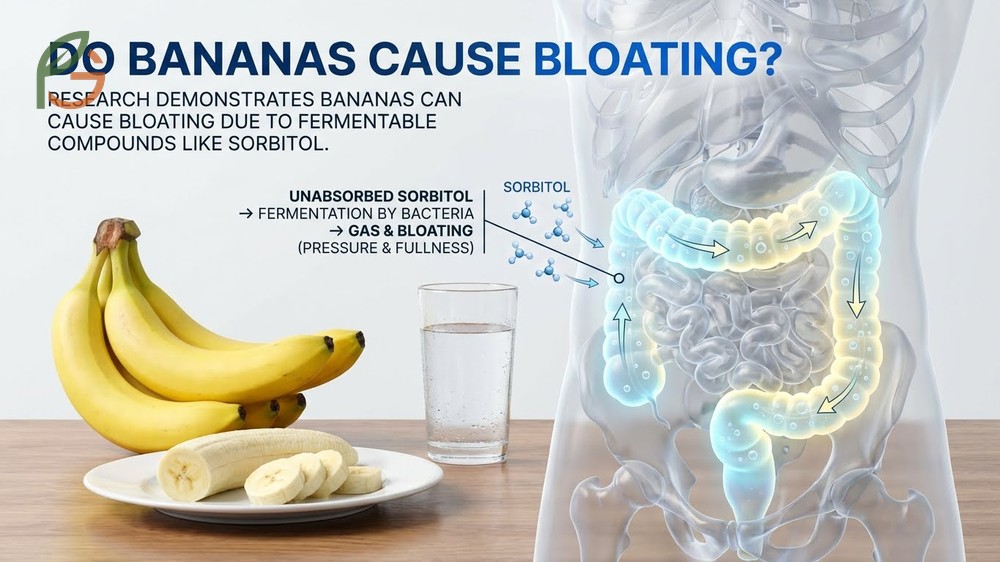
Research demonstrates that bananas can cause bloating in some individuals due to multiple fermentable compounds. Studies show bananas contain sorbitol, a sugar alcohol that’s difficult for many people to digest[1]. When sorbitol reaches your colon unabsorbed, it draws water into your intestines and gets fermented by bacteria, causing both gas and bloating.
Bloating feels different from gas—it’s that uncomfortable sensation of pressure and fullness in your abdomen. Unlike the temporary discomfort from gas, bloating can persist for several hours after eating. The reason is simple: your intestines are dealing with slow-moving gas buildup combined with fluid retention.
People with irritable bowel syndrome (IBS) report higher rates of banana-related bloating. Current guidance shows this happens because IBS makes your gut more sensitive to gas and changes how quickly food moves through your digestive system. Even small amounts of fermentation can trigger noticeable symptoms.
FODMAP Content in Bananas
Agricultural data shows that banana FODMAP content varies by ripeness and type. Research from Monash University indicates that ripe common bananas contain fructans as their primary FODMAP, along with small amounts of sorbitol and mannitol[6]. Fructans are chains of fructose molecules that humans can’t digest because we lack the enzyme to break them down.
What’s interesting is that as bananas ripen, their FODMAP profile changes. Riper bananas with more brown spots tend to have higher fructose content because starches convert to sugars during the ripening process. For people with fructose malabsorption, this means ripe bananas might actually cause more symptoms than slightly green ones.
- Fructans: chains of fructose that escape digestion and ferment in the colon, producing gas
- Fructose: a simple sugar that can cause issues when not balanced with glucose, especially in overripe bananas
- Sorbitol: a sugar alcohol present in small amounts that draws water into the intestines
- Mannitol: another sugar alcohol found in trace amounts in ripe common bananas
- GOS (Galacto-oligosaccharides): present in very small quantities in firm common bananas
Portion Size Matters
Evidence indicates that portion size plays a crucial role in whether bananas cause bloating. Most people tolerate one medium banana without issues, but eating two or more at once dramatically increases your fiber and FODMAP load. This overwhelms your digestive system’s capacity to process these compounds efficiently.
For those following a low-FODMAP diet, current recommendations suggest limiting intake to one-third of a medium banana per sitting. This smaller portion keeps FODMAP levels within the tolerable range for most people with IBS. You can eat more throughout the day—just space it out by at least three hours to give your gut time to process each serving.
Ripe vs Unripe Banana Digestion
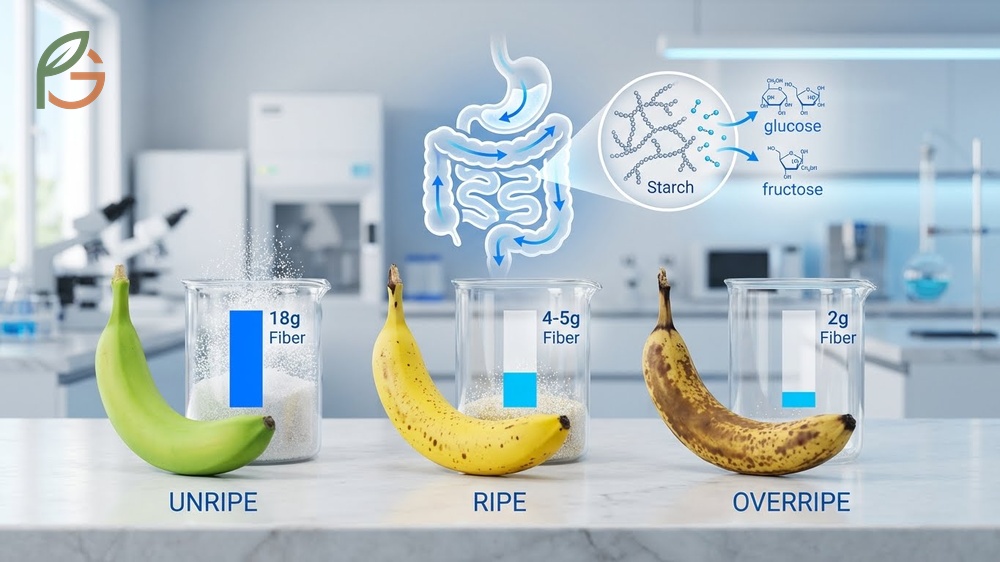
Studies demonstrate that ripeness dramatically affects how your body digests bananas. Unripe green bananas contain approximately 18 grams of fiber per 100 grams, which drops to 4-5 grams in ripe bananas and just 2 grams in overripe fruit[3]. This massive difference explains why green bananas cause significantly more gas and bloating than yellow ones.
The transformation happens because enzymes break down resistant starch into simpler sugars during ripening. What starts as complex, indigestible starch granules becomes glucose, fructose, and sucrose that your small intestine can absorb. Research shows this conversion reduces the amount of material reaching your colon for fermentation, which means less gas production.
Ripe bananas with brown spots are gentler on your stomach for another reason—they’re less firm and easier to break down mechanically. Your stomach doesn’t have to work as hard to process the soft fruit, and the reduced physical stress can prevent that bloated, heavy feeling some people get after eating firm, green bananas.
This table compares starch content, sugar content, fiber levels, digestibility, and gas potential across three banana ripeness stages from green to overripe
| Ripeness Stage | Starch Content | Sugar Content | Fiber per 100g | Gas Potential |
|---|---|---|---|---|
| Green/Unripe | High resistant starch (70% dry matter[3]) | Low simple sugars | ~18g[3] | Highest—most fermentation |
| Yellow/Ripe | Moderate starch (converting to sugars) | Moderate sugars | 4-5g[3] | Moderate—easier to digest |
| Brown Spots/Overripe | Minimal starch (mostly converted) | High glucose, fructose, sucrose | ~2g[3] | Lowest—minimal fermentation |
Quick Tip: If you’re sensitive to sugar but want to eat bananas, choose slightly green ones. If fiber bothers you, go for fully ripe bananas with brown spots—they’re sweeter but much easier to digest without producing gas.
Banana Intolerance Symptoms
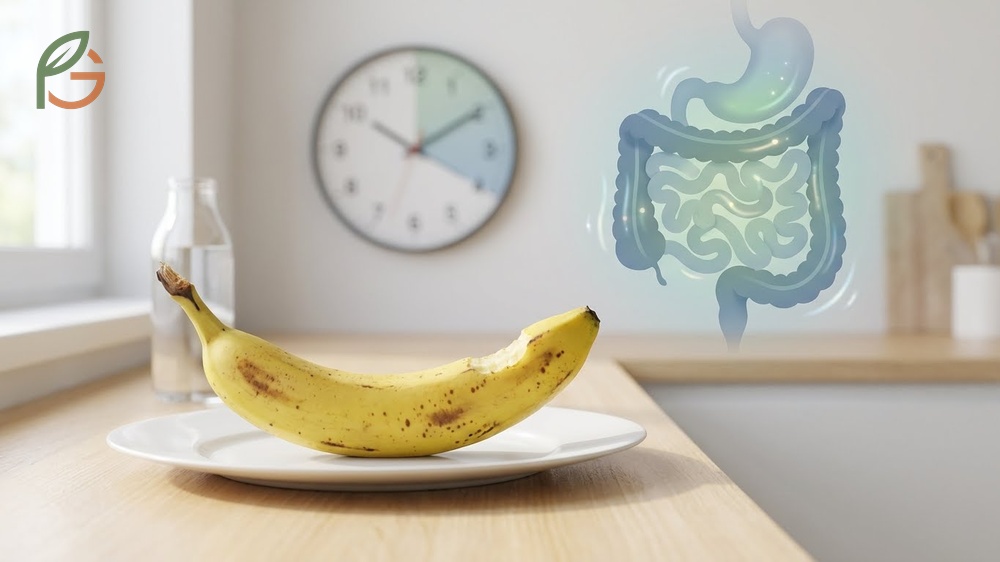
Current data indicates that banana intolerance differs significantly from a banana allergy. Intolerance symptoms are gastrointestinal and result from your body’s inability to properly break down compounds in bananas, not an immune system response. The symptoms typically appear within 30 minutes to several hours after eating bananas.
Research shows the most common banana intolerance symptoms include bloating, gas, abdominal discomfort, changes in bowel movements, and diarrhea[7]. These symptoms can range from mild annoyance to significant discomfort depending on how much you’ve eaten and your individual sensitivity level.
Unlike intolerance, banana allergy triggers immune system reactions. Studies demonstrate that banana allergies cause symptoms like itching in your mouth or throat (oral allergy syndrome), hives, skin rash, nausea, vomiting, or in severe cases, anaphylaxis[7]. If you experience these symptoms, you need immediate medical attention—don’t just avoid bananas and hope it resolves.
- Excessive gas and flatulence within 2-4 hours of eating bananas
- Bloating and abdominal distension that feels worse than normal fullness
- Cramping or abdominal pain, usually in the lower abdomen where the colon is located
- Diarrhea or loose stools, especially if you eat bananas regularly
- Constipation in some people, particularly with unripe bananas high in resistant starch
- Nausea or general digestive discomfort without vomiting
- Gurgling stomach sounds (borborygmi) from increased intestinal activity
What’s often misunderstood is that you can develop banana intolerance at any age, even if you’ve eaten them without problems for years. Your gut microbiome changes over time due to diet, medications (especially antibiotics), stress, and aging. These changes affect how efficiently you digest certain foods, including bananas.
Bananas and Acid Reflux
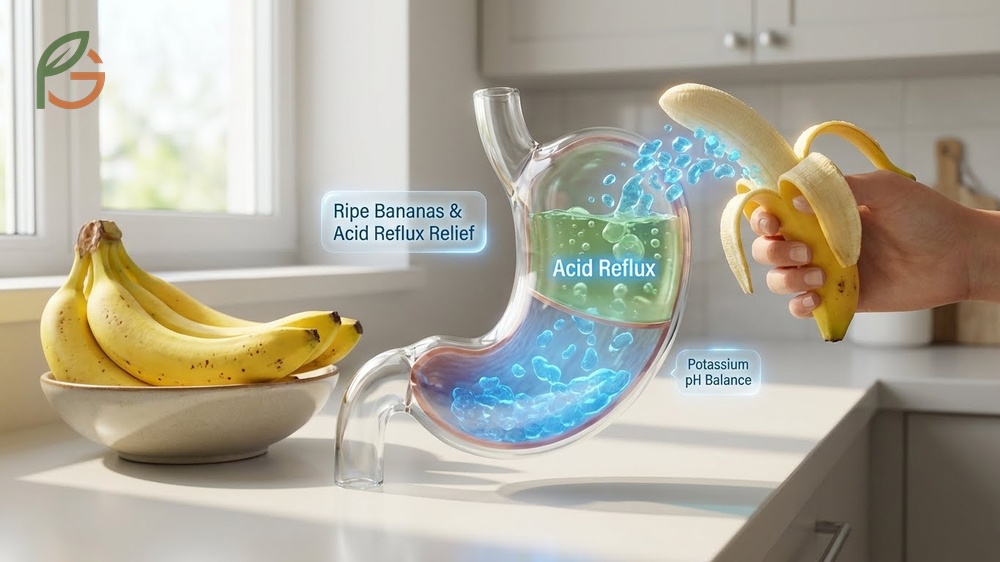
Research shows that ripe bananas can help with acid reflux for most people because they’re naturally low in acid and may have natural antacid properties. Evidence suggests that bananas neutralize stomach acid and provide quick relief from heartburn symptoms. The fruit’s soft texture helps coat and soothe your stomach lining, reducing irritation from excess acid.
Studies demonstrate that bananas are rich in potassium, a mineral that helps regulate pH levels in your stomach. They’re also high in fiber, which promotes healthy digestion and reduces constipation—a condition that often worsens acid reflux symptoms. For these reasons, ripe bananas appear on most GERD-friendly food lists.
However, some people report that bananas trigger their acid reflux instead of helping it. This paradoxical response likely happens because bananas can relax the lower esophageal sphincter (LES) in certain individuals, allowing stomach acid to flow back up into the esophagus. If you’re one of these people, you’ll know within 30-60 minutes of eating a banana—you’ll feel that familiar burning sensation in your chest.
Current guidance emphasizes eating bananas at the right time for GERD management. The best timing is 30 minutes after meals rather than on an empty stomach. When you eat a banana after other foods, it helps neutralize acid that’s already been produced for digestion without triggering excessive acid production on its own.
- Choose fully ripe yellow bananas with some brown spots—they’re less acidic and easier to digest than green ones
- Eat bananas 30 minutes after meals to help neutralize stomach acid from digestion
- Avoid eating bananas on an empty stomach if they trigger your reflux symptoms
- Start with half a banana to test your tolerance before eating a whole one
- Don’t eat bananas within 2-3 hours of bedtime to prevent nighttime reflux
- Pair bananas with alkaline foods like oatmeal or almond butter for better acid balance
GERD Warning: If bananas consistently trigger your acid reflux symptoms, they might not be right for your specific condition. Everyone’s GERD triggers are different—what helps one person might worsen symptoms for another. Track your symptoms and consult a gastroenterologist for personalized advice.
How to Reduce Gas from Bananas
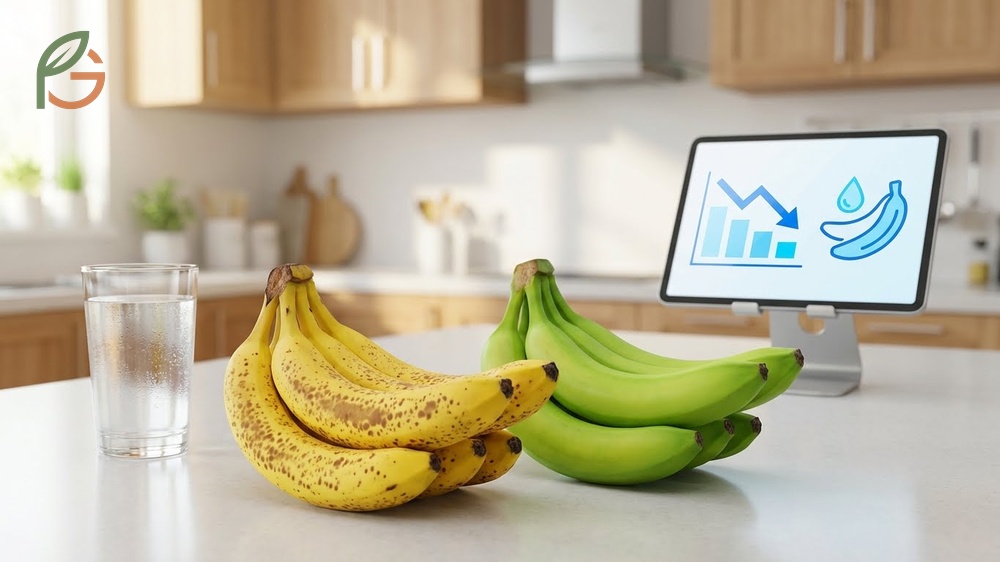
Research demonstrates several practical strategies to minimize gas when eating bananas. The most effective approach is choosing ripe bananas with brown spots instead of green ones. This simple swap can reduce gas production by more than half because ripe bananas contain significantly less resistant starch that needs fermentation.
Studies show that staying hydrated helps prevent gas-related digestive issues. When you drink water with fiber-rich foods like bananas, it helps the fiber move smoothly through your intestines. Current recommendations suggest drinking at least 8 ounces of water when you eat a banana, especially if you’re not used to eating high-fiber foods regularly.
Another proven method is eating smaller portions. Instead of eating a whole banana at once, try eating half and saving the other half for 3-4 hours later. This spacing gives your gut bacteria time to process the fiber and resistant starch without overwhelming your system all at once.
Evidence indicates that pairing bananas with certain foods can reduce gas production. Eating a banana with Greek yogurt or kefir introduces beneficial probiotics that help your gut break down resistant starch more efficiently. The protein in yogurt also slows digestion, which can reduce the rapid fermentation that causes gas.
- Move around: Walking for 10-15 minutes after eating stimulates intestinal muscle contractions that help move gas through your system
- Try peppermint tea: Peppermint relaxes digestive tract muscles, allowing trapped gas to pass more easily
- Use gentle heat: Place a warm heating pad on your abdomen to relax gut muscles and reduce gas pain
- Practice yoga poses: Positions that bring your knees to your chest (like child’s pose) physically compress your colon to release trapped gas
- Take probiotics: Regular probiotic supplements help build gut bacteria that digest fiber more efficiently with less gas production
- Chew thoroughly: Breaking down food by chewing at least 20-30 times per bite reduces the work your gut has to do
- Avoid carbonated drinks: Don’t wash bananas down with soda or sparkling water—the carbonation adds more gas to your digestive system
For immediate relief when you’re already experiencing gas, studies suggest several fast-acting remedies. Dissolving half a teaspoon of baking soda in water can neutralize stomach acid and release gas quickly, but don’t exceed this amount. Over-the-counter options like simethicone (Gas-X) work by breaking up gas bubbles in your intestines, making them easier to pass.
What’s crucial to understand is that some gas is completely normal and even healthy—it means your gut bacteria are doing their job of fermenting fiber. Current guidance shows that the average person passes gas 14-23 times per day. If bananas cause excessive gas beyond this range, or if you experience severe pain, consult a healthcare provider to rule out underlying digestive conditions.
Conclusion
The evidence is clear: bananas can cause gas in some people, but this doesn’t make them unhealthy. Research demonstrates that the resistant starch, fiber, and FODMAPs in bananas produce gas through natural fermentation in your colon. Choosing ripe bananas with brown spots, eating smaller portions, and staying hydrated are the three most effective strategies to minimize digestive discomfort while still enjoying this nutritious fruit.
Current guidance emphasizes that individual tolerance varies widely based on your gut microbiome composition, fiber intake habits, and existing digestive conditions like IBS or GERD. FruitGarden synthesizes research-based cultivation and nutrition data to help you make informed decisions about growing and consuming fruits that support your specific health needs. If you’re unsure whether bananas are right for your digestive system, start with half a ripe banana and monitor your symptoms over several days before increasing your intake.
Medical Disclaimer
Important Medical Disclaimer: This content is for informational and educational purposes only. It’s not intended as a substitute for professional medical advice, diagnosis, or treatment. Always consult a qualified healthcare professional before making any changes to your diet, medication, or health routine, especially if you have IBS, GERD, diabetes, food allergies, or other medical conditions. If you experience severe abdominal pain, persistent bloating, or signs of an allergic reaction after eating bananas, seek immediate medical attention.
Frequently Asked Questions
Will bananas cause gas if I eat them every day?
Evidence suggests that eating bananas daily can cause less gas over time as your gut bacteria adapt to the fiber load. Research shows that if you gradually increase banana consumption over 2-3 weeks, your digestive system builds up the right bacterial strains to process resistant starch more efficiently. However, if you have IBS or banana intolerance, daily consumption may continue causing symptoms regardless of adaptation period.
Do bananas make you gassy at night?
Studies demonstrate that eating bananas close to bedtime can increase nighttime gas because digestion slows down when you’re lying down. Your intestinal muscles don’t contract as vigorously in sleep mode, so gas moves through your system more slowly and builds up. Current guidance recommends eating bananas at least 2-3 hours before bed if you’re prone to nighttime bloating or gas discomfort.
Can bananas give you gas if you’re not used to fiber?
Yes, research shows that if you typically eat a low-fiber diet, introducing bananas can definitely cause gas. Your gut bacteria population isn’t adapted to fermenting fiber efficiently, so they produce more gas as a byproduct. The solution is starting with just one-third to one-half of a ripe banana daily and gradually increasing over 2-3 weeks while drinking plenty of water to help your system adjust.
Does eating raw banana cause more gas than cooked banana?
Evidence indicates that raw bananas, especially green ones, cause significantly more gas than cooked bananas. Cooking breaks down some of the resistant starch structure, making it easier to digest and reducing the amount that reaches your colon for fermentation. However, most people in the United States eat bananas raw, so if gas is a persistent problem, try baking bananas into bread or muffins where heat transforms the resistant starch.
Are bananas good for acid indigestion?
Research demonstrates that ripe bananas help most people with acid indigestion because they’re naturally low in acid and contain compounds that neutralize stomach acid. Studies show bananas can coat and soothe the stomach lining while providing potassium that helps balance pH levels. However, about 1-5% of people report that bananas worsen their acid reflux—this individual variation means you need to test your own tolerance carefully.
What are the main banana intolerance symptoms to watch for?
Current data shows the primary banana intolerance symptoms are gastrointestinal: excessive gas, bloating, abdominal cramping, diarrhea, and changes in bowel movements. These symptoms typically appear 30 minutes to 4 hours after eating bananas and are caused by your body’s difficulty breaking down FODMAPs, resistant starch, or fructose. Unlike banana allergy, intolerance doesn’t cause skin reactions, breathing problems, or anaphylaxis.
How much banana is safe to eat if I have IBS?
Evidence from FODMAP research indicates that people with IBS should limit intake to one-third of a medium banana (about 40 grams) per meal to stay within low-FODMAP thresholds. Studies show this portion size keeps FODMAP levels low enough that most IBS patients don’t experience symptoms. You can eat banana multiple times throughout the day—just space portions at least 3-4 hours apart to allow your gut time to process each serving completely.





