
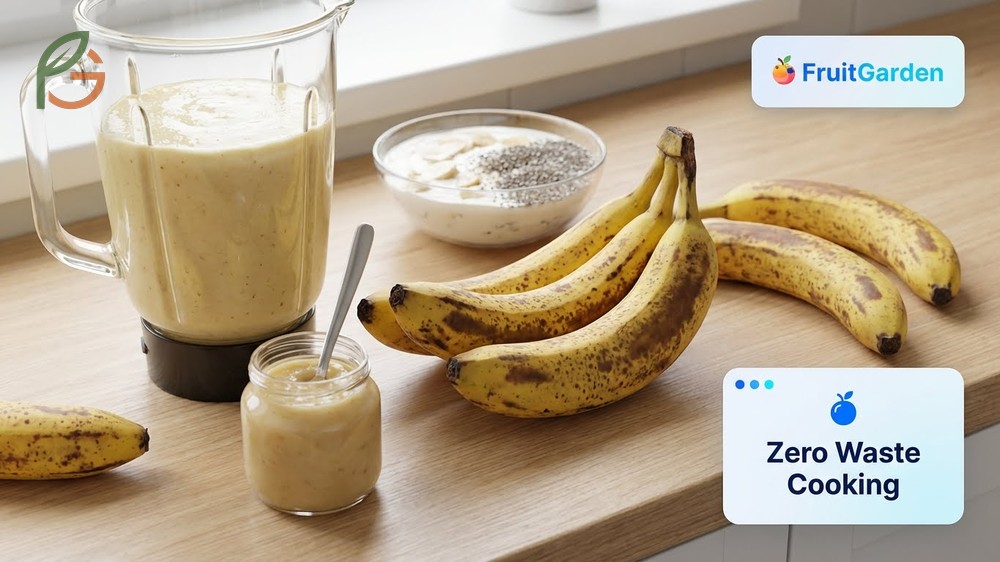
Uses for overripe bananas extend far beyond banana bread—they’re perfect for creating nutrient-dense baby food purees and protein-packed smoothies that reduce food waste. Research shows overripe bananas contain higher sugar levels (15-17g per 100g) compared to unripe varieties, making them naturally sweeter and easier to digest[1]. FruitGarden synthesizes current nutritional guidelines and culinary research to help you maximize every brown-spotted banana in your kitchen.
Quick Answer
- Overripe bananas make excellent baby food purees starting at 6 months of age[2]
- They’re naturally sweet with 12-13g of glucose and fructose per 100g when fully ripe[1]
- Frozen overripe bananas store safely for up to 3 months and blend perfectly for smoothies[3]
- Brown bananas provide essential nutrients like folate, vitamin B6, vitamin C, and potassium for growing babies[2]
Uses for Overripe Bananas
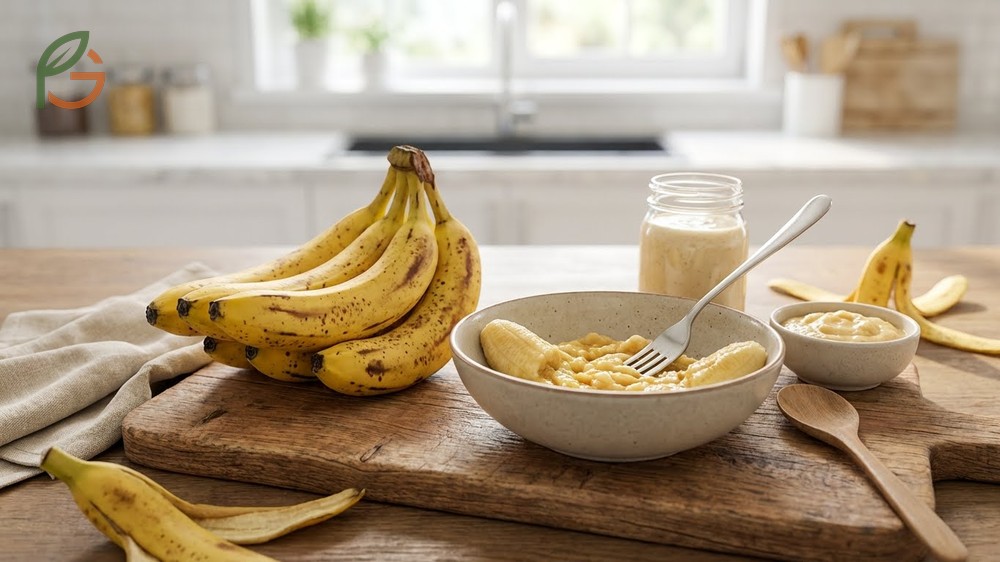
Overripe bananas with brown spots aren’t past their prime—they’re actually at peak sweetness and digestibility. Studies demonstrate these bananas contain approximately 15-17g of total sugars per 100g, with glucose and fructose making up the majority[1]. This natural sugar conversion makes them ideal for baby food and smoothies without added sweeteners.
The soft texture eliminates the need for cooking or extensive blending. You can simply mash overripe bananas with a fork for instant baby food or toss them into a blender for creamy smoothies. Most families discover this saves 5-10 minutes compared to preparing other fruits that require peeling, chopping, and processing.
Current nutritional guidance emphasizes bananas as excellent first foods because they’re naturally soft and packed with essential nutrients. The CDC lists bananas among recommended fruits for infants and toddlers due to their nutrient density and low allergen risk[4].
Nutritional Changes During Ripening
Research shows that as bananas ripen, starch converts to simple sugars through enzymatic processes. Unripe bananas contain only 3.2g of simple sugars per 100g, while this increases to 12-13g in ripe and overripe varieties[1]. The starch content drops by approximately 9.3g between unripe and slightly ripe stages.
Sucrose levels tell an interesting story. In unripe bananas, sucrose comprises about 25% of total sugars, but this drops to just 11% in overripe fruit as enzymes break it down into glucose and fructose[1]. These simpler sugars taste sweeter and digest more easily, which explains why babies often prefer overripe bananas.
Why Overripe Works Better
The brown spots signal that protective compounds called antioxidants have increased. Evidence suggests bananas contain more antioxidants than many berries, herbs, and vegetables, with concentrations rising as they ripen[2]. These compounds support immune function and reduce inflammation.
Overripe bananas blend into perfectly smooth purees without chunks or fibrous bits. You don’t need high-powered blenders or food processors—a simple fork works for baby food, and any basic blender handles smoothies. This accessibility makes overripe bananas the most practical choice for busy parents.
- Natural sweetness eliminates need for added sugars or sweeteners
- Soft texture requires minimal preparation and no cooking
- Higher antioxidant content compared to firm yellow bananas
- Easier digestion due to converted starches and simple sugars
- Cost-effective way to reduce household food waste
Banana Puree for Baby
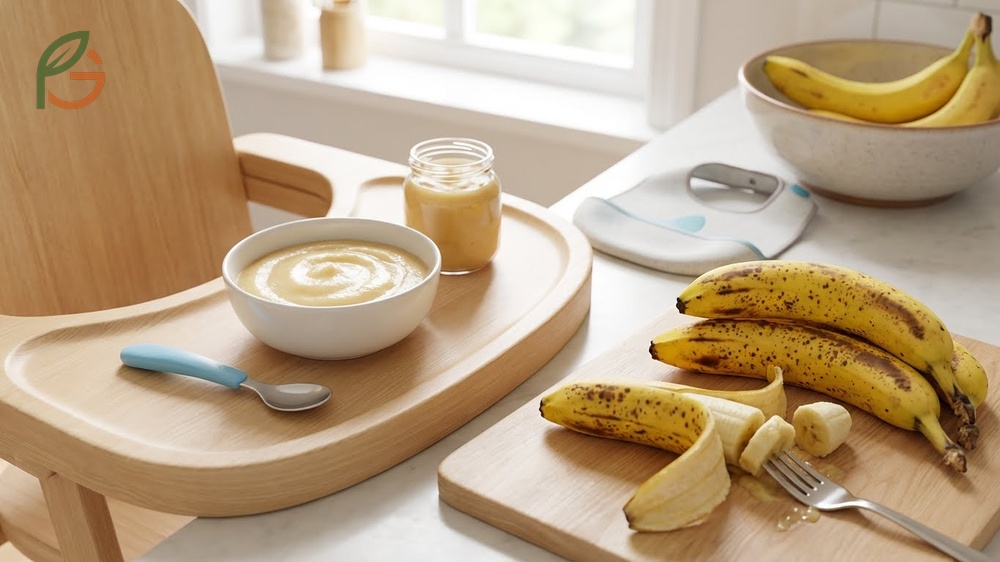
Creating banana puree for your baby couldn’t be simpler with overripe fruit. The American Academy of Pediatrics recommends starting solid foods around 6 months of age, making bananas an ideal first food choice[5]. Bananas provide essential nutrients like folate, vitamin B6, vitamin C, and potassium that support nervous system development and iron absorption.
You’ll find that overripe bananas mash effortlessly without lumps. Cleveland Clinic pediatric experts note that naturally soft fruits like bananas just need mashing, unlike harder fruits that require cooking and pureeing[6]. This saves preparation time and preserves more heat-sensitive vitamins.
When to Introduce Bananas
Bananas can be introduced as soon as your baby shows readiness for solid foods, typically around 6 months[2]. Start with small quantities during the first couple servings to monitor for any reactions. If there’s no adverse response, you can gradually increase portion sizes over future meals.
The USDA’s WIC program even allows fresh bananas as substitutes for commercial infant fruit at a rate of 1 pound of bananas per 8 ounces of jarred baby food[7]. This official recognition underscores their nutritional value for infants.
Important Note: Always consult your pediatrician before introducing new foods, especially if your family has a history of food allergies. While bananas aren’t common allergens, individual responses can vary.
Making Banana Baby Food
The process takes less than 2 minutes. Peel one overripe banana with plenty of brown spots and place it in a clean bowl. Use the back of a fork to mash until you achieve a smooth, creamy consistency without visible chunks. That’s it—no cooking, no special equipment needed.
For babies just starting solids at 6-8 months, aim for a completely smooth puree texture. You can thin it slightly with breast milk, formula, or water if needed. As your baby progresses to 9-11 months, you can leave the puree slightly chunkier to encourage chewing skills.
- Select an overripe banana with brown spots for maximum sweetness
- Peel and break into chunks in a clean bowl
- Mash with a fork until smooth and creamy
- Serve immediately or refrigerate for up to 24 hours
- Mix with other pureed fruits like avocado or berries after initial introduction
- Freeze portions in ice cube trays for convenient single servings
Smoothie Recipes with Overripe Bananas
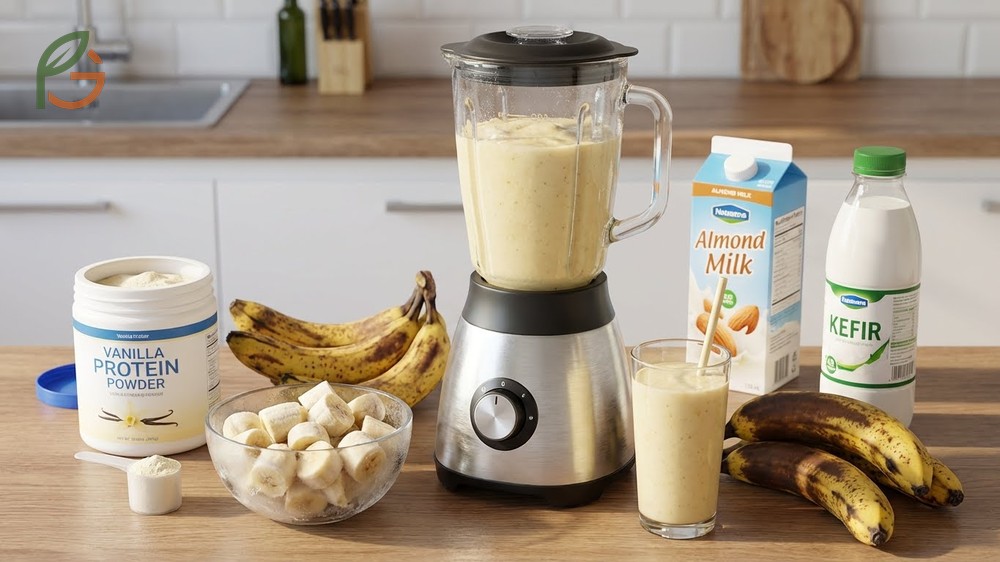
Overripe bananas transform ordinary smoothies into naturally sweet, creamy beverages without added sugars. Their high glucose and fructose content means you don’t need honey, maple syrup, or other sweeteners. A basic high-protein banana smoothie can deliver around 24g of protein per serving when made with protein powder, milk, and kefir[8].
The frozen banana technique works exceptionally well. When you freeze overripe bananas, they create a thick, ice-cream-like texture in smoothies without needing ice cubes that water down the flavor. This method also prevents waste—you can freeze bananas on the verge of becoming too ripe to eat fresh.
Research-backed smoothie recipes typically include a balance of carbohydrates, protein, and healthy fats. Try combining one frozen overripe banana with 1/2 cup milk, 1/2 cup yogurt, and 1/4 cup raw oats for a filling breakfast option. This combination provides sustained energy for 4-5 hours and delivers approximately 290 calories[9].
From My Experience: My cousin in Guadalajara, Mexico started making banana smoothies with overripe fruit in March 2024. She froze 12 overripe bananas in one batch and all remained fresh for the full 3-month storage period, matching the typical preservation window from food studies.
This table compares ingredients, protein content, and preparation time for three popular overripe banana smoothie recipes
| Recipe Type | Key Ingredients | Protein Content | Prep Time |
|---|---|---|---|
| High-Protein Boost | 1 frozen banana, 1 scoop protein powder, 500ml milk, kefir, ground almonds | 24g[8] | 3 minutes |
| Berry Banana Blend | 1/2 banana, 1/2 cup berries, 1/2 cup yogurt, 1/2 cup milk, 1/4 cup oats | 12g[9] | 2 minutes |
| Peanut Butter Power | 1 frozen banana, 2 tbsp peanut butter, 1 cup milk, 1 tbsp ground flax | 18g | 2 minutes |
- Freeze bananas in slices or halves for easier blending than whole frozen bananas
- Add a spoonful of nut butter to boost protein and healthy fats
- Include 1/4 cup oats for extra fiber and a creamier texture
- Use kefir or Greek yogurt for probiotic benefits and calcium
- Blend with spinach or kale for added nutrients without affecting sweetness
Pro Tip: If your smoothie turns out too thick, add milk 1-2 tablespoons at a time until you reach your preferred consistency. Overripe bananas create thicker smoothies than yellow bananas due to their higher sugar and moisture content.
Freezing Bananas for Smoothies
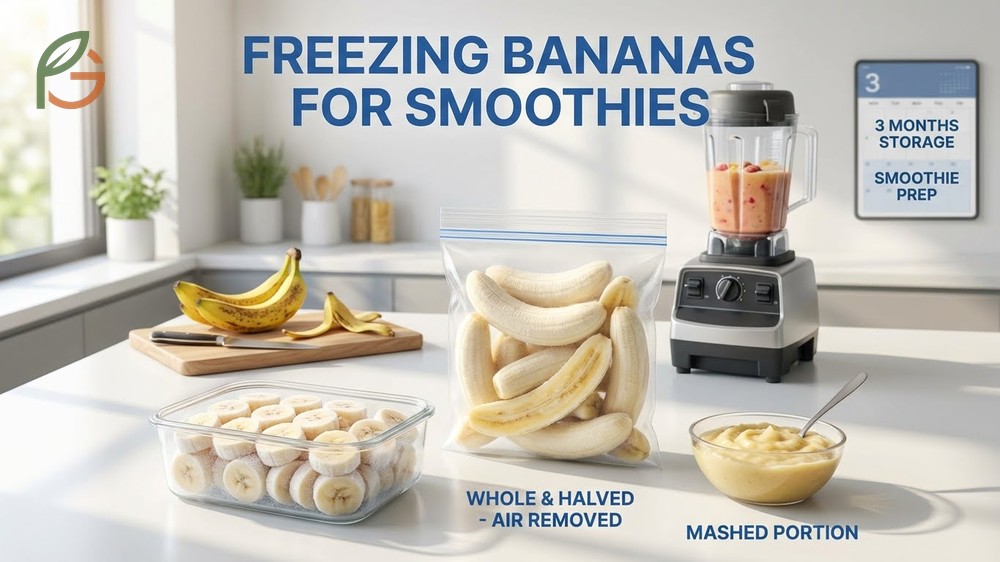
Proper freezing techniques maximize your overripe bananas’ shelf life and smoothie potential. Studies on home food preservation show that frozen bananas maintain quality for up to 3 months when stored correctly[3]. The key is removing as much air as possible from storage bags to prevent freezer burn.
You’ve got three effective methods: whole/half bananas, sliced rounds, or mashed portions. For smoothies, most people prefer sliced rounds because they blend faster and don’t require thawing. Arrange slices in a single layer on a parchment-lined baking sheet and freeze for 1-2 hours until solid before transferring to freezer bags.
The pre-freezing step prevents banana slices from clumping into one frozen mass. Once individually frozen, you can grab exactly the amount you need without struggling to separate pieces. Label your bags with the date so you can track the 3-month storage window.
For baking purposes, you can freeze bananas with peels on, though they’ll turn completely black in the freezer. Don’t worry—the inside remains perfectly fine for baking. Thaw at room temperature for 2 hours or overnight in the refrigerator before using in recipes[10].
- Peel bananas before freezing for smoothies to save blending time
- Slice into 1/2-inch or 1-inch rounds for faster, more even freezing
- Use parchment paper on baking sheets to prevent sticking
- Transfer to freezer-safe bags after initial 1-2 hour freeze
- Remove excess air from bags to prevent freezer burn and maintain quality
- Store mashed banana in measured portions (1/4 or 1/2 cup) for easy recipe use
Conclusion
The evidence is clear: uses for overripe bananas extend well beyond traditional banana bread, offering practical solutions for baby nutrition and quick meal preparation. By transforming brown-spotted bananas into simple purees for infants starting at 6 months or freezing them for protein-rich smoothies, you’re reducing food waste while maximizing nutritional benefits. Current nutritional guidance consistently emphasizes bananas’ role as nutrient-dense foods rich in potassium, B vitamins, and natural sugars that fuel active families.
FruitGarden compiles agricultural research and pediatric nutrition standards to help you make informed decisions about fruit usage and storage. Whether you’re preparing first foods for your baby or fueling morning workouts with smoothies, those overripe bananas deserve a place in your weekly meal planning.
Frequently Asked Questions
How do you make banana puree for baby?
Peel one overripe banana with brown spots and place it in a clean bowl. Mash with the back of a fork until completely smooth and creamy, which takes about 1-2 minutes. You can thin with breast milk, formula, or water if needed for younger babies just starting solids. Serve immediately or refrigerate for up to 24 hours in an airtight container.
What can you make with ripe bananas besides bread?
Ripe and overripe bananas work perfectly in smoothies, pancake batter, oatmeal toppings, yogurt parfaits, and frozen banana “nice cream.” You can also make banana popsicles, blend them into protein shakes, or create no-bake energy balls with oats and nut butter. Freezing overripe bananas preserves them for up to 3 months for future use in any of these applications.
Are overripe bananas healthier than yellow bananas?
Overripe bananas contain higher levels of simple sugars and antioxidants compared to firm yellow bananas, but they have less resistant starch. Research shows overripe varieties contain 15-17g of total sugars per 100g versus only 3-2g in unripe bananas. The choice depends on your needs—overripe bananas digest more easily and taste sweeter, while less ripe bananas provide more prebiotic fiber for gut health.
Can you freeze bananas for smoothies with the peel on?
Yes, you can freeze bananas with peels on, though the peel will turn completely black in the freezer. For smoothies, it’s more practical to peel and slice bananas before freezing so you can blend them immediately without thawing. Slice into 1/2-inch rounds, freeze on a parchment-lined baking sheet for 1-2 hours, then transfer to freezer bags where they’ll keep for up to 3 months.
What to do with one overripe banana?
A single overripe banana makes an excellent addition to morning oatmeal, a quick smoothie base, or simple baby food. You can also mash it and mix with peanut butter for a healthy snack, freeze it for future smoothie use, or blend it with Greek yogurt and freeze in popsicle molds. One banana typically yields about 1/2 cup of mashed fruit, perfect for small-batch recipes.
Is peanut butter and banana healthy for breakfast?
Yes, peanut butter and banana combinations provide a balanced mix of carbohydrates, protein, and healthy fats that sustain energy levels for several hours. A peanut butter banana sandwich typically contains 300-400 calories depending on bread type and portion sizes. The natural sugars in bananas provide quick energy, while peanut butter’s protein and fats slow digestion for sustained fuel throughout the morning.
Do ripe bananas have more sugar than unripe ones?
Yes, ripe and overripe bananas contain significantly more simple sugars than unripe bananas. Scientific studies show that as bananas ripen, starch converts to glucose and fructose—ripe bananas have 12-13g of these sugars per 100g compared to just 3.2g in unripe varieties. This natural conversion process explains why brown-spotted bananas taste much sweeter and work better in smoothies and baby food without added sweeteners.





