
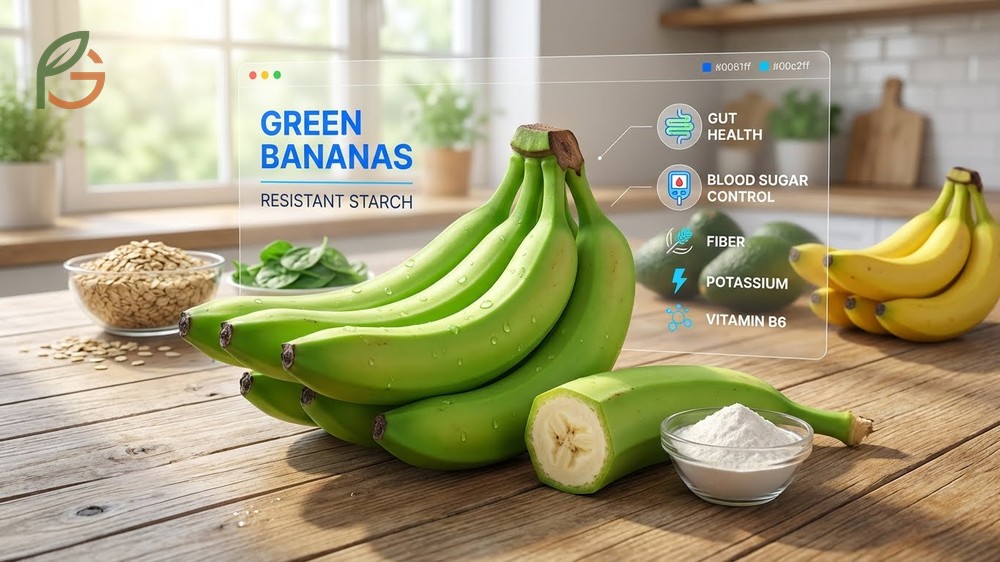
Can you eat green bananas? Yes, green bananas are safe and highly nutritious. Research shows they contain resistant starch that supports gut health, helps regulate blood sugar levels, and provides essential nutrients like fiber, potassium, and vitamin B6[1]. Most people don’t realize that unripe bananas offer distinct health advantages compared to their yellow counterparts, particularly for digestive wellness and metabolic control. FruitGarden synthesizes current nutritional research to help you understand how green bananas fit into a healthy diet.
Quick Answer
- Green bananas contain 3g of fiber[2] and 105 calories per medium banana
- They’re rich in resistant starch that acts as a prebiotic, feeding beneficial gut bacteria[1]
- Green bananas have a low glycemic index of 48[3] compared to ripe bananas at 85
- Cook them by boiling for 20-30 minutes or eat raw if you can tolerate the starchy taste
Can You Eat Green Bananas
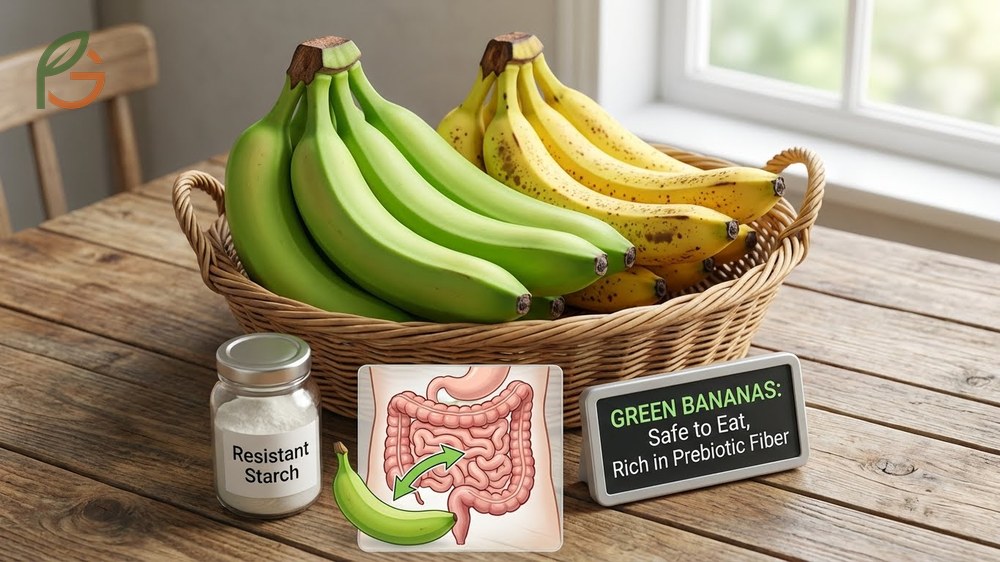
Green bananas are completely safe to eat and offer unique nutritional benefits that ripe bananas don’t provide. Studies demonstrate that unripe bananas contain high levels of resistant starch, classified as RS Type 2, which resists digestion in the small intestine and reaches the colon intact[1]. This makes them particularly valuable for gut health.
The main difference you’ll notice is taste and texture. Green bananas taste starchy and slightly chalky rather than sweet. They’re firmer and less aromatic than yellow bananas. Many cultures worldwide consume green bananas as a staple food, often cooked rather than eaten raw.
What often gets overlooked is that green banana consumption supports specific health goals better than ripe bananas. If you’re managing blood sugar, seeking better digestive health, or trying to increase satiety, green bananas work more effectively. The resistant starch content decreases as bananas ripen, converting to simple sugars that spike blood glucose faster.
What Makes Green Bananas Different
The green color signals high starch content and low sugar levels. During ripening, enzymes break down starch molecules into glucose, fructose, and sucrose. This process hasn’t started in green bananas, keeping them low on the glycemic index at around 48 compared to 85 for fully ripe bananas[3].
Green bananas contain more tannins, which give them an astringent quality. These compounds decrease as the fruit ripens. The pectin structure is also firmer in unripe bananas, contributing to their prebiotic effects when they reach the colon.
Resistant Starch Explained
Resistant starch functions like soluble fiber in your digestive system. When gut bacteria ferment resistant starch in the colon, they produce short-chain fatty acids including butyrate, acetate, and propionate[1]. Butyrate serves as the primary energy source for colon cells and exhibits anti-inflammatory properties.
Research indicates consuming 30-40g of resistant starch daily decreases fasting blood glucose levels, while just 10g per day lowers fasting insulin levels[4]. A medium green banana provides approximately 4-5g of resistant starch, making it an accessible dietary source.
Nutrition Facts of Green Bananas
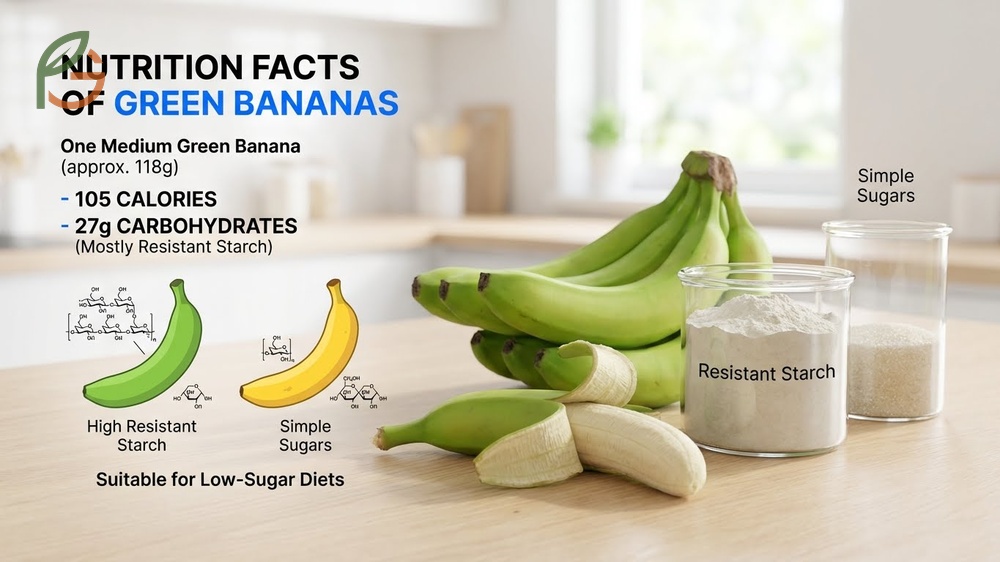
A medium green banana weighing approximately 118g delivers essential nutrients without excessive calories. Current data indicates one medium banana contains 105 calories with 27g of carbohydrates[2]. The carbohydrate profile differs significantly from ripe bananas since most exists as resistant starch rather than simple sugars.
The nutritional content makes green bananas suitable for various dietary approaches. They fit into low-sugar diets better than ripe bananas. The fiber content supports digestive regularity while the resistant starch promotes beneficial bacteria growth.
Macronutrient Breakdown
Green bananas provide balanced macronutrients with emphasis on complex carbohydrates. Each medium banana contains 1g of protein and minimal fat content at approximately 0.4g. The 3g of dietary fiber includes both soluble and insoluble types[2].
Net carbohydrates calculate to approximately 24g per banana when subtracting fiber. This makes them unsuitable for strict ketogenic diets. However, the resistant starch doesn’t spike blood sugar like regular starch, offering metabolic advantages.
This table compares macronutrient and micronutrient values per medium green banana with daily value percentages
| Nutrient | Amount | Daily Value (%) |
|---|---|---|
| Calories | 105[2] | 5% |
| Carbohydrates | 27g[2] | 10% |
| Fiber | 3g[2] | 12% |
| Protein | 1g | 2% |
| Potassium | 400mg | 9% |
| Vitamin B6 | 0.4mg | 25% |
Vitamins and Minerals
Green bananas excel as a source of vitamin B6, providing 25% of the daily value in one medium fruit. This vitamin supports brain function, red blood cell formation, and protein metabolism. Potassium content reaches 400mg per banana, contributing 9% of daily needs for blood pressure regulation.
Additional minerals include magnesium at 7% DV and manganese at 14% DV. Vitamin C provides 11% of daily requirements, supporting immune function. The mineral content remains relatively stable whether bananas are green or ripe.
- Vitamin B6: Supports neurotransmitter synthesis and cognitive function
- Potassium: Regulates blood pressure and heart rhythm
- Magnesium: Aids muscle function and energy production
- Vitamin C: Acts as antioxidant and supports collagen synthesis
- Manganese: Assists bone formation and nutrient metabolism
Are Green Bananas Good for You
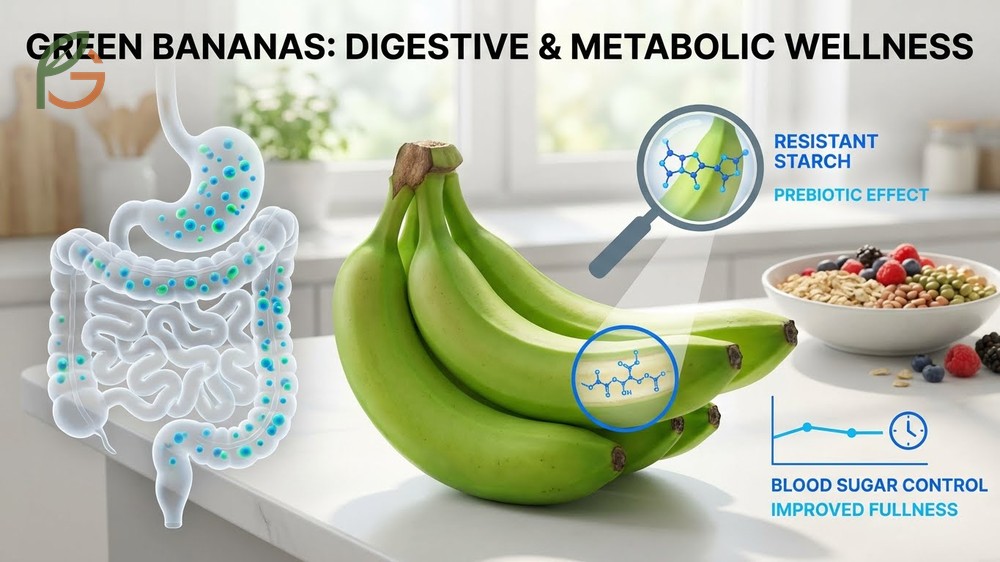
Evidence suggests green bananas deliver multiple health advantages, particularly for digestive and metabolic wellness. The resistant starch content positions them as functional foods that go beyond basic nutrition. Studies have found diets including resistant starch help with blood sugar control, yield healthful blood lipid levels, and improve feelings of fullness after eating[5].
The prebiotic effect distinguishes green bananas from most other fruits. Unlike probiotics that add bacteria to your gut, prebiotics feed the beneficial bacteria already present. This relationship between resistant starch and gut microbiome creates a foundation for broader health improvements.
Gut Health Benefits
Resistant starch from green bananas modulates gut microbiome composition by promoting beneficial bacterial growth. When gut bacteria ferment resistant starch, they produce volatile fatty acids that maintain gut barrier integrity and reduce inflammation[1]. Butyrate specifically serves as the primary fuel source for colon cells.
Research shows resistant starches don’t cause pain or lead to bloating, diarrhea, or constipation like other prebiotics do for most people[6]. The fermentation process occurs slowly in the colon, avoiding the rapid gas production associated with some high-fiber foods.
Regular consumption may help with conditions like irritable bowel syndrome and inflammatory bowel disease. The short-chain fatty acids produced during fermentation strengthen the intestinal barrier and support mucus production. This protective effect reduces intestinal permeability often called “leaky gut.”
Important Note: Start with small portions if you’re new to eating green bananas. Your gut bacteria need time to adapt to increased resistant starch. Begin with half a banana daily and gradually increase over 1-2 weeks to avoid temporary digestive discomfort.
Blood Sugar Control
Green bananas support stable blood glucose levels through multiple mechanisms. The low glycemic index of 48 means they release glucose slowly into the bloodstream[3]. This prevents the sharp spikes and crashes that occur with high-GI foods.
Clinical trials demonstrate that supplementing diets with resistant starch results in lower fasting blood glucose levels and improved insulin sensitivity. The effect appears strongest in people with type 2 diabetes or obesity. Current guidance shows 30-40g daily of resistant starch produces measurable improvements in glucose metabolism[4].
The resistant starch bypasses digestion in the small intestine where glucose absorption normally occurs. Instead, bacterial fermentation in the colon produces propionate, a short-chain fatty acid that signals the liver to reduce glucose production. This dual action helps regulate blood sugar from both dietary and endogenous sources.
Weight Management Support
Resistant starch increases satiety and reduces appetite through several pathways. Fermentation produces short-chain fatty acids that stimulate the release of appetite-regulating hormones like GLP-1 and peptide YY. These hormones signal fullness to the brain and slow gastric emptying.
Studies show resistant starch creates a “second meal effect” where eating it once helps you feel satisfied longer. This reduces snacking between meals and total calorie intake throughout the day. The resistant starch also contains fewer accessible calories than regular starch since much of it passes through undigested.
- Increases feelings of fullness for 4-5 hours after eating
- Reduces cravings for high-calorie snacks between meals
- Provides fewer net calories than equivalent ripe bananas
- Supports beneficial gut bacteria linked to healthy weight
- Slows carbohydrate digestion to prevent energy crashes
Green Banana vs Yellow Banana
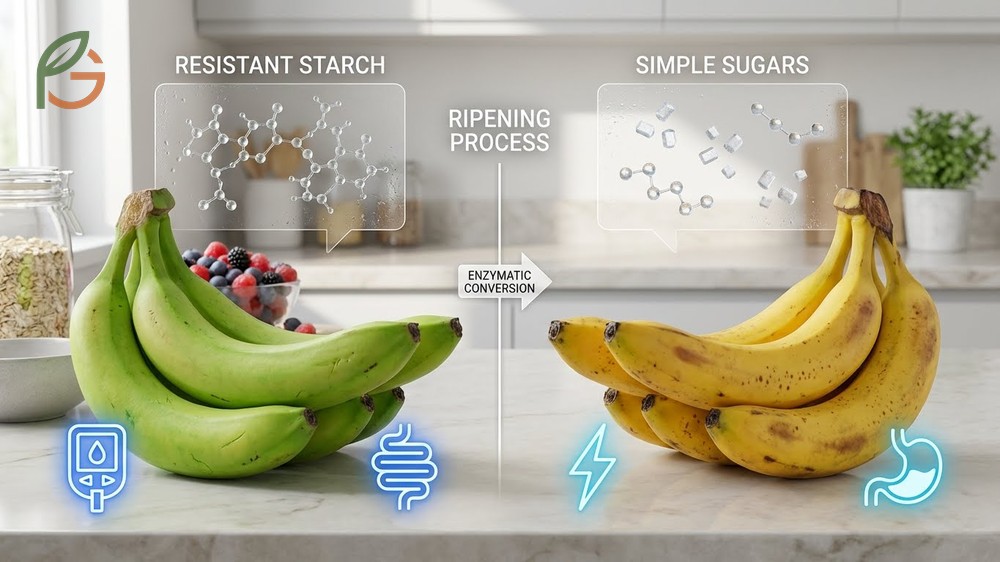
The ripening process fundamentally changes banana composition beyond just color and taste. As bananas ripen, enzymes convert resistant starch into simple sugars, dramatically altering their metabolic effects. This transformation makes green and yellow bananas suitable for different dietary goals.
Green bananas work better for blood sugar management and digestive health. Ripe bananas provide quick energy and easier digestion. Neither is universally superior – your choice depends on your health objectives and tolerance.
Antioxidant levels actually increase as bananas ripen and develop brown spots. However, the glycemic impact rises substantially. A fully ripe banana can spike blood sugar nearly twice as much as a green one with a GI reaching 85 compared to 48[3].
This table compares nutritional characteristics and health effects between green and yellow bananas across seven key factors
| Characteristic | Green Banana | Yellow Banana |
|---|---|---|
| Primary Carbohydrate | Resistant starch | Simple sugars |
| Glycemic Index | 48[3] (Low) | 85[3] (High) |
| Taste Profile | Starchy, chalky, mild | Sweet, aromatic, creamy |
| Digestibility | Slower, reaches colon | Fast, absorbed in small intestine |
| Best For | Blood sugar control, gut health | Quick energy, athletic performance |
| Fiber Content | Higher (includes RS) | Moderate |
| Satiety Effect | Longer lasting (4-5 hours) | Shorter duration (2-3 hours) |
Pro Tip: You can control ripening by storing bananas at different temperatures. Keep green bananas at room temperature to ripen normally. Refrigerate them to slow ripening and maintain resistant starch content for up to a week. The peel will darken but the inside stays firm.
How to Cook Green Bananas

Boiling is the most common and effective method for preparing green bananas. Wash the bananas thoroughly and trim both ends. Make a shallow lengthwise cut through the peel without piercing the fruit – this helps remove the skin easily after cooking.
Bring a large pot of water to a rapid boil over medium-high heat. Add 1-2 teaspoons of salt to the water for flavor. Carefully place the whole unpeeled bananas into the boiling water. Reduce heat to medium and simmer for 20-30 minutes until tender when pierced with a fork.
Once cooked, drain the water and let bananas cool for 2-3 minutes. The peel should slip off easily now. Serve the boiled green bananas hot as a starchy side dish similar to potatoes. They pair well with savory dishes, stews, or can be mashed with butter and seasonings.
- Boiled: 20-30 minutes in salted water, served as starchy side dish
- Steamed: 25-35 minutes until soft, retains more nutrients than boiling
- Fried: Slice thinly and fry in coconut oil for chips (reduces resistant starch)
- Baked: 30-40 minutes at 350°F (177°C) with peel on
- Mashed: Boil first, then mash with olive oil and herbs like plantains
- Added to smoothies: Use raw in small amounts blended with other fruits
You can also eat green bananas raw if you can tolerate the astringent, starchy taste. Slice them thinly and add to smoothies with other sweet fruits to mask the flavor. Start with just 1/4 of a green banana in smoothies until your palate adjusts.
Cooking and then cooling green bananas actually increases their resistant starch content through a process called retrogradation. The starch molecules realign as they cool, becoming even more resistant to digestion. This makes cooked and cooled green bananas particularly beneficial for gut health.
Is It Safe to Eat Green Bananas
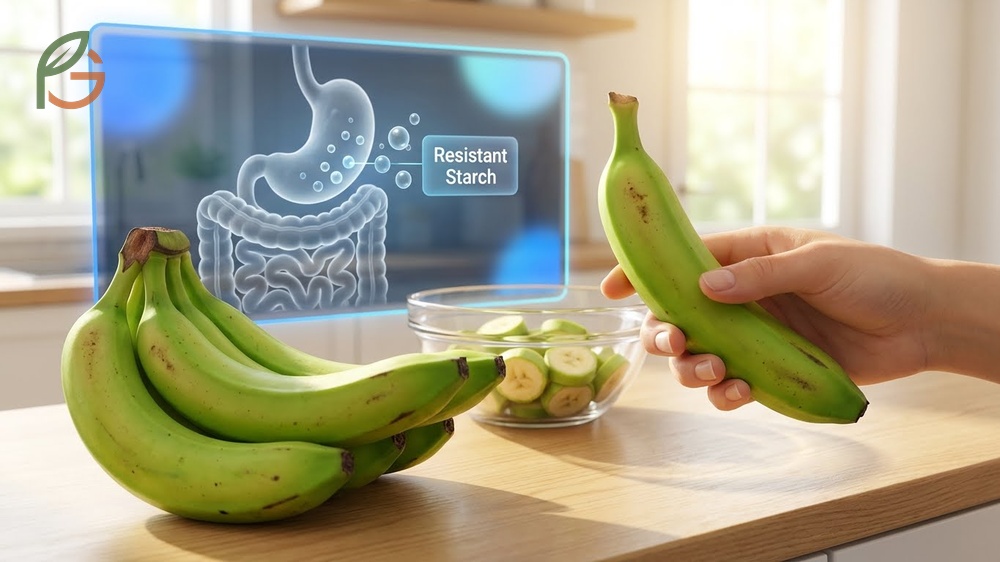
Green bananas are safe for most healthy adults when consumed in reasonable amounts. Current data indicates no toxic compounds develop in unripe bananas. The main safety considerations involve digestive tolerance and potential allergic reactions in sensitive individuals.
Some people experience bloating, gas, or mild stomach discomfort when they first start eating green bananas. This happens because the resistant starch ferments in the colon, producing gas as a byproduct. These symptoms typically resolve within 1-2 weeks as your gut bacteria adapt to the increased fiber intake.
People with latex allergies should exercise caution with green bananas. They contain similar proteins that can trigger cross-reactivity, a condition called latex-fruit syndrome. Symptoms may include itching, swelling, or digestive upset. If you have latex sensitivity, consult your healthcare provider before adding green bananas to your diet.
Safety Guidelines: Limit consumption to 1-2 green bananas daily when starting out. Drink plenty of water to support fiber digestion. Avoid eating green bananas on an empty stomach if you have a sensitive digestive system. Those with kidney disease should monitor potassium intake from all banana types.
- People with irritable bowel syndrome may need gradual introduction
- Individuals with latex allergies should test tolerance carefully
- Those with chronic kidney disease need to monitor potassium levels
- People taking beta-blockers should consult doctors about potassium intake
- Children under 6 months shouldn’t have any banana products
Pregnant and breastfeeding women can safely eat green bananas as part of a balanced diet. The resistant starch and nutrients support digestive health during pregnancy. However, if constipation is already an issue, the extra fiber might worsen symptoms temporarily.
Quality matters when selecting green bananas. Choose firm fruits without soft spots, cracks, or mold. Organic options reduce pesticide exposure. Store at room temperature away from direct sunlight. Once they start developing yellow patches, the resistant starch content begins declining rapidly.
Conclusion
The evidence is clear: green bananas work effectively for improving gut health, managing blood sugar, and supporting weight control when incorporated thoughtfully into your diet. Their resistant starch content delivers prebiotic benefits that ripe bananas simply can’t match, making them a strategic choice for specific health goals.
Current nutritional guidance emphasizes the importance of diverse fiber sources, and green bananas represent an accessible, affordable option that fits multiple dietary patterns. Whether you choose to cook them like a vegetable or blend them raw in smoothies, you’re tapping into a nutrient-dense food that cultures worldwide have valued for centuries. FruitGarden encourages you to experiment with green bananas alongside your favorite fruits to discover what works best for your digestive wellness and taste preferences.
Medical Disclaimer
Important Medical Disclaimer: This content is for informational and educational purposes only. It’s not intended as a substitute for professional medical advice, diagnosis, or treatment. Always consult a qualified healthcare professional before making any changes to your diet, medication, or health routine, especially if you have diabetes, kidney disease, digestive disorders, or other medical conditions. Individual responses to green bananas may vary based on your unique health status and gut microbiome composition.
Frequently Asked Questions
Can I Eat Green Bananas Raw?
Yes, you can eat green bananas raw, though the taste is starchy and astringent rather than sweet. Many people prefer blending them into smoothies with other fruits to mask the chalky flavor. Start with small amounts like 1/4 banana to assess your tolerance, as raw green bananas can cause more digestive discomfort than cooked ones in some people.
How Many Green Bananas Should You Eat per Day?
Most people tolerate 1-2 green bananas daily without digestive issues. Each medium green banana provides 4-5g of resistant starch, so eating two delivers roughly 10g toward the recommended 15-20g daily intake for digestive health benefits. Start with one per day and increase gradually over 1-2 weeks to allow your gut bacteria to adapt.
Do Green Bananas Cause Constipation?
Green bananas can cause temporary constipation in some people, particularly those not accustomed to high-fiber diets. The resistant starch absorbs water in the digestive tract. Drinking plenty of water (at least 8 glasses daily) helps prevent this issue. If constipation persists beyond a few days, reduce your intake and consult a healthcare provider.
Are Green Bananas Better Than Yellow for Diabetics?
Green bananas are generally better for blood sugar management due to their low glycemic index of 48 compared to 85 for ripe bananas. Research shows they cause smaller blood glucose spikes and improve insulin sensitivity over time. However, diabetics should still monitor portions and pair green bananas with protein or healthy fats for optimal glucose control.
What Does Green Banana Flour Taste Like?
Green banana flour has a mild, slightly earthy flavor with subtle banana notes when raw. When baked or cooked, it becomes nearly tasteless and works well as a gluten-free flour substitute. It’s lighter than wheat flour and absorbs more liquid, so recipes typically need adjustment. Use it in pancakes, muffins, or as a thickener for sauces and smoothies.
Can You Freeze Green Bananas?
Yes, freezing green bananas preserves their resistant starch content effectively. Peel them first and store in airtight containers or freezer bags for up to 3 months. Frozen green bananas work excellently in smoothies, creating a creamy texture without added sweetness. Thawing changes the texture significantly, making them unsuitable for eating whole but perfect for blending or baking.
How Long Do Green Bananas Last?
Green bananas stored at room temperature (68-72°F or 20-22°C) typically last 5-7 days before they start ripening and developing yellow patches. Refrigerating green bananas extends their life to 10-14 days while maintaining resistant starch levels, though the peel will darken. Once you see yellow color appearing, the resistant starch begins converting to sugar within 24-48 hours.





