
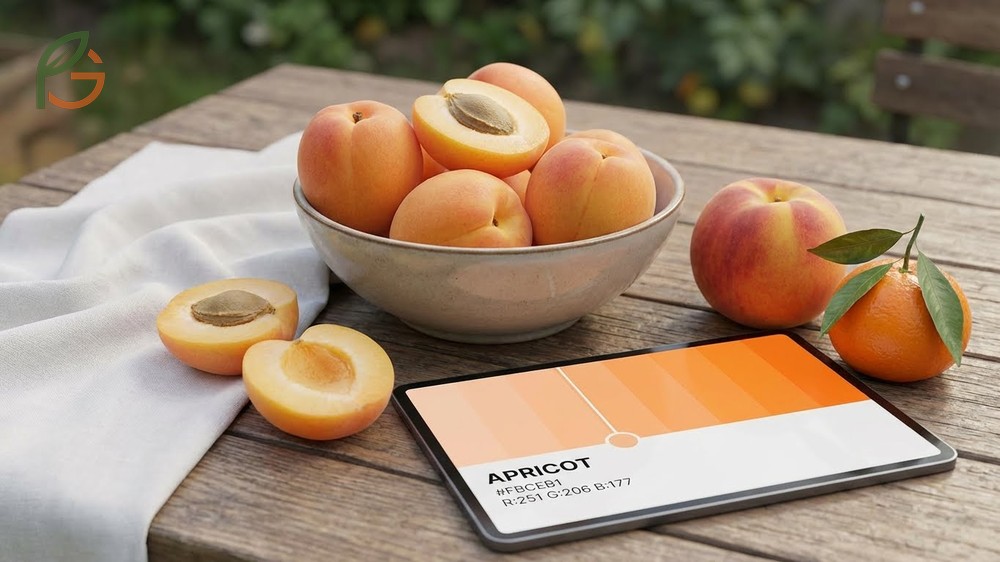
What color is apricot? It’s a pale yellowish-orange that sits between peach and tangerine on the color spectrum. The standard apricot color has hex code #FBCEB1 with RGB values of 251 red, 206 green, and 177 blue[1]. Research shows this warm hue appears softer than pure orange because it contains significant white, creating its characteristic pastel quality[1]. FruitGarden explores how this distinctive color translates from the digital screen to the actual fruit, helping gardeners and color enthusiasts understand both aspects.
Quick Answer
- Apricot color is #FBCEB1 in hexadecimal, creating a pale yellowish-orange tone[1]
- RGB breakdown: 98.4% red, 80.8% green, and 69.4% blue[1]
- Real apricot fruits range from pale yellow to deep saffron orange, often with pink or red blush[2]
- The color symbolizes warmth, comfort, and cheerfulness in design and psychology[3]
What Color Is Apricot
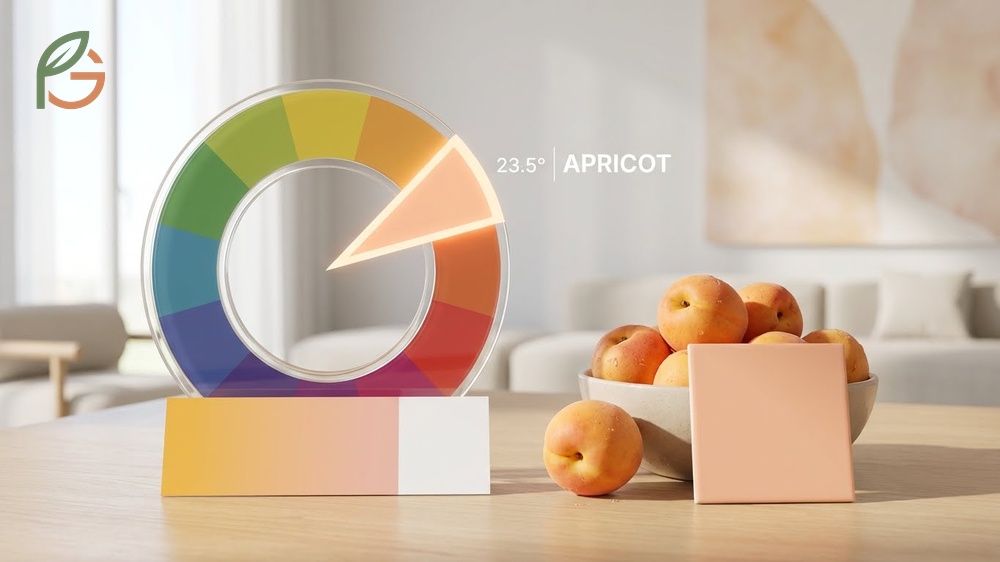
Apricot is classified as a very soft orange that blends yellow and orange tones with substantial white content[1]. This creates a pastel effect that distinguishes it from bolder citrus colors. The hue sits at 23.5 degrees on the color wheel, placing it firmly in the warm color family between red-orange and yellow-orange[1].
Most people recognize apricot as lighter than the actual fruit it’s named after. The standardized color represents an idealized version rather than matching every apricot variety. What makes apricot unique is its high lightness value of 83.9% combined with 90.2% saturation[1].
The color works differently across digital screens versus print media. Screen displays render apricot through additive RGB mixing, while printers use subtractive CMYK processes. This explains why apricot may appear slightly different between your monitor and printed materials.
Apricot Color Hex Code
The primary hex code for apricot is #FBCEB1, though you’ll find variations like #FFCAB1 and #FFB27F used in different design systems. The #FBCEB1 version is most widely recognized across web design and digital applications[1]. Each two-digit pair in the hex code represents red (FB), green (CE), and blue (B1) intensity.
Converting this to decimal gives you 16502449, which computers use internally for color processing. For web developers, you can reference apricot using rgb(251,206,177) or the hex code interchangeably in CSS. Both produce identical results across modern browsers.
RGB and CMYK Values
The RGB breakdown translates to 98.4% red, 80.8% green, and 69.4% blue[1]. Notice the red channel sits near maximum while green and blue progressively decrease. This ratio creates apricot’s warm, inviting glow.
For print production, apricot converts to 0% cyan, 18% magenta, 29% yellow, and 2% black in CMYK[1]. The absence of cyan keeps the color warm, while moderate magenta and yellow build the orange-peach quality. Most printers can accurately reproduce this without requiring custom mixing.
Designer’s Tip: When using apricot in logos or branding, always provide both RGB and CMYK values to your printer. Screen colors don’t directly translate to ink, and the 2% black in CMYK prevents the color from appearing washed out on paper.
What Does an Apricot Look Like
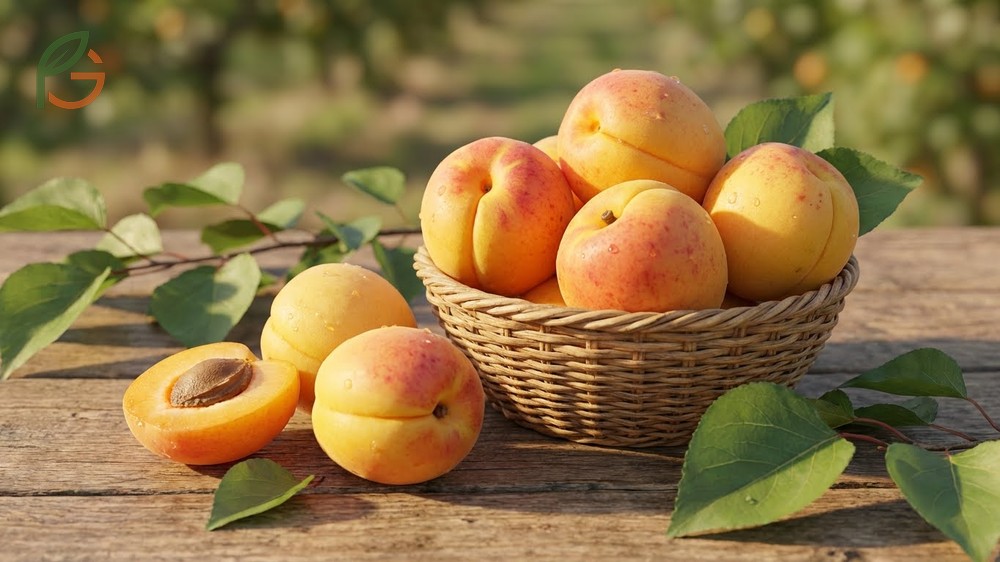
Apricot fruits are small, pitted stone fruits that resemble miniature peaches. They’re roughly golf-ball sized, making them easy to hold in one hand. The fruit features a characteristic suture line running from stem to tip, similar to peaches but less pronounced.
Fresh apricots display colors ranging from pale yellow to deep saffron orange, often featuring a pink or red blush where the sun hit the fruit[2]. This natural color variation depends on the cultivar, growing conditions, and ripeness stage. What’s often overlooked is that apricots only ripen on the tree—once picked, they soften but don’t develop additional sweetness or color.
From My Experience: My cousin in Guadalajara, Mexico grows Blenheim apricots in her backyard. Last summer (2024), her fruits achieved deep orange color with red blush covering about 40% of the surface—significantly more vibrant than store-bought varieties. She attributes this to the 8+ hours of direct sun exposure her trees receive.
Fruit Size and Shape
Most apricots measure 1.5 to 2.5 inches in diameter, though size varies by cultivar. They’re notably smaller and rounder than peaches, with a more compact, spherical shape[4]. The fruit weighs between 35 to 55 grams on average, making it a convenient single-serving snack.
The seed inside is relatively large compared to the flesh, occupying about 15-20% of the total volume. Apricot pits are smaller and smoother than peach pits, with a distinctly oval shape. You’ll notice the pit releases more easily from ripe apricot flesh compared to clingstone peaches.
- Diameter: 1.5 to 2.5 inches (golf ball to racquetball size)
- Weight: 35 to 55 grams per fruit
- Shape: Round to slightly oval, more spherical than peaches
- Pit size: 15-20% of total fruit volume, smooth and oval
- Suture line: Visible but less pronounced than peaches
Skin Texture and Appearance
Apricot skin has a very light fuzz that’s barely noticeable compared to peaches[2]. The surface feels smooth and velvety rather than fuzzy. This subtle texture comes from tiny trichomes that protect the developing fruit from insects and moisture loss.
The skin should appear smooth and free from significant wrinkles when ripe. Shriveling indicates over-ripeness or dehydration. Look for fruit with bright, colorful skin showing no green tinge—green areas mean the fruit was picked before optimal ripeness and won’t develop full flavor.
Ripeness Indicator: A ripe apricot yields slightly to gentle pressure but maintains firmness. The fruit should have a fragrant, sweet aroma near the stem end. Mushy texture or brown spots signal over-ripeness.
Apricot vs Peach Color
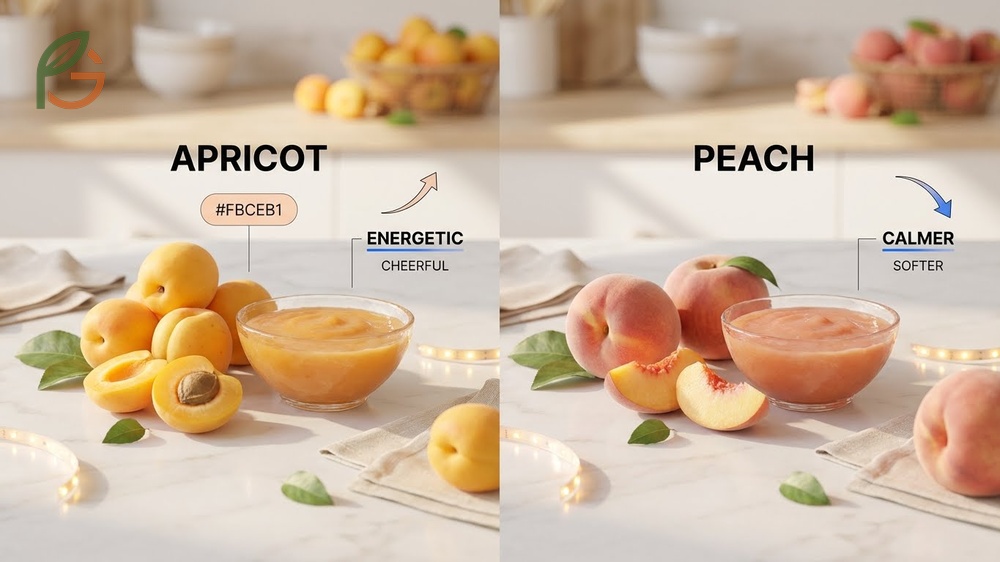
Apricot and peach colors share the warm orange family but differ in saturation and undertones. Apricot skews more yellow-orange with lighter, airier qualities, while peach incorporates more pink undertones creating a softer, more muted appearance. The hex code #FBCEB1 for apricot shows higher blue values than typical peach colors, contributing to its distinctive character.
In design contexts, apricot reads as more energetic and cheerful, while peach feels calmer and more romantic. This matters when choosing colors for branding or interior spaces. Peach works better for creating cozy, intimate environments, whereas apricot brings brightness and optimism to a design.
The actual fruits display similar color differences. Apricots have orange or yellow skin, sometimes with red-blushed backgrounds[4]. Peaches show a wider spectrum from pale white through yellow to deep red. Peach skin also features heavier fuzz and a velvety texture that apricots lack[4].
This table compares color properties, appearance characteristics, and fruit features between apricot and peach across five key attributes
| Attribute | Apricot | Peach |
|---|---|---|
| Standard Hex Code | #FBCEB1[1] | #FFE5B4 to #FFDAB9 |
| Color Undertones | Yellow-orange, bright | Pink-orange, muted |
| Fruit Skin Color | Orange to yellow, red blush[4] | White to yellow to deep red[4] |
| Skin Texture | Very light fuzz, smooth[2] | Heavy fuzz, velvety[4] |
| Fruit Size | Smaller, golf ball sized[2] | Larger, baseball sized |
- Apricot contains more yellow, peach contains more pink
- Apricot appears lighter and brighter at equal saturation levels
- Peach works better for romantic themes, apricot for energetic designs
- Apricot hex codes cluster around #FBC-#FBD range
- Peach hex codes typically start with #FFD-#FFE
Apricot Color Meaning
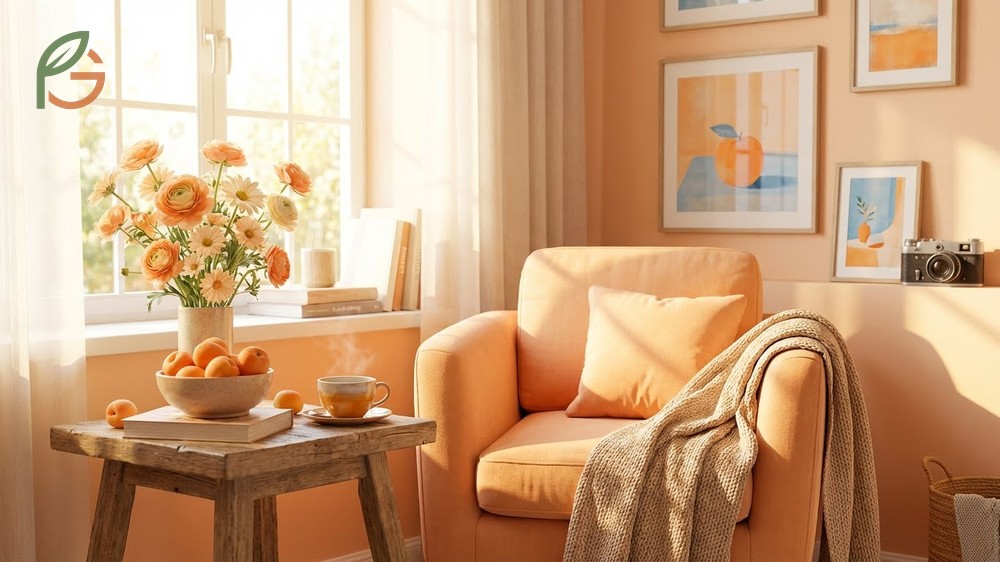
Apricot symbolizes warmth, comfort, and cheerfulness in color psychology[3]. The color carries associations with freshness, spring, and summer seasons. Psychologically, apricot evokes happiness and positivity, making it popular for spaces designed to uplift and energize[3].
In design and art, apricot creates inviting and cozy environments when paired with complementary cool tones for balance. The soft, warm hue conveys nostalgia and comfort in photography and film. Its sunlit undertones communicate coziness and hospitality[3].
The playful vibrancy of apricot sparks lightheartedness and creativity. Its unique blend of hues inspires artistic expression and innovation while maintaining calming qualities through its soft tones[3]. This balance makes apricot versatile for both professional and casual design contexts.
- Warmth and hospitality: Creates welcoming, comfortable atmospheres
- Optimism and joy: Evokes positive emotions and cheerfulness
- Creativity and innovation: Inspires artistic expression and fresh thinking
- Calmness and serenity: Soft tones bring relaxation despite warm energy
- Friendliness and approachability: Makes brands and spaces feel inviting
- Freshness and vitality: Associated with spring blooms and summer fruits
Shades of Apricot
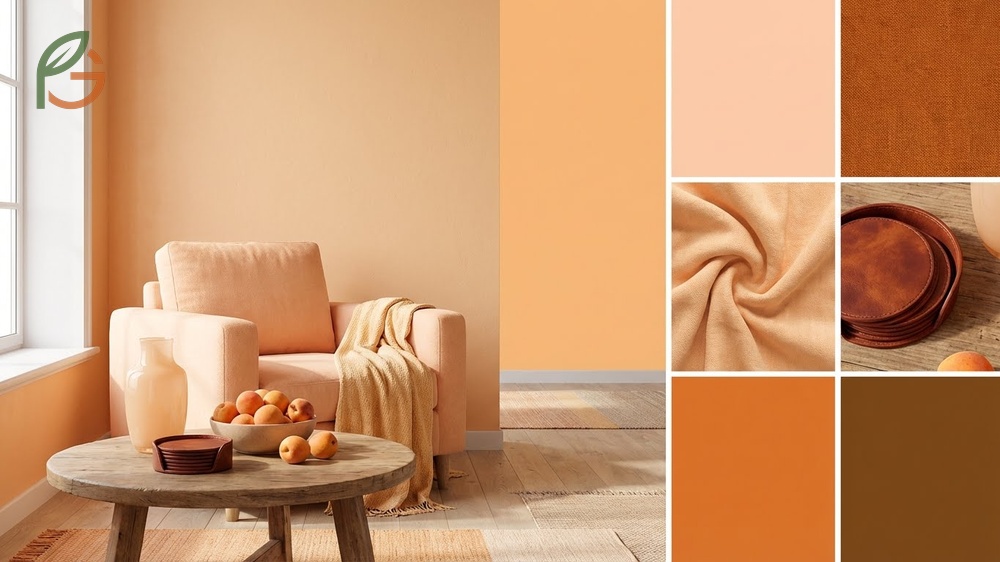
Apricot encompasses a spectrum of related hues from pale pastels to rich, saturated tones. Common variations include mellow apricot (#F7B878), standard apricot (#FBCEB1), and deeper tones like russet (#824F1D)[5]. Each shade serves different design purposes depending on the mood and context you’re creating.
Light apricot shades work beautifully for backgrounds and large surfaces where you want warmth without overwhelming the space. Medium apricot tones provide accent colors that draw attention without being jarring. Deeper apricot shades add richness and sophistication, working well for text, borders, or focal points.
The versatility of apricot shades makes them adaptable across interior design, web interfaces, branding, and fashion. You’ll find lighter versions in wellness apps and spa environments, while vibrant versions appear in children’s products and summer collections. The color family maintains warmth across all variations.
Light Apricot Color
Light apricot represents the palest end of the spectrum, often appearing as barely-there peach tones. These shades typically have hex codes in the #FFF range with high lightness values above 90%. Light apricot works exceptionally well for creating calming backgrounds in wellness applications and websites[5].
The delicate quality of light apricot makes it perfect for baby products, spring collections, and romantic designs. It pairs beautifully with white, creating subtle contrast while maintaining an airy feel. Light apricot also combines well with sage green, soft blue, and lavender for sophisticated color schemes.
Apricot Color Combinations
Apricot pairs effectively with cool tones to create balanced color schemes. Teal, navy blue, and sage green provide complementary contrast that prevents apricot from feeling too warm or overwhelming. For monochromatic schemes, combine standard apricot with light apricot and russet tones to create depth while maintaining color harmony.
Analogous combinations work well too. Pair apricot with coral (#FF7F50) and peach (#FFDAB9) for warm, energetic palettes perfect for summer brands or children’s spaces. For more sophisticated looks, combine apricot with gold (#FFD700) and champagne (#F7E7CE) to create elegant, upscale color stories.
- Apricot + Teal: Balanced warm-cool contrast for modern designs
- Apricot + Navy Blue: Sophisticated pairing for professional contexts
- Apricot + Sage Green: Natural, calming combination for wellness brands
- Apricot + White + Gray: Clean, contemporary three-color scheme
- Apricot + Coral + Peach: Energetic warm palette for summer themes
- Apricot + Gold + Champagne: Elegant combination for luxury brands
Conclusion
The evidence is clear: what color is apricot comes down to a pale yellowish-orange with hex code #FBCEB1 and RGB values of 251, 206, 177. This warm, inviting hue draws its name from the fruit it resembles, though the standardized color often appears lighter than actual apricots. Understanding both the digital color specifications and the fruit’s natural appearance helps gardeners, designers, and color enthusiasts accurately identify and work with this versatile shade.
Current design guidance emphasizes apricot’s psychological benefits—warmth, optimism, and creativity—making it valuable for spaces intended to uplift and energize. Whether you’re selecting paint colors for your home, designing digital interfaces, or simply identifying fruits in your garden, apricot’s distinctive yellow-orange character makes it instantly recognizable once you know its key characteristics. FruitGarden provides ongoing resources for understanding plant and fruit colors through detailed botanical observations and color science.
Frequently Asked Questions
What is the hex code for apricot color?
The standard hex code for apricot is #FBCEB1, which converts to RGB values of 251 red, 206 green, and 177 blue[1]. Some design systems use variations like #FFCAB1 or #FFB27F, but #FBCEB1 remains most widely recognized across web design and digital applications.
Is apricot color the same as peach?
No, apricot and peach are distinct colors. Apricot skews more yellow-orange with brighter qualities, while peach incorporates more pink undertones creating a softer appearance. Apricot also reads as more energetic and cheerful in design contexts compared to peach’s calmer, romantic feel.
What does an apricot fruit actually look like?
Apricots are small, golf-ball-sized fruits resembling miniature peaches[2]. They range from pale yellow to deep saffron orange, often with pink or red blush[2]. The skin has very light fuzz that’s barely noticeable compared to peaches.
What emotions does apricot color evoke?
Apricot evokes warmth, comfort, cheerfulness, and optimism[3]. The color sparks happiness, creativity, and lightheartedness while maintaining calming qualities through its soft tones. This makes it popular for spaces designed to uplift and energize without overwhelming occupants.
What colors pair well with apricot?
Apricot pairs beautifully with cool tones like teal, navy blue, and sage green to create balanced contrast. For warm palettes, combine it with coral and peach. Elegant combinations include apricot with gold and champagne, while modern schemes work well with apricot, white, and gray.
Can you eat apricot skin?
Yes, apricot skin is completely edible and contains beneficial nutrients. The very light fuzz creates a smooth, velvety texture that’s much less noticeable than peach fuzz[2]. Simply wash the fruit thoroughly before eating to remove any pesticides or dirt.
What’s the difference between light apricot and standard apricot?
Light apricot represents the palest end of the spectrum with lightness values above 90%, appearing as barely-there peach tones[5]. Standard apricot (#FBCEB1) has more saturation and color intensity at 83.9% lightness[1]. Light apricot works best for backgrounds, while standard apricot provides better visibility for accents.





