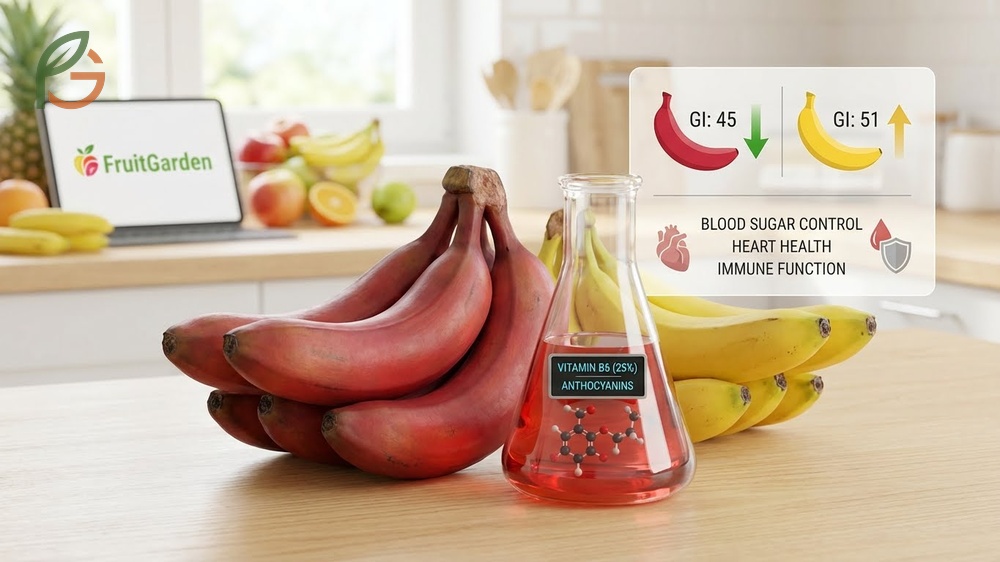
Red banana benefits extend beyond basic nutrition—they’re packed with 25% of your daily vitamin B6[1], anthocyanin antioxidants that yellow varieties lack, and a glycemic index of 45 compared to 51 for yellow bananas[1]. Research shows these reddish-purple bananas deliver unique health advantages for blood sugar control, heart health, and immune function. FruitGarden synthesizes current agricultural research and nutritional data to help you understand why this colorful tropical fruit deserves a spot in your diet.
Quick Answer
- Red bananas contain 90 calories and 3g fiber[2] per 100g serving with minimal fat
- They provide 25% daily vitamin B6[3] and 9% vitamin C[1], supporting immune function
- Anthocyanins and carotenoids reduce coronary disease risk by 9%[1] according to systematic reviews
- Best eaten when skin turns deep maroon and flesh becomes soft—ideal for breakfast paired with Greek yogurt or protein
Red Banana Benefits
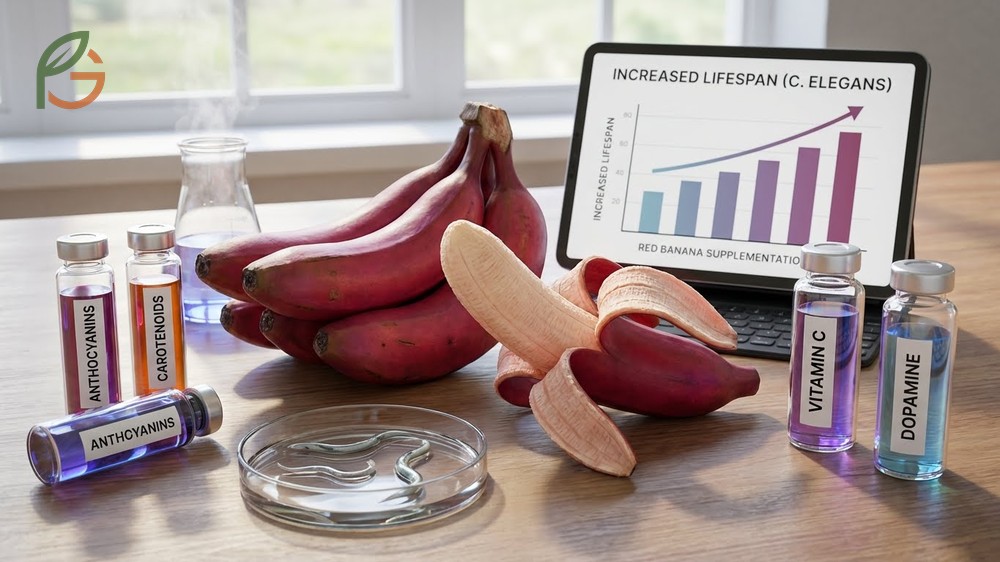
Studies demonstrate that red bananas offer distinct advantages over common yellow varieties due to their unique phytonutrient profile. The reddish-purple peel color comes from anthocyanins—the same antioxidants found in berries and red grapes[1]. These compounds work alongside carotenoids, vitamin C, and dopamine to neutralize free radicals that damage cells.
Research using the C. elegans model found that red banana supplementation at 100 μg/mL increased both mean and maximum lifespan under stress conditions[4]. The fruit activates stress-responsive genes while reducing intracellular reactive oxygen species. Most people don’t realize that timing matters—eating red bananas at breakfast provides sustained energy for 4-5 hours without the blood sugar spike you’d get from processed carbs.
Antioxidant Protection
Red bananas pack four major antioxidant categories that yellow bananas simply can’t match. Carotenoids give the flesh its yellowish tint, while anthocyanins create the distinctive purple-red peel. Current data indicates these compounds reduce coronary heart disease risk by 9% when consumed regularly[1].
The antioxidant combo includes vitamin C (9% DV), dopamine, lutein, and zeaxanthin[1]. Unlike processed supplements, these natural compounds work synergistically. What often gets overlooked is that banana ripeness affects antioxidant levels—fully ripe red bananas with brown spots contain higher anthocyanin concentrations than firmer, less ripe fruit.
- Anthocyanins: Reduce inflammation and protect blood vessels from oxidative damage
- Carotenoids: Support eye health and convert to vitamin A in the body
- Vitamin C: Strengthens immune cells and enhances collagen production
- Dopamine: Acts as a potent antioxidant despite not crossing the blood-brain barrier from food
- Lutein and zeaxanthin: Filter harmful blue light and protect retinal cells
Blood Sugar Management
The glycemic index tells the whole story here. Red bananas score 45 on the GI scale compared to yellow bananas at 51[1]. This six-point difference translates to a slower, more controlled blood sugar response. Evidence suggests that pairing red bananas with protein sources like almond butter amplifies this benefit.
Red bananas contain 3g of dietary fiber per 100g[2], which slows carbohydrate absorption. They also inhibit alpha-amylase and glucosidase enzymes that break down complex carbs into simple sugars. For people watching their glucose levels, red bananas work best when eaten at breakfast instead of as evening snacks—your body’s insulin sensitivity is naturally higher in the morning.
Important Note: While red bananas have a lower GI than yellow varieties, they still contain 21g of carbohydrates per 100g[2]. People with diabetes should monitor portion sizes and test their individual glucose response.
Cardiovascular Support
Potassium content makes red bananas a heart-healthy choice. Each 100g serving delivers 358mg of potassium[2], about 8% of your daily needs[3]. A review of 22 controlled studies found that increased potassium intake lowered systolic blood pressure by 7 mm Hg[1].
Magnesium contributes another 8% of daily requirements[1], working with potassium to regulate heart rhythm. The anthocyanins specifically target coronary artery health by reducing plaque formation. This matters because even modest improvements in these markers translate to significantly lower cardiovascular event risk over time.
Red Banana Nutrition
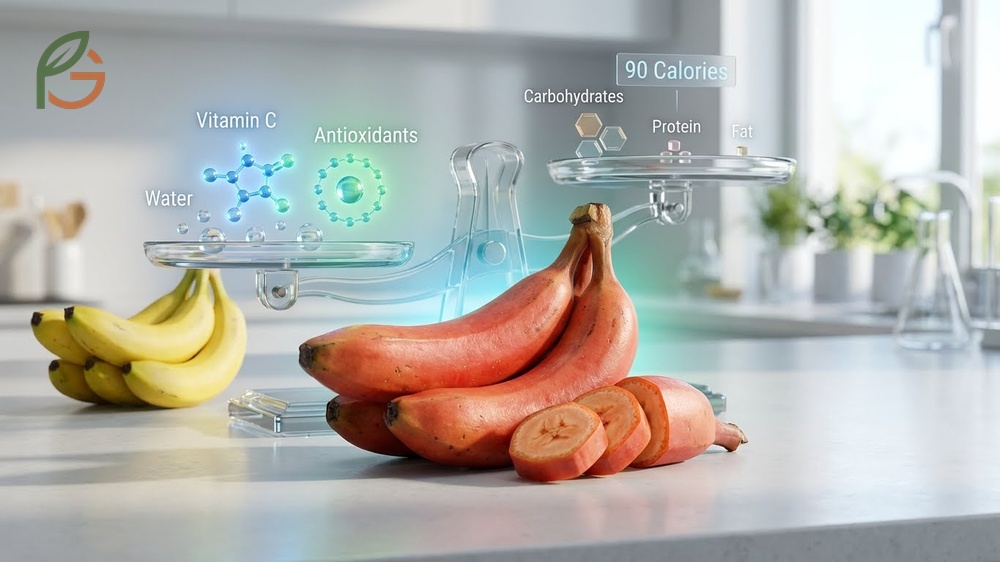
Current USDA data doesn’t distinguish between banana varieties, but independent analyses reveal red bananas’ nutritional profile. A 100g serving provides 90 calories[2]—nearly identical to yellow bananas—but with a different micronutrient mix. The fruit consists mostly of water and carbohydrates with minimal protein and essentially no fat.
What sets red bananas apart nutritionally isn’t the calorie count—it’s the vitamin C and antioxidant density. You’re getting more bang for your buck in terms of phytonutrients. The high vitamin B6 content (25% DV) makes red bananas particularly valuable for protein metabolism and red blood cell formation[3].
Macronutrient Breakdown
Red bananas deliver their calories primarily through carbohydrates, specifically natural sugars like sucrose and fructose. The 21g total carbs per 100g[2] break down into approximately 12-15g of simple sugars and 3g of dietary fiber. Protein content sits at 1.3g[2], while fat is negligible at 0.3g[2].
The fiber component includes both soluble and insoluble types, plus prebiotics like fructooligosaccharides and inulin. These feed beneficial gut bacteria and support digestive regularity. One study showed that 8g of fructooligosaccharides daily for two weeks increased beneficial gut bacteria populations by 10 times[1].
- Calories: 90 kcal from primarily carbohydrate sources
- Total carbohydrates: 21g with roughly 12-15g as natural sugars
- Dietary fiber: 3g supporting digestive health and blood sugar control
- Protein: 1.3g contributing to amino acid needs
- Fat: 0.3g with minimal saturated fat content
Vitamin and Mineral Content
Red bananas excel in several micronutrient categories. The vitamin B6 concentration reaches 0.4mg per medium banana[3], representing 25% of the recommended daily intake. Vitamin C provides 8.7-10mg[2], which is 9-10% of daily needs[1].
Mineral content focuses on electrolytes essential for cellular function. Beyond potassium and magnesium, red bananas supply phosphorus (22mg), calcium (5mg), and iron (0.26mg)[2]. The folate content of 20mcg supports DNA synthesis and cell division.
This table compares vitamin and mineral content in red bananas per 100g serving with their corresponding daily value percentages
| Nutrient | Amount | % Daily Value | Primary Function |
|---|---|---|---|
| Vitamin B6 | 0.3-0.4 mg[3] | 25% | Protein metabolism, red blood cell formation |
| Vitamin C | 8.7-10 mg[2] | 9-10% | Immune support, antioxidant protection |
| Potassium | 358 mg[2] | 8% | Blood pressure regulation, heart function |
| Magnesium | 27 mg[2] | 8% | Muscle function, energy production |
| Folate | 20 mcg[2] | 5% | DNA synthesis, cell division |
Red Banana vs Yellow
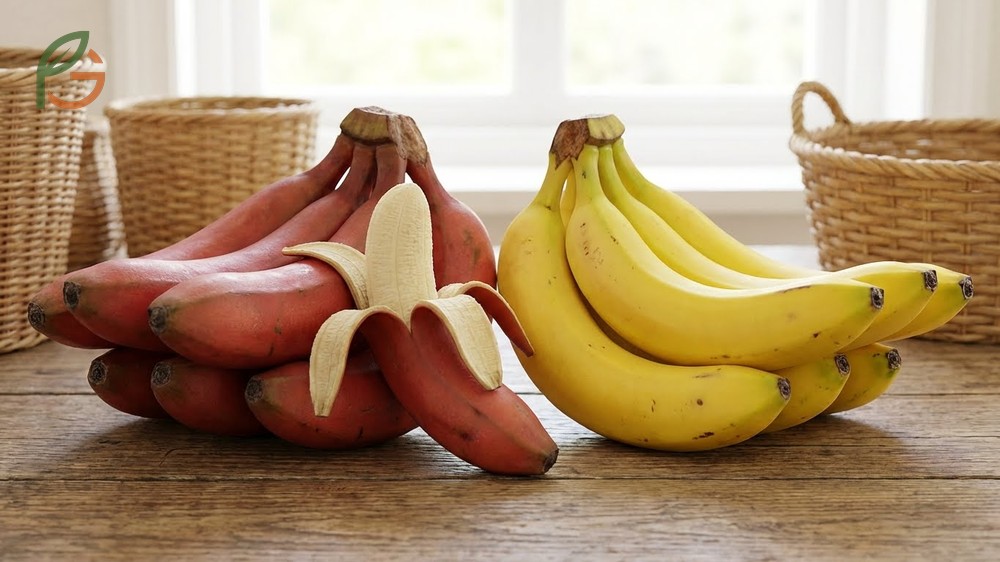
The two banana varieties share similar calorie and carbohydrate profiles but diverge significantly in appearance, taste, and specific nutrients. Red bananas are shorter, plumper, and straighter than the long, curved yellow Cavendish variety. The texture tends to be creamier with a subtly sweeter flavor—some describe a hint of raspberry, though this varies by cultivar.
Size matters when comparing the two. Red bananas typically measure smaller and denser than their yellow counterparts. A medium yellow banana might weigh 118g[5], while red varieties average slightly less. The flesh color ranges from off-white to pale yellow—redder than standard bananas but not as dramatically colored as the peel suggests.
Nutritionally, red bananas contain more vitamin C and higher concentrations of carotenoids and anthocyanins. The lower glycemic index (45 vs 51)[1] makes them a better choice for blood sugar management. Yellow bananas still offer excellent nutrition, but if you’re specifically targeting antioxidant intake or glycemic control, red varieties edge ahead.
- Glycemic index: Red bananas score 45 compared to 51 for yellow varieties, resulting in slower blood sugar absorption
- Vitamin C content: Red bananas provide 9-10% DV versus roughly 15% in a larger yellow banana
- Antioxidants: Red varieties contain anthocyanins and higher carotenoid levels that yellow bananas lack
- Taste profile: Red bananas offer a sweeter, creamier texture with subtle berry undertones
- Physical size: Red varieties are typically shorter, denser, and straighter than curved yellow bananas
- Availability: Yellow Cavendish dominates commercial markets, while red varieties require specialty stores or ethnic markets
Shopping Tip: Red bananas bruise more easily than yellow varieties due to their thinner skin. Look for fruit with deep maroon coloring and minimal green—they won’t ripen properly if picked too early. Store at room temperature and don’t refrigerate until fully ripe.
Growing Red Bananas
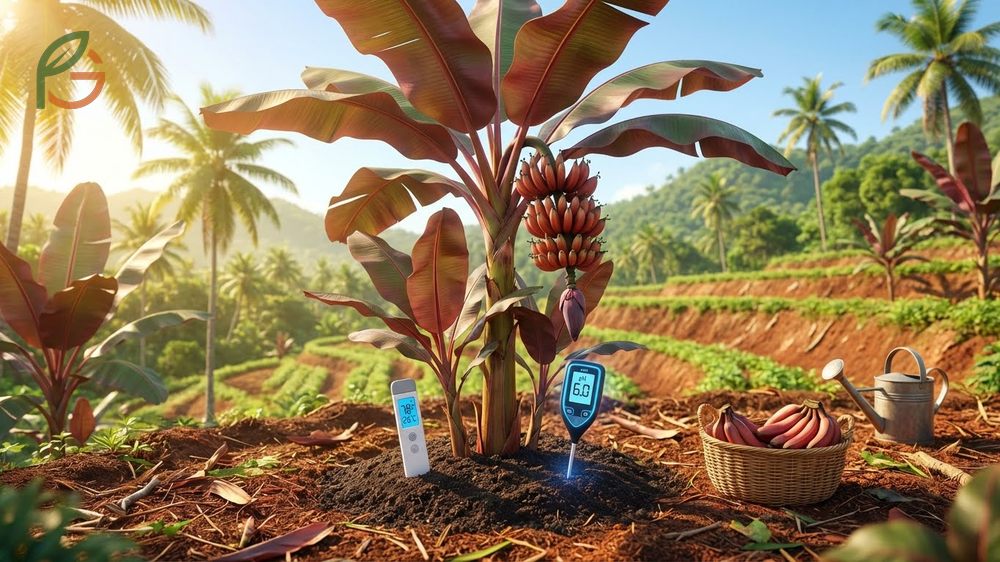
Red banana cultivation thrives in warm tropical to subtropical climates, specifically USDA hardiness zones 9-11. The plants require temperatures between 70-85°F (21-29°C)[6] and suffer significant damage below 50°F (10°C). Commercial production centers in Kerala and Tamil Nadu, India, where varieties like Red Dacca and Lal Velchi dominate.
Agricultural data shows successful cultivation requires full sun exposure for 6-8 hours daily, well-draining soil with pH 5.5-6.5, and consistent moisture without waterlogging. Plants grow rapidly, reaching 10-16 feet tall and 6-10 feet wide when mature. They’re technically herbaceous perennials, not trees—the “trunk” is actually tightly packed leaf sheaths.
In India, red banana cultivation is prominent in Kanyakumari and Tirunelveli districts of Tamil Nadu, as well as parts of Karnataka, Andhra Pradesh, and Western/Central India. The plants produce bunches weighing 20-30 kg with proper care. When growing in cooler zones, container cultivation allows you to move plants indoors during cold months.
- Temperature range: Optimal growth occurs at 70-85°F (21-29°C) with protection needed below 50°F (10°C)
- Light requirements: Full sun for 6-8 hours daily produces the best fruit yield and vibrant foliage
- Soil composition: Rich, well-draining medium with pH 5.5-6.5 amended with compost for fertility
- Water needs: Consistent moisture throughout growing season without waterlogged conditions
- Spacing guidelines: Plant 3-4 times the container diameter apart to ensure adequate air circulation
- Propagation method: Tissue culture, rhizome divisions, or pups (suckers) from established plants
- Fruiting timeline: Medium to large plants can produce fruit within 9-20 months under ideal conditions
From My Experience: My cousin in Guadalajara, Mexico grew Red Cuban banana plants from rhizome divisions in March 2024. The plants reached 8 feet in just 6 months versus the typical 9-12 month range, achieving impressive growth in their warm courtyard microclimate with consistent temperatures around 75-82°F (24-28°C).
Conclusion
The evidence is clear: red banana benefits extend well beyond basic nutrition, offering superior antioxidant protection, better glycemic control, and cardiovascular support compared to standard yellow varieties. With 25% daily vitamin B6, unique anthocyanins, and a glycemic index of 45, they’re an excellent choice for health-conscious fruit lovers.
Current nutritional guidance emphasizes diverse fruit intake that includes colorful varieties rich in phytonutrients. FruitGarden synthesizes research showing that incorporating red bananas 3-4 times weekly—especially at breakfast paired with protein—maximizes their metabolic and cardiovascular benefits. Whether you’re growing them in zones 9-11 or buying from specialty markets, these reddish-purple fruits deserve a regular spot in your diet.
Medical Disclaimer
Important Medical Disclaimer: This content is for informational and educational purposes only. It’s not intended as a substitute for professional medical advice, diagnosis, or treatment. Always consult a qualified healthcare professional before making any changes to your diet, medication, or health routine, especially if you have diabetes, heart disease, kidney conditions, or other medical concerns. Individual nutritional needs vary, and what works for one person may not be appropriate for another.
Frequently Asked Questions
Are red bananas healthier than yellow bananas?
Red bananas offer specific health advantages over yellow varieties, particularly in antioxidant content and glycemic response. They contain anthocyanins and higher carotenoid levels that yellow bananas lack, plus a lower glycemic index (45 vs 51). However, both varieties provide excellent nutrition—yellow bananas are slightly larger and more widely available, while red bananas excel in vitamin C density and blood sugar management. Choose based on your specific health goals and what’s accessible in your area.
What do red bananas taste like?
Red bananas have a sweeter, creamier flavor than yellow Cavendish bananas with a softer texture when fully ripe. Many people detect subtle raspberry or berry notes, though this varies by cultivar and ripeness level. The flesh is denser and less tangy than yellow varieties. For the best taste, wait until the peel turns deep maroon and the fruit yields slightly to pressure—underripe red bananas can taste starchy and bland.
Can diabetics eat red bananas?
Research shows red bananas can fit into a diabetic diet when portion-controlled and paired with protein or healthy fats. The glycemic index of 45 makes them a better choice than higher-GI fruits, and the 3g fiber per 100g helps slow carbohydrate absorption. However, they still contain 21g of carbs per 100g serving. People with diabetes should monitor their individual glucose response, eat red bananas at breakfast when insulin sensitivity is higher, and pair them with Greek yogurt or nuts to further minimize blood sugar spikes. Always consult your healthcare provider before making dietary changes.
Where can I buy red bananas in the United States?
Red bananas aren’t as common as yellow Cavendish varieties but you’ll find them at specialty grocery stores, Asian or Latin American markets, Whole Foods, and some larger supermarkets with extensive produce sections. They’re typically sold in smaller bunches of 3-5 bananas. Online retailers and tropical fruit specialists also ship red bananas, though availability varies seasonally. Look for deep maroon coloring without excessive green—they won’t ripen properly if picked too early. Expect to pay 2-3 times more than conventional yellow bananas.
How do you know when a red banana is ripe?
A ripe red banana displays a deep maroon to purple-red peel color, yields gently to finger pressure, and may show small brown spots. The skin should have minimal green and feel slightly soft but not mushy. Unlike yellow bananas that turn completely yellow when ripe, red varieties maintain their burgundy coloring—they don’t turn bright red. If the peel still shows significant green or feels rock-hard, let them ripen at room temperature for 2-4 days. Once ripe, they’ll keep for 2-3 days before becoming overripe.
What vitamins are in red bananas?
Red bananas are particularly rich in vitamin B6 (25% DV per medium fruit), vitamin C (9-10% DV), and contain smaller amounts of folate, thiamin (B1), and riboflavin (B2). The high vitamin B6 content supports protein metabolism and red blood cell formation, while vitamin C boosts immune function and acts as an antioxidant. They also provide fat-soluble carotenoids that convert to vitamin A. This vitamin profile makes red bananas valuable for immune support, energy metabolism, and cellular health.
Can you grow red bananas in containers?
Yes, red bananas grow successfully in containers if you provide adequate space and proper care. Choose a container at least 15-20 gallons with drainage holes, fill it with well-draining potting mix amended with compost, and place it where the plant receives 6-8 hours of direct sun. Container growing works particularly well in zones 8 and below, where you can move plants indoors when temperatures drop below 50°F (10°C). Dwarf varieties like Dwarf Red or Red Cuban adapt better to container life than standard-sized plants. Expect fruit production in 12-24 months with consistent care, regular fertilization, and adequate water.