Nutritional value of orange fruit includes an impressive 70mg of vitamin C per medium fruit—nearly meeting your daily requirement—plus 3g of fiber and essential antioxidants that support immune function and heart health[1]. Research shows that regular orange consumption can reduce inflammation markers and improve endothelial function in adults at cardiovascular risk[2]. FruitGarden synthesizes current nutritional research to help you understand how this citrus powerhouse fits into a balanced diet.
Quick Answer
- One medium orange contains 62-70 calories and delivers 92% of your daily vitamin C[3]
- Provides 2.4-3.5g fiber[1] supporting digestive health and blood sugar control
- Contains 9.4g natural sugars[4] with a low glycemic index that won’t spike blood sugar
- Orange peel adds flavonoids and limonene—compounds shown to reduce cancer risk and support skin health[5]
Nutritional Value of Orange Fruit

Current data from the USDA indicates that one medium orange (approximately 140g) provides a nutrient-dense package with minimal calories. You’ll get 62-70 calories depending on the orange’s size, with 86% water content making it naturally hydrating[3]. The caloric density is incredibly low at just 47 calories per 100g[4].
Most people don’t realize that the macronutrient profile strongly favors carbohydrates—you’re looking at 14.8g total carbs with only 1.3g protein and 0.2g fat per orange[3]. This makes oranges an excellent pre-workout or mid-morning snack. The 12g of natural sugars includes fructose and glucose that provide quick energy without the crash you’d get from processed sweets.
Vitamin C Content in Oranges
Studies demonstrate that one medium orange contains approximately 68-70mg of vitamin C, covering 92% of the recommended daily intake for adults[6]. This water-soluble nutrient can’t be stored in your body, so daily consumption is essential for maintaining immune function and collagen synthesis. What’s interesting is that orange juice actually delivers about 93mg per 3/4 cup—slightly more concentrated than the whole fruit[6].
Research from NIH bioavailability studies found that vitamin C content in fresh orange fruit reaches approximately 498mg/kg[7]. However, processing reduces this—commercial orange juices typically contain 330-427mg/kg due to heat exposure during pasteurization.
Fiber and Carbohydrates in Oranges
The fiber content in oranges ranges from 2.4-3.5g per fruit, providing both soluble and insoluble types that work differently in your digestive system[1]. Soluble fiber forms a gel-like substance that slows digestion and stabilizes blood sugar levels, while insoluble fiber adds bulk to stool and prevents constipation. This combination makes oranges particularly effective for maintaining regular bowel movements.
Current guidance emphasizes that adults need 25-30g of fiber daily for optimal digestive health. One medium orange contributes about 10-14% of this target, making it easier to meet your daily requirement when combined with other whole foods.
Important Note: If you’re drinking orange juice instead of eating whole oranges, you’re missing most of the fiber—juicing removes nearly all the insoluble fiber found in the pulp and pith.
Micronutrients and Minerals
Beyond vitamin C, oranges deliver folate at 9% of daily value—a B vitamin critical for DNA synthesis and cell division[3]. You’ll also get calcium (5% DV) and potassium (5% DV), plus smaller amounts of thiamine, riboflavin, and niacin. The potassium content is particularly valuable for maintaining proper fluid balance and supporting nerve function.
The antioxidant profile includes flavonoids like hesperidin and naringenin, plus carotenoids such as beta-cryptoxanthin. These compounds work synergistically with vitamin C to combat oxidative stress throughout your body.
Health Benefits of Orange Fruit
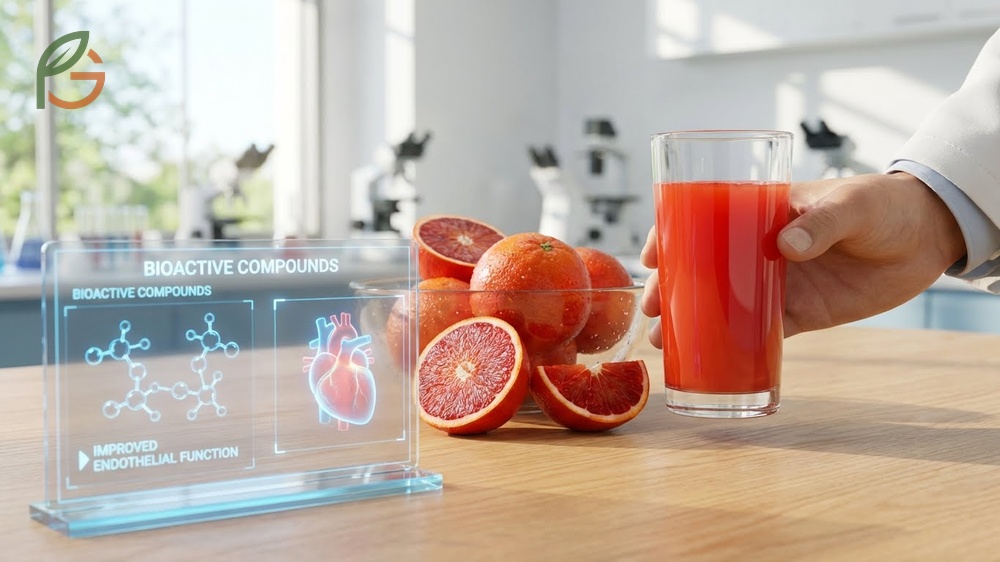
Evidence from controlled clinical trials shows that regular orange consumption delivers measurable health improvements beyond basic nutrition. The bioactive compounds in oranges—including vitamin C, flavonoids, and carotenoids—work together to reduce inflammation markers and protect against chronic diseases. Research conducted on 19 subjects with increased cardiovascular risk found that red orange juice consumption improved endothelial function and reduced inflammation significantly[2].
What often gets overlooked is that whole oranges provide advantages that supplements can’t replicate. The fiber, water content, and synergistic nutrient combinations create health effects that isolated vitamin C pills don’t deliver.
Immune System Support
Studies demonstrate that vitamin C’s role in immune function goes beyond what most people understand. It supports various cellular functions of both innate and adaptive immune systems, helping neutrophils migrate to infection sites and enhancing phagocytosis. One medium orange’s 70mg of vitamin C[6] provides nearly all the daily requirement for maintaining these immune processes.
The antioxidants in oranges also protect immune cells from oxidative damage. When your body fights infections, it produces free radicals—and vitamin C neutralizes these before they harm healthy cells.
Cardiovascular Health
Research shows that 100% orange juice consumption can reduce markers of inflammation like high-sensitivity C-reactive protein (hs-CRP) in adults[8]. In studies comparing orange juice interventions to placebo, three found significant improvements in hs-CRP concentrations. The flavonoids in oranges—particularly hesperidin—improve blood vessel function by enhancing nitric oxide production.
The potassium in oranges (181mg per 100g)[9] helps regulate blood pressure by counteracting sodium’s effects. This mineral balance is crucial for maintaining healthy cardiovascular function.
Digestive Health
The soluble fiber in oranges acts as a prebiotic, feeding beneficial gut bacteria and supporting a healthy microbiome. This fiber type slows digestion and helps stabilize blood sugar levels after meals. Insoluble fiber adds bulk to stool and promotes regular bowel movements, preventing constipation effectively.
Current data indicates that incorporating fiber-rich fruits like oranges can reduce digestive discomfort and improve overall gut health. The combination of fiber types makes oranges particularly effective for maintaining digestive regularity without causing bloating or gas that some fiber supplements trigger.
Orange Fruit Peel Benefits

Research has revealed that orange peels contain bioactive compounds at higher concentrations than the fruit’s flesh. A recent University of Florida study found that orange peel extract may significantly improve heart health by reducing trimethylamine N-oxide (TMAO) levels—a compound linked to cardiovascular disease[10]. The peels are particularly rich in flavonoids, limonoids, and carotenoids that possess potent antioxidant and anti-inflammatory properties.
Studies show that compounds in orange peel can inhibit RLIP76—a protein linked to cancer development—and contain limonene, which research suggests may lower cancer risk[11]. The pectin in orange peel also helps regulate blood sugar levels, which is particularly beneficial for people managing diabetes.
What’s interesting is that vitamin C, phenolic compounds, flavonoids, and pectin levels are significantly higher in orange peel extracts compared to the fruit pulp alone. Orange peel powder and beta-carotene extracted from peels function as potent natural antioxidants that can eliminate free radicals effectively.
Usage Tip: You can grate organic orange zest into smoothies, baked goods, or tea, but always wash oranges thoroughly first to remove pesticide residues. Avoid eating large amounts of raw peel due to its tough texture and potential digestive irritation.
- Skin health: Vitamin C in peels supports collagen synthesis, reducing wrinkles and improving skin firmness
- Antimicrobial properties: Compounds in orange peel can help treat acne and skin infections naturally
- Blood sugar control: Pectin fiber in peels helps regulate glucose levels and may prevent diabetic nephropathy
- Digestive aid: Orange peel tea can stimulate digestive enzyme production and reduce bloating
- Antioxidant boost: Flavonoids in peels combat oxidative stress more effectively than vitamin C alone
Vitamin C in Orange vs Lemon
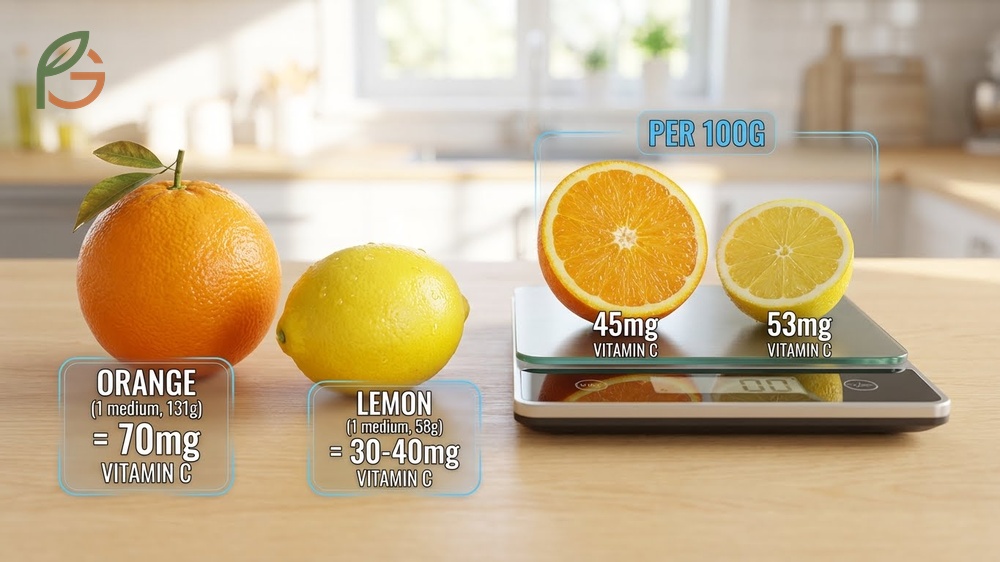
When comparing vitamin C content directly, oranges deliver significantly more per fruit than lemons. A medium orange (131g) contains approximately 70mg of vitamin C, while a medium lemon (58g) provides only 30-40mg[12]. This means oranges pack nearly double the vitamin C per serving, making them more efficient for meeting daily requirements.
However, when measured per 100g, the difference narrows—lemons actually contain 53mg while oranges have 45mg[13]. The catch is that you’re far more likely to eat a whole orange than a whole lemon. Lemons also contain 73% less sugar than oranges, making them ideal for flavoring water without adding calories.
This table compares vitamin C content, sugar levels, and serving size differences between oranges and lemons per 100 grams and per typical serving
| Nutrient | Orange (per 100g) | Lemon (per 100g) | Winner |
|---|---|---|---|
| Vitamin C | 45-53mg[9] | 53mg[13] | Lemon (per gram) |
| Vitamin C per Fruit | 70mg[12] | 30-40mg[12] | Orange (per serving) |
| Sugar Content | 9.4g[4] | 2.5g | Lemon (73% less) |
| Calories | 47 kcal[4] | 29 kcal | Lemon (lower calorie) |
| Fiber | 2.4g[9] | 2.8g | Lemon (slightly higher) |
For practical vitamin C intake, oranges are more convenient and palatable. Most people won’t eat whole lemons due to their intense sourness, but they’ll happily consume an orange as a snack. If you’re using citrus for cooking or beverages, lemon juice provides concentrated vitamin C with minimal sugar impact.
Eating Orange Everyday Benefits

Research indicates that daily orange consumption creates cumulative health benefits that go beyond single-nutrient effects. When you eat oranges consistently, you’re maintaining steady vitamin C levels that support continuous collagen production, immune function, and antioxidant protection. Studies show that people who consume citrus fruits daily have lower rates of cardiovascular disease and reduced inflammation markers compared to those who don’t[8].
The fiber from daily orange intake helps maintain digestive regularity and supports beneficial gut bacteria populations. You’ll likely notice improved bowel movements within a few days of consistent consumption. The natural sugars provide sustained energy without the crashes associated with processed foods.
Current guidance suggests that eating one to two oranges daily fits perfectly within a balanced diet for most adults. This provides 70-140mg of vitamin C, covering 100-150% of daily requirements without approaching the upper tolerable limit of 2,000mg. The key is eating whole oranges rather than relying solely on juice—you need that fiber for optimal digestive health.
- Immune resilience: Consistent vitamin C intake keeps your immune system primed to respond to infections quickly
- Skin improvement: Daily collagen synthesis from vitamin C can reduce wrinkle formation over weeks to months
- Heart health: Flavonoids accumulate in your system, improving blood vessel function progressively
- Weight management: The fiber and water content help you feel fuller, potentially reducing overall calorie intake
- Hydration boost: Oranges’ 86% water content contributes to your daily fluid needs naturally
- Bone strength: Vitamin C aids calcium absorption, supporting bone density when combined with calcium-rich foods
Timing Tip: Eating oranges with breakfast maximizes vitamin C absorption and provides morning energy. The natural sugars and fiber combination prevents mid-morning energy crashes that trigger unhealthy snacking.
Conclusion
The evidence is clear: nutritional value of orange fruit extends far beyond its famous vitamin C content to include fiber, flavonoids, and essential minerals that work synergistically for optimal health. Research demonstrates measurable benefits for immune function, cardiovascular health, and digestive wellness when you incorporate oranges into your daily routine.
Current nutritional guidance emphasizes whole fruits over juices and supplements, and oranges exemplify why this matters—the fiber, water content, and complete nutrient package deliver health effects that isolated nutrients can’t replicate. FruitGarden continues to track emerging research on citrus fruits to provide you with evidence-based insights for healthier eating choices.
Medical Disclaimer
Important Medical Disclaimer: This content is for informational and educational purposes only. It’s not intended as a substitute for professional medical advice, diagnosis, or treatment. Always consult a qualified healthcare professional or registered dietitian before making significant changes to your diet, especially if you have diabetes, kidney disease, or other medical conditions. Individual nutritional needs vary based on age, health status, and medications.
Frequently Asked Questions
How Many Calories in One Orange Fruit?
One medium orange contains 62-70 calories depending on its size, with larger oranges (approximately 140g) reaching the higher end of this range[3]. The caloric density is low at just 47 calories per 100g, making oranges an excellent choice for weight management[4]. Most of these calories come from natural sugars and carbohydrates that provide quick energy.
What Vitamin in Orange Fruit Is Most Abundant?
Vitamin C is by far the most abundant vitamin in oranges, with one medium fruit providing 68-70mg—approximately 92% of the recommended daily intake for adults[6]. Oranges also contain folate (vitamin B9) at 9% of daily value, plus smaller amounts of thiamine (B1), vitamin A, and vitamin E. The vitamin C content makes oranges one of the most efficient natural sources of this essential nutrient.
Are Oranges Good for You Every Day?
Yes, eating one to two oranges daily provides significant health benefits without adverse effects for most people. Research shows that daily citrus consumption reduces inflammation markers, supports immune function, and improves cardiovascular health[8]. The fiber and antioxidants work cumulatively, so consistent consumption delivers better results than sporadic intake. However, people with acid reflux or citrus allergies should consult healthcare providers before daily consumption.
What Are Orange Fruit Juice Benefits Compared to Whole Oranges?
Orange juice delivers more concentrated vitamin C per serving (about 93mg per 3/4 cup) compared to whole oranges, but it lacks most of the fiber that whole fruit provides[6]. The juicing process removes the pulp and pith where most fiber resides, eliminating the digestive benefits and blood sugar stabilization that fiber provides. If you choose juice, opt for varieties with pulp and limit intake to 4-6 ounces daily to avoid excessive sugar consumption without fiber’s moderating effect.
Can You Eat Orange Peel Safely?
Yes, orange peel is safe to eat and contains higher concentrations of beneficial compounds than the fruit’s flesh, including flavonoids and limonene that research links to reduced cancer risk[11]. However, the peel’s tough texture makes it difficult to digest in large quantities. It’s best to use small amounts of grated zest in cooking, baking, or tea rather than eating large pieces of raw peel. Always wash oranges thoroughly to remove pesticide residues before consuming any peel.
How Much Sugar Is in an Orange?
One medium orange contains approximately 12g of natural sugars, primarily fructose and glucose[3]. Despite this sugar content, oranges have a low glycemic index because the fiber slows sugar absorption into your bloodstream. This prevents the blood sugar spikes you’d experience from eating 12g of refined sugar, making oranges suitable for most people managing blood sugar levels when consumed as part of balanced meals.
Do Oranges Help With Weight Loss?
Oranges can support weight loss efforts due to their low calorie density (47 calories per 100g), high water content (86%), and satisfying fiber content that promotes fullness[4]. The fiber and water combination helps you feel fuller on fewer calories, potentially reducing overall calorie intake throughout the day. For best results, eat whole oranges rather than drinking juice, and time consumption before meals to enhance satiety and prevent overeating.