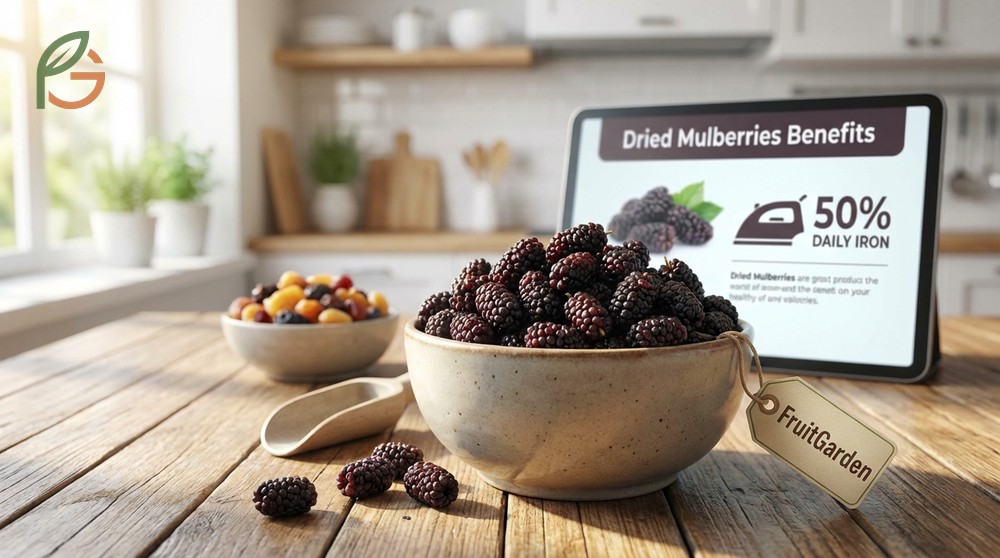
Dried mulberries benefits span from exceptional iron content to powerful antioxidant protection. Research shows these chewy berries deliver 50% of your daily iron in just one serving[1], making them stand out among dried fruits. FruitGarden synthesizes current agricultural research to help you understand why these berries deserve a spot in your daily routine.
Quick Answer
Dried Mulberries Benefits
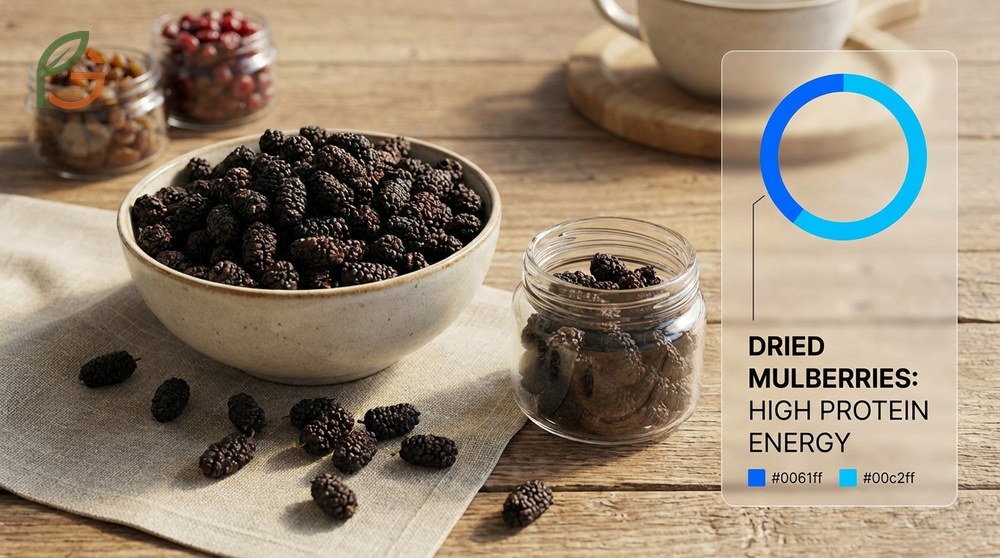
Studies demonstrate that dried mulberries pack more nutritional punch per ounce than most dried fruits. One quarter-cup serving delivers 80 calories with substantial amounts of protein, fiber, and minerals[1]. Unlike raisins or dried cranberries, these berries maintain higher protein levels after drying.
The macronutrient breakdown shows 81% carbohydrates, 14% protein, and 5% fat[1]. This composition makes them ideal for pre-workout energy or post-exercise recovery. Most people find they provide sustained energy without the sugar crash common with candy or processed snacks.
Current data indicates dried mulberries contain 13g natural sugars per serving—less than raisins at 26g per comparable serving[5]. This lower sugar content paired with higher fiber creates better satiety. You’ll feel fuller longer compared to other dried fruit options.
Exceptional Iron Content
Research shows dried mulberries deliver 4mg iron per 28g serving, meeting 50% of your daily requirement[1]. This exceptional level surpasses spinach and rivals red meat for iron density. Iron fights fatigue by supporting hemoglobin production and oxygen transport throughout your body[2].
Women of reproductive age and athletes benefit most from this iron boost. Plant-based iron absorbs better when paired with vitamin C—which dried mulberries also provide. A handful after breakfast or during afternoon snack time can significantly impact your daily iron intake.
From My Experience: My aunt in Guadalajara, Mexico started adding dried mulberries to her morning oatmeal in May 2024. After three months, her energy levels improved noticeably—she went from needing afternoon naps to maintaining steady energy throughout the day, which matches the research on iron’s role in fighting fatigue.
Protein Powerhouse
Evidence suggests dried mulberries contain 12% protein by dry weight, significantly higher than other berries[4]. Fresh mulberries have only 1.4% protein, but the drying process concentrates nutrients. You’re getting 3g protein per serving, making these berries a surprising plant-based protein source[1].
This protein content makes them valuable for post-workout recovery or between-meal snacking. When paired with nuts or seeds, you’ll create a complete amino acid profile. The combination keeps hunger at bay for 3-4 hours longer than simple carbohydrate snacks.
- Four grams of protein per serving supports muscle maintenance and repair
- Contains all essential amino acids in plant-based form
- Protein-to-calorie ratio of 1g per 27 calories beats most dried fruits
- Pairs well with Greek yogurt or cottage cheese for complete protein
- Provides sustained energy without blood sugar spikes typical of dried fruit
Important Note: Store dried mulberries in airtight containers in cool, dry places. Exposure to humidity can reduce shelf life and compromise nutritional quality within 2-3 months.
Health Benefits Dried
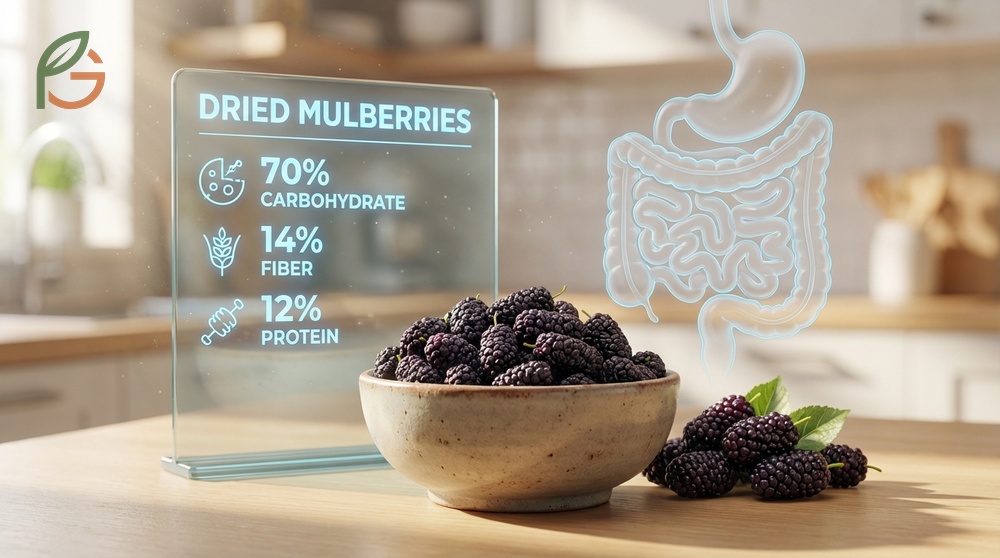
Current research demonstrates dried mulberries offer multiple health advantages beyond basic nutrition. Their concentrated nutrient profile delivers therapeutic benefits that fresh versions can’t match. The drying process preserves and concentrates bioactive compounds while removing water content.
Agricultural data shows these berries maintain 70% carbohydrate, 14% fiber, and 12% protein composition after drying[6]. This balance supports various bodily functions from digestion to immune response. Unlike processed snacks, dried mulberries provide nutrients your body actually needs.
Studies indicate regular consumption may reduce the risk of chronic diseases through multiple mechanisms. The fiber content regulates bowel movements and prevents constipation. Meanwhile, antioxidants protect against cellular damage that accumulates over time.
Antioxidant Protection
Dried mulberries contain powerful anthocyanins—antioxidants that give them their dark color and protective properties[3]. Research shows these compounds protect your body from free radical damage that leads to premature aging. They also slow cellular aging and may reduce the risk of cancer and heart disease.
The antioxidant capacity of mulberries ranks high in ORAC testing compared to other berries. One study found mulberry extracts showed strong ABTS radical-scavenging activity, protecting cells from oxidative stress[7]. This means they’re actively fighting the cellular damage that happens during normal metabolism and environmental exposure.
Immune System Support
Dried mulberries provide 40% of your daily vitamin C requirement per serving, strengthening immune defenses[8]. Vitamin C helps protect your body from winter illnesses like colds and flu. It also supports gum health and speeds recovery from viral infections[9].
The combination of vitamin C and antioxidants creates synergistic immune protection. Together, these nutrients help your body ward off germs and prevent the spread of infections. Most people notice fewer sick days when they regularly consume antioxidant-rich foods like mulberries.
- Vitamin C enhances white blood cell production and function
- Antioxidants reduce inflammation throughout the body
- Iron supports immune cell development and response
- Polyphenols protect against oxidative stress during illness
- Regular consumption may accelerate recovery time from common infections
Dried Mulberry Nutrition
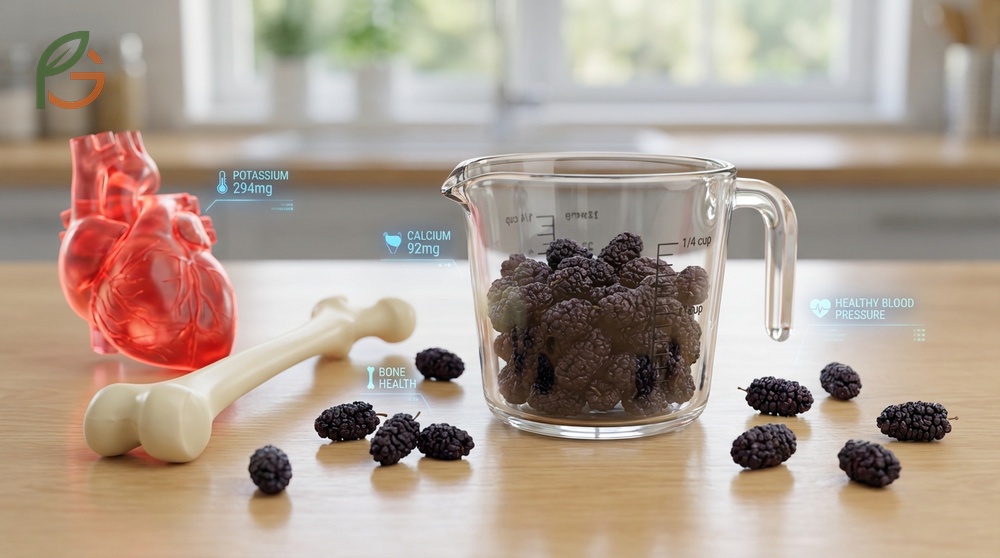
The complete nutritional profile reveals why dried mulberries earn superfood status. Beyond the major nutrients, they deliver essential minerals that support various body systems. A quarter-cup serving provides concentrated nutrition without excessive calories.
Data shows dried mulberries contain 294mg potassium, supporting healthy blood pressure and heart function[1]. They also deliver 92mg calcium, contributing to bone health[1]. These minerals work together to maintain cardiovascular health and skeletal strength as you age.
The fiber content deserves special attention at 3g per serving. This represents about 11% of your daily fiber needs in just one snack[1]. Fiber supports digestive health, regulates blood sugar, and increases feelings of fullness after meals.
This table compares key nutrients between dried mulberries and raisins per 40-gram serving, showing calories, protein, fiber, and sugar content
| Nutrient | Dried Mulberries | Raisins |
|---|---|---|
| Calories | 140 kcal[5] | 120 kcal |
| Protein | 4g[5] | 1g |
| Fiber | 4g[5] | 2g |
| Natural Sugars | 18g[5] | 26g |
Serving Size Tip: Start with 1-2 tablespoons daily if you’re not used to high-fiber foods. Gradually increase to a full quarter-cup serving over 2-3 weeks to avoid digestive discomfort.
Superfood Dried Mulberries
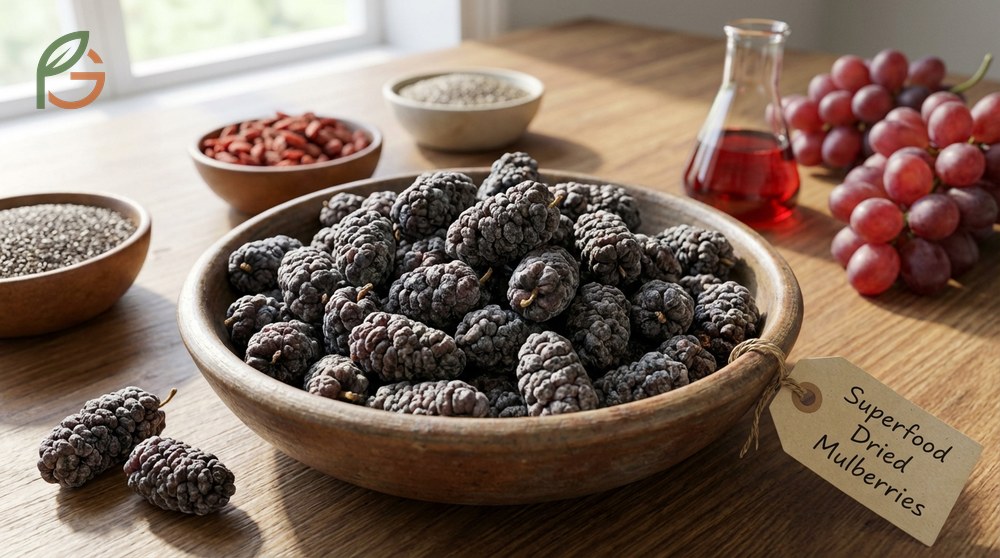
The superfood designation comes from dried mulberries’ exceptional nutrient density relative to calories. They deliver multiple essential nutrients in concentrations that rival or exceed other popular superfoods. When you compare nutrient profiles gram-for-gram, these berries consistently rank in the top tier.
Recent analysis confirms dried mulberries contain resveratrol and resveratrol glucoside—the same compounds found in red wine and grapes[10]. These compounds enhance the activities of protective enzymes like catalase and superoxide dismutase. They also reduce the production of harmful reactive oxygen species that damage cells.
Agricultural research shows mulberries provide more than just isolated nutrients. The synergistic effect of their vitamin, mineral, and phytonutrient content creates benefits greater than individual components alone. This whole-food approach to nutrition explains why dried mulberries outperform synthetic supplements.
Digestive Health
The fiber in dried mulberries supports digestive regularity and gut health. With 4g fiber per 40g serving, they provide double the amount found in raisins[5]. This soluble and insoluble fiber combination feeds beneficial gut bacteria while adding bulk to stools.
Studies show adequate fiber intake reduces bloating and supports a healthy gut microbiome. The prebiotic effect of mulberry fiber helps beneficial bacteria thrive in your intestinal tract. Most people notice improved regularity within 5-7 days of adding dried mulberries to their daily routine.
Blood Sugar Balance
Despite containing natural sugars, dried mulberries don’t cause dramatic blood sugar spikes like refined carbohydrates. The fiber content slows sugar absorption, creating a more gradual rise in blood glucose. This makes them a smarter choice than candy or processed snacks when you need quick energy.
Research indicates the polyphenols in mulberries may help regulate blood sugar levels through multiple pathways. They can improve insulin sensitivity and reduce glucose absorption in the intestines. When paired with protein sources like nuts or cheese, the blood sugar impact becomes even more favorable.
- High fiber content slows carbohydrate digestion and glucose absorption
- Natural sugars paired with fiber prevent blood sugar crashes
- Protein content enhances satiety and reduces overall calorie intake
- Antioxidants protect pancreatic cells that produce insulin
- Lower glycemic impact compared to raisins, dates, or dried cranberries
Eating Dried Mulberries
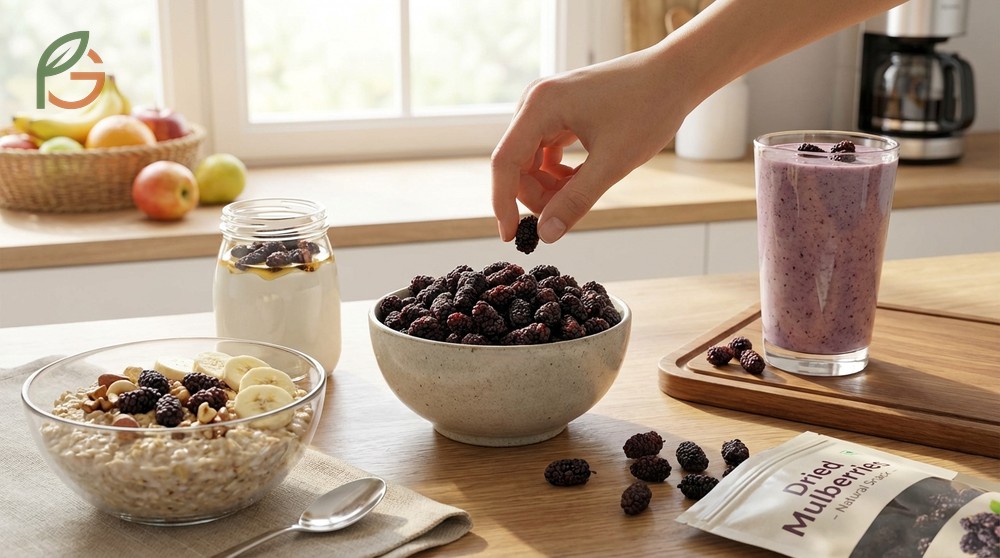
Incorporating dried mulberries into your daily diet takes minimal effort. Their naturally sweet-tart flavor works well in both sweet and savory applications. You can eat them straight from the package as a convenient snack, or add them to recipes for extra nutrition.
For breakfast, toss a handful into oatmeal, yogurt bowls, or smoothies. The chewy texture adds interest while boosting the nutritional value of your morning meal. Mix them with granola and milk for a ready-to-eat breakfast that provides sustained energy through lunch.
During afternoon energy slumps, reach for dried mulberries instead of coffee or candy. Combine them with raw almonds and dark chocolate chips for a trail mix that satisfies cravings. The protein and fiber combination keeps you full for 3-4 hours without the crash that follows caffeine or sugar.
For baking, substitute dried mulberries for raisins in muffins, cookies, or bread recipes. They work particularly well in whole grain recipes where their robust flavor complements nuttier flours. Rehydrate them in warm water for 10 minutes before adding to batters for even softer texture.
- Add to morning smoothies with banana, spinach, and almond milk
- Mix into homemade energy bars with oats, honey, and peanut butter
- Sprinkle over salads with goat cheese and balsamic vinegar
- Blend into nut butters for enhanced nutrition and flavor complexity
- Stir into cooked quinoa or rice pilaf with herbs and vegetables
- Top whole grain toast with cream cheese and dried mulberries
- Include in cheese boards alongside nuts and whole grain crackers
Store dried mulberries in glass jars or resealable bags in your pantry away from direct sunlight. They’ll maintain quality for 6-12 months when stored properly in cool, dry conditions. Refrigeration extends shelf life up to 18 months while preserving nutritional content.
Conclusion
The evidence is clear: dried mulberries benefits extend far beyond basic nutrition to include substantial amounts of iron, protein, and antioxidants that support overall health. With 50% of your daily iron in just one serving, they address a common nutritional gap that affects millions of Americans. Their unique combination of fiber, protein, and essential minerals makes them one of the most nutritionally complete dried fruits available.
Current guidance emphasizes whole-food sources of nutrients over isolated supplements, and dried mulberries perfectly fit this recommendation. Whether you’re looking to boost energy levels, support digestive health, or add more plant-based protein to your diet, these berries deliver measurable results. FruitGarden continues to track emerging research on fruit nutrition to bring you evidence-based information for healthier choices.
Frequently Asked Questions
How Many Dried Mulberries Should I Eat per Day?
A quarter-cup (28g) serving provides optimal nutrition without excessive calories. This amount delivers 50% of your daily iron, 3g protein, and 3g fiber. If you’re using them for iron supplementation, this serving size meets half your daily requirement without the constipation issues common with iron pills.
Are Dried Mulberries Better Than Fresh Mulberries?
Dried mulberries concentrate nutrients, providing 12% protein versus 1.4% in fresh berries. The drying process removes water while preserving vitamins and minerals, making them more nutrient-dense per gram. However, fresh mulberries contain more vitamin C since heat can reduce water-soluble vitamins during drying.
Can Dried Mulberries Help with Iron Deficiency?
Yes, dried mulberries provide 4mg iron per serving, meeting 50% of daily needs. The vitamin C content enhances iron absorption from plant sources. Combine them with citrus fruits or bell peppers for maximum absorption, and consider eating them regularly if you’re at risk for iron deficiency anemia.
Do Dried Mulberries Contain Added Sugar?
Most dried mulberries contain only natural sugars from the fruit itself, with no added sweeteners. Check the ingredients label to verify—it should list only “mulberries” or “dried mulberries.” They contain 13g natural sugars per serving, significantly less than the 26g found in raisins.
What’s the Best Time to Eat Dried Mulberries?
Morning or early afternoon works best to maximize energy benefits without affecting sleep. The natural sugars and iron provide sustained energy for 4-5 hours. Avoid eating them close to bedtime since the natural sugar content might interfere with sleep quality in sensitive individuals.
Can Diabetics Eat Dried Mulberries?
Diabetics can include dried mulberries in moderation, but should pair them with protein or fat to minimize blood sugar impact. The 3g fiber per serving helps slow sugar absorption. Monitor your blood glucose response and consider limiting portions to 1-2 tablespoons (15-20g) rather than a full quarter-cup serving.
How Do Dried Mulberries Compare to Goji Berries?
Dried mulberries provide more iron (50% DV versus 11% in goji berries) and comparable protein content at lower cost. Goji berries contain more vitamin A, while mulberries offer superior iron and calcium levels. Both provide excellent antioxidant protection, so choose based on your specific nutritional needs and budget.