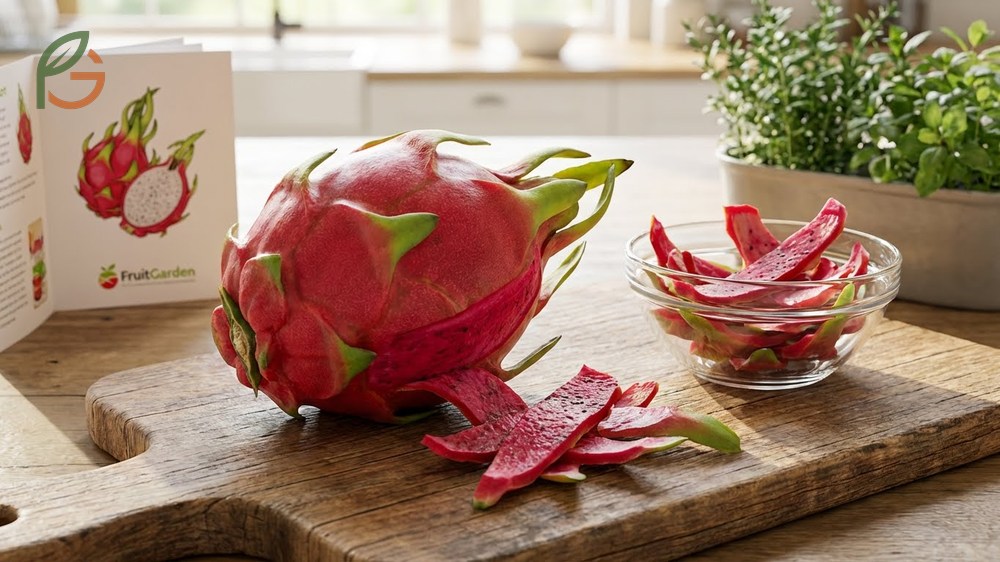
Is dragon fruit skin edible? Yes, dragon fruit peel is safe to eat and offers significant nutritional value. Research shows the peel contains 57-69% dietary fiber and higher antioxidant levels than the flesh[1]. While most people discard this outer layer, it’s actually packed with betacyanins, pectin, and polyphenols that support digestive health and reduce inflammation. FruitGarden synthesizes current agricultural research to help you make the most of every part of this tropical fruit.
Quick Answer
- Dragon fruit skin is edible and contains 57-69% dietary fiber[1], far higher than the flesh
- The peel has 150.46 mg betacyanins per 100g[2] with potent antioxidant properties
- Studies show no toxicity concerns when consumed in normal amounts[3]
- Wash thoroughly before eating to remove pesticide residues[4]
Is Dragon Fruit Skin Edible?

Dragon fruit skin is completely edible and offers nutritional benefits that exceed the flesh in several key areas. Studies demonstrate that the peel contains significantly higher concentrations of antioxidants, particularly betacyanins, which give red dragon fruit its vibrant color[5]. The peel comprises about 22-35% of the whole fruit’s weight, yet it’s routinely discarded by most consumers and beverage industries[1].
Unlike toxic fruit skins such as lychee or some citrus peels, dragon fruit peel doesn’t contain harmful compounds. Research confirms it poses no toxicity risks when consumed in typical dietary amounts[3]. The main barrier to consumption isn’t safety but rather the peel’s tough, leathery texture and slightly bitter taste when raw.
Current agricultural data shows the peel’s dietary fiber content reaches 57-69%, depending on the dragon fruit variety[1]. This makes it one of the most fiber-dense fruit components available, surpassing common sources like wheat bran and oat bran.
What Dragon Fruit Peel Contains
The chemical composition of dragon fruit peel reveals why it’s worth consuming. Analysis shows it contains 10.36% protein, 4.48% fat, and 2.34% ash, along with substantial amounts of pectin at approximately 10.79%[2]. These components work together to support digestive health and metabolic function.
Betacyanin pigments in the peel measure 150.46 mg per 100g of dry weight[2], providing the red-violet color and powerful antioxidant activity. Research demonstrates these pigments reduce oxidative stress and inflammation markers in animal studies[5].
Why People Discard Dragon Fruit Skin
Most people throw away dragon fruit skin because of its tough, waxy texture that doesn’t appeal to many palates when eaten raw. The peel also has a mildly bitter taste compared to the sweet, mild flesh. Processing industries discard it primarily because beverage production focuses solely on juice extraction from the flesh[1].
Another concern is pesticide residue. Since the peel is the outer protective layer, it can accumulate agricultural chemicals during cultivation. Evidence suggests thorough washing removes most surface contaminants, making the peel safe for consumption[4].
Important Note: Always wash dragon fruit skin thoroughly under running water before consumption, whether you plan to eat it or use it for cooking. Organic dragon fruit is preferable if you intend to consume the peel regularly.
Dragon Fruit Peel Nutrition and Benefits
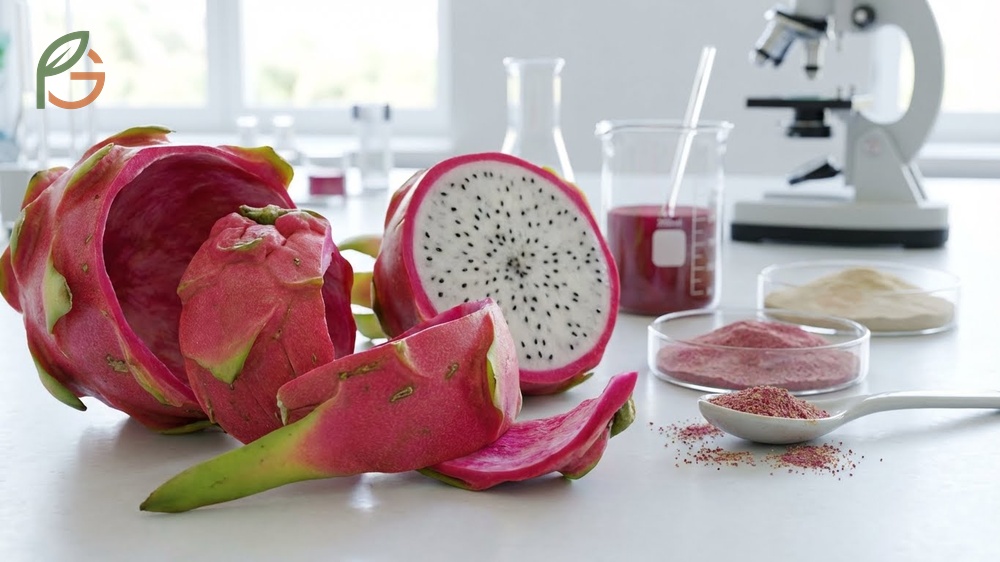
The nutritional profile of dragon fruit peel surpasses the flesh in several critical areas, particularly fiber and antioxidant content. Studies using DPPH and FRAP assays demonstrate that peel extracts exhibit significantly higher antioxidant activity than flesh extracts[5]. This difference stems from concentrated betacyanin levels in the outer layers.
Animal research shows dragon fruit peel powder can improve lipid profiles when consumed regularly. Mice fed high-fat diets supplemented with 50-200 mg/kg body weight of peel powder daily for 30 days showed significant decreases in total cholesterol, LDL, and triglycerides[5]. These effects likely result from the peel’s high fiber content binding to bile acids and enhancing their excretion.
Fiber Content in Dragon Fruit Skin
Dragon fruit peel contains an exceptional amount of dietary fiber, with studies reporting 56.91-69.3% total dietary fiber depending on extraction methods and variety[1]. This fiber consists of both soluble dietary fiber (SDF) and insoluble dietary fiber (IDF), with IDF predominating. The soluble fiber helps regulate blood sugar and cholesterol, while insoluble fiber promotes regular bowel movements.
Compared to common fiber sources, dragon fruit peel excels dramatically. Wheat bran contains 2.9% SDF and 41.1% IDF, while oat bran has 3.6% SDF and 20.2% IDF[1]. Dragon fruit peel’s fiber content is more than 30% higher than these traditional sources.
- Supports digestive health by promoting beneficial gut bacteria growth (prebiotic effect)
- Helps maintain stable blood sugar levels through delayed glucose absorption
- Reduces cholesterol by binding bile acids and increasing their excretion
- Promotes satiety and may support weight management efforts
- Improves bowel regularity and prevents constipation through increased stool bulk
- May reduce risk of colon-related diseases through enhanced gut motility
Antioxidants in Dragon Fruit Peel
The antioxidant compounds in dragon fruit peel work through multiple mechanisms to protect cells from oxidative damage. Betacyanins represent the primary antioxidant group, but the peel also contains phenolic compounds measuring 36-39 mg gallic acid equivalents per 100g[1]. These phenolics demonstrate radical scavenging activity and reducing power.
Research identifies specific phenolic acids in dragon fruit peel with documented health effects. Vanillic acid exhibits antioxidant, anti-diabetic, and anti-inflammatory properties, while syringic acid shows antimicrobial and anti-cancer potential[5]. These compounds are present in higher concentrations in the peel than in the flesh.
This table compares key nutritional components between dragon fruit peel and flesh per 100 grams, showing fiber, protein, and antioxidant content differences
| Component | Peel (per 100g) | Flesh (per 100g) |
|---|---|---|
| Total Dietary Fiber | 56.91-69.3%[1] | 3g (about 3%)[6] |
| Protein | 10.36%[1] | 0.36g (0.36%)[6] |
| Betacyanins | 150.46 mg[2] | Lower (not quantified) |
| Phenolic Compounds | 36-39 mg GAE[1] | Lower (peel shows higher activity)[5] |
Is It Safe to Eat Dragon Fruit Peel?

Dragon fruit peel is safe for human consumption according to multiple toxicity studies and clinical observations. Research using the OECD guidelines for acute toxicity testing found the LD50 value of dragon fruit extract exceeded 446.68 mg/kg, which falls within accepted safety parameters[3]. This means dragon fruit components, including the peel, show minimal toxicity even at high doses.
Studies monitoring repeated exposure in animal models found no adverse effects from regular dragon fruit peel consumption. WebMD classifies dragon fruit as “likely safe” when eaten as food, though isolated allergic reactions have been reported[4]. Symptoms of allergy include tongue swelling, hives, and vomiting, but these reactions appear extremely rare.
The primary safety consideration involves pesticide residues rather than inherent toxicity of the peel itself. Agricultural chemicals can accumulate on the waxy outer surface during cultivation. Evidence indicates thorough washing with clean water removes most surface contaminants[4]. Choosing organic dragon fruit eliminates this concern entirely.
Safety Tips: If you’ve never eaten dragon fruit peel before, start with small amounts to check for any allergic reactions. People with known fruit allergies should exercise caution and consult healthcare providers before adding dragon fruit peel to their diet.
- Wash all dragon fruit thoroughly under running water before cutting or peeling
- Remove any visible dirt, debris, or damaged areas from the peel surface
- Organic dragon fruit is preferable if you plan to consume the peel regularly
- Start with small portions (1-2 tablespoons dried peel powder) to assess tolerance
- Avoid eating dragon fruit peel if you have known allergies to cactus family plants
- Pregnant and breastfeeding women should consult healthcare providers before consuming peel as a supplement
How to Eat Dragon Fruit Skin

The tough, leathery texture of raw dragon fruit skin makes it unpalatable for most people, so preparation methods focus on softening or transforming the peel into more digestible forms. Traditional approaches in Asian cultures include steeping dried peel pieces in hot water to make tea or deep-frying thin strips until crispy. These methods make the peel’s nutrients more accessible while improving taste and texture.
For tea preparation, cut the washed peel into small pieces (about 1-inch squares) and spread them on a clean surface to dry completely. This process can take 2-3 days in a well-ventilated area or 6-8 hours in a food dehydrator set to 135°F (57°C). Once dried, steep 1-2 tablespoons of peel pieces in hot water for 5-10 minutes to create a mildly sweet, antioxidant-rich beverage.
Deep-frying represents a popular preparation method in Indonesia, where battered dragon fruit peel becomes a crispy snack. Coat peel strips in a light batter made from flour, cornstarch, and water, then fry in oil heated to 350-375°F (177-191°C) until golden and crispy. Drain on paper towels and dust with powdered sugar while hot.
Modern applications include grinding dried dragon fruit peel into powder and incorporating it into smoothies, yogurt, or baked goods. Start with 1-2 teaspoons of peel powder per serving and gradually increase based on taste preference. The powder blends well into fruit smoothies, masking any bitter notes with sweet fruits like bananas or mangoes.
- Boil peel pieces with sugar to make candied strips, similar to candied citrus peel
- Blend fresh peel with water and agar to create colorful, fiber-rich jelly desserts
- Dry and grind into powder for adding to smoothies, oatmeal, or protein shakes
- Steep dried peel in hot water for 5-10 minutes to make antioxidant tea
- Deep-fry battered peel strips at 350-375°F (177-191°C) until golden and crispy
- Add small amounts of fresh peel to vegetable juices or green smoothies
- Mix peel powder into yogurt, energy balls, or homemade granola bars
Preparation Tip: Remove the outermost waxy layer if it seems thick or heavily textured. The layer just beneath the outer surface contains the highest concentration of nutrients while being slightly more tender.
Dragon Fruit Skin Uses

Beyond direct consumption, dragon fruit peel serves multiple functional purposes in food production and traditional medicine. Food manufacturers incorporate peel powder into baked goods like bread, cookies, and noodles to boost fiber content and antioxidant capacity. Research demonstrates that adding dragon fruit peel powder to these products increases betacyanin and polyphenol content while providing the products with natural pink-to-red coloring.
In chicken nugget production, studies show that adding 1.5-3.0% dragon fruit peel powder as an antioxidant dietary fiber improves quality and extends shelf life during refrigerated storage[1]. The peel’s antioxidants help prevent lipid oxidation, maintaining better color, texture, and nutritional value in processed meat products.
Traditional Chinese medicine has used dragon fruit peel for centuries to address various health concerns. Current research validates some of these traditional uses, particularly for reducing inflammation and supporting metabolic health. The peel’s high fiber and pectin content make it valuable for digestive health applications.
Natural food coloring represents another practical application. The betacyanin pigments in red dragon fruit peel create stable pink-to-magenta hues suitable for coloring beverages, yogurts, ice creams, and confections. Unlike synthetic dyes, these natural pigments provide color while adding antioxidant benefits.
- Natural food coloring for beverages, yogurts, and desserts using betacyanin pigments
- Dietary fiber supplement in powder form for boosting daily fiber intake
- Antioxidant additive in processed foods to extend shelf life and prevent oxidation
- Traditional medicine ingredient for digestive health and inflammation reduction
- Pectin source for making jams, jellies, and other gelled products
- Animal feed supplement to enhance nutritional value and reduce food waste
- Cosmetic ingredient in face masks and skin care products for antioxidant benefits
Conclusion
The evidence is clear: dragon fruit skin is edible and offers substantial nutritional benefits that shouldn’t be overlooked. Research demonstrates the peel contains 57-69% dietary fiber, significantly higher antioxidant levels than the flesh, and beneficial compounds like betacyanins and phenolic acids that support metabolic health[1]. While the tough texture requires preparation methods like drying, brewing as tea, or grinding into powder, these simple techniques make the peel’s nutrients accessible.
Current guidance emphasizes thorough washing to remove pesticide residues and starting with small amounts if you’re new to consuming dragon fruit peel. FruitGarden encourages fruit enthusiasts to explore all edible parts of their harvest, reducing waste while maximizing nutritional value from this remarkable tropical fruit.
Medical Disclaimer
Important Medical Disclaimer: This content is for informational and educational purposes only. It is not intended as a substitute for professional medical advice, diagnosis, or treatment. Always consult a qualified healthcare professional before making any changes to your diet, especially if you have existing health conditions, allergies, or are pregnant or breastfeeding. Individual responses to dragon fruit peel consumption may vary, and what works for others may not be appropriate for your specific health situation.
Frequently Asked Questions
Can You Eat the Whole Dragon Fruit Including the Skin?
Yes, you can eat the whole dragon fruit including the skin, though most people find the peel too tough and bitter to eat raw. The flesh is typically eaten fresh, while the skin works better when dried for tea, ground into powder, or cooked. Both parts are safe and nutritious, with the peel containing significantly higher fiber and antioxidant levels than the flesh.
What Are Dragon Fruit Peel Benefits for Health?
Dragon fruit peel benefits include exceptional dietary fiber content (57-69%) that supports digestive health and blood sugar regulation, high antioxidant levels that reduce inflammation, and betacyanins that protect against oxidative stress. Research shows peel consumption may help lower cholesterol, improve gut bacteria composition, and support weight management through increased satiety.
Is Dragon Fruit Skin Toxic or Poisonous?
No, dragon fruit skin is not toxic or poisonous. Studies confirm it contains no harmful compounds and shows no toxicity even at high doses in animal testing. The main concern is pesticide residues on the outer surface, which can be removed through thorough washing. Rare allergic reactions have been reported, but the peel itself poses no inherent danger.
How Do You Prepare Dragon Fruit Skin for Eating?
Prepare dragon fruit skin by first washing it thoroughly, then cutting it into small pieces and drying them completely (2-3 days air-drying or 6-8 hours in a dehydrator at 135°F/57°C). Once dried, steep pieces in hot water for tea, grind into powder for smoothies, or deep-fry battered strips at 350-375°F (177-191°C) until crispy. Start with 1-2 teaspoons of powder or 1-2 tablespoons of dried pieces per serving.
Does Dragon Fruit Peel Taste Good?
Raw dragon fruit peel has a tough, leathery texture and mildly bitter taste that most people find unpleasant. However, prepared peel can taste quite good depending on the method. Tea made from dried peel has a subtle, mildly sweet flavor. Deep-fried, battered peel becomes crispy and pairs well with powdered sugar. Ground peel powder blends into smoothies without overwhelming other flavors when used in small amounts.
How Much Dragon Fruit Skin Should You Eat Daily?
Start with 1-2 teaspoons of dragon fruit peel powder daily or 1-2 tablespoons of dried peel pieces for tea to assess your tolerance. Given the peel’s high fiber content (57-69%), consuming too much too quickly may cause digestive discomfort. Gradually increase to 1-2 tablespoons of powder daily if desired, but there’s no established recommended daily amount as research focuses on safety rather than optimal dosage.
Where Is Eating Dragon Fruit Skin Most Common?
Eating dragon fruit skin is most common in China and Indonesia, where traditional preparation methods have existed for generations. In China, dried dragon fruit peel tea is a popular health beverage. In Indonesia, deep-fried dragon fruit peel is served as a crispy snack or side dish with rice and other fruits. These cultural practices are now spreading to other countries as research highlights the peel’s nutritional benefits.