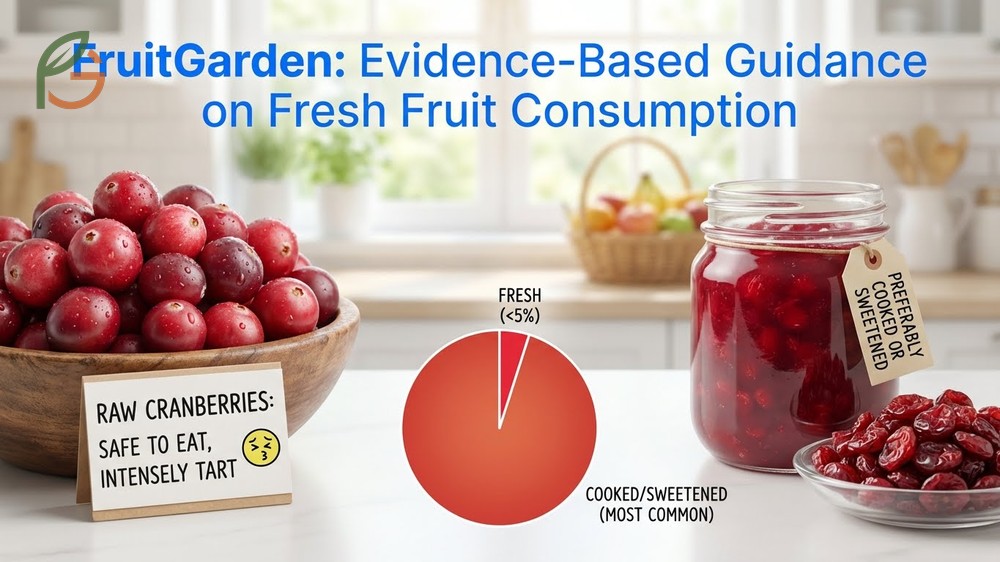
Can you eat raw cranberries? Yes, raw cranberries are completely safe to eat, though their intensely tart flavor means most people prefer them cooked or sweetened[1]. Research shows that less than 5% of cranberries are consumed fresh due to their sharp bitterness[2]. FruitGarden provides evidence-based guidance on fresh fruit consumption to help gardeners and health-conscious readers make informed choices.
Quick Answer
- Raw cranberries are safe but extremely tart due to high tannin and acid content[1]
- One cup provides 46 calories and 4 grams fiber[1]
- They’re packed with 16% daily vitamin C and powerful antioxidants[3]
- Eat them whole, add to smoothies, or pair with sweeter fruits to balance the tartness
Can You Eat Raw Cranberries
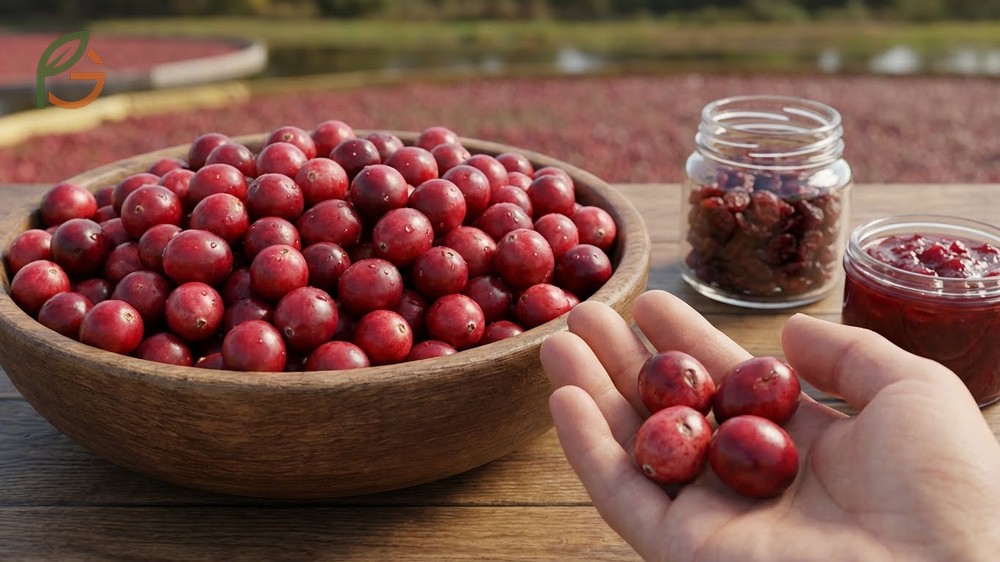
Raw cranberries are completely safe to eat straight from the bag or vine[1]. Current data shows only about 5% of the annual cranberry harvest is sold fresh, with the remaining 95% processed into juice, sauce, or dried products[2]. The main barrier isn’t safety—it’s the intensely bitter, puckering flavor that catches most people off guard.
Studies demonstrate that cranberries are among the most nutrient-dense fruits available. Fresh cranberries contain no cholesterol, minimal fat, and offer substantial amounts of dietary fiber and vitamin C[3]. What’s often overlooked is that cooking doesn’t create cranberries’ health benefits—it simply makes them more palatable by balancing their natural acids with added sweetness.
Why Cranberries Taste So Tart
The extreme tartness comes from three primary compounds working together. Cranberries contain high concentrations of tannins—the same polyphenolic compounds found in red wine and dark chocolate that create a dry, astringent mouthfeel[1]. These tannins bind with proteins in your saliva, creating that distinctive puckering sensation.
Research shows cranberries also pack significant amounts of citric acid and quinic acid, which create the sharp, mouth-puckering sensation many perceive as bitterness[3]. Unlike sweet berries such as strawberries or blueberries that contain 10-15% natural sugars, cranberries have minimal sugar content—typically just 4-5% of their composition. This means there’s nothing to balance the intense acidity, making them one of the most challenging fruits to eat raw.
Safety Considerations
Fresh cranberries pose no inherent safety risks for most people when consumed in normal quantities. They don’t require cooking for food safety purposes, unlike some other foods. The primary concerns involve digestive comfort rather than actual danger.
Evidence suggests that eating large quantities—particularly in juice form—may cause stomach discomfort in sensitive individuals. The fruit’s high acid content can irritate the stomach lining when consumed excessively. Most people can comfortably eat a handful (about ¼ to ½ cup) of raw cranberries without issues.
Raw Cranberry Taste
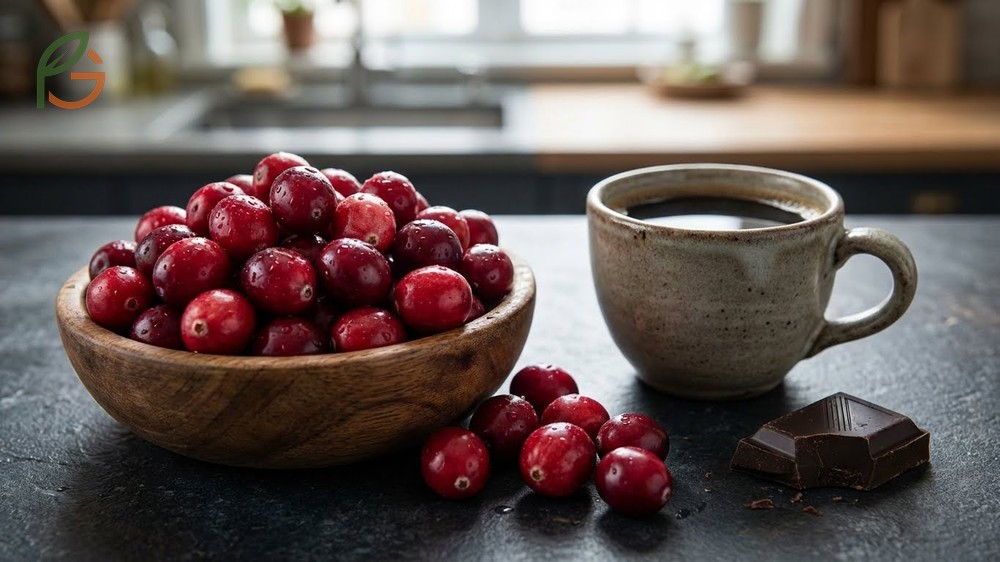
Raw cranberries deliver an intensely sharp, bitter-sour flavor that’s unmatched by most other fruits. The initial bite hits with overwhelming tartness, followed by a lingering astringent aftertaste similar to unsweetened black coffee or very dark chocolate. This complexity makes them practically unpalatable on their own for most people, though some develop a taste for the extreme sourness.
The flavor profile changes dramatically based on ripeness. Early-harvested cranberries taste more acidic and sharply sour, while fully ripe berries picked later in the season develop slightly more balanced flavor with hints of natural sweetness—though they’re still quite tart. Fresh cranberries should feel firm with a slight bounce when you press them, indicating proper ripeness and freshness.
Natural Compounds Affecting Flavor
Proanthocyanidins (PACs) significantly contribute to cranberries’ bitter taste while simultaneously providing many of their celebrated health benefits[4]. These flavonoid compounds create a complex bitterness that intensifies the more you chew the berries. The concentration varies depending on growing conditions, harvest timing, and cranberry variety—some cultivars contain up to 50% more PACs than others.
The organic acid content remains consistently high across all varieties. Research demonstrates that cranberries maintain their characteristic tartness throughout the growing season because they naturally produce minimal sugars during ripening[3]. This sets them apart from most fruits, which develop sweetness as they mature.
Making Raw Cranberries More Palatable
Pairing raw cranberries with naturally sweet ingredients helps balance their extreme tartness. The contrast creates interesting flavor combinations rather than trying to mask the cranberries’ natural character. Try these proven strategies that work with the berries’ tartness instead of fighting it.
- Chop them finely and mix with sweeter fruits like apples, pears, or oranges in fruit salads
- Blend a small handful into smoothies with banana, mango, or dates for natural sweetness
- Add to yogurt or oatmeal with honey or maple syrup to balance the acidity
- Combine with nuts and dried fruits in homemade trail mix
- Sprinkle over green salads with balsamic vinaigrette to complement the tartness
- Mix into muffin or scone batter where sugar in the recipe balances the berries
Tip for First-Timers: Start with just 2-3 raw cranberries mixed into a sweeter dish. This lets you experience their flavor without overwhelming your palate. You can gradually increase the amount as your taste buds adjust to the tartness.
Health Benefits of Raw Cranberries
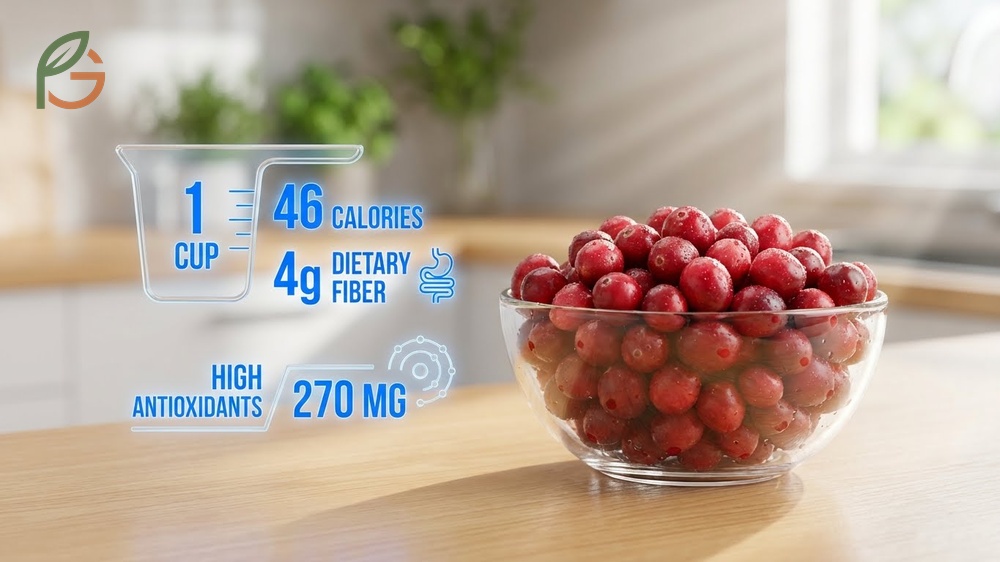
Raw cranberries deliver exceptional nutritional value despite their challenging flavor. One cup of raw cranberries contains just 46 calories while providing 4 grams of dietary fiber—about 14% of the daily recommended intake[1]. This high fiber-to-calorie ratio makes them excellent for digestive health and satiety.
The antioxidant content in raw cranberries ranks among the highest of common fruits. Studies demonstrate that cranberries contain approximately 270 mg of total antioxidants per 100 grams when measured by standardized methods[3]. These antioxidants help neutralize free radicals that can damage cells and contribute to chronic diseases.
Vitamin and Antioxidant Content
Cranberries are particularly rich in vitamin C, providing about 16% of the daily value in a single cup[3]. This vitamin C acts as a powerful antioxidant while supporting immune function and collagen production for healthy skin. Raw cranberries retain their full vitamin C content, whereas cooking can reduce levels by 15-20%.
The antioxidant activity in cranberries comes from multiple sources working together. Research shows that vitamin C contributes approximately 23% of the overall antioxidant capacity, while phenolic compounds like epitecatechin provide additional benefits[3]. The berries also contain smaller amounts of vitamin E, vitamin K, and manganese that contribute to their health-promoting properties.
This table compares the nutritional content of one cup of raw cranberries versus the same serving size of other common berries including calories, fiber, vitamin C, and antioxidant levels
| Berry Type | Calories | Fiber (g) | Vitamin C (% DV) | Flavor Profile |
|---|---|---|---|---|
| Raw Cranberries | 46[1] | 4.0[1] | 16%[3] | Very tart, bitter |
| Blueberries | 84 | 3.6 | 24% | Sweet, mild |
| Strawberries | 49 | 3.0 | 149% | Sweet-tart |
| Raspberries | 64 | 8.0 | 54% | Sweet-tart |
Proanthocyanidins (PACs)
PACs represent the most studied bioactive compounds in cranberries due to their unique health-promoting properties. Current research indicates that consuming at least 36 mg of PACs daily from cranberry products significantly reduces urinary tract infection risk[4]. These compounds work by preventing harmful bacteria from adhering to bladder walls, reducing infection likelihood.
Raw cranberries contain higher PAC concentrations than most processed products. The anti-adhesion properties remain active whether you eat the berries whole or blend them into smoothies. Evidence suggests that heating doesn’t significantly reduce PAC content, but many commercial cranberry juices contain insufficient amounts to provide these protective benefits.
- Reducing urinary tract infection recurrence when consumed regularly with adequate PAC levels
- Supporting cardiovascular health through antioxidant and anti-inflammatory effects
- Promoting digestive health via high fiber content and beneficial plant compounds
- Protecting against oxidative stress that contributes to cellular aging
- Providing anti-inflammatory compounds that may help reduce chronic disease risk
How to Eat Fresh Cranberries
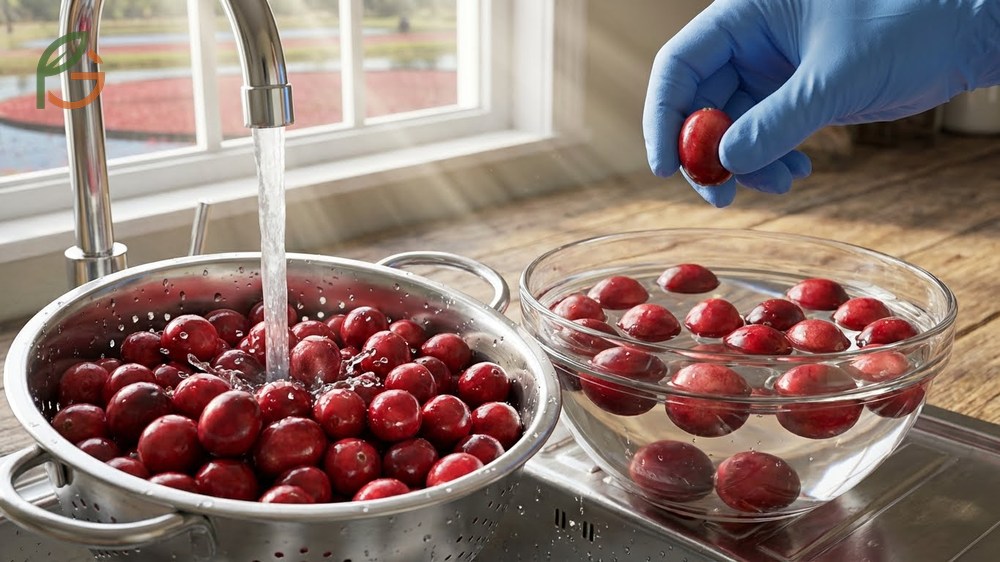
Fresh cranberries require proper washing before consumption since they’re typically harvested from bogs where they may contact soil, water, and plant debris. Unlike some fruits with edible peels, cranberries don’t need peeling—just thorough cleaning. The entire berry is edible, from the glossy skin to the white flesh inside.
Selecting fresh cranberries is straightforward when you know what to look for. Fresh berries bounce slightly when you gently squeeze them due to air pockets within the fruit’s membrane[1]. This bounce test actually mimics how commercial growers sort cranberries—they bounce them across sorting machines. Berries that simply smush when pressed are past their prime and should be discarded.
Preparation and Cleaning
Proper cleaning removes surface debris and any soft or damaged berries that could affect flavor and texture. Fill a large basin or bowl with cold water and add the cranberries. Swirl them gently with your hands, allowing dirt and leaves to float away. After about 30 seconds of washing, pour the berries into a colander to drain.
Spread the washed cranberries on a clean kitchen towel and pat them dry. As they dry, sort through and remove any leaves, stems, or cranberries with soft spots, bruises, or wrinkled skin. Current guidance from the USDA indicates that properly cleaned and stored fresh cranberries can last up to 2 months in the refrigerator[5]. For longer storage, freeze them in airtight containers where they’ll keep for up to a year.
Serving Ideas
Raw cranberries work best when incorporated into dishes that balance their extreme tartness rather than eating them alone. Most people find that mixing them with sweeter ingredients creates enjoyable flavor contrasts. The berries add beautiful color, nutritional boost, and flavor complexity to many everyday foods.
- Blend 2-3 tablespoons into morning smoothies with banana, mango, spinach, and almond milk
- Chop finely and fold into pancake or waffle batter for tart pockets throughout
- Add to chicken or tuna salad for a burst of tartness that cuts through creamy mayonnaise
- Toss whole berries into green salads with goat cheese, walnuts, and honey-balsamic dressing
- Mix into overnight oats with maple syrup, cinnamon, and chopped pecans
- Combine with diced apples and oranges for a refreshing fruit relish
- Stir into yogurt parfaits with granola and a drizzle of honey to balance the tartness
Storage Tip: Don’t wash cranberries until you’re ready to use them. Excess moisture promotes mold growth and shortens shelf life. Store unwashed berries in their original bag in the refrigerator’s crisper drawer for maximum freshness.
Raw Cranberry Safety
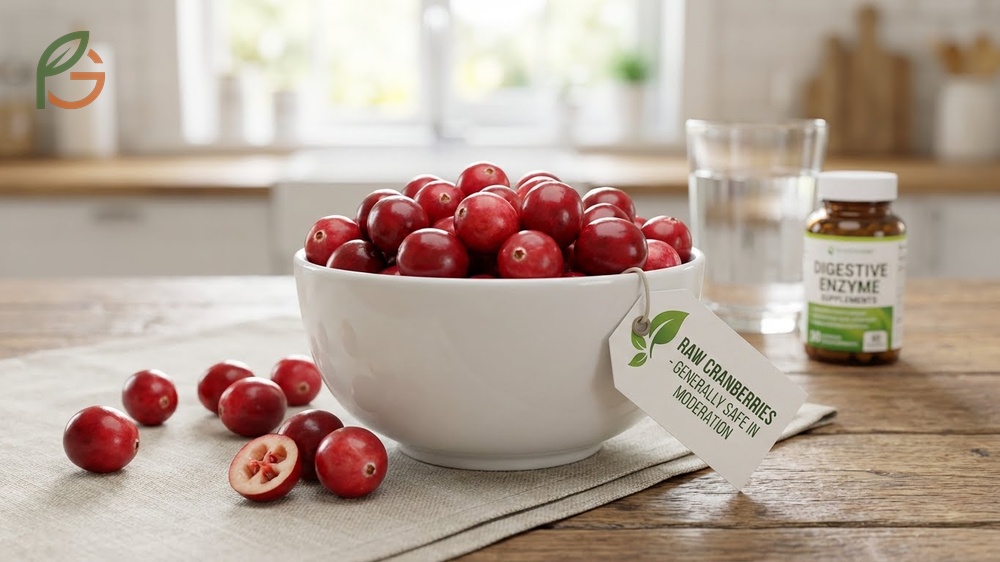
Raw cranberries pose minimal safety risks for most healthy adults when consumed in moderate amounts. They don’t harbor harmful bacteria that require cooking to eliminate, unlike some animal products or certain vegetables. The primary concerns involve digestive comfort and potential interactions with specific medications or health conditions.
Research shows that cranberries are generally well-tolerated across different age groups. Most adverse effects occur only with excessive consumption—typically more than 2-3 cups daily or large volumes of concentrated cranberry juice. Understanding these potential issues helps you enjoy cranberries safely while maximizing their health benefits.
Potential Side Effects
Consuming large quantities of raw cranberries can irritate the digestive system due to their high acid content. Studies indicate that excessive amounts may cause stomach cramps, nausea, or diarrhea, particularly in children or those with sensitive stomachs[1]. The fructose in cranberries may have a laxative effect when consumed in very large amounts, though you’d need to eat several cups to experience this.
People with a history of kidney stones should exercise caution with cranberries. The berries contain oxalates—naturally occurring compounds that can combine with calcium to form kidney stones in susceptible individuals. Current medical guidance suggests limiting cranberry intake if you’re prone to oxalate-based kidney stones, though research on this interaction remains mixed.
- Individuals with gastroesophageal reflux disease (GERD) or frequent heartburn—high acidity may worsen symptoms
- People with sensitive stomachs or irritable bowel syndrome who may react to acidic foods
- Those with a history of calcium oxalate kidney stones should consult their doctor first
- Young children under age 3 who may find the extreme tartness overwhelming or experience digestive upset
- Anyone allergic to berries in the Vaccinium family, including blueberries and bilberries
Medication Interactions
The most well-documented interaction involves warfarin, a common blood-thinning medication. Evidence from controlled studies indicates that cranberry consumption may affect how the liver processes warfarin, though this interaction appears dose-dependent[6]. Research suggests the interaction becomes clinically significant only at very high doses—typically 4-8 cups of cranberry juice daily or 3-gram cranberry extract supplements.
Current medical consensus indicates that moderate cranberry consumption (up to 1 cup of berries or 4 ounces of juice daily) doesn’t significantly interfere with warfarin in most people. However, if you take warfarin or other blood thinners, discuss cranberry consumption with your healthcare provider. They may recommend monitoring your INR levels more frequently when adding cranberries to your diet.
Important Note: Always consult your doctor before significantly increasing cranberry intake if you take prescription medications. Beyond warfarin, cranberries may theoretically interact with certain antibiotics and medications metabolized by liver enzymes, though clinical evidence remains limited.
Conclusion
The evidence is clear: raw cranberries are safe to eat and pack impressive nutritional benefits, from 16% daily vitamin C to powerful PACs that support urinary tract health. Their intensely tart flavor presents the main challenge, not safety concerns. Research demonstrates that incorporating small amounts into smoothies, salads, or oatmeal provides health benefits while making the tartness manageable.
Current nutritional guidance emphasizes whole fruits over processed versions whenever possible. Raw cranberries deliver maximum nutrient content and fiber without added sugars common in dried cranberries or juice cocktails. FruitGarden synthesizes current agricultural and nutritional research to help readers make informed decisions about fresh fruit consumption, supporting healthier eating through evidence-based information.
Medical Disclaimer
Important Medical Disclaimer: This content is for informational and educational purposes only. It’s not intended as a substitute for professional medical advice, diagnosis, or treatment. Always consult a qualified healthcare professional before making any changes to your diet, especially if you have existing health conditions, take prescription medications like warfarin, or have a history of kidney stones. Individual responses to cranberries vary, and what works for most people may not be appropriate for everyone.
Frequently Asked Questions
Do raw cranberries need to be cooked before eating?
No, raw cranberries don’t require cooking for safety. They’re perfectly safe to eat fresh, though most people prefer them cooked or sweetened due to their intensely tart flavor. Cooking is about palatability, not food safety.
How many raw cranberries can you safely eat per day?
Most people can safely consume ½ to 1 cup of raw cranberries daily without issues. Larger amounts may cause stomach upset due to the berries’ high acid content. Start with smaller portions if you’re new to eating them raw.
Why are fresh cranberries so sour compared to other berries?
Cranberries contain high levels of tannins, citric acid, and quinic acid while having minimal natural sugars—just 4-5% compared to 10-15% in sweet berries. This combination creates their characteristic sharp, bitter-sour taste.
Can diabetics eat raw cranberries?
Yes, raw cranberries are excellent for diabetics since they contain minimal sugar and have a low glycemic index. One cup provides just 4 grams of natural sugar with 4 grams of fiber. Avoid sweetened dried cranberries or cranberry juice cocktails, which contain added sugars.
What’s the best way to make raw cranberries taste better?
Pair raw cranberries with naturally sweet fruits like apples, oranges, or bananas. Add them to smoothies with dates or honey, mix into oatmeal with maple syrup, or combine with yogurt and granola. The sweetness balances their tartness.
Are frozen cranberries as nutritious as fresh ones?
Yes, frozen cranberries retain nearly all their nutritional value since they’re typically frozen shortly after harvest. They contain the same vitamin C, fiber, and antioxidants as fresh berries. Frozen cranberries are often more affordable and available year-round.
Can you eat cranberries straight from the bag without washing?
No, always wash cranberries before eating them raw. They’re harvested from bogs and may contact soil, water, and debris. Rinse them in cold water, drain in a colander, and pick through to remove any damaged berries or leaves.