
Can dogs eat dragon fruit? Yes, dogs can safely eat dragon fruit in moderation. Research shows this tropical fruit is non-toxic to dogs and provides beneficial nutrients like vitamin C, fiber, and antioxidants when properly prepared[1][2]. FruitGarden synthesizes current veterinary research and pet nutrition data to help you make informed decisions about feeding exotic fruits to your pets.
Quick Answer
Can Dogs Eat Dragon Fruit

Studies demonstrate that dragon fruit (also called pitaya) is completely non-toxic to dogs. According to multiple veterinary sources including the American Society for the Prevention of Cruelty to Animals, there’s no known toxin in this tropical fruit that affects canines[2]. You can offer both white-fleshed and red-fleshed varieties without concern.
Current veterinary guidance emphasizes moderation when introducing any new food. Dragon fruit should serve as an occasional treat rather than a dietary staple—it’s not meant to replace your dog’s balanced commercial food. Most experts recommend keeping treats to less than 10% of daily caloric intake.
Is Dragon Fruit Safe for Dogs
Research shows the flesh and seeds are generally safe when prepared correctly. The key safety concern involves the outer skin, which is tough, fibrous, and can cause gastrointestinal blockages or choking[5]. You’ll need to remove all skin and spines before serving.
Dogs with sensitive stomachs might experience mild digestive upset when trying dragon fruit for the first time. Start with a tiny amount—just a few small pieces—and wait 24 hours to observe your dog’s reaction. If they tolerate it well, you can gradually increase the portion size.
Important Safety Note: Always remove dragon fruit skin and cut the flesh into bite-sized pieces appropriate for your dog’s size. The skin poses serious choking and blockage risks that aren’t worth taking.
Is Dragon Fruit Good for Dogs
Evidence suggests dragon fruit offers several nutritional benefits that complement a dog’s regular diet. The fruit contains higher magnesium levels than most other fruits, which supports bone density and cardiovascular health[7]. It also provides omega-6 fatty acids that dogs can’t synthesize themselves—these acids support coat health and cell growth.
The vitamin C content creates a unique nutritional opportunity even though dogs produce their own vitamin C in their livers. Research shows the additional boost from dragon fruit can strengthen immune function, particularly for older dogs or those recovering from illness. Antioxidants in the fruit help combat free radicals and reduce inflammation throughout the body.
Dragon fruit’s high fiber content aids digestive regularity, which is especially helpful for dogs prone to constipation. At just 60 calories per 100g serving[4], it’s a relatively guilt-free treat option for dogs watching their weight.
Can Cats Eat Dragon Fruit
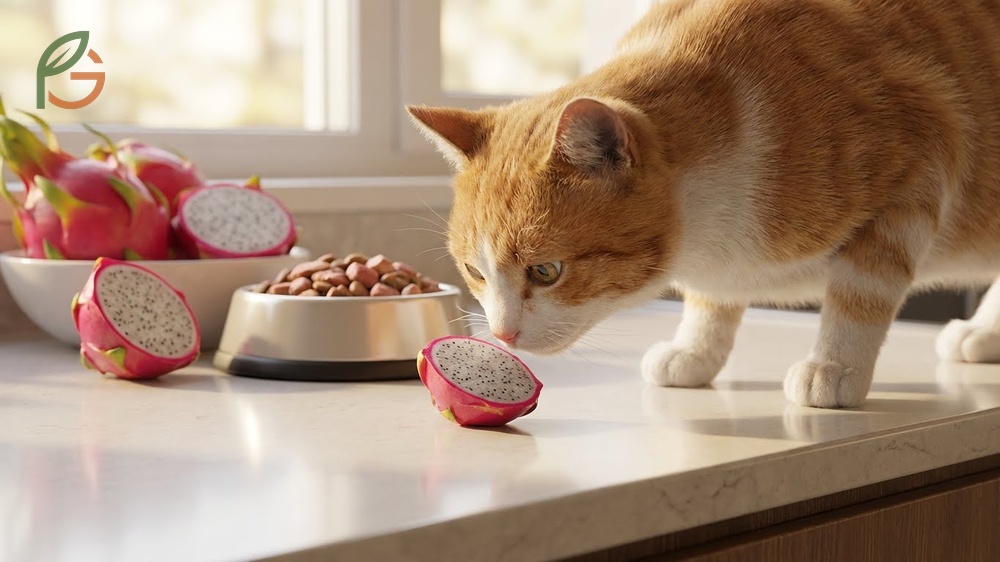
Current data indicates dragon fruit is non-toxic to cats, so there’s no need to panic if your curious feline sneaks a small bite[3]. However, it’s crucial to understand the difference between “non-toxic” and “nutritionally beneficial.” Cats are obligate carnivores—their bodies evolved to thrive on meat-based diets, not fruits.
Unlike dogs, cats derive minimal nutritional value from dragon fruit. They can’t efficiently process the vitamins and minerals found in plant matter. What matters most for feline health is high-quality animal protein, taurine, and specific fatty acids found only in meat sources.
Can Cats Have Dragon Fruit Safely
Studies demonstrate that small amounts won’t harm your cat, but you should treat dragon fruit as an occasional novelty rather than a regular snack. If you do offer it, limit portions to a single small cube and watch closely for any digestive reactions. Remove all skin and seeds first—these pose the same choking hazards for cats as they do for dogs[3].
Most cats won’t show much interest in dragon fruit anyway. Their taste receptors don’t detect sweetness the way humans or dogs do, so the fruit’s mild flavor doesn’t appeal to feline palates. Don’t force it if your cat turns up their nose.
Digestive Considerations for Cats
Research shows dragon fruit’s high fiber content can cause digestive upset in cats more easily than in dogs. Agricultural data indicates cats struggle to break down plant-based fibers, which can lead to nausea, vomiting, diarrhea, or constipation when consumed in excess[3]. Their shorter digestive tracts simply aren’t designed to process fruits efficiently.
The natural sugars in dragon fruit provide little benefit for cats and could contribute to weight gain over time. Excess sugar intake in felines has been linked to obesity and diabetes in veterinary studies. Focus your cat’s diet on complete, meat-based foods that meet their true nutritional needs.
Cat Owner Tip: If your cat shows digestive distress after eating dragon fruit—like vomiting or loose stools—discontinue it immediately and stick to their regular diet. Consult your veterinarian if symptoms persist beyond 24 hours.
Dragon Fruit Nutritional Value for Pets

Current nutritional analysis shows dragon fruit delivers a concentrated package of micronutrients in a low-calorie format. Per 100g serving, the fruit contains 60 calories, 3g dietary fiber (11% daily value), 15g total carbohydrates, and 10g natural sugars[4]. The high water content (approximately 88%) makes it a hydrating treat option for both dogs and cats.
Research demonstrates dragon fruit provides more magnesium than most common fruits—about 23-32mg per serving depending on variety. This mineral plays essential roles in muscle function, nerve transmission, and energy production. The fruit also contains iron (0.7mg per cup) that supports healthy blood cell production.
What sets dragon fruit apart is its unique fatty acid profile. Studies show it contains omega-3 and omega-6 fatty acids that dogs and cats can’t produce internally[7]. These must come from dietary sources. For dogs, this translates to improved coat shine and skin health. However, cats should obtain these fatty acids primarily from fish-based or meat-based sources rather than fruits.
This table compares nutritional content per 100g serving across dragon fruit, apple, banana, and blueberry showing calories, fiber, vitamin C, and magnesium levels
| Nutrient | Dragon Fruit | Apple | Banana | Blueberry |
|---|---|---|---|---|
| Calories | 60 kcal[4] | 52 kcal | 89 kcal | 57 kcal |
| Dietary Fiber | 3g[4] | 2.4g | 2.6g | 2.4g |
| Vitamin C | 3mg | 4.6mg | 8.7mg | 9.7mg |
| Magnesium | 23-32mg | 5mg | 27mg | 6mg |
| Water Content | 88% | 86% | 75% | 84% |
- Prebiotic fiber: Feeds beneficial gut bacteria and promotes digestive health
- Betalain antioxidants: Reduce inflammation and protect cells from oxidative damage
- Low glycemic impact: Won’t cause blood sugar spikes when served in appropriate portions
- Hydration support: High water content helps maintain fluid balance, especially in hot weather
- Weight management friendly: Low calorie density makes it suitable for overweight pets when used as treat replacement
How to Prepare Dragon Fruit for Dogs

Current veterinary guidance emphasizes proper preparation to maximize safety and digestibility. Start by washing the fruit thoroughly under running water to remove any pesticide residue or dirt. Choose ripe dragon fruit with vibrant color and slight give when pressed—unripe fruit can be harder to digest.
Cut the fruit in half lengthwise and scoop out the flesh with a spoon, similar to how you’d handle an avocado. Discard the entire outer skin, which is completely indigestible for both dogs and cats. While the small black seeds scattered throughout the flesh are generally safe, some veterinarians recommend removing them for dogs prone to digestive sensitivity or to eliminate any choking risk[8].
Chop the flesh into bite-sized pieces matched to your dog’s size. For small dogs under 25 pounds, cut 1cm cubes. Medium dogs (25-60 pounds) can handle 2cm chunks. Large dogs over 60 pounds can eat 3cm pieces safely. Always introduce dragon fruit gradually—start with a single small piece and wait 24 hours to monitor for adverse reactions before offering more.
Dragon Fruit Skin Toxicity Dogs
Research shows dragon fruit skin isn’t toxic in the traditional sense—it doesn’t contain poisonous compounds. However, studies demonstrate it poses serious mechanical hazards that make it unsafe for pet consumption[5]. The thick, leathery texture is nearly impossible for dogs to break down digestively.
Veterinary case reports document incidents where dogs who ate dragon fruit skin developed gastrointestinal blockages requiring surgical intervention. The skin’s fibrous structure can ball up in the stomach or intestines, creating obstructions that prevent normal digestion. Even small amounts can cause discomfort, vomiting, or constipation.
If your dog accidentally ate dragon fruit skin, monitor them closely for 24-48 hours. Warning signs include vomiting, loss of appetite, lethargy, abdominal pain, or inability to defecate. Contact your veterinarian immediately if you notice any of these symptoms—intestinal blockages can become life-threatening without prompt treatment.
Can Puppies Eat Dragon Fruit
Studies indicate puppies can enjoy dragon fruit, but their portions should be significantly smaller than adult dogs. Puppy digestive systems are more sensitive to new foods and higher sugar content[6]. Most veterinarians recommend waiting until puppies reach at least 4-6 months old before introducing exotic fruits.
For puppies under 10 pounds, limit dragon fruit to just 1-2 small cubes (about 1/4 teaspoon) as an occasional treat. Their developing digestive tracts need time to mature before handling diverse foods. Focus their nutrition on high-quality puppy food formulated to support growth and development—treats of any kind shouldn’t exceed 5% of their daily calories.
- Wash the fruit thoroughly under running water to remove surface contaminants
- Cut in half lengthwise and scoop out flesh with a spoon
- Remove ALL skin and tough outer portions completely
- Cut flesh into size-appropriate pieces (1cm cubes for small dogs, 2-3cm for larger breeds)
- Optionally remove black seeds if your dog has digestive sensitivity
- Serve at room temperature or slightly chilled—avoid frozen pieces that could damage teeth
- Store leftover dragon fruit in an airtight container in the refrigerator for up to 3 days
Serving Size Guidelines: Toy breeds (4-15 lbs): 2-3 small chunks, 2-3x per week. Small breeds (15-33 lbs): 4-5 chunks, 2-3x per week. Medium breeds (33-55 lbs): 6-8 chunks, 2-3x per week. Large breeds (55+ lbs): 8-10 chunks, 2-3x per week[6].
Allergic Reaction to Dragon Fruit in Dogs

Research shows true food allergies to dragon fruit are rare in dogs, but they can occur. Current veterinary data indicates food allergies affect approximately 10% of all allergy cases in dogs, with most reactions triggered by proteins in meat, dairy, or grains rather than fruits. However, any new food carries potential risk for sensitive individuals.
Allergic reactions happen when a dog’s immune system mistakenly identifies proteins in dragon fruit as harmful invaders. The body produces antibodies and releases histamines, triggering various symptoms. These reactions can range from mild skin irritation to severe respiratory distress requiring emergency treatment.
The most common signs include skin-related issues—itchiness, redness, hives, or rashes that prompt excessive scratching or biting at affected areas[9]. Some dogs develop gastrointestinal symptoms like vomiting, diarrhea, or general abdominal discomfort within hours of consumption. Less commonly, you might notice recurrent ear infections, facial swelling, or respiratory symptoms like sneezing and coughing.
Severe allergic reactions can cause swelling around the face, lips, eyelids, or ears—this requires immediate veterinary attention. In rare cases, dogs might experience anaphylaxis, a life-threatening reaction involving difficulty breathing, collapse, or loss of consciousness. If you suspect anaphylaxis, get emergency veterinary care immediately.
- Skin changes: Hives, rashes, redness, or excessive itching that starts within 2-24 hours of eating
- Digestive upset: Vomiting, diarrhea, gas, or abdominal pain beyond normal mild upset
- Facial swelling: Puffiness around the eyes, muzzle, or ears that develops quickly
- Respiratory issues: Sneezing, coughing, wheezing, or labored breathing (rare but serious)
- Behavioral changes: Lethargy, restlessness, or signs of discomfort like whining or pacing
- Ear problems: Head shaking, ear scratching, or discharge that appears repeatedly after feeding
To minimize allergy risk, follow the “one new food” rule when introducing dragon fruit. Don’t offer multiple new foods simultaneously—if a reaction occurs, you won’t know which ingredient caused it. Start with a tiny portion (one small cube) and wait 48-72 hours before offering more. Watch your dog closely during this period for any unusual symptoms.
If you notice any signs of allergic reaction, discontinue dragon fruit immediately and contact your veterinarian. They may recommend antihistamines for mild reactions or more intensive treatment for severe cases. Keep a record of what your dog ate and when symptoms appeared—this information helps veterinarians diagnose food allergies accurately.
Emergency Warning: If your dog shows facial swelling, difficulty breathing, or collapse after eating dragon fruit, this could be anaphylaxis. Don’t wait—seek emergency veterinary care immediately. Minutes matter in severe allergic reactions.
Conclusion
The evidence is clear: can dogs eat dragon fruit safely when you follow proper preparation and portioning guidelines. This tropical fruit offers legitimate nutritional benefits—including fiber, magnesium, and antioxidants—that complement your dog’s regular diet when served as an occasional treat. Cats can technically eat dragon fruit too, but they’ll derive minimal nutritional value since they’re obligate carnivores designed to thrive on meat-based diets.
Current veterinary guidance emphasizes three key principles: remove all skin and prepare properly, start with small portions to test tolerance, and keep dragon fruit to less than 10% of daily calories. FruitGarden synthesizes the latest pet nutrition research to help you make evidence-based decisions about feeding exotic fruits. Always consult your veterinarian before introducing new foods, especially if your pet has existing health conditions or dietary restrictions.
Medical Disclaimer
Important Medical Disclaimer: This content is for informational and educational purposes only. It is not intended as a substitute for professional veterinary advice, diagnosis, or treatment. Always consult a qualified veterinarian before making any changes to your pet’s diet, especially if your dog or cat has allergies, diabetes, digestive issues, or other medical conditions. Every pet has unique nutritional needs based on their age, breed, weight, and health status. What works safely for one animal may not be appropriate for another. If you notice any adverse reactions after feeding dragon fruit to your pet, discontinue immediately and seek veterinary care.
Frequently Asked Questions
Can Dogs Eat Yellow Dragon Fruit?
Yes, dogs can eat yellow dragon fruit just like the more common red and white varieties. Yellow dragon fruit (Selenicereus megalanthus) has a sweeter taste but the same nutritional profile and safety considerations. Remove all skin, cut into appropriate bite-sized pieces, and serve in moderation as you would with other dragon fruit colors.
What Should I Do if My Dog Ate Dragon Fruit Skin?
Monitor your dog closely for 24-48 hours if they ate dragon fruit skin. Watch for vomiting, loss of appetite, lethargy, abdominal pain, straining to defecate, or inability to poop. The tough, fibrous skin can cause gastrointestinal blockages that require veterinary intervention. Contact your vet immediately if you notice these warning signs—intestinal obstructions can become life-threatening without prompt treatment.
Are Dragon Fruit Seeds Safe for Dogs?
Yes, the small black seeds inside dragon fruit flesh are generally safe for dogs to eat. They’re soft enough to digest easily and don’t contain toxic compounds. However, some veterinarians recommend removing seeds for dogs with sensitive digestive systems or very small breeds where even tiny seeds could pose choking risks. If your dog has a history of intestinal issues, consider scooping out the seeds before serving.
Can I Make Homemade Dragon Fruit Dog Treats?
Yes, you can make homemade dragon fruit dog treats by blending the flesh with plain yogurt, freezing in ice cube trays for cooling summer snacks, or mixing small amounts into homemade dog biscuit recipes. Avoid adding sugar, chocolate, xylitol, grapes, or other toxic ingredients. Keep treats simple and ensure dragon fruit remains a minor ingredient alongside dog-safe components like peanut butter (xylitol-free), pumpkin, or oats.
What Other Fruits Are Safe for Both Cats and Dogs?
Safe fruits for both cats and dogs include blueberries, watermelon (seedless, no rind), strawberries, apple slices (no seeds or core), bananas, and cantaloupe in small amounts. Always remove seeds, pits, rinds, and stems. Remember that cats derive minimal nutritional benefit from fruits since they’re obligate carnivores. Avoid grapes, raisins, cherries, citrus fruits, and avocados—these can be toxic to pets.
How Much Dragon Fruit Is Too Much for Dogs?
Treats including dragon fruit shouldn’t exceed 10% of your dog’s daily caloric intake. For a 30-pound dog eating roughly 700 calories daily, that’s about 70 calories from treats—equivalent to approximately 2-3 tablespoons of dragon fruit chunks. Excessive amounts can cause diarrhea, gas, or stomach upset due to the high fiber content. Start small and adjust based on your dog’s size and tolerance.
Should I Feed Dragon Fruit to My Cat Regularly?
No, dragon fruit shouldn’t be a regular part of your cat’s diet. Cats are obligate carnivores requiring nutrients found primarily in animal tissue—they can’t efficiently process plant matter. While dragon fruit isn’t toxic, it offers minimal nutritional value for cats and can cause digestive upset when fed regularly. If you want to offer it as an occasional novelty, limit portions to a single small cube once every few weeks at most.