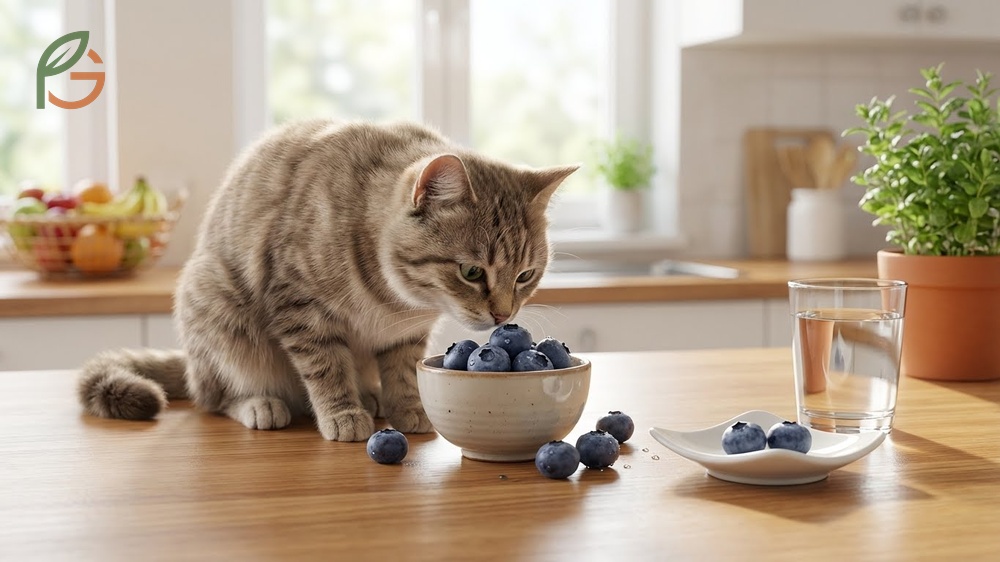
Can cats eat blueberries? Yes, cats can safely eat blueberries in small amounts as an occasional treat. Research shows blueberries are non-toxic to felines and provide fiber, antioxidants, and hydration, though they don’t replace the meat-based nutrition cats need[1]. FruitGarden synthesizes current veterinary guidance to help pet owners make informed decisions about feline nutrition.
Quick Answer
- Blueberries contain 57 calories per 100g with 2.4g fiber and antioxidants[2]
- They’re approximately 85% water, making them a hydrating treat option[3]
- Safe serving size: 1-2 berries cut into small pieces, no more than 2-3 times weekly
- Always wash thoroughly and remove stems to prevent choking hazards
Can Cats Eat Blueberries
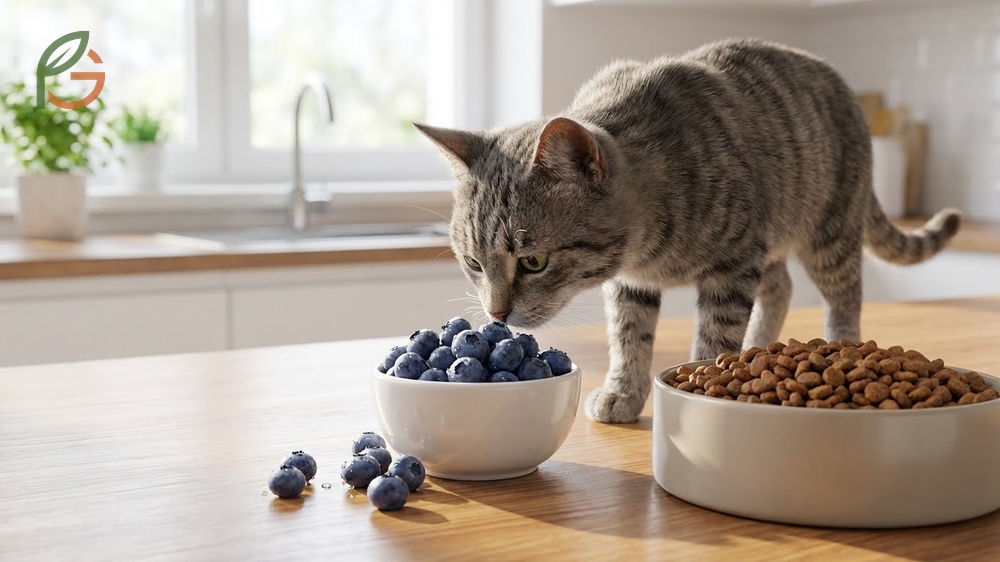
Blueberries are completely non-toxic to cats and appear on the ASPCA’s list of safe foods for pets[1]. Cats can consume them without risk of poisoning, though they should only be offered as an occasional treat rather than a dietary staple.
Unlike humans who benefit significantly from blueberry consumption, cats are obligate carnivores requiring primarily meat-based nutrition. Their digestive systems evolved to process animal proteins and fats, not plant matter. Studies demonstrate that commercial cat foods containing blueberries provide minimal polyphenol content compared to the amounts needed for measurable antioxidant effects[4].
What often gets overlooked is that timing and portion control matter more than frequency. Most pet owners don’t realize that even safe treats like blueberries should comprise less than 10% of a cat’s daily caloric intake to maintain nutritional balance.
Nutritional Content
Each 100g serving of blueberries contains approximately 57 calories, 14g carbohydrates, and 10g natural sugars[2]. The fiber content reaches 2.4g per 100g, which may aid digestion in small amounts.
Blueberries also provide vitamin C, vitamin K, manganese, and potassium. However, cats naturally produce their own vitamin C, so they don’t require dietary sources like humans do. The antioxidant compounds—primarily anthocyanins—offer theoretical benefits, but research hasn’t established effective dosing for felines.
Important Note: The sugar content in blueberries can be problematic for diabetic cats or those prone to weight gain. Always consult your veterinarian before introducing new foods if your cat has existing health conditions.
Health Benefits for Cats
Current veterinary guidance emphasizes that while blueberries won’t harm cats, they provide limited nutritional advantages. The high water content—approximately 85% by weight—can contribute to hydration[3]. This makes them a better treat option than dry, calorie-dense snacks during warm weather.
The fiber content may support digestive health for cats experiencing mild constipation. Antioxidants in blueberries could theoretically support immune function and cellular health, though cats obtain more bioavailable antioxidants from their regular meat-based diet.
Are Blueberries Safe for Cats
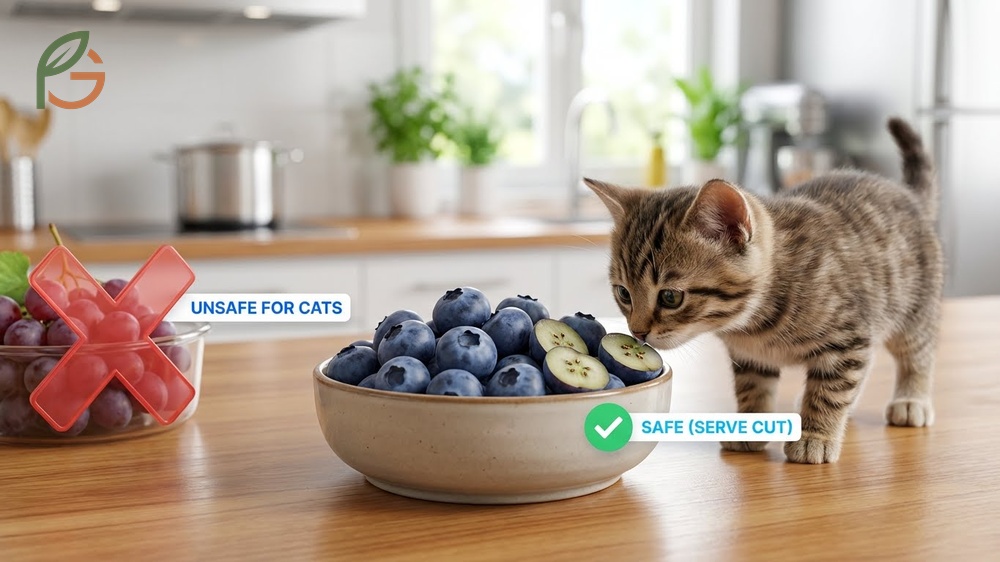
Veterinary toxicology databases confirm blueberries pose no toxic threat to cats when served plain and fresh. Unlike grapes and raisins—which cause acute kidney failure in felines—blueberries don’t contain compounds that trigger adverse reactions in most cats.
The primary safety concerns involve physical hazards rather than chemical toxicity. Whole blueberries can present a choking risk, particularly for smaller cats or those who eat quickly without chewing. Stems and leaves should be removed before serving.
Toxicity Concerns
Research shows no documented cases of blueberry toxicity in cats. The ASPCA Animal Poison Control Center doesn’t list blueberries among problematic foods for felines[1]. This differs dramatically from genuinely toxic fruits like grapes, cherries with pits, and citrus fruits.
However, processed blueberry products can be dangerous. Blueberry-flavored yogurts, jams, and baked goods often contain added sugars, artificial sweeteners like xylitol, and preservatives that are harmful to cats. Xylitol in particular can cause liver failure and hypoglycemia in small amounts.
- Blueberry muffins or baked goods with chocolate, xylitol, or excess sugar
- Blueberry yogurt containing artificial sweeteners or added sugars
- Blueberry jam or preserves with high sugar content
- Dried blueberries with added sulfites or sweeteners
- Blueberry-flavored cat treats without veterinary approval
Proper Serving Methods
Evidence suggests the safest preparation involves thoroughly washing fresh or thawed frozen blueberries under running water. Cut each berry into halves or quarters for cats to prevent choking. Remove any stems, leaves, or debris before serving.
Introduce blueberries gradually—start with a single quarter-piece and monitor your cat for 24-48 hours. Watch for digestive upset, changes in litter box habits, or behavioral changes. If no adverse reactions occur, you can occasionally offer 1-2 small berries as a treat.
This table compares safe serving sizes, frequency, and preparation methods for blueberries based on cat size categories
| Cat Size | Maximum Serving | Frequency | Preparation |
|---|---|---|---|
| Small (5-8 lbs) | 1 berry, quartered | 1-2 times weekly | Cut into 4 pieces |
| Medium (9-12 lbs) | 1-2 berries, halved | 2-3 times weekly | Cut into halves |
| Large (13+ lbs) | 2 berries, halved | 2-3 times weekly | Cut into halves |
| Kittens (under 6 months) | 1/4 berry | Once weekly | Mashed or finely chopped |
Are Blueberries Good for Cats
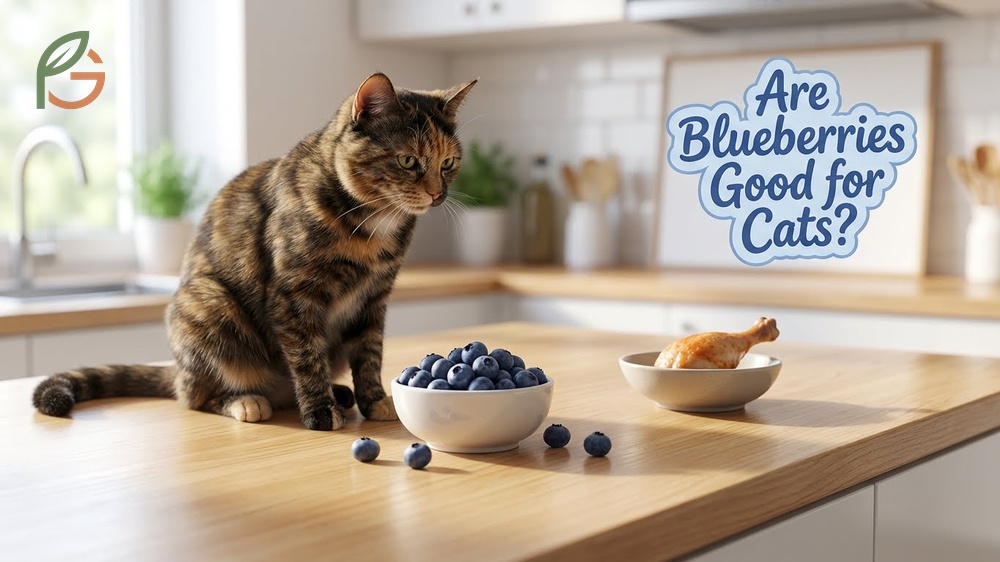
Current veterinary nutrition data indicates blueberries aren’t nutritionally necessary for cats, though they’re not harmful in moderation. Cats lack the taste receptors for sweetness, so they don’t experience the flavor appeal humans do. Most cats show indifference to blueberries, making them less effective as training treats compared to meat-based options.
The antioxidant benefits touted for human consumption don’t translate directly to feline health. Research demonstrates that cats obtain superior antioxidant profiles from taurine, omega-3 fatty acids, and vitamin E found in quality meat-based cat foods[4].
For cats with urinary health concerns, the theoretical acidifying effects of blueberries remain unproven. Cranberries show more documented benefits for urinary tract health, but even those require veterinary supervision for therapeutic use.
Veterinary Perspective: If your cat enjoys blueberries and shows no digestive issues, they can serve as a low-calorie enrichment activity. However, cooked chicken, plain turkey, or commercial cat treats formulated for feline nutrition provide better nutritional value.
Can Kittens Eat Blueberries
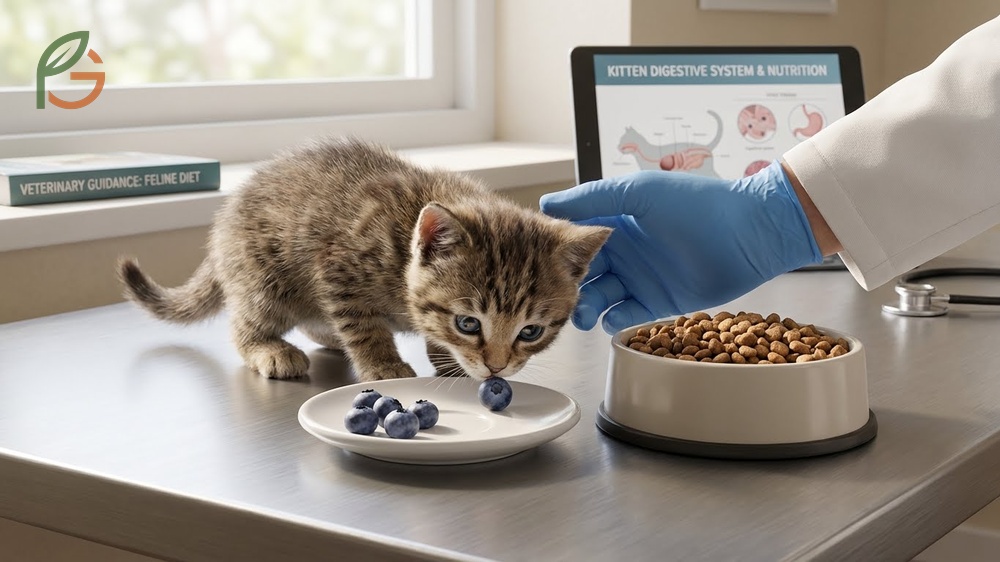
Kittens can technically eat blueberries, but veterinary guidance recommends extreme caution. Research shows kittens have sensitive, developing digestive systems that struggle to process plant matter efficiently[5]. Their nutritional needs focus almost entirely on protein and fat for rapid growth.
If a kitten accidentally consumes a small piece of blueberry, it shouldn’t cause harm. However, deliberately feeding blueberries to kittens under six months offers no nutritional advantages and may cause diarrhea or stomach upset. The high water and fiber content can overwhelm their immature digestive tract.
For kittens over six months who’ve transitioned to solid food, you can offer a tiny piece—roughly one-quarter of a berry mashed or finely chopped—as an occasional novelty. Monitor closely for any changes in stool consistency or appetite. Most veterinarians recommend waiting until cats reach one year before introducing any human foods.
- Wait until at least 6 months of age before introducing any fruits
- Offer only 1/4 berry maximum, mashed to prevent choking
- Limit to once weekly to avoid digestive disruption
- Prioritize kitten-specific nutrition from formulated foods
- Consult your veterinarian before introducing new foods
Human Foods Cats Can Eat

Beyond blueberries, several human foods are safe for cats when prepared correctly and served in moderation. The ASPCA identifies cooked chicken, turkey, and plain fish as excellent protein sources that align with feline nutritional needs[1]. These meat-based options provide better nutritional value than fruits or vegetables.
Safe fruits include apples (without seeds or core), bananas in small amounts, strawberries, and watermelon with seeds and rind removed. Cantaloupe and plain pumpkin also appear on veterinary-approved lists. Each should comprise less than 5-10% of daily caloric intake to maintain nutritional balance.
Cooked eggs provide high-quality protein and healthy fats. Plain, cooked vegetables like steamed carrots, green beans, or zucchini can offer fiber for cats experiencing digestive issues. However, never serve these with butter, salt, garlic, or onions—all of which are toxic to cats.
- Cooked chicken or turkey (unseasoned, boneless)
- Plain cooked fish like salmon or tuna (occasional treat only)
- Scrambled or hard-boiled eggs (plain, no butter or seasonings)
- Small pieces of apple, banana, or melon (seeds removed)
- Steamed vegetables like carrots, green beans, or pumpkin
- Plain cooked rice or oatmeal (small amounts for digestive support)
Critical Warning: Never feed cats grapes, raisins, chocolate, onions, garlic, caffeine, alcohol, raw dough, or xylitol-containing products. These foods cause serious health complications including kidney failure, anemia, and liver damage.
Signs of Food Allergy in Cats
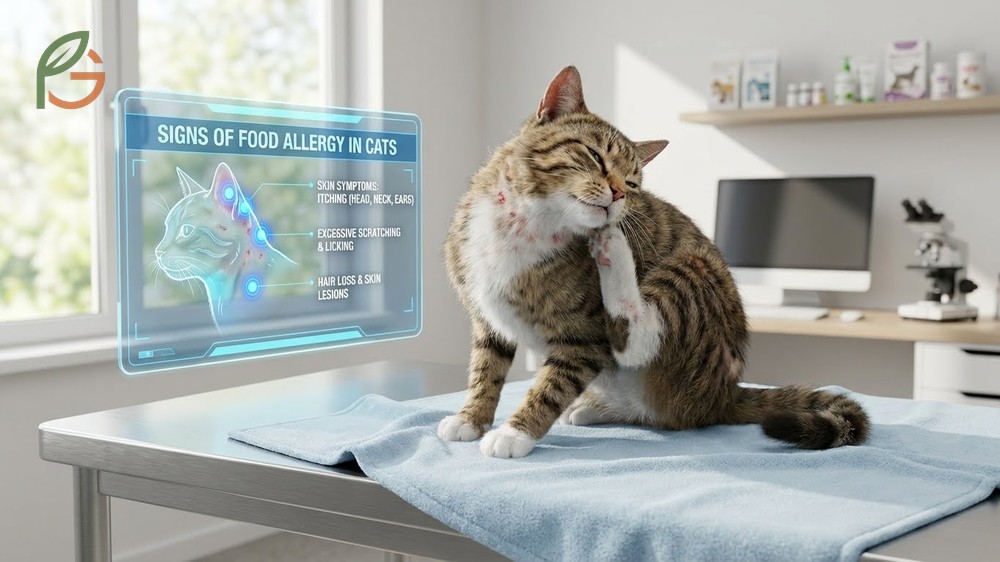
Food allergies in cats manifest differently than in humans, with skin symptoms appearing more commonly than digestive issues. Veterinary dermatology studies show itching as the most prevalent symptom, particularly affecting the head, neck, and ears[6]. Cats experiencing allergic reactions often scratch excessively, even when no fleas are present.
Beyond itching, affected cats may exhibit excessive licking, overgrooming leading to hair loss, and skin lesions from constant scratching. Gastrointestinal symptoms occur less frequently but can include vomiting, diarrhea, and decreased appetite. Some cats develop secondary skin infections from damaged skin barriers.
True food allergies develop over time through repeated exposure to specific proteins. This differs from food intolerance, which causes immediate digestive upset without immune system involvement. Most feline food allergies target proteins like chicken, beef, or fish rather than fruits or vegetables.
- Persistent scratching, particularly around the head and neck
- Excessive licking or overgrooming causing hair loss
- Red, inflamed skin or visible skin lesions
- Recurring ear infections or head shaking
- Vomiting or diarrhea after eating
- Swelling around the face, eyes, or paws (rare but serious)
If you suspect a food allergy after introducing blueberries or any new food, discontinue immediately and consult your veterinarian. Diagnosis typically requires elimination diets lasting 8-12 weeks under veterinary supervision. Most cats with food sensitivities respond well once the triggering ingredient is identified and removed.
Conclusion
The evidence is clear: can cats eat blueberries safely? Yes, but they should remain an occasional treat rather than a dietary staple. Blueberries offer hydration and minimal fiber benefits without toxic risk, though they don’t provide nutritional advantages that justify regular feeding. Cats thrive on meat-based nutrition that delivers the taurine, protein, and fatty acids their bodies evolved to process.
Current veterinary guidance emphasizes species-appropriate nutrition over human food trends. FruitGarden recommends prioritizing high-quality commercial cat food formulated to meet feline nutritional requirements, using treats like blueberries sparingly for variety or enrichment rather than health benefits.
Medical Disclaimer
Important Medical Disclaimer: This content is for informational and educational purposes only. It is not intended as a substitute for professional veterinary advice, diagnosis, or treatment. Always consult a qualified veterinarian before making any changes to your cat’s diet, especially if your cat has diabetes, kidney disease, allergies, or other medical conditions. Individual cats may react differently to new foods, and what’s safe for one cat may not be appropriate for another.
Frequently Asked Questions
Are blueberries toxic to cats?
No, blueberries are not toxic to cats. The ASPCA lists them as safe for feline consumption. Unlike grapes or raisins which cause kidney failure, blueberries pose no chemical toxicity risk when served fresh and plain.
Can cats eat yogurt with blueberries?
Plain, unsweetened yogurt in very small amounts may be safe for some cats, but most adult cats are lactose intolerant. Blueberry-flavored yogurt typically contains added sugars, artificial sweeteners, and preservatives that are harmful to cats. Stick to fresh blueberries only, avoiding any processed products.
How many blueberries can I give my cat?
Limit blueberries to 1-2 berries per serving, cut into small pieces to prevent choking. Offer them no more than 2-3 times weekly. Treats should comprise less than 10% of your cat’s daily caloric intake to maintain proper nutrition.
Do blueberries help with cat urinary health?
There’s no scientific evidence that blueberries provide urinary tract benefits for cats. While cranberries show some promise for urinary health, blueberries haven’t been proven effective. Cats with urinary issues need veterinary-prescribed diets, not fruit supplementation.
Can diabetic cats eat blueberries?
Diabetic cats should avoid blueberries due to their natural sugar content. Even though blueberries have a moderate glycemic index for humans, cats with diabetes require strict carbohydrate control. Always consult your veterinarian before introducing any new foods to a diabetic cat’s diet.
What fruits are poisonous to cats?
Grapes and raisins cause acute kidney failure in cats and should never be fed. Citrus fruits can cause stomach upset and central nervous system depression. Cherries contain cyanogenic compounds in their pits and stems. Avocados contain persin, which is toxic to many animals including cats.
Why doesn’t my cat like blueberries?
Cats lack the taste receptors to detect sweetness, so they don’t experience the appealing flavor humans do. As obligate carnivores, cats naturally prefer meat-based foods. If your cat ignores blueberries, this is completely normal behavior and you should offer protein-based treats instead.