Cherry Tree Diseases: Complete Guide to Problems & Solutions
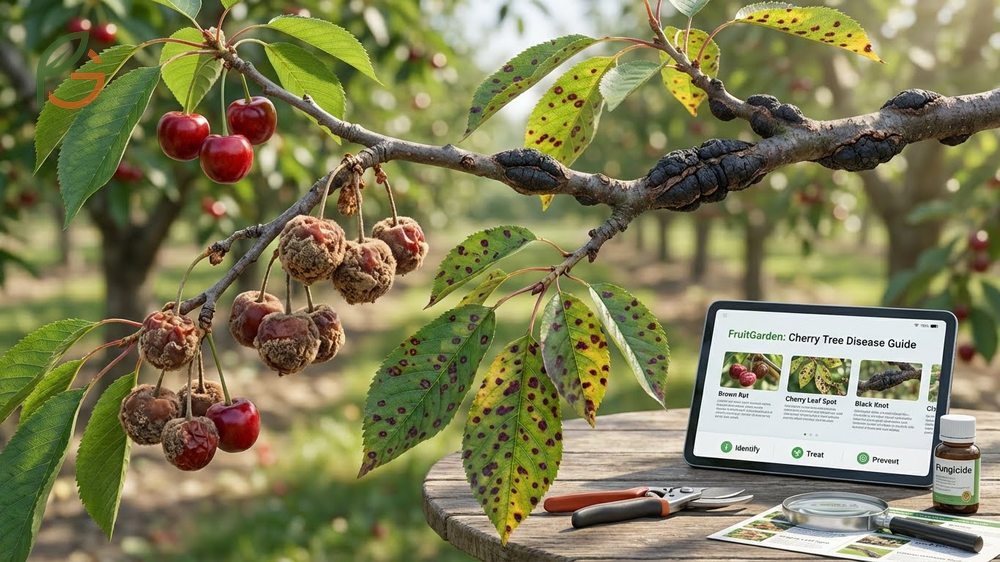
Cherry tree diseases include black knot, leaf spot, and brown rot. Learn identification, treatment methods, pollination needs, and pest control for healthy trees.

 Taki Lockman
Cherry tree diseases include black knot, leaf spot, and brown rot. Learn identification, treatment methods, pollination needs, and pest control for healthy trees.

Cherry juice for gout can reduce attacks by 35% when you drink 8 ounces daily. Research shows results in 2-4 weeks with proper dosage and timing.

Cherries during pregnancy provide essential nutrients including vitamin C, folate, and anthocyanins. Learn safety guidelines and health benefits for expectant mothers.

Can you freeze cherries? Yes! Fresh cherries freeze beautifully for 10-12 months. Learn how to freeze cherries with or without pits, plus tips to prevent freezer burn.

Can dogs eat cherries? No, cherry pits contain cyanide that’s toxic to dogs. Learn symptoms of poisoning, safe alternatives, and emergency steps to protect your pet.
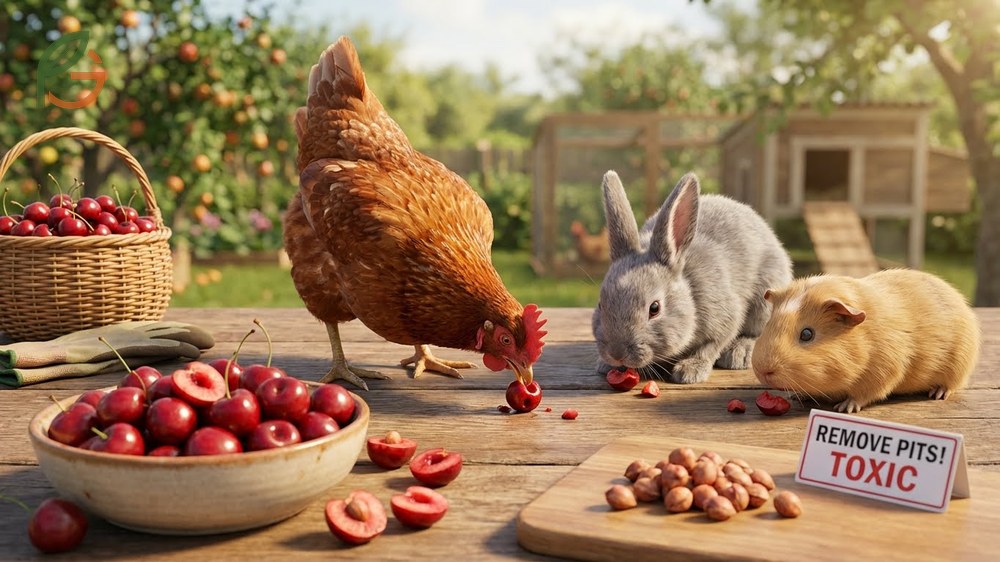
Can chickens eat cherries? Yes, but pits must be removed due to cyanide risk. Learn safe feeding guidelines for chickens, rabbits, guinea pigs, and hamsters.
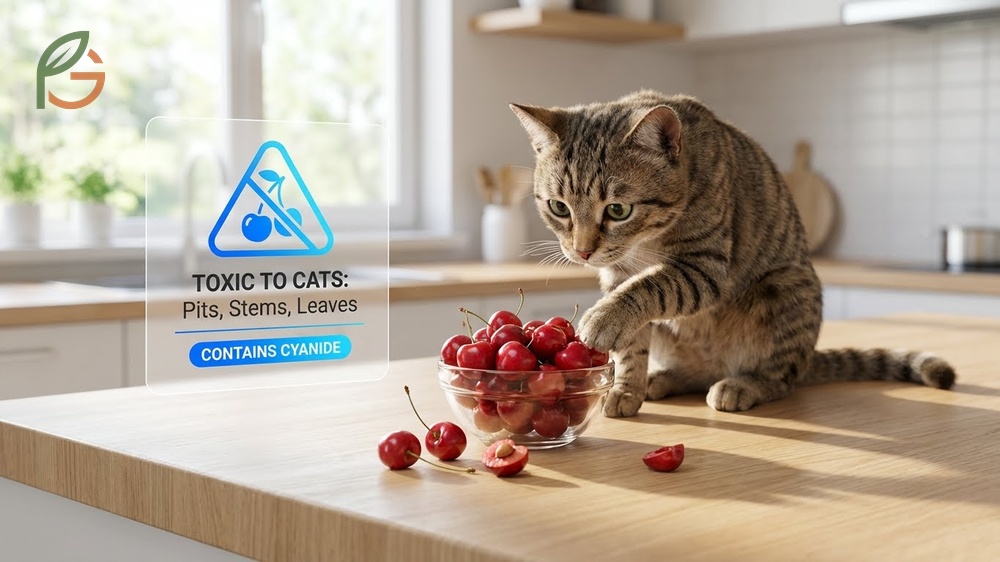
Can cats eat cherries? No, cherries are toxic to cats due to cyanide in pits, stems, and leaves. Learn symptoms of poisoning and safe fruit alternatives.
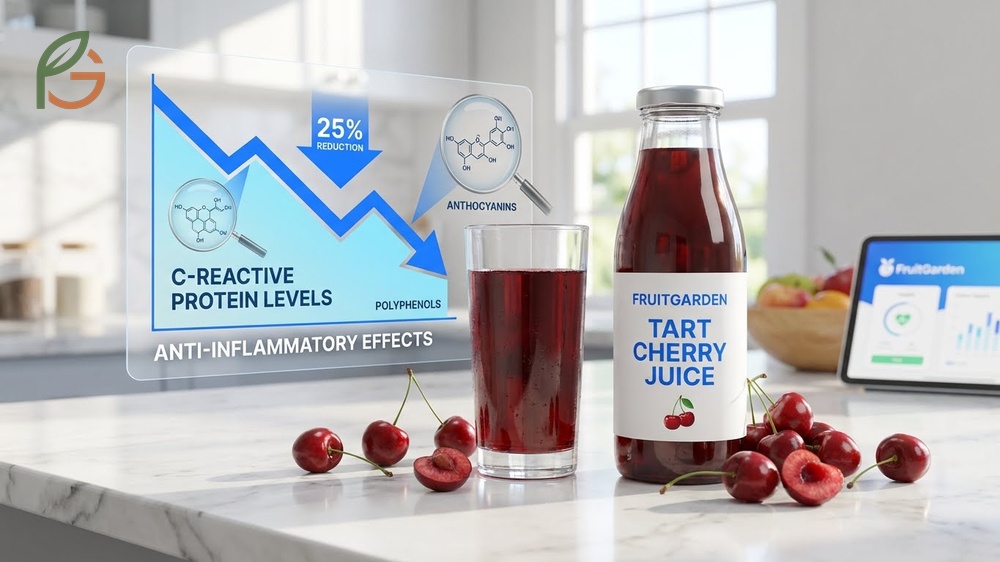
Benefits of cherry juice include reduced inflammation by 25%, lower blood pressure, and improved heart health. Research shows 480mL daily provides measurable results.
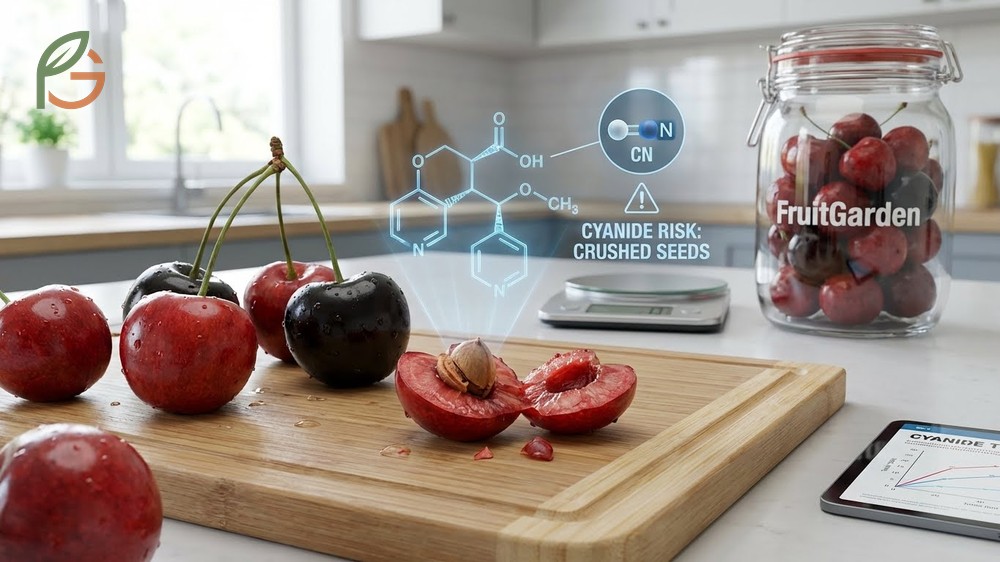
Are cherry seeds poisonous? Yes, when crushed or chewed. Cherry pits contain amygdalin that converts to cyanide. Learn toxic doses, symptoms, and safety tips.

Are cherries keto friendly? Not really—one cup has 16g net carbs, using 32-80% of your daily keto limit. Learn about cherry carb content and better low-carb alternatives.