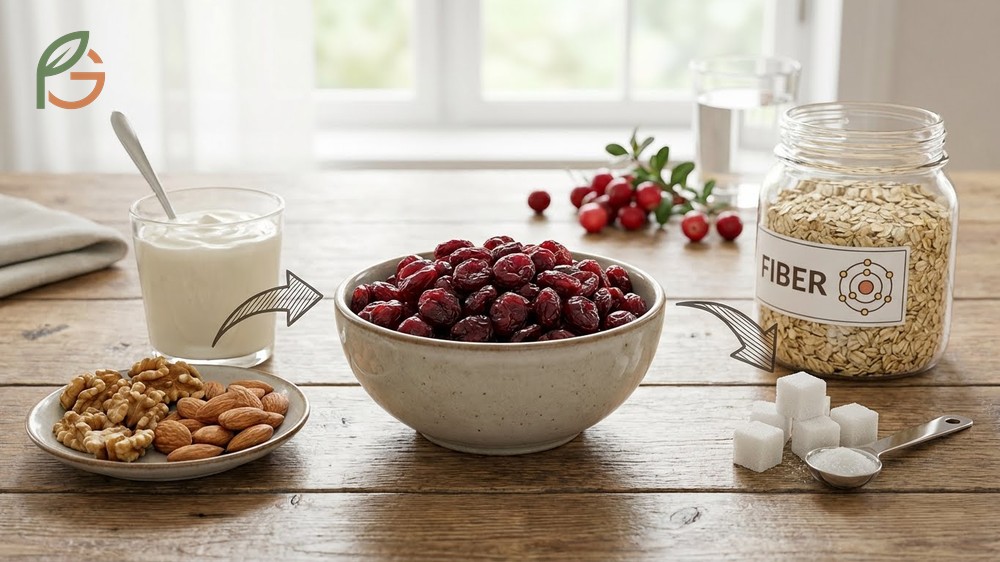
Are dried cranberries good for you? Yes, when eaten in moderation. Research shows they pack 3g fiber[1] per serving and contain powerful antioxidants that support urinary tract health, but they also contain 24g sugar[1] in a 1-ounce portion. Current data indicates the key lies in pairing them with nuts or yogurt to minimize blood sugar spikes. FruitGarden synthesizes current nutritional research to help you make informed decisions about adding dried cranberries to your diet.
Quick Answer
Are Dried Cranberries Good for You
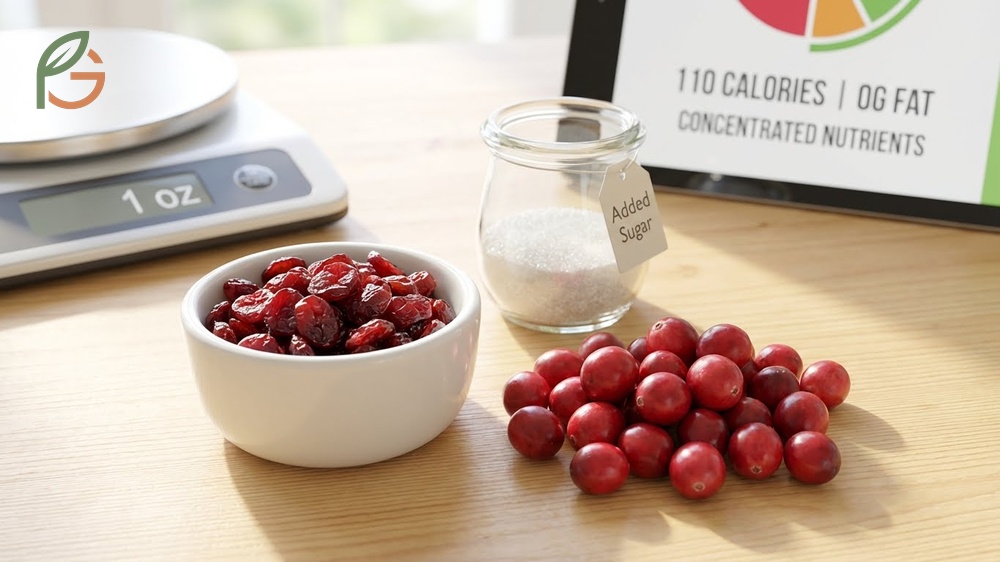
Studies demonstrate that dried cranberries offer significant nutritional value when portion control is practiced. Each 1-ounce serving provides 110 calories, 0g fat, and 28g total carbohydrates[1], making them a low-fat snack option. Research shows the dehydration process concentrates both nutrients and natural sugars, so dried cranberries contain roughly 3-4 times the calories of fresh berries.
The challenge most people face is the added sugar content. Commercial dried cranberries typically include sweeteners because fresh cranberries are naturally tart. This means you’re getting 24g sugar[1] per ounce—about 6 teaspoons worth.
Current guidance emphasizes treating dried cranberries as a condiment rather than a standalone snack. For instance, sprinkling 1-2 tablespoons on oatmeal or salads adds flavor and nutrients without excess sugar. You can’t go wrong pairing them with almonds or walnuts in trail mix, since the protein and healthy fats slow sugar absorption.
Important Note: Look for brands labeled “reduced sugar” or “no sugar added” if you’re monitoring your carbohydrate intake. These varieties can contain 30-40% less sugar than conventional options.
Benefits of Dried Cranberries
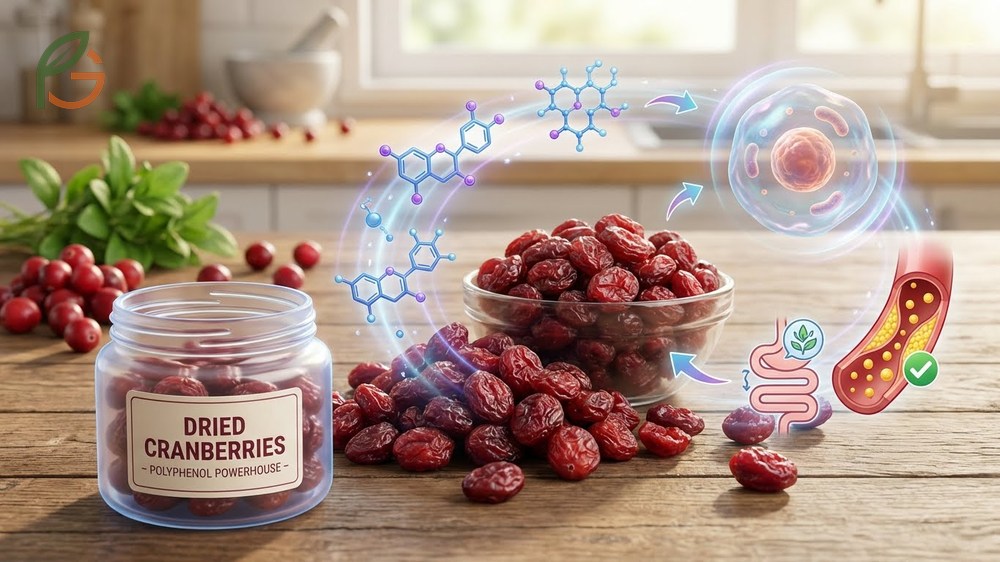
Evidence suggests dried cranberries retain most of the beneficial compounds found in fresh berries despite processing. The primary advantage comes from their concentrated polyphenol content, which includes flavonoids, anthocyanins, and phenolic acids. These bioactive compounds work as antioxidants to neutralize free radicals that damage cells.
What often gets overlooked is how the fiber content supports digestive health. Dietary fiber helps reduce cholesterol levels and promotes regular bowel movements. For adults looking to meet the recommended 25-30g daily fiber intake, dried cranberries contribute about 10% per serving.
Antioxidants in Dried Fruit
Research across multiple studies confirms cranberries rank among the highest antioxidant fruits. The total antioxidant content measures 270 mg per 100g[3] using standardized testing methods. These antioxidants combat oxidative stress linked to chronic diseases.
Studies demonstrate that cranberry compounds reduce cellular damage and inflammation markers. The proanthocyanidins (PACs) in cranberries prevent bacteria from adhering to cell walls. This mechanism explains why cranberries are so effective for urinary tract health—the PACs stop harmful bacteria from sticking to bladder tissue.
- Protect cells from free radical damage that causes aging
- Support cardiovascular health by reducing LDL oxidation
- Enhance immune system function through vitamin C content
- Maintain skin health by supporting collagen production
- Combat inflammation associated with metabolic syndrome
Dried Cranberry Benefits Female
Women with recurrent urinary tract infections find significant relief using cranberry products. A comprehensive Cochrane review analyzing 50 studies with 8,857 participants[2] confirmed cranberries reduce UTI risk in women. The research shows taking cranberries as juice, tablets, or dried fruit decreases infection rates by 26% in high-risk groups.
The mechanism works because PACs prevent E. coli bacteria—responsible for 80-90% of UTIs—from attaching to urinary tract walls. Most women notice benefits after consuming cranberry products daily for 2-3 months. You don’t need massive amounts; just ¼ cup dried cranberries or 8 ounces of juice provides enough PACs.
- Reduce frequency of recurrent urinary tract infections
- Support bladder health through natural bacterial defense
- Provide iron absorption support when paired with vitamin C-rich foods
- Contribute to bone health with trace minerals
- Offer convenient portable nutrition during pregnancy
Dried Cranberries Nutrition Benefits
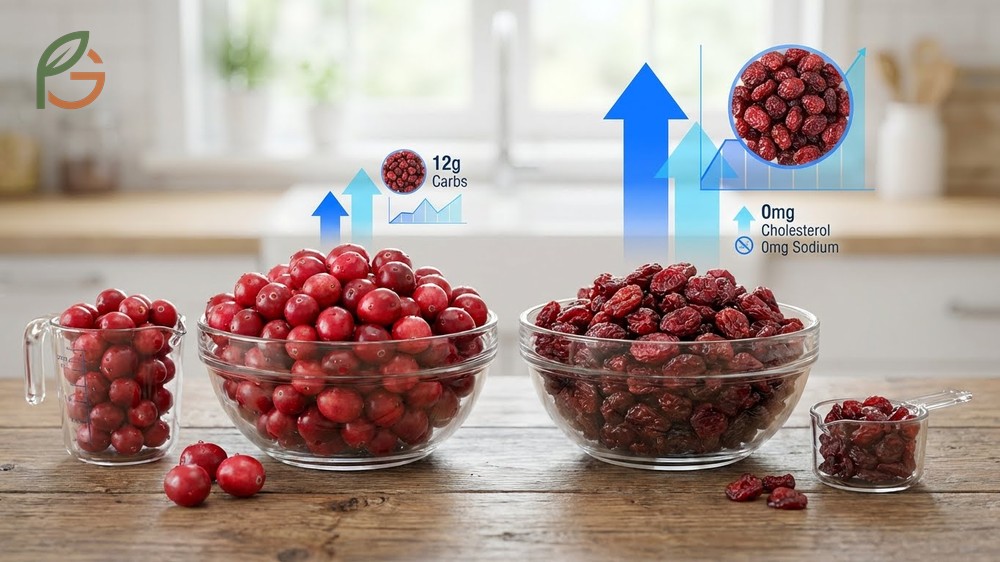
The nutritional profile of dried cranberries reveals both strengths and limitations. They’re naturally cholesterol-free and extremely low in sodium, containing 0mg of both[1]. This makes them heart-friendly for people managing blood pressure or cholesterol levels.
However, the carbohydrate concentration increases dramatically during dehydration. Agricultural data shows fresh cranberries contain about 12g carbs per cup, while the same amount dried delivers roughly 85g carbs. This 7-fold increase means portions must be controlled carefully.
This table compares calories, carbohydrates, fiber, and sugar content between dried and fresh cranberries per 100g serving
| Nutrient | Dried Cranberries (100g) | Fresh Cranberries (100g) | Difference |
|---|---|---|---|
| Calories | 335 kcal[1] | 46 kcal | 7x higher |
| Carbohydrates | 85g[1] | 12g | 7x higher |
| Fiber | 9g[1] | 4.6g | 2x higher |
| Sugars | 73g[1] | 4g | 18x higher |
| Fat | 0g | 0.1g | Similar |
Fiber in Dried Cranberries
The fiber content in dried cranberries provides substantial digestive benefits. Each 1-ounce serving delivers 3g dietary fiber[1], which represents about 12% of the recommended daily value for adults. This soluble and insoluble fiber mix supports multiple bodily functions.
Fiber slows sugar absorption into the bloodstream, preventing rapid glucose spikes. It also binds to cholesterol in the digestive tract, helping remove it before absorption. For people experiencing constipation, the fiber promotes regular bowel movements by adding bulk to stool.
Dried Cranberries Calories per Serving
Understanding proper serving sizes prevents overconsumption. A standard 1-ounce portion (about ¼ cup) contains 110 calories[1], which fits easily into most meal plans. The calorie density means you need to measure portions rather than eating straight from the bag.
For breakfast, 2 tablespoons (about 70 calories) mixed into Greek yogurt or oatmeal adds sweetness without derailing nutrition goals. In salads, 1-2 tablespoons provides tart flavor and chewy texture that complements greens and nuts. Trail mix works best with a 3:1 ratio of nuts to dried fruit.
Portion Control Tip: Pre-portion dried cranberries into small containers or bags holding exactly ¼ cup. This prevents mindless snacking and keeps calorie intake predictable.
Are Dried Cranberries Healthy for You
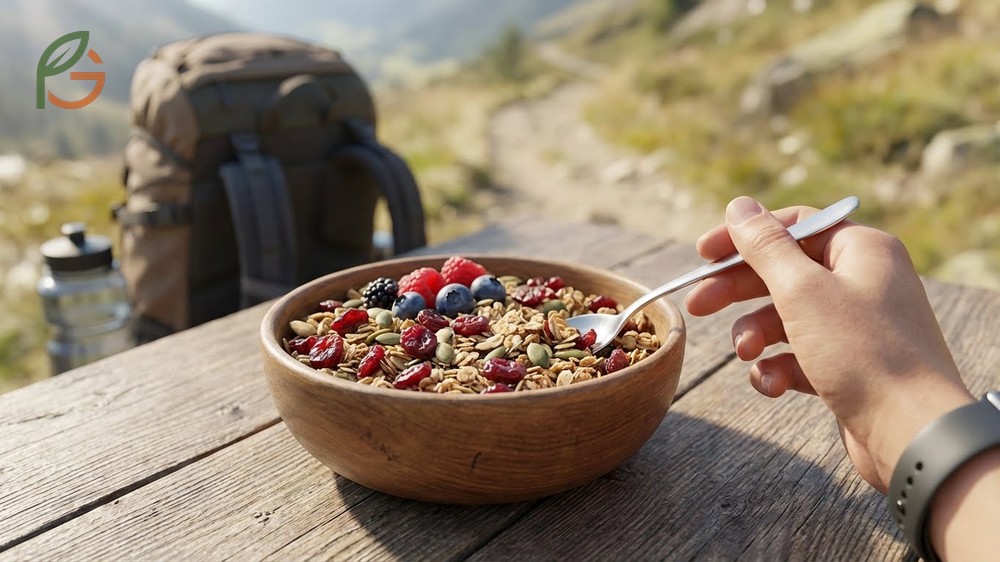
The answer depends entirely on your health goals and how you incorporate them into your diet. Research indicates dried cranberries can be part of a healthy eating pattern when consumed mindfully. They work best as a flavor enhancer and nutrient booster rather than a primary food source.
For active individuals needing quick energy, the natural and added sugars provide rapid fuel for workouts or hiking. Athletes often include dried cranberries in pre-exercise snacks for sustained energy. The portable nature makes them convenient for busy lifestyles where fresh fruit isn’t practical.
The key is balancing the benefits against the sugar content. If you’re already consuming adequate fruits and vegetables, adding dried cranberries offers minimal additional advantage. But for people who struggle to eat enough produce, dried cranberries make fruits more accessible and palatable.
Is Dried Cranberry Good for Diabetes
People with diabetes can include dried cranberries cautiously. Studies demonstrate that dried cranberries with reduced added sugar produce better glycemic responses than conventional varieties. The glycemic index of standard dried cranberries ranges from 40-64[4], placing them in the medium category.
Research comparing glycemic responses in people with type 2 diabetes found that dried cranberries with less added sugar caused smaller blood sugar spikes. The fiber content helps moderate glucose absorption, but the overall carbohydrate load remains significant. Most diabetes educators recommend limiting portions to 1-2 tablespoons and pairing with protein or fat.
Timing matters for blood sugar management. Eating dried cranberries at the end of a balanced meal—after protein and vegetables—minimizes glucose impact. Never consume them on an empty stomach or as a standalone snack, as this causes rapid blood sugar elevation.
- Choose unsweetened or reduced-sugar varieties whenever possible
- Limit portions to 1-2 tablespoons (15-20g) per meal
- Always pair with protein sources like nuts, cheese, or yogurt
- Monitor blood glucose 1-2 hours after eating to assess individual response
- Consider fresh cranberries or frozen unsweetened berries as lower-sugar alternatives
Are Dried Cranberries Good for Weight Loss
Weight loss success with dried cranberries requires strict portion awareness. The calorie density works against weight loss goals if portions aren’t controlled. At 110 calories[1] per ounce, eating ½ cup adds 220 calories—equivalent to a small meal.
However, research suggests cranberry compounds may support weight management through other mechanisms. Studies on animal models showed that cranberry extracts reduced fat accumulation by regulating genes involved in fat storage[5]. The fiber content also promotes satiety, potentially reducing overall calorie intake when used strategically.
For weight loss, use dried cranberries as a sweet accent rather than a snack food. Sprinkle 1 tablespoon on salads to add flavor without dressing calories. Mix small amounts into homemade energy bars to reduce the need for chocolate chips or other calorie-dense ingredients. The goal is leveraging their sweetness to enhance healthier foods.
Conclusion
The evidence is clear: are dried cranberries good for you depends on how you use them. They deliver concentrated antioxidants, beneficial fiber, and proven urinary tract protection when consumed in controlled portions of ¼ cup or less. The challenge lies in managing the high sugar content, which can undermine health goals if portions aren’t measured.
Current guidance emphasizes treating dried cranberries as a nutritious condiment rather than a primary snack. Pair them with protein sources, mix them into balanced meals, and choose reduced-sugar varieties when available. FruitGarden recommends starting with just 1-2 tablespoons daily and adjusting based on your nutritional needs and health objectives.
Medical Disclaimer
Important Medical Disclaimer: This content is for informational and educational purposes only. It is not intended as a substitute for professional medical advice, diagnosis, or treatment. Always consult a qualified healthcare professional or registered dietitian before making any changes to your diet, medication, or health routine, especially if you have diabetes, urinary tract conditions, or other medical conditions. Individual nutritional needs vary based on age, activity level, and health status.
Frequently Asked Questions
How Many Dried Cranberries Should I Eat per Day?
Studies suggest limiting intake to ¼ cup (1 ounce) daily, which provides nutritional benefits without excessive sugar. This portion delivers 110 calories and 3g fiber while keeping added sugars manageable. Active individuals or those with higher calorie needs can consume up to ½ cup, but most people benefit from smaller portions mixed into meals rather than eaten alone.
Are Dried Cranberries Better Than Raisins for Health?
Dried cranberries offer superior antioxidant content and unique urinary tract benefits compared to raisins. However, raisins typically contain less added sugar since grapes are naturally sweeter. Both provide fiber and minerals, but cranberries deliver more polyphenols while raisins offer more potassium and iron. The best choice depends on your specific health goals and taste preferences.
Can Dried Cranberries Help Prevent Bladder Infections?
Research confirms that cranberry products reduce urinary tract infection risk in women prone to recurrent infections. The proanthocyanidins in cranberries prevent bacteria from adhering to bladder walls. For prevention, consume ¼ cup dried cranberries or 8 ounces cranberry juice daily. Effects typically appear after 2-3 months of consistent use, but dried cranberries should complement—not replace—medical treatment for active infections.
What’s the Difference Between Craisins and Dried Cranberries?
Craisins is a brand name for Ocean Spray’s sweetened dried cranberries, while “dried cranberries” refers to the general product category from any manufacturer. Nutritionally, they’re similar—most contain added sugar to offset cranberries’ natural tartness. The key difference lies in specific formulations; some brands offer reduced-sugar or organic options. Always check nutrition labels to compare sugar content and serving sizes regardless of the brand name.
Do Dried Cranberries Lose Nutrients Compared to Fresh?
The dehydration process concentrates most nutrients, meaning dried cranberries contain higher amounts per gram of antioxidants, fiber, and minerals than fresh berries. However, vitamin C decreases significantly during drying and processing. The antioxidant polyphenols remain stable and concentrated. If your goal is vitamin C intake, choose fresh cranberries; for convenience and concentrated antioxidants, dried versions work well.
Are Unsweetened Dried Cranberries Available?
Yes, but they’re extremely tart and less common in mainstream stores. Health food stores and online retailers carry unsweetened dried cranberries, which contain roughly 60% less sugar than sweetened varieties. Most people find them unpalatable alone but acceptable when mixed into trail mix, granola, or baked goods where other ingredients provide sweetness. They’re the best option for people with diabetes or those strictly limiting added sugars.
Can I Use Dried Cranberries in Cooking and Baking?
Dried cranberries work excellently in both sweet and savory applications. They add tartness to muffins, cookies, and breads while contributing moisture. In savory dishes, they complement roasted vegetables, grain pilafs, and stuffing with their sweet-tart flavor. Rehydrate them in warm water or juice for 10 minutes before adding to recipes where you want softer texture. The sugar content makes them particularly useful for reducing other sweeteners in recipes.