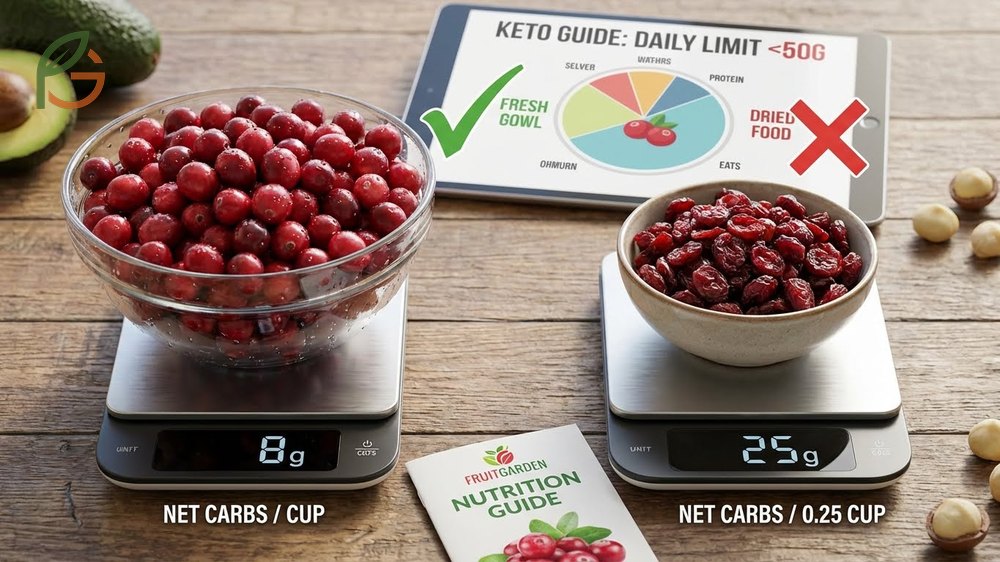
Are cranberries keto friendly? Fresh cranberries can fit into a keto diet with 8g net carbs per cup, but dried cranberries aren’t keto-friendly at 25-30g net carbs per quarter cup[1][2]. Research shows that staying under 25-50g net carbs daily triggers ketosis for most people. FruitGarden synthesizes current nutritional research to help you make informed decisions about growing and consuming fruits on specialized diets.
Quick Answer
Are Cranberries Keto Friendly
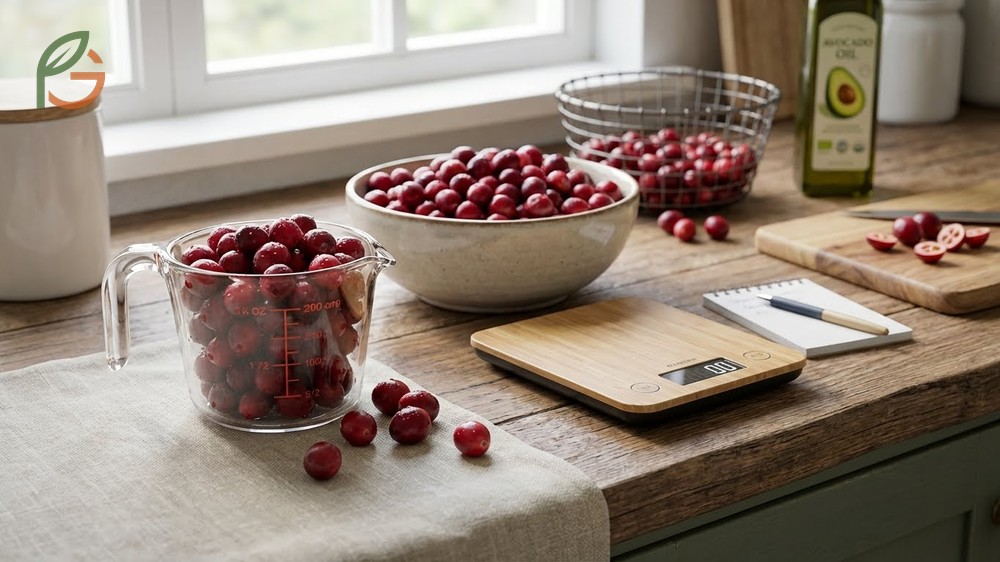
Fresh cranberries are moderately keto-friendly when consumed in small portions. One cup of whole fresh cranberries contains 12g total carbohydrates and 4g dietary fiber, resulting in 8g net carbs[1]. This amount fits within most keto frameworks when you’re strategic about your other carb sources.
The standard ketogenic diet limits daily net carbohydrate intake to roughly 20-25g, while more liberal approaches allow up to 50g[2]. A half-cup serving of fresh cranberries would consume about 4g of your daily net carb allowance. Most people find this manageable alongside leafy greens and low-carb vegetables.
However, processed cranberry products tell a different story. Dried cranberries contain concentrated sugars that make them incompatible with ketogenic eating patterns. The drying process removes water while manufacturers typically add sugar to counteract cranberries’ natural tartness.
What often gets overlooked is that cranberries’ extreme sourness in their natural state makes them difficult to consume without sweeteners. Unlike berries such as strawberries or blackberries, raw cranberries aren’t palatable to most people. This practical reality limits how you can incorporate them into keto meals.
Important Note: If you’re strictly following a 20g net carb limit, even fresh cranberries require careful portion control. A full cup would consume 40% of your daily carb budget.
Cranberry Carb Content
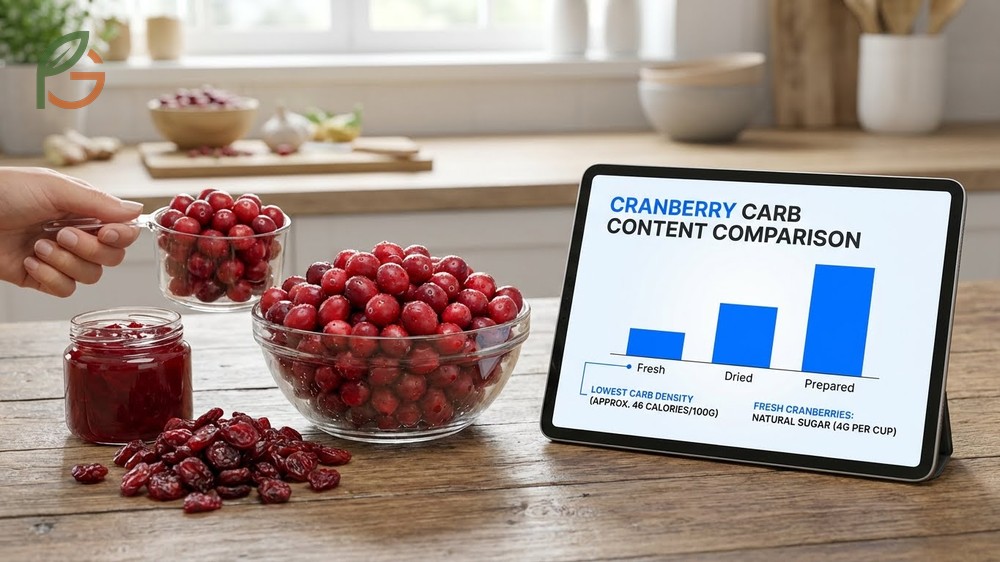
Understanding cranberry carb content requires distinguishing between fresh, dried, and prepared forms. Each processing method dramatically alters the nutritional profile. Fresh cranberries provide the lowest carbohydrate density at approximately 46 calories per 100g serving[1].
The natural sugar content in fresh cranberries remains relatively low at 4g per cup. This compares favorably to many other fruits marketed as “low-sugar.” Current data indicates that cranberries derive their tart flavor from organic acids rather than high sugar concentrations.
Fresh vs Dried Cranberries
The difference between fresh and dried cranberries is substantial. Studies demonstrate that drying concentrates sugars while removing approximately 85% of the water content. A standard 1/4 cup serving of dried cranberries contains 28-33g total carbohydrates with 22-26g coming from sugars[3].
Most commercially dried cranberries list added sugars as the second ingredient. Manufacturers add sweeteners because unsweetened dried cranberries remain too tart for consumer preferences. This processing makes dried cranberries unsuitable for any ketogenic eating plan.
This table compares calories, total carbohydrates, fiber, sugar content, and net carbs between fresh cranberries and dried cranberries per standard serving size
| Nutrient | Fresh (1 cup) | Dried (1/4 cup) |
|---|---|---|
| Calories | 46[1] | 120-130[3] |
| Total Carbs | 12g[1] | 28-33g[3] |
| Fiber | 4g[1] | 2-3g[3] |
| Sugar | 4g[1] | 22-26g[3] |
| Net Carbs | 8g | 25-30g |
Cranberry Sauce Carbs
Traditional cranberry sauce represents the least keto-friendly cranberry preparation. One cup of canned, sweetened cranberry sauce contains 108g total carbohydrates, 105g of sugar, and 105g net carbs after subtracting 3g of fiber[5]. This amount exceeds multiple days’ worth of carbs on any ketogenic protocol.
Even a single tablespoon serving contains approximately 7g net carbs. The high sugar concentration comes from recipes that typically use equal parts cranberries and granulated sugar. Commercial preparations often add corn syrup to achieve smoother texture and extended shelf life.
Net Carbs Cranberries
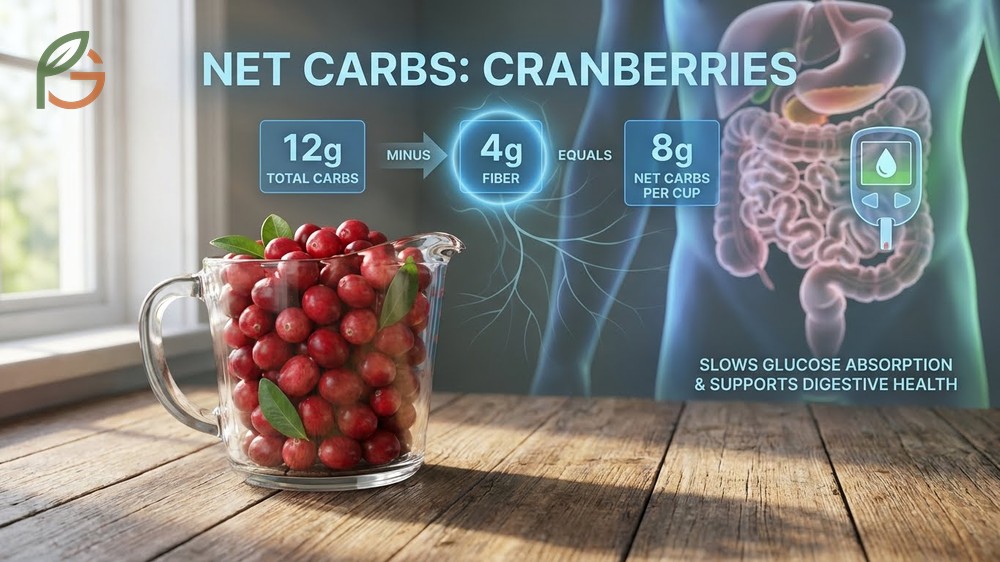
Net carbs represent the carbohydrates your body can digest and convert to glucose. You calculate net carbs by subtracting dietary fiber from total carbohydrates. For fresh cranberries, this means 12g total carbs minus 4g fiber equals 8g net carbs per cup[1].
The fiber content in cranberries provides metabolic benefits beyond reducing net carb counts. Research shows that dietary fiber slows glucose absorption and supports digestive health. This matters because rapid blood sugar spikes can interrupt ketosis.
When planning keto meals with cranberries, you need to account for every gram. If you’re following a strict 20g net carb limit, a half-cup serving of fresh cranberries (4g net carbs) paired with raspberries (3.5g net carbs per half cup) and a small amount of nuts (2-3g net carbs) could create a balanced snack. This approach requires precision.
- Limit fresh cranberry portions to 1/4-1/2 cup to stay within 2-4g net carbs per serving
- Combine cranberries with high-fat foods like full-fat Greek yogurt or heavy cream to slow carb absorption
- Track all cranberry consumption in a food diary to prevent exceeding daily carb limits
- Choose fresh or frozen unsweetened cranberries over any processed versions
- Reserve cranberry consumption for days when other carb sources are minimal
Tracking Tip: Use a digital food scale to measure cranberry portions accurately. Eyeballing measurements can lead to consuming 50-100% more carbs than intended.
Keto Berry Options
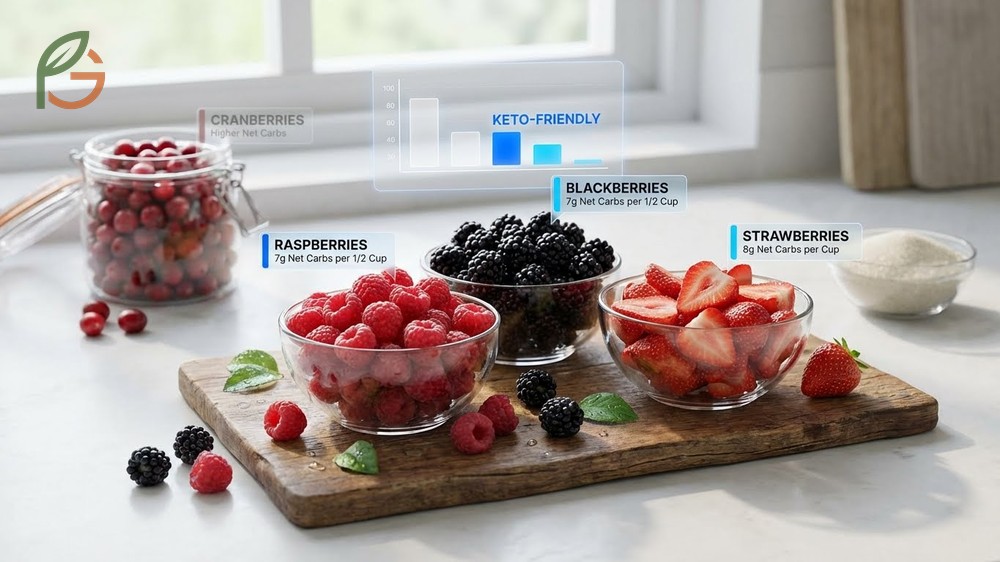
Several berries offer better carbohydrate profiles than cranberries for ketogenic diets. Raspberries and blackberries each contain approximately 7g net carbs per half-cup serving, making them more forgiving choices[4]. Their natural sweetness eliminates the need for added sugars that complicate cranberry consumption.
Strawberries provide another excellent option at about 8g net carbs per cup when sliced. Unlike cranberries, most people enjoy these berries without any sweetener. This practical advantage matters when you’re trying to maintain ketosis long-term.
Evidence suggests that berries’ polyphenol content may support metabolic health independent of their carbohydrate content. The antioxidants in raspberries, blackberries, and strawberries contribute to cellular health. Fresh cranberries share these benefits, but their sour flavor makes consistent consumption challenging.
- Raspberries: 7g net carbs per 1/2 cup, high in vitamin C and manganese
- Blackberries: 7g net carbs per 1/2 cup, excellent fiber content at 4g per serving
- Strawberries: 8g net carbs per cup sliced, naturally sweet flavor profile
- Blueberries: 9g net carbs per 1/2 cup, though slightly higher than other options[4]
- Mulberries: Similar carb profile to blackberries with unique nutritional compounds
- Elderberries: Must be cooked, but offer immune-supporting properties
- Goji berries: Use sparingly at 1-2 tablespoons for nutrient density without excess carbs
The reason these alternatives work better comes down to palatability and portion control. When you don’t need sweeteners or large portions to enjoy a food, staying within carb limits becomes easier. Most keto dieters find they can maintain ketosis while including 1/4-1/2 cup of these berries daily.
Sugar Free Cranberries
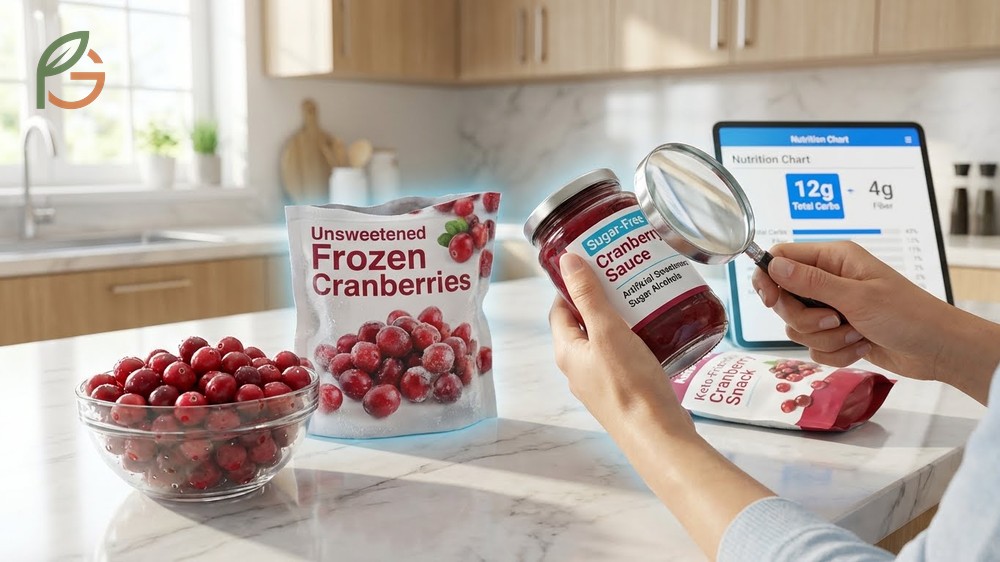
Finding truly sugar-free cranberry products requires careful label reading. Most commercial “sugar-free” cranberries substitute artificial sweeteners or sugar alcohols for traditional sugar. These products can work for keto diets when the sweeteners used don’t raise blood glucose levels.
Unsweetened frozen cranberries provide the most straightforward option. They maintain the same nutritional profile as fresh cranberries—12g total carbs and 4g fiber per cup—without added sugars[1]. You can blend them into smoothies with keto-friendly sweeteners like erythritol or monk fruit.
Unsweetened Cranberries for Keto
Raw unsweetened cranberries work in specific keto applications despite their tartness. Chopping fresh cranberries into small pieces and mixing them with cream cheese creates a spread that balances fat and acidity. This technique masks some sourness while keeping carb counts low.
Another approach involves cooking unsweetened cranberries with keto-approved sweeteners. Erythritol and allulose don’t impact blood sugar for most people and can transform cranberries into sauces or compotes. A quarter-cup of cooked cranberries with 2 tablespoons of erythritol provides flavor without compromising ketosis.
- Add 1-2 tablespoons chopped fresh cranberries to savory salads for tartness
- Blend frozen unsweetened cranberries into keto smoothies with MCT oil and protein powder
- Make sugar-free cranberry sauce using erythritol or monk fruit sweetener
- Incorporate small amounts into keto baked goods like muffins or scones
- Create cranberry-infused water for flavoring without significant carb addition
- Use as a garnish for fatty fish dishes to cut richness
Making Low Carb Cranberry Recipes
Creating low-carb cranberry recipes requires reformulating traditional preparations. Standard cranberry sauce recipes call for equal parts sugar and cranberries, but keto versions replace sugar with erythritol at a 1:1 ratio. The resulting sauce contains approximately 2-3g net carbs per 1/4 cup instead of 26g[5].
When making sugar-free dried cranberries at home, you simmer fresh cranberries in water with erythritol, then dehydrate them at low temperatures. This process takes 6-8 hours but produces a product with 4-5g net carbs per 1/4 cup compared to 25-30g in commercial versions. The effort pays off if you want cranberries in trail mixes or baked goods.
Keto cranberry muffins work well when you combine almond flour, eggs, butter, unsweetened cranberries, and stevia or monk fruit. Each muffin can contain 3-4g net carbs depending on size. This represents a sustainable way to enjoy cranberry flavor without derailing ketosis.
Recipe Success Tip: When substituting erythritol for sugar in cranberry recipes, add a pinch of salt to enhance sweetness perception. Erythritol can have a cooling effect that salt helps counterbalance.
Conclusion
The evidence is clear: fresh cranberries are keto friendly in controlled portions, but processed versions aren’t compatible with ketogenic eating. At 8g net carbs per cup, fresh cranberries fit into strict keto frameworks when you account for them in your daily carb budget. The challenge lies in their natural tartness requiring creative preparation methods.
Current nutritional guidance emphasizes choosing whole, unprocessed foods whenever possible. For cranberry enthusiasts following keto, this means selecting fresh or frozen unsweetened berries and using keto-approved sweeteners when necessary. FruitGarden helps you understand these distinctions so you can make informed choices about growing and consuming fruits that align with your dietary goals.
Medical Disclaimer
Important Medical Disclaimer: This content is for informational and educational purposes only. It is not intended as a substitute for professional medical advice, diagnosis, or treatment. Always consult a qualified healthcare professional or registered dietitian before making any changes to your diet, especially if you have diabetes, metabolic conditions, or other health concerns. Individual responses to ketogenic diets vary based on health status, medications, and metabolic factors.
Frequently Asked Questions
How many cranberries can I eat on keto?
You can eat 1/4 to 1/2 cup of fresh cranberries on keto, which provides 2-4g net carbs. This amount fits within most keto carb limits of 20-50g daily. Always measure portions carefully and account for cranberries in your total daily carb intake.
Are dried cranberries keto?
No, commercial dried cranberries aren’t keto-friendly. They contain 25-30g net carbs per 1/4 cup due to added sugars. You can make keto-friendly dried cranberries at home using fresh cranberries and erythritol, but store-bought versions will kick you out of ketosis.
Can I have cranberry juice on keto?
Traditional cranberry juice isn’t keto-compatible because it contains 30-40g carbs per cup from added sugars. Unsweetened cranberry juice is extremely tart but contains about 12g net carbs per cup. Dilute it heavily or choose other beverages for better keto results.
What berries are best for keto?
Raspberries and blackberries are the best berries for keto at 7g net carbs per 1/2 cup serving. Strawberries work well at 8g net carbs per cup. These options provide better carb profiles than cranberries and don’t require sweeteners to taste good.
How do you sweeten cranberries for keto?
Sweeten cranberries using erythritol, monk fruit, allulose, or stevia—all keto-approved sweeteners that don’t raise blood sugar. Use a 1:1 ratio when substituting for sugar in recipes. Combining sweeteners often provides the most sugar-like taste without bitterness.
Are frozen cranberries the same as fresh for keto?
Yes, unsweetened frozen cranberries have the same nutritional profile as fresh—12g total carbs and 8g net carbs per cup. Check labels to ensure no added sugars. Frozen cranberries work perfectly in keto recipes and smoothies year-round.
Does cranberry sauce have carbs?
Yes, traditional cranberry sauce is extremely high in carbs at 105g net carbs per cup. Even one tablespoon contains about 7g net carbs. Make keto cranberry sauce using fresh cranberries and erythritol to reduce net carbs to 2-3g per 1/4 cup serving.