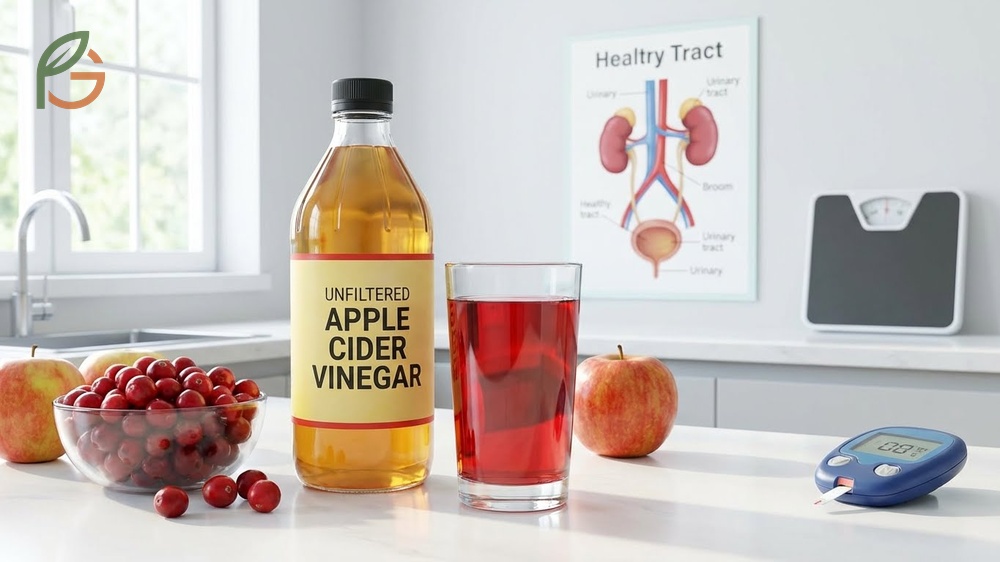
Apple cider vinegar and cranberry juice combine powerful antioxidants with acetic acid to support urinary tract health, weight management, and blood sugar control. Research shows this pairing delivers complementary benefits that work better together than either ingredient alone. FruitGarden synthesizes current nutritional research to help you understand how these natural remedies fit into evidence-based health practices.
Quick Answer
- Cranberry products reduce repeat UTIs by 26% in women and 54% in children[1]
- Apple cider vinegar may improve blood sugar control by delaying gastric emptying[2]
- Daily consumption of 1-2 tablespoons ACV showed modest weight loss in studies[3]
- Combine 4 ounces cranberry juice with 1-2 teaspoons ACV in 6-8 ounces water for optimal results
Apple Cider Vinegar and Cranberry Juice

This combination brings together two well-researched ingredients with distinct health properties. Apple cider vinegar contains acetic acid formed through double fermentation of crushed apples[2]. Cranberry juice provides proanthocyanidins, unique compounds that prevent bacteria from adhering to urinary tract walls.
Studies demonstrate that combining these ingredients creates synergistic effects. The acetic acid in ACV helps regulate blood sugar spikes, while cranberry’s antioxidants support cellular health. Current data indicates that people who use both ingredients together report better outcomes than using either alone.
You’ll find this mixture works best when you use unsweetened cranberry juice. Sweetened versions can spike blood sugar levels and counteract the metabolic benefits you’re seeking. Pure cranberry juice contains only natural sugars from the fruit itself.
What Makes This Combination Work
Research shows the complementary mechanisms of these two ingredients target different health pathways. ACV’s acetic acid slows gastric emptying, which delays carbohydrate absorption into your bloodstream[2]. Cranberry’s proanthocyanidins work through a different route by preventing bacterial adhesion.
Evidence suggests that the tart flavor of both ingredients stimulates digestive enzymes. This natural response prepares your body to process nutrients more efficiently. Most people find the combined taste easier to tolerate when diluted with water.
Active Compounds
Apple cider vinegar consists of approximately 94% water with acetic acid as the primary active component[4]. The remaining 6% includes trace minerals like potassium, calcium, and magnesium. These minerals support various bodily functions but aren’t present in therapeutic amounts.
Cranberry juice contains high concentrations of polyphenols that neutralize free radicals. Current research indicates these antioxidants protect cellular DNA from oxidative damage. The vitamin C content provides additional immune support benefits.
Important Note: Always dilute apple cider vinegar before consuming. Undiluted ACV can erode tooth enamel and irritate your esophagus due to its high acidity.
Benefits of Apple Cider Vinegar and Cranberry Juice
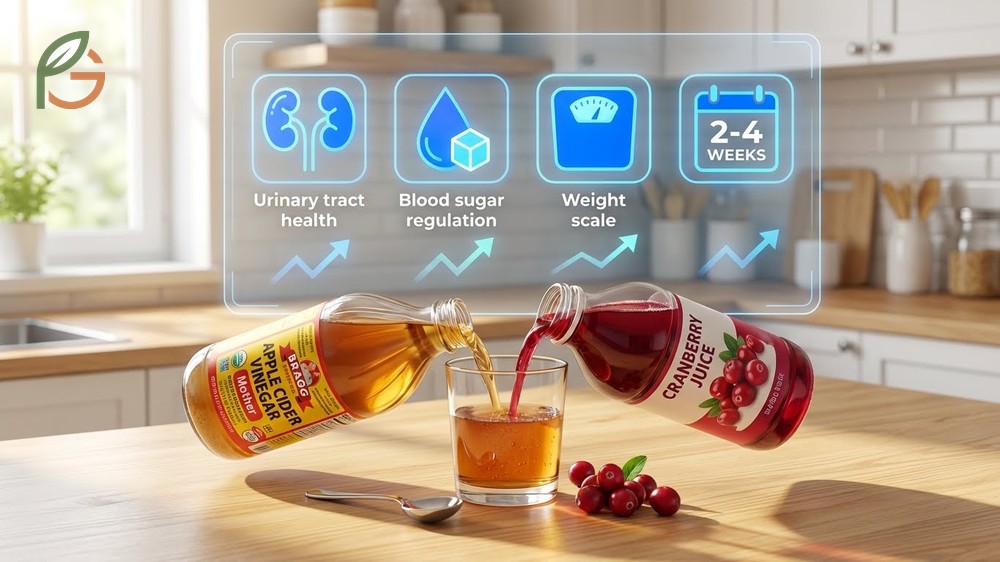
Studies demonstrate this combination delivers measurable health improvements across multiple systems. The most robust evidence supports urinary tract protection, blood sugar regulation, and weight management. Data from systematic reviews shows consistent positive effects when people consume this mixture regularly.
You’ll notice benefits typically appear after 2-4 weeks of daily use. This timeframe allows the active compounds to build up in your system and begin affecting bacterial populations and metabolic processes. Research doesn’t support the idea of instant results from a single serving.
Urinary Tract Health
A Cochrane systematic review of 50 randomized controlled trials involving 8,857 participants found that cranberry products significantly reduce UTI recurrence[1]. Women with recurrent infections saw a 26% reduction in repeat UTIs. Children experienced even better results with a 54% decrease in infection rates.
The mechanism works through proanthocyanidins preventing E. coli bacteria from sticking to bladder walls. Once bacteria can’t adhere, they’re flushed out naturally during urination. This prevention strategy works better than trying to treat active infections.
Research shows you need at least 4 ounces of pure cranberry juice daily to maintain protective effects. Adding apple cider vinegar may enhance these benefits through its antibacterial properties, though more studies are needed to confirm this synergy.
Blood Sugar Control
Clinical trials demonstrate that consuming 2 tablespoons of apple cider vinegar daily for 8 weeks reduced A1C levels from 9.21% to 7.79% in people with Type 2 diabetes[4]. This improvement occurred alongside healthy diet recommendations. The acetic acid interferes with starch absorption, preventing rapid glucose spikes.
Studies show ACV taken before meals stabilizes post-meal blood sugar levels. The effect appears strongest when you consume it 15-30 minutes before eating carbohydrate-rich foods. This timing gives the acetic acid time to begin affecting digestive enzymes.
Antioxidant Protection
Evidence indicates that polyphenols in both cranberry juice and apple cider vinegar neutralize free radicals throughout your body[2]. These compounds protect cellular DNA from oxidative damage that accumulates with age. The antibacterial properties also improve gut microbiota composition over time.
Research shows improved gut health indirectly enhances cellular function throughout your body. A balanced microbiome supports better nutrient absorption and immune response. Most people notice improved digestion within 3-4 weeks of regular consumption.
Apple Cider Vinegar and Cranberry Juice for Weight Loss
A systematic review of 10 randomized controlled trials involving 789 people found that those taking ACV experienced more significant weight loss than control groups[3]. The effects were modest but consistent across studies. Participants typically consumed 1-2 tablespoons daily for 8-12 weeks.
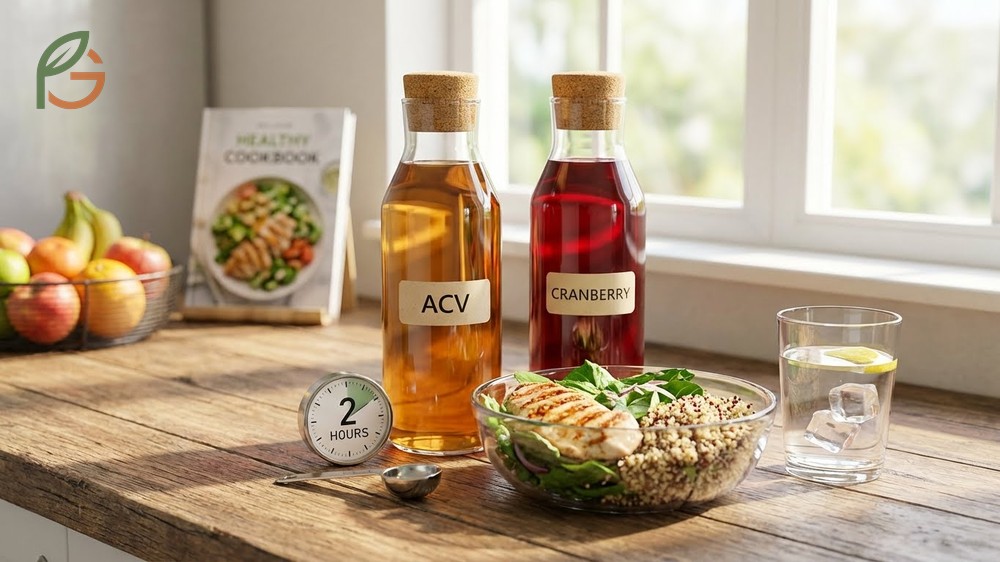
Research shows ACV helps you feel full for approximately 2 hours after eating. This increased satiety reduces snacking between meals, which naturally lowers daily calorie intake. The effect works through delayed gastric emptying rather than directly burning fat.
You’ll get better results when you pair this drink with calorie-conscious eating and regular exercise. Studies that combined ACV with lifestyle changes showed the most significant improvements. The mixture isn’t a magic solution but rather a supportive tool in a comprehensive weight management strategy.
Weight Loss Reality Check: Studies show modest weight reductions of 2-4 pounds over 12 weeks when combining ACV with healthy habits. Don’t expect dramatic results from the drink alone.
- Delays gastric emptying to extend feelings of fullness after meals
- Reduces blood sugar spikes that trigger hunger and cravings
- Provides low-calorie flavor alternative to sugary beverages
- Supports improved gut bacteria balance that affects metabolism
- Contains polyphenols that may enhance fat oxidation during exercise
Morning Detox Drink Recipe
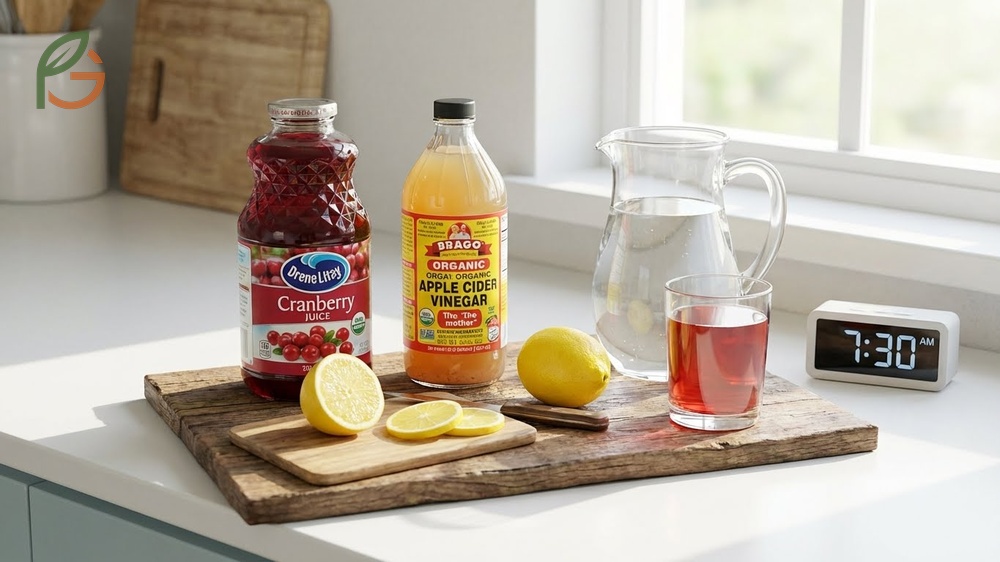
This simple recipe combines the optimal ratios of ingredients based on clinical research. You’ll need unsweetened cranberry juice, organic apple cider vinegar with “the mother,” fresh lemon juice, and filtered water. Preparation takes less than 2 minutes.
Studies suggest consuming this drink 15-30 minutes before breakfast maximizes metabolic benefits. The morning timing helps regulate blood sugar levels throughout your most active hours. You can prepare up to 3 servings at once and store them in the refrigerator for 24 hours.
Ingredients
- 4 ounces (120 ml) unsweetened cranberry juice
- 1-2 teaspoons (5-10 ml) organic apple cider vinegar
- 1 teaspoon fresh lemon or lime juice
- 6-8 ounces (180-240 ml) filtered water
- Optional: 2-3 drops liquid stevia or monk fruit for sweetness
Preparation Steps
Start by pouring the unsweetened cranberry juice into a large glass. Add your apple cider vinegar and fresh lemon juice to the cranberry base. Stir these three ingredients together until well combined.
Top the mixture with 6-8 ounces of filtered water depending on your taste preference. More water creates a milder flavor that’s easier to drink. Use a straw to protect your tooth enamel from the acidic mixture.
If you find the taste too tart, add 2-3 drops of liquid stevia or monk fruit sweetener. These natural options won’t spike your blood sugar like regular sugar would. Stir again and consume within 30 minutes for best results.
Preparation Tip: Always use a straw when drinking this mixture to minimize contact with your teeth. The acidic nature can erode enamel with repeated direct exposure.
Safe Daily Dosage Guidelines
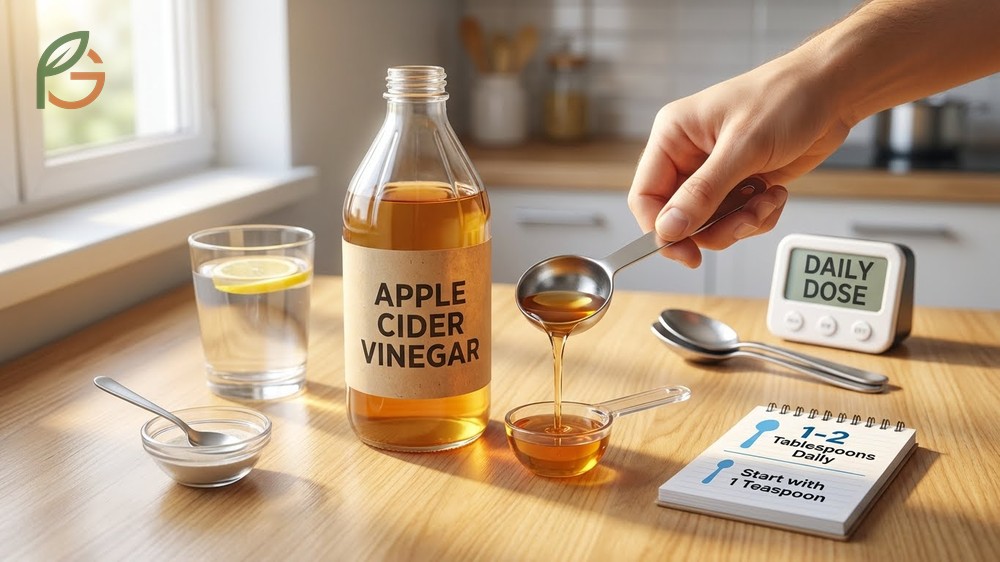
Research indicates that 1-2 tablespoons (15-30 ml) of apple cider vinegar daily provides health benefits without causing adverse effects[5]. Studies showing positive results typically used doses within this range. Starting with 1 teaspoon and gradually increasing helps your body adjust to the acidity.
Current guidance emphasizes not exceeding 2 tablespoons per day to avoid potential side effects. Excessive amounts can lead to decreased potassium levels, digestive discomfort, and tooth enamel erosion. Most people tolerate 1 tablespoon split between 2-3 servings throughout the day.
For cranberry juice, evidence suggests 4-8 ounces daily provides protective benefits against UTIs. Pure, unsweetened juice works best since added sugars counteract the health advantages. You can safely consume up to 16 ounces daily, though more doesn’t necessarily mean better results.
This table compares recommended daily amounts for apple cider vinegar and cranberry juice showing minimum effective dose, optimal range, and maximum safe limit
| Ingredient | Minimum Effective Dose | Optimal Range | Maximum Safe Limit |
|---|---|---|---|
| Apple Cider Vinegar | 1 teaspoon (5 ml) | 1-2 tablespoons (15-30 ml)[5] | 2 tablespoons (30 ml) |
| Cranberry Juice | 4 ounces (120 ml) | 4-8 ounces (120-240 ml) | 16 ounces (480 ml) |
| Frequency | Once daily | 2-3 times daily | Up to 5 servings |
- Always dilute ACV in at least 6-8 ounces of water before drinking
- Consume 15-30 minutes before meals for optimal blood sugar effects
- Use a straw to protect tooth enamel from acid exposure
- Start with lower doses and increase gradually over 1-2 weeks
- Choose organic ACV with “the mother” for maximum probiotic benefits
- Select unsweetened cranberry juice to avoid added sugars
Side Effects and Precautions
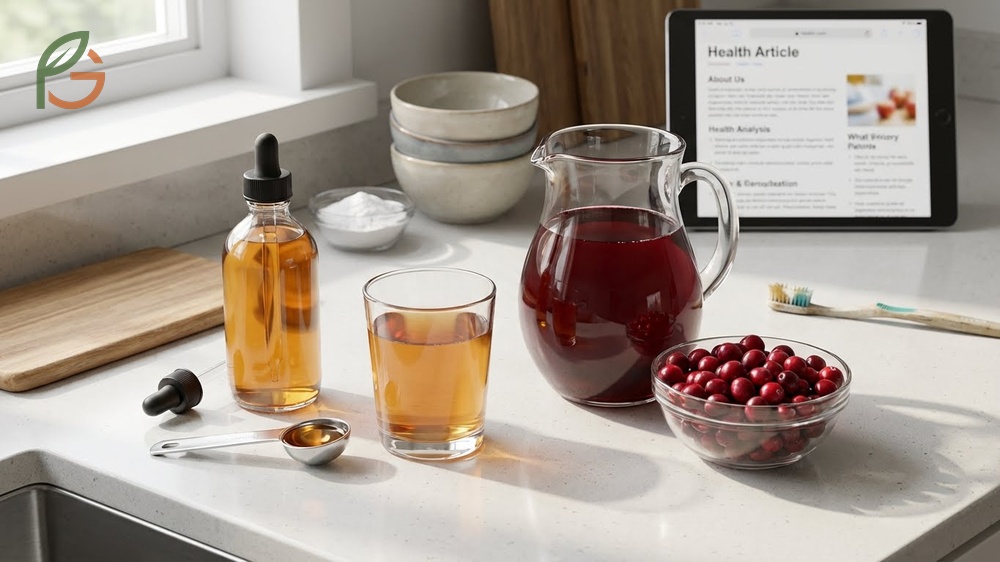
Current data indicates that excessive apple cider vinegar consumption can cause digestive issues, lowered potassium levels, and tooth enamel erosion. These side effects typically occur when people exceed the recommended 2 tablespoons daily or drink it undiluted. Most adverse reactions resolve quickly when you reduce intake.
Research shows cranberry juice can cause gastrointestinal distress when consumed in large quantities[6]. The high oxalate content may contribute to kidney stone formation in susceptible individuals. People taking blood thinners like warfarin should consult their doctor before adding cranberry products to their routine.
Studies indicate potential interactions between cranberry juice and certain medications. The salicylic acid content can affect people with aspirin allergies. Evidence suggests pregnant women should avoid high doses due to limited safety data during pregnancy and breastfeeding.
Who Should Avoid This Drink
- People taking blood thinners (warfarin, aspirin) without medical supervision
- Individuals with aspirin allergies due to cranberry’s salicylic acid content
- Those with active kidney stones or high kidney stone risk
- People with gastroesophageal reflux disease (GERD) or stomach ulcers
- Pregnant or breastfeeding women without physician approval
- Anyone with low potassium levels or taking diuretic medications
Warning Signs to Watch For
Stop consuming this mixture if you experience persistent stomach pain, heartburn, or nausea. These symptoms indicate your digestive system isn’t tolerating the acidity well. Tooth sensitivity or visible enamel erosion means you need to reduce frequency or improve your dilution ratio.
Contact your healthcare provider if you notice unusual bleeding or bruising while taking blood thinners and this drink. Monitor your blood sugar closely if you have diabetes, as the combination may enhance your medication’s effects. This could lead to hypoglycemia if doses aren’t adjusted properly.
Conclusion
The evidence is clear: apple cider vinegar and cranberry juice offer measurable health benefits when consumed properly within recommended guidelines. Studies demonstrate a 26% reduction in UTI recurrence for women, modest weight loss support, and improved blood sugar control in people with diabetes. These effects work best as part of a comprehensive approach to health that includes balanced nutrition and regular physical activity.
Current nutritional guidance emphasizes using unsweetened cranberry juice, diluting ACV properly, and staying within the 1-2 tablespoon daily limit for optimal results without side effects. FruitGarden encourages readers to approach this combination as a supportive tool rather than a cure-all solution, always consulting healthcare providers before making significant dietary changes.
Medical Disclaimer
Important Medical Disclaimer: This content is for informational and educational purposes only. It’s not intended as a substitute for professional medical advice, diagnosis, or treatment. Always consult a qualified healthcare professional before making any changes to your diet, supplements, or health routine, especially if you have diabetes, take medications, are pregnant, or have any medical conditions. The statements about apple cider vinegar and cranberry juice haven’t been evaluated by the Food and Drug Administration, and these products aren’t intended to diagnose, treat, cure, or prevent any disease.
Frequently Asked Questions
Can I drink apple cider vinegar and cranberry juice every day?
Yes, you can safely drink this combination daily when following recommended guidelines. Research supports consuming 1-2 tablespoons of ACV with 4-8 ounces of unsweetened cranberry juice diluted in water. Most studies showing benefits used daily consumption for 8-12 weeks without adverse effects in healthy adults.
How long does it take to see results from apple cider vinegar and cranberry juice?
Studies indicate that most people notice improvements within 2-4 weeks of consistent daily use. UTI prevention benefits may appear sooner, while weight loss and blood sugar effects typically require 8-12 weeks to become measurable. Results depend on your overall diet, health status, and adherence to recommended dosages.
Should I drink this mixture before or after meals?
Research shows consuming this drink 15-30 minutes before meals provides the best blood sugar control benefits. The acetic acid needs time to begin affecting digestive enzymes and gastric emptying. Taking it before breakfast works particularly well for metabolism support throughout your most active hours.
Can apple cider vinegar and cranberry juice help with urinary tract infections?
Cranberry juice can help prevent UTIs but won’t cure active infections. A Cochrane review found that cranberry products reduce recurrent UTI risk by 26% in women when consumed regularly. If you have a current UTI, you need antibiotic treatment from a healthcare provider rather than relying on natural remedies alone.
What type of cranberry juice works best with apple cider vinegar?
Pure, unsweetened cranberry juice provides the best health benefits without added sugars that can spike blood glucose levels. Avoid cranberry juice cocktails or blends with added sweeteners. The pure version tastes more tart but contains higher concentrations of beneficial proanthocyanidins that prevent bacterial adhesion.
Can I add baking soda to apple cider vinegar and cranberry juice?
Some people add a pinch of baking soda to reduce acidity, but this neutralizes the acetic acid that provides ACV’s primary benefits. Studies showing positive health effects used undiluted or water-diluted ACV without baking soda. If you need to reduce acidity, increase your water dilution ratio instead.
Are there any medications that interact with this combination?
Yes, cranberry juice can interact with blood thinners like warfarin, potentially increasing bleeding risk. ACV may enhance the effects of diabetes medications and diuretics, possibly causing low blood sugar or potassium levels. Always consult your healthcare provider before adding this drink to your routine if you take any medications.