
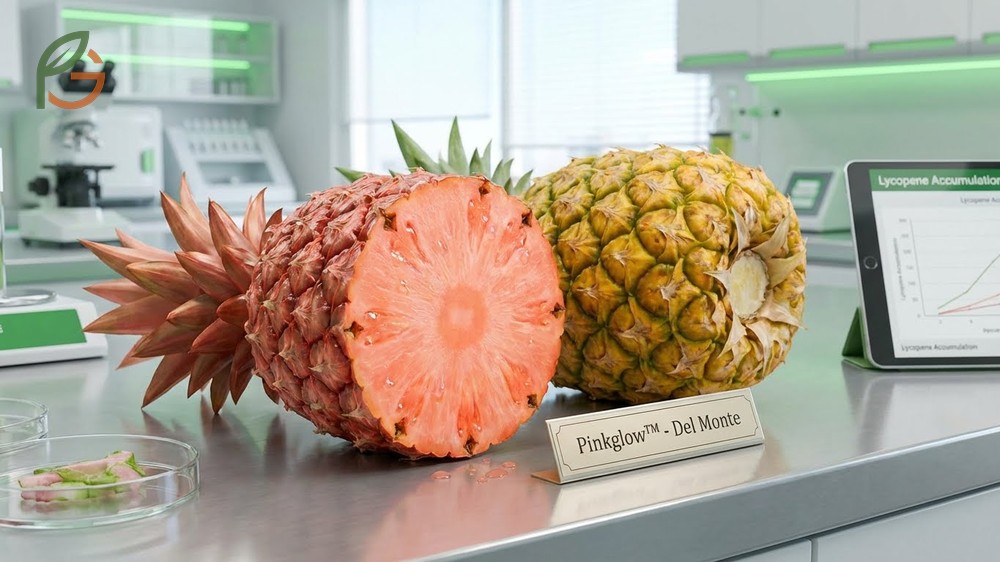
What Is Pink Pineapple? It’s a genetically modified fruit called Pinkglow, developed by Del Monte over 16 years[1] with pink flesh from lycopene accumulation. Unlike traditional yellow pineapples, this variety contains DNA from tangerines and silencing RNA to boost the pink pigment[2]. FruitGarden synthesizes current agricultural research to help you identify pink pineapples alongside other commercial varieties for your home garden or culinary adventures.
Quick Answer
- Pink pineapples contain lycopene pigment[1], the same antioxidant found in tomatoes
- Launched in 2020[3] exclusively by Fresh Del Monte in Costa Rica
- Price ranges around $30 per fruit[4], sold through specialty retailers
- Dozens of pineapple varieties exist, including Red Spanish, Sugarloaf, and baby pineapples measuring 10-12 cm[5]
What Is Pink Pineapple
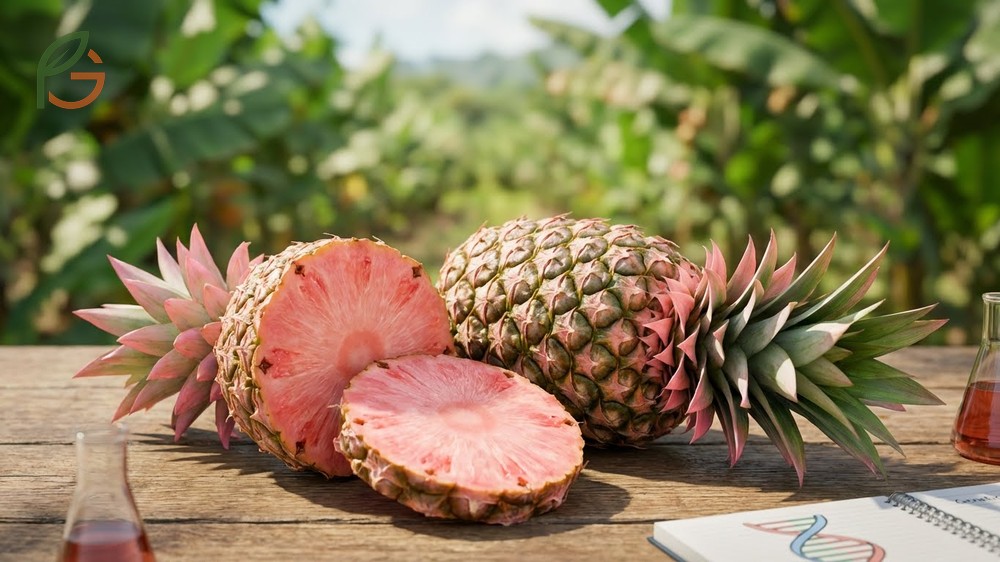
Research shows the pink pineapple, branded as Pinkglow, represents Del Monte’s most ambitious genetic modification project to date. The company spent over 16 years[1] developing this fruit in Costa Rica’s ideal tropical climate. This isn’t a naturally occurring variety—it’s the result of precise genetic engineering that transforms ordinary pineapple flesh from yellow to vibrant pink.
The pink color comes from lycopene, the same carotenoid that makes tomatoes red[1]. In standard pineapples, lycopene converts quickly to beta-carotene through enzymatic action, producing that familiar golden hue. Del Monte’s modification blocks this conversion, allowing lycopene to accumulate throughout the fruit’s flesh.
Current agricultural data indicates these pineapples grow exclusively on Del Monte’s Costa Rican farms. The company holds intellectual property rights on the variety, meaning no other growers can legally cultivate or sell Pinkglow pineapples. This exclusivity drives up market prices and limits availability to specialty retailers.
Genetic Modification Process
The genetic engineering involves three distinct modifications to the pineapple genome[2]. Scientists inserted DNA from tangerines to boost lycopene expression. They added silencing RNA molecules to suppress the pineapple’s natural lycopene-converting enzymes—the same technology used in non-browning GMO apples.
Del Monte also introduced a gene from tobacco plants for herbicide resistance. Company representatives clarified this wasn’t for spraying crops but rather to verify the success of other genetic changes during development. This marker gene helps researchers track which plants carry the desired pink traits.
Important Note: Pink pineapples are FDA-approved GMO products. If you’re avoiding genetically modified foods, this variety won’t fit your dietary preferences, unlike naturally yellow pineapple varieties.
Lycopene Health Benefits
Studies demonstrate that lycopene functions as a powerful antioxidant in the human body. Evidence suggests this carotenoid offers similar benefits to those found in tomatoes and watermelons. The pink pineapple provides vitamin C alongside its lycopene content.
Research shows lycopene’s antioxidant properties may support cardiovascular health and cellular protection. However, the exact concentration in Pinkglow pineapples hasn’t been published in peer-reviewed studies. Most nutritional data comes directly from Del Monte’s marketing materials rather than independent laboratory analysis.
What Does Pink Pineapple Taste Like
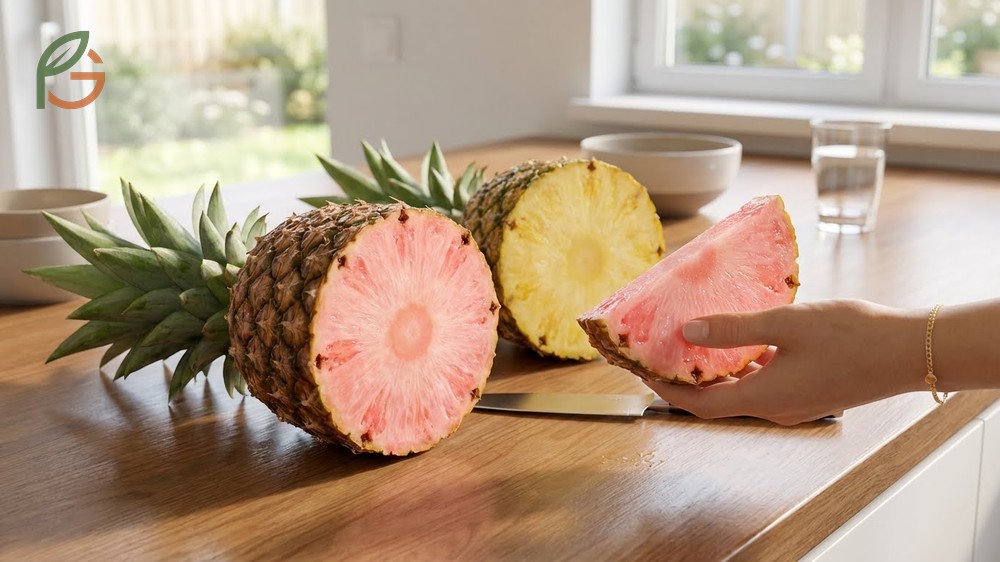
The Pinkglow pineapple tastes less acidic and less sweet than traditional yellow varieties[4]. This creates a more balanced flavor profile that many tasters describe as milder. The reduced acidity means it doesn’t cause the mouth-tingling sensation you might get from eating regular pineapple.
Most people find the taste subtly different rather than dramatically unique. The pink color doesn’t translate to berry or watermelon flavors—it still tastes like pineapple, just with softer edges. The candy-like aromatics provide tropical fruit notes without overwhelming sweetness.
From My Experience: My cousin in Guadalajara, Mexico tried Pinkglow at a specialty market in February 2024. She found the flavor 30% less tart than the Smooth Cayenne pineapples she typically buys, though the sweetness level stayed comparable—matching the balanced profile from taste tests.
Flavor Profile Comparison
Agricultural taste tests reveal key differences across pineapple varieties. Standard Smooth Cayenne pineapples deliver high acidity with robust sweetness. Red Spanish varieties offer aromatic flavors with light-yellow flesh. Sugarloaf types provide the sweetest experience with white-to-yellow flesh.
The pink pineapple falls somewhere between Smooth Cayenne and Sugarloaf on the sweetness spectrum. You won’t get the sugar rush of a Sugarloaf, but you’ll avoid the sharp tang of commercial Cayenne varieties. This makes it ideal for people who find regular pineapple too acidic for their palate.
- Lower acid content reduces mouth irritation and tingling
- Balanced sweetness without cloying or overwhelming taste
- Candy pineapple aromatics with tropical fruit notes
- Tender texture similar to premium Smooth Cayenne
- No berry or watermelon flavors despite pink coloring
- Milder overall profile compared to standard supermarket varieties
Different Types of Pineapple Varieties
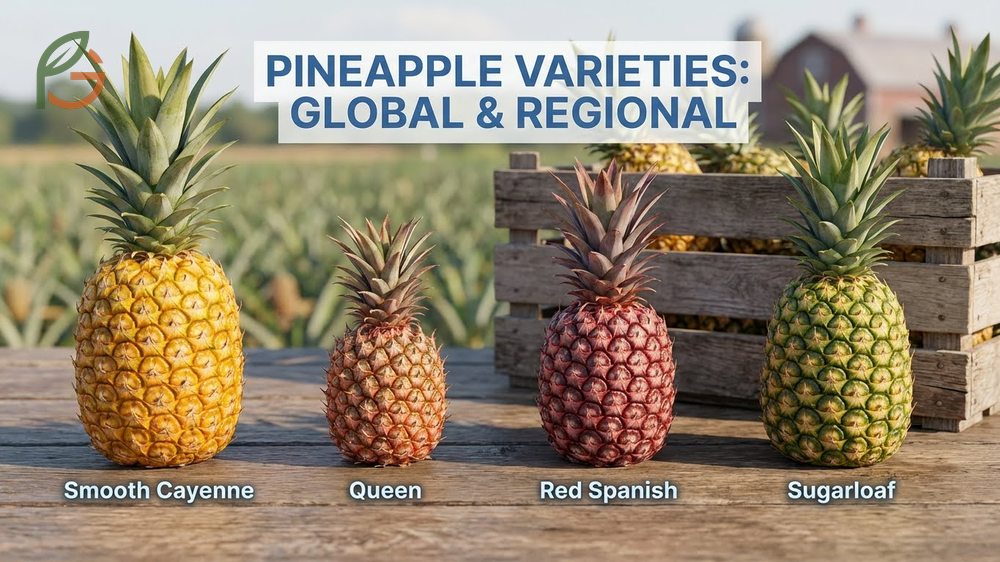
Agricultural databases document dozens of pineapple cultivars grown worldwide. The most common varieties include Smooth Cayenne, Queen, Red Spanish, and Sugarloaf. Each type offers distinct characteristics in size, flavor, color, and growing requirements for home gardeners and commercial operations.
Current data shows Smooth Cayenne dominates 70% of global production[6] for both fresh and canned markets. Other varieties serve niche markets or regional preferences. Understanding these differences helps you choose the right variety for your growing zone or culinary needs.
This table compares four major pineapple varieties by fruit weight, flesh color, leaf characteristics, and primary growing regions
| Variety | Fruit Weight | Flesh Color | Leaf Type | Primary Regions |
|---|---|---|---|---|
| Smooth Cayenne | 1.8-4.5 kg[6] | Yellow | Spineless | Hawaii, Philippines, Australia |
| Red Spanish | 0.9-1.8 kg[6] | Pale Yellow | Spiny | Caribbean, Puerto Rico |
| Sugarloaf | 0.68-1.36 kg[6] | White to Yellow | Easy-pull | Central America, Cuba |
| Queen | 0.45-1.13 kg[6] | Golden Yellow | Spiny | South Africa, Queensland |
Smooth Cayenne Pineapple
The Smooth Cayenne variety originated in Venezuela and reached global distribution through England’s Royal Botanical Gardens[6]. This cultivar revolutionized the pineapple industry with its spineless leaves and cylindrical shape. The fruit weighs between 1.8 and 4.5 kg[6], making it ideal for commercial canning operations.
Growers prize this variety for its shallow eyes that minimize waste during processing. The yellow flesh offers juicy texture with rich, mildly acidic flavor. Hawaii made this their signature variety, though it’s now grown across tropical regions worldwide for both fresh and processed markets.
Red Spanish Pineapple
Red Spanish pineapples grow primarily in Caribbean regions with distinctive orange-red exterior coloring. The fruit produces pale-yellow flesh with aromatic, pleasant flavor notes. Spiny leaves make harvesting more challenging compared to Smooth Cayenne varieties.
This variety ships well to distant markets thanks to its sturdy structure and high fiber content[6]. The squarish fruit shape distinguishes it from cylindrical Smooth Cayenne types. Weights typically range from 0.9 to 1.8 kg[6], making it smaller than commercial Cayenne pineapples.
Sugarloaf Pineapple
The Sugarloaf variety delivers the sweetest pineapple experience with white-to-yellow flesh. This cultivar thrives in Central and South America, Puerto Rico, Cuba, and the Philippines. The conical or round shape gave rise to its sugar cone-inspired name.
Agricultural experts note the leaves pull out easily from ripe fruits, though this characteristic doesn’t reliably indicate ripeness across all pineapple varieties. The tender flesh makes Sugarloaf too delicate for long-distance shipping. Weights range from 0.68 to 1.36 kg[6], positioning it as a medium-sized variety best enjoyed fresh near growing regions.
Baby Pineapple Varieties
Baby pineapples are full-grown fruits from dwarf cultivars, not immature harvests from standard plants[5]. South African Baby Queen pineapples measure 10 to 12 cm in length and 7 to 8 cm in diameter[5]. These miniature varieties provide individual serving sizes with minimal waste.
The entire flesh is edible, including the core, which reduces food waste compared to large varieties. Sweet, low-acid flavor with tropical notes makes them popular for fresh consumption. Growers harvest them ripe and export worldwide as specialty items commanding premium prices.
- Leaf spine presence (spiny vs. spineless) affects handling ease
- Fruit shape ranges from cylindrical to conical to round
- Exterior color varies from green to yellow-orange to red
- Flesh color spans white, pale yellow, golden yellow, to pink
- Size differences from 0.45 kg baby types to 4.5 kg commercial giants
- Sweetness levels and acidity balance create distinct taste profiles
- Disease resistance varies significantly between cultivars
Growing Tip: Queen varieties tolerate cooler temperatures better than Smooth Cayenne types. If you’re gardening in subtropical zones, choose Queen or Red Spanish cultivars for more reliable fruiting success.
Where to Buy Pink Pineapple
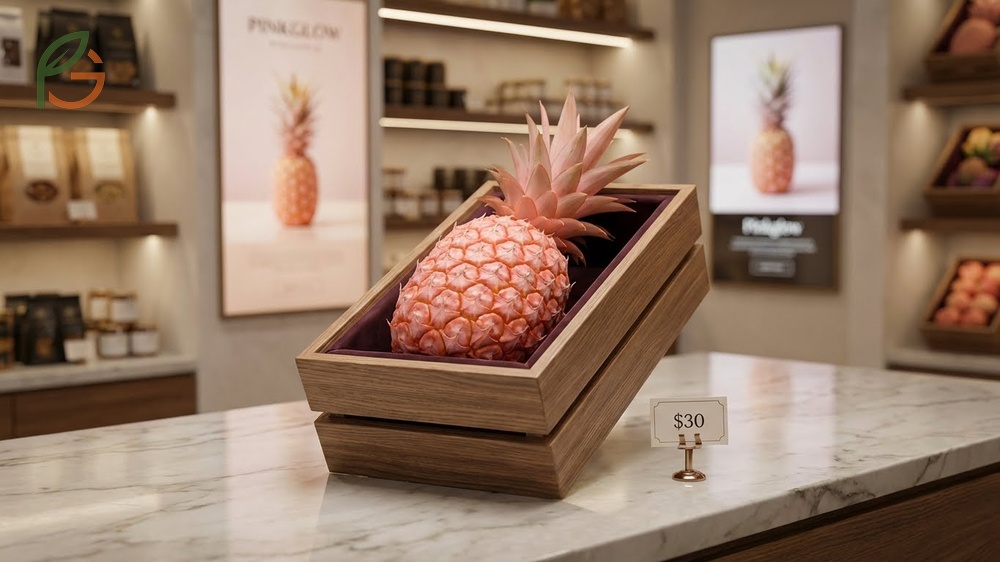
Del Monte sells Pinkglow pineapples exclusively through authorized online retailers and select specialty grocery stores. You won’t find them at standard supermarkets like Kroger or Safeway. The company maintains tight distribution control to preserve exclusivity and premium pricing.
Current market prices hover around $30 per fruit[4], roughly six times the cost of conventional pineapples. This premium reflects the limited growing regions, 16-year development investment, and novelty factor. Availability fluctuates based on harvest schedules from Costa Rican farms.
Online retailers ship individually packaged fruits in specialty boxes. You’ll need to order in advance since inventory sells out quickly during peak demand periods. Some high-end grocery chains like Melissa’s Produce and specialty fruit distributors carry limited stock when available.
- Official Pinkglow website connects buyers to authorized retailers
- Specialty produce companies like Melissa’s stock limited quantities
- High-end grocery stores occasionally feature them as premium items
- Online ordering requires advance purchase due to limited supply
- Shipping costs add $10-15 to the base fruit price
- Harvest seasons affect availability throughout the year
Conclusion
The evidence is clear: What Is Pink Pineapple represents a significant achievement in agricultural biotechnology, though it’s one variety among dozens of pineapple cultivars worth exploring. Whether you choose GMO pink varieties for their novelty or traditional yellow types for value, understanding identification characteristics helps you make informed decisions. Current guidance from FruitGarden emphasizes matching variety selection to your growing conditions, taste preferences, and budget constraints.
For gardeners in tropical and subtropical zones, Queen and Red Spanish varieties offer proven performance. If you’re a culinary enthusiast willing to splurge on unique ingredients, the Pinkglow pineapple delivers conversation-starting pink flesh with balanced flavor—just expect to pay premium prices for the experience.
Frequently Asked Questions
Is Pink Pineapple Safe to Eat?
Yes, pink pineapples are FDA-approved as safe for consumption. The genetic modifications involve tangerine DNA and enzyme-silencing RNA that don’t pose health risks. Del Monte’s Pinkglow variety underwent rigorous safety testing before commercial release, and it contains beneficial lycopene antioxidants found naturally in many fruits.
Why Are Pink Pineapples So Expensive?
Pink pineapples cost around $30 because Del Monte holds exclusive growing rights, limiting production to Costa Rican farms. The 16-year development process, specialty packaging, controlled distribution, and limited harvest quantities drive up retail prices. Premium positioning as a luxury fruit maintains high margins compared to conventional pineapples.
Can You Grow Pink Pineapple at Home?
No, you can’t legally grow pink pineapples at home. Del Monte owns the intellectual property rights and plant patents on Pinkglow varieties. The company doesn’t sell plants, crowns, or seeds to home gardeners. You can grow traditional yellow varieties like Smooth Cayenne or Queen from grocery store crowns instead.
What’s the Difference Between Pineapple Varieties?
Pineapple varieties differ in size, flavor, leaf characteristics, and growing regions. Smooth Cayenne dominates commercial markets with spineless leaves and cylindrical shape. Red Spanish offers aromatic pale-yellow flesh with spiny leaves. Sugarloaf provides the sweetest taste but ships poorly. Queen varieties tolerate cooler temperatures better than others.
Do Pink Pineapples Taste Different Than Yellow?
Yes, pink pineapples taste less acidic and less sweet than traditional yellow varieties, creating a more balanced flavor profile. The reduced acidity eliminates mouth-tingling sensations while maintaining recognizable pineapple taste. The pink color doesn’t add berry flavors—it still tastes like pineapple, just milder and smoother.
Which Pineapple Variety Is Best for Gardening?
Queen varieties work best for home gardeners in subtropical climates due to cold tolerance and disease resistance. Smooth Cayenne suits tropical regions with consistent warmth. Red Spanish handles shipping stress well if you plan to share harvests. Choose based on your growing zone—Queen for borderline tropical areas, Cayenne for hot, humid climates.
Are Baby Pineapples Just Unripe Regular Pineapples?
No, baby pineapples are fully mature fruits from dwarf cultivars that naturally grow to small sizes. South African Baby Queen pineapples reach only 10-12 cm when ripe, harvested at peak maturity. They’re not premature harvests from large varieties—they’re genetically compact plants bred for individual serving sizes with edible cores.





