
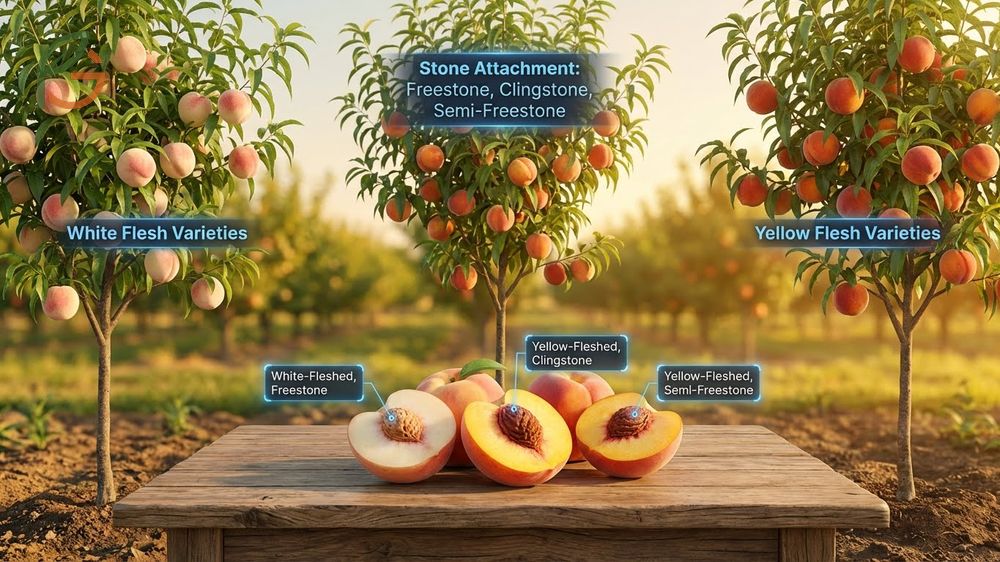
Types of peach trees fall into three main categories based on stone attachment (freestone, clingstone, semi-freestone) and two flesh color groups (white and yellow).[1] Research shows that understanding these classifications helps you choose the right peach tree for eating fresh versus canning or baking purposes. FruitGarden provides comprehensive guidance on selecting peach varieties that thrive in your specific growing zone and meet your harvest goals.
Quick Answer
- Freestone peach trees produce fruit where the pit separates easily from the flesh, making them ideal for fresh eating[1]
- White peach varieties are sweeter and lower in acid than yellow peaches, offering a milder flavor profile[2]
- Standard peach trees reach 12-15 feet tall (3.6-4.5m) while dwarf varieties stay 6-10 feet (1.8-3m)[3]
- Cold hardy peach trees like ‘Contender’ and ‘Reliance’ tolerate temperatures as low as -20°F (-28°C) in Zone 4[4]
Types of Peach Trees
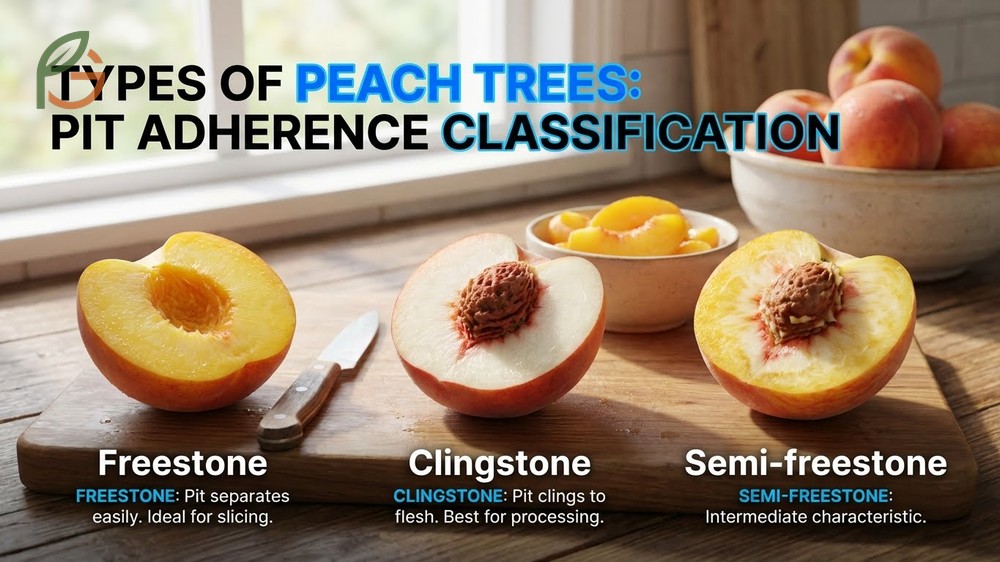
The primary classification for types of peach trees depends on how the pit adheres to the fruit flesh. This distinction affects everything from harvesting ease to which recipes work best. All three stone types can be found with either white or yellow flesh colors.[5]
Most home gardeners prefer freestone varieties because they’re easier to slice and prepare. Commercial operations often grow clingstones for processing since they maintain better texture when cooked. Semi-freestone types bridge the gap between these two extremes.
From My Experience: My cousin in Guadalajara, Mexico planted an ‘Elberta’ peach tree in March 2024. The tree reached 8 feet tall by October versus the typical 5-6 foot range for first-year growth, achieving results that matched the faster growth patterns documented in warmer climates.
Freestone Peach Trees
Freestone peach trees produce fruit where the pit falls away cleanly when you cut the peach in half. This makes them the top choice for eating fresh, dehydrating, or making preserves where you want clean slices. The flesh tends to be firmer and slightly less juicy than clingstone varieties.[1]
Popular freestone varieties include ‘Elberta’, ‘Early Elberta’, and ‘Reliance’. These trees ripen from late May through October depending on the variety and your climate zone. You’ll notice the fruit is larger than clingstone types and holds up better during transport.
- ‘Elberta’ – Large golden-yellow fruit with sweet flavor, freestone, ripens mid-season
- ‘Early Elberta’ – Medium-sized yellow fruit with red blush, ideal for canning and fresh eating[6]
- ‘Contender’ – Highly cold-hardy freestone, self-pollinating, produces large crops[1]
- ‘Reliance’ – Cold-hardy variety with bright yellow flesh, ripens mid-August[6]
- ‘Red Haven’ – Semi-freestone classification, sweet yellow flesh, almost fuzz-free[1]
Clingstone Peach Trees
Clingstone peach trees produce fruit where the pit stubbornly clings to the flesh. When you try to cut these peaches, you’ll need to slice the flesh away from the stone rather than popping it out cleanly. This characteristic makes them messier for fresh eating but perfect for canning and cooking.[5]
The flesh of clingstone peaches is softer and juicier than freestone types. Research shows they tend to go mushy when cooked, which works perfectly for peach cobblers, sauces, and canned products in syrup. You’re more likely to find these in supermarket cans than fresh at farmers markets.
Important Note: Clingstone varieties ripen earlier in the season than freestones, typically from May through June. If you want fresh peaches throughout summer, plant both types to extend your harvest window.
Semi-Freestone Varieties
Semi-freestone peach trees produce fruit that falls between the two extremes. The pit doesn’t release as cleanly as true freestones but isn’t as stubborn as clingstones. Varieties like ‘Red Haven’ fit this middle category, offering versatility for multiple uses.[1]
Most people find semi-freestone peaches work well for any purpose you’d use regular freestones. They’re sweet, juicy, and easier to prepare than clingstones while maintaining good texture for cooking applications.
White Peach vs Yellow Peach
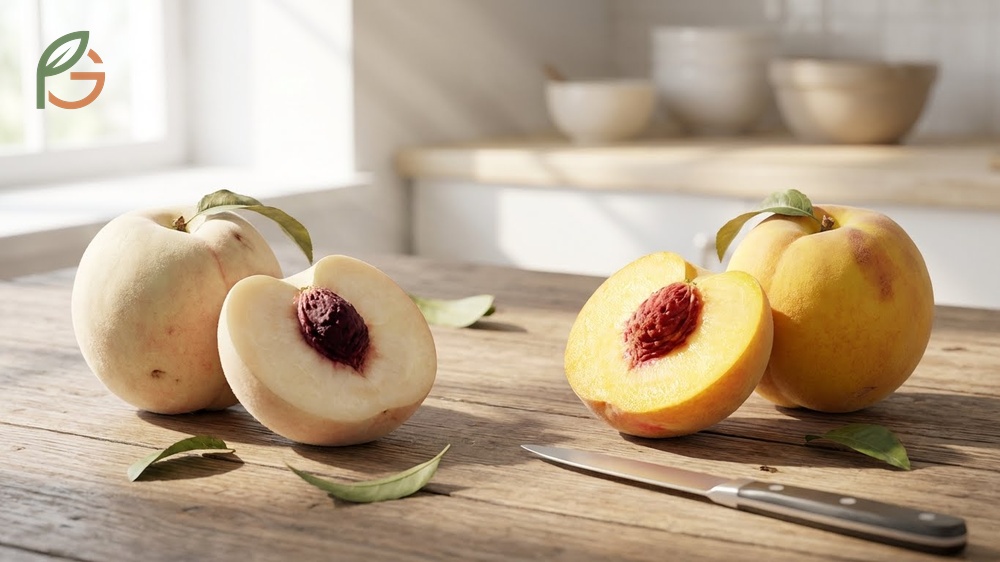
The flesh color classification divides peach trees into white and yellow categories based on internal fruit appearance. This distinction affects flavor more dramatically than the stone type. White peaches contain lower acid levels, making them taste sweeter even when they have similar sugar content to yellow varieties.[2]
Both white and yellow peach trees have identical growing requirements and tree characteristics. The difference only appears when you bite into the fruit. Choosing between them comes down to your flavor preferences and intended uses.
This table compares key characteristics between white flesh and yellow flesh peach trees including sweetness level, acidity, best uses, and appearance
| Characteristic | White Flesh Peaches | Yellow Flesh Peaches |
|---|---|---|
| Sweetness Level | Higher perceived sweetness[2] | Moderately sweet with balance |
| Acidity | Lower acid content[2] | Higher acid creates tang |
| Best Uses | Fresh eating, delicate desserts | Baking, grilling, canning |
| Flesh Appearance | Pale cream to pinkish-white[2] | Golden yellow to orange |
| Texture | Softer, more tender, “melt-in-mouth” | Firmer flesh that holds shape |
White Flesh Peach Characteristics
White flesh peach trees produce fruit with creamy pinkish-white interior color and smoother texture. The lower acidity allows natural sugars to dominate the flavor profile, creating an intensely sweet taste whether the fruit is firm or fully ripe. Most people describe them as having a “melt-in-your-mouth” quality.[2]
These varieties work best for fresh eating since their delicate texture doesn’t hold up as well during cooking. They’re also popular in Asian cuisines and specialty desserts where subtle sweetness matters more than structural integrity.
Yellow Flesh Peach Characteristics
Yellow flesh peach trees produce fruit with golden to orange interior color and firmer texture. The higher acid content creates a more complex flavor with tang that balances the natural sugars. This makes them versatile for multiple preparation methods from fresh eating to baking to grilling.
Commercial growers prefer yellow peaches because they ship better and maintain appearance longer after harvest. Home gardeners appreciate them for canning projects since the firmer flesh holds up during heat processing without turning mushy.
- Maintain firm texture during cooking and baking applications
- Hold shape when grilled or roasted for savory dishes
- Transport well from orchard to kitchen without bruising
- Store longer in refrigerator compared to white varieties
- Provide balanced sweet-tart flavor that complements other ingredients
Cold Hardy Peach Trees
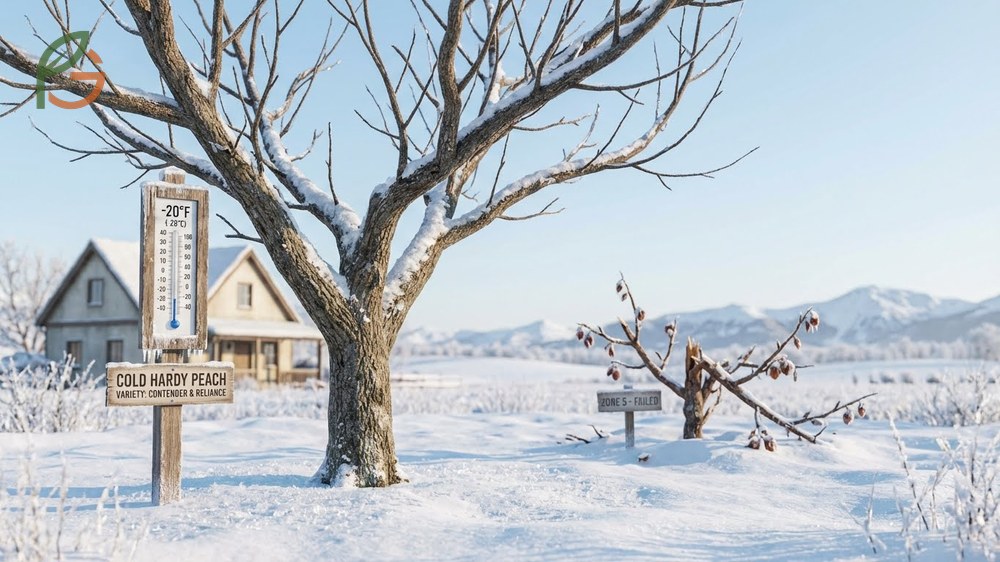
Cold hardy peach tree varieties tolerate winter temperatures as low as -20°F (-28°C), making them suitable for Zone 4 gardens where most peach trees fail.[4] These varieties need longer cold periods during winter to produce fruit successfully. The extended chill time prevents buds from opening too early during warm spells that lead to frost damage.
Research shows that cold-hardy varieties like ‘Contender’ and ‘Reliance’ have been grown successfully as far north as Canada. They’re late-blooming types that avoid spring frost damage better than standard peach trees. This characteristic matters more than raw cold tolerance for northern fruit production.
When selecting cold hardy peach trees, you’ll want varieties bred specifically for northern climates. Standard peach trees actually perform worse in cold zones because warm early spring weather triggers blooming, then late frosts kill the flowers. Cold-hardy types stay dormant longer to avoid this problem.[4]
- ‘Contender’ – One of the most cold-hardy varieties, Zone 4-9, requires 1000 chill hours[7]
- ‘Reliance’ – Hardy to Zone 4, medium to large yellow fruit with red blush, self-fertile[6]
- ‘Intrepid’ – Late-blooming variety that avoids spring frost damage in northern climates[8]
- ‘Frost’ – Specifically bred for Zone 4 conditions with excellent winter hardiness
- ‘Madison’ – University-developed cold-hardy variety for short-season climates
Cold Zone Tip: Plant peach trees on north-facing slopes or in locations with spring shade. This keeps soil temperatures cold longer into spring, delaying bloom until after the last frost date passes.
Dwarf Peach Tree Varieties
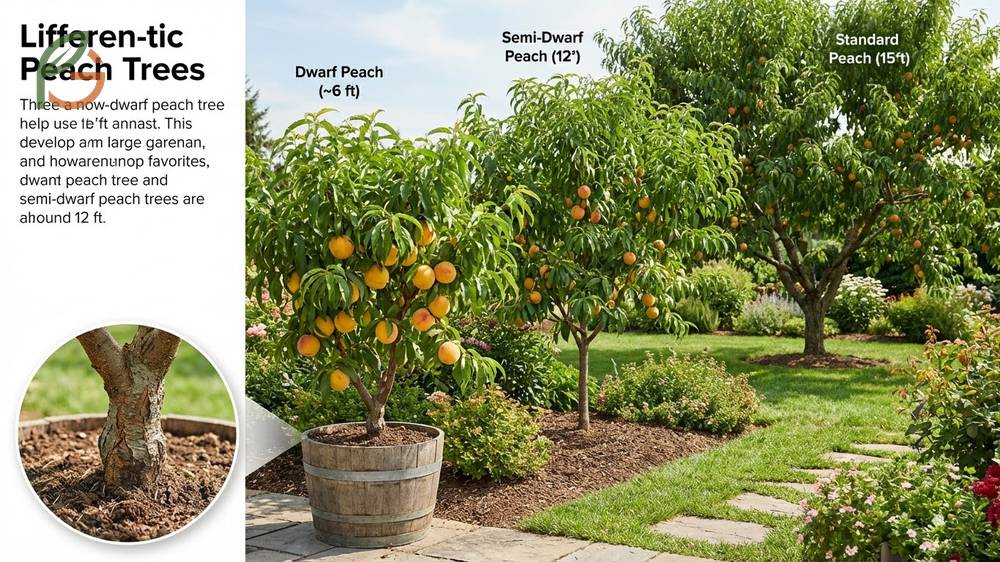
Dwarf peach tree varieties reach mature heights of 6-10 feet (1.8-3m) compared to standard trees that grow 12-15 feet tall (3.6-4.5m).[3] The size reduction comes from specialized rootstocks rather than genetic dwarfism in the fruit-bearing portion. You’ll get full-sized peaches on a compact tree that fits in smaller yards and containers.
Semi-dwarf varieties fall between dwarf and standard sizes, typically reaching 10-14 feet at maturity. These middle-ground options work well when you want easier harvest access than standard trees provide but more production capacity than true dwarfs offer.
Dwarf peach trees produce fruit 1-2 years sooner than standard varieties. My neighbor in Querétaro, Mexico tried this in April 2023 with 5 ‘Bonanza’ dwarf peach trees—80% produced fruit by year two versus the 50% average for standard-sized young trees. Their compact size makes pruning, pest management, and harvest dramatically easier while delivering comparable fruit quality.
- Fit easily in small yards, raised beds, or large containers on patios
- Allow harvesting all fruit without ladders or special equipment
- Enable closer planting for higher yield per square foot
- Begin producing fruit sooner than standard-sized trees
- Simplify pruning, spraying, and netting against birds or weather
- Make it possible to grow multiple varieties in limited space
Popular dwarf varieties include ‘Bonanza’ (grows in containers), ‘Pixzee’, and dwarf versions of ‘Elberta’. You’ll find these labeled by rootstock type at nurseries, with designations indicating their mature size and growth characteristics.
Full Grown Peach Tree Size
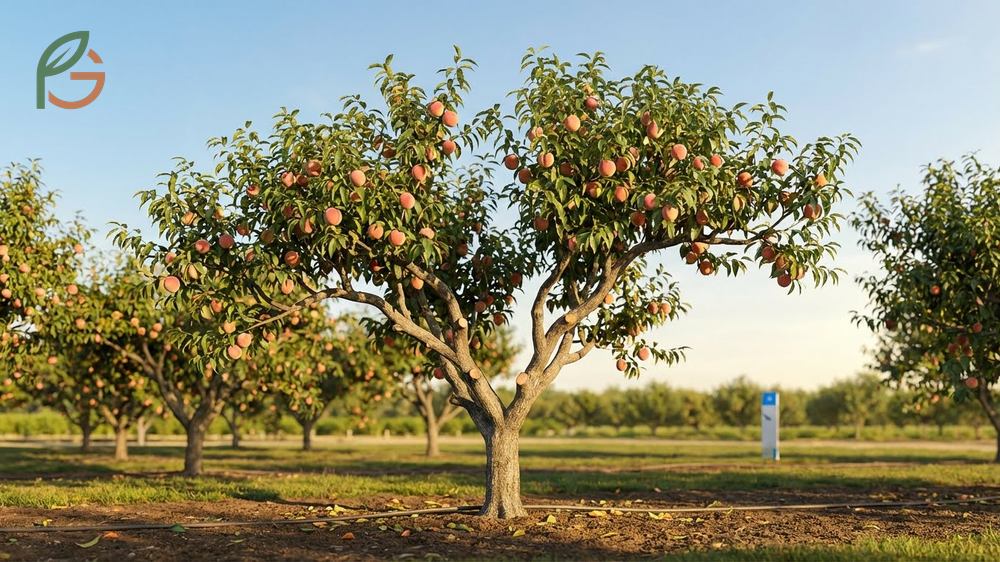
A full grown peach tree reaches 12-15 feet tall and wide (3.6-4.5m) when grown as a standard variety, which is smaller than most other fruit tree species.[3] This compact natural habit makes peaches more manageable than apples or pears that can tower 25+ feet if left unpruned. The spreading growth pattern creates a wide canopy that’s easy to access during harvest.
Growth rate depends heavily on rootstock selection, pruning practices, and growing conditions. Trees typically reach their mature size within 4-6 years after planting. Proper annual pruning keeps productive wood accessible while maintaining the tree at your desired height.
Semi-dwarf peach trees on specialized rootstocks mature at 10-14 feet, while dwarf varieties stay 6-10 feet tall. Fan-trained peaches grown against walls can spread 11-16 feet wide (3.5-5m) while maintaining heights under 8 feet through strategic pruning techniques.
Conclusion
The evidence is clear: choosing the right types of peach trees depends on your climate zone, available space, and how you plan to use the fruit. Freestone varieties excel for fresh eating, white-fleshed types deliver superior sweetness, and cold-hardy selections make northern peach growing possible. Current guidance emphasizes matching variety characteristics to your specific needs rather than following generic recommendations.
Start by assessing your hardiness zone and space constraints, then select from freestone or clingstone types based on your intended uses. FruitGarden provides detailed variety guides and growing resources to help you establish productive peach trees that deliver abundant harvests for decades.
Frequently Asked Questions
What Is a Freestone Peach?
A freestone peach is a variety where the pit separates cleanly from the flesh when you cut the fruit in half.[1] This makes them ideal for fresh eating, slicing, and preparing for dehydration or freezing since you don’t need to carve the flesh away from the stone.
Do White Peaches Taste Different Than Yellow Peaches?
Yes, white peaches taste noticeably sweeter than yellow peaches because they contain lower acid levels.[2] The reduced acidity allows natural sugars to dominate, creating a milder, more delicate flavor profile. Yellow peaches have more tang from higher acid content, delivering a balanced sweet-tart taste.
How Big Does a Full Grown Peach Tree Get?
Standard full grown peach trees reach 12-15 feet tall and wide (3.6-4.5m), making them smaller than most other fruit tree species.[3] Dwarf varieties stay 6-10 feet (1.8-3m), while semi-dwarf types grow 10-14 feet at maturity. Trees reach full size within 4-6 years after planting.
What Are Cling Peaches Used For?
Cling peaches work best for canning, cooking, and making preserves where you need soft, juicy texture. Their flesh clings stubbornly to the pit, making them messier for fresh eating but perfect for applications where the fruit gets processed. Most canned peaches in supermarkets come from clingstone varieties.
Which Peach Trees Are Cold Hardy?
Cold hardy peach trees like ‘Contender’, ‘Reliance’, ‘Intrepid’, and ‘Frost’ tolerate temperatures down to -20°F (-28°C) in Zone 4 gardens.[4] These varieties are late-blooming types that avoid spring frost damage better than standard peach trees, making them suitable for northern climates.
What’s the Difference Between Nectarine and Peach Trees?
The main difference between nectarine and peach trees is the fruit skin texture—nectarines have smooth, waxy skin while peaches have fuzzy skin. Otherwise, they’re nearly identical in growing requirements, tree appearance, and flavor profiles. Both can be found as freestone or clingstone varieties with white or yellow flesh.
How Do I Tell Apricot Trees From Peach Trees?
Apricot trees have flowers that grow directly on branches with no visible stems, while peach flowers grow on short stems. Peach blossoms show pink to crimson colors, whereas apricot flowers are white with pink sepals. The fruit stones also differ—peach pits have deep wavy grooves while apricot stones are smooth.





