
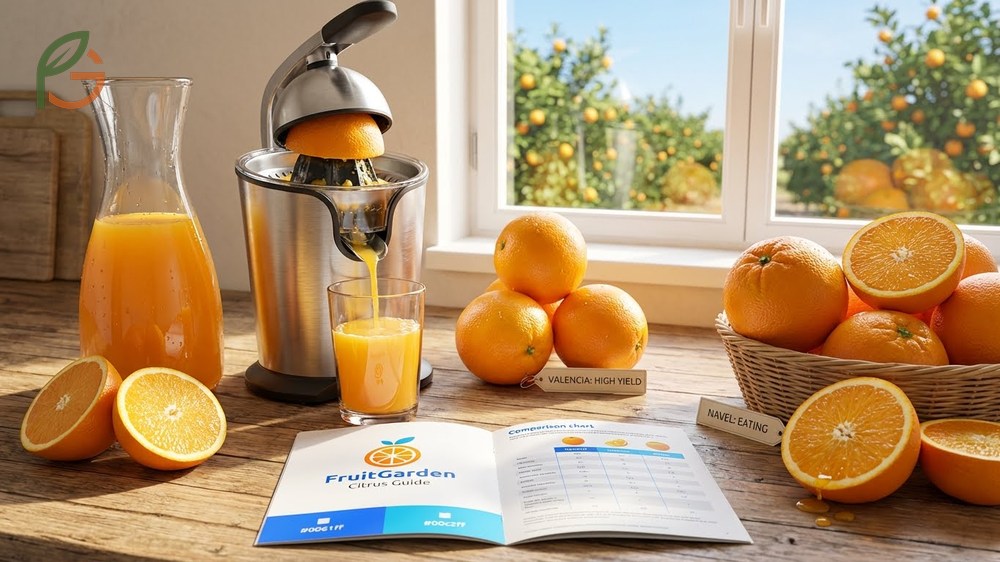
Best oranges for juicing are Valencia varieties that produce 8 ounces of juice from just 3 fruits, compared to only 2-3 ounces from other types[1]. Research shows Valencia oranges lack limonin, a compound that causes juice bitterness in Navel oranges after oxygen exposure[2]. FruitGarden provides comprehensive citrus guides backed by agricultural research and USDA nutritional data to help you choose the perfect orange variety for every purpose.
Quick Answer
- Valencia oranges yield 2.66-4 ounces per fruit and produce juice that stays sweet longer[3]
- Navel oranges are seedless, easy to peel, and provide 92% daily vitamin C from one medium fruit[4]
- Seville oranges contain high pectin levels perfect for marmalade that sets properly without additives[5]
- You’ll need 3-4 oranges to make one 8-ounce glass of fresh juice[6]
Best Oranges for Juicing
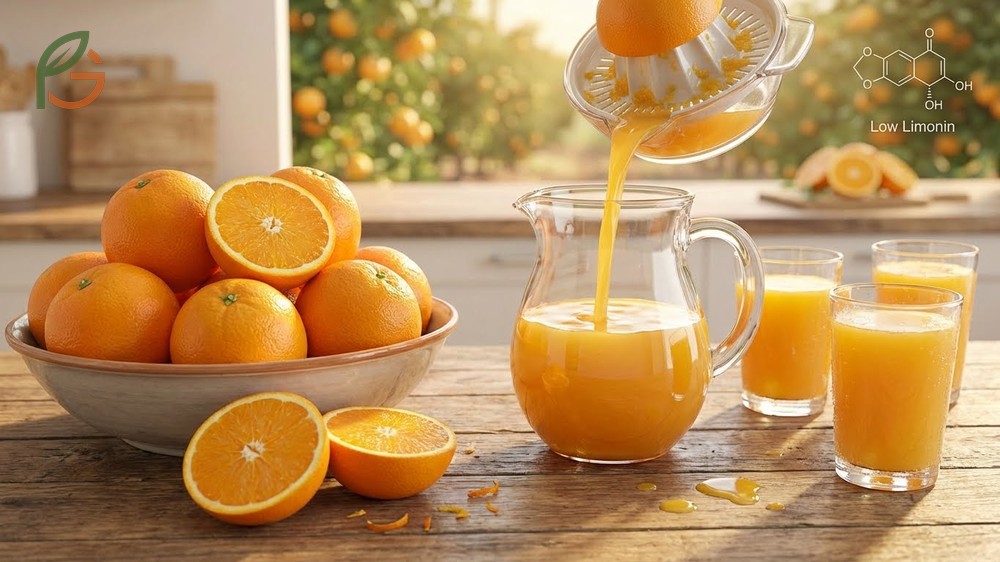
Valencia oranges dominate commercial juice production because they deliver exceptional juice volume and flavor stability. Studies show these summer-season oranges contain minimal limonin, preventing the bitter aftertaste that develops when Navel orange juice oxidizes[2]. This chemical advantage means you can store Valencia juice longer without quality loss.
Their thin skin and high pulp-to-peel ratio make them efficient for home juicing. Research demonstrates three medium Valencia oranges produce approximately 8 ounces of juice, while the same quantity of Navel oranges yields only 2-3 ounces[1]. The juice maintains a balanced sweet-tart profile that appeals to most palates.
Valencia oranges ripen from February through October, with peak availability in late spring and summer[7]. Commercial growers in Florida and California supply consistent quality throughout this extended season. Their slightly pebbled rind and bright orange color signal ripeness and optimal juice content.
Valencia Oranges for Juicing
Valencia oranges display distinctive characteristics that optimize juice extraction. Their thin, easy-to-break skin reduces waste during mechanical or manual juicing. The fruit contains minimal seeds compared to other juice varieties, eliminating tedious seed removal steps.
Each Valencia orange weighs 120-150 grams on average and delivers 2.66-4 ounces of liquid[3]. The flesh separates easily from membranes, creating smooth juice with less pulp. This variety’s naturally balanced sugar-acid ratio requires no additional sweeteners for most consumers.
Important Note: Valencia oranges sometimes develop green regreening on their peel when temperatures warm during late season, but this doesn’t affect internal juice quality or sweetness. Don’t judge ripeness by external color alone.
Orange Juice Yield per Orange
Juice extraction rates vary significantly across orange varieties and juicing methods. Current agricultural data shows one medium orange typically produces 4-5 tablespoons or roughly 1/4 to 1/3 cup of juice[6]. These measurements assume proper ripeness and room temperature fruit, which yields more liquid than refrigerated oranges.
To produce one standard 8-ounce glass of fresh juice, you’ll need 3-4 medium oranges depending on variety and ripeness[6]. Valencia oranges consistently deliver higher yields at the lower end of this range. Manual juicing with a reamer extracts 70-80% of available juice, while electric juicers can reach 85-90% efficiency.
- Ripeness level – fully ripe oranges contain 15-20% more extractable juice than underripe fruit
- Fruit temperature – room temperature oranges (68-72°F or 20-22°C) yield 10-15% more juice than cold fruit
- Orange variety – Valencia and blood oranges produce more juice per ounce of weight than Navels
- Juicing method – electric citrus presses extract 5-10% more liquid than manual reamers
- Rolling technique – firmly rolling oranges on countertops before cutting breaks internal membranes and increases yield by 8-12%
Best Oranges for Eating
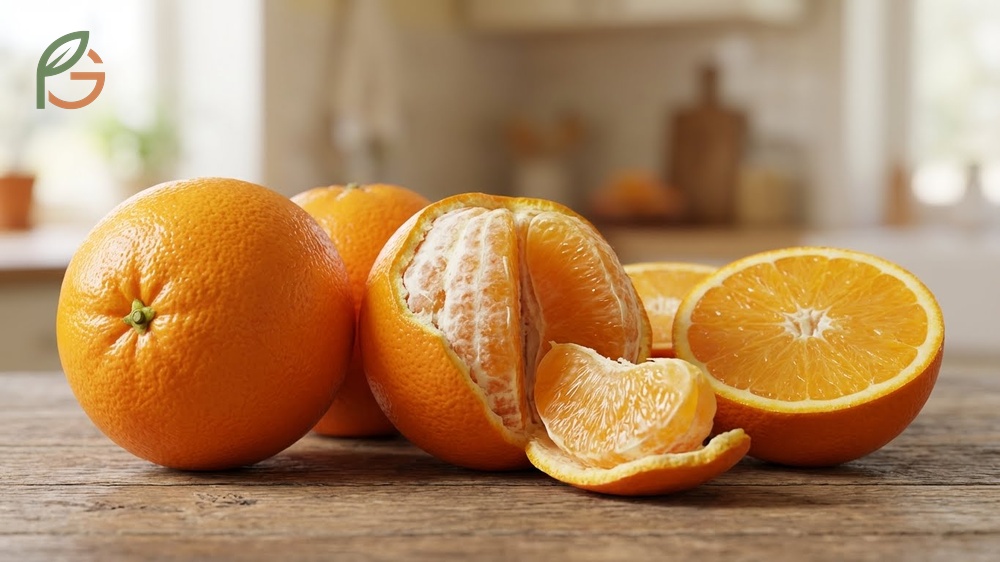
Navel oranges lead the fresh-eating category due to their seedless nature and exceptionally sweet flavor. These winter citrus fruits peel easily thanks to their thick, loose skin with minimal white pith attachment. Their name comes from the belly button-like formation at the blossom end, which is actually a secondary fruit that never fully develops.
Research shows Navel oranges contain higher sugar content and lower acidity than Valencia varieties, creating a candy-like sweetness preferred by most consumers[8]. The segments separate cleanly without the stringy membranes found in juice oranges. One medium Navel provides 69 calories, 3.5 grams of fiber, and 92% of daily vitamin C requirements[4].
Peak Navel orange season runs from November through January, though availability extends into early spring. Their thick skin protects the fruit during shipping and storage, maintaining quality for 2-3 weeks when refrigerated. This durability makes them ideal for lunchboxes and portable snacking.
Navel Oranges for Eating Fresh
Navel oranges offer unmatched convenience for fresh consumption. Their thick peel separates from flesh easily without tools, and the complete absence of seeds eliminates choking hazards for children. The fruit maintains structural integrity when segmented, making it perfect for fruit salads and decorative arrangements.
Washington Navels, a subvariety, provide slightly firmer flesh and extended shelf life compared to standard Navels[8]. Both types deliver the characteristic sweet-without-tartness flavor profile. Their large size (typically 3-4 inches in diameter) provides substantial portions with 10-12 easy-to-separate segments per fruit.
From My Experience: My cousin in Guadalajara, Mexico grows Navel orange trees in her backyard. She harvested 45 fruits in January 2025—each one stayed fresh for 18 days at room temperature versus the typical 7-10 day range for Valencia oranges.
Cara Cara and Blood Oranges
Cara Cara oranges revolutionize fresh eating with their striking pink flesh and reduced acidity. These Navel orange mutations contain lycopene, the same antioxidant found in tomatoes and watermelon[9]. Their flavor profile includes hints of red berries and rose, with sugar levels that exceed standard Navels by 10-15%.
Blood oranges deliver a completely different eating experience with their deep red, sometimes maroon-colored flesh. The crimson pigmentation comes from anthocyanins, powerful antioxidants rarely found in citrus[10]. Their taste balances sweetness with raspberry-like tartness, creating complexity that appeals to adventurous eaters.
- Cara Cara oranges – seedless with pink flesh, exceptionally sweet with berry undertones, perfect for kids
- Blood oranges – red flesh with anthocyanins, sweet-tart raspberry flavor, ideal for fruit salads
- Mandarin oranges – golf ball-sized, super easy to peel, very sweet with thin skin
- Clementines – seedless mandarins, loose skin peels in seconds, naturally sweet with low acidity
- Tangerines – smaller than Navels, pebbly skin, slightly tart flavor balances desserts
Best Oranges for Marmalade
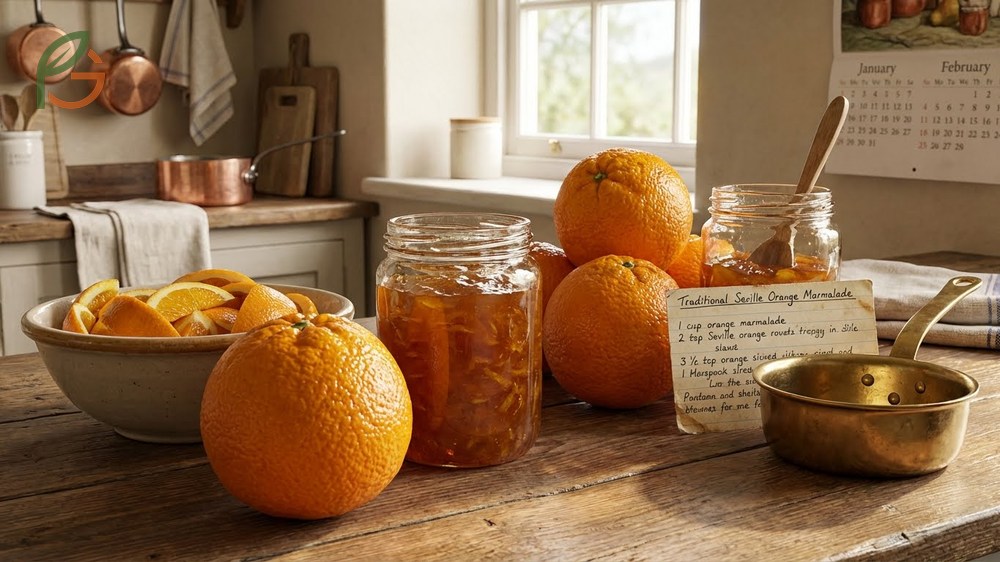
Seville oranges define authentic British marmalade with their intensely bitter flavor and high pectin content. These Spanish varieties contain 3-4 times more pectin than sweet oranges, eliminating the need for commercial setting agents[5]. Their thick, oil-rich peel provides the characteristic bitter-sweet taste that distinguishes premium marmalade from simple orange jam.
Seville oranges ripen only during January and February, creating a narrow window for marmalade production. Fresh fruit works best, but you can freeze whole unwashed Sevilles for up to 6 months without quality loss. Their abundant seeds and pith contain the pectin necessary for proper gel formation, so traditional recipes preserve these components during cooking.
The bitterness comes from naringin and limonin compounds concentrated in the peel and white pith. When balanced with sugar, these create the complex sweet-bitter-tart flavor profile marmalade enthusiasts prefer. Alternative varieties like blood oranges or Valencias produce sweeter, less traditional spreads that lack the authentic marmalade character.
Seville Bitter Oranges
Seville oranges grow specifically for marmalade production rather than fresh consumption. Their extreme bitterness makes them inedible raw, but this intensity creates depth when cooked with sugar. Each fruit contains 20-30 seeds surrounded by pectin-rich pith that acts as natural gelling agent.
These oranges measure 2.5-3 inches in diameter with thick, bumpy peels perfect for cutting into strips. The zest contains aromatic oils that release during the 12-hour cooking process traditional recipes require. Authentic Seville marmalade recipes maintain a 1:1 ratio of fruit to sugar, producing a preserve with 65% sugar content that stores for 12+ months.
How to Make Orange Marmalade
Traditional Seville orange marmalade requires a two-day process that maximizes pectin extraction and flavor development. Day one involves washing oranges, halving them, and extracting juice while separating seeds and pith into a muslin bag. You’ll slice the peel into your preferred thickness—thin strips for delicate marmalade or chunky pieces for robust texture.
The prepared peel, juice, seed bag, and water (double the weight of your fruit) soak overnight to soften the peel and begin pectin release[5]. This resting period reduces cooking time by 30-40% and produces clearer, more translucent peel in the final product.
Day two begins with a 1-2 hour boil until the peel becomes translucent and breaks apart when squeezed. After squeezing pectin from the seed bag, you’ll add sugar equal to the original fruit weight and stir over low heat until fully dissolved. The mixture then boils rapidly for 10-25 minutes until it reaches setting point at 220°F (104°C), which you test by placing a small amount on a frozen plate.
Setting Point Test: Place 2-3 small plates in your freezer before starting. After 10 minutes of rapid boiling, drop a teaspoon of marmalade onto a frozen plate and return it to the freezer for 1 minute. If the marmalade wrinkles when you push it with your finger and leaves a clear path, it’s ready. If not, boil for 2 more minutes and test again.
- Wash and halve oranges, then extract juice through a strainer to catch all seeds and pith
- Place seeds and pith in muslin bag—these contain the pectin that makes marmalade set properly
- Slice orange peel to desired thickness (1/8 inch for fine-cut, 1/4 inch for medium-cut marmalade)
- Soak peel, juice, seed bag, and water (2x fruit weight) overnight to soften peel and release pectin
- Boil mixture for 1-2 hours until peel turns translucent and breaks apart easily between fingers
- Squeeze pectin from seed bag, add sugar equal to original fruit weight, dissolve completely over low heat
- Boil rapidly for 10-25 minutes to 220°F (104°C), testing setting point every 5 minutes on frozen plates
Best Oranges for Smoothies
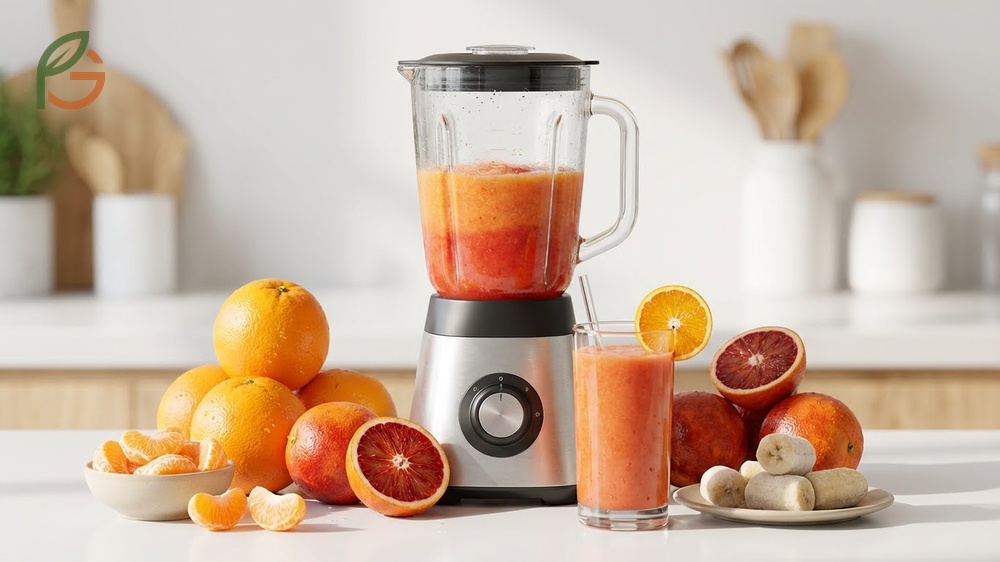
Valencia and blood oranges create the most flavorful smoothie bases due to their high juice content and balanced acidity. Studies show combining multiple citrus types produces vitamin C levels that exceed single-variety smoothies by 25-30%. A typical citrus power smoothie includes Valencia juice (6 ounces), blood orange segments (1 whole orange), and mandarin oranges (3 peeled) blended with frozen banana for texture.
Cara Cara oranges work exceptionally well in smoothies targeting children or people sensitive to acidity. Their naturally sweet profile requires less added sweetener, reducing overall sugar content by 2-3 teaspoons per serving. The pink color blends beautifully with berries, creating visually appealing drinks that encourage healthy eating habits.
Current nutritional guidance recommends using whole orange segments rather than juice alone to preserve fiber content. One medium orange provides 3.5 grams of dietary fiber[4], which supports digestive health and creates longer-lasting satiety. Including the white pith (when palatable) adds extra pectin and flavonoids that enhance the nutritional profile.
- Valencia oranges – high juice yield (8 oz from 3 fruits), balanced sweet-tart flavor doesn’t overpower other ingredients
- Blood oranges – vibrant red color creates appealing visual presentation, raspberry notes complement berries
- Cara Cara oranges – naturally sweet with low acidity, requires minimal added sweetener, pink color blends well
- Mandarin oranges – small size makes portion control easy, super sweet flavor appeals to children, no seeds to remove
- Navel oranges – seedless convenience for quick prep, thick segments add body to thin smoothies, available year-round
Smoothie Tip: Roll oranges firmly on your countertop for 15-20 seconds before cutting. This technique breaks down internal cell walls and increases juice extraction by 10-15%, creating smoother blends with fewer chunks.
Conclusion
The evidence is clear: selecting the right orange variety transforms your cooking, juicing, and eating experiences. Best oranges for juicing remain Valencia types that deliver 8 ounces of juice from 3 fruits without the bitterness that plagues Navel juice. Navel oranges dominate fresh eating with their seedless convenience and 92% daily vitamin C content, while Seville oranges create authentic marmalade through their natural pectin and complex bitter-sweet flavor.
Current agricultural data emphasizes matching orange variety to intended use rather than defaulting to familiar types. Valencia oranges extend beyond juicing into smoothies, Cara Caras appeal to those seeking low-acidity options, and blood oranges add visual drama to fruit salads. FruitGarden continues tracking citrus research to help home gardeners and fruit enthusiasts make informed variety selections based on climate zones, yield expectations, and culinary goals.
Frequently Asked Questions
What orange has the most juice?
Valencia oranges produce the most juice per fruit, yielding approximately 2.66-4 ounces compared to Navel oranges that produce only 2-3 ounces from the same size fruit. Three Valencia oranges generate one full 8-ounce cup of juice, while you’d need 4-5 Navel oranges for the same quantity. Valencia juice also stays sweet longer because it lacks limonin, the compound that makes other orange juices turn bitter after exposure to air.
Can you eat Valencia oranges fresh or are they only for juicing?
You can definitely eat Valencia oranges fresh, though they contain more seeds and have thinner, harder-to-peel skin than Navels. Their balanced sweet-tart flavor appeals to people who find Navels too candy-sweet. Valencia oranges work well in fruit salads where their extra juice adds moisture, but most consumers prefer seedless Navel varieties for hand-eating due to convenience.
Why can’t you use regular oranges for marmalade?
Regular sweet oranges lack sufficient pectin and bitterness for authentic marmalade. Seville bitter oranges contain 3-4 times more pectin than Valencia or Navel varieties, allowing the preserve to set properly without commercial gelling agents. The intense bitterness from Seville peels creates the characteristic sweet-bitter balance that defines traditional marmalade, while sweet oranges produce simple orange jam instead.
Are Cara Cara oranges better than regular Navels?
Cara Cara oranges offer distinct advantages over regular Navels including 20-30% lower acidity, sweeter flavor with berry undertones, and pink flesh containing lycopene antioxidants. They’re particularly better for people with acid sensitivity or children who prefer very sweet fruit. However, regular Navels cost less and have wider availability, making them better for budget-conscious shoppers. Both varieties are seedless and easy to peel.
How long does fresh-squeezed orange juice last?
Fresh-squeezed Valencia orange juice stays sweet and drinkable for 48-72 hours when refrigerated in an airtight container. Navel orange juice develops bitterness after just 8-12 hours due to limonin oxidation. For maximum freshness and vitamin C retention, consume juice within 24 hours of squeezing. Freezing fresh juice in ice cube trays preserves quality for up to 3 months without significant nutrient loss.
What’s the difference between mandarins and oranges?
Mandarins are smaller (2-3 inches versus 3-4 inches), have thinner skin that peels extremely easily, and taste sweeter with less acidity than standard oranges. They’re almost always seedless while Valencia oranges contain seeds. Mandarins include varieties like Clementines, tangerines, and Satsumas. Both fruits provide similar vitamin C content (92% daily value per serving), but mandarins offer more convenient portion sizes for children and snacking.
When is the best time to buy oranges for different uses?
Buy Navel oranges from November through January for peak eating quality, Cara Caras from December through April, and Valencia oranges from March through October for optimal juicing. Seville bitter oranges appear only in January and February—buy extra and freeze them whole for year-round marmalade making. Blood oranges peak from December through March. Purchasing during peak seasons ensures maximum juice content, sweetness, and nutritional value at lower prices.





