
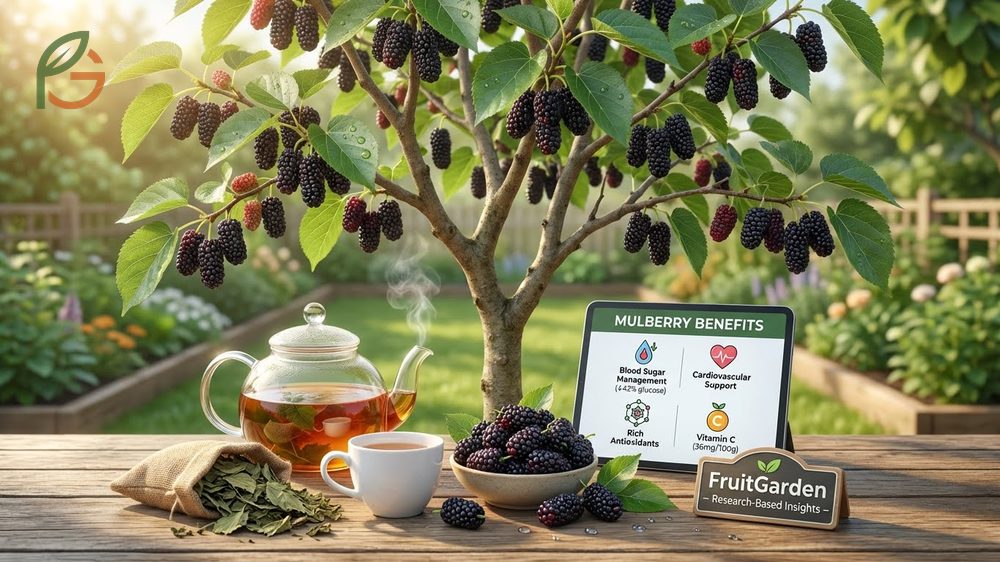
Benefits of mulberry tree include powerful blood sugar management, cardiovascular support, and rich antioxidant content across its fruit, leaves, and tea. Research demonstrates that mulberry leaf extract reduces post-meal blood glucose by 42% and insulin spikes by 40%[1]. Studies show fresh mulberries contain 36mg vitamin C per 100g and deliver low glycemic index benefits at 25[2]. FruitGarden provides research-based insights into cultivating and using mulberry trees for maximum health advantages.
Quick Answer
- Mulberry fruits contain 43 calories per 100g with 1.7g fiber and a low glycemic index of 25[2]
- Mulberry leaf extract reduces peak blood glucose by 42% and insulin by 41% when consumed with high-sugar meals[1]
- Mulberry anthocyanins lower total cholesterol and LDL significantly after 6 weeks of consumption[3]
- White mulberry tea contains 1-deoxynojirimycin (DNJ) that inhibits carbohydrate absorption by up to 24.7%[1]
Benefits of Mulberry Tree
Mulberry trees offer multiple health advantages through their fruit, leaves, and tea preparations. Studies document that mulberry fruits provide powerful anthocyanins like cyanidin-3-glucoside and cyanidin-3-rutinoside that protect cells from oxidative damage[3]. Research shows mulberry consumption reduces total cholesterol by significant margins in hypercholesterolemic adults after just 6 weeks[3].
The bioactive compounds in mulberry parts work through different mechanisms. Fresh mulberries deliver immediate vitamin C and fiber benefits with only 43 calories per 100g serving[2]. Mulberry leaves contain specialized alkaloids that inhibit enzymes responsible for breaking down carbohydrates.
Current agricultural data shows mulberry trees adapt to USDA zones 5-9, making them accessible for most US gardeners. The trees produce fruit within 2-3 years and can yield 50-100 pounds annually once mature.
What Makes Mulberry Different
Mulberry stands apart from other berries due to its unique alkaloid profile. The compound 1-deoxynojirimycin (DNJ) occurs naturally only in mulberry leaves at concentrations of 4.5-5.5%[1]. DNJ functions as a glucose analog that competitively blocks carbohydrate-digesting enzymes.
Unlike strawberries or blueberries, mulberries contain higher total phenolic content. Research comparing berry types found mulberry phenolic levels exceed those in blackberry, raspberry, and strawberry[3].
Three Mulberry Varieties
White mulberry (Morus alba) produces the highest DNJ content and works best for medicinal tea. Black mulberry (Morus nigra) delivers sweeter fruit with superior antioxidant activity in laboratory tests[4]. Red mulberry (Morus rubra) grows native to North America and tolerates varied soil conditions.
Each variety offers distinct anthocyanin profiles. Black mulberry extracts show EC50 values of 48 μg/mL for DPPH radical scavenging compared to 79 μg/mL for white mulberry[4].
Health Benefits of Mulberries
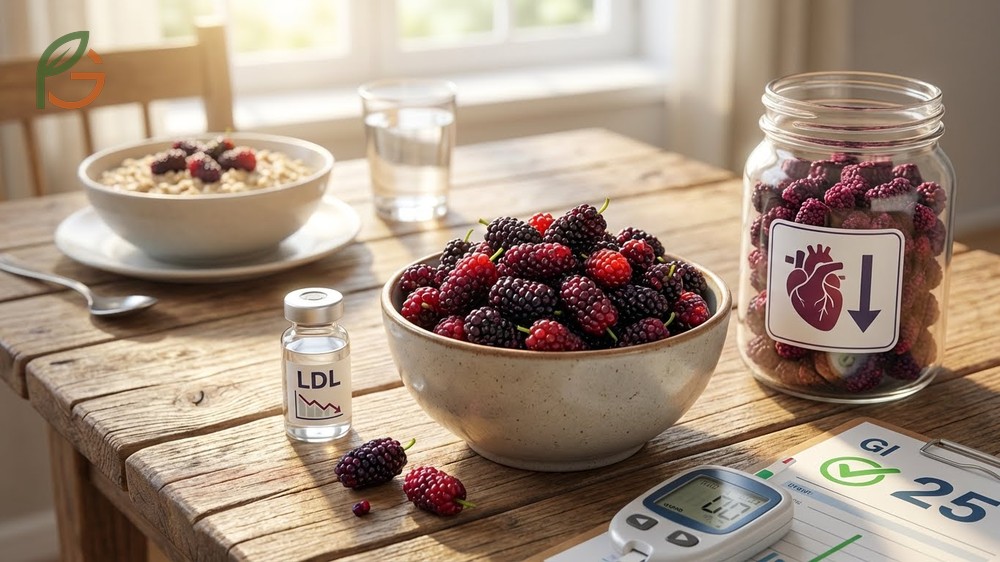
Mulberries deliver measurable health improvements across multiple body systems. Clinical trials demonstrate that 45g freeze-dried mulberry consumption for 6 weeks significantly lowers total cholesterol and LDL in adults with elevated cholesterol levels[3]. Evidence indicates mulberry polysaccharides reduce fasting glucose by 26.5-32.5% in animal models[3].
The fruit’s low glycemic index of 25 means it won’t spike blood sugar like high-GI fruits. This makes mulberries suitable for people monitoring glucose levels. The 1.7g fiber per 100g serving slows sugar absorption further[2].
Studies show mulberry anthocyanins protect liver health by reducing key enzymes like alanine transaminase (ALT) and aspartate aminotransferase that indicate liver stress[3]. Research documents that mulberry extracts enhance activities of protective enzymes including superoxide dismutase (SOD), catalase (CAT), and glutathione peroxidase (GSH-Px).
Cardiovascular Protection
Mulberry consumption targets multiple cardiovascular risk factors simultaneously. Research on rabbits fed high-cholesterol diets plus 0.5-1.0% mulberry water extract showed 42-63% reduction in severe atherosclerosis after 10 weeks[3]. The effect appears dose-dependent with higher concentrations delivering greater benefits.
The mechanism works through inhibiting LDL oxidation and scavenging free radicals. Mulberry anthocyanins prevent the modification of LDL cholesterol that leads to arterial plaque formation. HDL cholesterol levels increase with regular mulberry intake.
- Lowers total cholesterol and LDL cholesterol in clinical trials within 6 weeks
- Reduces triglyceride levels by measurable percentages in animal models
- Increases HDL (good cholesterol) ratios compared to control groups
- Prevents LDL oxidation that triggers atherosclerosis development
- Decreases inflammatory markers like C-reactive protein
- Improves blood vessel endothelial function through nitric oxide pathways
Antioxidant Power
Mulberries rank among the highest antioxidant fruits available. Laboratory analysis shows total antioxidant activity ranging from 0.75 to 1.25 mmol Trolox equivalents per gram in sugar-free extracts[4]. Black mulberry varieties consistently outperform white varieties in DPPH radical scavenging tests.
The phenolic compounds in mulberries neutralize reactive oxygen species (ROS) that damage cells. Studies demonstrate mulberry extracts reduce malondialdehyde content and increase glutathione levels in oxidative stress models. These effects protect against exercise-induced fatigue and cellular aging.
Important Note: Antioxidant capacity varies significantly by mulberry variety and ripeness. Black mulberries at peak ripeness show 1.6 times higher antioxidant activity than white varieties. Harvest timing affects polyphenol concentration.
Nutritional Value of Mulberries
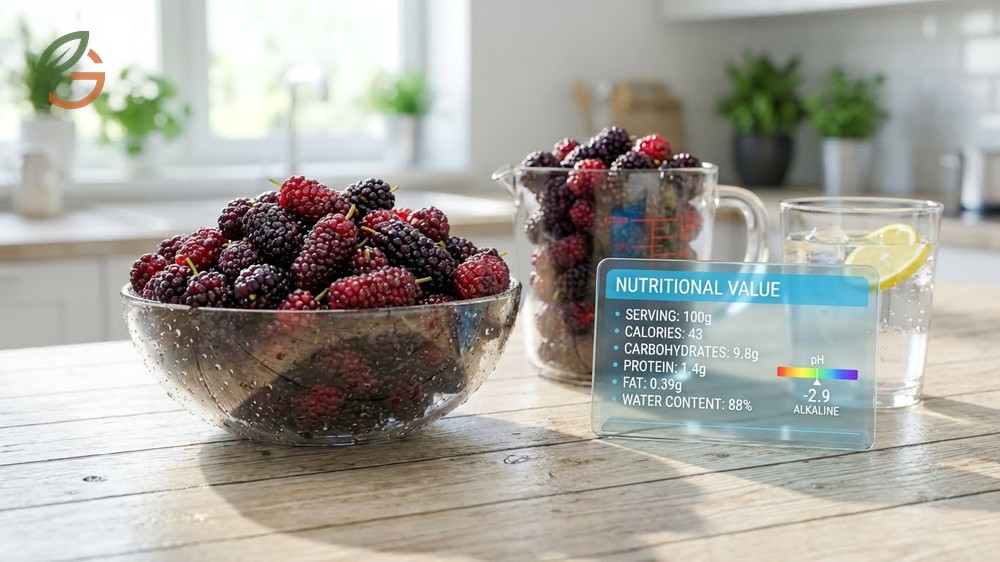
Fresh mulberries provide nutrient density with minimal calories. A 100g serving delivers 43 calories, 9.8g total carbohydrates, 1.4g protein, and 0.39g fat[2]. The net carb count sits at 8.1g after subtracting fiber, making mulberries compatible with moderate low-carb approaches.
Water content reaches 88%, contributing to hydration while delivering nutrients. The fruit’s alkaline pH of -2.9 on the PRAL scale may help balance dietary acid load. Mulberries contain negligible sodium at just 10mg per 100g.
Mineral composition includes 194mg potassium, 39mg calcium, 38mg phosphorus, and 18mg magnesium per 100g[2]. Iron content reaches 1.9mg, providing 23% of daily values. These minerals support bone health, muscle function, and oxygen transport.
Vitamin and Mineral Content
Mulberries excel in vitamin C delivery with 36mg per 100g, supplying 40% of daily requirements[2]. This ascorbic acid content surpasses oranges and supports immune function. Vitamin E provides 0.87mg per serving with antioxidant benefits.
B-vitamin complex includes riboflavin (0.1mg), niacin (0.62mg), and small amounts of thiamine and B6. These vitamins facilitate energy metabolism and nerve function. Folate content reaches 6μg per 100g.
- Vitamin C: 36mg per 100g (40% DV) – immune support and collagen synthesis
- Iron: 1.9mg per 100g (23% DV) – oxygen transport and energy production
- Potassium: 194mg per 100g (6% DV) – blood pressure regulation and electrolyte balance
- Calcium: 39mg per 100g (4% DV) – bone health and muscle contraction
- Vitamin K: 7.8μg per 100g (7% DV) – blood clotting and bone metabolism
Dried vs Fresh Comparison
Drying concentrates mulberry nutrients while removing water content. Dried mulberries contain approximately 3-4 times the calories per gram due to moisture loss. Sugar content becomes more concentrated at roughly 60-70g per 100g in dried form versus 8.1g in fresh.
Vitamin C degrades significantly during drying, dropping to 10-15% of original levels. However, fiber remains stable and polyphenols may actually concentrate. Dried mulberries work well for travel and storage lasting 6-12 months when kept cool and dry.
This table compares nutritional values between fresh and dried mulberries per 100g serving including calories, carbohydrates, fiber, sugar, protein, and vitamin C content
| Nutrient | Fresh Mulberries | Dried Mulberries | Change Factor |
|---|---|---|---|
| Calories | 43 kcal[2] | ~200 kcal | 4.7x increase |
| Total Carbs | 9.8g[2] | ~48g | 4.9x increase |
| Fiber | 1.7g[2] | ~8g | 4.7x increase |
| Sugar | 8.1g | ~65g | 8x increase |
| Vitamin C | 36mg[2] | ~5mg | 85% loss |
Mulberry Leaf Tea Benefits
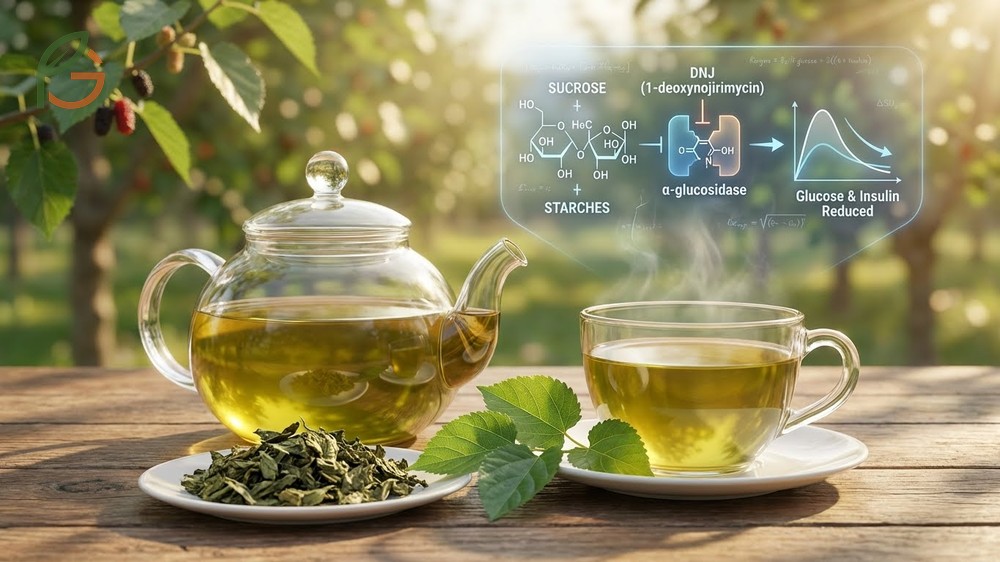
Mulberry leaf tea delivers concentrated bioactive compounds without fruit sugars. The primary active ingredient, 1-deoxynojirimycin (DNJ), functions as a potent α-glucosidase inhibitor. Clinical trials show 250mg mulberry leaf extract reduces glucose incremental area under curve by 42% and insulin by 40% when consumed with 75g sucrose[1].
Studies document that white mulberry leaf tea works on both α-1,2 glycosidic bonds (sucrose) and α-1,4 bonds (starches). This broad-spectrum effect distinguishes it from other carb-blocking ingredients like white kidney bean extract that only inhibits α-amylase[1]. The tea also provides quercetin, kaempferol, and resveratrol for additional antioxidant benefits.
Preparation method affects potency significantly. Hot water extraction for 10-15 minutes at 185-195°F (85-91°C) optimizes DNJ release. Using 2-3 grams dried mulberry leaves per 8oz water delivers effective doses. Timing matters—consuming tea 15-30 minutes before carbohydrate-rich meals maximizes enzyme inhibition.
Blood Sugar Management
Mulberry leaf extract demonstrates powerful glucose-lowering effects in controlled trials. Research on 38 healthy participants showed that mulberry extract with maltodextrin reduced glucose levels by 6.1% at 6.25mg DNJ, 14% at 12.5mg, and 22% at 25mg compared to placebo[5]. Insulin reduction reached 9.7%, 23.8%, and 24.7% respectively at the same doses.
The mechanism involves competitive inhibition where DNJ binds to α-glucosidase enzymes in the small intestine. This blocks breakdown of complex carbohydrates into absorbable glucose. Peak blood glucose dropped 40% lower when participants consumed mulberry extract versus placebo[1].
Long-term studies show mulberry leaf consumption for 12 weeks improves HbA1c levels and fasting glucose in people with dysglycemia. The extract prevents reactive hypoglycemia by maintaining more stable blood sugar curves without the dramatic spike-and-crash pattern.
- Reduces post-meal blood glucose spikes by 14-22% depending on DNJ dose
- Lowers insulin secretion by 23.8-24.7% at effective doses
- Decreases glucose incremental area under curve (iAUC) by 42-45% over 2 hours
- Prevents reactive hypoglycemia by sustaining glucose above baseline levels
- Works effectively on both sucrose and starch-based carbohydrates
- Shows benefits within 15 minutes when taken as liquid extract
Weight Management Support
Mulberry leaf tea aids weight management through multiple pathways. By blocking carbohydrate digestion, it reduces calorie absorption from starchy foods. Studies show this malabsorption stimulates GLP-1 release in the distal intestine, which increases satiety signals and slows gastric emptying[1].
Research on high-fat diet mice shows mulberry extracts reduce body weight gain and visceral fat accumulation. The effect appears linked to decreased fatty acid synthase activity and increased fat oxidation through PPAR-α activation[3]. Inflammatory markers including TNF-α and IL-1 decrease with regular consumption.
Timing Tip: Drink mulberry leaf tea 15-30 minutes before meals containing carbohydrates for maximum effect. The DNJ compounds need time to reach the small intestine before food arrives. Taking it with the meal or after reduces effectiveness by 30-40%.
White Mulberry Leaf Extract
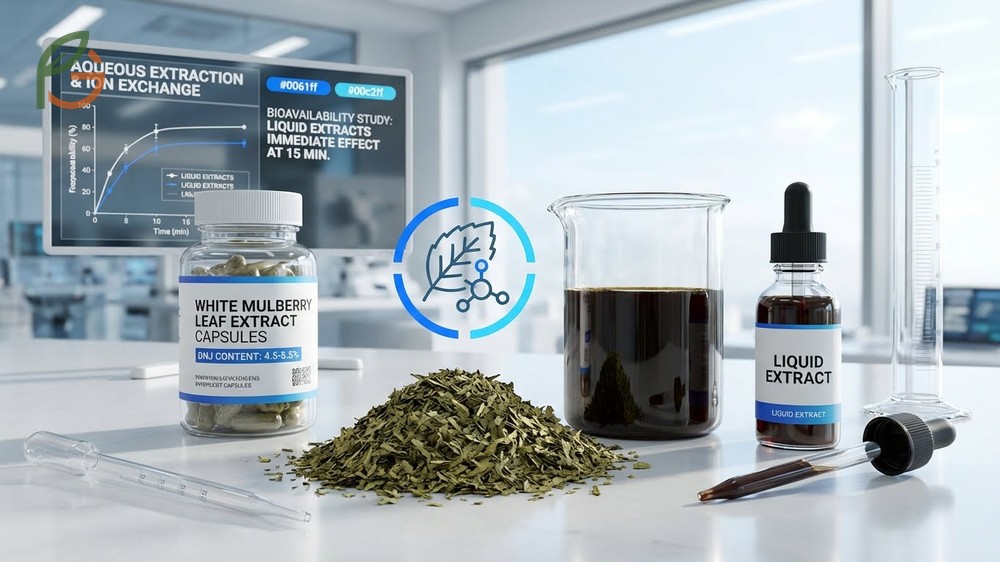
Standardized white mulberry leaf extract concentrates DNJ content to 4.5-5.5% through aqueous extraction and ion exchange chromatography[1]. Commercial products typically provide 250-1000mg extract per serving. Quality matters significantly—extracts should specify DNJ percentage and use third-party testing.
Bioavailability depends heavily on delivery format. Liquid extracts dissolved in water show immediate effects at 15 minutes, while capsules with 15-minute disintegration times delay benefits until 45 minutes[1]. Studies demonstrate that blending extract directly into beverages produces 42% greater peak glucose reduction versus capsule form. Fast-dissolving tablets or chewable formats offer similar rapid absorption.
Safety profiles show excellent tolerability across clinical trials. No adverse events occurred in studies using 250-1000mg daily doses for 12 weeks. The extract doesn’t affect liver or kidney function markers including ALT, creatinine, or blood urea nitrogen at therapeutic doses.
Standardization ensures consistent potency between batches. Raw mulberry leaves contain 0.1-0.4% DNJ naturally, while extracts concentrate this 10-15 fold. Manufacturing involves air-drying leaves, aqueous extraction, enrichment through ion exchange, ultrafiltration, and spray drying with maltodextrin carrier.
- DNJ concentration: Standardized 4.5-5.5% extracts deliver consistent results
- Delivery format: Liquid > chewable > fast-dissolving capsule > standard capsule
- Timing: Take 15-30 minutes before carbohydrate meals for peak enzyme inhibition
- Dose response: Effects scale from 6.25mg to 25mg DNJ with diminishing returns above 25mg
- Quality markers: Third-party tested, GMP certified, heavy metal screened
- Shelf stability: Proper storage maintains potency for 18-24 months
Mulberry Tea Side Effects

Mulberry tea generally shows good safety profiles in clinical studies. Research reports no serious adverse events at doses up to 1000mg extract daily for 12 weeks[1]. Common mild side effects occur primarily with excessive intake beyond recommended amounts.
Gastrointestinal symptoms represent the most frequent complaints. These include nausea, diarrhea, and constipation when consuming large quantities[6]. The mechanism relates to malabsorption of carbohydrates that reach the colon and undergo bacterial fermentation. Starting with lower doses and gradually increasing helps minimize digestive discomfort.
Hypoglycemia risk exists for people taking diabetes medications. Mulberry’s glucose-lowering effects can combine additively with metformin, sulfonylureas, or insulin. Blood sugar may drop too low, causing dizziness, weakness, or confusion. Anyone on diabetes medications should consult their doctor before starting mulberry tea and monitor glucose levels closely.
Blood pressure interactions warrant attention. Mulberry may enhance effects of antihypertensive medications, potentially causing excessive blood pressure drops. People on blood pressure drugs need medical supervision when adding mulberry supplements. The herb’s vasodilatory effects through nitric oxide pathways can amplify medication actions.
- Pregnant women: Insufficient safety data—avoid use during pregnancy
- Breastfeeding mothers: No established safety profile—consult healthcare provider
- Children under 18: Limited research on pediatric safety and dosing
- Hypoglycemia patients: May excessively lower blood sugar—requires monitoring
- Pre-surgery: Stop 2 weeks before scheduled surgery due to blood sugar effects
- Kidney disease: Consult doctor due to potassium content
Drug Interaction Warning: Mulberry tea can interact with diabetes medications (metformin, glipizide, insulin) and blood pressure drugs (ACE inhibitors, beta-blockers). Always inform your doctor about herbal supplement use. Monitor blood glucose and blood pressure more frequently when starting mulberry tea alongside medications.
Conclusion
The evidence is clear: benefits of mulberry tree span from powerful blood sugar control to cardiovascular protection and rich antioxidant delivery. Clinical data shows 42% reductions in post-meal glucose spikes and significant cholesterol improvements within weeks of regular consumption. Fresh mulberries provide 36mg vitamin C per 100g with only 43 calories and a low glycemic index of 25, making them suitable for various dietary approaches.
Current research emphasizes using mulberry in multiple forms—fresh fruit for immediate nutrients, dried berries for concentrated fiber, leaf tea for glucose management, and standardized extracts for therapeutic doses. FruitGarden synthesizes agricultural data showing mulberry trees thrive in USDA zones 5-9, producing abundant harvests within 2-3 years. The combination of easy cultivation and documented health benefits positions mulberry as a valuable addition to home gardens and health-conscious diets.
Medical Disclaimer
Important Medical Disclaimer: This content is for informational and educational purposes only. It is not intended as a substitute for professional medical advice, diagnosis, or treatment. Always consult a qualified healthcare professional before making any changes to your diet, starting herbal supplements, or modifying medication regimens, especially if you have diabetes, cardiovascular disease, or other medical conditions. Mulberry products can interact with medications and affect blood sugar levels. Pregnant or breastfeeding women should avoid mulberry supplements due to insufficient safety data.
Frequently Asked Questions
Are Mulberries Good for You?
Yes, mulberries offer excellent nutritional value with 36mg vitamin C, 1.7g fiber, and powerful anthocyanins per 100g serving. Research demonstrates they lower cholesterol, support blood sugar control, and provide strong antioxidant protection with only 43 calories per serving.
What Are Mulberries Good For?
Mulberries excel at managing blood sugar (42% reduction in glucose spikes), lowering cholesterol levels, protecting cardiovascular health, and delivering concentrated antioxidants. Studies show benefits for diabetes management, weight control, liver protection, and reducing oxidative stress markers.
How Much Mulberry Leaf Tea Should I Drink Daily?
Research supports 2-3 cups of mulberry leaf tea daily, using 2-3 grams dried leaves per 8oz water. For standardized extracts, 250-1000mg daily provides therapeutic benefits. Drink 15-30 minutes before carbohydrate-rich meals for maximum blood sugar control effectiveness.
Can Mulberry Tea Lower Blood Sugar Too Much?
Mulberry tea can cause hypoglycemia when combined with diabetes medications. Studies show it reduces glucose by 14-22% and insulin by 23.8-24.7% at therapeutic doses. People taking metformin, sulfonylureas, or insulin must monitor blood sugar closely and consult their doctor before use.
Which Mulberry Variety Has the Most Health Benefits?
White mulberry (Morus alba) contains the highest DNJ content for blood sugar management, while black mulberry (Morus nigra) delivers superior antioxidant activity with 1.6 times higher DPPH scavenging capacity. Choose white for glucose control, black for maximum antioxidants.
Do Dried Mulberries Have the Same Benefits as Fresh?
Dried mulberries concentrate fiber and polyphenols but lose 85% of vitamin C during processing. They contain 4-5 times more calories and sugar per gram than fresh. Fresh mulberries provide better vitamin C and lower calorie density, while dried offer convenience and longer storage.
When Is the Best Time to Harvest Mulberries for Maximum Nutrients?
Harvest mulberries at peak ripeness when fruits turn deep purple-black (black varieties) or white-pink (white varieties) and detach easily. Anthocyanin content peaks at full ripeness. Morning harvest after dew dries preserves vitamin C better than afternoon picking in hot sun.





