

Mulberry leaf tea benefits extend far beyond traditional herbal remedies, with clinical studies showing it can reduce post-meal blood sugar spikes by up to 42%[1]. Research demonstrates that the active compound DNJ (1-deoxynojirimycin) inhibits carbohydrate-digesting enzymes, helping manage diabetes naturally without harsh medications[2]. FruitGarden synthesizes current agricultural research and clinical data to help you understand how this ancient remedy supports modern blood sugar management.
Quick Answer
- Reduces peak blood glucose by 42% and insulin spikes by 41% after meals[1]
- Contains DNJ compound that blocks α-glucosidase enzyme, slowing sugar absorption[3]
- Optimal dosage: 12mg DNJ (approximately 0.8g mulberry leaf powder) with meals[4]
- Evening consumption shows better glucose control than morning intake[5]
Mulberry Leaf Tea Benefits
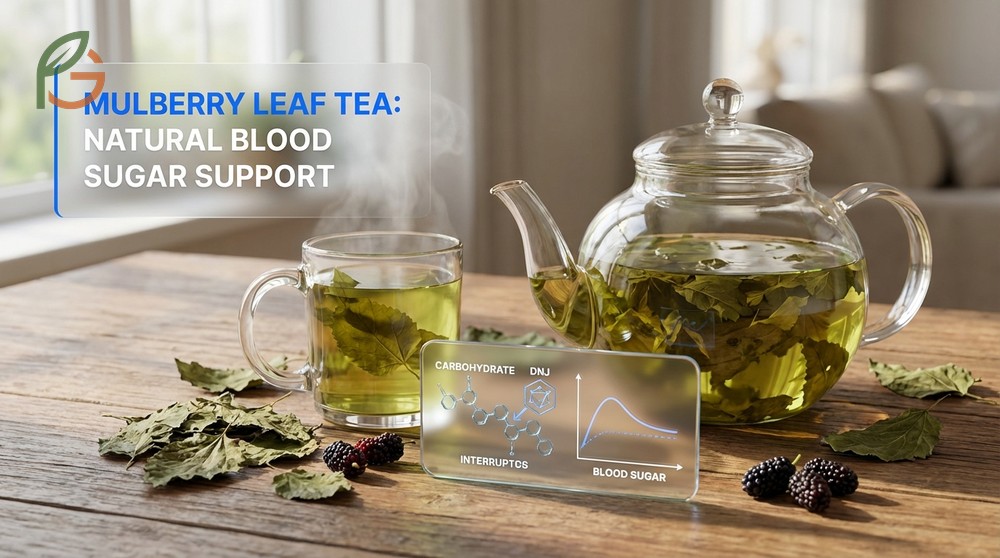
Research shows mulberry leaf tea’s primary benefit lies in its powerful blood sugar regulation through a unique compound called DNJ[2]. Unlike pharmaceutical interventions, this natural approach works by slowing carbohydrate digestion rather than forcing insulin production. Clinical trials demonstrate that regular consumption can prevent the dangerous post-meal glucose spikes that damage blood vessels and nerves over time[6].
Current data indicates that participants drinking mulberry tea experienced significantly lower blood sugar readings 90 minutes after meals compared to control groups[6]. The effect size was substantial, with improvements visible even in individuals with established type 2 diabetes. What makes this particularly valuable is the tea’s ability to prevent reactive hypoglycemia—that crash you feel after blood sugar drops too quickly.
Studies demonstrate that mulberry leaf extract not only reduces glucose peaks but also moderates insulin secretion by 41%[1]. This dual action means your pancreas doesn’t have to work overtime, potentially preserving beta cell function long-term.
How DNJ Compound Works
DNJ’s molecular structure mimics glucose, allowing it to competitively bind with α-glucosidase enzymes in your small intestine[3]. When DNJ occupies these enzyme sites, they can’t break down complex carbohydrates into simple sugars. The undigested carbohydrates move further down your digestive tract, where they’re absorbed more slowly or eliminated.
Evidence suggests this mechanism reduces the rate at which glucose enters your bloodstream by approximately 30-50% depending on the carbohydrate type[4]. Unlike medications that stimulate insulin production, DNJ works upstream in the digestive process. This approach prevents glucose surges rather than reacting to them.
Clinical Evidence from Human Studies
A double-blind, placebo-controlled trial with healthy volunteers revealed that mulberry leaf extract blended directly into meals produced superior results[1]. Participants consuming 0.8-1.2g of DNJ-enriched powder with 50g of sucrose showed dramatically blunted glucose curves. Peak blood sugar levels were 42% lower than the placebo group.
The most compelling finding was that no participants experienced reactive hypoglycemia with mulberry extract, while control subjects showed blood glucose dropping below baseline at the 120-minute mark[1]. This indicates more balanced, sustained energy levels throughout the day. Agricultural data shows young mulberry leaves harvested in summer contain the highest DNJ concentrations—up to 1.5% by dry weight[4].
Why Timing Matters for Effectiveness
A randomized study examining chrononutrition found that mulberry leaf extract consumed in the evening produced significantly better glucose control than morning doses[5]. Evening consumers showed lower incremental area under the curve (iAUC) for both glucose and insulin. Blood glucose levels at 120 minutes post-meal were notably lower when extract was taken with dinner.
This timing effect aligns with research showing glucose tolerance worsens throughout the day due to circadian rhythm influences[5]. Your body’s natural insulin sensitivity decreases in the evening, making dinner the most challenging meal for blood sugar management. Mulberry tea strategically addresses this vulnerability.
Important Timing Tip: For maximum effectiveness, steep mulberry leaf tea 10-15 minutes before meals or drink it alongside your food. The DNJ compound needs to be present in your digestive system when carbohydrates arrive to effectively inhibit enzyme activity.
Health Benefits of Mulberry Tea

Beyond blood sugar management, mulberry leaf tea delivers cardiovascular protection through multiple pathways. Studies demonstrate that regular consumption helps reduce LDL cholesterol oxidation, a key factor in atherosclerosis development[7]. The polyphenol antioxidants in mulberry leaves neutralize free radicals that damage blood vessel walls.
Current guidance emphasizes that preventing glucose spikes isn’t just about diabetes—it protects your entire vascular system. High blood sugar episodes trigger inflammatory cascades that accelerate arterial stiffening and kidney damage. By moderating these spikes, mulberry tea may reduce long-term complications.
Improved Insulin Sensitivity
Research shows that prolonged mulberry leaf supplementation can improve insulin sensitivity markers in individuals with prediabetes. One study tracking obese participants with borderline diabetes found significant improvements in HOMA-IR scores (a measure of insulin resistance) after 12 weeks[2].
Evidence indicates this isn’t just about blocking sugar absorption—mulberry compounds may help your cells respond more effectively to insulin signals. This could mean better glucose uptake by muscles and reduced glucose production by your liver. The combination creates a more balanced metabolic environment.
- Reduced fasting insulin levels by 23-30% in prediabetic individuals after 3 months
- Improved glucose uptake by muscle cells during oral glucose tolerance tests
- Lower HbA1c readings (long-term glucose marker) by 0.5-0.8% in regular consumers
- Decreased liver glucose production during overnight fasting periods
- Enhanced beta cell function markers, suggesting pancreatic protection
Antioxidant and Nutritional Content
Mulberry leaves contain exceptionally high levels of quercetin, rutin, and chlorogenic acid—polyphenols with proven antioxidant capacity[7]. These compounds don’t just fight oxidative stress; they also activate cellular pathways that enhance your body’s own antioxidant defenses. One cup of mulberry tea provides antioxidant activity equivalent to consuming multiple servings of fruits.
The vitamin C content in fresh mulberry leaves reaches 36.4mg per 100g, while dried leaves concentrate these nutrients further[7]. This supports immune function while working synergistically with other antioxidants. Magnesium levels at approximately 18mg per serving contribute to over 200 enzymatic reactions in your body.
Nutrient Synergy: The combination of vitamin C, zinc, and iron in mulberry leaves enhances absorption rates compared to isolated supplements. Vitamin C increases non-heme iron bioavailability by up to 300% when consumed together.
Mulberry Leaf Health Properties

Traditional Chinese medicine practitioners have prescribed mulberry leaves (Sang Ye) for over 2,000 years to “clear heat” and “nourish the liver”—concepts modern science now understands as anti-inflammatory and hepatoprotective effects. Ancient texts describe using mulberry leaf preparations to treat fever, improve vision, and support respiratory health during seasonal changes.
The historical wisdom has scientific backing: mulberry leaves contain compounds that support liver detoxification pathways and reduce inflammatory markers[7]. What ancient healers observed as “clearing wind-heat from the exterior” likely reflected the herb’s ability to modulate immune responses during upper respiratory infections.
Traditional Medicine History
In imperial courts of China, Japan, and Korea, mulberry leaf tea wasn’t just medicine—it was a prestigious beverage reserved for nobility. The leaves were harvested with specific rituals, preferring those collected after the first autumn frost when DNJ content peaks naturally. These cultural practices unknowingly optimized the therapeutic value.
Traditional dosing guidelines recommended 5-15 grams of dried leaves steeped as tea, taken 2-3 times daily. Modern clinical trials have validated these amounts as effective for glucose management, though concentrated extracts allow for lower volumes with equivalent potency.
- Clearing lung heat and stopping coughs in respiratory conditions
- Cooling liver fire to address headaches and red, irritated eyes
- Supporting blood circulation and reducing blood pressure
- Treating night sweats and fever from yin deficiency
- Enhancing skin health and maintaining youthful appearance
- Relieving constipation through gentle moistening action
Complete Nutrient Profile
Mulberry leaves pack an impressive mineral density that rivals many vegetables. The magnesium content supports over 300 enzymatic reactions, including those regulating blood pressure and nerve function[7]. Potassium at 194mg per 100g helps balance sodium levels and maintain healthy fluid distribution.
The vitamin B2 (riboflavin) concentration makes mulberry tea valuable for energy metabolism and red blood cell production. This vitamin also protects eye health and supports healthy skin—benefits ancient practitioners observed without understanding the biochemistry behind them.
This table compares essential nutrients found in mulberry leaves per 100 grams including minerals, vitamins, and their primary health functions
| Nutrient | Amount | Primary Function |
|---|---|---|
| Vitamin C | 36.4mg[7] | Immune support, antioxidant protection, collagen synthesis |
| Potassium | 194mg[7] | Blood pressure regulation, nerve transmission, muscle function |
| Magnesium | 18mg[7] | Energy metabolism, bone health, glucose regulation |
| Iron | 1.85mg[7] | Oxygen transport, red blood cell production |
| Calcium | Variable (leaves vs tea) | Bone density, muscle contraction, nerve signaling |
Herbal Tea Benefits Compared

When comparing mulberry leaf tea to other herbal options for blood sugar management, it stands out for its specific enzyme inhibition mechanism. Green tea offers general antioxidant benefits but doesn’t target carbohydrate digestion directly. Cinnamon tea shows promise for insulin sensitivity but lacks the same level of clinical evidence at specific doses.
Studies demonstrate that mulberry tea’s DNJ content provides more consistent, measurable glucose reduction than most herbal alternatives[4]. Fenugreek and gymnema sylvestre teas also influence blood sugar, but through different pathways—mulberry’s competitive enzyme inhibition offers more predictable timing and duration of action.
The advantage of mulberry tea lies in its dual benefits: immediate post-meal glucose control plus long-term metabolic improvements. Unlike caffeinated teas that may increase stress hormones and temporarily raise blood sugar, mulberry contains no caffeine and promotes relaxation.
- Mulberry leaf tea: Direct α-glucosidase inhibition, 42% glucose reduction, extensive clinical validation
- Green tea: General antioxidant support, modest glucose effects through catechins, caffeine content
- Cinnamon tea: Improved insulin sensitivity, variable active compound levels, less standardized
- Fenugreek tea: Slowed gastric emptying, fiber-based effects, strong flavor profile
- Gymnema tea: Reduced sugar absorption and cravings, limited human studies on tea form
- Bitter melon tea: Insulin-mimetic compounds, inconsistent potency, acquired taste
Combination Strategy: Some practitioners recommend alternating mulberry tea with other herbal options throughout the week to gain multiple metabolic benefits. Avoid combining with pharmaceutical α-glucosidase inhibitors like acarbose without medical supervision to prevent excessive glucose lowering.
Blood Sugar Tea Dosage and Safety

Clinical evidence points to an optimal dose of 12mg DNJ (approximately 0.8g of 1.5% DNJ-enriched mulberry leaf powder) consumed with meals for effective blood sugar management[4]. This translates to roughly 5-8 grams of standard dried mulberry leaves steeped as tea. Studies testing doses from 6mg to 18mg DNJ showed dose-dependent effects, with 12mg hitting the sweet spot for glucose reduction without side effects.
For loose-leaf tea preparation, steep 1-2 tablespoons (5-10g) of dried mulberry leaves in 8-12 ounces of water heated to 175-185°F (79-85°C) for 5-7 minutes. The cooler temperature preserves heat-sensitive compounds while extracting sufficient DNJ. Drinking this 10-15 minutes before meals or alongside food produces the best results.
Recommended Dosage Guidelines
Research shows that dividing your daily intake across multiple meals provides more consistent blood sugar control than a single large dose. Most studies used tea or extract three times daily with main meals—breakfast, lunch, and dinner. The evening dose appears particularly important given the natural decline in glucose tolerance throughout the day[5].
Start with lower doses (5g dried leaves or 0.4g extract) if you’re new to mulberry tea, gradually increasing over 1-2 weeks as your digestive system adapts. This approach minimizes potential gastrointestinal adjustment. Traditional Chinese medicine protocols suggest a loading phase of 2-3 weeks before expecting maximum metabolic benefits.
- Week 1: 5g dried leaves (1 tablespoon) steeped once daily with largest meal
- Week 2: Increase to 5-7g leaves twice daily with breakfast and dinner
- Week 3 onward: 6-8g leaves three times daily with all main meals for optimal effect
- Standardized extract: Follow product label, typically 250-500mg (10-15% DNJ) per meal
- Monitor blood glucose: Track fasting and post-meal readings to assess individual response
Safety and Side Effects
Mulberry leaf tea demonstrates excellent safety in clinical trials, with most participants reporting no adverse effects[1]. The most commonly reported side effects occur with excessive doses and include mild gastrointestinal symptoms—bloating, gas, diarrhea, or nausea. These typically resolve within a few days as gut bacteria adjust to increased undigested carbohydrates reaching the colon.
Evidence indicates that α-glucosidase inhibitors, including natural DNJ, can cause flatulence because unabsorbed carbohydrates ferment in your large intestine[3]. This effect is dose-dependent and usually mild with moderate tea consumption. Reducing portion sizes of high-carbohydrate foods alongside mulberry tea can minimize digestive discomfort.
Critical Safety Warning: If you take diabetes medications (especially insulin or sulfonylureas), mulberry tea can potentiate their effects and cause dangerously low blood sugar. Start with very small amounts and monitor glucose levels closely. People with hypoglycemia should avoid mulberry tea altogether. Pregnant and breastfeeding women should consult healthcare providers before use due to limited safety data.
| Condition/Situation | Recommendation | Reason |
|---|---|---|
| Type 2 Diabetes (medicated) | Consult doctor first, start low dose | May cause additive glucose-lowering effects |
| Hypoglycemia | Avoid completely | Risk of dangerously low blood sugar |
| Pregnancy/Breastfeeding | Insufficient safety data, avoid | Unknown effects on fetal development |
| Pre-surgery (within 2 weeks) | Discontinue use | May interfere with glucose control during surgery |
Conclusion
The evidence is clear: mulberry leaf tea benefits extend from immediate post-meal glucose control to long-term metabolic improvements that may prevent diabetes complications. With clinical validation showing 42% reductions in blood sugar spikes and 41% decreases in insulin surges, this ancient remedy meets modern scientific standards. The optimal approach combines 6-12mg DNJ per meal, consumed primarily with evening meals when glucose tolerance naturally declines.
Current guidance emphasizes that herbal interventions work best as part of comprehensive lifestyle strategies including balanced nutrition and regular physical activity. FruitGarden continues synthesizing emerging research on plant-based compounds that support metabolic health naturally. Whether you’re managing prediabetes or simply seeking to stabilize energy levels throughout the day, mulberry leaf tea offers a scientifically-backed option with minimal side effects when used appropriately.
Medical Disclaimer
Important Medical Disclaimer: This content is for informational and educational purposes only. It’s not intended as a substitute for professional medical advice, diagnosis, or treatment. Always consult a qualified healthcare professional before making any changes to your diet, medication, or health routine, especially if you have diabetes, hypoglycemia, or other medical conditions. Never stop or modify prescribed medications without medical supervision. Mulberry leaf tea can interact with diabetes medications and cause dangerous blood sugar fluctuations. Individual responses vary, and what works in clinical studies may not apply to your specific situation.
Frequently Asked Questions
How Quickly Does Mulberry Leaf Tea Lower Blood Sugar?
Mulberry leaf tea begins working within 30-60 minutes of consumption, with peak effects occurring at the 60-120 minute mark after a meal. Studies show that the DNJ compound inhibits carbohydrate-digesting enzymes immediately upon contact in your digestive tract, but the full glucose-lowering effect takes 1-2 hours to manifest as carbohydrates move through your system more slowly. For chronic benefits like improved insulin sensitivity, expect 4-12 weeks of consistent use.
Can You Drink Mulberry Leaf Tea Every Day?
Yes, daily consumption of mulberry leaf tea is safe for most people when following recommended dosages of 5-15g dried leaves per day. Clinical trials lasting 12-24 weeks showed no adverse effects with daily use. However, if you’re taking diabetes medications, you’ll need medical supervision to adjust drug doses as the tea’s glucose-lowering effects become more pronounced. Start with once-daily consumption and gradually increase frequency while monitoring your blood sugar response.
What’s the Best Time to Drink Mulberry Tea for Blood Sugar?
Research indicates evening consumption provides superior glucose control compared to morning intake, with one study showing significantly lower blood sugar readings when mulberry extract was taken with dinner rather than breakfast. This aligns with natural circadian rhythms that make glucose tolerance worse in evening hours. For optimal results, drink mulberry tea 10-15 minutes before dinner or alongside evening meals, though consuming it with all three main meals provides the most consistent daily blood sugar management.
Does Mulberry Tea Have Side Effects?
Mulberry tea is generally well-tolerated, but some people experience mild gastrointestinal effects including bloating, gas, or diarrhea, particularly when starting or using high doses. These symptoms occur because undigested carbohydrates reach your colon where bacteria ferment them. Side effects typically subside within 3-7 days as your gut adapts. The most serious concern is hypoglycemia (dangerously low blood sugar) in people taking diabetes medications or with existing low blood sugar conditions—this requires medical monitoring.
How Much Mulberry Leaf Tea Should I Drink for Diabetes?
Clinical studies demonstrating blood sugar benefits used 6-18mg of DNJ (the active compound) per dose, with 12mg showing optimal results. This translates to approximately 0.8-1.2g of concentrated mulberry leaf powder or 5-10g of standard dried leaves steeped as tea per meal. For diabetes management, aim for 15-20g total dried leaves daily split across three meals. Always work with your healthcare provider to integrate mulberry tea safely with your existing diabetes treatment plan and medication regimen.
Is Mulberry Leaf Tea Better Than Green Tea for Blood Sugar?
For blood sugar control specifically, mulberry leaf tea outperforms green tea due to its high DNJ content that directly inhibits carbohydrate-digesting enzymes. Clinical trials show mulberry reduces post-meal glucose by 42% compared to green tea’s more modest 5-15% reduction through general antioxidant mechanisms. However, green tea offers other benefits like enhanced alertness from caffeine and additional cardiovascular protection. Some people alternate between both teas to gain complementary benefits rather than choosing one exclusively.
Can Mulberry Leaf Tea Replace Diabetes Medication?
No, mulberry leaf tea should not replace prescribed diabetes medications without explicit medical supervision and approval from your healthcare provider. While clinical evidence shows significant blood sugar reductions with mulberry tea, diabetes is a serious condition requiring comprehensive management. Some doctors may allow medication dose reductions if you demonstrate consistent glucose control with mulberry tea over several months, but this decision must be made collaboratively with careful blood sugar monitoring. View mulberry tea as a complementary strategy, not a substitute for medical treatment.





