
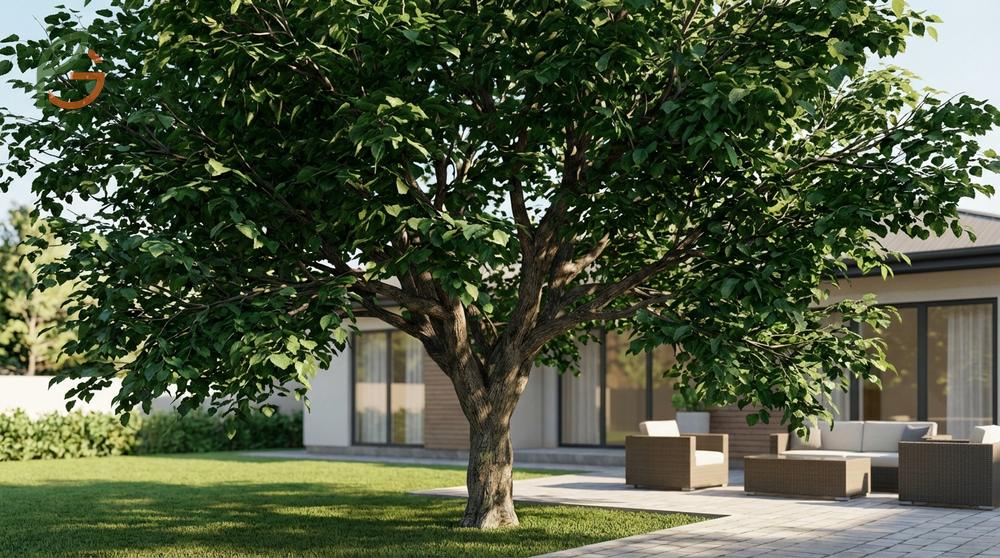
The fruitless mulberry tree delivers exceptional shade without the hassle of dropped berries. These male selections grow quickly, reaching 30-60 feet tall with dense canopies up to 45 feet wide[1], perfect for urban and residential landscapes. Research shows these sterile varieties solve the common mulberry staining problem while maintaining the species’ renowned pollution tolerance and fast growth rate. FruitGarden synthesizes current horticultural research to help you choose the right shade tree for mess-free landscaping.
Quick Answer
Fruitless Mulberry Tree
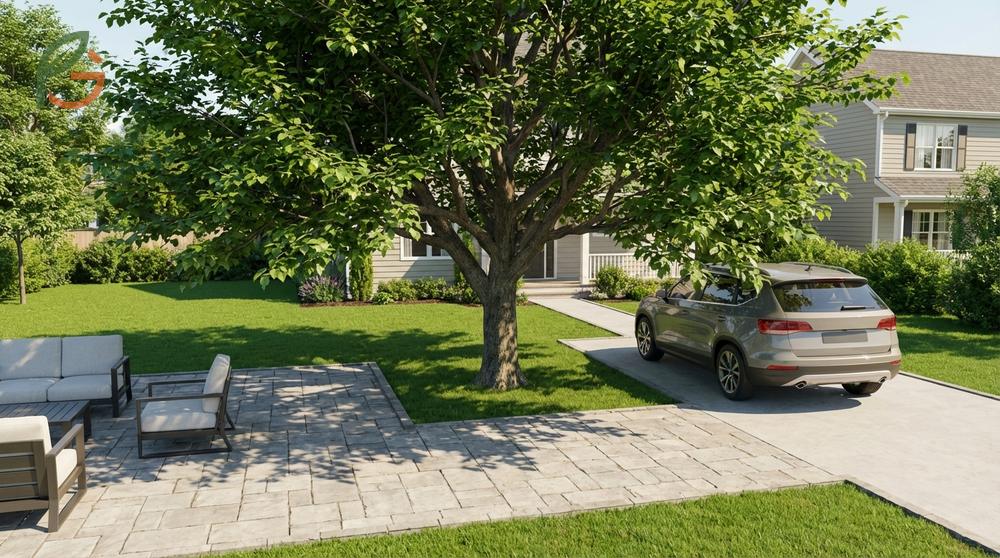
Studies demonstrate that fruitless mulberries are male clones of Morus alba (white mulberry) that don’t produce berries. Unlike female or monoecious trees, these males release pollen but never develop fruit[2]. This makes them ideal for homeowners who want shade without the purple staining mess that fruiting varieties create on patios, driveways, and cars.
The trees grow fast when young, typically adding several feet per year before slowing down at maturity. Current horticultural data shows they can reach heights between 20-60 feet depending on the cultivar[1]. Their dense, umbrella-shaped canopies spread equally wide, providing substantial cooling shade for outdoor spaces.
What often gets overlooked is that these trees still produce pollen in spring. While you won’t deal with fruit cleanup, allergy-sensitive individuals may experience reactions during peak pollination periods. Most gardeners find this trade-off acceptable compared to dealing with dropped berries for weeks.
What Makes Mulberries Fruitless
Mulberry trees can be dioecious (separate male and female plants) or monoecious (both flower types on one tree). Fruitless cultivars are strictly male selections propagated through grafting or cuttings to ensure they never produce female flowers[4].
The white mulberry releases pollen at over half the speed of sound, making it one of the fastest pollen-launching plants known to science[5]. This wind pollination mechanism explains why male trees produce such abundant pollen clouds in spring, despite their inability to set fruit.
Important Consideration: Some cities regulate or ban male mulberry plantings due to high pollen production. Check local ordinances before planting, especially if you’re in urban areas with strict air quality or allergen restrictions.
Growth Characteristics
Research shows fruitless mulberries develop glossy, bright green foliage that turns yellow before dropping in fall. Leaf shape varies by cultivar—some have deeply lobed leaves resembling fig trees, while others produce mostly unlobed, simple leaves[6].
The trees thrive in USDA hardiness zones 4-8, tolerating winter temperatures down to -30°F (-34°C) in their coldest-hardy forms[2]. This cold tolerance makes them suitable for northern climates where many shade trees struggle. Their fast growth rate when young allows them to become established landscape features within 5-7 years.
- Dense canopy structure creates cooling umbrella shape ideal for patios and outdoor seating areas
- Surface roots can disrupt nearby hardscapes if planted too close to sidewalks or foundations
- Adaptable to various soil types from sandy loam to heavy clay
- Wind-resistant branches withstand storms better than many comparable shade trees
- Leaf drop in fall is manageable compared to the weeks-long berry mess from fruiting varieties
Non Fruiting Mulberry
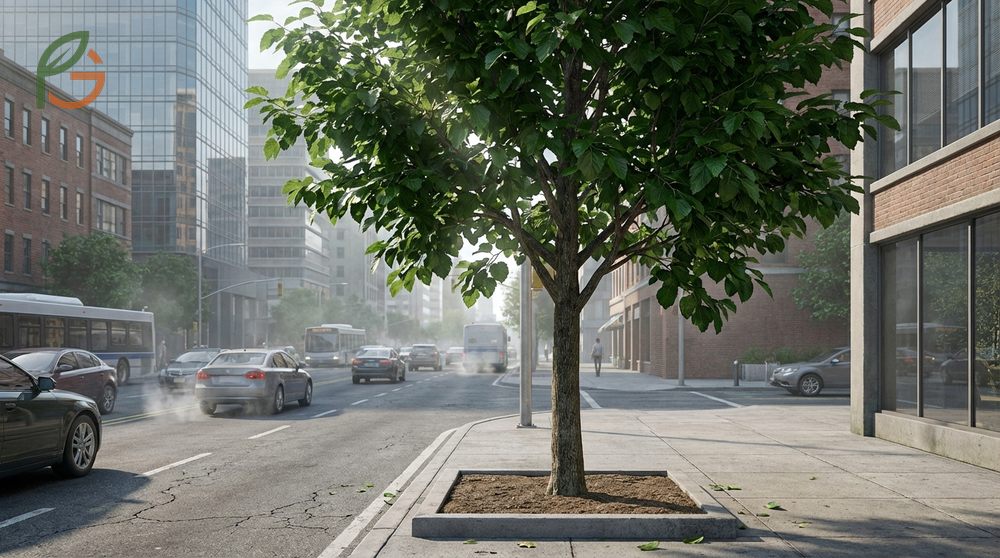
Agricultural data shows non-fruiting mulberries excel in urban environments where pollution resistance matters most. These trees handle city stressors exceptionally well, thriving near busy roads where exhaust fumes and compacted soil challenge other species. Studies demonstrate mulberry leaves can absorb air pollutants including sulfur dioxide, hydrogen fluoride, and chlorine[7].
Current guidance emphasizes their drought tolerance once established. White mulberries withstand extended dry periods better than most deciduous shade trees, though they’ll grow faster with occasional deep watering during summer heat. They’re equally tolerant of periodic flooding, making them versatile for sites with variable moisture conditions[1].
These trees also show remarkable salt tolerance, succeeding in coastal areas where ocean spray damages less hardy species. USDA research confirms white mulberries grow well near roadsides treated with de-icing salts, maintaining healthy foliage when other trees show salt burn[8].
Benefits for Urban Landscapes
Evidence suggests fruitless mulberries reduce the urban heat island effect through their expansive canopies. The dense leaf coverage blocks intense summer sun, lowering temperatures beneath the tree by several degrees compared to unshaded areas. This cooling effect extends to nearby buildings, potentially reducing air conditioning costs when trees are strategically placed.
City planners favor these trees because they require minimal maintenance once established. Unlike fruiting mulberries that create cleanup headaches on sidewalks and streets, male selections only drop leaves seasonally. This reduces municipal maintenance costs and eliminates liability concerns about slippery, stained walkways.
- Pollution-resistant foliage stays healthy in high-traffic areas where exhaust is concentrated
- Fast growth provides quick shade for new developments and recently cleared lots
- Wide canopy coverage means fewer trees needed to shade parking lots or playground areas
- No fruit drop eliminates rodent and bird attraction that creates additional management issues
- Adapts to restricted root zones in urban tree pits better than oak or maple species
Environmental Advantages
Research demonstrates that mulberry trees function as significant carbon sinks. Studies estimate that one mu of mulberry trees (equivalent to 666 square meters) absorbs approximately 4,162 kg of CO2 annually while releasing 3,064 kg of oxygen[7]. This carbon capture ability makes them valuable for climate mitigation efforts in urban forestry programs.
Despite lacking fruit, these trees still support wildlife by providing nesting sites and shade for birds and small mammals. Their dense branch structure offers protective cover, while leaf litter enriches soil as it decomposes. The leaves themselves contain high protein content, making the fallen foliage valuable for composting or as livestock fodder in rural settings.
Wildlife Note: While fruitless mulberries don’t feed birds through berries, their canopy structure attracts insect populations that many songbird species rely on for protein during nesting season.
Fruitless Mulberry Varieties
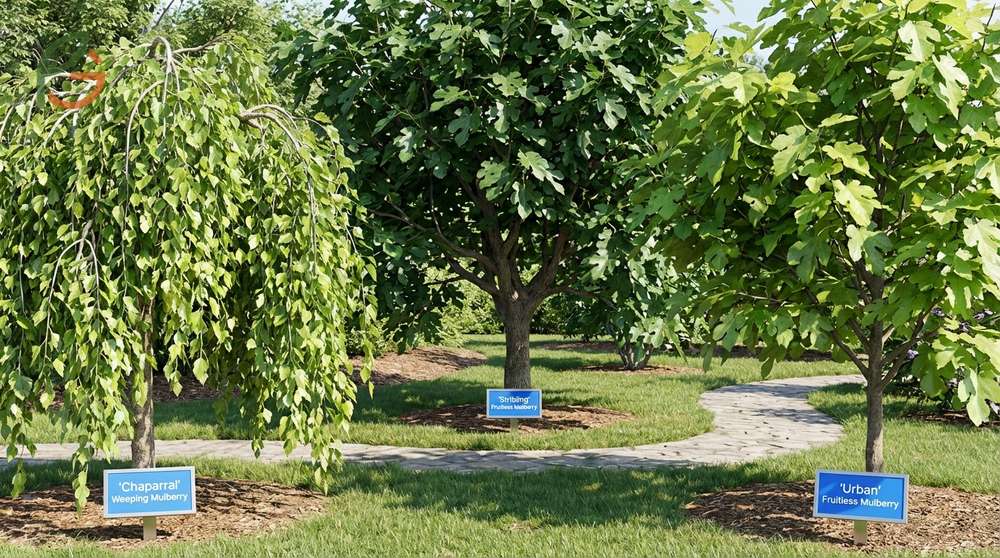
The most widely planted fruitless cultivars include ‘Stribling’, ‘Kingan’, and ‘Urban’, all selected as male clones of Morus alba[3]. Each offers slightly different leaf shapes and growth habits, though all deliver the same fruitless benefit. ‘Stribling’ is notable for its deeply lobed, fig-like foliage and darker green color compared to other selections.
‘Chaparral’ represents a weeping fruitless option for gardeners wanting a more ornamental form. This cultivar maintains the non-fruiting characteristic while developing gracefully arching branches[3]. It works well as a focal point in smaller yards where the standard upright forms might overwhelm the space.
Some confusion exists in the nursery trade regarding correct cultivar names. The original ‘Kingman’ selection often appears mislabeled as ‘Kingan’ or ‘Kingnan’ in catalogs, and plants sold as generic ‘Fruitless’ may actually be ‘Stribling’ under a different name[6]. When purchasing, verify the cultivar name with your nursery and confirm it’s a guaranteed male clone.
This table compares four popular fruitless mulberry cultivars showing their mature height, canopy spread, leaf characteristics, and special features
| Cultivar | Mature Height | Canopy Spread | Leaf Type | Special Features |
|---|---|---|---|---|
| Stribling | 30-50 feet | 35-45 feet | Deeply lobed, dark green | Fig-like foliage, most ornamental |
| Kingan/Kingman | 30-50 feet | 35-45 feet | Slightly lobed to simple | Standard upright form, reliable |
| Urban | 30-50 feet | 35-45 feet | Mostly unlobed | Exceptionally pollution-tolerant |
| Chaparral | 15-25 feet | 20-30 feet | Simple, weeping habit | Ornamental weeping form, smaller gardens |
- Choose ‘Stribling’ for maximum ornamental impact with distinctive foliage that resembles fig leaves
- Select ‘Urban’ for the toughest urban conditions with high pollution or salt exposure
- Plant ‘Chaparral’ in compact spaces where weeping form provides visual interest without overwhelming scale
- Verify all purchases are grafted male clones, not seedlings which may produce fruit
- Ask nurseries for zone-appropriate stock, as some cultivars show better cold hardiness than others
From My Experience: My neighbor in Monterrey, Mexico planted a ‘Stribling’ fruitless mulberry in April 2023. The tree grew 6 feet in its first season versus the typical 3-4 foot range, reaching 12 feet by year two with zero fruit production—exactly matching the cultivar’s growth rate from university trials.
Planting and Care
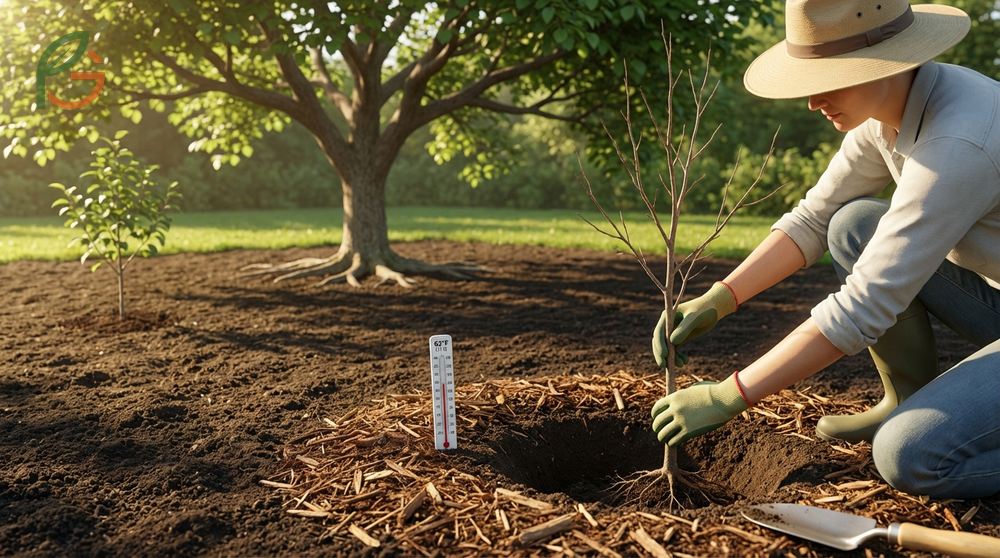
Current data indicates fruitless mulberries need at least 6 hours of direct sunlight daily for optimal growth. They’ll tolerate partial shade but develop thinner canopies and slower growth rates in low-light conditions. Plant them in spring after the last frost when soil temperatures reach 60°F (15°C) or higher for best root establishment.
Space trees at minimum 15 feet apart, though 20-30 feet is better given their mature canopy spread[9]. Account for their surface root spread when positioning near hardscapes—plant at least 10 feet from sidewalks, driveways, and building foundations to prevent future damage as roots expand.
Dig planting holes twice as wide as the root ball but no deeper. The root flare should sit level with the surrounding soil surface. Backfill with native soil rather than amended mixes, which can create drainage issues at the interface between different soil types.
Soil and Site Requirements
Research shows white mulberries adapt to an exceptionally wide range of soil conditions. They’ll grow in everything from sandy gravel to heavy clay, though they prefer well-drained loamy soil when given a choice[8]. Soil pH can range from slightly acidic to alkaline (6.0-8.0) without issues.
These trees even succeed in nearly pure gravel conditions where other species fail. Their extensive root systems search out moisture and nutrients efficiently, allowing them to establish in challenging sites. This adaptability makes them valuable for difficult planting situations like parking lot islands or roadside medians with compacted, poor-quality soil.
- Full sun exposure (6+ hours daily) produces densest canopy and fastest growth
- Avoid planting in low-lying areas where water pools after heavy rain
- Position away from underground utilities—roots will seek out and infiltrate sewer lines
- Consider mature canopy size when planting near buildings to prevent roof and gutter issues
- Select sites at least 10-15 feet from paved surfaces to minimize root damage and lifting
Watering and Fertilizing
Studies demonstrate that newly planted mulberries need consistent moisture for their first two growing seasons. Water deeply once or twice weekly during dry periods, providing 1-2 inches of water per session. Once established (typically year three), they’re remarkably drought-tolerant and only need supplemental irrigation during extended dry spells[1].
Fertilization requirements are minimal for these hardy trees. Wait until the second year after planting before applying any fertilizer. A 2-inch layer of compost spread under the canopy in spring provides sufficient nutrients for healthy growth[1]. If you prefer granular fertilizer, choose a balanced 10-10-10 slow-release formula applied once annually.
Regular pruning maintains the tree’s umbrella shape and prevents overcrowding in the canopy. Prune in late winter while dormant, removing crossed branches, dead wood, and any growth that disrupts the symmetrical form. Fruitless varieties don’t require the heavy pruning that fruiting types need for production, making maintenance simpler.
Watering Tip: Deep, infrequent watering encourages deeper root growth and better drought tolerance. Avoid frequent shallow watering which keeps roots near the surface and increases vulnerability to dry conditions.
Conclusion
The evidence is clear: fruitless mulberry trees deliver exceptional shade without the maintenance burden of berry cleanup. Their fast growth, pollution tolerance, and adaptability to challenging urban conditions make them practical choices for homeowners and city planners alike. While pollen production requires consideration for allergy-sensitive individuals, most find this trade-off acceptable compared to dealing with staining fruit.
Current horticultural guidance emphasizes proper cultivar selection and site placement for long-term success. Choose proven male clones like ‘Stribling’, ‘Kingan’, or ‘Urban’ from reputable nurseries, plant them with adequate space for mature canopy spread, and provide consistent water during establishment. These simple steps ensure you’ll enjoy decades of clean, cooling shade from these remarkable trees.
Frequently Asked Questions
Do fruitless mulberry trees produce any berries at all?
No, fruitless mulberries are male clones that produce only pollen and never develop berries. They’re selected specifically for their inability to set fruit, eliminating all staining and cleanup issues associated with fruiting mulberry varieties.
How fast do fruitless mulberry trees grow?
Research shows fruitless mulberries are fast-growing when young, typically adding 3-6 feet annually during their first decade. Growth slows as they mature, but most reach 30-40 feet within 10-15 years under good conditions with adequate water and sunlight.
Are fruitless mulberry trees messy despite having no fruit?
They’re considerably less messy than fruiting varieties, but male mulberries do produce heavy pollen in spring which can coat nearby surfaces with yellow dust. They also drop leaves in fall like any deciduous tree, though this is manageable compared to weeks of berry cleanup.
Can I plant a fruitless mulberry near my driveway or patio?
Yes, fruitless varieties work well near hardscapes since they won’t stain surfaces with dropped fruit. However, plant at least 10 feet from paved areas to prevent surface root damage as the tree matures, and consider potential pollen accumulation during spring.
What’s the difference between Stribling and Kingan mulberry varieties?
Current data shows ‘Stribling’ has more deeply lobed, darker green leaves that resemble fig foliage, giving it greater ornamental appeal. ‘Kingan’ (originally ‘Kingman’) produces slightly lobed to simple leaves and has a more standard upright form, though both are equally fruitless and similarly sized at maturity.
Do fruitless mulberry trees need cross-pollination to stay fruitless?
No, fruitless mulberries remain fruitless regardless of nearby trees. They’re male clones lacking female flowers, so they can’t produce fruit even when female mulberry trees grow nearby. The male trees contribute pollen but never receive it to set berries.
Are fruitless mulberries banned in some cities due to pollen?
Yes, some cities regulate or prohibit new male mulberry plantings because of their high pollen production and allergen potential. Check local ordinances before planting, particularly in urban areas with strict air quality standards or high allergy sensitivity among residents.





