
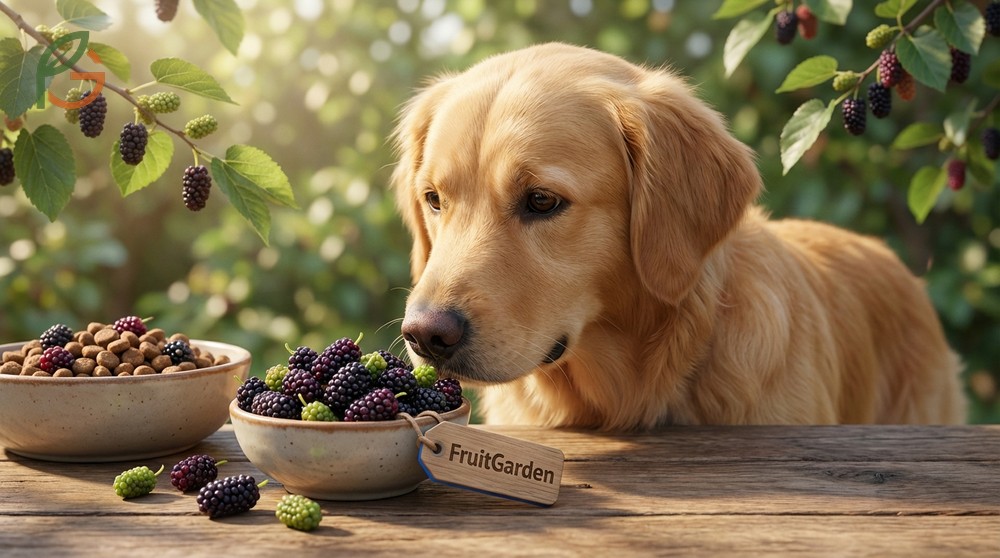
Can dogs eat mulberries? Yes, ripe mulberries are safe for dogs when fed in moderation. Research shows these berries offer vitamins, minerals, and antioxidants that support canine health, though unripe berries pose specific risks you need to understand. FruitGarden brings you evidence-based guidance on safely incorporating mulberries into your dog’s diet.
Quick Answer
- Ripe mulberries are non-toxic to dogs according to ASPCA[1]
- Contain 36.4mg vitamin C per 100g and 1.85mg iron[3] for immune support
- Unripe berries cause hallucinations and digestive upset[4]
- Feed only small portions as treats—10% or less of daily calories[4]
Can Dogs Eat Mulberries
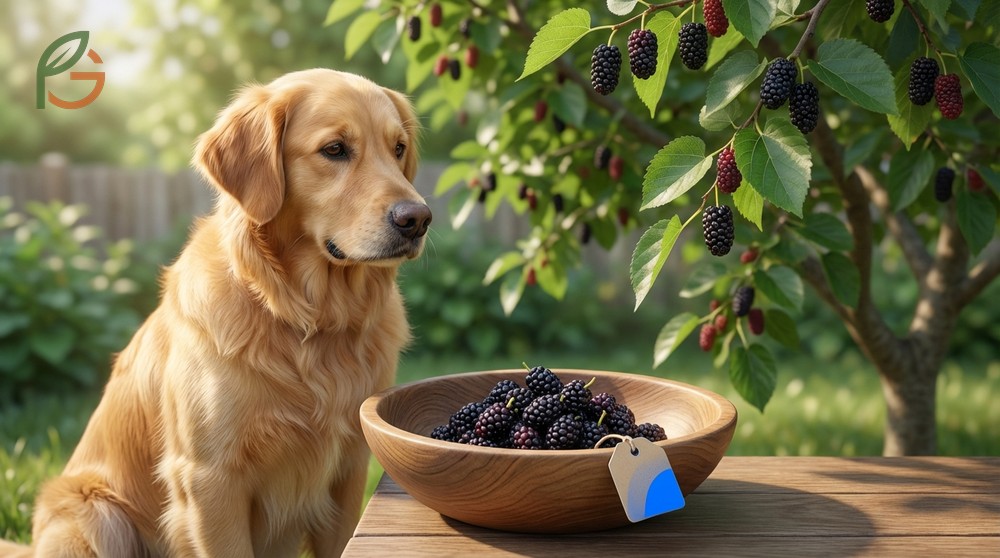
Ripe mulberries are safe for dogs to consume as occasional treats. The American Society for the Prevention of Cruelty to Animals (ASPCA) confirms mulberry trees and their fruit are non-toxic to dogs, cats, and horses[1]. Studies show that when fed properly, mulberries provide nutritional benefits without causing harm.
Veterinary guidance emphasizes moderation as the key factor. Research indicates that treats should comprise no more than 10% of your dog’s daily caloric intake[4]. Most dogs tolerate mulberries well when introduced gradually.
The ripeness of the berry determines safety levels significantly. Dark purple or black fully-ripe berries pose minimal risk, while green or white unripe fruits contain compounds that trigger adverse reactions[5]. Pet owners must distinguish between these stages before offering berries to their dogs.
What Are Mulberries
Mulberries grow on deciduous trees from the genus Morus, producing clusters of small berries that resemble elongated blackberries. Three main varieties exist: white mulberries (Morus alba), red mulberries (Morus rubra), and black mulberries (Morus nigra). Each type offers similar nutritional profiles with slight variations in antioxidant concentrations.
These berries measure 2-3 centimeters in length when mature. The fruit transitions from green to red or white, then darkens to deep purple or black at peak ripeness. This color change indicates sugar development and reduction of problematic compounds.
ASPCA Safety Confirmation
The ASPCA maintains a comprehensive database of toxic and non-toxic plants for companion animals. Their research team classified mulberry trees (Morus species) as non-toxic, with no harmful principles identified[1]. This designation covers all parts of ripe fruit consumed in normal quantities.
Extension services from land-grant universities support this classification. Agricultural experts confirm that mature mulberries don’t contain compounds like cyanogenic glycosides found in cherry pits or theobromine present in chocolate[6]. The fruit’s safety profile makes it suitable for occasional canine consumption.
Important Safety Note: Always supervise your dog around mulberry trees. Fallen berries can ferment on the ground, producing small amounts of alcohol that are toxic to dogs. Only offer freshly picked, ripe berries.
Are Mulberries Safe for Dogs

Mulberries are safe for dogs when you follow three conditions: the berries must be fully ripe, fed in small quantities, and introduced gradually. Veterinary research shows that ripe mulberries don’t trigger toxicity in healthy dogs[5]. Dogs process these berries through their digestive systems without complications when portion sizes stay appropriate.
Current data indicates individual dogs react differently based on size, age, and digestive sensitivity. A 50-pound dog might tolerate 5-8 berries daily, while smaller breeds should receive proportionally less. Start with 1-2 berries and monitor for 24 hours before increasing the amount.
Fresh berries prove safest compared to dried or processed forms. Dried mulberries concentrate sugars, creating calorie density that contributes to weight gain. Fresh berries contain approximately 88% water[2], making them a hydrating, lower-calorie option.
Ripe vs Unripe Berries
Unripe mulberries contain unidentified compounds that cause hallucinations in both humans and dogs. These green or white berries also produce milky latex sap that irritates digestive tissues[4]. The hallucinogenic effects can last several hours, causing disorientation and anxiety in affected dogs.
Ripe berries lose these problematic compounds as they mature. The color transformation to deep purple or black signals that sugars have replaced bitter alkaloids. This chemical shift makes ripe fruit safe while unripe berries remain hazardous.
This table compares safety characteristics, key identifiers, and effects between ripe and unripe mulberries for dogs
| Characteristic | Ripe Mulberries | Unripe Mulberries |
|---|---|---|
| Color | Deep purple or black | Green, white, or light red |
| Texture | Soft, juicy | Firm, produces milky sap |
| Safety Status | Safe in moderation[1] | Not safe—hallucinogenic[4] |
| Effects on Dogs | Nutritional benefits, minor digestive changes | Hallucinations, vomiting, stomach upset |
| Recommended Action | Offer 1-2 berries initially, monitor response | Prevent access, remove from yard |
Potential Side Effects
Even ripe mulberries can cause digestive upset when dogs consume excessive amounts. The high fiber content—beneficial in small doses—overwhelms sensitive stomachs in large quantities. Symptoms include loose stools, mild diarrhea, or temporary stomach discomfort.
Allergic reactions occur rarely but require immediate attention. Watch for itching, facial swelling, hives, or difficulty breathing after the first serving[4]. These signs indicate your dog shouldn’t eat mulberries.
- Digestive upset: Diarrhea or loose stools from excessive fiber intake
- Stained fur: Purple discoloration around mouth and paws from berry juice
- Allergic reactions: Itching, swelling, or gastrointestinal distress in sensitive dogs
- Calorie imbalance: Weight gain if mulberries exceed 10% of daily caloric intake
- Blood sugar fluctuations: Concern for diabetic dogs due to natural fruit sugars
- Pesticide exposure: Risk if eating berries from trees treated with chemicals
Mulberry Nutritional Value for Dogs
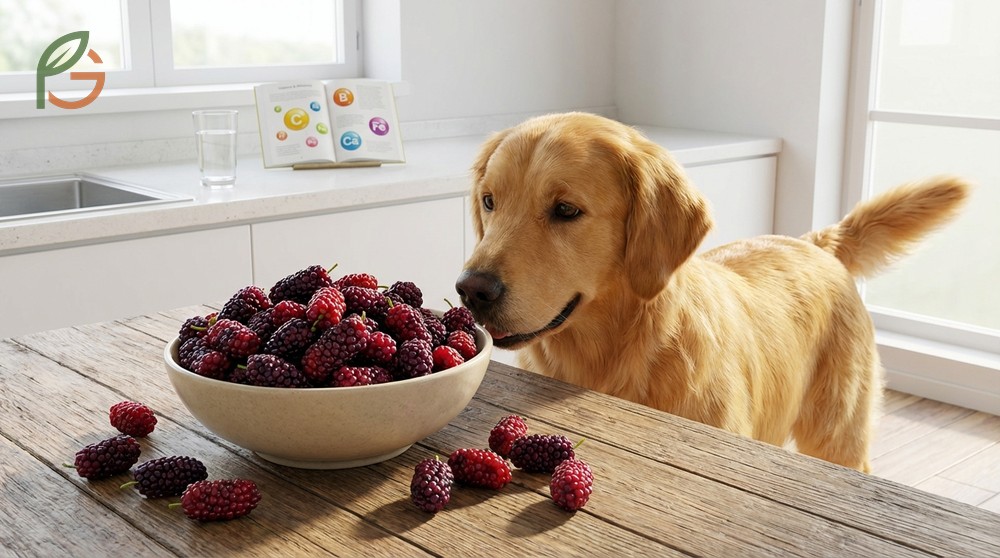
Mulberries deliver concentrated nutrients in small servings. Per 100 grams, these berries provide 36.4mg of vitamin C[2]—comparable to citrus fruits. This supports immune function and collagen production in dogs.
Iron content reaches 1.85mg per 100 grams[3], helping produce red blood cells that transport oxygen throughout your dog’s body. Calcium levels of 39mg per 100 grams[2] contribute to bone strength and dental health.
Antioxidants like anthocyanins and resveratrol protect cells from oxidative damage. Research shows these compounds may reduce inflammation and support cardiovascular health. The fiber content aids digestion by promoting healthy gut bacteria and regular bowel movements.
| Nutrient | Amount | Benefit for Dogs |
|---|---|---|
| Vitamin C | 36.4mg[2] | Immune system support, antioxidant protection |
| Iron | 1.85mg[3] | Red blood cell production, oxygen transport |
| Calcium | 39mg[2] | Bone and teeth strength, muscle function |
| Fiber | 1.7g | Digestive health, bowel regularity |
- Immune system boost: High vitamin C content strengthens natural defenses against illness
- Digestive regulation: Dietary fiber promotes healthy gut bacteria and consistent bowel movements
- Bone health support: Calcium and vitamin K work together to maintain skeletal strength
- Cardiovascular protection: Antioxidants reduce inflammation and support heart function
- Brain function maintenance: Nutrients help repair neural cells and maintain cognitive health
- Cancer risk reduction: Anthocyanins may prevent tumor formation in the digestive tract
Feeding Tip: Most veterinarians recommend washing all berries thoroughly before serving to remove pesticides, dirt, and potential contaminants. Organic mulberries eliminate pesticide concerns entirely.
Dog Ate Unripe Mulberries
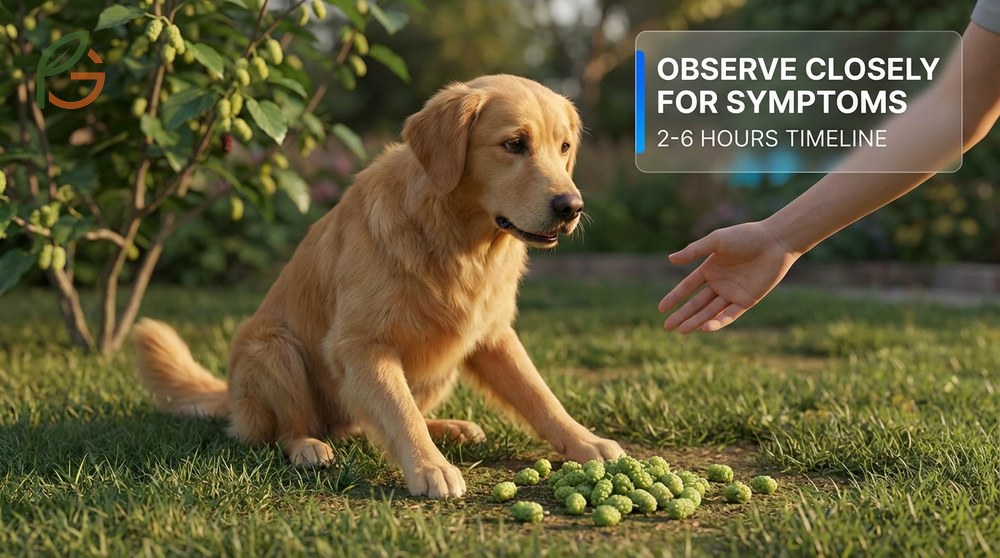
If your dog consumed unripe mulberries, observe them closely for the next 2-6 hours when symptoms typically appear. The hallucinogenic compounds in green berries affect dogs’ nervous systems, causing disorientation and unusual behavior[4]. Most cases resolve within 24 hours without intervention, but severe reactions warrant veterinary care.
Contact your veterinarian immediately if symptoms intensify or persist beyond 6 hours. Provide specific information: the approximate number of berries eaten, time of consumption, and your dog’s weight. This helps the vet determine whether emergency treatment is necessary.
Don’t induce vomiting unless a veterinary professional instructs you to do so. Forcing vomiting can cause aspiration or esophageal damage in some situations. Instead, offer fresh water and restrict food for 12 hours if stomach upset occurs.
- Remove access: Take your dog away from the mulberry tree immediately to prevent further consumption
- Check the mouth: Gently remove any remaining berry pieces or leaves from your dog’s mouth
- Monitor behavior: Watch for signs of hallucination like staring at nothing, confusion, or unusual movements
- Document symptoms: Note the time, quantity eaten, and any behavioral changes for your veterinarian
- Provide water: Keep fresh water available to help flush the digestive system
- Call the vet: Contact your veterinarian or ASPCA Animal Poison Control at 888-426-4435 for guidance
Symptoms of Mulberry Poisoning in Dogs
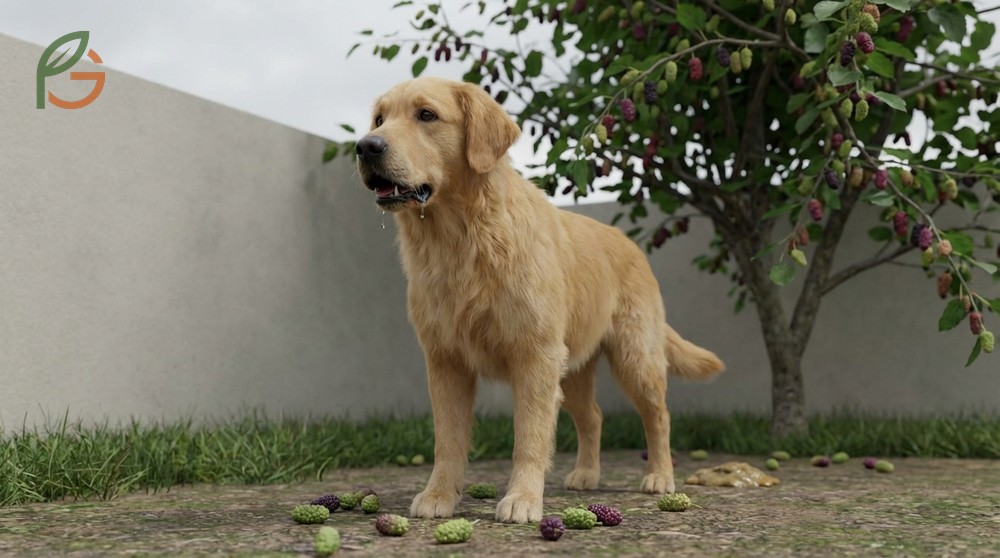
Hallucinations represent the primary symptom of unripe mulberry consumption. Dogs may stare at walls, snap at invisible objects, or display extreme confusion. These neurological effects stem from unidentified alkaloids present in immature berries[4]. The intensity correlates with the quantity consumed and your dog’s body weight.
Gastrointestinal symptoms follow within 1-3 hours of ingestion. Vomiting, diarrhea, and excessive drooling indicate the digestive system is reacting to irritants in unripe fruit. Stomach pain manifests as whining, pacing, or reluctance to lie down comfortably.
Nervous system stimulation can cause restlessness, panting, or tremors in severe cases. Your dog might pace continuously or seem unable to settle. These symptoms typically peak 3-6 hours after consumption and gradually subside over the following 12-18 hours.
- Visual hallucinations: Staring blankly, tracking invisible objects, dilated pupils
- Gastrointestinal distress: Vomiting, diarrhea, loss of appetite, excessive drooling
- Behavioral changes: Confusion, disorientation, inability to recognize familiar people or places
- Physical discomfort: Whining, pacing, hunched posture indicating stomach pain
- Nervous system effects: Tremors, restlessness, excessive panting without exertion
- Allergic reactions: Itching, hives, facial swelling (rare but possible with any berry exposure)
Emergency Warning: Seek immediate veterinary care if your dog shows difficulty breathing, seizures, collapse, or symptoms lasting more than 24 hours. These indicate serious complications requiring professional treatment.
Fruits Dogs Can Eat

Dogs can safely eat several berry varieties besides mulberries, each offering unique nutritional profiles. Blueberries rank among the safest options, containing high antioxidant levels without pits or toxic compounds. Strawberries provide vitamin C and fiber but should be cut into small pieces for dogs under 20 pounds.
Blackberries and raspberries mirror mulberries’ nutritional benefits with similar safety profiles. These berries contain vitamins, minerals, and antioxidants that support canine health. Raspberries have anti-inflammatory properties particularly beneficial for senior dogs with joint issues.
Current veterinary guidance emphasizes variety in moderation. Rotating between different safe fruits prevents dietary imbalances while keeping treats interesting. Always introduce new fruits one at a time, waiting 48 hours before adding another to identify potential allergies.
- Blueberries: Extremely safe, high in antioxidants, appropriate serving is 2-3 berries per 10 pounds of body weight
- Strawberries: Rich in vitamin C and fiber, remove stems and cut into quarters for small dogs
- Blackberries: Similar nutrition to mulberries, safe in equal portions, support digestive health
- Raspberries: Anti-inflammatory benefits for senior dogs, limit to 1 teaspoon per 10 pounds due to xylitol content
- Cranberries: Support urinary tract health, serve fresh or dried without added sugar
- Watermelon: Hydrating summer treat, remove all seeds and rind before serving
- Apple slices: High in fiber and vitamin A, always remove core, seeds, and stems containing cyanide
- Bananas: Potassium-rich energy boost, limit to 2-3 small slices daily due to sugar content
Avoid grapes, raisins, cherries, and citrus fruits in large quantities. Grapes and raisins cause kidney failure in dogs through unknown mechanisms. Cherries contain cyanogenic glycosides in pits and stems that break down into cyanide. Citrus fruits in excess lead to stomach upset and central nervous system depression.
Research demonstrates that dogs benefit most from treats comprising 10% or less of daily calories[4]. Calculate your dog’s daily caloric needs based on weight, age, and activity level. A 50-pound adult dog requires approximately 1,000-1,400 calories daily, meaning treats should total 100-140 calories maximum.
Conclusion
The evidence is clear: can dogs eat mulberries safely depends entirely on ripeness and portion control. Ripe mulberries offer nutritional benefits including immune support, digestive health, and antioxidant protection when fed as occasional treats. Current veterinary guidance emphasizes the critical distinction between safe ripe berries and hazardous unripe fruit containing hallucinogenic compounds.
FruitGarden recommends starting with 1-2 ripe berries, monitoring your dog’s response for 24 hours, and never exceeding 10% of daily calories from treats. Always consult your veterinarian before adding new foods to your dog’s diet, especially if they have existing health conditions or take medications.
Medical Disclaimer
Important Medical Disclaimer: This content is for informational and educational purposes only. It’s not intended as a substitute for professional veterinary advice, diagnosis, or treatment. Always consult a qualified veterinarian before making any changes to your dog’s diet, especially if your pet has diabetes, allergies, digestive issues, or other medical conditions. If you suspect your dog has eaten toxic berries or shows concerning symptoms, contact your veterinarian or the ASPCA Animal Poison Control Center immediately at 888-426-4435.
Frequently Asked Questions
Can Dogs Have Mulberries Every Day?
Dogs shouldn’t eat mulberries daily. Veterinary nutritionists recommend rotating treats to ensure dietary variety and prevent nutrient imbalances. Offer mulberries 2-3 times per week at most, alternating with other safe fruits like blueberries or apple slices to maintain balanced nutrition.
Are Mulberries Poisonous to Dogs?
Ripe mulberries aren’t poisonous to dogs according to ASPCA classification. However, unripe green or white mulberries contain hallucinogenic compounds that cause neurological symptoms and digestive upset. Only feed fully ripe, dark purple or black berries to avoid these toxic effects.
Can Chickens Eat Mulberries?
Yes, chickens can safely eat ripe mulberries. These berries provide antioxidants, vitamins, and minerals beneficial for poultry health. Many backyard chicken keepers plant mulberry trees specifically to provide natural foraging opportunities, as chickens enjoy pecking fallen berries from the ground.
How Many Mulberries Can I Give My Dog?
Portion size depends on your dog’s weight. A 20-pound dog can have 2-3 berries, a 50-pound dog can tolerate 5-8 berries, and larger breeds might handle 10-12 berries safely. Start with smaller amounts and increase gradually while monitoring for digestive changes or allergic reactions.
Are Mulberry Leaves Safe for Dogs?
Mulberry leaves are non-toxic but not recommended as food for dogs. While the ASPCA lists the entire mulberry plant as non-toxic, leaves may cause mild stomach upset if eaten in large quantities. Prevent access to mulberry foliage and only intentionally offer ripe berries.
What Should I Do if My Dog Ate Mulberries Off the Ground?
Monitor your dog for 24 hours, watching for vomiting, diarrhea, or behavioral changes. Ground berries may be fermented or contaminated with pesticides. If symptoms appear, contact your veterinarian. Fresh-picked berries from chemical-free trees pose lower risks than those fallen on soil.
Can Diabetic Dogs Eat Mulberries?
Diabetic dogs require veterinary approval before eating mulberries due to natural fruit sugars. While mulberries have a moderate glycemic index, even small amounts affect blood sugar levels. Your veterinarian can determine if mulberries fit within your dog’s diabetic management plan and insulin schedule.





