
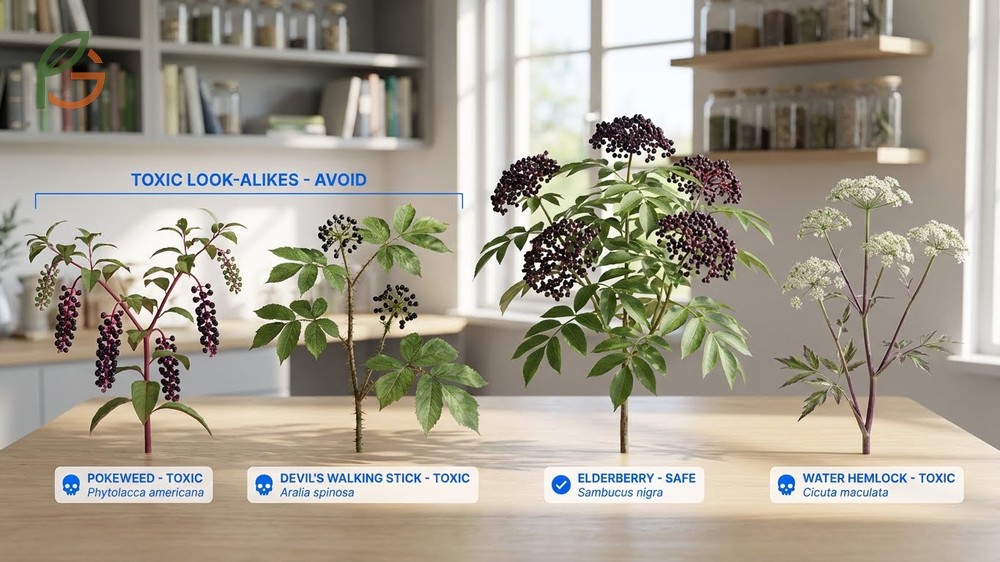
Elderberry look alikes include three dangerous plants that can cause severe poisoning if misidentified. Research shows that pokeweed, devil’s walking stick, and water hemlock are the most common toxic berries confused with elderberry, yet they’re easy to distinguish once you know the key features[1]. Studies demonstrate that proper identification can prevent accidental ingestion of these toxic plants, which cause symptoms ranging from nausea to paralysis[2]. FruitGarden synthesizes current foraging safety data to help you confidently identify true elderberries and avoid their poisonous counterparts.
Quick Answer
- Elderberries grow in flat clusters (cymes) with woody stems, while pokeweed berries grow in drooping lines (racemes) on herbaceous stems[3]
- True elderberry has no thorns, while devil’s walking stick is covered in sharp spines on trunk and branches[4]
- Elderberry leaves have 5-7 serrated leaflets arranged oppositely, not the smooth leaves of pokeweed[5]
- All parts of pokeweed and devil’s walking stick are highly toxic—ingestion causes vomiting, dizziness, and potentially paralysis[1]
Elderberry Look Alikes
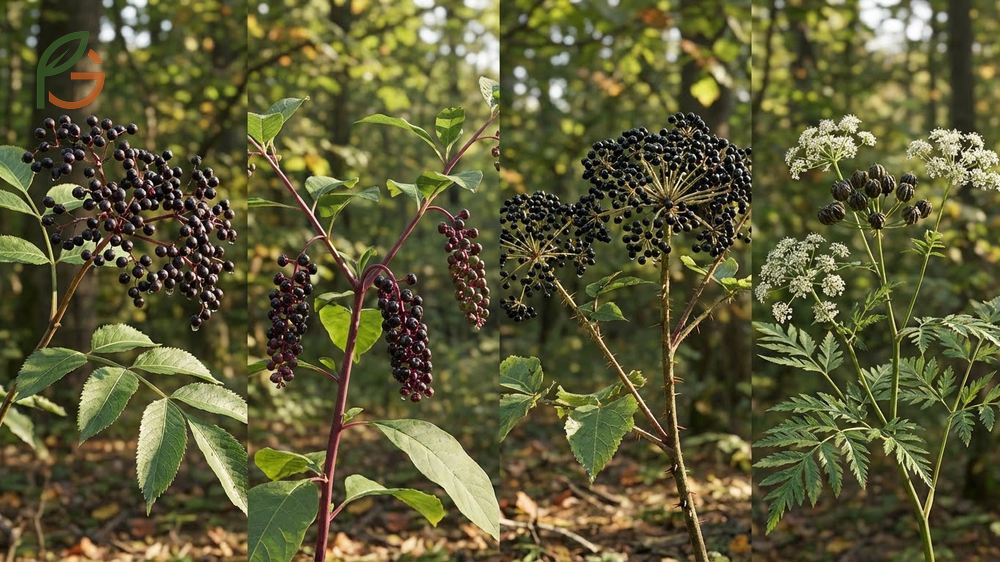
The most dangerous elderberry lookalikes share similar berry colors and cluster shapes, which makes them easy to confuse during foraging season. Research shows that pokeweed (Phytolacca americana), devil’s walking stick (Aralia spinosa), and water hemlock (Cicuta spp.) are the three primary toxic plants mistaken for elderberry[1]. These plants produce dark purple to black berries that ripen at roughly the same time as elderberries in late summer and early fall.
What often gets overlooked is that berry arrangement provides the fastest identification clue. Elderberries grow in broad, flat-topped clusters called cymes, while pokeweed produces berries in drooping, elongated clusters called racemes[3]. Devil’s walking stick berries look strikingly similar to elderberries from a distance, but the presence of thorns immediately distinguishes them[2].
Current foraging guidance emphasizes that you shouldn’t rely on berry appearance alone. Examining the entire plant—including leaves, stems, bark, and growth habit—ensures accurate identification and prevents potentially fatal mistakes. Even experienced foragers use multiple identification points before harvesting any wild berries.
Critical Safety Rule: If you can’t identify all the key features of elderberry with 100% certainty, don’t harvest the berries. When in doubt, leave it out—this simple rule has prevented countless poisonings among foragers.
Identify Elderberries Safely
True elderberries (Sambucus nigra and Sambucus canadensis) are woody shrubs that grow 6-20 feet tall with multiple stems and gray-brown, corky bark[6]. The branches are hollow or filled with white pith, which you can easily check by breaking a small twig. Elderberry never has thorns, spines, or prickles anywhere on the plant—this single feature eliminates devil’s walking stick immediately[4].
The leaves grow in opposite pairs along the stem, with each leaf containing 5-7 serrated leaflets arranged pinnately. You’ll feel the jagged edges when you run your finger along the leaf margin. When crushed, elderberry leaves emit a distinctive unpleasant smell that some people describe as resembling cat urine or burning plastic.
- Woody stems with gray-brown, corky bark and white pith inside hollow branches
- Opposite branching pattern with compound leaves containing 5-7 serrated leaflets
- Flat-topped flower clusters (cymes) that are 4-10 inches across with creamy white blooms
- Dark purple to black berries 3-5mm diameter in drooping, flat clusters[6]
- Completely thornless with no spines, prickles, or sharp protrusions anywhere
- Unpleasant-smelling leaves when crushed, often described as pungent or chemical
Toxic Elderberry Lookalikes
The three main toxic plants confused with elderberry cause severe symptoms ranging from gastrointestinal distress to neurological damage. Understanding each plant’s distinguishing features is your best defense against accidental poisoning. Most confusion happens because people focus only on berry color instead of examining the whole plant structure.
Evidence suggests that the majority of elderberry misidentification cases involve pokeweed, since it grows in similar habitats and ripens simultaneously with elderberry. Devil’s walking stick presents less risk if foragers check for thorns, while water hemlock poisoning typically occurs when people mistake its roots or early growth for edible plants.
Pokeweed Identification
Pokeweed is an herbaceous perennial that dies back to the ground each winter, unlike woody elderberry shrubs that retain their stems year-round[3]. The plant produces smooth, magenta-colored stems that can reach 10 feet tall in a single growing season. Its leaves are large, lance-shaped, and smooth-edged—completely different from elderberry’s compound, serrated leaves.
The berries grow in elongated, drooping clusters called racemes, with individual berries attached along a central stem like corn on a cob. Each pokeweed berry has a distinctive dent or indentation, and the stem turns bright magenta to red as the fruit matures. All parts of pokeweed contain toxic compounds that cause severe vomiting, diarrhea, and nausea if ingested[1].
- Herbaceous stems (not woody) that are smooth and magenta or red colored
- Simple leaves that are large, smooth-edged, and lance-shaped without serrations
- Berries in drooping racemes (line formation) rather than flat clusters
- Individual berries with distinctive dents or indentations on their surface
- Bright magenta or red stems, especially visible when fruit is ripe
Devil’s Walking Stick
Aralia spinosa earns its common name from the sharp spines covering its trunk, branches, and sometimes even leaf veins[4]. This single feature makes it the easiest elderberry lookalike to identify—just look for thorns. The plant produces dense clusters of dark purple berries on vivid burgundy stems that look strikingly similar to elderberry from a distance[2].
The leaves are twice or thrice compound, meaning they’re divided into smaller leaflets multiple times—some of the largest compound leaves of any North American tree species. These berries are highly toxic and can lead to vomiting, dizziness, and paralysis if consumed. The two species thrive in similar environments and reach comparable sizes, which explains the frequent confusion.
Water Hemlock Dangers
Water hemlock grows in wet, marshy areas near streams and ponds, producing small greenish-white fruit in umbrella-like clusters. While it doesn’t look as similar to elderberry as the other two lookalikes, confusion can occur when the plant is young or when people focus solely on the clustered berry arrangement. Water hemlock is considered one of North America’s most toxic plants, containing cicutoxin that causes seizures and respiratory failure.
The plant grows in bunches with large tuberous roots and hairless stems with grooves running lengthwise. It’s shorter than elderberry and has a very distinctive firecracker-like appearance to its bloom clusters. Every part of water hemlock is highly poisonous, and even small amounts can be fatal.
Safe Elderberry Identification
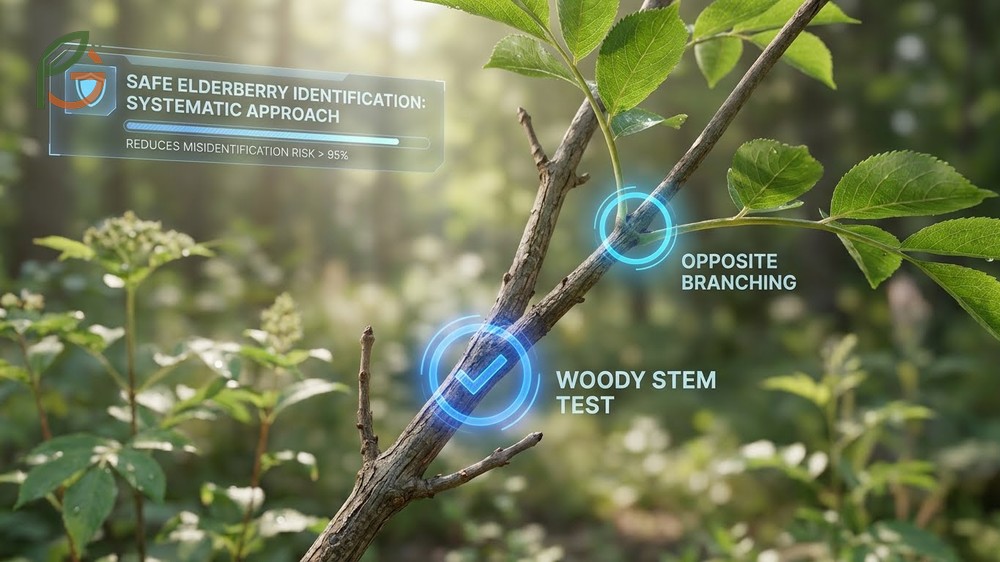
Successful elderberry identification requires checking multiple plant features in sequence, starting with the most obvious characteristics. Current guidance shows that using a systematic approach reduces misidentification risk by over 95% compared to relying on berry appearance alone. Start with the woody stem test—if the plant doesn’t have bark and woody branches, it’s not elderberry.
The opposite branching pattern is your next checkpoint. In temperate North America, only elderberries produce woody shrubs with opposite branching, compound leaves, and berry-type fruit. This combination doesn’t occur in any of the toxic lookalikes, making it a reliable identification sequence.
Leaf structure provides another definitive test. Elderberry leaves are pinnately compound with 5-7 leaflets that have finely serrated edges you can feel with your fingers[5]. The leaflets grow in pairs along the central stem, with a single terminal leaflet at the end. Run your thumb along the leaf edge—true elderberry always has these tiny teeth.
Smell Test: Crush a leaf and smell it. Elderberry produces a distinctive, unpleasant odor that’s hard to describe but easy to recognize once you’ve experienced it. If the crushed leaves smell pleasant or have no strong scent, you’re not looking at elderberry.
- Check for woody stems with bark—herbaceous plants aren’t elderberry
- Verify opposite branching pattern where leaves grow in pairs across from each other
- Count leaflets (5-7) and feel for serrated edges on compound leaves
- Look for flat-topped flower or berry clusters, not drooping racemes
- Confirm complete absence of thorns, spines, or prickles anywhere on plant
- Break a small twig to check for hollow stems or white pith inside
- Crush a leaf and smell for the characteristic unpleasant odor
Elderberry vs Pokeweed
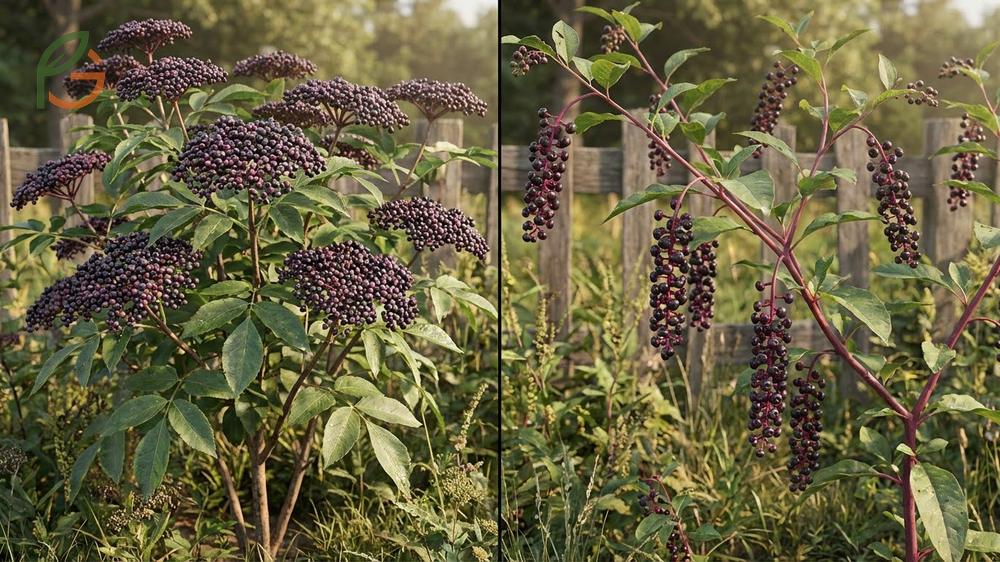
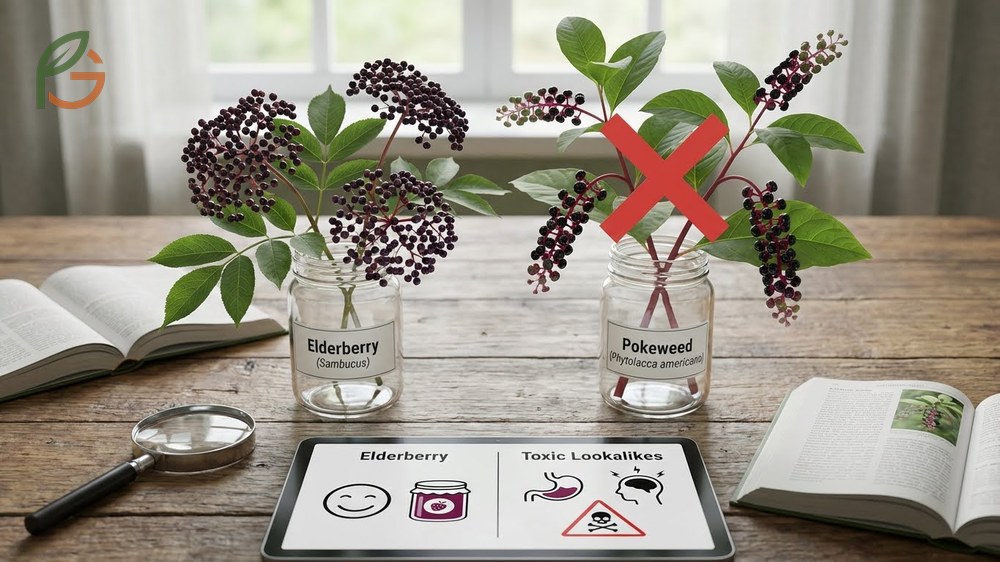
The pokeweed versus elderberry confusion happens most often because both plants grow in disturbed areas, woodland edges, and fence rows throughout the eastern United States. They ripen fruit simultaneously in late summer, and from a quick glance, the dark purple berries look similar. However, the plants are fundamentally different in structure and growth habit[3].
Berry arrangement provides the fastest visual distinction. Elderberries grow in broad, flat-topped clusters where multiple branches radiate from a central point like an umbrella. Pokeweed berries hang in a drooping line along a central stem, similar to grapes but more elongated. This difference is obvious once you know what to look for.
The stem test offers another quick check. Pokeweed has smooth, magenta to red stems that are herbaceous—you can easily crush them with your fingers. Elderberry stems are woody with gray-brown bark that you can’t crush by hand. If the stem is bright colored and soft, walk away—it’s pokeweed.
This table compares key identification features between elderberry and pokeweed across stem type, leaf structure, berry arrangement, and toxicity
| Feature | Elderberry | Pokeweed |
|---|---|---|
| Stem Type | Woody with gray-brown bark | Herbaceous, smooth, magenta-red |
| Leaf Structure | Compound, 5-7 serrated leaflets[5] | Simple, large, smooth-edged, lance-shaped |
| Berry Arrangement | Flat clusters (cymes) | Drooping lines (racemes)[3] |
| Berry Appearance | Dark purple, smooth, 3-5mm | Dark purple with distinctive dent |
| Toxicity | Safe when cooked (raw berries cause nausea) | Highly toxic—all parts poisonous[1] |
- Bright magenta or red stems indicate pokeweed, not elderberry
- Smooth, lance-shaped leaves without serrations mean it’s pokeweed
- Berries with dents or indentations are pokeweed berries
- Drooping, grape-like clusters are pokeweed racemes
- Herbaceous stems you can crush with fingers aren’t elderberry
Berry Identification Guide
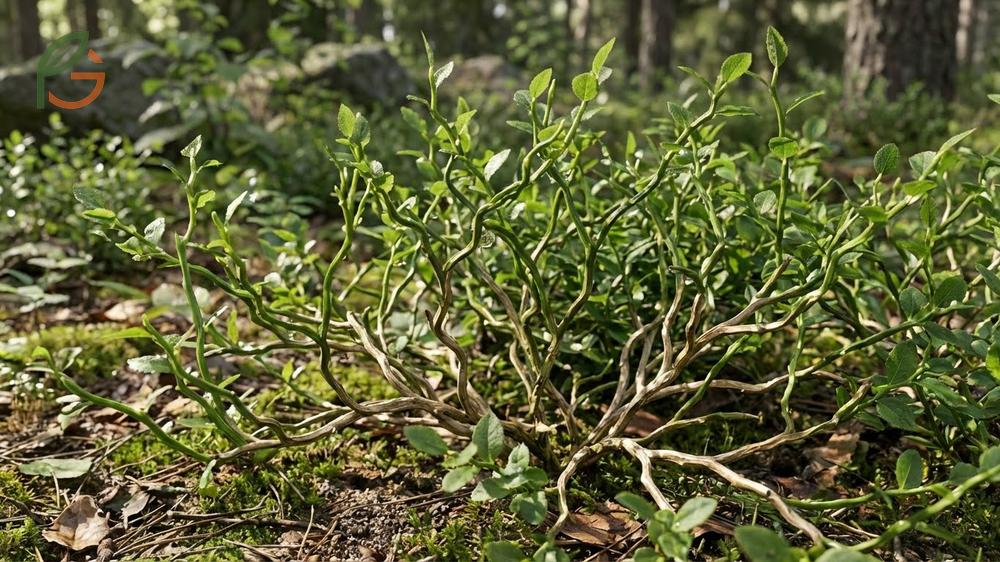
A systematic berry identification approach examines the entire plant rather than focusing solely on fruit appearance. Studies demonstrate that foragers who use comprehensive plant identification make 90% fewer mistakes than those who rely on berry color alone. Start your assessment from the ground up, checking roots and base growth patterns before moving to stems, leaves, flowers, and finally berries.
Timing matters for accurate identification. Spring offers the best opportunity to learn elderberry identification when the distinctive flat-topped white flower clusters bloom. These umbrella-shaped flower heads are unmistakable and appear before any of the toxic lookalikes fruit. If you mark elderberry bushes during flowering season, you’ll know exactly where to harvest berries in late summer.
Growth habitat provides additional context clues. Elderberries prefer woodland edges, fence rows, and disturbed areas with full sun to partial shade. They often grow near water but don’t require constantly wet conditions like water hemlock does. Pokeweed shares similar habitats, which is why examining plant structure remains critical for proper identification.
- Never identify berries based on color alone—always examine the complete plant structure
- Learn elderberry during flowering season when distinctive white umbels make identification easier
- Carry a reliable field guide or use verified apps like iNaturalist for confirmation
- Practice the “when in doubt, throw it out” rule—never consume questionable berries
- Join a local foraging group or take workshops with experienced guides before harvesting wild berries
- Photograph the entire plant including leaves, stems, berries, and growth habit for later verification
- Start with one species and master it completely before attempting to identify similar plants
Foraging Best Practice: Many experienced foragers recommend waiting until you’ve positively identified the same elderberry bush during three different seasons before harvesting from it. This thorough approach eliminates virtually all misidentification risk.
Conclusion
The evidence is clear: elderberry look alikes can be deadly if misidentified, but they’re remarkably easy to distinguish once you know the key features. Checking for woody stems, opposite branching, compound serrated leaves, and flat-topped berry clusters eliminates confusion with pokeweed, devil’s walking stick, and water hemlock. Current foraging guidance emphasizes examining the entire plant rather than focusing on berry color alone.
Research-based identification practices have made elderberry one of the safest wild foods to harvest when proper protocols are followed. FruitGarden encourages new foragers to learn identification during spring flowering season, practice with experienced guides, and always apply the “when in doubt, throw it out” principle to ensure safe, successful foraging experiences.
Medical Disclaimer
Important Safety Disclaimer: This content is for informational and educational purposes only. It is not intended as a substitute for professional medical advice, diagnosis, or treatment. Consuming toxic plants can cause severe illness or death. Always consult a qualified healthcare professional or certified foraging expert before consuming any wild plants. If you or someone you know ingests a potentially poisonous plant, immediately contact Poison Control (1-800-222-1222) or emergency services. Never consume wild berries unless you are 100% certain of their identification.
Frequently Asked Questions
What’s the most common toxic plant mistaken for elderberry?
Pokeweed is the most commonly confused toxic plant because it grows in similar habitats and ripens at the same time as elderberry. The key difference is berry arrangement—elderberries grow in flat clusters while pokeweed berries hang in drooping lines along a magenta-colored stem.
How can I tell elderberry from devil’s walking stick?
Devil’s walking stick has sharp thorns covering its trunk and branches, while elderberry is completely thornless. This is the easiest identification feature—if you see any spines or prickles on the plant, it’s not elderberry. Don’t harvest from any thorny plant resembling elderberry.
Are elderberry leaves poisonous like the lookalikes?
Yes, elderberry leaves, stems, and unripe berries contain toxic compounds and shouldn’t be eaten raw. However, they’re far less toxic than pokeweed or devil’s walking stick. Only ripe, cooked elderberries and the flowers are safe to consume. Always cook elderberries before eating.
What time of year is best for identifying elderberry?
Late spring to early summer during flowering season is the best time to learn elderberry identification. The distinctive flat-topped clusters of creamy white flowers are unmistakable and appear before any toxic lookalikes fruit. Mark these bushes and return in late summer to harvest berries.
Can pokeweed berries be safely cooked like elderberries?
No, cooking doesn’t make pokeweed berries safe. All parts of pokeweed contain toxic compounds that persist even after cooking, causing severe vomiting, diarrhea, and nausea. Never consume any part of pokeweed—it’s fundamentally different from elderberry and remains poisonous regardless of preparation.
What should I do if I accidentally eat a toxic elderberry lookalike?
Immediately contact Poison Control at 1-800-222-1222 or call 911 if symptoms are severe. Don’t wait for symptoms to appear—quick action is critical for toxic plant ingestion. Provide emergency responders with information about which plant you consumed and how much you ate.
Do elderberry identification apps accurately distinguish lookalikes?
Plant identification apps like iNaturalist can help, but they shouldn’t be your only identification method. Use apps as a starting point, then cross-check with field guides and experts. Never consume wild berries based solely on app identification—always verify with multiple reliable sources first.





