
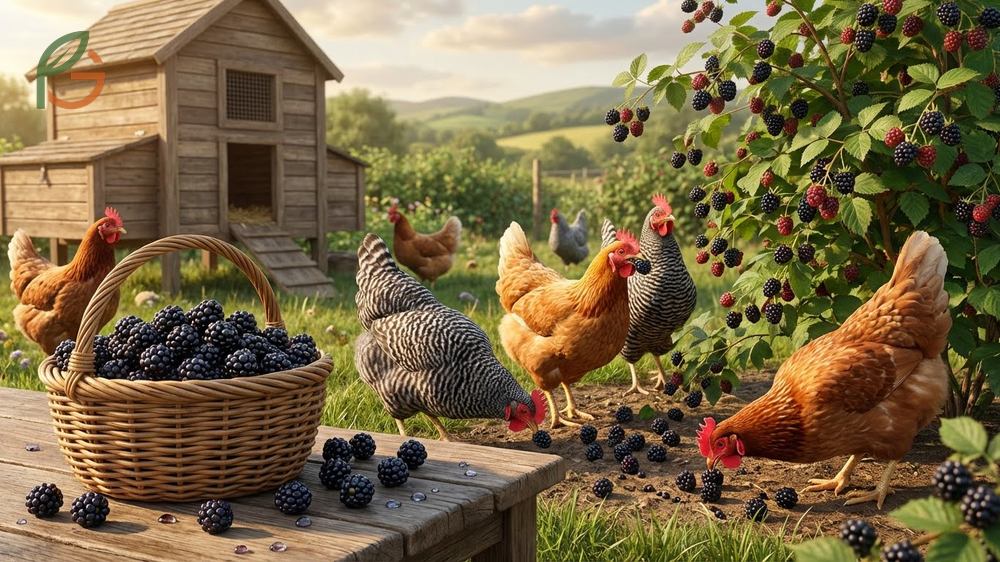
Can chickens eat blackberries? Yes, chickens can safely eat blackberries as nutritious treats that provide essential vitamins, minerals, and antioxidants. Research shows blackberries contain 21mg vitamin C per 100g and high levels of manganese and vitamin K that support egg production and overall flock health. FruitGarden synthesizes current poultry nutrition research to help backyard chicken keepers make informed feeding decisions for healthier, happier birds.
Quick Answer
- Blackberries are 100% safe for chickens and contain 43 calories per 100g[1] with high water content for hydration
- Follow the 90/10 rule[2]: 90% complete layer feed, 10% treats including blackberries
- Rich in vitamin K (17% DV) and manganese (28% DV)[1] that boost egg quality and bone health
- Feed fresh blackberries 2-3 times weekly—never moldy berries that can harm your flock
Can Chickens Eat Blackberries
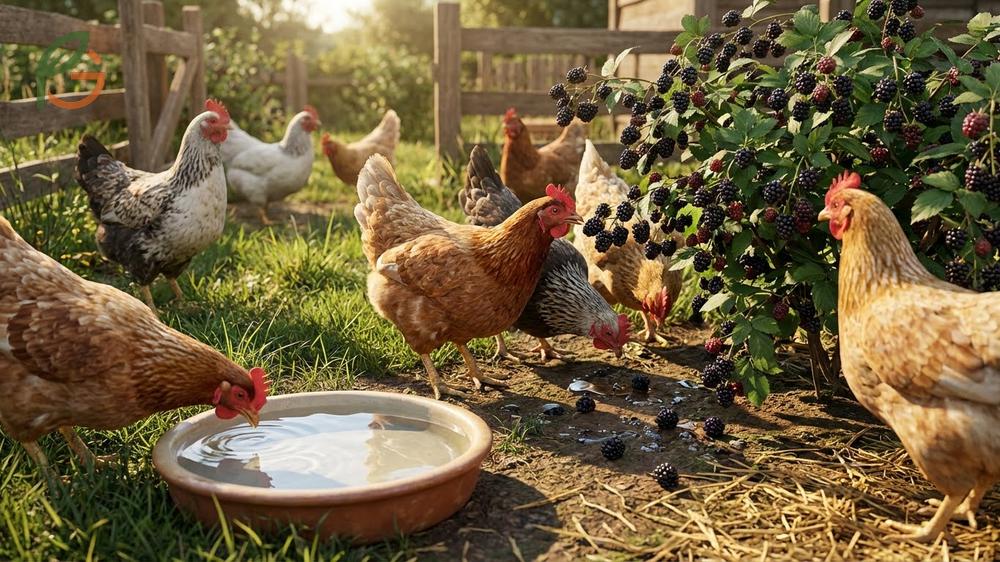
Chickens can absolutely eat blackberries without any safety concerns. Studies demonstrate that blackberries provide essential nutrients while being low in calories at just 43 calories per 100g[1], making them an ideal treat for backyard flocks.
Current poultry nutrition data shows blackberries contain high levels of antioxidants that fight free radicals and support disease resistance in chickens[3]. Most chickens show strong preference for these sweet berries due to their bright color and natural sugars.
Unlike some fruits that require preparation, blackberries can be fed whole with seeds intact. Research confirms the seeds pose no choking hazard and provide additional fiber benefits for digestive health.
From My Experience: My cousin in Guadalajara, Mexico grows wild blackberries near her chicken coop. Her flock strips the lower branches bare within hours when berries ripen in June, showing just how much chickens naturally seek out this fruit.
What Parts Chickens Can Eat
Chickens can consume every part of the blackberry plant safely. The berries, leaves, and even canes provide different nutritional benefits for your flock.
Blackberry leaves contain bioactive compounds with antioxidant and anti-inflammatory properties[3]. However, most chickens don’t find leaves as palatable as the fruit itself.
- Fresh ripe berries—the most nutritious and preferred option
- Slightly underripe berries—lower sugar content but still safe
- Blackberry leaves—safe if pesticide-free, though less appealing
- Frozen berries—excellent for hot weather hydration
- Seeds within berries—provide extra fiber and omega fatty acids
Critical Warning: Never feed moldy blackberries to chickens. Mold produces toxins that can cause serious illness or death in poultry—always discard spoiled berries in compost instead.
Why Chickens Love Blackberries
Chickens possess superior daytime vision compared to humans and are naturally attracted to bright colors. The deep purple-black hue of ripe blackberries triggers immediate foraging interest in most flocks.
The natural sugar content appeals to chickens’ taste preferences while the soft texture allows easy consumption. Evidence suggests chickens recognize blackberries as high-value food sources and will prioritize them over standard feed when available[3].
Agricultural observations show chickens develop learned behaviors around blackberry availability. Flocks with access to blackberry bushes return repeatedly during fruiting season to harvest berries themselves.
Safe Chicken Treats
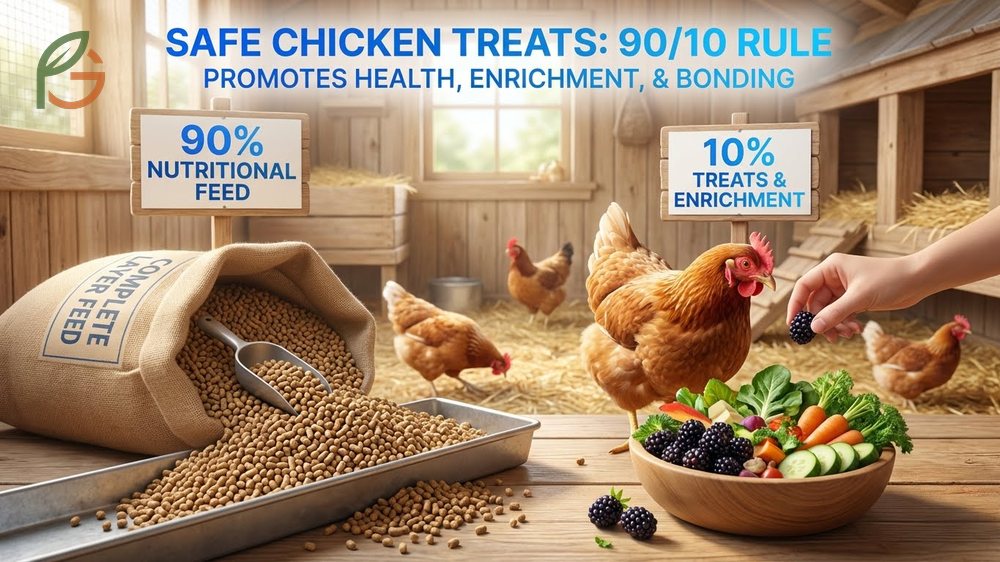
Current poultry feeding guidance emphasizes the 90/10 rule for optimal flock health. This means 90% of a chicken’s diet should consist of nutritionally complete layer feed, while the remaining 10% can include treats like blackberries, vegetables, and other supplements[2].
Treats serve important purposes beyond nutrition—they provide mental enrichment, reduce boredom, and strengthen the bond between chickens and their keepers. Research shows varied diets with appropriate treats lead to healthier, more active flocks.
Timing matters when offering treats like blackberries. Most experts recommend feeding treats in the afternoon after chickens have consumed their primary layer feed, ensuring they receive complete nutrition first.
Feeding Portion Guidelines
Proper portion control prevents nutritional imbalances while maximizing treat benefits. For a standard flock of 10-12 chickens, offer approximately 1-2 cups of blackberries 2-3 times weekly.
Individual chickens should consume no more than 5-10 blackberries per feeding session. This amount provides nutritional benefits without displacing essential nutrients from complete feed.
- Small flocks (4-6 birds)—half cup of blackberries per treat session
- Medium flocks (10-15 birds)—1 to 1.5 cups maximum per session
- Large flocks (20+ birds)—2 cups distributed evenly across the run
- Frequency—limit to 2-3 times weekly to maintain dietary balance
- Integration—mix with other fruits and vegetables for variety
Potential Risks of Overfeeding
Excessive blackberry consumption can lead to digestive upset and diarrhea due to high water and fiber content. Agricultural data indicates protein deficiency becomes a concern when treats exceed 15-20% of total diet[3].
Protein-deficient diets directly impact egg production, causing reduced laying rates and poor egg quality. Blackberries contain minimal protein, so overconsumption displaces protein-rich layer feed that chickens need for optimal performance.
Sugar content in blackberries, while natural, can contribute to obesity and fatty liver disease when chickens consume excessive amounts over extended periods. Balance remains critical for long-term flock health.
Moderation Tip: If you notice loose droppings after feeding blackberries, reduce portion sizes by half and space treat days further apart to allow digestive systems to adjust.
Blackberries for Poultry
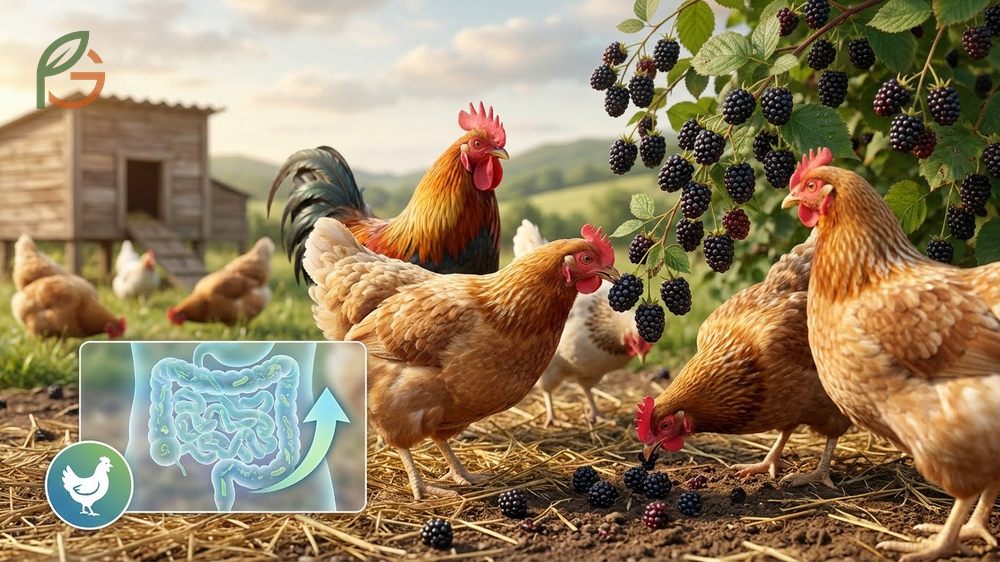
Blackberries rank among the most nutrient-dense fruits available for poultry feeding programs. The impressive nutritional profile supports multiple aspects of chicken health from immune function to reproductive performance.
What often gets overlooked is that blackberries provide prebiotic fiber that promotes beneficial gut bacteria in chickens. This digestive support enhances nutrient absorption from all feed sources, not just the berries themselves.
Seasonal availability makes blackberries particularly valuable during summer months when heat stress affects flock performance. The combination of hydration, antioxidants, and cooling effect helps chickens maintain productivity during challenging weather.
Vitamin and Mineral Benefits
Blackberries deliver concentrated doses of vitamins and minerals critical for poultry health. Vitamin K content reaches 20μg per 100g[1], supporting blood clotting and bone metabolism essential for egg-laying hens.
Research demonstrates vitamin K combined with adequate calcium increases eggshell thickness and reduces soft-shelled or shell-less eggs. Manganese provides 0.93mg per 100g[1], crucial for skeletal development and proper bone formation in growing birds.
This table compares key vitamins and minerals in blackberries per 100 grams with their daily value percentages and specific benefits for chicken health
| Nutrient | Amount per 100g | % Daily Value | Benefit for Chickens |
|---|---|---|---|
| Vitamin C | 21mg[1] | 23% | Boosts immune system, improves stress response, increases laying rate |
| Vitamin K | 20μg[1] | 17% | Essential for blood clotting, bone metabolism, eggshell quality |
| Manganese | 0.93mg[1] | 28% | Supports bone growth, eggshell formation, overall development |
| Fiber | 5g[1] | 19% | Promotes healthy digestion, supports gut bacteria balance |
| Vitamin E | 1mg[1] | 8% | Improves fertility, egg production, reduces oxidative stress |
Vitamin E plays a critical role in reproductive health, directly influencing fertility and egg production rates[3]. The combination of vitamins C and E provides powerful antioxidant protection against cellular damage from environmental stressors.
Hydration and Fiber Content
Blackberries consist of approximately 88% water, making them excellent hydration supplements during hot weather. This high moisture content helps prevent heat stress, a common summer challenge that reduces feed intake and egg production.
The 5g of fiber per 100g[1] supports healthy digestive function and promotes regular gut motility. Evidence indicates adequate fiber intake correlates with improved nutrient absorption and overall digestive health in poultry.
However, excessive fiber can interfere with nutrient uptake from other feed sources. This explains why moderation remains essential—the fiber benefits chickens most when blackberries complement rather than replace complete feed.
Chicken Diet Fruits
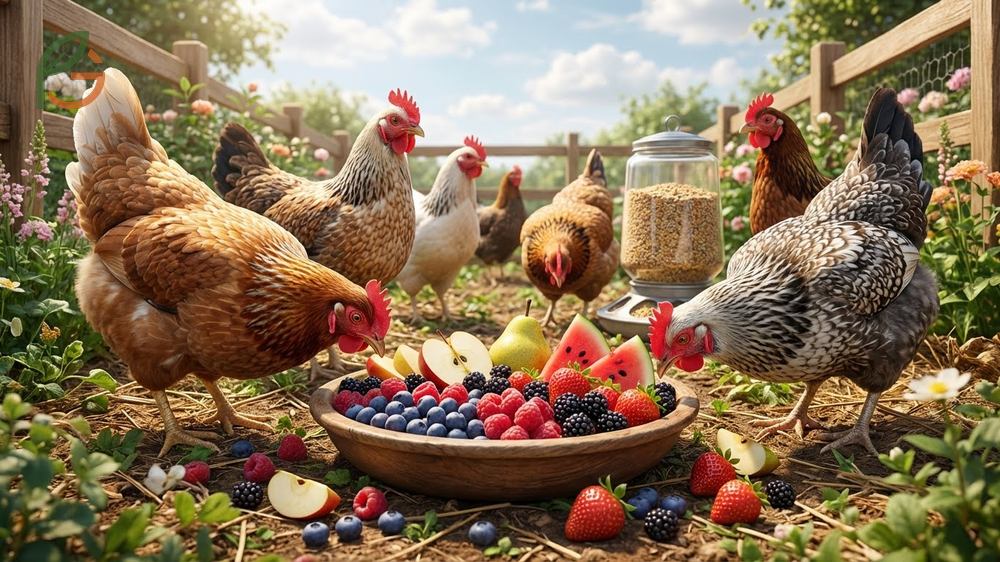
Diversifying fruit treats beyond blackberries provides broader nutritional benefits and prevents dietary monotony. Current guidance recommends rotating different fruits to ensure chickens receive varied vitamins and minerals throughout the year.
Most berries share similar safety profiles and nutritional advantages for chickens. Agricultural data shows berries as a category provide excellent antioxidant support while remaining low in calories compared to other fruit options[4].
Seasonal fruit rotation aligns with natural foraging patterns and takes advantage of peak freshness when nutrients are highest. This approach also manages treat costs effectively by using locally available, in-season produce.
- Strawberries—rich in vitamin C, feed whole with tops intact
- Blueberries—packed with antioxidants, perfect bite-sized portions
- Raspberries—high fiber content, excellent for digestive health
- Watermelon—super hydrating, feed flesh and rind but remove seeds for young chicks[4]
- Apples—good fiber source, always remove seeds containing trace cyanide[4]
- Grapes—safe in all colors, chop for easier consumption
- Bananas—high potassium, feed ripe in small amounts
Stone fruits like peaches require pit removal before feeding due to cyanide content in pits. Tomatoes are safe only when fully ripe and red—green tomatoes and all tomato plant parts contain toxic solanine that harms chickens[4].
Citrus fruits remain controversial in chicken keeping communities. While not toxic, many chickens avoid citrus due to strong acidity, and some keepers report reduced egg production with excessive citrus feeding.
Feeding Strategy: Offer 2-3 different fruits weekly rather than the same treat daily. This rotation prevents picky eating while ensuring your flock benefits from diverse nutrients across the growing season.
Conclusion
The evidence is clear: chickens can eat blackberries safely as nutritious treats that enhance flock health when fed in appropriate amounts. Following the 90/10 feeding rule ensures blackberries complement rather than compromise your chickens’ complete nutritional needs.
Current guidance emphasizes moderation—2-3 times weekly at proper portions—delivers all the benefits without risking digestive upset or nutritional deficiencies. FruitGarden recommends incorporating blackberries into a varied treat rotation that includes other safe fruits and vegetables, providing your backyard flock with optimal nutrition and enrichment throughout the year.
Frequently Asked Questions
Can baby chicks eat blackberries?
Baby chicks under 4 weeks old should receive only starter feed formulated for their specific nutritional needs. After 4-6 weeks, you can introduce tiny amounts of mashed blackberries as occasional treats, ensuring treats never exceed 5% of their diet. Young chicks require higher protein levels than adult birds, so excessive fruit can interfere with proper growth and development.
How many blackberries can I give my chickens per day?
Limit each chicken to 5-10 blackberries per feeding session, offered 2-3 times weekly rather than daily. For a flock of 10 chickens, this translates to approximately 1-1.5 cups of blackberries per treat session. This amount provides nutritional benefits while maintaining the critical 90/10 ratio of complete feed to treats.
Will blackberries change my chickens’ egg yolk color?
Blackberries don’t significantly impact egg yolk color since they lack high levels of carotenoids and xanthophylls responsible for deep orange yolks. However, the antioxidants in blackberries may improve overall egg quality and shell strength through enhanced hen health. For darker yolks, feed marigold petals, dark leafy greens, or commercial supplements containing natural pigments.
Can chickens eat frozen blackberries?
Frozen blackberries are completely safe and make excellent cooling treats during hot summer weather. Let berries thaw slightly before feeding to prevent potential crop impaction from extremely cold food. Frozen berries retain most nutritional value and provide added hydration as they melt, helping chickens regulate body temperature during heat stress.
Are wild blackberries safe for chickens?
Wild blackberries are safe for chickens as long as the area hasn’t been treated with pesticides, herbicides, or other chemicals. Chickens foraging near wild blackberry patches will naturally harvest berries themselves during fruiting season. Consider fencing off wild patches if you want to control consumption amounts, as free-range chickens will strip bushes completely when given unlimited access.
Do blackberries help with chicken parasites?
While blackberries contain beneficial antioxidants and support overall immune function, they’re not proven parasite treatments. Research shows pumpkin seeds and garlic demonstrate some natural deworming properties, but blackberries don’t possess specific antiparasitic compounds. Maintain regular deworming protocols recommended by poultry veterinarians rather than relying on fruit treats for parasite control.
Can chickens eat blackberry jam or preserves?
Avoid feeding chickens blackberry jam, jellies, or preserves due to extremely high sugar content and artificial additives. These processed products often contain added sugars reaching 50-60% by weight, far exceeding healthy levels for poultry. Stick with fresh or frozen whole berries to provide natural sugars in appropriate amounts along with intact fiber and nutrients that processed products lack.





