
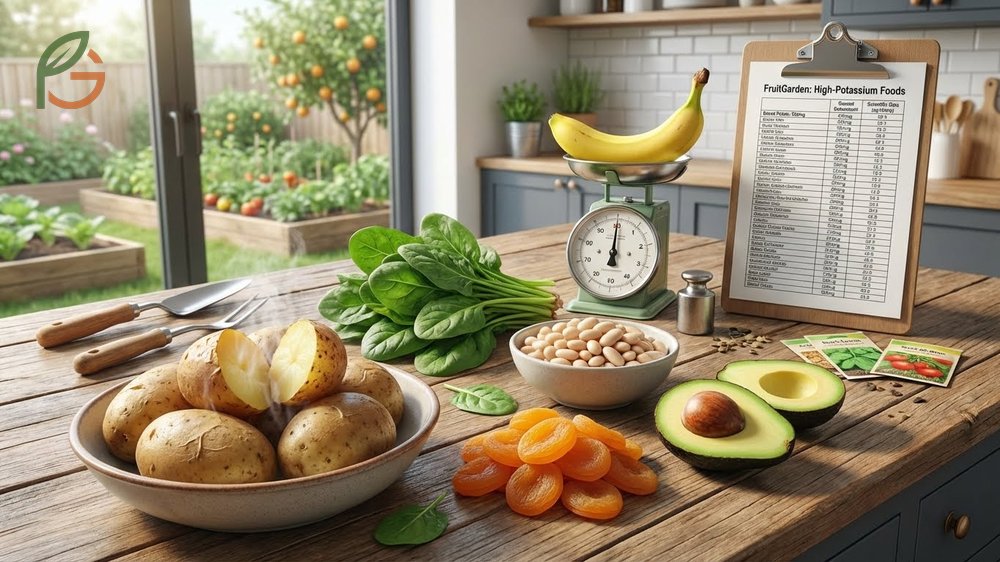
What has potassium besides bananas? Research shows that sweet potatoes, spinach, avocados, white beans, and dried apricots deliver 400-960mg of potassium per serving—often exceeding bananas’ 422mg[1]. Current dietary data from USDA shows that baked potatoes with skin top the list at 926mg per medium potato[2]. FruitGarden synthesizes agricultural research and nutritional data to help you grow and enjoy potassium-rich foods beyond the typical banana.
Quick Answer
What Has Potassium Besides Bananas
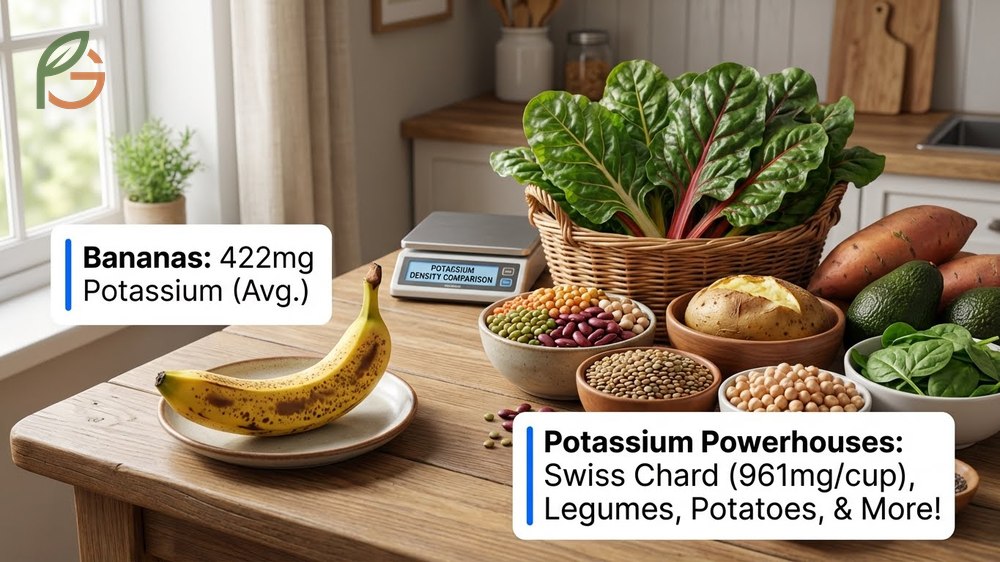
Most people don’t realize that bananas aren’t the potassium champions they’re made out to be. Studies demonstrate that dozens of common foods outperform bananas in potassium density. A medium banana contains 422mg of potassium, which meets about 9-12% of daily needs.
Data from USDA’s Food Sources of Potassium reveals that vegetables, legumes, and certain fruits deliver significantly higher amounts. Leafy greens like Swiss chard provide 961mg per cooked cup[2]. What’s often overlooked is that cooking methods concentrate nutrients—raw spinach transforms into a potassium powerhouse when cooked.
Agricultural data shows that root vegetables and legumes naturally accumulate higher mineral concentrations. Baked potatoes, yams, and lima beans all exceed 900mg per serving[2]. These foods grow slowly underground, allowing more time for mineral uptake from soil.
Why Potassium Matters
Research shows potassium regulates fluid balance, muscle contractions, and nerve signals in every cell. Adults need 2,600-3,400mg daily depending on sex[3]. This essential mineral works opposite to sodium—while sodium raises blood pressure, potassium helps lower it.
Evidence indicates that adequate potassium intake reduces stroke risk by 24% and decreases the likelihood of heart disease. Your kidneys maintain potassium balance by filtering excess amounts into urine. When you don’t get enough, muscles weaken and heart rhythms can become irregular.
Comparing Banana Potassium Content
Current nutritional databases show significant variation in banana potassium content based on size. A small banana contains 362mg, while a medium provides 422mg[1]. The popularity of bananas stems from convenience rather than superior nutritional content.
For comparison, a half avocado delivers 487mg in just 100 grams. You’d need to eat 1.5 medium bananas to match the potassium in one baked potato with skin. This matters for people who track their daily mineral intake or need to increase potassium for health reasons.
Important note: Ripeness affects banana nutrition. Green bananas have resistant starch that becomes simple sugar as they ripen, but potassium content remains relatively stable throughout the ripening process.
What Has More Potassium Than Bananas
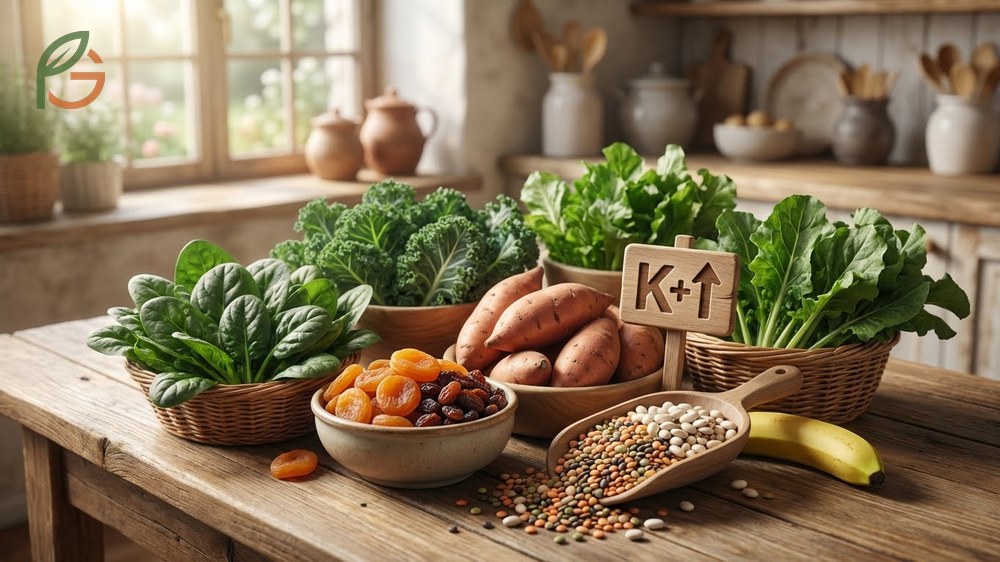
Agricultural research identifies specific food categories that consistently outperform bananas in potassium content. Starchy vegetables, leafy greens, dried fruits, and legumes lead the pack. These foods aren’t just higher in potassium—they’re often easier to grow in home gardens across various climates.
Studies demonstrate that processing methods affect mineral concentration. Drying fruits removes water weight while concentrating nutrients, which explains why dried apricots contain nearly twice the potassium of fresh ones. Similarly, cooking leafy greens reduces volume by 85%, creating denser nutrition per cup.
The top performers share common traits: deep root systems that access subsoil minerals, slow growth cycles allowing mineral accumulation, and natural water content below 80%. Understanding these patterns helps gardeners select crops that maximize nutritional value per square foot of growing space.
Sweet Potato Potassium
A medium baked sweet potato contains 542mg of potassium[1], delivering 12-16% of daily needs. This root vegetable thrives in warm climates and stores well for months after harvest. Sweet potatoes also provide beta-carotene, fiber, and complex carbohydrates that stabilize blood sugar.
Growing data shows sweet potatoes produce 4-6 tubers per plant in 90-120 days. They’re drought-tolerant once established and don’t require heavy fertilization. For home gardeners, a 10-foot row yields 15-25 pounds of potassium-rich tubers.
Spinach Potassium Content
Cooked spinach packs 636mg of potassium per cup[1] when prepared from fresh leaves. Raw spinach contains the same minerals, but you’d need to consume 6-7 cups raw to equal one cup cooked. Steaming or sautéing reduces oxalate content while maintaining mineral availability.
This cool-season crop matures in 40-50 days from seed. It tolerates light frost and grows well in partial shade. Most gardeners harvest 2-3 cuttings per planting, with outer leaves regenerating within 10-14 days.
Dried Apricots Potassium
A half-cup serving of dried apricots delivers approximately 755mg of potassium[3], nearly double that of a medium banana. The dehydration process concentrates vitamins A and E alongside minerals. Five dried apricot halves provide the same potassium as eight fresh ones.
Apricot trees produce fruit in 3-4 years and yield 50-150 pounds per mature tree. They require 600-900 chill hours below 45°F (7°C) and grow best in USDA zones 5-8. Drying fruit at home preserves harvest surpluses for year-round potassium intake.
- Swiss chard (cooked, 1 cup): 961mg
- Lima beans (cooked, 1 cup): 955mg
- Baked potato with skin (medium): 926mg
- Yam (cooked, 1 cup): 911mg
- Acorn squash (cooked, 1 cup): 896mg
- Dried apricots (1/2 cup): 755mg
- Spinach (cooked, 1 cup): 636mg
White Beans Nutrition
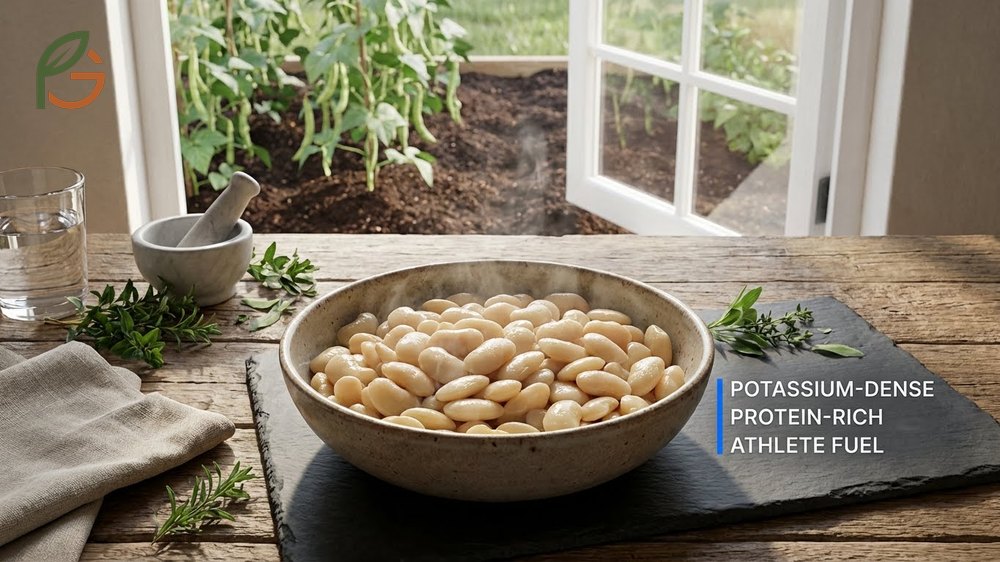
Cooked lima beans (white beans) deliver 955mg of potassium per cup[2], making them one of the most potassium-dense foods available. They also provide 216 calories and substantial protein—around 15 grams per serving. This combination makes white beans excellent for athletes and active individuals.
Research indicates legumes fix atmospheric nitrogen, improving soil quality while growing. Bush varieties mature in 60-80 days, while pole beans produce over 90-100 days. A 100-square-foot garden plot yields 25-40 pounds of fresh beans, equivalent to 6-10 pounds dried.
Beyond potassium, white beans contain resistant starch that feeds beneficial gut bacteria. They’re shelf-stable for years when dried properly. Soaking dried beans overnight reduces cooking time and improves digestibility by breaking down complex sugars.
This table compares potassium content in milligrams across five food categories showing serving size, potassium amount, percentage of daily value, and key growing characteristics for home gardeners
| Food | Serving Size | Potassium (mg) | % Daily Value | Growing Time |
|---|---|---|---|---|
| Lima beans (cooked) | 1 cup | 955[2] | 28% | 60-80 days |
| Baked potato (with skin) | 1 medium | 926[2] | 27% | 90-120 days |
| Dried apricots | 1/2 cup | 755[3] | 22% | 3-4 years to bearing |
| Spinach (cooked) | 1 cup | 636[1] | 19% | 40-50 days |
| Banana (medium) | 1 whole | 422[1] | 12% | 9-12 months |
Avocado Potassium Content
Half an avocado (100g) provides 487mg of potassium[3], exceeding a banana’s content in just half the fruit. Avocados also deliver heart-healthy monounsaturated fats and 7 grams of fiber per half. This combination supports cardiovascular health while meeting mineral needs.
Current data shows avocado trees bear fruit 3-4 years after grafted planting. They require well-draining soil and temperatures above 28°F (-2°C). A mature tree produces 200-300 fruits annually in subtropical climates, providing year-round potassium for families.
Coconut Water Potassium
Unsweetened coconut water contains 396mg of potassium per cup[2], nearly matching a banana with zero fat and minimal calories. This natural electrolyte solution also provides sodium, magnesium, and calcium in balanced proportions. Athletes use it for post-exercise hydration because it replaces minerals lost through sweat.
Coconut palms produce 50-200 nuts annually in tropical zones 10-11. Each nut yields 200-1,000ml of water depending on maturity. Young coconuts (6-7 months) have the highest water volume and sweetest taste, while mature nuts contain less liquid but more meat.
- Yogurt (low-fat, 6 oz): 366mg with probiotics for gut health
- Salmon (baked, 3 oz): 444mg plus omega-3 fatty acids
- Pinto beans (cooked, 1/2 cup): 405mg and 8g protein
- Cantaloupe (raw, 1 cup): 417mg with vitamin A
- Tomato products (puree, 1/2 cup): 550mg concentrated
Growing tip: Most high-potassium vegetables prefer soil pH between 6.0-7.0. Test your soil annually and amend with compost or sulfur to maintain optimal nutrient uptake for mineral-dense crops.
Potato vs Banana Potassium
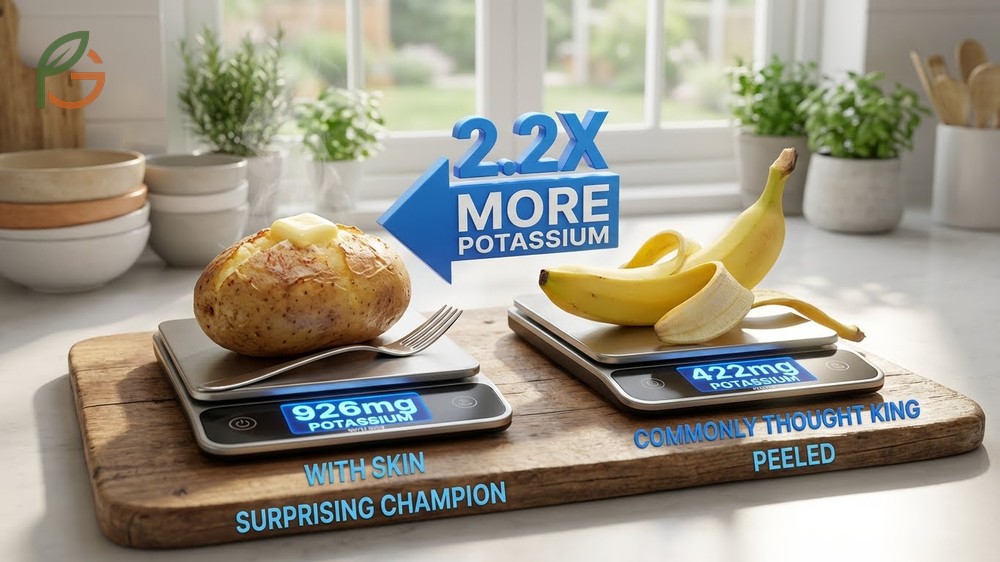
A medium baked potato with skin contains 926mg of potassium[2]—that’s 2.2 times more than a medium banana’s 422mg[1]. This massive difference surprises most people who’ve been told bananas are the potassium king. The key is eating the skin, where concentrated minerals reside.
Research shows potato skin contains 15-20% more potassium than the flesh alone. Baking preserves more nutrients than boiling, which leaches water-soluble minerals into cooking liquid. For maximum benefit, scrub potatoes clean and roast them whole at 400°F (204°C) for 45-60 minutes.
From a growing perspective, potatoes produce 5-10 pounds per 10-foot row in 90-120 days. They tolerate cool weather and store for 6-8 months in proper conditions. This makes them more practical than bananas for temperate-zone gardeners seeking year-round potassium sources.
Both foods offer unique benefits—bananas provide quick energy and portability, while potatoes deliver sustained satiety and triple the potassium. Evidence suggests eating diverse potassium sources prevents nutrient monotony and provides complementary vitamins and minerals.
Foods High in Potassium for Leg Cramps
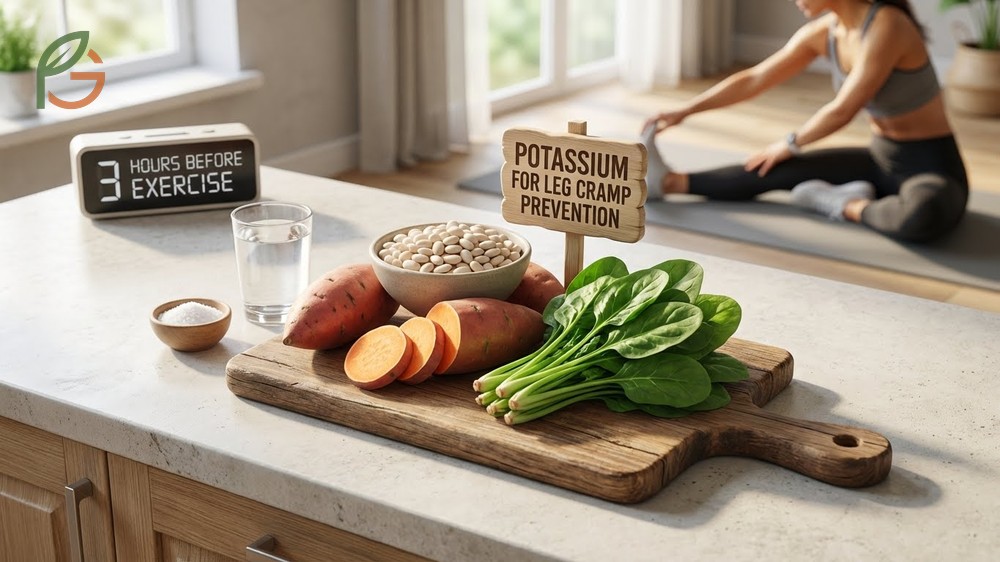
Studies demonstrate that potassium deficiency contributes to muscle cramps, especially during exercise or at night. Maintaining intake above 2,600mg daily reduces cramp frequency by regulating muscle contractions and nerve signals. The foods listed earlier—sweet potatoes, spinach, and white beans—work best for cramp prevention.
What’s often overlooked is that timing matters. Consuming potassium-rich foods 2-3 hours before physical activity prevents electrolyte depletion. For nighttime cramps, eating a potassium source with dinner helps maintain levels through sleep when you’re not eating or drinking.
Research indicates magnesium works synergistically with potassium for muscle function. Foods like spinach, pumpkin seeds, and Swiss chard provide both minerals. Dehydration amplifies cramping, so pair high-potassium foods with adequate water intake—about 8-10 cups daily for active adults.
Current guidance emphasizes whole foods over supplements. Potassium pills can cause stomach irritation and don’t provide the fiber, vitamins, and phytonutrients found in vegetables and fruits. A baked sweet potato with the skin delivers potassium plus vitamin A, vitamin C, and 4 grams of fiber.
- Baked potato with skin: Highest single-food source at 926mg
- Cooked spinach: Quick absorption with 636mg plus magnesium
- Coconut water: Rapid rehydration with 396mg per cup
- White beans: Sustained release from 955mg plus protein
- Avocado: Healthy fats enhance mineral absorption, 487mg per half
- Dried apricots: Portable option with 755mg per half-cup
Warning for kidney disease: People with chronic kidney disease or taking certain medications (ACE inhibitors, potassium-sparing diuretics) must limit potassium intake. Always consult your healthcare provider before significantly increasing dietary potassium.
Conclusion
The evidence is clear: what has potassium besides bananas includes dozens of foods that deliver superior mineral content per serving. Baked potatoes, lima beans, Swiss chard, and dried apricots all exceed 750mg—nearly double a banana’s content. Current agricultural guidance emphasizes growing diverse crops to maximize nutritional output from limited garden space.
For home gardeners at FruitGarden, prioritizing potassium-rich crops like sweet potatoes, spinach, and pole beans creates sustainable nutrition year-round. These foods store well, grow reliably across climate zones, and provide complementary vitamins that support overall health beyond just mineral intake.
Medical Disclaimer
Important Medical Disclaimer: This content is for informational and educational purposes only. It’s not intended as a substitute for professional medical advice, diagnosis, or treatment. Always consult a qualified healthcare professional before making any changes to your diet, especially if you have kidney disease, diabetes, heart conditions, or take medications that affect potassium levels (such as ACE inhibitors or diuretics). Excessive potassium intake can be dangerous for certain individuals.
Frequently Asked Questions
What food has more potassium than bananas?
Baked potatoes with skin contain 926mg of potassium compared to a banana’s 422mg. Other high-potassium foods include lima beans (955mg per cup), Swiss chard (961mg cooked), dried apricots (755mg per half-cup), and cooked spinach (636mg per cup). These foods deliver 1.5 to 2.3 times more potassium than a medium banana.
What fruit has potassium besides bananas?
Dried apricots lead with 755mg per half-cup, while fresh cantaloupe provides 417mg per cup. Avocados deliver 487mg per half fruit, and oranges contain 237mg each. Dried fruits concentrate potassium because dehydration removes water while preserving minerals, making them pound-for-pound richer than fresh alternatives.
Do potatoes have more potassium than bananas?
Yes, potatoes contain significantly more potassium than bananas. A medium baked potato with skin has 926mg—2.2 times the 422mg found in a medium banana. The potato skin contains the highest concentration of minerals, so eating it whole maximizes potassium intake. Boiling potatoes leaches some potassium into water, so baking or roasting is best.
What foods have potassium besides bananas for leg cramps?
Sweet potatoes (542mg), coconut water (396mg), and cooked spinach (636mg) work well for preventing leg cramps. These foods provide rapid absorption and combine potassium with magnesium, which works synergistically for muscle function. Eating them 2-3 hours before exercise or with dinner prevents nighttime cramping by maintaining electrolyte balance.
How much potassium do I need daily?
Adults need 2,600-3,400mg of potassium daily depending on sex, with men requiring 3,400mg and women needing 2,600mg. Most Americans consume only 2,300mg daily, falling short of recommendations. Eating 2-3 servings of high-potassium vegetables like potatoes, beans, or leafy greens daily typically meets these requirements without supplements.
Can you get too much potassium from food?
For healthy individuals with normal kidney function, it’s extremely difficult to consume too much potassium from whole foods alone. Your kidneys efficiently excrete excess amounts through urine. However, people with chronic kidney disease or taking certain medications can develop dangerous potassium buildup and must monitor intake carefully under medical supervision.
Which is better for potassium: raw or cooked vegetables?
Cooked vegetables deliver more potassium per cup because cooking reduces water content and volume. One cup of cooked spinach contains 636mg versus about 167mg in raw spinach per cup. However, boiling leaches some potassium into cooking water—steaming, roasting, or sautéing preserves more minerals than boiling does.





