
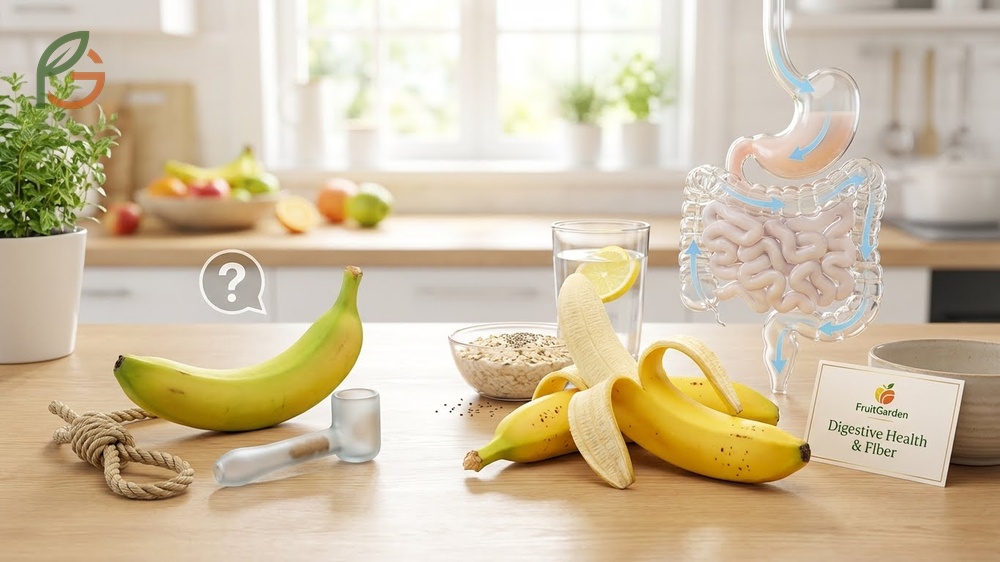
Do bananas cause constipation? No, evidence shows bananas help relieve constipation rather than cause it[1]. Research demonstrates that a medium banana’s 3 grams of fiber[2] helps soften stools and support regular bowel movements when you choose ripe, yellow bananas. At FruitGarden, we synthesize current nutrition research to help you make informed choices about fruit consumption for optimal digestive health.
Quick Answer
- One medium banana provides 105 calories and 3g dietary fiber, including both soluble and insoluble types
- Ripe yellow bananas contain easily digestible soluble fiber that helps move waste through your system[1]
- Green bananas have resistant starch that can slow digestion—stick with ripe bananas if you’re constipated[3]
- Eating 2-3 ripe bananas daily supports regular bowel movements without harsh laxative effects
Do Bananas Cause Constipation

Studies demonstrate that bananas tend to reduce constipation rather than cause it[1]. The confusion likely stems from banana ripeness—green bananas can slow digestion, while ripe yellow bananas promote healthy bowel movements. What often gets overlooked is that timing and ripeness matter more than the fruit itself.
Current data indicates that a medium banana’s fiber content works in two ways to support your digestive system. The soluble fiber absorbs water and creates a gel-like substance that softens stools. The insoluble fiber adds bulk and helps stimulate bowel activity, moving waste through your intestines more efficiently.
Most people find that eating ripe bananas consistently helps establish regular bathroom habits. Unlike harsh laxatives that can cause cramping, bananas provide gentle support through natural fiber. Research shows no evidence that ripe bananas cause constipation in healthy individuals[1].
How Fiber Content Affects Digestion
The 3 grams of dietary fiber[2] in each medium banana plays a crucial role in digestive health. This amount represents about 10% of your daily fiber needs, making bananas a convenient fiber source. Agricultural data shows that fiber content remains relatively stable regardless of size, though larger bananas naturally contain more total fiber.
Evidence suggests that combining banana fiber with adequate water intake maximizes digestive benefits. The soluble fiber can’t soften stools effectively without proper hydration. Eating a banana with a glass of water or adding it to a smoothie enhances its constipation-relieving effects.
Soluble vs Insoluble Fiber in Bananas
Bananas provide both soluble and insoluble fiber types, each serving distinct digestive functions[1]. Soluble fiber dissolves in water and forms a gel that slows digestion and helps lower cholesterol. Insoluble fiber doesn’t dissolve but adds bulk to stool and speeds up intestinal transit.
The ratio of these fiber types shifts as bananas ripen. Ripe bananas have more readily available soluble fiber, particularly pectin, which absorbs water easily. This makes ripe bananas particularly effective for relieving constipation compared to their green counterparts.
- Softens hard stools by absorbing water in the digestive tract
- Adds bulk to bowel movements without causing bloating or gas
- Feeds beneficial gut bacteria that produce digestive enzymes
- Helps regulate bowel movement frequency naturally
- Provides gentle relief without the cramping associated with stimulant laxatives
Important Note: If you have IBS or sensitive digestion, even ripe bananas might trigger symptoms in some cases. Start with small portions to test your individual tolerance before making bananas a daily habit.
Does Banana Have Fiber
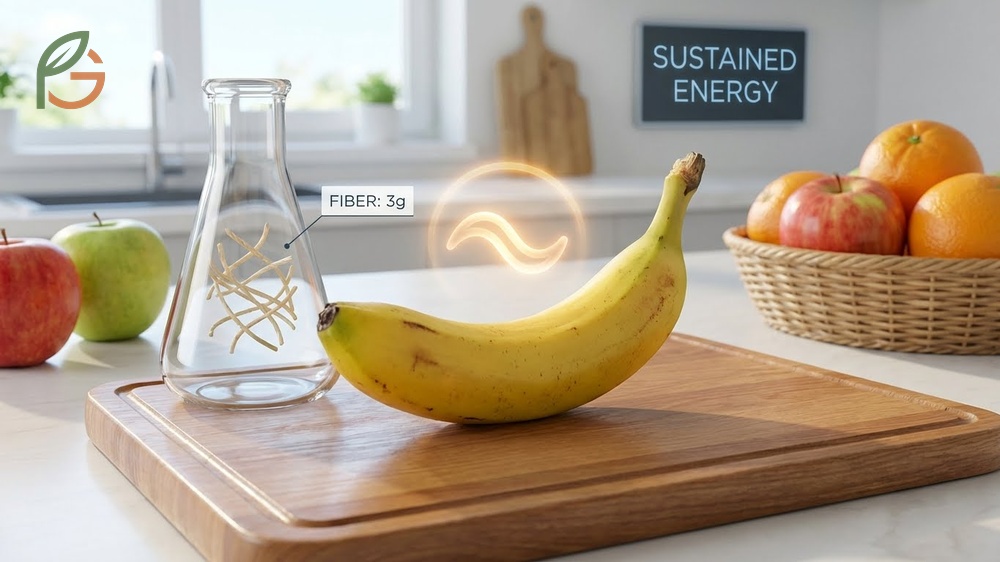
Yes, bananas are a solid fiber source with 3 grams per medium fruit[2]. This makes them comparable to other popular fruits like apples and oranges. Research from Harvard’s Nutrition Source confirms that a medium banana also delivers 110 calories and 28 grams of carbohydrates[4], providing sustained energy alongside digestive benefits.
The fiber in bananas isn’t just about quantity—it’s about quality and accessibility. Unlike some high-fiber foods that can be difficult to digest or cause gas, banana fiber is gentle on your stomach. Most people tolerate it well, even those with mild digestive sensitivities.
Nutritional Breakdown per Banana
Understanding the complete nutritional profile helps explain why bananas support digestive health beyond just fiber content. The combination of carbohydrates, natural sugars, and fiber creates an ideal food for bowel regularity. Current guidance emphasizes whole fruits like bananas over fiber supplements for better nutrient absorption.
This table compares key nutrients across five banana sizes from extra small to extra large, showing calories, carbohydrates, fiber, and sugar content
| Banana Size | Calories | Total Carbs | Dietary Fiber | Natural Sugars |
|---|---|---|---|---|
| Extra Small (6 inches) | 72[5] | 19g | 2.1g | 10g |
| Small (6-7 inches) | 90[5] | 23g | 2.6g | 12g |
| Medium (7-8 inches) | 105[2] | 27g | 3.1g | 14g |
| Large (8-9 inches) | 121[5] | 31g | 3.5g | 17g |
| Extra Large (9+ inches) | 135[5] | 35g | 4.0g | 19g |
- Potassium helps maintain proper muscle contractions in your intestinal walls
- Vitamin B6 supports protein metabolism and enzyme production for digestion
- Vitamin C acts as an antioxidant protecting gut lining cells
- Magnesium helps relax intestinal muscles and supports regular contractions
- Natural prebiotics feed beneficial bacteria that produce digestive enzymes
Green Banana vs Ripe Banana
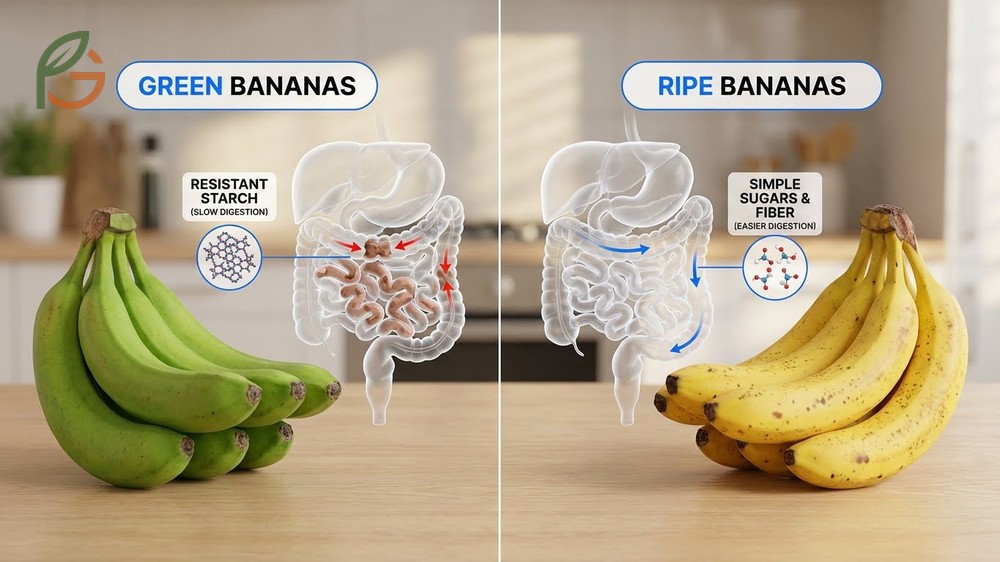
The ripeness level dramatically changes how bananas affect your digestion. Green bananas contain up to 70% resistant starch by dry weight[5], which your small intestine can’t break down easily. As bananas ripen and turn yellow, this resistant starch converts into simple sugars and more accessible fiber forms.
Research shows that unripe bananas can actually slow digestion and may worsen existing constipation in some people. The high resistant starch acts more like insoluble fiber, potentially binding stools rather than softening them. That’s why most nutrition experts recommend ripe yellow bananas specifically for constipation relief.
Resistant Starch in Unripe Bananas
Resistant starch isn’t necessarily bad—it just serves different purposes than regular fiber. Studies from the NIH show that green banana flour contains approximately 18g fiber per 100g[3], but this decreases to 4-5g per 100g as the fruit ripens. This resistant starch feeds your gut bacteria and produces beneficial short-chain fatty acids.
However, when you’re already constipated, resistant starch can make things worse. It doesn’t absorb water as effectively as soluble fiber does. For digestive health maintenance in non-constipated individuals, green bananas offer prebiotic benefits that support long-term gut health.
When to Choose Each Ripeness Level
Choose ripe yellow bananas with small brown spots when you need immediate constipation relief. These have the most accessible fiber and highest digestive benefit. Choose slightly green bananas when you want to manage blood sugar levels or build gut bacteria diversity over time.
For best results, eat bananas when they’re fully yellow with just a few brown speckles. This stage offers the optimal balance of digestible fiber and natural sweetness. Avoid very green bananas if you’re currently constipated or have a sensitive digestive system.
Ripeness Tip: Store bananas at room temperature until they reach your preferred ripeness. You can slow ripening by refrigerating them—the peel will turn brown, but the fruit inside stays fresh and maintains its fiber benefits.
Best Time to Eat Banana for Constipation
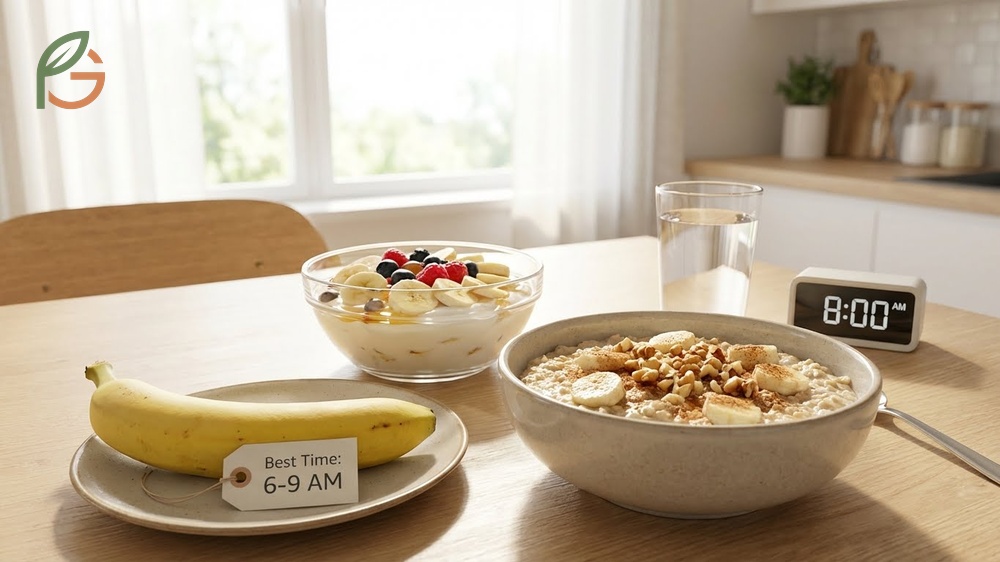
Eating bananas at breakfast (between 6-9 AM) provides the most digestive benefit. Your digestive system is naturally more active in the morning, and the fiber can work throughout the day to promote bowel movements. Pairing a banana with Greek yogurt or oatmeal adds probiotics and additional fiber that enhance constipation relief.
Research suggests eating bananas 30 minutes after meals also supports digestion. The fiber helps slow sugar absorption from other foods while still promoting bowel regularity. Avoid eating bananas on a completely empty stomach if you have acid reflux, as the fruit’s natural sugars can occasionally trigger discomfort.
For ongoing constipation management, consistency matters more than specific timing. Eating 2-3 ripe bananas daily—spread across breakfast, snacks, and post-dinner—helps establish regular bowel patterns. Current guidance emphasizes that the fiber works cumulatively, so daily consumption produces better results than occasional eating.
If you’re combining bananas with other constipation-relief strategies, eat them alongside high-water-content foods. Adding bananas to smoothies with spinach, berries, and chia seeds creates a powerful digestive support drink. The combination of multiple fiber sources plus hydration maximizes the constipation-relieving effect.
- Slice ripe banana over high-fiber cereal or oatmeal at breakfast
- Blend banana with Greek yogurt, spinach, and almond milk for a probiotic-rich smoothie
- Spread natural peanut butter on banana slices for a fiber-and-protein snack
- Mash ripe banana into whole grain pancake batter for added fiber
- Freeze ripe bananas and blend into nice cream as a gentle evening dessert
- Add banana chunks to overnight oats with chia seeds and berries
Are Bananas Good for Constipation in Babies
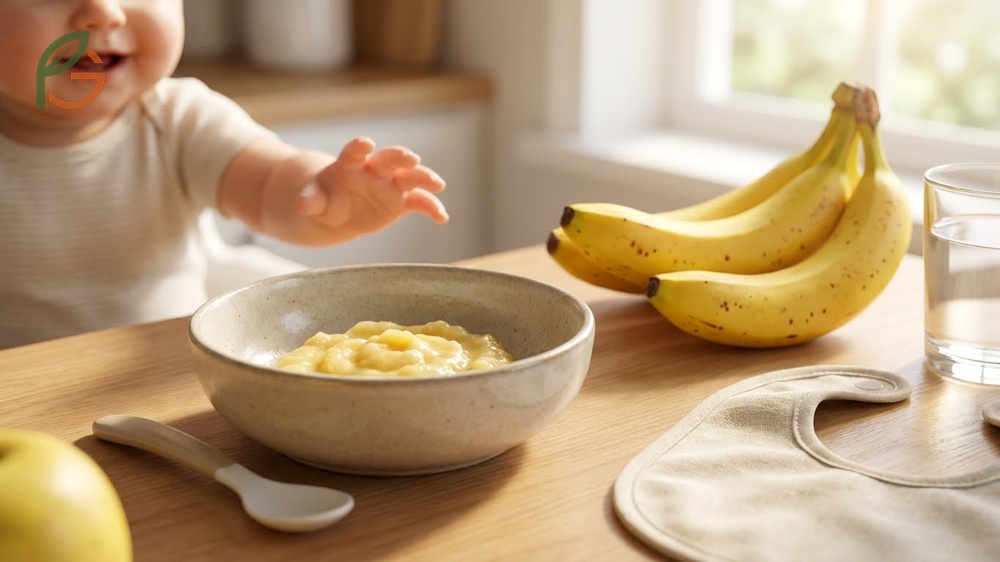
Mashed ripe bananas are generally safe for babies starting at 6 months old[6]. Evidence suggests that ripe bananas can help support regular bowel movements in infants when introduced properly. However, responses vary significantly among babies, so start with small amounts and monitor your child’s reaction.
Research shows that the belief about bananas causing infant constipation isn’t strongly supported by evidence. The key is offering ripe yellow bananas rather than greenish ones. Ripe bananas contain more soluble fiber that’s easier for developing digestive systems to process.
Mix mashed banana with breast milk, formula, or water to create an easier-to-swallow consistency for younger babies. You can also combine banana with other first foods like oatmeal or avocado for added fiber variety. Start with 1-2 tablespoons once daily and gradually increase based on your baby’s tolerance.
If your baby shows signs of constipation after eating bananas, try offering more ripe bananas instead of less ripe ones. Also ensure adequate fluid intake through breast milk or formula. Constipation in babies often results from multiple dietary factors, not just bananas alone.
Important for Parents: If your baby experiences persistent constipation, hard stools, or discomfort, consult your pediatrician before making dietary changes. Constipation can indicate underlying issues beyond just food choices.
Conclusion
The evidence is clear: ripe bananas help relieve constipation rather than cause it. With 3 grams of digestive-supporting fiber per medium banana, they offer gentle, natural relief when you choose yellow fruits with a few brown spots. Current nutritional guidance emphasizes that ripeness matters—green bananas can slow digestion, while ripe ones promote healthy bowel movements.
At FruitGarden, we encourage you to incorporate 2-3 ripe bananas into your daily routine for optimal digestive health. Pair them with adequate water intake and other high-fiber foods for best results, and you’ll likely notice improved bowel regularity within a few days.
Medical Disclaimer
Important Medical Disclaimer: This content is for informational and educational purposes only. It isn’t intended as a substitute for professional medical advice, diagnosis, or treatment. Always consult a qualified healthcare professional before making any changes to your diet, medication, or health routine, especially if you have chronic constipation, digestive disorders, or other medical conditions. Individual responses to foods vary significantly.
Frequently Asked Questions
Can Bananas Cause Constipation in Infants?
Ripe bananas typically don’t cause constipation in infants when introduced after 6 months. Evidence suggests that green, unripe bananas might contribute to constipation due to high resistant starch content, but ripe yellow bananas usually support healthy digestion. If your baby experiences constipation, ensure you’re offering fully ripe bananas and adequate fluids through breast milk or formula.
How Many Bananas Should I Eat Daily for Constipation?
Eating 2-3 ripe bananas daily provides sufficient fiber to support regular bowel movements for most adults. This amount delivers 6-9 grams of dietary fiber without overwhelming your digestive system. Spread banana consumption throughout the day—one at breakfast, one as a snack, and one after dinner—for consistent digestive support.
Are Green Bananas or Ripe Bananas Better for Constipation?
Ripe yellow bananas with a few brown spots are significantly better for relieving constipation. Green bananas contain up to 70% resistant starch that can actually slow digestion and worsen constipation. As bananas ripen, this resistant starch converts into soluble fiber that softens stools and promotes bowel movements.
Do Bananas Contain Soluble or Insoluble Fiber?
Bananas contain both soluble and insoluble fiber types. The soluble fiber, including pectin, absorbs water and creates a gel that softens stools. The insoluble fiber adds bulk to bowel movements and helps stimulate intestinal activity. This combination makes bananas effective for constipation relief when eaten ripe.
What’s the Best Way to Eat Bananas for Digestive Health?
Eat ripe bananas with other fiber-rich foods and plenty of water for maximum digestive benefit. Try adding sliced banana to oatmeal, blending it into smoothies with Greek yogurt and spinach, or pairing it with natural peanut butter. The combination of banana fiber plus adequate hydration and complementary nutrients produces the best results for bowel regularity.
Will Eating Too Many Bananas Cause Digestive Problems?
Eating more than 4-5 bananas daily might cause temporary bloating or gas in some people due to high fiber and sugar content. However, moderate consumption of 2-3 bananas daily is safe for most individuals and supports rather than harms digestive health. If you have IBS or digestive sensitivities, start with smaller portions to test your tolerance.
Do Bananas Help With Constipation Immediately?
Bananas don’t provide instant constipation relief like stimulant laxatives do. The fiber typically works within 12-24 hours to soften stools and promote bowel movements. For best results, eat ripe bananas consistently over several days while staying well-hydrated. Most people notice improved regularity within 2-3 days of daily banana consumption.





