
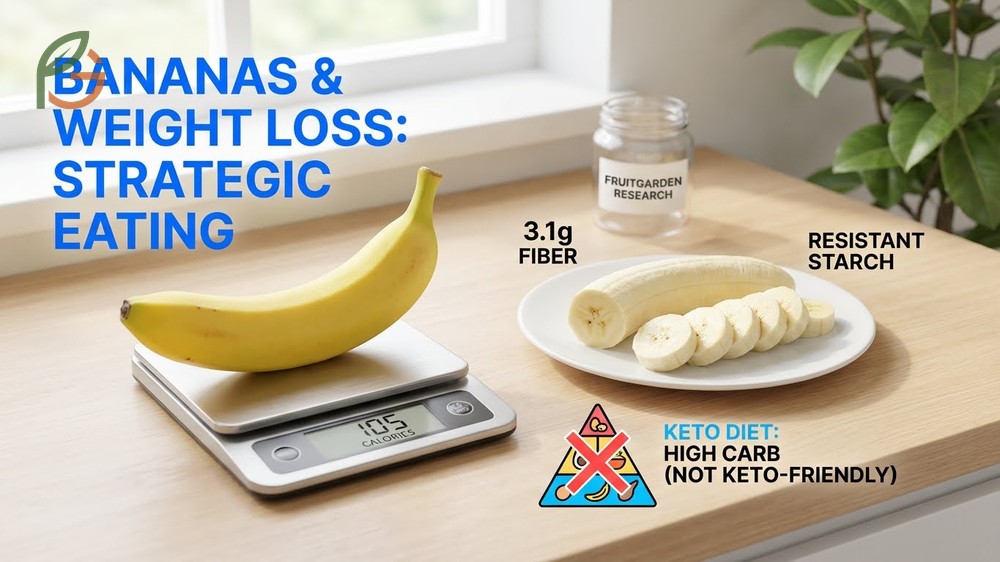
Are bananas good for weight loss? Yes, when eaten strategically at specific times and in controlled portions. Research shows a medium banana contains 105 calories and 3.1 grams of fiber[2] that curbs appetite, plus resistant starch that can boost fat metabolism by up to 30%.[3] However, bananas aren’t keto-friendly due to their high carb content. FruitGarden synthesizes current nutritional research and agricultural data to help you make informed decisions about incorporating bananas into your weight management plan.
Quick Answer
- One medium banana delivers 105 calories[1] and 3.1g fiber[2] that increases satiety
- Resistant starch in bananas boosts fat metabolism by up to 30%[3]
- Bananas contain 24g net carbs[2] — NOT keto-friendly (exceeds 20-50g daily limit)
- Best timing: breakfast, 30 minutes before meals, or pre-workout for optimal weight management[4]
Are Bananas Good for Weight Loss
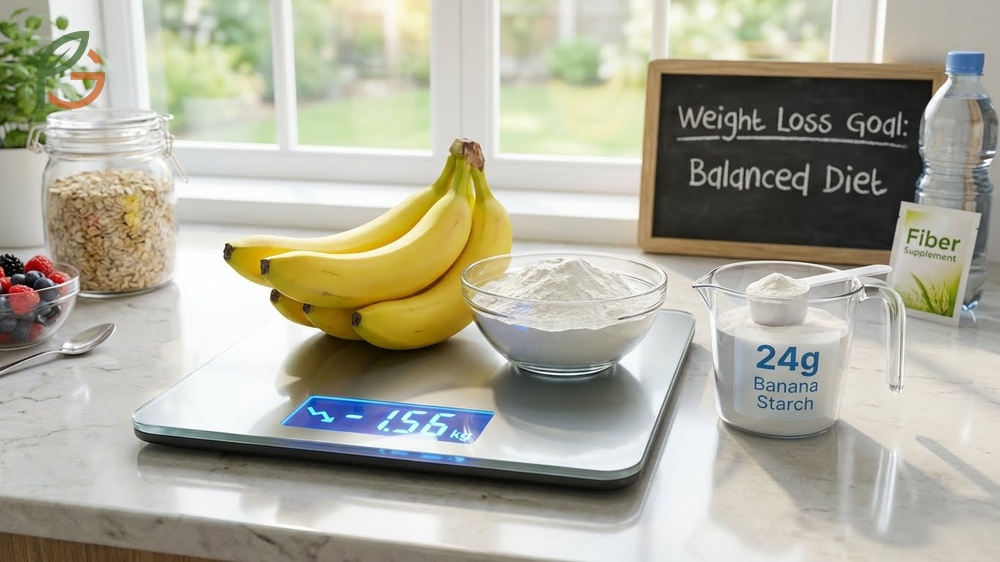
Studies demonstrate that bananas can support weight loss goals when consumed as part of a balanced diet. Research involving obese type 2 diabetics found that consuming 24g of native banana starch daily for 4 weeks resulted in measurable body weight reduction.[5] The average weight loss was 1.56kg without participants changing their diet or exercise habits.
What often gets overlooked is that bananas work through multiple weight-management mechanisms. Their fiber slows digestion and keeps you fuller longer between meals. Current data indicates that increasing daily fiber intake by 14g can lead to a 10% decrease in overall calorie consumption and a weight loss of 2kg over 4 months.[5]
The prebiotic fiber in bananas feeds beneficial gut bacteria. This creates short-chain fatty acids that improve metabolism and reduce inflammation associated with obesity. Evidence suggests these compounds force your body to burn stored fat rather than relying solely on carbohydrates for energy.
Calorie and Nutrient Profile
A medium banana (118g) provides a complete nutritional package with relatively low calories. You get 105 calories[1], which makes it suitable as a between-meal snack without significantly impacting your daily calorie budget.
The macronutrient breakdown shows 26.9g carbohydrates, 1.29g protein, and 0.39g fat.[2] Bananas also deliver 422mg of potassium (9% daily value) and vitamin B6 (33% daily value). Most people don’t realize that this potassium content helps regulate fluid balance and prevents water retention that can mask fat loss on the scale.
Fiber Content and Satiety
Research shows there’s a direct link between higher fiber intake and lower body weight. One medium banana contains 3.07g of dietary fiber[2], which represents approximately 12% of the recommended daily intake for adults on a 2,000-calorie diet.
This fiber expands in your stomach and slows the digestion process. Studies involving 100 overweight adults found that increased dietary fiber reduced hunger sensations and decreased total calorie consumption throughout the day. The satiety effect can last 3-4 hours after eating a banana.
- Slows gastric emptying to extend fullness between meals
- Stabilizes blood sugar levels to prevent energy crashes and cravings
- Reduces overall calorie intake by triggering satiety hormones
- Improves insulin sensitivity for better glucose metabolism
- Lowers cholesterol levels and reduces cardiovascular disease risk
Resistant Starch Benefits
Bananas contain resistant starch, especially when they’re slightly green or underripe. This special carbohydrate behaves like fiber in your digestive system. Agricultural data shows that resistant starch ferments in your large intestine, creating compounds called butyrates that change how your body processes energy.
A University of Colorado study found that replacing just 5.4% of ordinary carbs with resistant starch boosted fat metabolism by up to 30%.[3] This happens because resistant starch blocks the conversion of some carbohydrates into immediate fuel, forcing your body to tap into fat stores instead.
Clinical trials demonstrate that resistant starch also increases the feeling of eating twice from one meal. You’ll likely make it from breakfast to lunch without those mid-morning cravings for unhealthy snacks. This metabolic advantage makes slightly underripe bananas particularly valuable for weight management.
Important Note: Green bananas contain more resistant starch than fully ripe yellow bananas. As bananas ripen, resistant starch converts to simple sugars. For maximum weight loss benefits, choose bananas that are still slightly firm with some green on the peel.
Banana Calories in Medium Banana
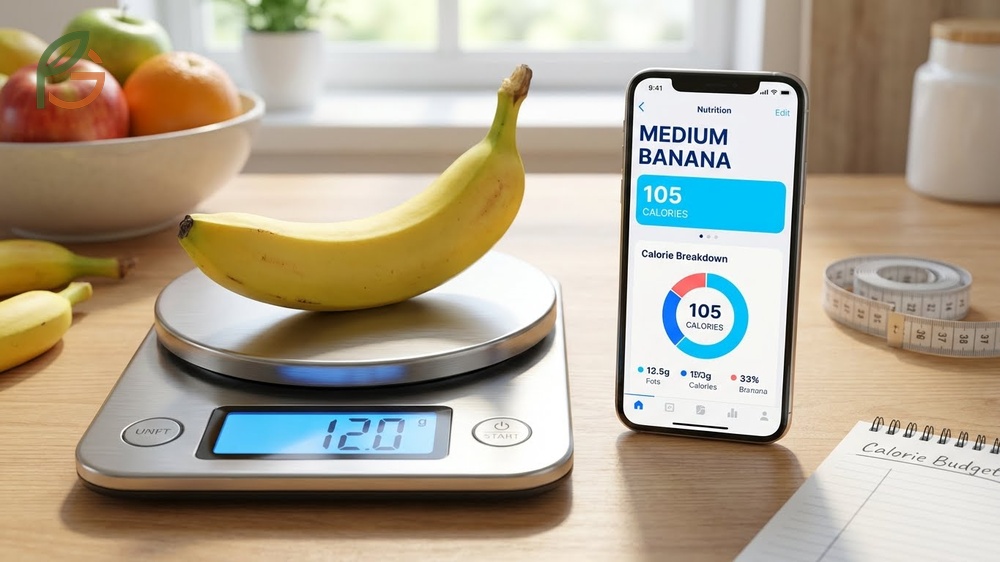
Understanding banana calories by size helps you accurately track your intake. The “medium” classification refers to a banana weighing approximately 118-126 grams or 4.5 ounces.[1] This standard measurement appears on most nutrition labels and food tracking apps.
Calorie content scales proportionally with banana size. If you’re following a strict calorie budget, weighing your banana ensures precision. Most people underestimate portion sizes, so a food scale eliminates guesswork and prevents accidental overconsumption.
Calories by Banana Size
Banana sizes vary significantly, affecting total calorie and carbohydrate content. The difference between extra small and extra large bananas can represent nearly 100 calories — enough to impact your daily deficit if you’re not paying attention.
This table compares weight, calories, total carbohydrates, fiber, and net carbs across five banana sizes from extra small to extra large
| Banana Size | Weight | Calories | Total Carbs | Fiber | Net Carbs |
|---|---|---|---|---|---|
| Extra Small | 81g | 72 cal[2] | 19g | 2.1g | 16.9g |
| Small | 101g | 90 cal[2] | 23g | 2.6g | 20.4g |
| Medium | 118g | 105 cal[1] | 27g | 3.1g | 23.9g |
| Large | 136g | 121 cal[2] | 31g | 3.5g | 27.5g |
| Extra Large | 152g | 135 cal[2] | 35g | 4g | 31g |
Carbs in Banana vs Apple
Comparing bananas to apples reveals important differences for weight management planning. A medium apple (182g) contains approximately 95 calories and 25g carbohydrates, while a medium banana contains 105 calories and 27g carbohydrates.[1]
The fiber content differs as well. Apples provide approximately 4.4g fiber per medium fruit, compared to 3.1g in bananas. However, bananas offer significantly more potassium (422mg vs 195mg) and deliver faster energy due to their higher natural sugar content. Choose apples when you want maximum fiber and sustained energy, or bananas for quick pre-workout fuel.
- Apples have slightly lower calories but higher fiber content
- Bananas provide nearly double the potassium for muscle function and recovery
- Apples have a lower glycemic index (36 vs 51), causing slower blood sugar rises
- Bananas offer more vitamin B6 for metabolism support
- Both fruits effectively reduce hunger when eaten as pre-meal snacks
Are Bananas Keto Friendly
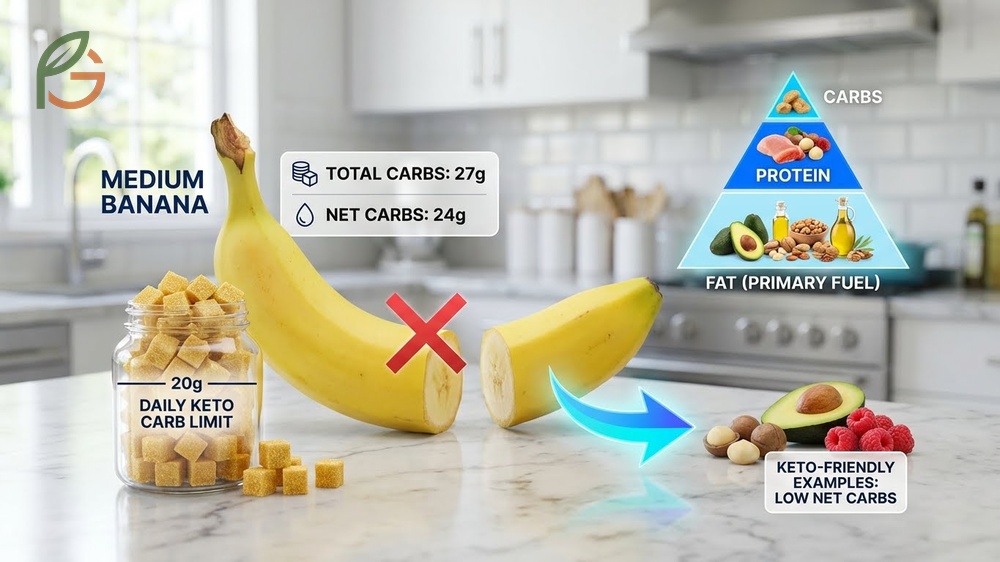
No, bananas aren’t keto-friendly. A single medium banana contains 24g net carbs[2], which meets or exceeds the entire daily carb allowance for most people following a ketogenic diet. Current keto guidelines typically limit net carbs to 20-50g per day to maintain ketosis.
This matters because one banana at breakfast combined with your other meals would push you well over 50g net carbs for the day. You’d exit ketosis, and your body would switch back to burning glucose instead of fat for fuel. If you’re committed to keto, you’ll need to choose lower-carb fruit alternatives.
Research shows that even half a medium banana delivers 12g net carbs. Adding banana to your breakfast cereal or smoothie can easily push you to 40-50g net carbs in just one meal — your entire day’s allowance consumed before noon.
Net Carbs in Banana
Net carbs represent the carbohydrates your body actually digests and absorbs. You calculate net carbs by subtracting fiber from total carbohydrates. For a medium banana: 27g total carbs – 3.1g fiber = 23.9g net carbs.[2]
This high net carb count comes primarily from natural sugars. Bananas contain 14.4g of sugar per medium fruit[2] — a combination of glucose, fructose, and sucrose. While these are natural sugars rather than added sweeteners, they still spike blood sugar and insulin levels enough to disrupt ketosis.
Keto Tip: If you’re craving banana flavor while staying in ketosis, consider using banana extract or a small amount (5-10g) of freeze-dried banana powder. These concentrated forms let you add banana taste to recipes while keeping net carbs under 2g per serving.
Keto-Friendly Fruit Alternatives
Several fruits fit comfortably within keto macros while still satisfying your sweet tooth. Berries lead the list as your best options. A half-cup serving of raspberries contains just 3g net carbs, while the same amount of blackberries provides 3g net carbs.[6]
Strawberries work well too, delivering 6g net carbs per half-cup.[6] These berries provide antioxidants and vitamin C without the carb load of tropical fruits. You can mix them into yogurt, blend them into low-carb smoothies, or eat them plain as snacks.
- Raspberries: 3g net carbs per half-cup (best choice for keto)
- Blackberries: 3g net carbs per half-cup
- Strawberries: 6g net carbs per half-cup
- Avocado: 2g net carbs per half fruit (high in healthy fats)
- Coconut: 6g net carbs per ounce of fresh meat
- Watermelon: 11g net carbs per cup (use sparingly)
- Cantaloupe: 12g net carbs per cup (occasional treat only)
Avocados deserve special mention as the most keto-friendly fruit. They’re technically a fruit, packed with healthy fats, and contain minimal carbs. One half of a medium avocado provides healthy monounsaturated fats, fiber, and just 2g net carbs — making it an ideal daily addition to keto meals.
Best Time to Eat Bananas for Weight Loss
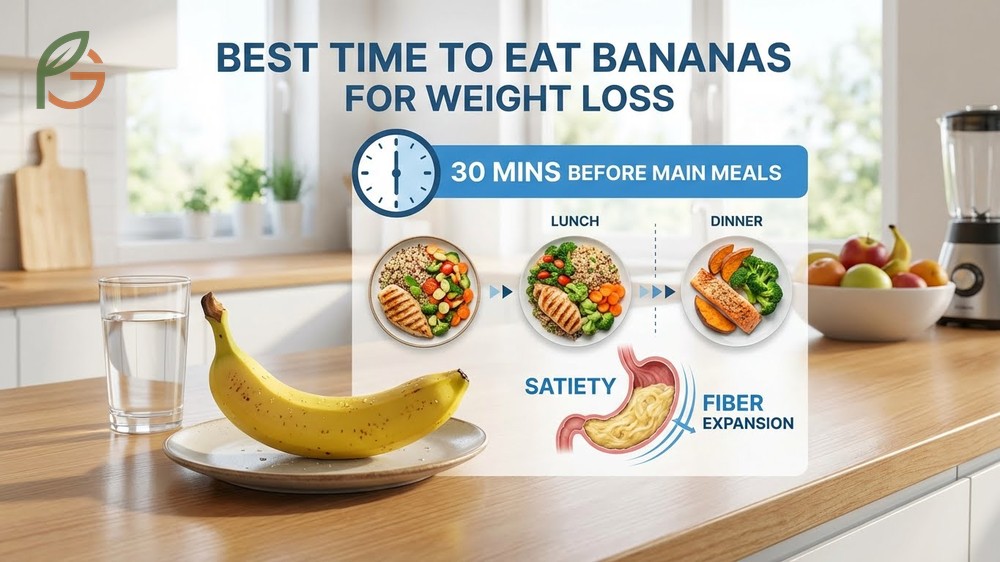
Timing your banana consumption strategically maximizes weight loss benefits. Current guidance emphasizes eating bananas 30 minutes before main meals to trigger satiety hormones and reduce subsequent calorie intake.[4] This pre-meal strategy works because the fiber starts expanding in your stomach before you sit down to lunch or dinner.
Research involving dietary patterns shows that consuming bananas at breakfast helps add fiber early in the day, increases morning satiety, and decreases total calorie consumption over the following 12-14 hours. Starting your day with a banana paired with protein (like Greek yogurt or eggs) stabilizes blood sugar and prevents the mid-morning energy crash that leads to poor snack choices.
For exercise enthusiasts, eating a banana 15-30 minutes before workouts provides quick energy that fuels more intense training sessions.[4] The natural sugars deliver immediate fuel, while the potassium prevents muscle cramping. Higher workout intensity translates to more calories burned and better weight loss results. Post-workout consumption works too — the carbs replenish glycogen stores and the potassium accelerates muscle recovery.
Mid-afternoon represents another strategic window. Most people experience an energy dip between 2-4 PM, which often triggers cravings for high-calorie snacks or sweetened beverages. Studies demonstrate that replacing afternoon junk food with a 105-calorie banana reduces overall daily calorie intake by 200-300 calories for most individuals. This simple swap creates a meaningful calorie deficit over time.
- At breakfast (6-9 AM): Kickstarts metabolism and provides sustained energy for 4-5 hours
- 30 minutes before lunch or dinner: Reduces meal portion sizes by 15-20%
- Mid-afternoon snack (2-4 PM): Prevents energy crashes and unhealthy snack cravings
- 15-30 minutes pre-workout: Boosts exercise performance and calorie burn
- Immediately post-workout: Replenishes glycogen and supports muscle recovery
Timing Tip: Avoid eating bananas late at night (after 8 PM). The natural sugars can spike blood glucose before bed, potentially disrupting sleep quality. Poor sleep elevates cortisol and ghrelin — hormones that increase hunger and fat storage the following day.
Banana Smoothie for Weight Loss
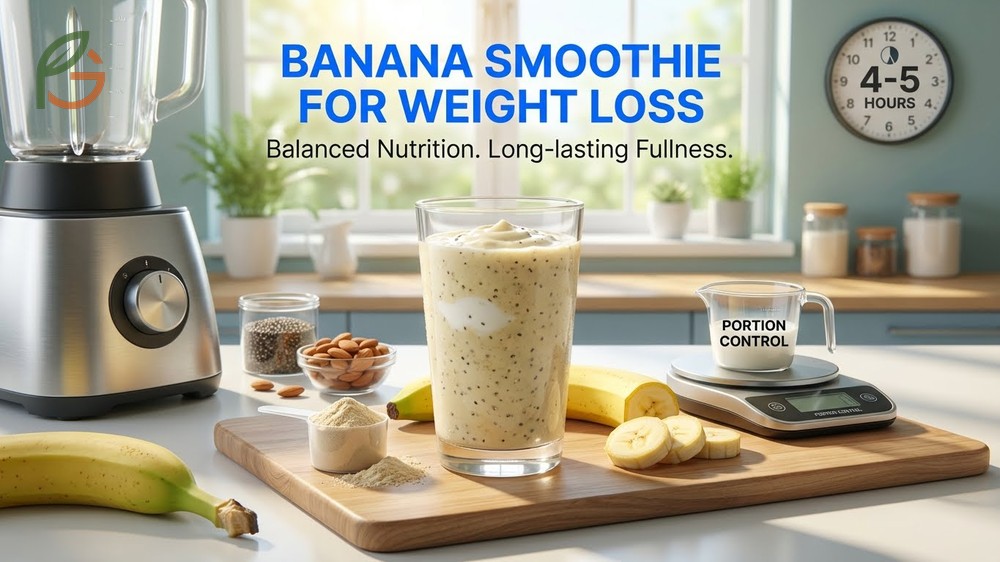
Banana smoothies work for weight loss when you control portions and balance macronutrients. The key is pairing bananas with protein sources and healthy fats to slow digestion and extend satiety. A well-designed banana smoothie can replace a meal while keeping you full for 4-5 hours.
Research shows that liquid meals containing protein and fiber produce similar satiety to solid meals when consumed slowly. The trick is avoiding common smoothie mistakes — like using multiple bananas, adding fruit juice, or skipping protein powder. These errors can turn a 300-calorie meal replacement into a 600-calorie sugar bomb.
Your base should start with half a frozen banana (approximately 50 calories and 12g net carbs). Add 1 scoop of protein powder (20-25g protein), 1 cup of unsweetened almond milk (30 calories), 1 tablespoon of natural almond butter (100 calories, healthy fats), and a handful of spinach (negligible calories but adds nutrients). This combination totals approximately 280-300 calories with balanced macros.
Consider adding ice cubes to increase volume without calories. Greek yogurt (plain, non-fat) adds extra protein and creates a thicker, more satisfying texture. A tablespoon of chia seeds or ground flaxseed provides omega-3 fatty acids and additional fiber. These ingredients work together to keep blood sugar stable and hunger at bay.
- Half a frozen banana (not a whole banana to control carbs)
- 1 scoop vanilla or chocolate protein powder (whey or plant-based)
- 1 cup unsweetened almond milk or coconut milk
- 1 tablespoon natural almond or peanut butter
- Handful of fresh spinach or kale (you won’t taste it)
- 1 tablespoon chia seeds or ground flaxseed
- 1/2 cup plain Greek yogurt (optional, for extra protein)
- Ice cubes for volume and thickness
Blend on high speed for 60-90 seconds until completely smooth. Drink slowly over 10-15 minutes rather than chugging it. Evidence indicates that consuming smoothies slowly gives your brain time to register fullness signals, reducing the likelihood of feeling hungry an hour later.
Conclusion
The evidence is clear: bananas support weight loss when eaten strategically at optimal times and in controlled portions. Their 105 calories, 3.1g fiber, and resistant starch create multiple mechanisms for appetite control and enhanced fat metabolism. However, bananas aren’t keto-friendly due to their 24g net carbs, which exceeds daily keto limits in a single fruit.
Current nutritional guidance emphasizes timing — consuming bananas at breakfast, 30 minutes before meals, or as pre-workout fuel maximizes their weight management benefits. Pair them with protein sources to stabilize blood sugar and extend satiety. FruitGarden synthesizes the latest research to help you make evidence-based decisions about incorporating bananas into your healthy eating plan.
Medical Disclaimer
Important Medical Disclaimer: This content is for informational and educational purposes only. It’s not intended as a substitute for professional medical advice, diagnosis, or treatment. Always consult a qualified healthcare professional or registered dietitian before making any changes to your diet, exercise routine, or weight loss program, especially if you have diabetes, metabolic disorders, or other medical conditions. Individual results may vary based on factors including age, metabolism, activity level, and overall health status.
Frequently Asked Questions
How Many Bananas Should I Eat Per Day for Weight Loss?
Research suggests limiting banana intake to 1-2 medium bananas per day for weight loss. One banana at breakfast and one as a pre-workout snack totals approximately 210 calories and 48g net carbs. This amount provides weight loss benefits from fiber and resistant starch without exceeding carbohydrate budgets for most people following moderate-carb diets (100-150g carbs daily). Eating more than 2 bananas daily can add 300+ calories and 70+ grams of carbs, which may slow or prevent weight loss for many individuals.
Are Green Bananas Better Than Ripe Bananas for Weight Loss?
Yes, slightly green or underripe bananas contain more resistant starch, which provides superior weight loss benefits. Studies show resistant starch can boost fat metabolism by up to 30% compared to regular starches. As bananas ripen and turn completely yellow, resistant starch converts to simple sugars. Choose bananas that are mostly yellow with slight green on the ends for the optimal balance between resistant starch content and palatability. Fully green bananas offer maximum resistant starch but taste chalky and unpleasant to most people.
Can I Eat Bananas on Keto Diet?
No, bananas don’t fit ketogenic diet macros. One medium banana contains 24g net carbs, which meets or exceeds the entire daily carb allowance (20-50g) for keto followers. Eating even half a banana provides 12g net carbs — consuming that much at once would use 24-60% of your daily carb budget in one snack. For keto-friendly alternatives, choose berries like raspberries (3g net carbs per half-cup), blackberries (3g net carbs per half-cup), or avocados (2g net carbs per half fruit).
Should I Eat Bananas Before or After Workout for Weight Loss?
Both timing options support weight loss, but for different reasons. Eating a banana 15-30 minutes before exercise provides quick energy that fuels more intense workouts, helping you burn 50-100 additional calories during the session. Consuming a banana immediately after exercise replenishes glycogen stores and provides potassium for muscle recovery, which supports consistent training schedules. For maximum weight loss impact, choose pre-workout timing to boost performance and calorie burn during the actual exercise session.
Do Bananas Cause Belly Fat?
No, bananas don’t directly cause belly fat when consumed in appropriate portions as part of a calorie-controlled diet. Evidence shows that eating 1-2 bananas daily supports weight loss through fiber, resistant starch, and satiety benefits. However, consuming excessive bananas (3 or more daily) adds 300+ extra calories that could contribute to overall weight gain if they push you into a calorie surplus. Total daily calorie intake and expenditure determine fat storage — not any single food. Focus on portion control and overall diet quality rather than eliminating nutritious foods like bananas.
What’s the Best Banana-Based Breakfast for Weight Loss?
The optimal banana breakfast combines half a medium banana (sliced) with 1 cup plain Greek yogurt, 1 tablespoon almond butter, and a sprinkle of chia seeds. This meal provides approximately 320 calories, 25g protein, 15g healthy fats, and 8g fiber. Research shows this macronutrient balance extends satiety for 4-5 hours, stabilizes blood sugar, and prevents mid-morning snack cravings. The protein and healthy fats slow banana digestion, preventing blood sugar spikes while still providing the weight loss benefits of banana fiber and resistant starch.
Are Banana Chips Healthy for Weight Loss?
No, most commercial banana chips aren’t suitable for weight loss. Manufacturing processes typically involve deep-frying in oil and adding sugar, which transforms 105-calorie fresh bananas into 150-calorie per ounce banana chips (approximately 450 calories per cup). This concentrated calorie density makes portion control difficult. Frying also destroys much of the resistant starch that provides weight loss benefits in fresh bananas. If you enjoy banana chips, look for freeze-dried varieties without added sugar or oil, and strictly limit portions to 1 ounce (approximately 85-95 calories).





