
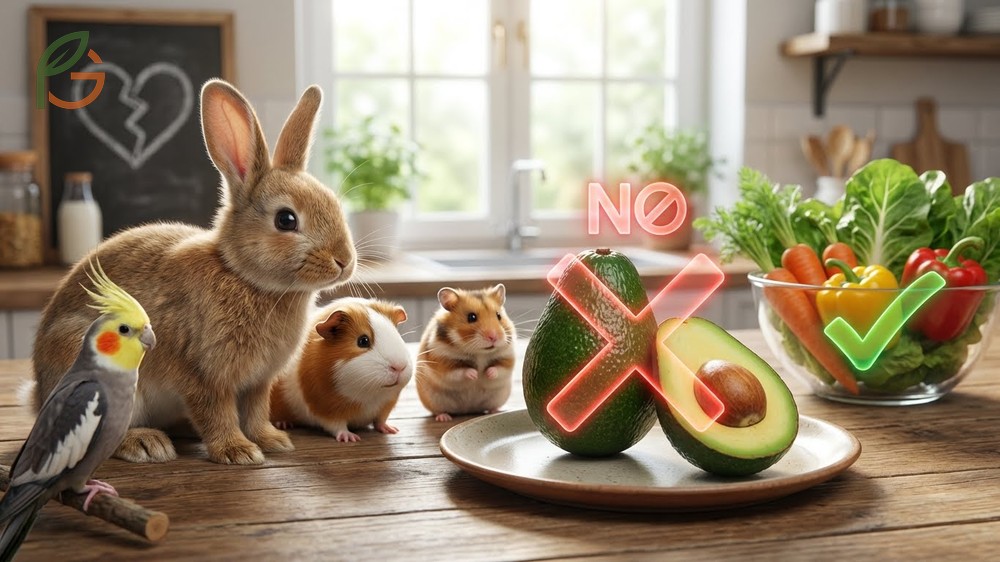
Can rabbits eat avocado? No—avocados are highly toxic to rabbits and should never be fed to them. Research shows that persin, a fungicidal toxin found throughout the avocado plant, causes severe cardiac damage in rabbits, leading to heart failure within 12-48 hours of ingestion[1]. What’s often overlooked is that this toxicity isn’t limited to just rabbits—guinea pigs, hamsters, and birds face the same deadly risk. FruitGarden synthesizes current veterinary research to help pet owners make informed decisions about safe foods for their small companions.
Quick Answer
- Avocados contain persin, a toxin highly lethal to rabbits, guinea pigs, birds, and other small pets[2]
- Rabbits can die within 12-48 hours after eating even small amounts of avocado[1]
- All parts are toxic—flesh, skin, pit, and leaves all contain dangerous levels of persin[3]
- Safe alternatives include romaine lettuce, bell peppers, carrots, and apples (seeds removed)
Can Rabbits Eat Avocado
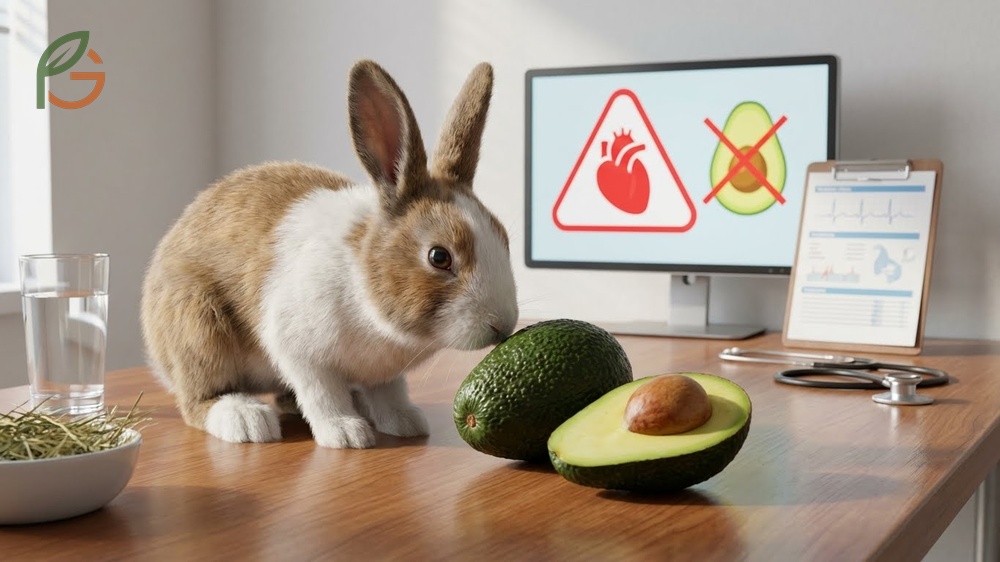
Rabbits can’t safely eat any part of an avocado. Studies demonstrate that rabbits are among the most susceptible species to persin toxicity, with documented cases of acute heart failure occurring within 30 hours of ingesting fresh avocado leaves[4]. The toxin causes myocardial necrosis—literally destroying heart muscle tissue.
Unlike some foods that are only mildly harmful, avocado’s effects on rabbits are severe and often fatal. Veterinary toxicologists at Pet Poison Helpline confirm that persin causes significant damage to the heart muscle, leading to cardiovascular abnormalities including arrhythmias, pericardial effusion (fluid around the heart), pulmonary edema (fluid in the lungs), and respiratory distress[5]. There’s no antidote for persin poisoning.
Even a small taste can be dangerous. The reason is simple—rabbits lack the enzymes necessary to break down and neutralize persin in their systems. This makes the toxin accumulate rapidly, overwhelming their cardiovascular system before treatment becomes possible.
What Is Persin and Why Is It Dangerous
Persin is a natural antifungal compound that avocado plants produce to protect themselves from pathogens. When purified, persin causes mastitis in lactating mice at doses of 60-100 mg/kg, and doses exceeding 100 mg/kg result in myocardial necrosis[2]. The compound is fat-soluble, which means it concentrates in the avocado’s creamy flesh.
What makes persin particularly dangerous for small pets is its selectivity. While humans can safely consume avocados, the same compound triggers catastrophic reactions in certain animals. Research shows that persin interferes with calcium channels in cardiac cells, disrupting the heart’s electrical system and causing fluid to leak into surrounding tissues.
All Parts of the Avocado Are Toxic
Every component of the avocado plant contains persin, though concentrations vary. The leaves contain the highest levels, followed by the bark, pit, and skin. The flesh closest to the pit has higher persin concentrations than the outer portions, but even the “safest” part of the fruit is still dangerous for rabbits[3].
This means you can’t make avocado “safe” by removing certain parts. Whether it’s guacamole left on the counter, a discarded avocado pit in the compost, or leaves from an avocado tree in your yard—all pose serious risks if your rabbit gains access to them.
Important Warning: Don’t let rabbits graze near avocado trees. A case study documented 14 rabbits that died within 30 hours after eating pruned avocado leaves[4]. The leaves are particularly concentrated with persin.
Can Guinea Pigs Eat Avocado
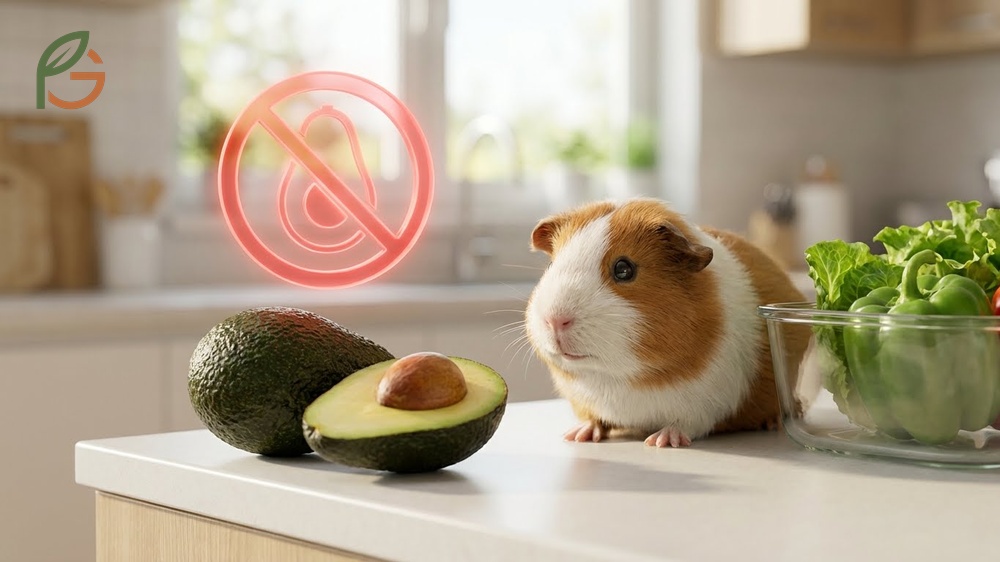
Guinea pigs should never eat avocados for the same reasons as rabbits—persin toxicity is just as deadly for them. Toxic amounts of persin can damage a guinea pig’s heart muscle within 24-48 hours, potentially leading to congestive heart failure if not promptly treated[3]. The compound is found in all parts of the avocado including the fruit, skin, seeds, stem, and leaves.
Current veterinary guidance emphasizes that there’s no safe amount of avocado for guinea pigs. Even if the inside flesh is sometimes labeled as “safer” than other parts, the risk far outweighs any potential nutritional benefit. Guinea pigs have delicate digestive and cardiovascular systems that make them particularly vulnerable to this toxin.
High Fat Content Creates Additional Risk
Beyond persin, avocados pose another problem for guinea pigs—their high fat content. Guinea pigs evolved on a diet of grasses and leafy greens, which are naturally low in fat. Their digestive systems aren’t designed to process fatty foods, so consuming high-fat items can lead to bloating, diarrhea, and severe intestinal complications.
While a small amount of avocado flesh might not immediately kill a guinea pig from persin alone, the combination of toxicity risk and digestive upset makes avocado completely unsuitable. There are dozens of safer, healthier alternatives that provide better nutrition without any risk.
Cardiac Damage Timeline in Guinea Pigs
The progression of persin poisoning in guinea pigs follows a predictable pattern. Within the first 12 hours, the toxin begins affecting heart muscle cells. By 24 hours, fluid starts accumulating around the heart and in the lungs. Between 24-48 hours, congestive heart failure symptoms become apparent—labored breathing, lethargy, and loss of appetite.
Most pet owners don’t realize their guinea pig has been poisoned until symptoms appear, which is often too late for effective treatment. This makes prevention absolutely critical—keeping all avocado products completely out of reach.
Can Birds Eat Avocado
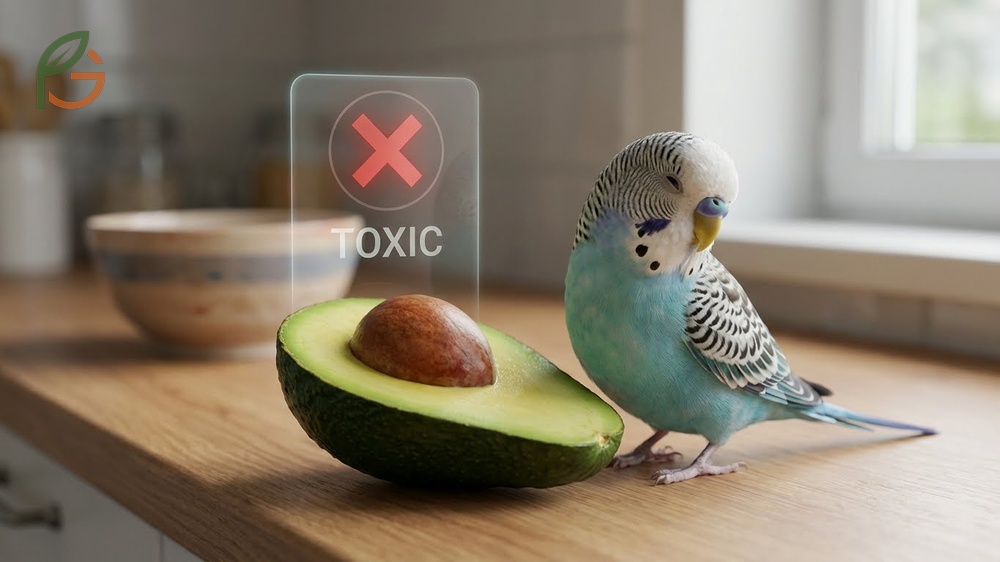
Birds are extremely sensitive to avocado toxin and can die from heart failure within 12-48 hours of consuming even small amounts[1]. Pet birds like budgerigars, cockatiels, and canaries are particularly vulnerable. Some reports suggest even the fumes from avocados can pose risks to sensitive birds.
Evidence suggests that all avocado varieties are toxic to birds, but those with flesh closer to the seed contain higher persin levels and are therefore significantly more toxic. Symptoms in birds include increased heart rate, myocardial tissue damage, subcutaneous edema (swelling) of the neck and chest, labored breathing, disordered plumage, weakness, and lethargy[6]. High doses cause acute respiratory syndrome, with death occurring approximately 12-48 hours after consumption.
Caged birds seem more sensitive to persin’s effects than free-ranging poultry. Turkeys and chickens show more resistance, though they’re not completely immune. If you keep pet birds, don’t eat avocado near their cages, and ensure no avocado waste ends up in areas where they might access it.
Critical Alert: Never use avocado as a “treat” for birds, even in tiny amounts. The risk of fatal heart damage is too high, and there’s no safe threshold established for any bird species.
Can Hamsters Eat Avocado
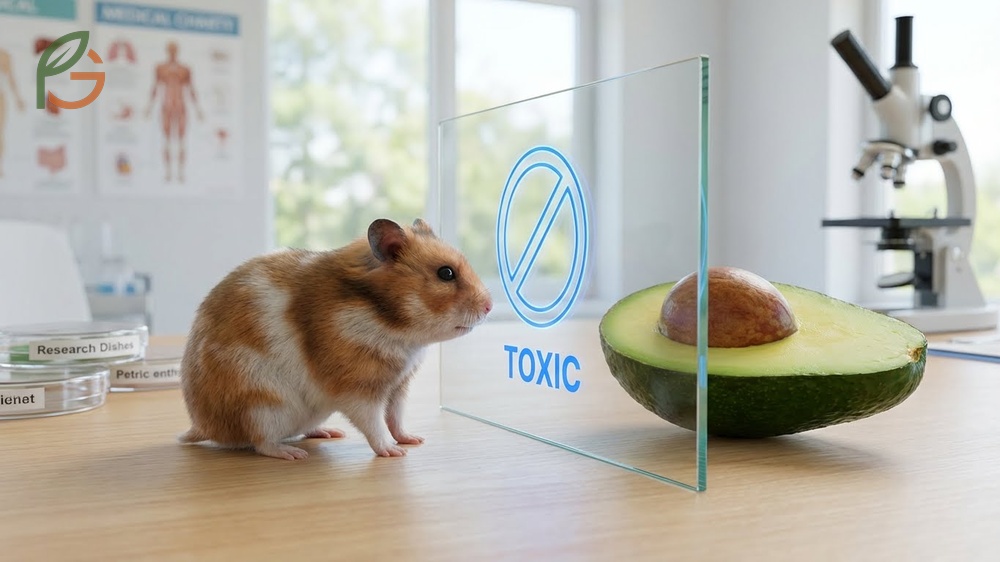
Hamsters shouldn’t eat avocado due to persin toxicity, though they’re not as extensively studied as rabbits and birds. Based on research with mice—which are biologically similar to hamsters—persin poses serious risks. Lactating mice develop non-infectious mastitis after consuming avocado leaves or bark, and higher doses cause cardiac effects[6].
Hamsters’ small body size means even tiny amounts of persin could reach toxic concentrations quickly. Since hamsters naturally eat seeds, grains, and occasional vegetables, there’s no nutritional reason to risk feeding them avocado. The high fat content alone makes it unsuitable for their diet, independent of the toxicity concern.
Safe alternatives for hamsters include small pieces of carrots, broccoli, apples (without seeds), and commercial hamster pellets designed for their specific nutritional needs. These provide vitamins and minerals without any risk of poisoning.
Persin Poisoning Symptoms in Rabbits
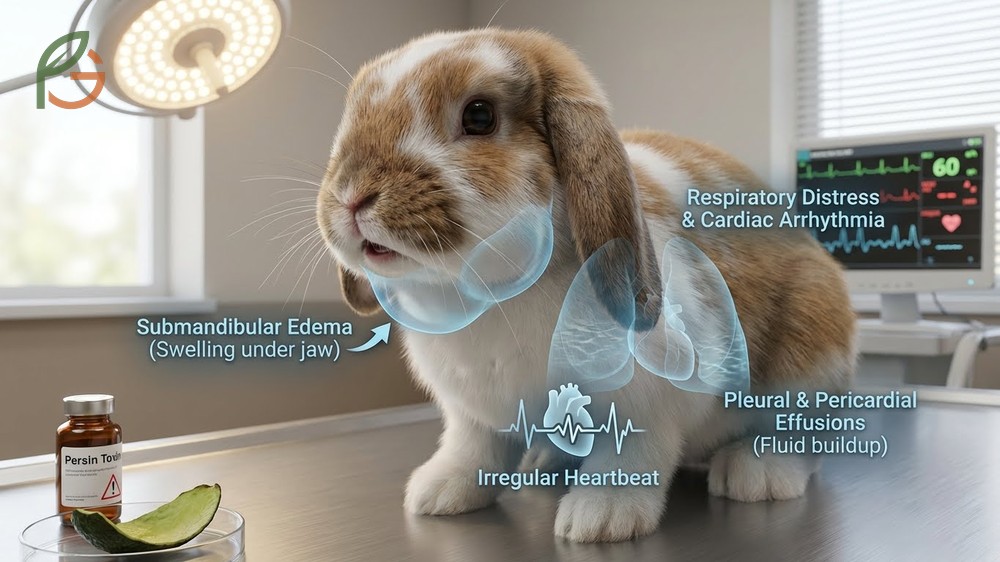
Recognizing persin poisoning early can mean the difference between life and death, though treatment options are limited. Studies document that affected rabbits show respiratory distress, cardiac arrhythmia (irregular heartbeat), and submandibular edema (swelling under the jaw) before death occurs[6]. Pathological findings include pleural and pericardial effusions (fluid around the lungs and heart), pulmonary edema, and hearts that appear flabby and pale[4].
Early symptoms can be subtle and easily missed. Rabbits may appear lethargic, lose their appetite, or breathe more rapidly than normal. As the poisoning progresses, breathing becomes labored and the rabbit may seem restless or uncomfortable. By the time visible swelling appears under the jaw or chest, the cardiac damage is already severe.
- Labored or rapid breathing (respiratory distress)
- Irregular heartbeat or racing heart rate
- Swelling under the jaw or in the chest area (edema)
- Lethargy, weakness, or reluctance to move
- Loss of appetite or refusal to eat
- Depression or unresponsiveness to stimuli
- Seizures in severe cases
If you suspect your rabbit has eaten any part of an avocado, contact an emergency veterinarian immediately. Don’t wait for symptoms to appear—the cardiac damage progresses rapidly, and early intervention offers the best chance of survival, though prognosis remains poor even with treatment.
Safe Vegetables for Rabbits
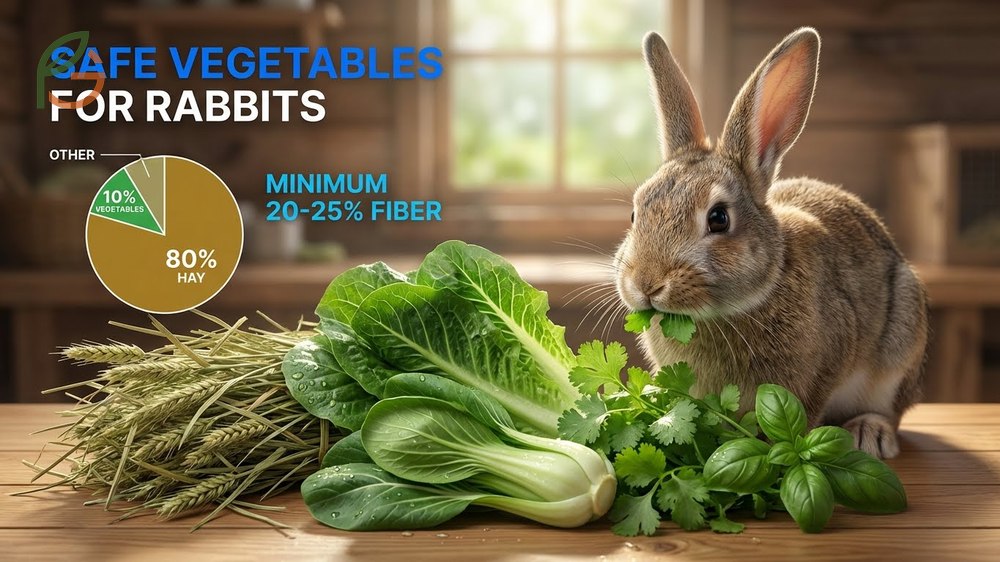
Research shows that a healthy rabbit diet consists of approximately 80% hay, with fresh vegetables making up about 10% of their daily intake. Rabbits need a minimum dietary fiber level of 20-25% to maintain gut health and proper digestive motility[7]. Diets with less than 20% fiber result in gut hypomotility and increased risk of enteritis.
The vegetables you choose matter for both nutrition and safety. Leafy greens should form the majority of the vegetable portion, as they’re closest to what wild rabbits naturally consume. Bell peppers, carrots, and celery can add variety and provide vitamins A and C without the risks associated with toxic foods like avocado.
This table categorizes safe vegetables and fruits for rabbits into leafy greens, other vegetables, and fruits with recommended serving frequencies
| Category | Safe Foods | Serving Frequency | Notes |
|---|---|---|---|
| Leafy Greens | Romaine lettuce, arugula, bok choy, kale, parsley, cilantro, basil | Daily | Should form majority of vegetable intake |
| Other Vegetables | Bell peppers, carrots, celery, cucumber, broccoli (small amounts) | Daily to 3x weekly | Limit broccoli/cauliflower to prevent gas |
| Fruits | Apples (no seeds), strawberries, blueberries, pears, melon | 2-3x weekly | Treats only—less than 5% of diet |
| Herbs | Mint, oregano, dill, thyme, rosemary | 2-3x weekly | Small amounts for variety |
| Never Feed | Avocado, chocolate, onions, garlic, rhubarb, iceberg lettuce | Never | Toxic or nutritionally inadequate |
- Romaine lettuce (not iceberg—it lacks nutrients and can cause diarrhea)
- Red or green leaf lettuce
- Arugula (rocket)
- Bok choy
- Kale (moderate amounts)
- Parsley
- Cilantro
- Watercress
When introducing new vegetables, do it gradually—one new food every 3-4 days. This lets you monitor for any digestive upset or allergic reactions. Most rabbits thrive when they get a rotating variety of 3-4 different greens daily, which prevents boredom and ensures balanced nutrition.
Conclusion
The evidence is clear: rabbits can’t eat avocado safely, and neither can guinea pigs, hamsters, or birds. Persin toxicity causes rapid, often fatal heart damage with no antidote available. Current veterinary guidance emphasizes complete avoidance—there’s no safe amount, no safe part of the plant, and no safe way to prepare avocado for these animals.
Instead, focus on providing species-appropriate foods that support digestive health and meet nutritional needs without risk. Romaine lettuce, bell peppers, carrots, and safe fruits like apples (seeds removed) offer vitamins, minerals, and variety without the deadly consequences of persin poisoning. FruitGarden encourages all small pet owners to prioritize safety by keeping avocados—and all related products—completely out of your pets’ reach.
Medical Disclaimer
Important Veterinary Disclaimer: This content is for informational and educational purposes only. It’s not intended as a substitute for professional veterinary advice, diagnosis, or treatment. Always consult a qualified veterinarian before making any changes to your pet’s diet, especially if you suspect poisoning or if your pet has existing health conditions. If your rabbit, guinea pig, or other small pet has consumed avocado, contact an emergency veterinarian immediately—persin poisoning requires urgent professional care.
Frequently Asked Questions
Can Bunnies Eat Avocado Skin?
No, bunnies can’t eat avocado skin. The skin contains high concentrations of persin and poses the same deadly risk as the flesh, pit, and leaves. All parts of the avocado plant are toxic to rabbits and should be kept completely out of their reach.
What Happens if a Rabbit Eats a Tiny Bit of Avocado?
Even a tiny amount of avocado can be dangerous for rabbits. Persin affects rabbits’ hearts rapidly, and cardiac damage can begin within hours of ingestion. If your rabbit has eaten any avocado, contact an emergency veterinarian immediately—don’t wait to see if symptoms develop, as the progression is often too fast for successful treatment once signs appear.
Are There Any Animals That Can Safely Eat Avocado?
Dogs and cats are less sensitive to persin than rabbits and birds, though avocado can still cause digestive upset and potential heart issues in large amounts. Humans can safely eat avocados because we have different metabolic pathways that neutralize persin. However, for small pets like rabbits, guinea pigs, hamsters, and all bird species, avocado should be considered highly toxic.
What Are the Best Alternatives to Avocado for Rabbits?
The best alternatives for rabbits include romaine lettuce, bell peppers (red, yellow, or green), carrots in moderation, celery, cucumber, and leafy greens like arugula and bok choy. For occasional treats, offer small amounts of apples (seeds removed), strawberries, or blueberries. These provide vitamins and variety without any toxicity risk.
How Long Does It Take for Persin Poisoning to Kill a Rabbit?
Research documents that rabbits can die within 12-48 hours of consuming avocado, with some cases showing death as early as 30 hours after ingestion. The timeline depends on the amount consumed and the rabbit’s size, but cardiac damage progresses rapidly regardless. This makes prevention critical—there’s often insufficient time for treatment once poisoning occurs.
Can Rabbits Eat Foods That Touched Avocado?
It’s best to avoid feeding rabbits any food that has touched avocado. While the risk from cross-contamination is likely lower than direct consumption, persin is fat-soluble and can transfer to other foods. To be safe, keep your rabbit’s vegetables on separate cutting boards and plates from any avocado products, and wash your hands after handling avocado before touching your pet’s food.
What Should I Do if My Guinea Pig Ate Avocado?
Contact an emergency veterinarian immediately if your guinea pig has eaten any part of an avocado. Explain what was consumed, how much (if known), and when it happened. The vet may recommend bringing your guinea pig in for monitoring and supportive care. Watch for symptoms like labored breathing, lethargy, or loss of appetite, and report these immediately—cardiac damage from persin can occur within 24-48 hours.





