

Can dogs eat apricots? Yes, but only the flesh without the pit, stem, or leaves. Research shows that while apricot flesh provides valuable nutrients like vitamin A and fiber, the pits contain cyanide compounds that can be fatal to dogs[1]. Studies demonstrate that proper preparation—removing all toxic parts before serving—makes apricots a safe, nutritious treat for your pet[2]. FruitGarden synthesizes current veterinary research and toxicology data to help pet owners make informed decisions about fruit safety.
Quick Answer
- Apricot flesh is safe for dogs when served in moderation—48 calories and 2g fiber per 100g[3]
- Apricot pits, stems, and leaves contain cyanide that causes severe poisoning[4]
- Symptoms appear within 15 minutes of pit ingestion—call your vet immediately[5]
- Dried apricots need smaller portions due to concentrated sugar content
Can Dogs Eat Apricots
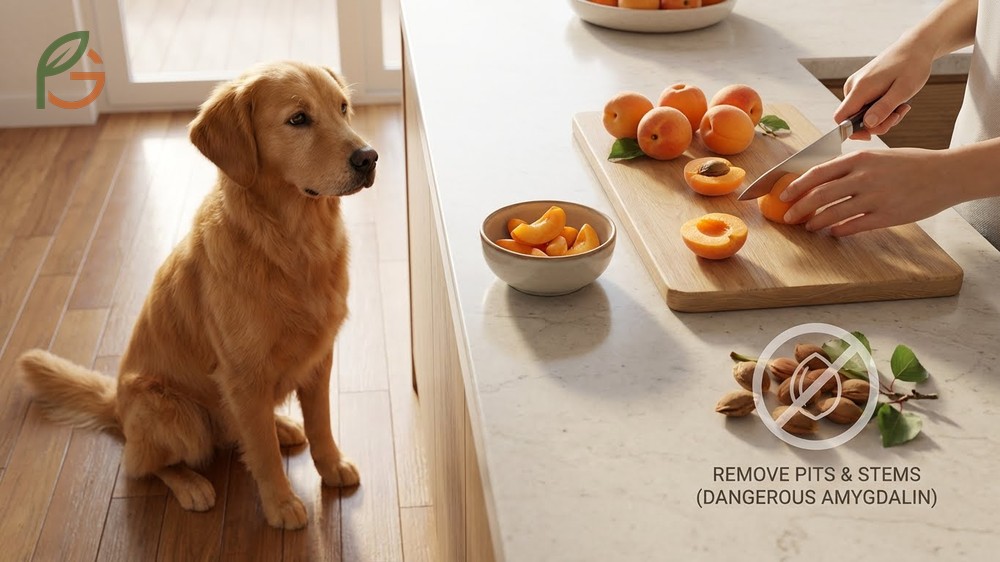
Dogs can safely eat apricot flesh when it’s properly prepared. The soft, orange fruit provides vitamins and minerals that support canine health. However, you’ll need to remove all pits, stems, and leaves before serving since these parts contain amygdalin—a compound that converts to cyanide when digested[4].
Current veterinary guidance emphasizes moderation for all fruit treats. Apricots contain natural sugars and fiber that can upset your dog’s stomach if eaten in large quantities. Most experts recommend limiting fruit treats to 10% of your dog’s daily caloric intake.
What often gets overlooked is that windfall fruit poses extra risks. If you’ve got an apricot tree in your yard, fallen fruit can ferment and intoxicate your dog. Plus, they’re likely to eat the whole fruit—pit and all—which creates both poisoning and choking hazards.
Safe Parts of Apricots for Dogs
Only the flesh and skin of apricots are safe for canine consumption. The velvety outer skin contains the same nutrients as the flesh and doesn’t need to be removed. Fresh apricot flesh provides hydration along with vitamins A and C.
Every other part of the apricot is toxic. The pit contains the highest concentration of cyanide-producing compounds, but stems and leaves also pose risks[4]. Wilting leaves are particularly dangerous since the drying process increases cyanide concentration.
Important Note: Always inspect each apricot before serving. Even small pit fragments can be dangerous, and some dogs will swallow them without chewing, creating blockage risks.
Proper Serving Methods
Cut fresh apricots into bite-sized pieces appropriate for your dog’s size. For small breeds, quarter-inch cubes work well. Larger dogs can handle pieces up to one inch. This prevents choking and makes portion control easier.
Wash apricots thoroughly to remove pesticide residues before cutting. Remove the pit completely by cutting around it, then check both halves for pit fragments. Start with just one or two small pieces to test for digestive tolerance or allergic reactions.
- Wash the apricot under running water to remove surface contaminants
- Cut around the pit and remove it completely, discarding it safely
- Inspect both halves for any remaining pit fragments or stem pieces
- Cut the flesh into size-appropriate pieces for your dog’s breed
- Serve 1-2 pieces as a first-time trial to check for adverse reactions
- Store leftover cut apricot in the refrigerator for no more than 2 days
Can Dogs Eat Dried Apricots
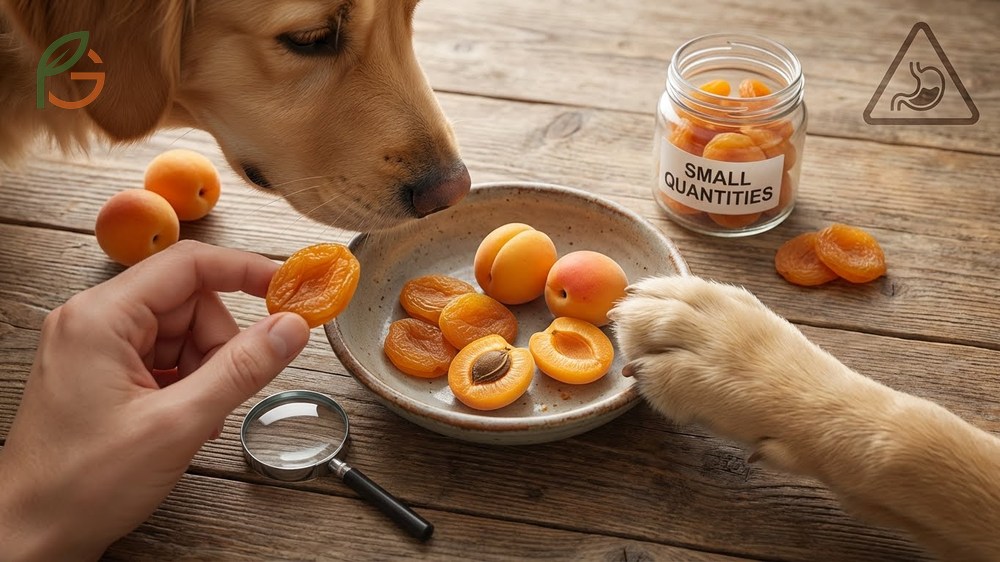
Dried apricots are safe for dogs when served in smaller quantities than fresh fruit. The dehydration process concentrates both nutrients and sugars, making each piece more calorie-dense. Most dried apricots have pits removed during processing, but you should still inspect them carefully before serving.
Research shows that dried fruits can cause digestive upset more easily than fresh varieties. The reduced water content means your dog won’t feel full as quickly, increasing the risk of overeating. This matters especially for diabetic dogs or those prone to weight gain.
Commercial dried apricots sometimes contain added sugars or preservatives like sulfur dioxide. Check ingredient labels and choose unsweetened, additive-free options. The extra sugar serves no nutritional purpose and can harm your dog’s dental and metabolic health.
Dried vs Fresh Apricots
Fresh apricots contain approximately 86% water, while dried versions have less than 30%[3]. This means dried apricots pack three times the calories and sugar per gram. A single dried apricot half equals about one whole fresh apricot in nutritional density.
The vitamin content remains relatively stable during drying, but the concentration increases. You’ll need to serve smaller portions to avoid vitamin A toxicity from excessive consumption. Fresh apricots also provide better hydration, which helps prevent kidney issues.
Portion Control for Dried Apricots
Limit dried apricot treats to 1-2 small pieces per day for medium-sized dogs. Adjust portions based on your dog’s weight—smaller breeds should get just half a piece, while larger dogs can have up to 3 pieces. These amounts keep sugar intake within safe ranges.
The chewy texture of dried apricots creates an additional choking risk. Cut them into smaller pieces than you would fresh fruit. Always supervise your dog while they eat dried apricots to catch any signs of choking or difficulty swallowing.
Warning: Don’t let your dog eat dried apricots with pits still intact. While most commercial products remove pits, homemade or bulk dried apricots might still contain them.
Are Apricots Good for Dogs
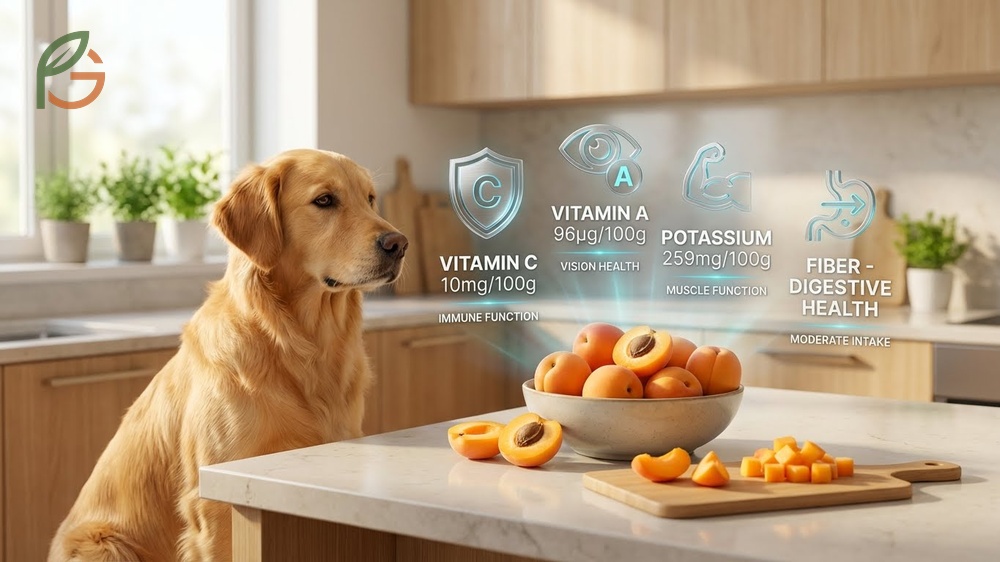
Apricots provide several health benefits when fed as occasional treats. Each 100g serving delivers 10mg of vitamin C, 96µg of vitamin A, and 259mg of potassium[3]. These nutrients support immune function, vision health, and proper muscle function in dogs.
The fiber content in apricots aids digestive health without causing the extreme laxative effects of some other fruits. Studies demonstrate that moderate fiber intake helps regulate bowel movements and supports beneficial gut bacteria. However, too much fiber leads to diarrhea or gas.
Apricots contain antioxidants that combat cellular damage from free radicals. These compounds may help reduce inflammation and support healthy aging in dogs. The beta-carotene in apricots converts to vitamin A, which maintains healthy skin and coat quality.
This table shows the nutritional content per 100 grams of fresh apricot flesh including vitamins, minerals, calories, and fiber content
| Nutrient | Amount | Benefit for Dogs |
|---|---|---|
| Calories | 48 kcal[3] | Low-calorie treat option |
| Fiber | 2g[3] | Supports digestive health |
| Vitamin A | 96µg[3] | Maintains vision and immune function |
| Vitamin C | 10mg[3] | Antioxidant protection |
| Potassium | 259mg[3] | Supports muscle and nerve function |
- Vitamin A supports healthy vision, particularly night vision and eye moisture
- Vitamin C acts as an antioxidant that strengthens immune response to infections
- Dietary fiber promotes regular bowel movements and healthy gut bacteria
- Potassium helps regulate blood pressure and supports proper muscle contraction
- Low calorie content makes apricots suitable for overweight dogs needing treats
- Beta-carotene contributes to healthy skin and a shiny coat appearance
- Natural fruit sugars provide quick energy without artificial additives
Apricot Pit Poisoning in Dogs
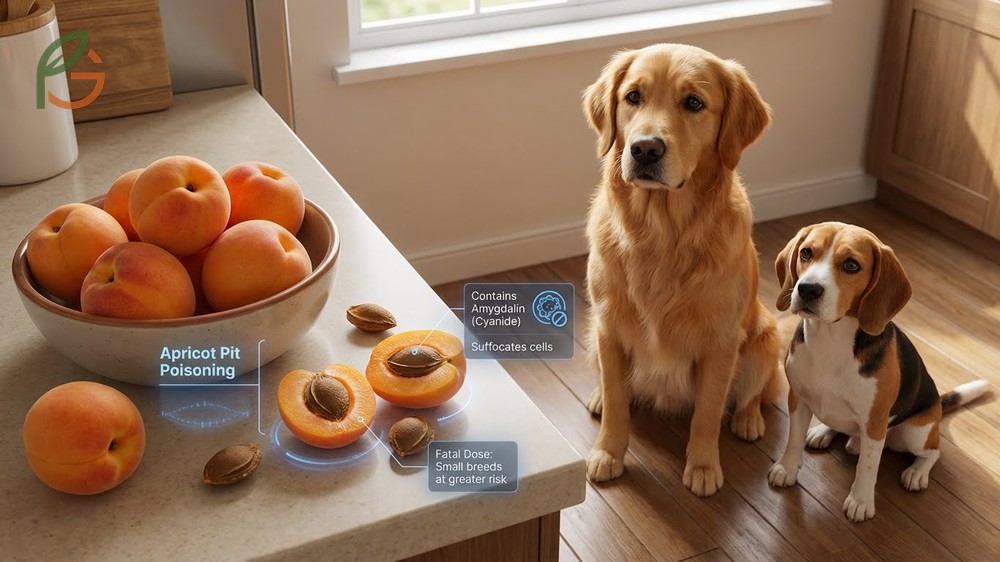
Apricot pits contain amygdalin, a cyanogenic glycoside that breaks down into hydrogen cyanide when chewed or digested. This poison blocks cellular oxygen uptake, essentially suffocating cells from the inside[1]. Research shows that cyanide poisoning can be fatal within minutes if the dose is high enough.
A single apricot pit might not kill a large dog, but it’ll make them seriously ill. Smaller breeds face greater risks since the toxic dose per kilogram of body weight is reached more quickly. Case reports document that even one pit caused severe toxicity in a 9.5-year-old Golden Retriever, resulting in metabolic acidosis and cardiac arrest[1].
The danger increases if your dog chews the pit rather than swallowing it whole. Chewing breaks open the seed kernel where amygdalin concentrates. Swallowing a pit whole creates blockage risks but releases less cyanide initially—though stomach acid will eventually break it down.
Apricot leaves and stems also contain these compounds, though in lower concentrations. Wilting or fermenting plant material becomes more toxic as the drying process concentrates the poison. Dogs that access fallen fruit under apricot trees face combined risks from pits, stems, and fermented flesh.
Critical Warning: Never give your dog apricot kernel meal, supplements, or “vitamin B17” products. These concentrated sources contain dangerous cyanide levels and have caused documented fatalities in dogs.
Symptoms of Apricot Poisoning in Dogs

Cyanide poisoning symptoms can appear within 15 minutes of apricot pit ingestion. The rapid onset makes this a veterinary emergency requiring immediate action. Early signs include excessive drooling, dilated pupils, and bright red gums—the red coloration occurs because cells can’t extract oxygen from blood[4].
Respiratory distress typically follows as the poison interferes with cellular respiration. You’ll notice rapid or labored breathing, gasping, or panting that doesn’t match activity levels. The dog’s breathing might smell like bitter almonds—a classic sign of cyanide presence.
Neurological symptoms indicate severe poisoning. These include weakness, wobbling, seizures, or loss of consciousness. Muscle spasms and tremors affect the limbs first, then spread to other muscle groups[5]. Without treatment, the dog can progress to cardiac arrest within an hour.
- Excessive drooling or foaming at the mouth within 15-30 minutes
- Bright red or brick-red mucous membranes and gums
- Dilated pupils that don’t respond normally to light
- Difficulty breathing, rapid panting, or gasping for air
- Vomiting or diarrhea, sometimes with blood present
- Weakness, wobbling, or inability to stand or walk normally
- Muscle tremors, spasms, or seizure activity
- Loss of consciousness or collapse
- Abnormal heart rate—either too fast or too slow
Emergency Action Required: If you notice any combination of these symptoms after your dog accessed apricots, call your veterinarian or emergency animal hospital immediately. Time is critical for successful treatment.
What to Do If Your Dog Eats an Apricot Pit

Call your veterinarian immediately if you witness or suspect your dog ate an apricot pit. Don’t wait for symptoms to appear—cyanide poisoning progresses rapidly. Provide details about your dog’s weight, how many pits were eaten, and the approximate time of ingestion.
Your vet will likely instruct you to bring your dog in for evaluation. They might induce vomiting if ingestion occurred within the past 1-2 hours and the pit hasn’t caused an obstruction. However, never induce vomiting at home without veterinary guidance—it can be dangerous if done incorrectly.
Emergency treatment for cyanide poisoning typically involves hydroxocobalamin (vitamin B12) as an antidote. This medication binds to cyanide and neutralizes it before cellular damage occurs[1]. Supportive care includes IV fluids, oxygen therapy, and monitoring for complications like metabolic acidosis.
Even if your dog swallowed the pit whole without chewing it, don’t assume everything’s fine. The pit can cause intestinal blockage or perforation as it moves through the digestive tract. Watch for signs like loss of appetite, abdominal pain, or straining to defecate over the next 24-48 hours.
- Contact your veterinarian or Pet Poison Helpline immediately—save these numbers in your phone
- Note the exact time of ingestion and estimate how many pits were consumed
- Identify whether your dog chewed the pit or swallowed it whole
- Don’t induce vomiting unless specifically instructed by a veterinarian
- Transport your dog to the emergency clinic if advised—bring any remaining apricot pieces
- Monitor vital signs during transport if possible—breathing rate, gum color, and responsiveness
- Follow all treatment recommendations including medication schedules and follow-up appointments
Can Dogs Eat Apricot Jam and Yogurt
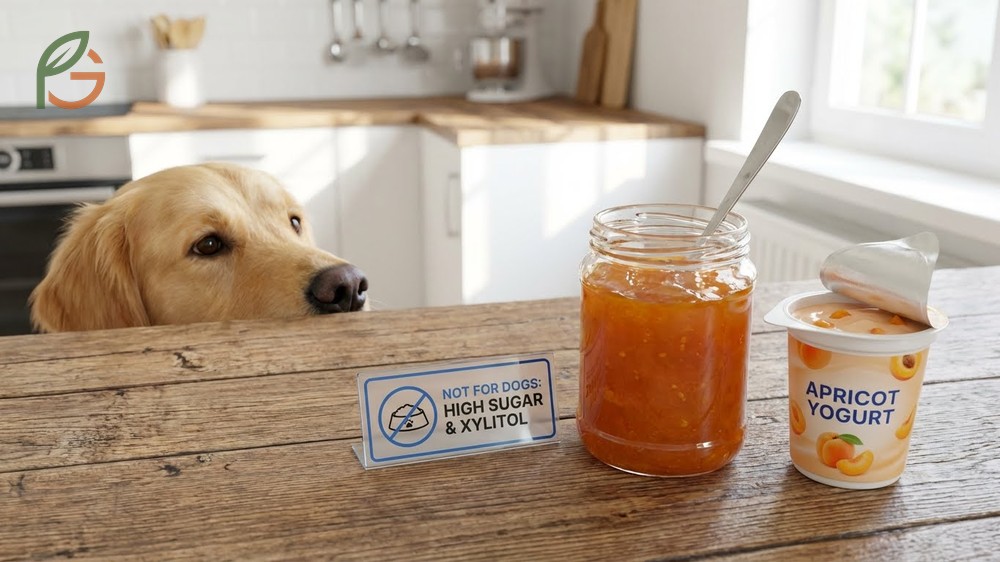
Apricot jam isn’t safe for dogs due to extremely high sugar content. Most jams contain 50-65% sugar by weight—far exceeding the amount in fresh fruit[6]. This much sugar causes digestive upset, contributes to obesity, and increases diabetes risk. Many jams also contain xylitol, an artificial sweetener that’s toxic to dogs.
Commercial apricot yogurt poses similar problems. The added sugars, artificial flavors, and preservatives make it unsuitable for canine consumption. Even “natural” fruit yogurts typically contain 15-20g of sugar per serving—more than a dog should eat in an entire day.
Plain, unsweetened yogurt with fresh apricot pieces offers a safer alternative if you want to combine these foods. Choose yogurt that lists only milk and live cultures as ingredients. Mix in one or two small pieces of fresh apricot flesh for flavor without the sugar overload.
Current guidance emphasizes that dogs don’t benefit from processed fruit products. The cooking and preservation processes destroy many beneficial nutrients while concentrating sugars. Fresh fruit always provides better nutritional value with fewer risks.
Fruits Safe for Dogs

Several fruits make excellent alternatives to apricots for dogs. Apples (without seeds), blueberries, and strawberries top the list of veterinarian-recommended fruits[7]. These options provide similar nutritional benefits without the pit-related risks that come with stone fruits.
Watermelon offers exceptional hydration during hot weather—it’s 92% water and packed with vitamins A, B6, and C. Remove all seeds and rind before serving since these parts can cause digestive blockages. Cut the pink flesh into bite-sized cubes for easy serving.
Bananas work well as high-energy treats for active dogs. They’re rich in potassium and easy to digest, though the high sugar content means you should limit portions. Pineapple provides digestive enzymes that can aid nutrient absorption, but again, moderation matters due to sugar levels.
- Apples without seeds or core—provide fiber and vitamin C for immune support
- Blueberries as antioxidant-rich treats—perfect size for training rewards
- Strawberries for vitamin C and teeth-cleaning fiber—slice them for small dogs
- Watermelon without seeds or rind—excellent for hydration in summer months
- Bananas in small amounts—great source of potassium and quick energy
- Cantaloupe cubes—high in vitamins A and C, plus fiber
- Pears without seeds—similar benefits to apples with softer texture
- Oranges in small quantities—vitamin C boost, but remove all peel and pith
- Mangoes without pit and skin—tropical flavor with vitamin A and E
- Raspberries as occasional treats—anti-inflammatory compounds, but limit to 1-2 berries
Remember: Always introduce new fruits gradually, starting with tiny portions. Watch for any signs of digestive upset or allergic reactions like itching, hives, or swelling.
Conclusion
The evidence is clear: dogs can eat apricots safely when you remove all pits, stems, and leaves before serving. Fresh apricot flesh provides valuable nutrients like vitamins A and C without significant risks. However, the pit-related dangers can’t be overstated—cyanide poisoning progresses rapidly and can be fatal without immediate veterinary intervention.
Current veterinary guidance emphasizes preparation over prohibition. If you’ve got apricot trees or buy fresh apricots regularly, take extra precautions to keep whole fruits away from your dog. Serve only properly prepared pieces in moderation, and consider safer alternatives like apples or blueberries for regular treat rotation. The FruitGarden community supports informed pet care decisions based on scientific evidence and veterinary best practices.
Medical Disclaimer
Important Medical Disclaimer: This content is for informational and educational purposes only. It’s not intended as a substitute for professional veterinary advice, diagnosis, or treatment. Always consult a qualified veterinarian before making any changes to your dog’s diet, especially if your pet has existing health conditions, allergies, or takes medications. If you suspect your dog has eaten an apricot pit or shows signs of poisoning, contact your veterinarian or emergency animal hospital immediately. Individual dogs may react differently to foods, and what’s safe for one dog might not be suitable for another.
Frequently Asked Questions
How many apricots can a dog eat safely?
Most medium-sized dogs can safely eat 1-2 small apricot halves per day as an occasional treat. Adjust portions based on your dog’s size—small breeds should get quarter pieces, while large dogs can have up to 3 halves. Keep fruit treats under 10% of daily caloric intake to prevent digestive upset and maintain balanced nutrition.
What happens if my dog swallows an apricot pit whole?
Swallowing a pit whole creates two risks: intestinal blockage and cyanide poisoning. Call your vet immediately even if your dog seems fine. While swallowing intact releases less cyanide initially than chewing, stomach acid will break down the pit over time. Your vet may recommend X-rays to check for blockages and monitoring for poisoning symptoms over the next 24 hours.
Can puppies eat apricots?
Puppies can eat small amounts of apricot flesh after 12 weeks of age, but extra caution is needed. Their smaller body size means toxic doses are reached more quickly if they access pits. Start with tiny pieces—no larger than a pea—and watch for digestive reactions. Most veterinarians recommend waiting until 6 months of age before introducing any fruit treats.
Are canned apricots safe for dogs?
Canned apricots aren’t recommended for dogs due to added sugars and syrups used in preservation. Most canned varieties contain 2-3 times more sugar than fresh fruit. The high sugar content can cause digestive upset, contribute to obesity, and worsen conditions like diabetes. If you want to give your dog apricots, always choose fresh fruit that you’ve prepared yourself.
Do apricots help with dog constipation?
Apricots contain about 2g of fiber per 100g, which can support regular bowel movements when fed in moderation. However, they’re not a treatment for constipation—adding too much fruit can cause diarrhea instead. If your dog experiences chronic constipation, consult your veterinarian rather than trying to treat it with dietary changes alone. Proper hydration and balanced nutrition matter more than any single food.
Can dogs with diabetes eat apricots?
Dogs with diabetes can eat apricots in very limited quantities, but only with your veterinarian’s approval. Apricots contain natural sugars that affect blood glucose levels. If your vet approves, serve tiny portions paired with protein to slow sugar absorption, and monitor blood glucose levels closely afterward. Most diabetic dogs do better with lower-sugar vegetable treats like cucumber or green beans.
How long do apricot poisoning symptoms take to appear?
Symptoms of cyanide poisoning from apricot pits can appear within 15 minutes of ingestion, though timing varies based on whether the dog chewed the pit and how much was consumed. Early signs include excessive drooling, bright red gums, and rapid breathing. Severe symptoms like seizures or collapse typically develop within 30-60 minutes. This rapid progression makes apricot pit ingestion a true veterinary emergency requiring immediate professional care.





