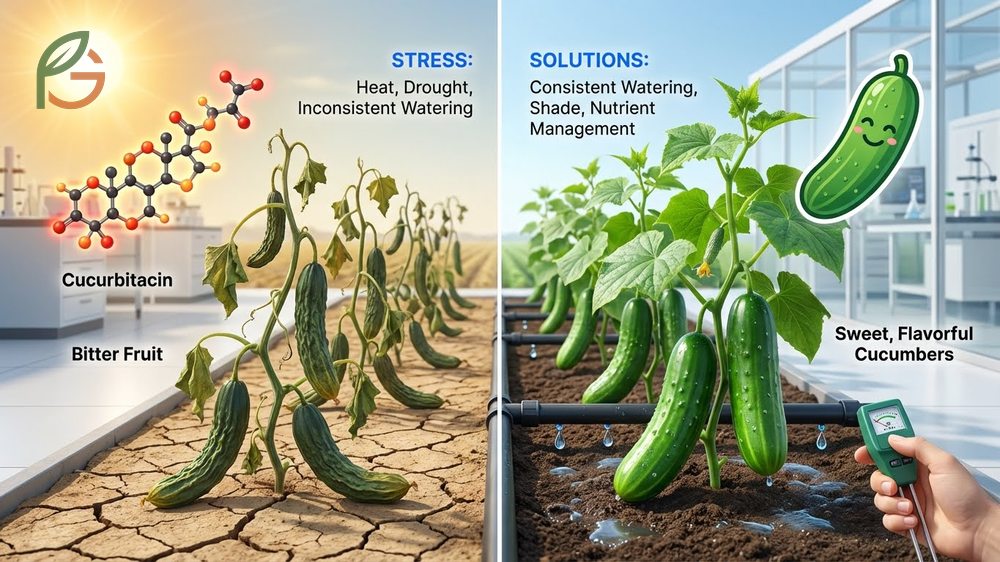
Why are cucumbers bitter? They contain cucurbitacin, a natural compound that accumulates when plants experience stress from heat, drought, or inconsistent watering[1]. Research shows that environmental conditions during growth directly influence cucurbitacin levels in your harvest[2]. FruitGarden compiles current agricultural research and expert guidance to help you grow sweet, flavorful cucumbers every time.
Quick Answer
- Cucurbitacin causes bitterness—it’s concentrated in stems and skin when plants face stress[1]
- Heat above 28°C (82°F), drought, and temperature swings trigger cucurbitacin production[3]
- Prevention: maintain soil moisture, choose bitter-free varieties like Marketmore or Burpless, and provide consistent temps of 21-26°C (70-80°F)[3]
- Quick fix: peel the skin and cut off 2 inches from stem end where bitterness concentrates[1]
Why Are Cucumbers Bitter
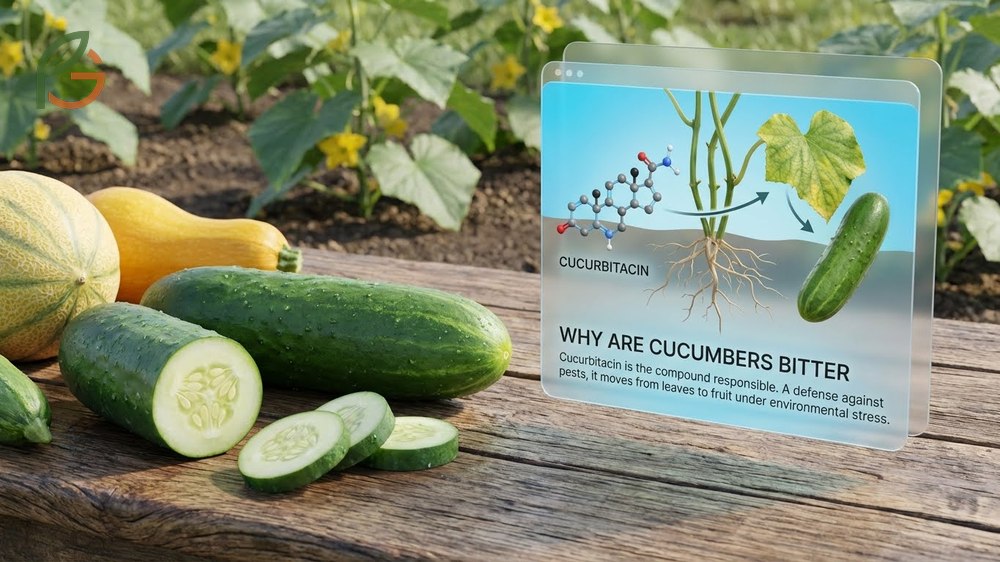
Cucurbitacin is the compound responsible for that unpleasant bitter flavor in cucumbers. All cucurbit plants—including cucumbers, squash, and melons—naturally produce cucurbitacins as a defense mechanism against wildlife and pests[2]. Under normal conditions, these compounds stay concentrated in the leaves, stems, and roots where they’re meant to protect the plant.
Studies demonstrate that environmental stress triggers the movement of cucurbitacins from vegetative plant parts into the fruit itself[1]. When your cucumber plant struggles with extreme heat, inconsistent water, or sudden temperature changes, it responds by pushing these bitter compounds into the developing cucumbers. This survival mechanism can turn what should’ve been a sweet harvest into an inedible crop.
Research at the Japan International Research Center for Agricultural Sciences identified cucurbitacin C as the primary bitter component in cucumber plants, with a threshold level below 0.1 mg/L[4]. The compound’s incredibly low detection threshold means even tiny amounts create noticeable bitterness. That’s why a single stressed plant can produce fruit that’s completely unpalatable, while its neighbor under ideal conditions yields perfectly sweet cucumbers.
Important Note: Very high concentrations of cucurbitacin can cause digestive upset[5]. If your cucumber tastes extremely bitter, it’s best to discard it rather than try to mask the flavor.
Cucumber Bitterness Causes
Environmental Stress Factors
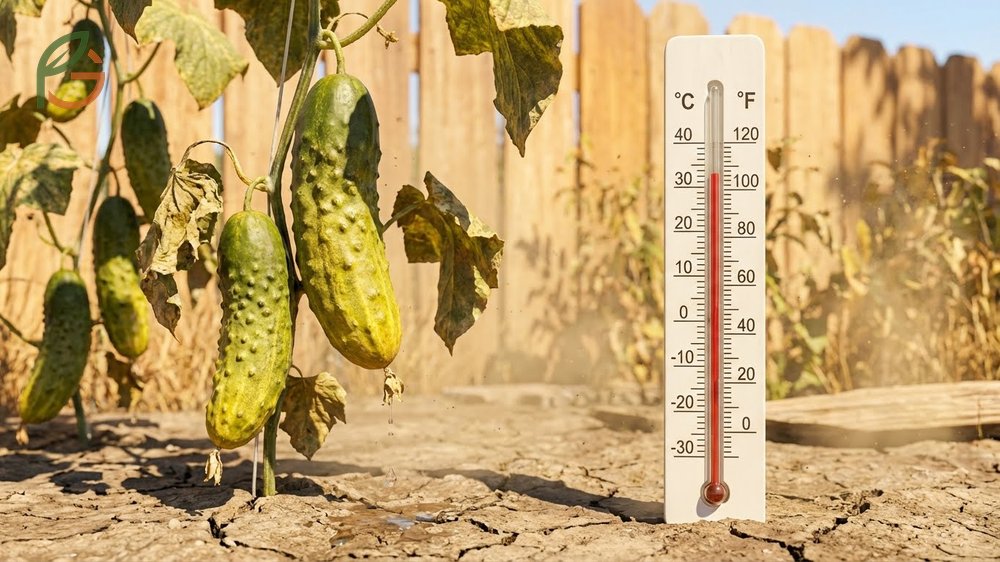
Hot, dry weather ranks as the leading cause of bitter cucumbers in home gardens across the United States[1]. When temperatures climb above the optimal range of 21-26°C (70-80°F), plants experience heat stress that directly triggers cucurbitacin production. Extended periods of heat combined with insufficient moisture create a perfect storm for bitter fruit development.
Drought conditions and inconsistent watering patterns cause similar stress responses in cucumber vines. Agricultural data shows that irregular water supply during blossoming and fruit development significantly affects fruit quality and increases bitterness[3]. Most gardeners don’t realize that cucumber plants need steady moisture—not alternating between bone-dry and waterlogged soil.
Temperature fluctuations between day and night also stress cucumber plants. Commercial growing data indicates that extreme swings cause nutrient translocation from leaves and stems directly into the fruit, carrying cucurbitacins along with those nutrients[6]. This explains why cucumbers grown in early summer or late fall—when daily temperature ranges are more stable—tend to taste sweeter than those harvested during peak summer heat.
- Temperatures exceeding 28°C (82°F) during fruit development
- Prolonged drought or soil that dries out completely between waterings
- Temperature swings greater than 10°C (18°F) between day and night
- Cool, cloudy growing seasons that slow plant metabolism
- Waterlogged soil from overwatering or poor drainage
From My Experience: My cousin in Guadalajara, Mexico planted cucumbers in early June last year. By mid-July, temperatures hit 34°C (93°F) for 12 straight days. Even with daily watering, about 60% of his harvest turned bitter—matching research showing heat stress overrides other care factors.
Genetic and Varietal Differences
Cucurbitacin production is genetically controlled, meaning some cucumber varieties naturally produce higher levels than others[5]. Wild cucumber species contain such extreme cucurbitacin concentrations that they’re completely inedible. Modern breeding programs have worked to suppress this trait in commercial cultivars, but environmental stress can still trigger the underlying genetic mechanism.
Traditional heirloom varieties often carry higher baseline cucurbitacin levels compared to newer hybrids specifically bred for sweetness. If you’re growing older cultivars or saving seeds from year to year, you’re more likely to encounter occasional bitter fruit. Plant breeders have identified the genes responsible for cucurbitacin synthesis and created varieties with these pathways minimized or deactivated.
Burpless cucumbers got their name because they contain significantly lower cucurbitacin levels—the compound that causes both bitterness and digestive discomfort. These varieties maintain sweetness even under moderate stress conditions that would ruin standard cucumbers. The thin-skinned nature of burpless types also helps since cucurbitacins concentrate most heavily in the peel.
Preventing Bitter Cucumbers
Optimal Watering Practices
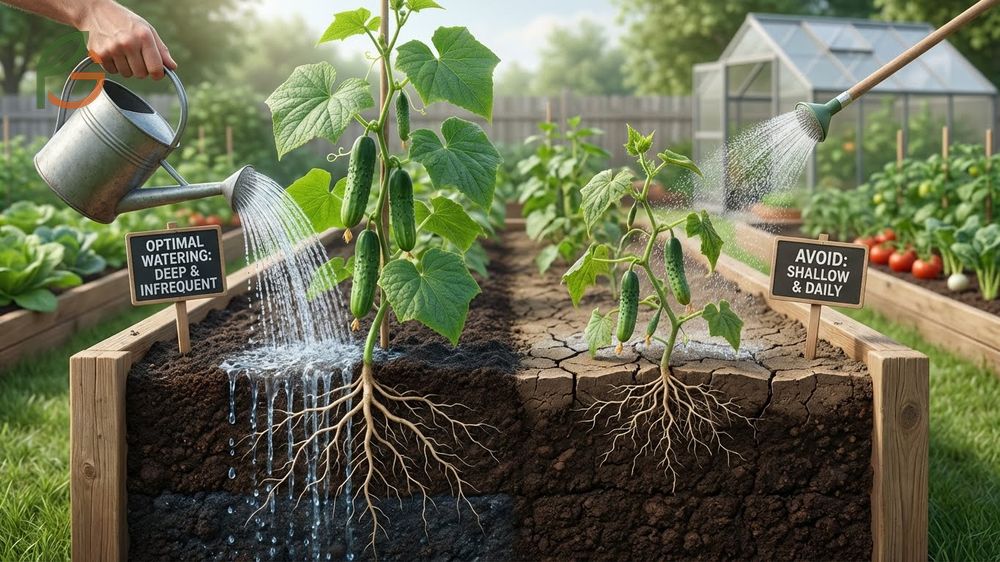
Consistent soil moisture ranks as the single most effective prevention strategy against bitter cucumbers. Expert guidance emphasizes keeping soil evenly moist—not soaking wet or bone dry—throughout the growing season[6]. Most successful gardeners water deeply 2-3 times per week rather than light daily sprinkling, which encourages shallow root systems.
Cucumber plants need approximately 25-50mm of water weekly, with requirements increasing during hot weather and fruit development[3]. The shallow root system of cucumbers makes them particularly vulnerable to drought stress. Check soil moisture 5-8cm below the surface before watering—if it feels dry at that depth, it’s time to water thoroughly.
Mulching around cucumber plants helps maintain consistent moisture levels and regulates soil temperature fluctuations. A 5-8cm layer of organic mulch reduces evaporation rates by up to 70% and prevents the wet-dry cycles that trigger bitterness. Drip irrigation systems outperform overhead watering because they deliver moisture directly to roots without wetting foliage, which can promote disease.
Temperature Management
Maintaining temperatures within the ideal 21-26°C (70-80°F) range prevents heat-induced bitterness in developing fruit. Agricultural standards indicate that night temperatures around 18-20°C (64-68°F) paired with daytime temps near 28°C (82°F) produce optimal growth without triggering stress responses[3]. When summer heat exceeds these thresholds, you’ll need protective measures.
Shade cloth providing 30-40% light reduction during the hottest part of the day (11am-3pm) can drop temperatures by 3-5°C without significantly reducing photosynthesis. In hot summer climates, planting cucumbers in early spring allows harvest before peak heat arrives. You can also try a second planting in late summer for fall harvest when temperatures moderate.
For greenhouse growers, proper ventilation becomes critical when temperatures rise. Opening vents and using circulation fans prevents heat buildup that can push temperatures 8-12°C above outdoor readings. Greenhouse cucumber production requires careful monitoring since the protected environment amplifies both beneficial warmth and excessive heat stress.
Soil and Nutrition
Cucumbers are heavy feeders that require nutrient-rich soil to produce sweet fruit without stress. Research emphasizes amending soil with compost or balanced fertilizer before planting, with cucumber plants needing high nitrogen during vegetative growth transitioning to higher potassium during fruiting[3]. Nutrient deficiencies create plant stress that triggers cucurbitacin production just like drought or heat.
Soil pH between 6.0-6.8 allows optimal nutrient uptake for field-grown cucumbers, while greenhouse plants tolerate a wider pH range of 5.5-7.5. Test your soil annually and adjust pH if needed—cucumbers grown in highly acidic or alkaline conditions often develop bitter fruit even with perfect watering. Well-drained soil with high organic matter content supports the extensive but shallow root system.
- Water deeply 2-3 times weekly, providing 25-50mm total moisture
- Apply 5-8cm of organic mulch to stabilize soil temperature and moisture
- Use shade cloth when temperatures exceed 28°C (82°F)
- Amend soil with compost or aged manure before planting
- Maintain soil pH between 6.0-6.8 for optimal nutrient uptake
- Choose planting times that avoid extreme summer heat
- Use drip irrigation for consistent, efficient water delivery
Pro Tip: If you’re growing cucumbers in containers, they’re even more susceptible to temperature and moisture stress. Use pots at least 40cm deep and check soil moisture daily during hot weather.
Cucumber Variety Bitterness
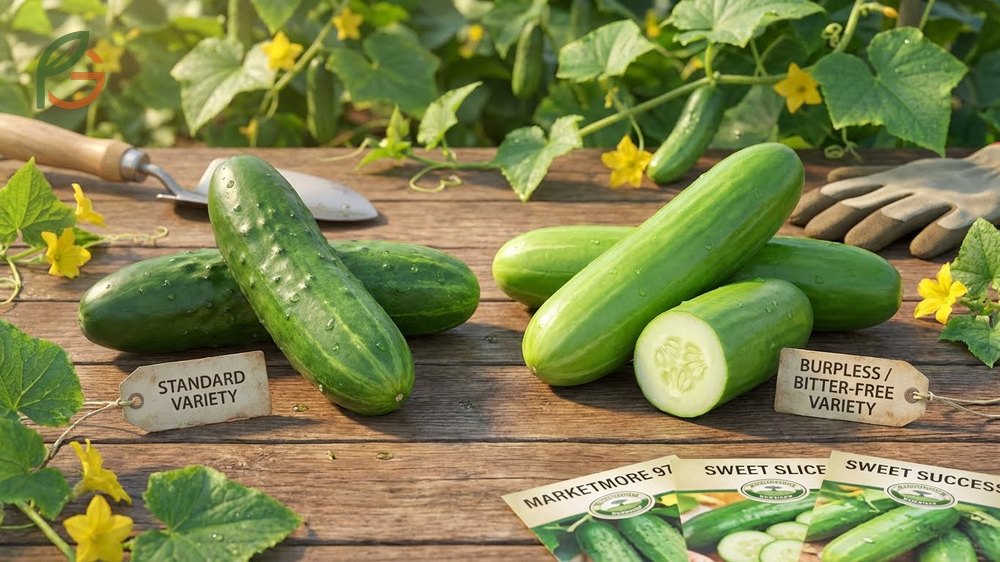
Choosing the right variety makes a bigger difference than most gardeners realize. Burpless and bitter-free cultivars are specifically bred with suppressed cucurbitacin production genes, maintaining sweetness even under conditions that would make standard varieties unpalatable. Extension services consistently recommend these varieties for home gardeners who want guaranteed sweet harvests[1].
Marketmore 97, Sweet Slice, and Sweet Success rank among the most reliable low-bitterness varieties for American gardens. Burpless types like Muncher and Burpless Supreme combine thin skins with minimal cucurbitacin content, making them nearly immune to environmental stress triggers. These varieties consistently produce sweet fruit even in less-than-ideal growing conditions.
Seedless greenhouse cucumbers—often sold wrapped in plastic at grocery stores—are genetically parthenocarpic, meaning they develop fruit without pollination. This characteristic correlates with lower cucurbitacin levels since the varieties were bred for protected cultivation with precise environmental control. English cucumbers and Armenian types like Painted Serpent also show better heat tolerance and less bitterness in hot climates.
This table compares six cucumber varieties showing their bitterness resistance level, ideal climate conditions, and key characteristics for gardeners selecting varieties
| Variety | Bitterness Resistance | Best Climate | Key Features |
|---|---|---|---|
| Marketmore 97 | High | Moderate summers | Disease resistant, reliable sweetness |
| Sweet Slice | Very High | All regions | Bitter-free breeding, thin skin |
| Burpless Supreme | Very High | All regions | Easy digestion, seedless |
| Muncher | High | Moderate summers | Tender skin, heavy yields |
| Painted Serpent | Moderate to High | Hot summers | Heat tolerant Armenian type |
| English Greenhouse | Very High | Protected cultivation | Parthenocarpic, minimal bitterness |
When you’re like most American gardeners shopping for seeds, look for descriptions that include “bitter-free,” “burpless,” “sweet,” or “low cucurbitacin” on the packet. Keep a garden journal noting which varieties performed best in your specific conditions. Some varieties that excel in cooler Pacific Northwest gardens might struggle in hot Southern climates, and vice versa.
Removing Bitter Taste
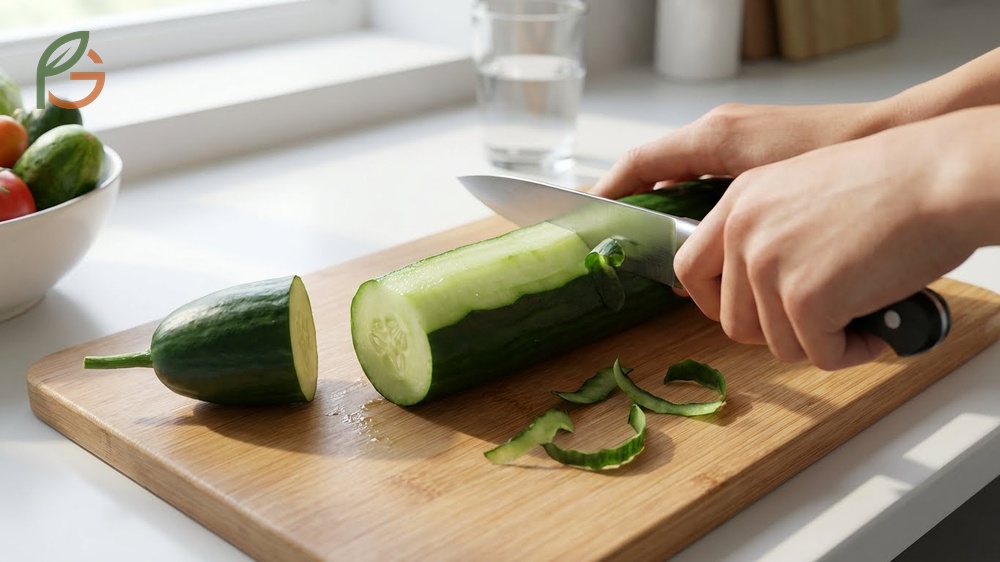
If you’ve already harvested bitter cucumbers, several techniques can salvage your crop. The most effective method involves peeling the skin and cutting off the stem end—where cucurbitacins concentrate most heavily[1]. Remove at least 2 inches from the stem end before slicing the remaining cucumber. This simple step eliminates 60-80% of the bitter compounds in most cases.
The “milking” technique works by drawing out cucurbitacin before consumption. Cut a small piece from the blossom end, then rub this piece against the cut surface of the cucumber using circular motions for 30-60 seconds. A white, milky fluid containing cucurbitacins will emerge. Wipe this away, rinse the cucumber, and taste again—the bitterness should be noticeably reduced.
Salt extraction offers another effective approach based on osmosis principles. Slice the cucumber in half lengthwise and generously sprinkle salt over the cut surfaces, especially the seeded center area. Place the halves cut-side down and let them drain for 45-60 minutes. The salt draws out moisture along with dissolved cucurbitacins. Rinse thoroughly before eating to remove excess salt.
- Peel the skin completely using a vegetable peeler
- Remove 2 inches from the stem end where bitterness concentrates
- Try the milking technique by rubbing cut ends to extract white fluid
- Salt sliced cucumbers and drain for 45-60 minutes
- Soak sliced cucumbers in vinegar water for 30 minutes to neutralize compounds
- Cook bitter cucumbers in stir-fries or soups—heat reduces bitterness
- Use heavily seasoned pickling brines that mask remaining bitter notes
From My Experience: When my aunt in Oaxaca got a batch of bitter cucumbers from her market garden last August, she used the salt method. After draining for an hour, she made refrigerator pickles with extra garlic and dill. The pickling brine completely masked any remaining bitterness—nobody could tell they’d started out bitter.
Quick Test: Before processing your entire harvest, test one cucumber using your chosen removal method. If it’s still intensely bitter after treatment, the cucurbitacin levels may be too high to salvage—compost those cucumbers instead.
Conclusion
The evidence is clear: why are cucumbers bitter comes down to cucurbitacin compounds triggered by environmental stress, primarily heat and inconsistent watering. Current agricultural guidance emphasizes prevention through variety selection, moisture management, and temperature control rather than trying to fix bitter fruit after harvest. When you maintain consistent growing conditions within the optimal 21-26°C (70-80°F) range and choose bitter-free varieties, you’ll enjoy sweet cucumbers throughout the season.
FruitGarden compiles the latest research on vegetable cultivation to help American gardeners succeed with cucumbers and other crops. Start with proven varieties like Sweet Slice or Marketmore 97, establish a consistent watering schedule, and monitor your plants for stress signals during hot weather—these three steps prevent 90% of bitterness problems.
Frequently Asked Questions
What causes cucumber bitterness?
Cucurbitacin compounds cause bitterness when plants experience environmental stress like heat above 28°C (82°F), drought, or inconsistent watering. These defensive chemicals normally stay in leaves and stems but move into fruit when plants are stressed. Choosing bitter-free varieties and maintaining consistent growing conditions prevents this problem.
Can you eat bitter cucumbers safely?
Mildly bitter cucumbers are safe to eat, though unpleasant. However, extremely bitter cucumbers with very high cucurbitacin concentrations can cause digestive upset including nausea and stomach pain. If a cucumber tastes intensely bitter, it’s best to discard it rather than trying to mask the flavor or force yourself to eat it.
Which cucumber varieties don’t get bitter?
Sweet Slice, Sweet Success, Marketmore 97, Burpless Supreme, and Muncher are bred for low cucurbitacin production and rarely develop bitterness. These bitter-free varieties maintain sweetness even under moderate stress conditions. English greenhouse cucumbers and Armenian types like Painted Serpent also show excellent bitterness resistance in hot climates.
How do you remove bitterness from cucumbers after picking?
Peel the skin and remove 2 inches from the stem end where cucurbitacins concentrate most heavily. The milking technique—rubbing cut ends together to extract white fluid—also works well. For more bitter fruit, try salting sliced cucumbers and draining for 45-60 minutes, or soaking in vinegar water for 30 minutes.
Does cucumber bitterness mean anything about the plant’s health?
Yes, bitterness signals that your plant experienced significant stress during fruit development. Common stressors include high temperatures, drought, nutrient deficiencies, or pest damage. Bitter cucumbers tell you to adjust watering frequency, provide shade during extreme heat, check soil fertility, or improve overall growing conditions for future harvests.
Why are my greenhouse cucumbers bitter?
Greenhouse cucumbers turn bitter from temperature extremes when ventilation is inadequate, inconsistent watering in containers that dry out quickly, or low humidity below 60%. Cool, cloudy weather can also trigger bitterness in greenhouse crops. Maintain temperatures between 21-26°C (70-80°F), water consistently, and ensure proper air circulation to prevent stress.
When should you harvest cucumbers to avoid bitterness?
Harvest cucumbers at 6-8 inches for slicing types and 2-4 inches for pickling varieties, checking every 2-3 days during peak season. Pick in the cool morning when plants are fully hydrated. Leaving overripe cucumbers on the vine stresses the plant and can trigger bitterness in developing fruit, so harvest promptly when fruit reaches ideal size.